What Is Furnace Brush Selection?
Furnace brush selection means choosing a brush that can withstand the thermal environment without melting, degrading, or creating sparks, and that effectively removes soot, ash, scale, or slag. It is not simply about picking a stiff brush—it involves evaluating temperature exposure, contact time, residue chemistry, and mechanical requirements. A wrong choice can lead to brush failure, refractory damage, or operator injury.
Common Brush Types for High‑Temperature Environments
Three broad classes of brushes are used in hot process equipment:
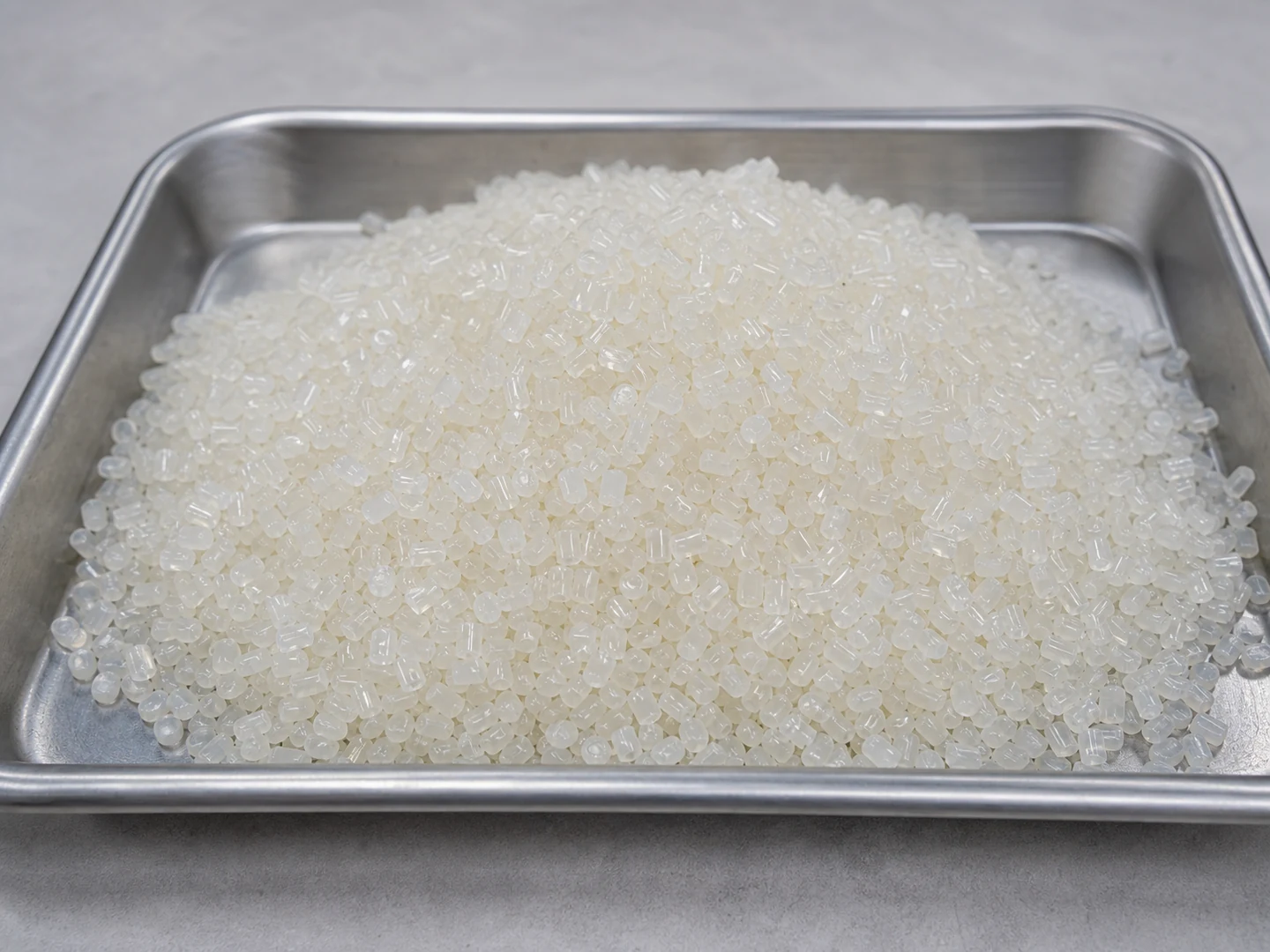
- Heat‑resistant filament brushes – made from fibers like high‑temperature nylon, PTFE, aramid, or polyimide. They resist softening up to certain temperatures and are less abrasive, making them suitable for light soot or ash removal on sensitive surfaces.
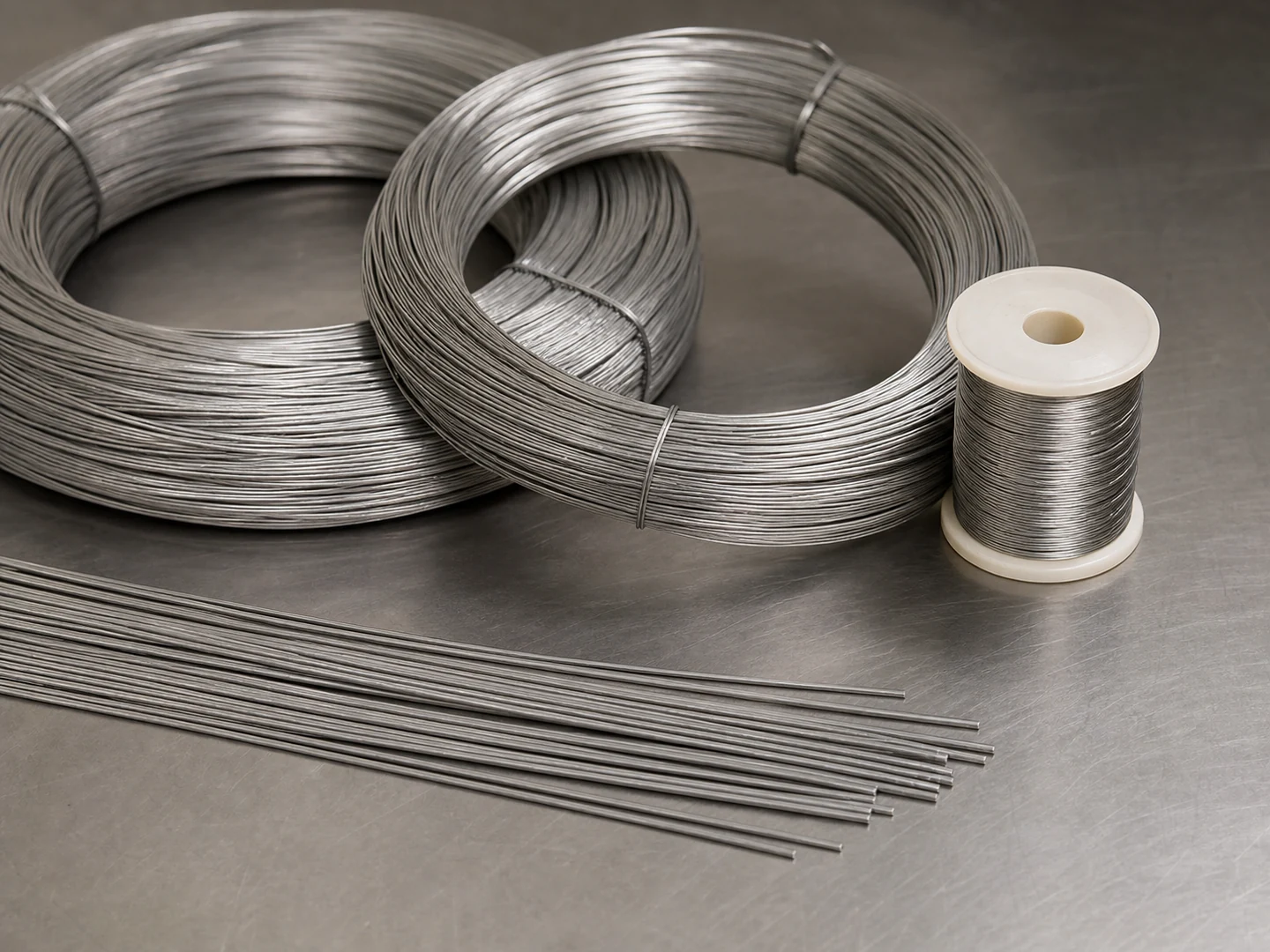
- Metal core wire brushes – bristles are steel, stainless steel, or brass wire. They withstand much higher temperatures and excel at removing hard deposits, but they can scratch refractory linings, generate sparks, and pose a greater risk of bristle shedding.
- Combination or abrasive filament brushes – incorporate abrasive grit in a nylon or other polymer matrix. They offer a middle ground: moderate heat tolerance and aggressive cleaning without pure metal bristle risks.
Heat‑Resistant Filament vs. Metal Core Brush
| Factor | Heat‑Resistant Filament Brush | Metal Core Wire Brush |
|---|---|---|
| Typical temperature ceiling | Lower; depends on polymer type; softening and melting occur above material limit | Higher; steel bristles can endure near‑red heat but may anneal and lose stiffness |
| Abrasiveness | Low to moderate | High |
| Risk of scratching refractory | Minimal | Significant; can gouge lightweight firebrick or ceramic fiber |
| Spark hazard | None | Possible with ferrous bristles on metal surfaces |
| Flexibility in tight bends | Good; filament bundles can conform to contours | Limited; stiff wire may not follow curved flues |
| Residue compatibility | Best for light, dry soot; some chemicals may attack polymers | Excellent for tenacious scale, slag, or baked‑on carbon |
| Cost and replacement frequency | Higher upfront cost for high‑performance filaments; may wear faster in abrasive conditions | Lower cost per brush; can last long if corrosion is controlled |
Key Factors That Influence Material Choice
Material selection should be driven by the specific on‑working conditions and process limits:
- Heat exposure type – continuous radiant heat, direct flame impingement, or intermittent hot/cold cycles affect different materials in distinct ways. A filament brush that survives 500°F ambient air may fail under direct radiant heat from a burner tile.
- Contact time – how long the brush stays in the hot zone matters. A short‑duration pass allows some polymer brushes to survive above their rated limit if the mass of the brush absorbs only limited heat.
- Residue characteristics – dry ash, acidic flue deposits, or sticky creosote‑like build‑up require different bristle aggressiveness and chemical resistance. For example, acidic residue can rapidly degrade nylon.
- Core material – the brush shaft or handle must not conduct excessive heat to the operator. Wood or reinforced plastic cores insulate better than metal, but they can char if the brush is left inside.
- Handle or shaft design – extended‑length handles, flexible shafts, or angled heads influence the reach and the amount of heat transferred back to the user.
- Cooling conditions – if the brush is cooled between passes (e.g., dipped in water or blown with compressed air), a lower‑rated material may work. Without cooling, the brush must withstand sustained heat.
How to Verify Temperature Ratings and Suitability
Manufacturer temperature ratings are often based on laboratory tests under ideal conditions. Buyers should validate suitability through these steps:
- Obtain process data – record the maximum normal operating temperature, peak surge temperatures during start‑up or shutdown, and the temperature after the equipment has been shut down and ventilated but is still warm.
- Request material datasheets – ask suppliers for the filament or wire alloy specifications, including heat deflection temperature, melting point, and any chemical resistance data.
- Conduct a sample test – expose a small brush section or bristle sample to actual in‑service conditions (including residual heat, gases, and residues) and check for softening, distortion, brittleness, or discoloration.
- Check for bristle retention – after testing, verify that filaments do not pull out easily and that the core has not degraded.
- Assess operator safety – measure handle temperature during use to ensure it remains below burn thresholds; consider insulated grips if needed.
Common Mistakes in High‑Heat Brush Selection
Several mistakes recur across industries and can lead to equipment damage or injuries:
- Using a polymer brush where radiant heat or hot ash is present – even if the cavity air temperature is within the filament’s rating, direct radiation from hot walls can quickly melt or ignite bristles.
- Choosing by cost or stiffness alone – a low-cost, stiff brush may last only a few seconds in a furnace throat before losing bristles or becoming a fire hazard.
- Ignoring handle insulation – a metal handle that conducts heat can cause burns, forcing the operator to rush the cleaning and miss critical deposits.
- Using a wire brush on delicate linings – stainless steel bristles can deeply scratch lightweight refractory, leading to thermal stress cracks and shortened lining life.
- Overlooking chemical attack – some fuel residues contain sulfates or chlorides that corrode certain wire grades or embrittle polymer filaments.
- Assuming all stainless steels perform equally – 304 stainless loses strength above ~800°F; 316 or high‑nickel alloys may be needed for sustained high heat.
- Neglecting bristle shedding risks – a shed wire bristle can damage downstream components, similar to how a stray wire brush bristle can ruin an engine component or spark plug in automotive applications.
When Furnace Brush Selection Requires Engineering or Safety Review
A brush selection decision should be escalated to an engineering or safety review when:
- Entry involves confined spaces with potential atmospheric hazards (combustible dust, carbon monoxide, low oxygen).
- The cleaning area’s temperature exceeds the auto‑ignition temperature of any residue present.
- Spark generation could create an explosion risk in a fuel‑rich or dusty environment.
- The brush or extension tool must be modified, and the modification could affect structural integrity or create pinch points.
- Historical attempts have caused refractory spalling, tube erosion, or sensor damage.
In such cases, a formal risk assessment and job safety analysis should be conducted before selecting a brush or writing a cleaning procedure.
Final Takeaway
High‑temperature furnace brush selection is a balance between thermal endurance, cleaning effectiveness, and asset protection. Start by mapping the true thermal exposure, residue type, and mechanical demands, then verify candidate brushes through datasheets and in‑situ testing. Prioritize operator safety and long‑term equipment integrity over the upfront cost of a single brush. When in doubt, consult an engineer or a trusted brush manufacturer’s application specialist.
When a High-Temperature Furnace Brush Is the Wrong Choice
This brush is not enough when the main problem is blocked access, unsafe working conditions, damaged equipment, incompatible chemicals, or a process setting that keeps recreating the residue. In those cases, review base material, burr or oxide level, target finish, brush speed, pressure, and acceptable surface change and confirm the surrounding cleaning method before increasing brush stiffness or contact pressure.
Frequently Asked Questions
What temperature can a standard nylon brush handle?
Standard nylon 6/6 typically begins to soften around 374°F (190°C) and melts near 500°F (260°C). However, heat‑stabilized or high‑temperature nylon grades can extend the working range by 30–100°F. Always obtain the specific filament datasheet from the supplier and test under actual conditions, as fillers, moisture, and load can shift performance.
Can I use a wire brush on ceramic fiber linings?
It is generally not recommended. Even fine stainless steel bristles can tear the fragile fiber surface, leading to increased heat loss, cracking, and reduced lining life. A soft filament brush or a brush with brass bristles (which are softer) may be a safer alternative, but testing on a sacrificial piece of lining is advisable.
How do I clean a furnace with limited access, such as a narrow tube or a blind pocket?
Look for long‑handle brushes with flexible shafts or angled heads. In extreme cases, a cable‑operated brush or a shaped wire brush on an extension pole may work. Ensure the handle or shaft material insulates the operator from heat and that the brush head can be retracted without binding. Always plan for cooling pauses to prevent tool overheating.
Is a brass brush better than stainless steel for furnace cleaning?
It depends on the residue and the substrate. Brass is softer, non‑sparking, and resistant to many chemical atmospheres, making it suitable for cleaning around thermocouples or on softer alloys. However, brass bristles wear faster on hard scale and can transfer brass marks. Stainless steel is harder and lasts longer but may scratch and spark. Evaluate both against the specific cleaning task.
What is the difference between a furnace brush and a chimney brush?
While both remove creosote or soot, a furnace brush is often designed for higher temperatures and tighter internal geometries, such as firetubes or combustion chambers. Chimney brushes are usually larger in diameter, have polypropylene or wire bristles, and are intended for cooler flue conditions. Using a chimney brush inside a hot furnace can lead to rapid melting or handle failure.
Can I use an angle grinder wire brush for furnace interior cleaning?
Angle grinder wire brushes are not designed for manual insertion into hot equipment. They spin at high speeds, throwing sparks and loose bristles, and they lack the handle length needed to keep the operator away from heat and fumes. Additionally, the grinder motor and cord can be damaged by radiant heat or hot air. Stick to purpose‑built, long‑handle brushes rated for the application.
How often should we replace a furnace brush?
Replacement frequency depends on usage intensity, temperature, and residue abrasiveness. Inspect brushes before each use: look for melted or deformed filaments, loose bristles, cracking handles, or corroded ferrules. A brush that shows any of these signs and that sheds fibers or wires during use should be retired immediately to prevent foreign‑object damage inside the furnace.
Technical References
Which bristle material fits this job — Nylon PA, AISI 304 Stainless Steel Wire or Brass Wire?
| Material | Continuous temperature (°C) | Peak temperature (°C) | Water absorption | Hardness |
|---|---|---|---|---|
| Nylon PA | 93 | 121 | 0.3–9% by PA grade and conditioning | Medium to firm; filament diameter and trim length control bending force. |
| AISI 304 Stainless Steel Wire | 400 | 500 | 0% | Rockwell B 70–95 depending on temper and cold work |
| Brass Wire | 150–200 | 250–300 | 0% | Rockwell B 40–90 |
Figures as published by Brushtec / DuPont; Alleima. Confirm the exact grade against the supplier datasheet before ordering.
What should replace Nylon PA when it stops working?
- Nylon PA — Compare Nylon PA with PP, PBT, PET. Change material when wet stiffness, temperature, chemical resistance, conductivity, particle shedding, or surface marking becomes the limiting factor.
- AISI 304 Stainless Steel Wire — Use AISI 316 stainless steel wire for chloride, marine, dairy, beverage, chemical washdown, or higher pitting-resistance requirements. Use carbon steel for dry aggressive cutting and brass or abrasive nylon for lower marking risk.
- Brass Wire — Compare Brass Wire with Steel wire, stainless wire, nylon. Change material when wet stiffness, temperature, chemical resistance, conductivity, particle shedding, or surface marking becomes the limiting factor.