What Is a Mesh Screen Cleaning Brush?
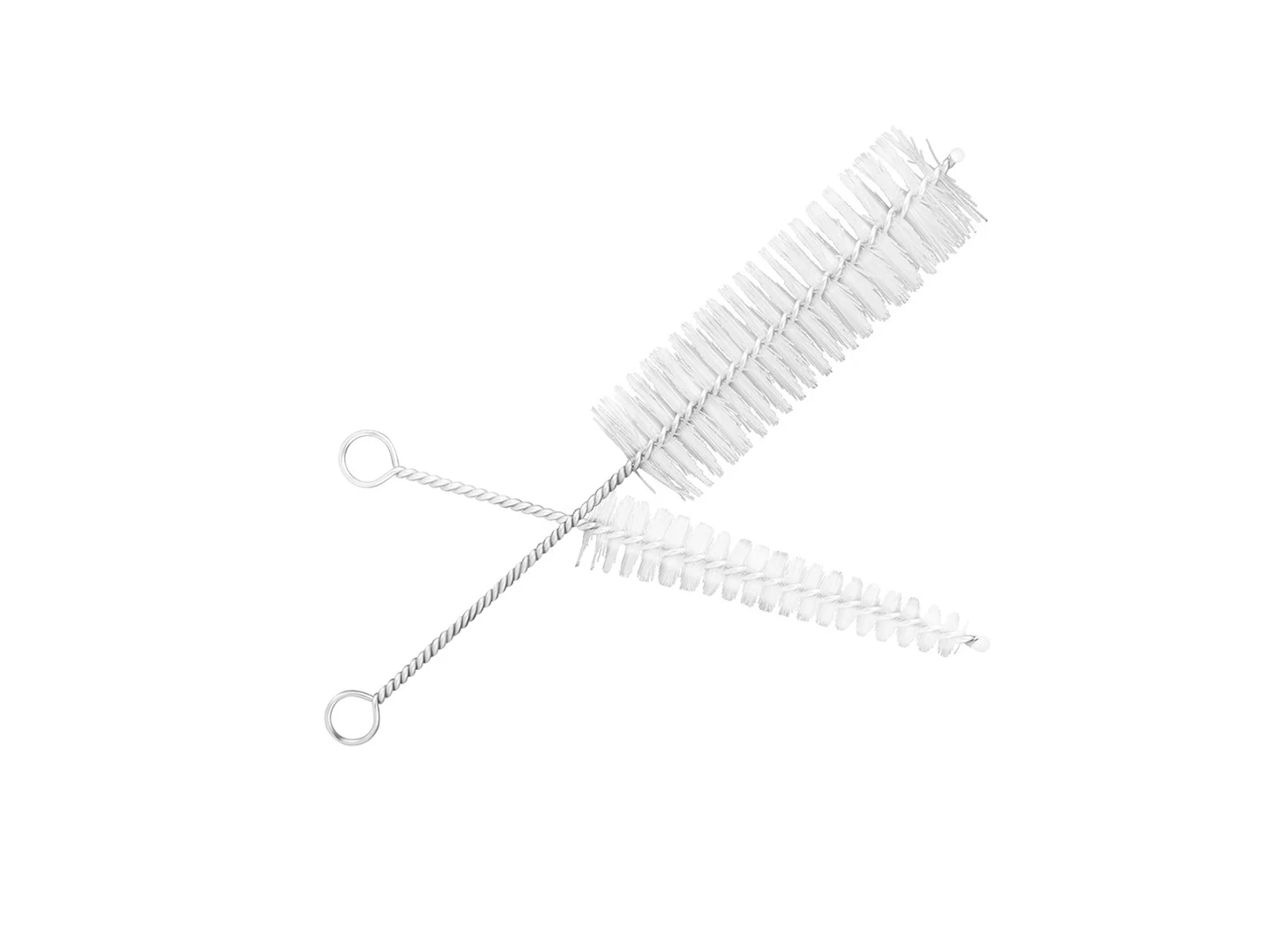
A mesh screen cleaning brush is a specialized tool with bristles designed to remove debris, soot, dust, or buildup from woven wire mesh, expanded metal, or perforated screens without damaging the openings or surface. It is used in industrial sifting, air filtration, drainage protection, chimney sweeping, and food processing. The right brush must match the screen’s aperture size, material hardness, and coating.
Why Material Choice Matters: Nylon vs. Stainless Steel
Bristle material is the most critical factor. A nylon brush for cleaning uses soft, flexible, non-abrasive filaments that will not scratch or distort fine mesh. It is ideal for coated screens (epoxy, PTFE) and fine filtration meshes. Stainless steel wire brushes offer aggressive cleaning power for heavy carbon, rust, or baked-on deposits but can scratch galvanized, aluminum, or fine stainless steel mesh and wear away protective coatings.
A soft nylon brush for cleaning provides even gentler action, often used with delicate surfaces or as a final pass after chemical treatment. The choice hinges on two questions: how tough is the buildup, and how delicate is the screen?
Comparison Table: Nylon vs. Stainless Steel Mesh Cleaning Brushes
| Attribute | Nylon Brush | Stainless Steel Wire Brush |
|---|---|---|
| Bristle Hardness | Soft to medium (Rockwell R 110–120) | Hard (Rockwell C 35–50) |
| Risk to Mesh Surface | Minimal; safe on most materials | High if mesh is fine, coated, or softer than bristle |
| Best for Mesh Type | Fine mesh, coated screens, polymer mesh | Coarse, heavy-duty uncoated metal mesh |
| Typical Applications | Filter screens, chimney liners, cast iron grates with coating, food sieves, boiler tube cleaning (soft deposits) | Heavy soot removal in industrial boilers, paint stripping, welding slag on rigid screens |
| Durability | Wears faster on sharp edges; may melt at high temps (>180°C) | Long-lasting; withstands high temperatures |
| Chemical Resistance | Good against mild acids/alkalis; degrades with strong solvents | Excellent; resistant to most chemicals |
| Cost Factor | Lower | Higher |
How to Select the Right Brush Based on Mesh Size and Screen Material
Follow these steps to avoid damaging your screen while achieving effective cleaning:
- Measure mesh opening size. For openings smaller than 2 mm, nylon is almost always the safer choice. For larger openings (coarse mesh), a stainless steel brush may be acceptable if the screen material is hard and uncoated.
- Identify screen material.
- Stainless steel mesh (304, 316): nylon is safest; fine stainless steel bristles can be used if the mesh is heavy-gauge and uncoated, but always test a small spot first.
- Galvanized or aluminum mesh: use nylon only. Steel brushes will strip the galvanization or scratch aluminum.
- Epoxy-coated or PTFE-coated mesh: nylon only. Wire bristles will cut through the coating.
- Match bristle diameter to opening. A bristle filament should be no more than 50–70% of the mesh opening width. For very fine screens (under 0.5 mm), use extra-soft nylon filaments.
- Choose brush shape and coverage. Flat brushes cover large areas; rotary tube brushes clean inside pipes or deep vessels. For chimney cleaning, a 6 inch nylon chimney brush is common for stainless steel liner flues; a 1/2 inch nylon tube brush suits narrow conduits.
- Test first. Run the brush on a corner or spare piece of the same screen under normal pressure. Check for scratches, distortion, or coating removal.
Common Mistakes When Cleaning Mesh Screens
- Using a wire brush on fine or coated mesh. This is the leading cause of screen damage. Even a “fine” stainless steel bristle can tear openings or peel coatings.
- Choosing a brush that is too large. For flat screens, a brush wider than the unsupported span can bend or permanently distort the mesh. Use multiple passes with a smaller brush if needed.
- Applying excessive force. Let the bristles do the work. Heavy pressure drives bristles through openings, stretching the wire and creating uneven holes.
- Ignoring bristle condition. Worn or kinked bristles lose cleaning effectiveness and can shed filaments into the product stream—a critical failure in food or chemical processing.
- Skipping regular cleaning. Allowing buildup to harden forces operators to use more aggressive scrubbing later, increasing damage risk.
- Not matching brush shape to screen geometry. A flat brush cannot effectively clean a curved screen; a rotary brush may leave corners untouched. Use tools that conform to the profile.
When a Standard Mesh Brush Is the Wrong Choice
A mesh cleaning brush excels at routine removal of loose particles, soot, or light scale. However, if the screen has baked-on carbon, polymerized oils, or severe pitting, mechanical brushing may be insufficient. In such cases, consider these alternatives:
- Chemical soaking using approved solvents or detergents, followed by a soft nylon brush rinse.
- Ultrasonic cleaning for fine meshes with trapped microscopic particles.
- Professional media blasting (dry ice, walnut shell) for heavy industrial fouling, but only if the screen material can tolerate it without erosion.
- Replacement when distortion or wear has permanently altered the aperture size beyond tolerance.
Never use a wire brush to compensate for chemical or process-related buildup—it will only mask the root cause and accelerate mesh failure.
Final Takeaway
For most filtration and separation screens, a nylon brush is the default choice because it protects the mesh while providing adequate cleaning. Reserve stainless steel wire brushes for coarse, rugged, uncoated metal screens where heavy deposits demand it. Always match bristle diameter to mesh opening, use light pressure, and test on a small area. A careful selection process extends screen life, maintains performance, and avoids costly unplanned replacements.
Frequently Asked Questions
Can I use a stainless steel brush on a stainless steel mesh screen?
It depends on the mesh fineness and coating. For fine stainless steel mesh (below 2 mm openings) or any coated surface, always use nylon. Even a fine stainless steel bristle can scratch the wires and create stress points that lead to premature cracking.
What is the difference between a standard nylon brush and a “soft” nylon brush for cleaning?
Soft nylon brushes use finer-diameter filaments, often with rounded tips, to deliver the gentlest action. They are best for delicate screens, polished surfaces, or final cleaning after chemical treatment.
How do I choose the right brush size for a tube or pipe mesh screen?
Select a brush diameter 1.5 to 2 times the internal diameter of the pipe, or exactly the screen’s aperture for flat mesh. For example, a 1/2 inch nylon tube brush suits small conduits; a 6 inch nylon chimney brush fits standard stainless steel flue liners.
How often should I replace my mesh cleaning brush?
Replace the brush when bristles become permanently bent, lose stiffness, or start shedding filaments. A deformed brush cleans inconsistently and can scratch the screen. In high-use environments, inspect weekly.
Can a nylon brush clean a BBQ grate without a wire brush?
Yes, especially for porcelain-coated or cast iron grates. A nylon brush for cleaning cast iron or a soft nylon brush for cleaning grates removes residue without scratching the protective surface. Wire brushes can damage coatings and leave metal splinters that may stick to food.
What is the best way to clean a cast iron surface with a nylon brush?
Use a dedicated nylon brush for cleaning cast iron, apply gentle pressure, and combine with hot water and a mild scraper for tough spots. Avoid steel bristles, which can gouge the seasoning layer on cookware or protective coatings on industrial cast iron screens.
Do I need a size chart for boiler tube cleaning brushes?
A boiler tube cleaning brush size chart is helpful because tubes have specific inner diameters that demand exact brush sizing. Using a brush too small leaves deposits; too large risks lodging and damaging tubes. Nylon brushes are common for soft soot, while harder deposits may require fine stainless steel, but only after confirming tube material compatibility.
What is the safest brush for cleaning a stainless steel chimney liner?
A nylon chimney brush, often 6 inches in diameter for typical residential flues, is recommended because it cleans effectively without scratching or abrading the liner. A chimney cleaning brush for stainless steel liner should have dense, non-aggressive bristles to avoid metal-to-metal wear.
Technical References
- OSHA — Machine Guarding
- OSHA — Control of Hazardous Energy
- OSHA — Combustible Dust
- EPA — Particulate Matter Basics
Which bristle material fits this job — Nylon PA, AISI 304 Stainless Steel Wire or PA6 Nylon?
| Material | Continuous temperature (°C) | Peak temperature (°C) | Water absorption | Hardness |
|---|---|---|---|---|
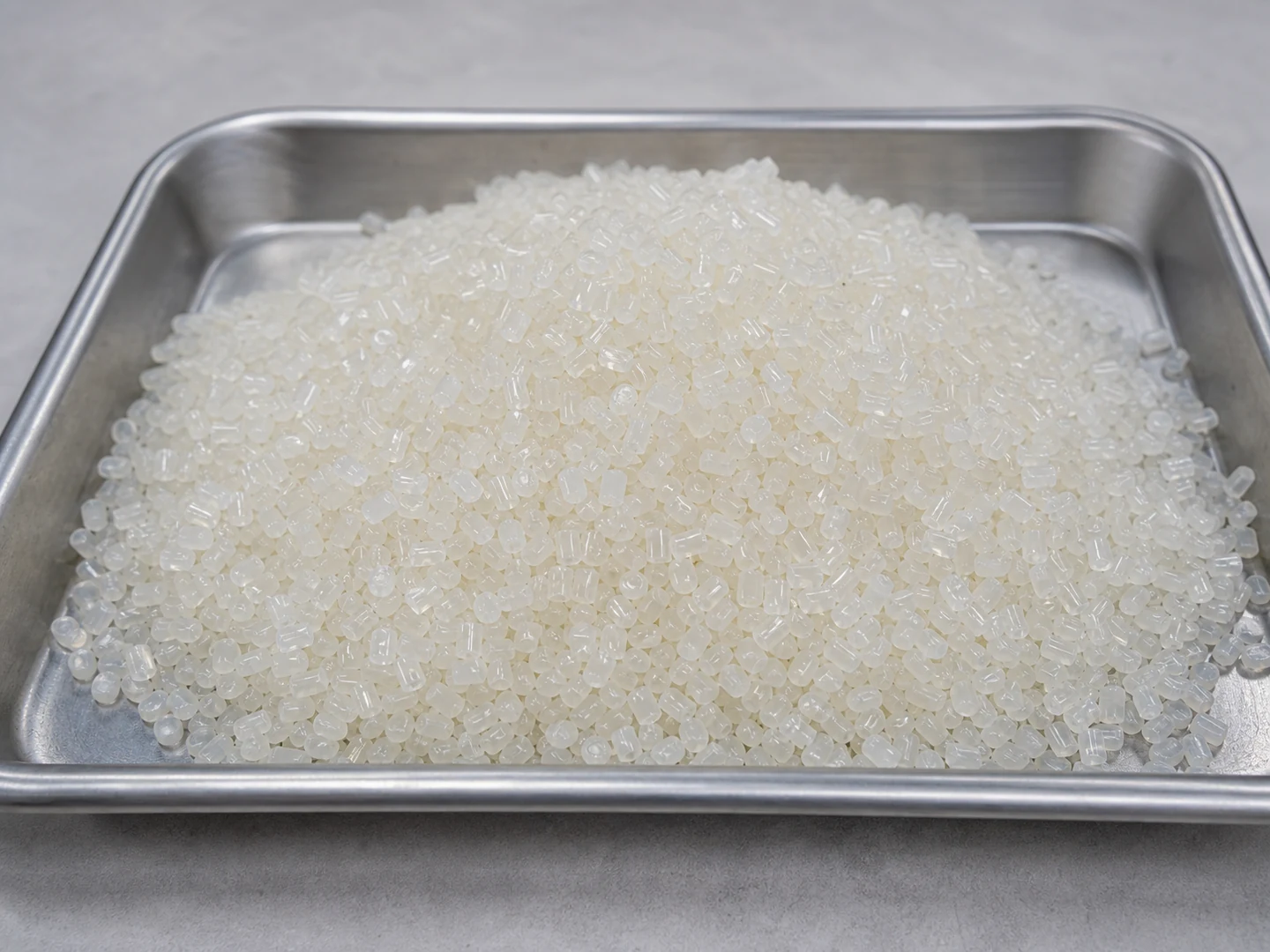
| Nylon PA | 93 | 121 | 0.3–9% by PA grade and conditioning | Medium to firm; filament diameter and trim length control bending force. |
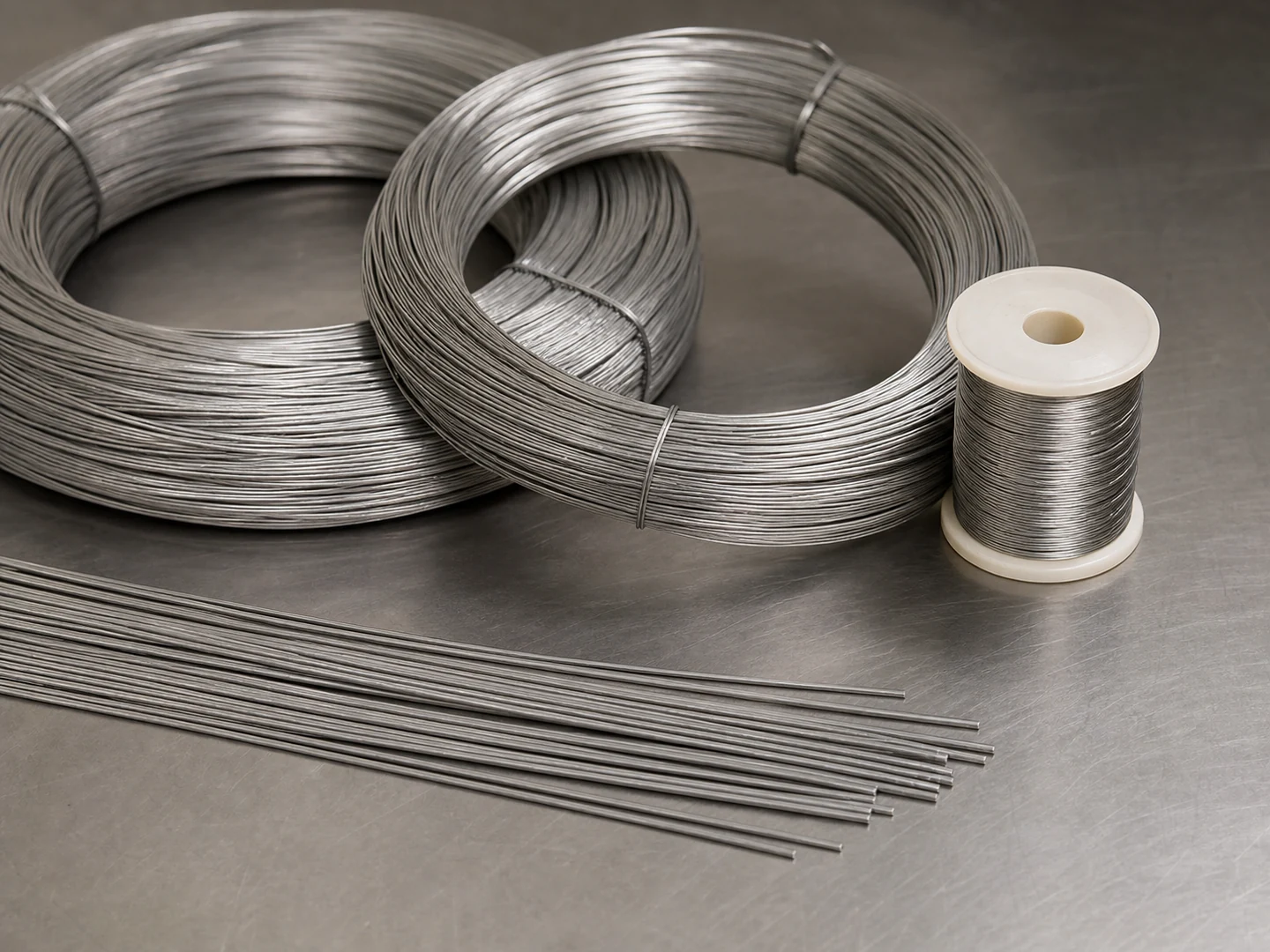
| AISI 304 Stainless Steel Wire | 400 | 500 | 0% | Rockwell B 70–95 depending on temper and cold work |
| PA6 Nylon | 80–100 | 130–160 | 1.5–3.0% | Shore D 75–85 |
| PA612 Nylon | 90–110 | 130–150 | 0.3–0.7% | Shore D 70–80 |
| PBT | 120–140 | 160–180 | 0.05–0.20% | Shore D 80–90 |
Figures as published by Brushtec / DuPont; Alleima; Perlon. Confirm the exact grade against the supplier datasheet before ordering.
What should replace Tube & Pipe Bore Brushes when they stop working?
- Tube & Pipe Bore Brushes — Tube and bore brushes work by radial contact inside a confined diameter; wire wheels and cups work mainly on external edges, profiles, welds, and broad surfaces.
- Nylon PA — Compare Nylon PA with PP, PBT, PET. Change material when wet stiffness, temperature, chemical resistance, conductivity, particle shedding, or surface marking becomes the limiting factor.
- AISI 304 Stainless Steel Wire — Use AISI 316 stainless steel wire for chloride, marine, dairy, beverage, chemical washdown, or higher pitting-resistance requirements. Use carbon steel for dry aggressive cutting and brass or abrasive nylon for lower marking risk.
- PA6 Nylon — Compare PA6 Nylon with PA66, PP, PBT. Change material when wet stiffness, temperature, chemical resistance, conductivity, particle shedding, or surface marking becomes the limiting factor.