What Is a Jewelry Cleaning Brush?
A jewelry cleaning brush is a small, fine-bristled tool designed to remove dirt, tarnish, and residues from intricate jewelry and watch components without causing damage. Unlike household brushes, these are engineered with specific bristle stiffness, tip shape, and chemical resistance to work with cleaning solutions on precious metals and gemstones. They can target areas that a polishing cloth or ultrasonic bath cannot reach, such as under prongs, inside chain links, or between watch bracelet segments.
For gemstone durability, stone sensitivity, and jewelry cleaning/care boundaries, this article cites GIA — Gem Reference Guide, Gemological Institute of America, 1995; gem durability and care entries.
Common Types of Jewelry Cleaning Brushes
Soft Hair Brushes
These use natural fibers like goat or camel hair, or ultra-fine synthetic nylon. They are extremely gentle and flexible, making them the go-to choice for daily light cleaning on all metals and stones, including the most delicate.
Glass Fiber Brushes
Glass fiber (or fiberglass) brushes consist of thousands of microscopic glass filaments that act as a mild abrasive. They excel at precision removal of heavy tarnish, oxidation, and stubborn residues from hard, non-porous surfaces. Because they are abrasive, they must be used with care.
Pen-Style Brushes
Pen-style brushes feature a retractable tip that dispenses a small brush head – often nylon or brass – for detail work. The slender design allows access to tiny spaces like watch movements, clasp hinges, and under gallery rails. Brass-tipped versions are firmer, while nylon versions offer gentle scrubbing.
Microfiber & Swab Brushes
While not traditional brushes, microfiber-tipped sticks or cotton swabs serve a similar purpose for applying solutions without leaving lint or bristle marks. They are ideal for the most fragile pieces or for final cleaning passes.
Soft Hair vs. Glass Fiber vs. Pen-Style Brushes
| Brush Type | Bristle Material | Best For | Not Recommended For | Abrasiveness | Typical Use |
|---|---|---|---|---|---|
| Soft Hair | Goat hair, camel hair, fine nylon | Soft metals (gold, silver), porous stones (pearls, opals), plated items | Heavy baked-on tarnish | Very low | Light daily cleaning, dust removal |
| Glass Fiber | Fiberglass filaments | Hard metals (platinum, stainless steel), hard gemstones (diamonds, sapphires) with secure settings | Soft stones, plated surfaces, soft metals like gold | High | Precision tarnish removal, oxidation cleanup |
| Pen-Style (Nylon) | Fine nylon | Watch bracelets, detailed settings, delicate filigree | Large surface areas (time-consuming) | Low | Detail cleaning in tight spaces |
| Pen-Style (Brass) | Brass bristles | Steel watch cases, sturdy chains, hard metal buildup | Gold, silver, plated items, any stones | Medium–high | Deep residue removal on robust parts |
How to Select a Brush Based on Metal and Stone Sensitivity
The single most important rule is: match the brush to the most delicate component of the piece.
- Soft/porous stones (pearl, opal, turquoise, emerald): Use only a very soft hair brush or a damp microfiber swab. Even nylon can leave micro-scratches over time.
- Hard gemstones (diamond, ruby, sapphire): These can tolerate slightly stiffer nylon or gentle glass fiber action on the metal around them, but avoid metal brushes that could damage prongs.
- Gold & silver: Pure and alloyed precious metals are relatively soft. Stick to soft hair; avoid any brass or glass fiber brushes.
- Platinum & stainless steel: These hard metals can be cleaned with glass fiber or brass pen brushes for stubborn spots, but always check that any adjacent stones or settings can handle the pressure.
- Plated/vermeil/filled items: The thin outer layer is easily worn through. Use only the softest hair brushes and no abrasives.
Setup and Usage Factors
Even the right brush can cause damage if used incorrectly. Keep these factors in mind:
- Cleaning solution compatibility: Soft hair brushes work best with mild soapy water or dedicated non-abrasive jewelry cleaner. Glass fiber brushes can be used with tarnish-removing agents, but avoid soaking the brush.
- Moisture control: Dampen the brush, don’t saturate. Excess liquid can loosen settings in some antique pieces.
- Work surface: Use a soft mat or cloth to catch parts if something slips. Always work over a table, not over a sink.
- Pressure: Let the bristles do the work. Excessive force can bend prongs, dislodge stones, or cause bristles to splay and lose effectiveness.
- Brush care: Rinse brushes after each use to remove chemical residues and dirt, then air dry. This prevents cross-contamination between pieces and extends brush life.
Common Mistakes to Avoid
- Using a hard brush on soft metal: Scratching gold or silver with a brass or glass fiber brush is a common and costly error.
- Applying glass fiber to plated or gem-set areas: The abrasive can strip plating instantly or dull stone facets.
- One brush for everything: A single brush cannot safely handle both a pearl necklace and a steel watch bracelet.
- Neglecting brush hygiene: Old solution dried on bristles can cause future tarnish or react with next piece’s metal.
- Excessive pressure: This damages both the item and the brush; many delicate structures can bend under fingertip force.
- Using worn-out brushes: Bent, matted, or discolored bristles lose cleaning ability and can trap abrasive particles that scratch the next piece.
When a Brush Is the Wrong Choice
Manual brushing has limits. For heavily tarnished silver, deeply soiled chains, or pieces with many tight-setting stones, a brush alone may not achieve professional results. In these cases, an ultrasonic cleaner can be a better choice – but only for items that are structurally sound and free of fragile stones or plating. Ultrasonic energy can shatter emeralds, loosen pavé settings, and strip soft patinas. When uncertainty exists about a piece’s composition or condition, the safest route is a professional jeweler’s evaluation and cleaning.
Final Takeaway
Select your jewelry cleaning brush based on the most sensitive material on the piece. A toolkit containing a soft hair brush, a glass fiber brush, and a pen-style detail brush covers most home cleaning scenarios. Always pair the right brush with the right solution, use gentle pressure, and know when manual cleaning isn’t enough. Treat valuable, antique, or damaged pieces with extra caution and seek expert help when needed.
Frequently Asked Questions
Can I use a toothbrush to clean jewelry?
A standard toothbrush often has bristles that are too stiff for soft metals and can leave scratches. If you must use one, choose an ultra-soft infant brush, but dedicated jewelry brushes are designed to be gentler and more precise.
Is a glass fiber brush safe for gold?
No. Even 14k or 18k gold can be micro-scratched by glass fiber. Use only the softest hair brushes on any gold item.
What brush should I use for a stainless steel watch bracelet?
A pen-style nylon brush is great for routine cleaning. For stubborn residue in the links, a brass pen-style brush can be used cautiously, but avoid glass fiber if the bracelet has polished surfaces or PVD coating.
How often should I replace my jewelry cleaning brushes?
Replace a brush when the bristles become permanently bent, lose their shape, or show discoloration that won’t rinse out. With proper care, a quality brush can last through many cleaning sessions.
Can I clean pearls with any brush?
Only a very soft, slightly damp hair brush should touch pearls. Never use abrasive brushes or solutions, as pearls are extremely porous and easily damaged.
Do I need more than one type of brush?
Yes. A single brush cannot safely address the range of hardness and delicacy across different metals and stones. A minimum set would be a soft hair brush and a fine detail brush.
How do I clean the brush itself after use?
Rinse the bristles under warm running water, use a drop of mild soap if needed, then gently squeeze out excess water and let it air dry with bristles facing down to prevent water from loosening the ferrule.
Technical References
Which bristle material fits this job — Nylon PA, AISI 304 Stainless Steel Wire or Microfiber?
| Material | Continuous temperature (°C) | Peak temperature (°C) | Water absorption | Hardness |
|---|---|---|---|---|
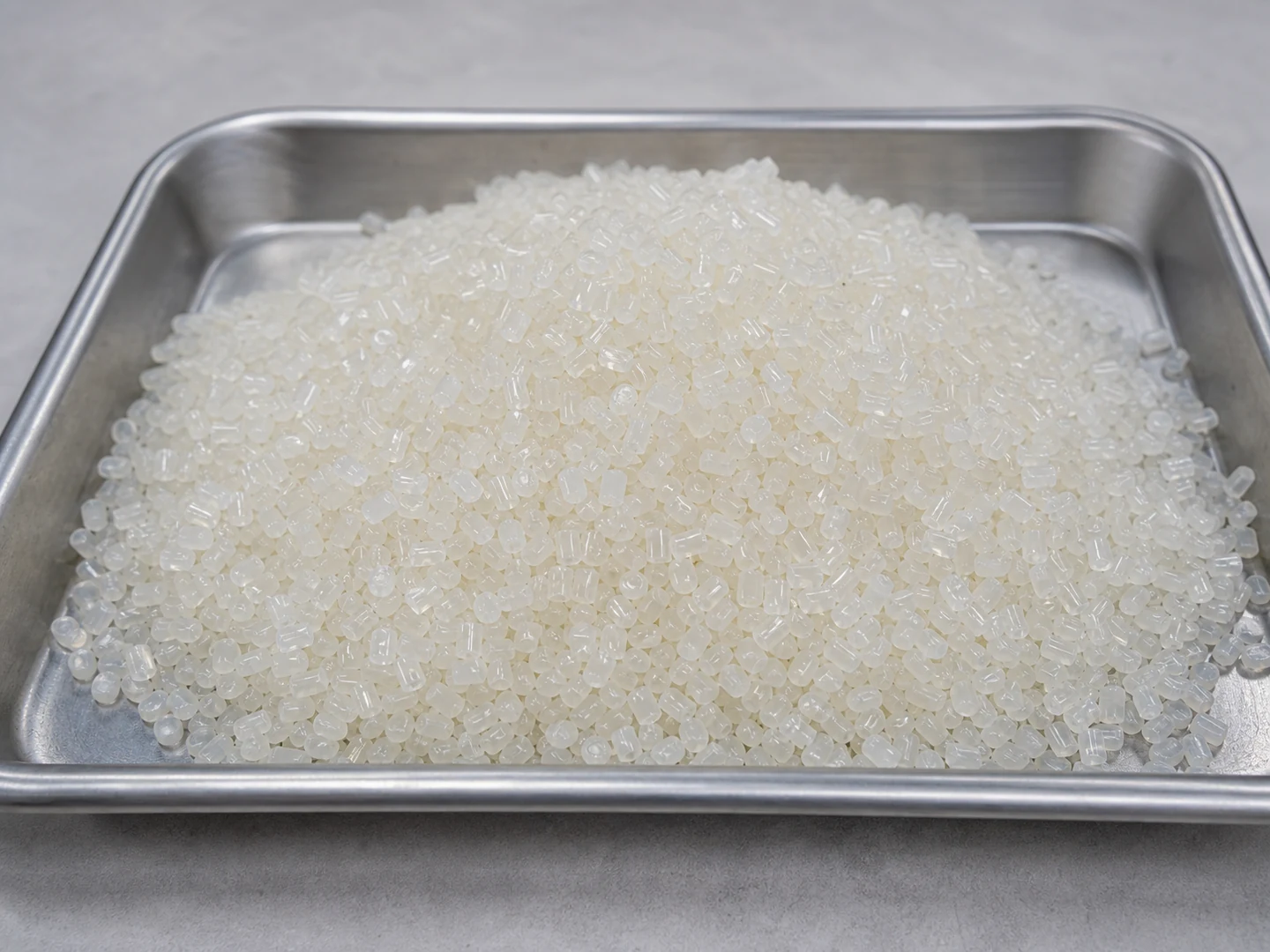
| Nylon PA | 93 | 121 | 0.3–9% by PA grade and conditioning | Medium to firm; filament diameter and trim length control bending force. |
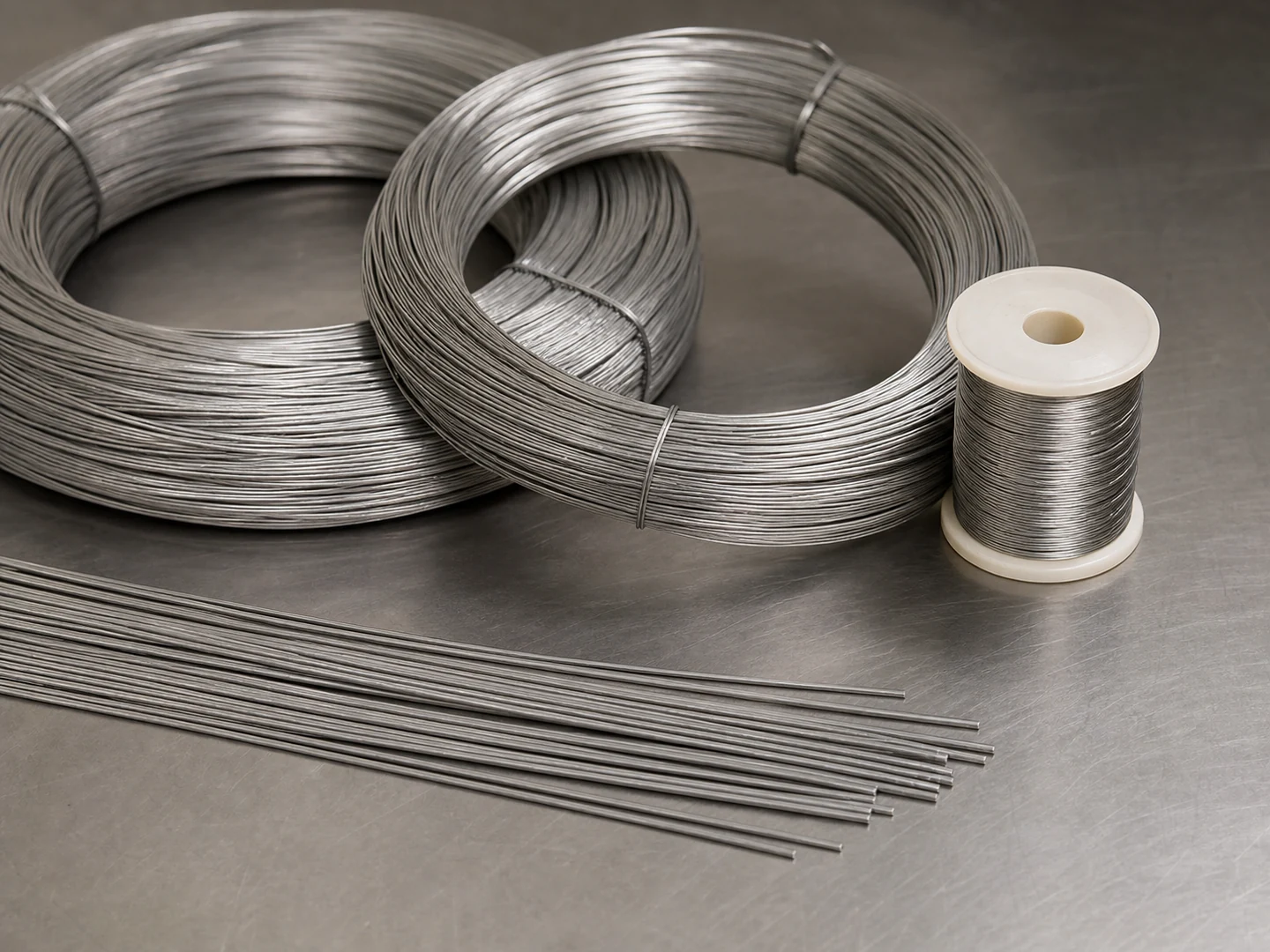
| AISI 304 Stainless Steel Wire | 400 | 500 | 0% | Rockwell B 70–95 depending on temper and cold work |
| Microfiber | 80–120 | 140–170 | 0.2–1.0%Material Itself ; Structure Can Absorb 3–7 Times Its Own Weight | — |
| Goat Hair | 50–70 | 90–110 | 12–20% | — |
Figures as published by Brushtec / DuPont; Alleima. Confirm the exact grade against the supplier datasheet before ordering.
What should replace Handheld Detail Brushes when they stop working?
- Handheld Detail Brushes — Handheld detail brushes cover general precision cleaning; auto-detailing brushes impose tighter controls for painted, polished, leather, display, and trim surfaces.
- Nylon PA — Compare Nylon PA with PP, PBT, PET. Change material when wet stiffness, temperature, chemical resistance, conductivity, particle shedding, or surface marking becomes the limiting factor.
- AISI 304 Stainless Steel Wire — Use AISI 316 stainless steel wire for chloride, marine, dairy, beverage, chemical washdown, or higher pitting-resistance requirements. Use carbon steel for dry aggressive cutting and brass or abrasive nylon for lower marking risk.
- Microfiber — Compare Microfiber with Cotton yarn, wool, felt, soft PBT filament. Change material when wet stiffness, temperature, chemical resistance, conductivity, particle shedding, or surface marking becomes the limiting factor.