What Is a Coil Cleaning Brush?
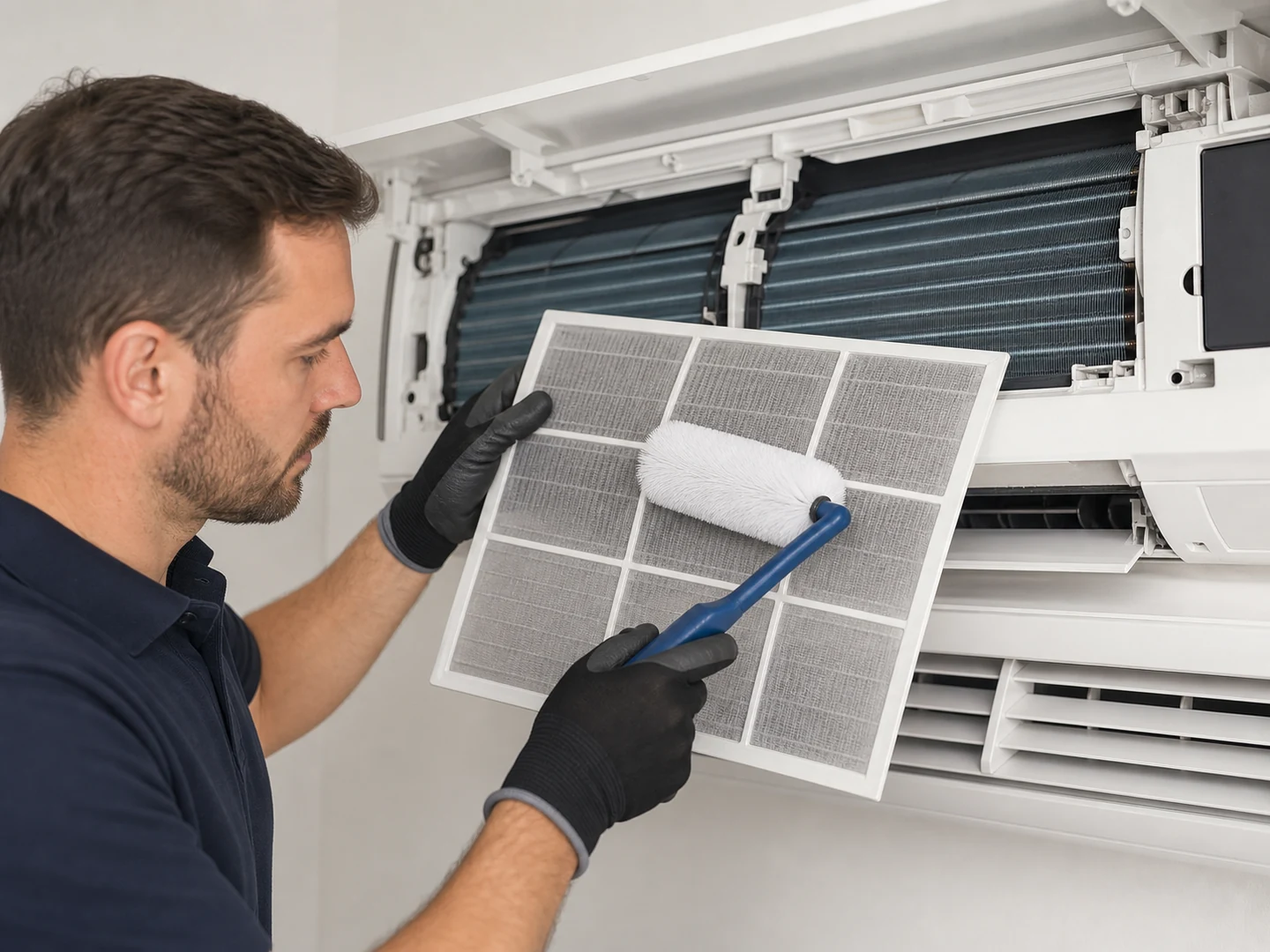
A coil cleaning brush is a hand or power tool designed to remove dust, lint, grease, and debris from the fins and tubes of heat exchanger coils in air conditioners, chillers, condensers, and evaporators. Unlike a general-purpose brush, a proper coil brush matches the fin geometry and material to clean effectively without bending or flattening the delicate aluminum or copper fins.
Common Types of Coil Cleaning Brushes
Most coil cleaning brushes fall into three categories based on construction and cleaning action. Understanding each type helps narrow the field before considering fin spacing and coil depth.
- Flexible bristle brushes – Made with soft polyester or horsehair bristles set in a plastic or aluminum handle. They flex to follow fin undulations and are the safest choice for thin, closely spaced fins.
- Stiff bristle brushes – Often use nylon or wire bristles (stainless steel or brass). They provide more aggressive cleaning for heavy fouling but carry a higher risk of fin bending if used incorrectly.
- Rotary brushes – Driven by a drill or rotary tool. They use nylon, wire, or abrasive-impregnated filaments and are intended for thick, heavy-gauge coils. Rotary brushes can clean quickly but must be matched carefully to fin spacing and speed.
Flexible vs Stiff vs Rotary: Quick Comparison
| Feature | Flexible Bristle Brush | Stiff Bristle Brush | Rotary Brush |
|---|---|---|---|
| Typical bristle material | Polyester, horsehair | Nylon, stainless steel, brass | Nylon, steel, abrasive filament |
| Best for fin spacing | Tight (≤ 8 fins/inch) | Wide (≥ 8 fins/inch) when fouling is heavy | Wide (≥ 10 fins/inch) with heavy-gauge fins |
| Coil depth suitability | Shallow to medium (up to 2″ deep) | Medium (2–4″) | Medium to deep (2–6″) |
| Risk of fin damage | Low | Medium to high if misused | High without proper control |
| Typical application | Indoor evaporator coils, residential A/C | Commercial condenser coils, kitchen extract coils | Large chiller coils, heavy industrial coils |
| Requires chemical pre-treatment? | Sometimes for oily residue | Often recommended | Almost always recommended |
How to Select Based on Fin Spacing and Coil Depth
Fin spacing and coil depth are the two most critical selection factors:
- Fin spacing – Measure the number of fins per inch. Coils with more fins per inch (tighter spacing) require a finer, flexible brush that can reach between fins without bending them. For tightly packed fins (10 or more fins per inch), a soft polyester brush is usually the safest starting point. For wider spacing (6 fins per inch or fewer), a stiffer brush or cautious use of a rotary brush can speed up cleaning.
- Coil depth – The brush bristle length or tool reach must match the coil thickness. A brush that is too short will clean only the surface; one that is too long may be hard to control. For coils deeper than 3 inches, rigid handle extensions or rotary tools with adjustable depth stops help reach the interior rows without over‑force.
Selection rule of thumb: Start with the gentlest brush that can remove the debris. If that proves insufficient, move to a stiffer brush or rotary option, but always with a suitable cleaning chemical to reduce mechanical force needed.
Common Mistakes That Bend Fins and Reduce Efficiency
Even experienced technicians can accidentally damage a coil by using an overly aggressive brush. Here are the most frequent errors:
- Using a wire brush on thin-gauge fins – Steel bristles can easily fold over the soft aluminum fins of residential or light commercial coils, blocking airflow and reducing heat transfer.
- Pressing too hard with any brush – Excessive force compresses the bristles and bends fins, even with a flexible brush. Let the bristles do the work.
- Rotating at high speed without a speed-regulated drill – Rotary brushes can “grab” and tear fins if spun too fast or if the brush diameter is too large for the fin spacing.
- Skipping chemical pre-soak on greasy coils – Trying to scrub baked-on grease with a dry brush demands more force, increasing damage risk. A proper alkaline coil cleaner softens deposits so a softer brush can be used.
- Using the same brush for every coil – Different fin types (flat, corrugated, lanced) and materials (copper vs. aluminum) react differently. A brush that works on a condenser may be too harsh for an evaporator.
When a Coil Brush Isn’t Enough: The Chemical Cleaner Boundary
Mechanical brushing has limits. In these situations, a chemical-only or chemical-first approach is the better choice:
- Deeply embedded microbial growth (biofilm) inside the coil – Brushing alone cannot kill mold or bacteria. A foaming disinfectant or enzymatic cleaner is required.
- Coils with extremely fragile fins (spine fin or microchannel) – Some modern coils cannot withstand any bristle contact. They require low-pressure water rinsing with a non-acidic cleaning solution.
- Heavy corrosion or damaged fins – If fins are already brittle from salt spray or chemical attack, brushing will cause further breakage. Chemical cleaning with a corrosion inhibitor is the usually safer option.
- When a coil is inaccessible for brush reach – Split systems or duct-mounted coils may require chemical injection and flushing systems rather than manual brushing.
Always consult the equipment manufacturer’s maintenance manual. Many OEMs specify approved cleaning methods and chemicals that protect warranty coverage.
Final Takeaway: Pick the Brush That Protects the Fin
There is no single best coil cleaning brush for every job. Match the brush flexibility to the fin spacing, the bristle length to the coil depth, and use chemical cleaners to reduce the need for aggressive mechanical force. When in doubt, start with the softest brush that can remove the debris and inspect fins after a small test area. That approach saves time and preserves coil performance.
Frequently Asked Questions
Can I use a household scrub brush to clean HVAC coils?
Most household brushes are too stiff or have bristles that are too large for close fin spacings. They can easily bend fins and reduce airflow. It is safer to use a purpose-made coil cleaning brush with the correct stiffness and bristle length.
How do I measure fin spacing on my coil?
Use a ruler or a fin comb to count the number of fins in one inch. If you count 8 fins, the spacing is 8 fins per inch. Tighter spacing (higher count) requires a softer brush.
Is it safe to use a rotary brush on any coil?
Not always. Rotary brushes are best suited for heavy-gauge commercial or industrial coils with wide fin spacing. For residential coils or microchannel coils, rotary brushes can cause severe damage. Check the coil type and fin thickness before using a rotary tool.
Do I need to use a chemical cleaner with a coil brush?
It depends on the soil type. For dry dust, a brush alone may suffice. For oily, greasy, or heavily baked-on deposits, a chemical pre-spray softens the debris and allows a softer brush to work effectively, reducing the risk of fin damage.
How often should I replace my coil cleaning brush?
Replace the brush when bristles become permanently bent, worn down, or contaminated with chemicals that could corrode fins. A worn brush requires more force and increases the chance of fin damage.
Can I use the same brush for indoor and outdoor coils?
It is generally acceptable if the brush is cleaned between uses, but outdoor coils often collect heavier, coarser dirt that may require a stiffer brush. Using separate brushes helps avoid cross-contamination, especially when moving from greasy kitchen coils to clean evaporator coils.
What if the brush gets stuck between fins?
Stop and pull the brush straight back without twisting. Forcing a stuck brush sideways will bend fins. If the brush is consistently catching, the bristle diameter is too large for the fin spacing, and you should switch to a finer brush.
Are there brushes designed specifically for microchannel coils?
Microchannel coils typically should not be brushed at all. They are designed for chemical cleaning and low-pressure water rinsing. Using any brush risks perforating the thin aluminum channels. Always refer to the equipment manufacturer’s cleaning guidelines for microchannel coils.
Technical References
Which bristle material fits this job — Nylon PA, AISI 304 Stainless Steel Wire or Horsehair?
| Material | Continuous temperature (°C) | Peak temperature (°C) | Water absorption | Hardness |
|---|---|---|---|---|
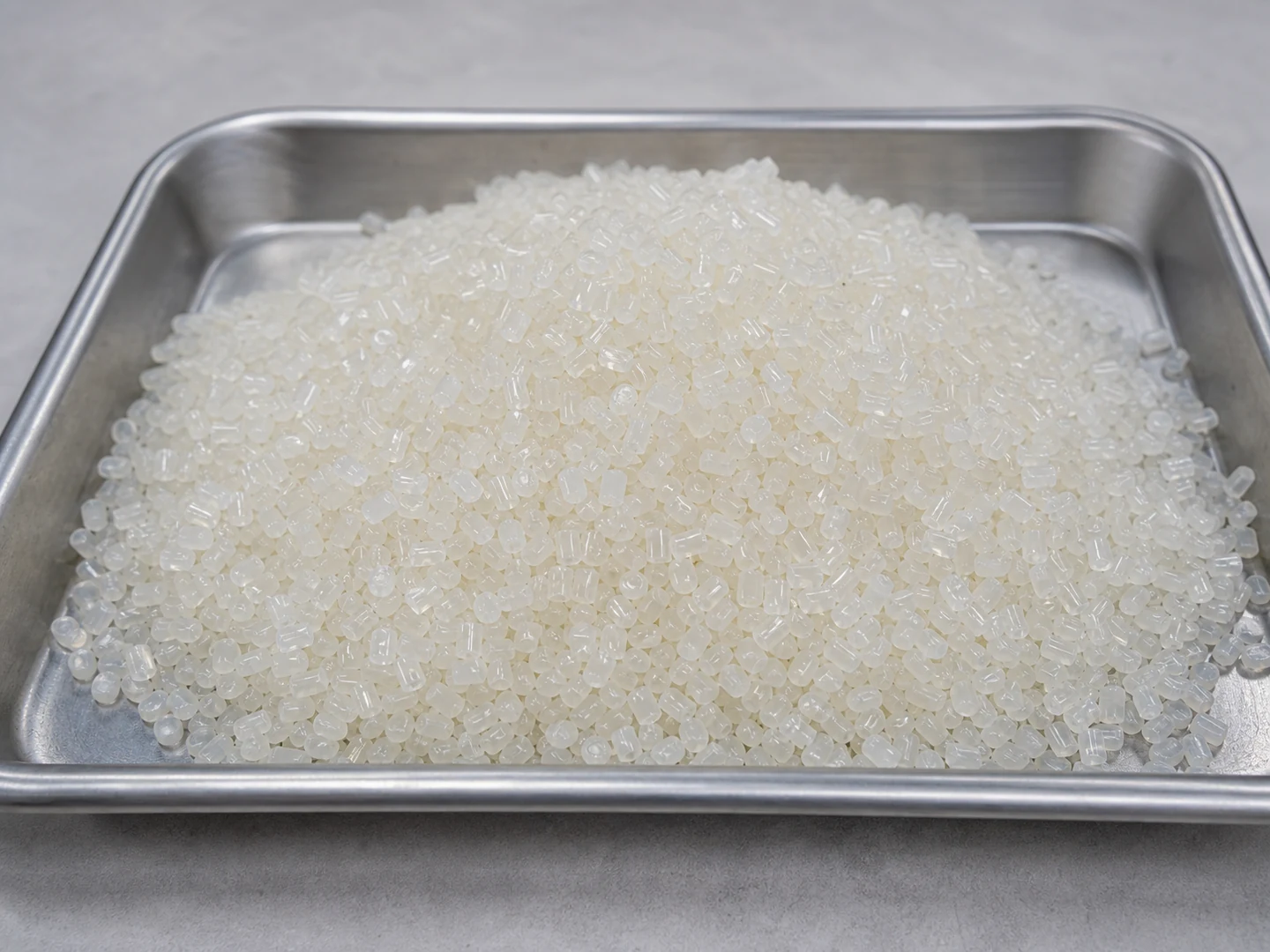
| Nylon PA | 93 | 121 | 0.3–9% by PA grade and conditioning | Medium to firm; filament diameter and trim length control bending force. |
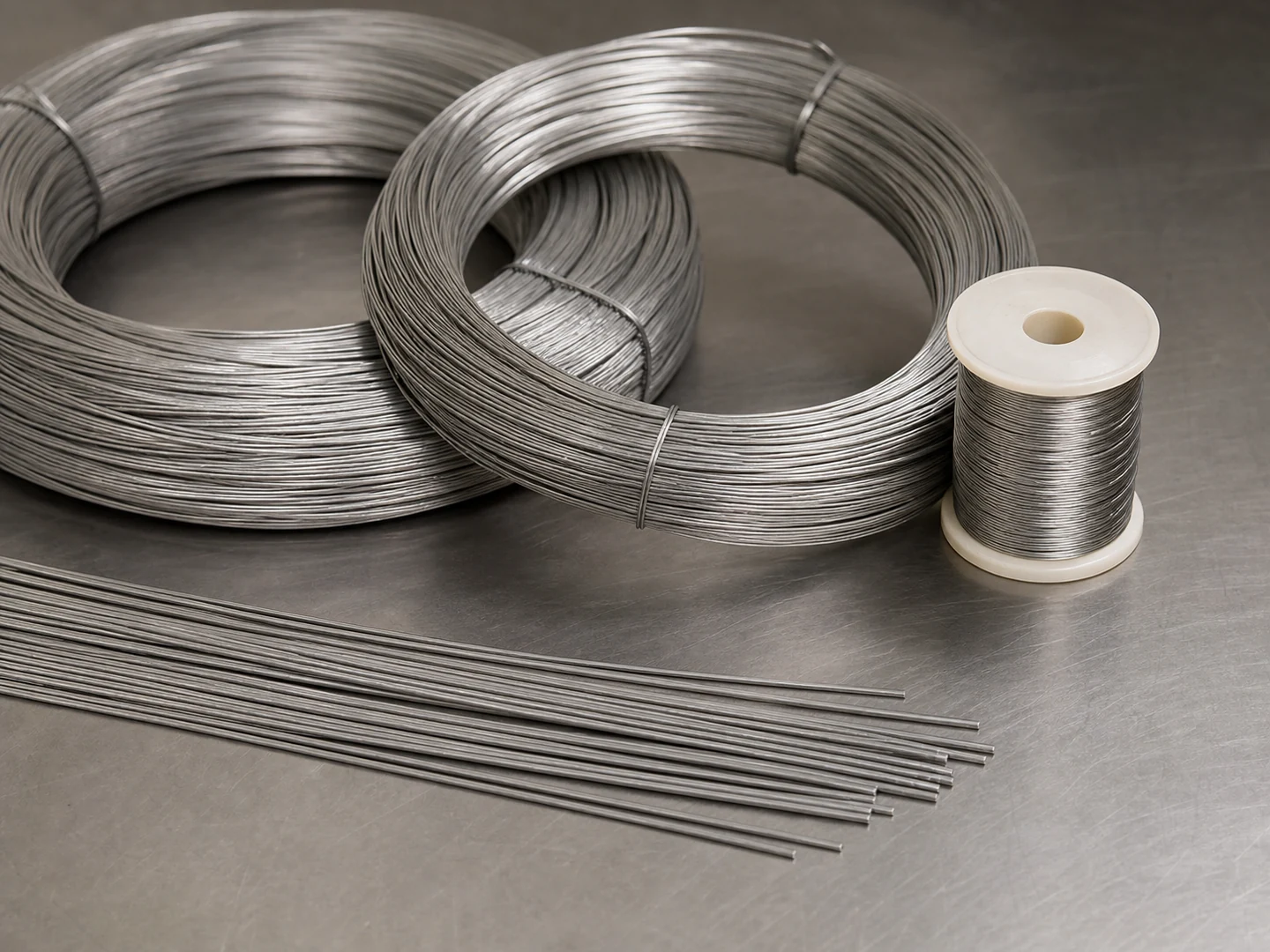
| AISI 304 Stainless Steel Wire | 400 | 500 | 0% | Rockwell B 70–95 depending on temper and cold work |
| Horsehair | 60–80 | 100–120 | 8–15% | — |
Figures as published by Brushtec / DuPont; Alleima. Confirm the exact grade against the supplier datasheet before ordering.
When is Nylon PA the wrong choice?
- Nylon PA — The nylon family spans several grades, so heat, moisture and chemical limits should follow the selected PA resin rather than a generic nylon value.
- AISI 304 Stainless Steel Wire — Avoid using AISI 304 as the default in marine, brine, hypochlorite, and persistent chloride environments; use AISI 316 when higher pitting and crevice-corrosion resistance is required.
- Horsehair — Not for aggressive scrubbing or wet chemical process cleaning.
What should replace Nylon PA when it stops working?
- Nylon PA — Compare Nylon PA with PP, PBT, PET. Change material when wet stiffness, temperature, chemical resistance, conductivity, particle shedding, or surface marking becomes the limiting factor.
- AISI 304 Stainless Steel Wire — Use AISI 316 stainless steel wire for chloride, marine, dairy, beverage, chemical washdown, or higher pitting-resistance requirements. Use carbon steel for dry aggressive cutting and brass or abrasive nylon for lower marking risk.
- Horsehair — Compare Horsehair with Boar bristle, goat hair, microfiber. Change material when wet stiffness, temperature, chemical resistance, conductivity, particle shedding, or surface marking becomes the limiting factor.