What Is a Pig Bristle Polishing Wheel?
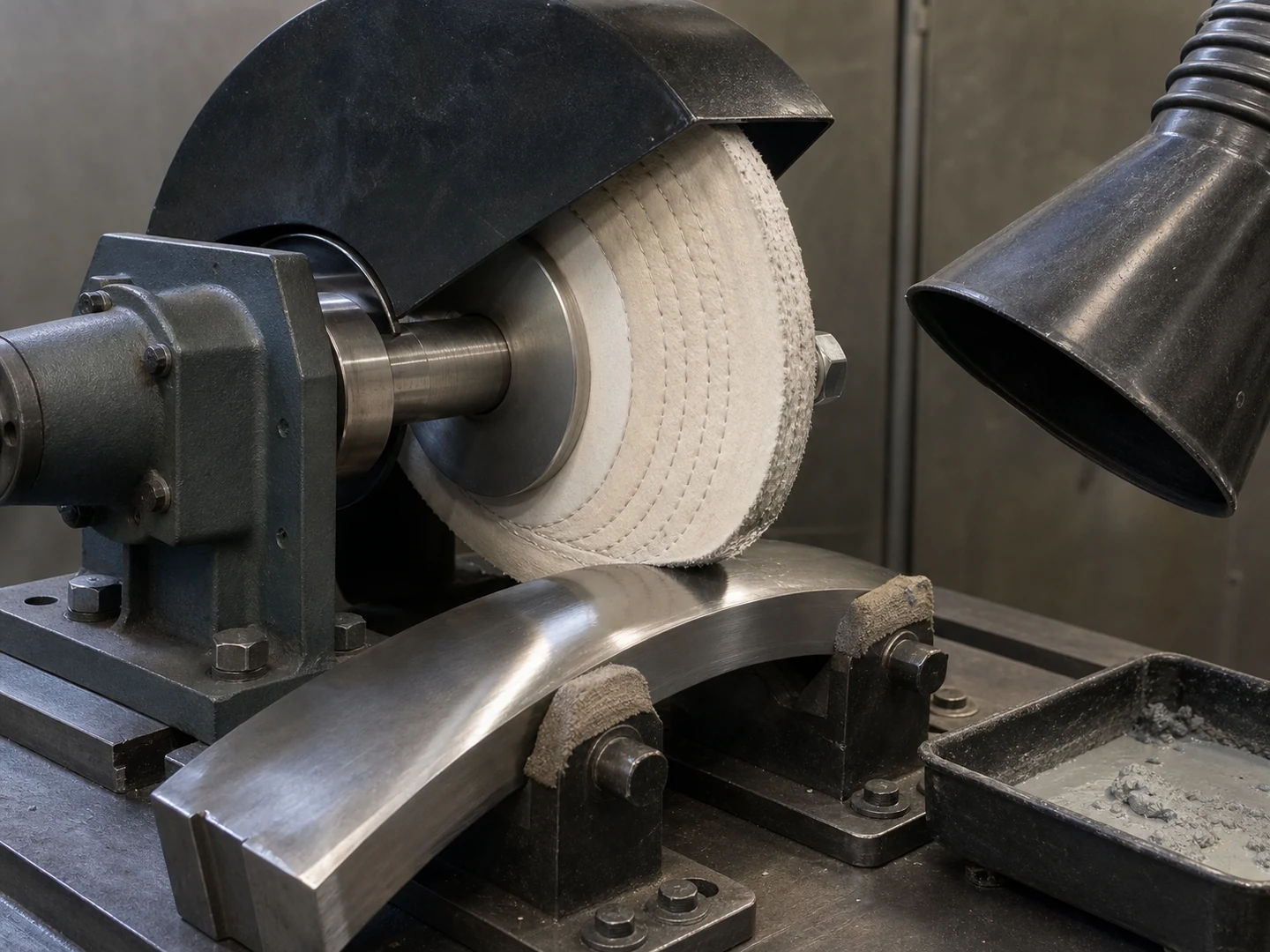
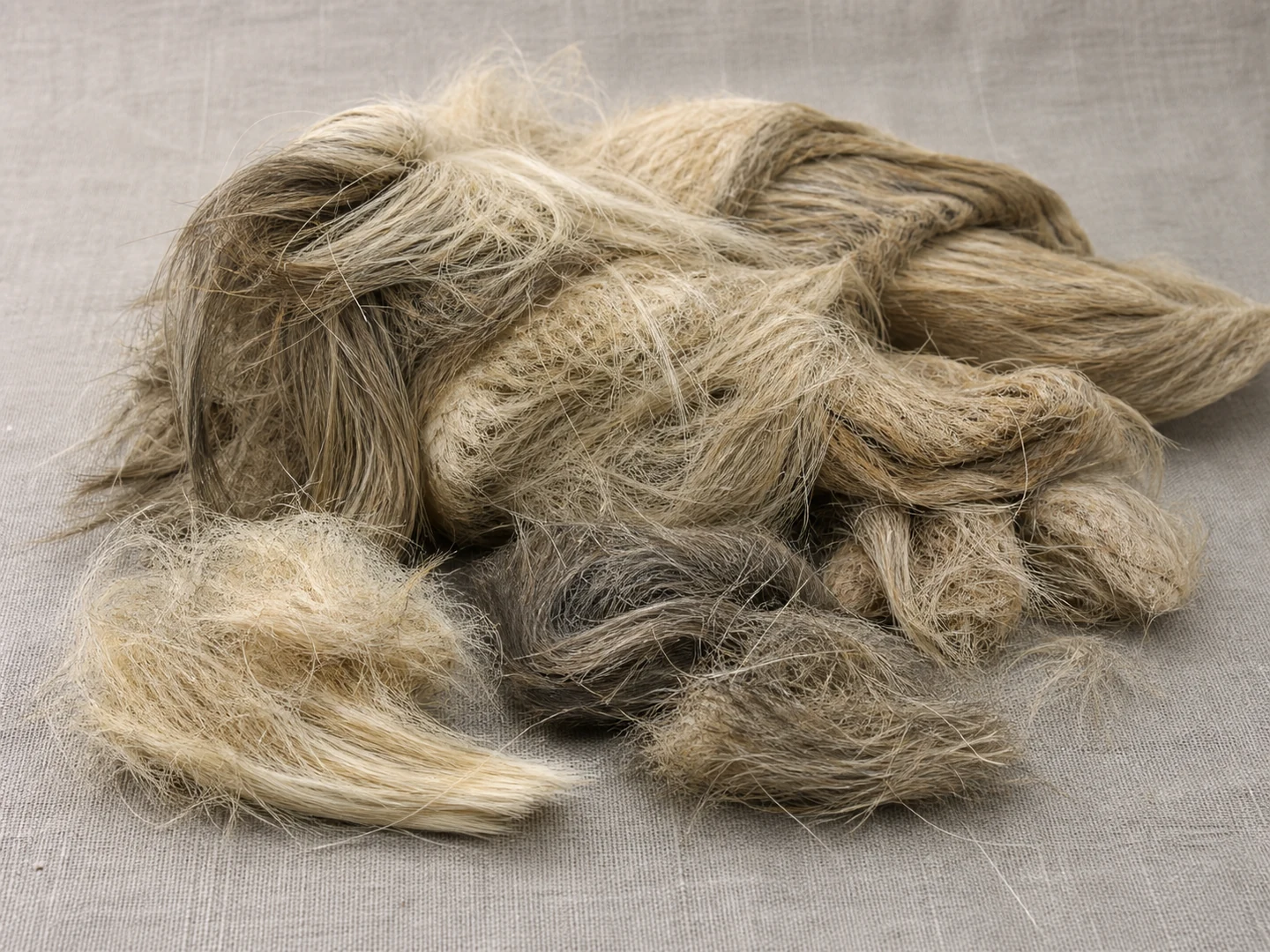
A pig bristle polishing wheel is a power-driven, rotary brush made with natural pig hair bristles, used for polishing, cleaning, and light deburring on metals, wood, and composites. The bristles are naturally flexible, resistant to heat, and have a microscopic split-end structure that holds polishing compound well while following irregular surface contours. This makes the pig bristle polishing wheel a go-to choice when a uniform polish is needed without removing too much base material.
For mechanical surface finishing, buffing, polishing, abrasive finishing, surface preparation, and wear context, this article cites ASM Handbook, Volume 5: Surface Engineering, ASM International, 1994; mechanical finishing, buffing, polishing, and surface preparation sections.
Unlike stiff wire brushes that cut aggressively, a pig bristle brush works gently, helping achieve a consistent satin or bright finish. The bristle material, density, and wheel geometry all influence the result, which is why brush design matters as much as the compound or machine speed.
Common Configurations of Pig Bristle Polishing Wheels
Pig bristle polishing wheels are available in several standard forms. Each structure suits different part geometries and machine interfaces. Below is a quick-reference table for the most common configurations.
| Configuration | Description | Best For | Typical Diameter Range |
|---|---|---|---|
| Wheel Brush (Full Disc) | A flat, circular brush with bristles set radially around a central arbor hole. Can be wide or narrow face. | Flat surfaces, edges, and broad contact areas; often used on bench grinders or dedicated polishing lathes. | 4–12 inches |
| Cup Brush | Bristles project from a central hub in a cup shape, forming a concave working face. | Irregular shapes, contours, and hard-to-reach inside corners on handheld tools or angle grinders. | 2–6 inches |
| End Brush (Pencil Type) | Small diameter brush with a single shank stem; bristles are compact and focused at the tip. | Tight recesses, holes, and spot polishing on fine detail work. | 0.5–2 inches |
| Disc Brush (Wheel with Reduced Core) | A wide, flat brush with a shallow core, sometimes with a keyed or threaded hub. | Large flat areas and blending applications where edge access is critical. | 6–14 inches |
Bristle quality varies by processing. White pig bristle is softer and excellent for high-luster polishing. Black or grey pig bristle is coarser, more durable, and better for general cleaning or pre-polish step work. Some manufacturers offer blended or treated bristles for specific compound retention.
How to Choose the Right Pig Bristle Polishing Wheel
No single brush fits every job. Use these decision factors to narrow your selection.
Equipment Interface
The arbor hole diameter, shank size, or mounting hub must match your machine spindle or tool arbor. Bench grinders typically use ½-inch or ¾-inch arbors; handheld tools may require M14 or 5/8-inch threads. Always confirm the maximum safe RPM rating of the brush against your tool’s no-load speed.
Contact Surface and Geometry
Flat parts favor a wide wheel or disc brush. Curved or contoured parts perform better with a cup brush that can follow the profile. Internal bores and tight grooves need an end brush. A soft bristle wheel brush with longer bristle length can wrap around gentle curves when side pressure is applied.
Residue and Contamination
If you are removing light scale, oxide, or dried compound residue, choose a medium or coarse pig bristle grade. For clean buffing without heavy soil, a finer white bristle wheel holds polish compound more evenly and leaves fewer micro-scratches. For non-lubricated dry applications, treat the bristles to avoid heat buildup.
Operating Environment
Wet polishing or use with liquid compounds requires bristles that do not soften excessively. Natural pig bristle absorbs some moisture but holds its stiffness better than many common synthetic alternatives in moderate humidity. In very wet or washdown environments, a synthetic soft bristle wheel brush or non abrasive nylon wheel brush may be a better long-term investment.
Replacement Cycle and Cost
Bristle density, trim length consistency, and hub quality determine brush life. A brush with too few bristles wears quickly and causes uneven finish; overly dense packing can trap compound and generate heat. Balance upfront cost with expected duty cycle—a higher-quality pig bristle polishing wheel can outlast several lower-priced alternatives in continuous use.
Common Mistakes When Selecting a Pig Bristle Polishing Wheel
- Sizing by diameter only. A 6-inch wheel brush on a ½-inch arbor may be too narrow for a wide part, or too fast for the machine. Always check face width and speed rating.
- Ignoring bristle grade. Using a coarse black bristle for final gloss polishing leaves scratches. Using soft white bristle for heavy scale removal clogs and wears quickly.
- Mismatching compound. Not all pig bristle wheels work well with all compounds. High-grease compounds can mat soft bristles; dry compounds may need stiffer bristle to transfer heat.
- Skipping a trial. Even with good specs, a sample run on a test part reveals balance, vibration, and real-world finish results. Skipping this step often leads to rejected batches.
- Forgetting about brush break-in. A new pig bristle polishing wheel often has loose bristles and sharp tips. A short break-in period at lower speed with a scrap part improves consistency and safety.
When a Standard Pig Bristle Polishing Wheel Is the Wrong Choice
Standard catalog brushes cover many common jobs, but they have limits. If your part has a deep, non-standard groove, an unusual mounting interface, or requires a specific bristle pattern to avoid shadow lines, a custom-designed brush may be the only reliable option. Similarly, when the polishing process must meet strict surface roughness values (Ra) or lower-defect-risk requirements for medical, optical, or aerospace parts, off-the-shelf brushes often fall short.
In these cases, working directly with a brush manufacturer to review a part drawing or sample and develop a custom pig bristle brush is the right path. The supplier can adjust bristle density, trim geometry, hub material, and even compound pre-load to match the exact process. A custom drawing or first-article sample ensures the brush design aligns with both the machine and the quality standard.
There are also applications where a pig bristle polishing wheel is not the best choice. For aggressive material removal, a wire wheel brush (crimped or knotted) is faster and safer. For non-abrasive cleaning where bristle shedding is a concern, a non abrasive nylon wheel brush with embedded grit or a purely plastic filament brush may be better. And for high-temperature processes, synthetic heat-resistant fibers can outperform natural bristle even with its natural resilience.
Final Takeaway: Fit, Function, Finish
Choosing a pig bristle polishing wheel comes down to three practical checkpoints: does it fit your machine arbor and speed limits? Does the brush shape and bristle grade match the part geometry and desired finish? And does the bristle material hold up to the working environment and residue? Answering these questions before purchasing will save trial-and-error time and improve shop floor consistency.
Frequently Asked Questions
Can I use a pig bristle polishing wheel with liquid polishing compounds?
Yes. Natural pig bristle works well with most liquid compounds because its split ends trap and distribute the compound evenly. Avoid letting the brush soak in the liquid, as excessive moisture can soften the bristle and reduce effective life. After use, spin the brush dry and store it in a dry area.
How do I safely dress or clean a loaded pig bristle wheel?
Use a brush-cleaning rake or a short burst against a scrap hardwood block while the wheel is running at low speed. Do not use a wire brush to clean a pig bristle wheel—it can tear out the natural fibers. For heavy compound buildup, soak the brush head in warm water with mild detergent, then rinse and air-dry thoroughly before reuse.
What maximum RPM is safe for a 6-inch pig bristle polishing wheel?
There is no single safe number because rating depends on hub type and bristle density. Most 6-inch pig bristle wheels are rated between 3,000 and 6,000 RPM for bench grinders, but you must check the manufacturer’s stated maximum RPM for the specific brush. Always match the tool speed to the lower of the brush rating or the machine’s no-load speed.
How long does a pig bristle polishing wheel last?
Brush life varies with bristle grade, workload, compound type, and operator pressure. In medium-duty polishing on steel or aluminum, a well-made pig bristle wheel may last for dozens of hours of continuous use. Signs it needs replacement: bristle length is worn below 50% of original, uneven wear causing vibration, or loss of compound-holding ability.
Can I trim the bristles to fit a specific part profile?
Trimming is not recommended for standard production use. Hand-trimming creates uneven bristle tips that leave marks on the workpiece. If a custom profile is needed, order a brush with factory-machined trim or consider an end brush that can reach the area. For one-off prototyping, you can carefully trim a test brush, but finish quality will be inconsistent.
When should I choose a synthetic soft bristle wheel brush instead of pig bristle?
Choose synthetic when: the environment is constantly wet or uses harsh alkaline cleaners, or if you need bristles that resist matting under high heat and pressure. Nylon or polyester filaments hold their shape better in these conditions. Pig bristle remains the better choice when a natural fiber’s compound-holding ability and gentle polish are critical, and the process is not overly aggressive.
Do I need to break in a new pig bristle polishing wheel?
Yes. A new wheel often has loose or slightly misaligned bristles. Run it at reduced speed for 30–60 seconds on a non-critical test part. This releases brittle tips, balances the running surface, and helps prevent early splintering or erratic cut during the first production use.
Can the same pig bristle wheel be used on different metals?
It is possible, but not recommended for critical finishing. Cross-contamination can embed particles from one metal into another, causing galvanic corrosion or visible scratching. Reserve separate brushes for ferrous and non-ferrous metals, or at minimum clean the wheel meticulously between material changes.
Technical References
- OSHA — 1910.215 Abrasive Wheel Machinery
- OSHA — Personal Protective Equipment
- American Brush Manufacturers Association — Brush Lingo
Which bristle material fits this job — Pig Bristle, Abrasive Nylon or Nylon PA?
| Material | Continuous temperature (°C) | Peak temperature (°C) | Water absorption | Hardness |
|---|---|---|---|---|
| Pig Bristle | 80 | 110 | 5–20% | Medium natural bristle; similar to boar bristle for polishing and gentle scrubbing. |
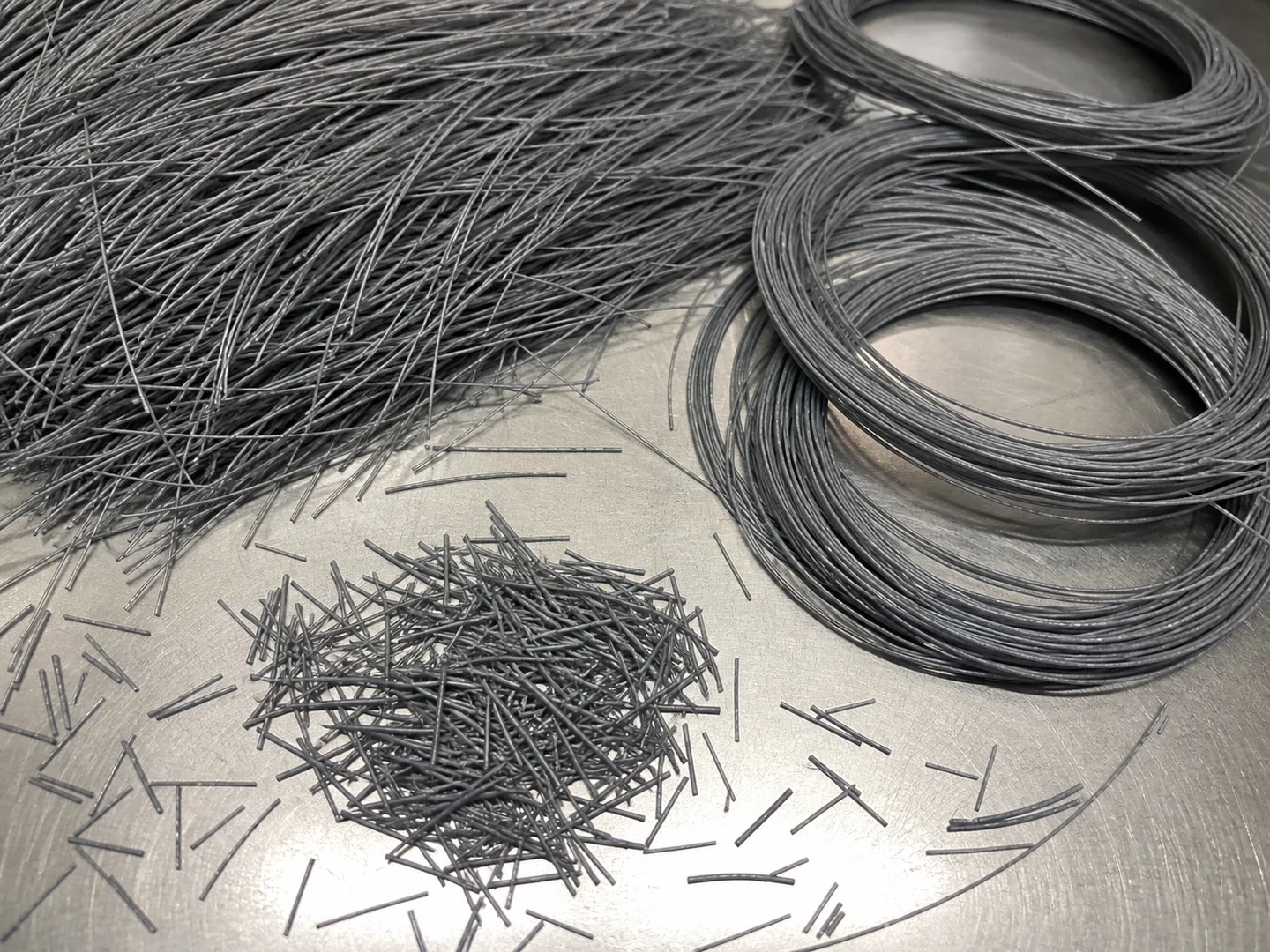
| Abrasive Nylon | 120 | 150 | 0.1–1.0% | Abrasive filament; stiffness and cutting level is controlled by PA base, grit type, grit size, filament diameter and trim height. |
| Nylon PA | 93 | 121 | 0.3–9% by PA grade and conditioning | Medium to firm; filament diameter and trim length control bending force. |
Figures as published by Perlon; Brushtec / DuPont. Confirm the exact grade against the supplier datasheet before ordering.
What should replace Pig Bristle for polishing?
- Pig Bristle — Compare Pig Bristle with Horsehair, nylon, PBT. Change material when wet stiffness, temperature, chemical resistance, conductivity, particle shedding, or surface marking becomes the limiting factor.
- Abrasive Nylon — Compare Abrasive Nylon with PP, PBT, PET. Change material when wet stiffness, temperature, chemical resistance, conductivity, particle shedding, or surface marking becomes the limiting factor.
- Nylon PA — Compare Nylon PA with PP, PBT, PET. Change material when wet stiffness, temperature, chemical resistance, conductivity, particle shedding, or surface marking becomes the limiting factor.