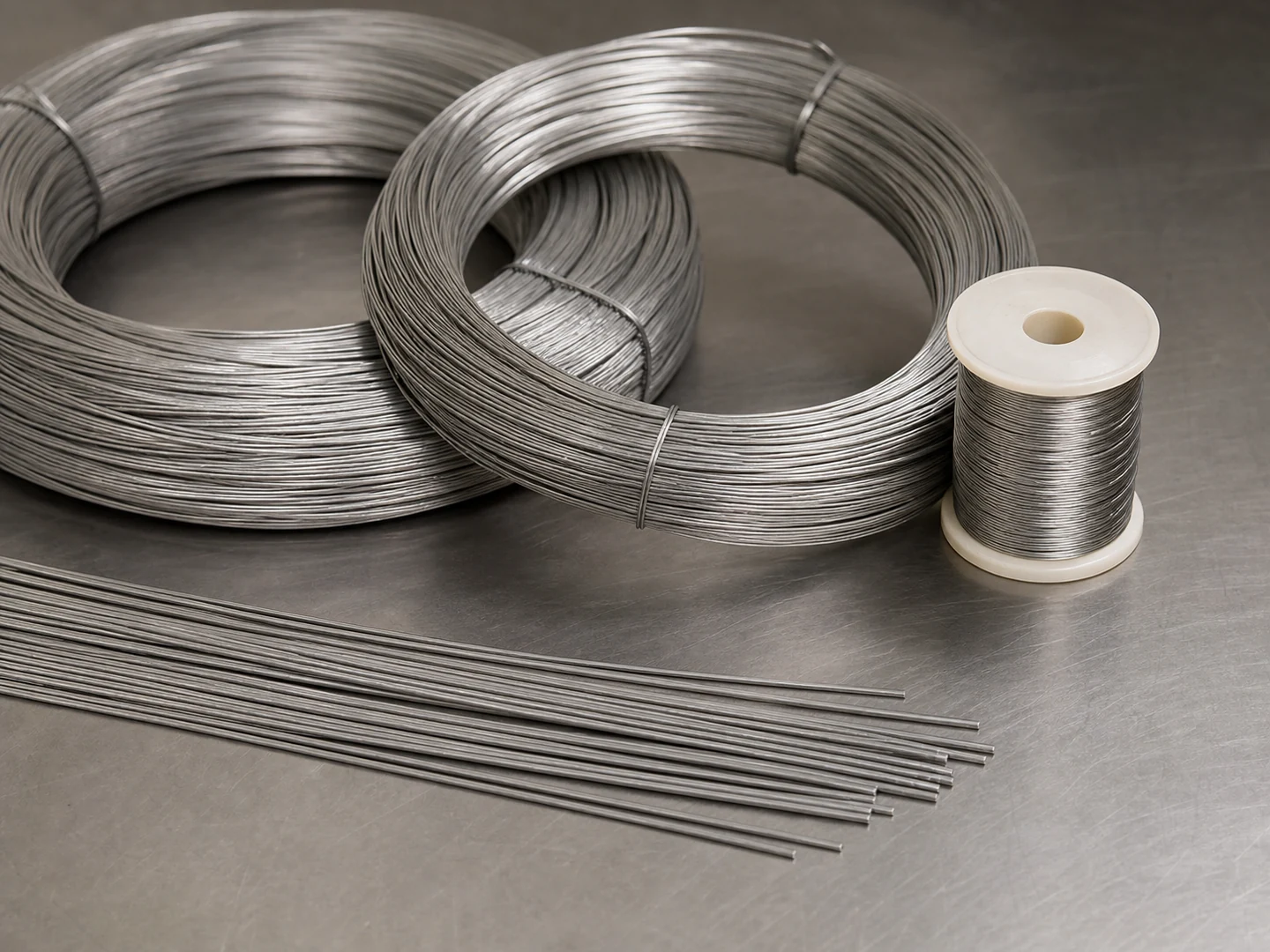
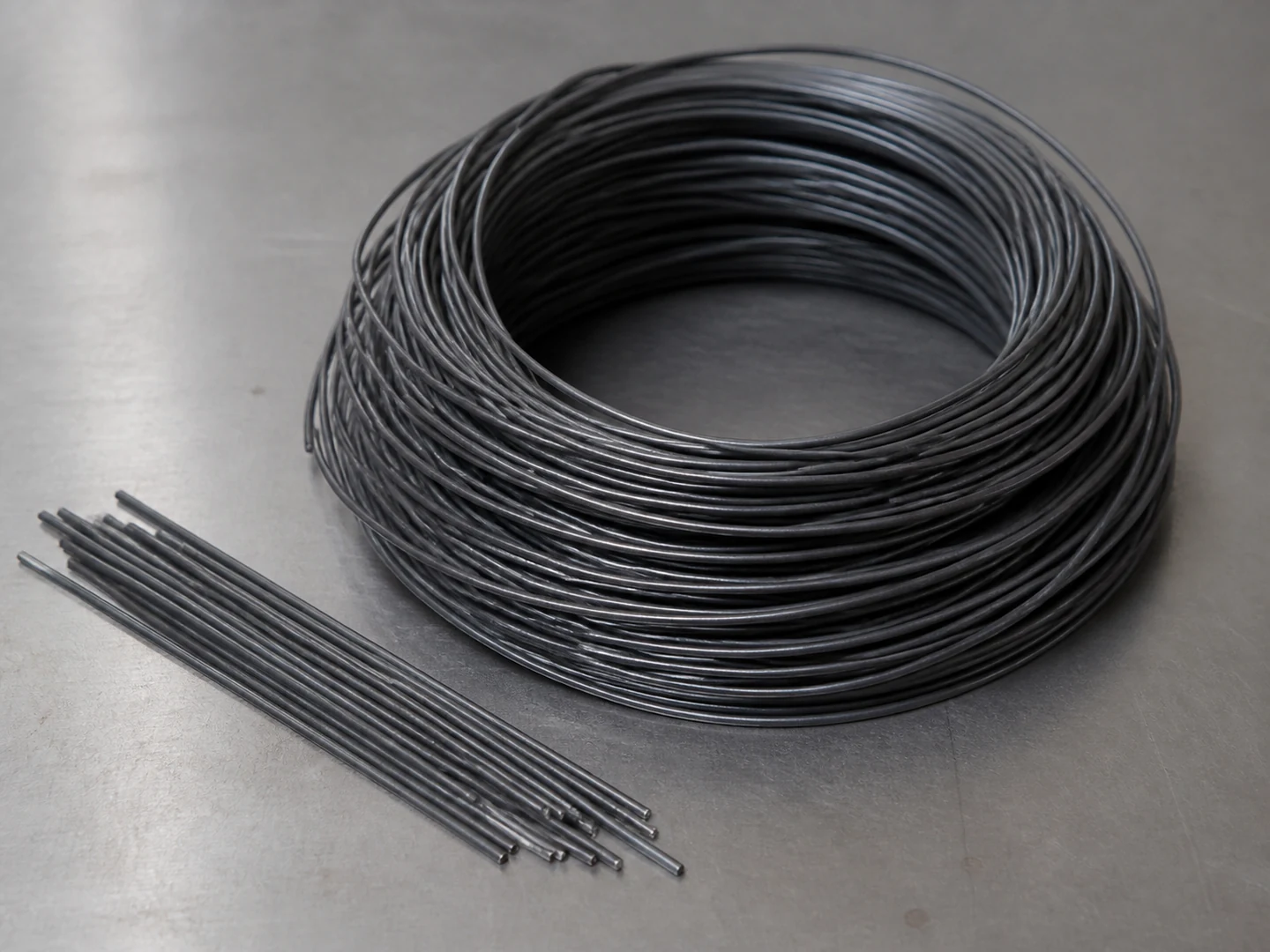
What Is a Fine Steel Wire Brush?
A fine steel wire brush is a brush whose bristles are made from thin-gauge steel wire, typically ranging from about 0.05 mm to 0.30 mm in diameter. The term “fine” refers to the bristle thickness, not the overall brush size. These brushes are used where controlled abrasion, light residue removal, or non-damaging surface preparation is required. Common uses include mold cleaning, printed circuit board (PCB) deburring, surface texturing before coating, removal of light oxides, and cleaning of crevices on machined parts.
Because the bristles are thin, they flex more easily than heavy-gauge wire, reducing the risk of deep scratching while maintaining effective cleaning action. However, material selection remains critical—a fine steel bristle can still damage soft substrates or corrode in the wrong environment.
Common Material Options for Fine Steel Wire Brushes
Even within the category of fine steel wire, several material choices exist. Each offers a different balance of stiffness, wear life, corrosion resistance, and surface safety.
- Carbon Steel – High stiffness and good wear resistance at lower cost. Rusts quickly unless stored dry or coated. Best for dry, non-food, non-medical applications where surface oxidation from the tool is acceptable.
- Stainless Steel (304) – General-purpose corrosion resistance. Good for wet environments, food equipment exterior cleaning, and applications requiring repeat sanitization. Softer than carbon steel, causing less substrate damage but also wearing faster.
- Stainless Steel (316) – Enhanced corrosion resistance against chlorides and mild chemicals. Often specified for marine or chemical plant maintenance. Slightly more expensive.
- High-Carbon Steel – Higher hardness for aggressive cleaning or deburring of tough alloys. More brittle; bristle breakage can be a concern. Requires dry storage.
Other metal wire options such as brass, bronze, or even nylon-abrasive filaments exist, but they fall outside the fine steel category. This article focuses on steel to help you decide when a steel wire brush is appropriate and which type of steel best matches your process.
Material Behavior Comparison
The table below compares key performance factors for common fine steel wire brush materials. Values are relative and intended for general guidance—actual performance depends on wire diameter, brush design, and operating conditions.
| Property | Carbon Steel | Stainless 304 | Stainless 316 | High-Carbon Steel |
|---|---|---|---|---|
| Stiffness | High | Medium | Medium | Very High |
| Wear Resistance | Good | Fair | Fair | Excellent |
| Surface Safety (Risk of Scratching) | Moderate | Low | Low | High |
| Temperature Limit (Relative) | Medium | High | High | Medium |
| Chemical Compatibility | Poor (rusts readily) | Good (mild chemicals, water) | Better (chlorides, solvents) | Poor (rusts readily) |
| Static Dissipation | Conductive (ESD safe if grounded) | Conductive (ESD safe if grounded) | Conductive (ESD safe if grounded) | Conductive (ESD safe if grounded) |
| Cleaning Aggressiveness | Medium-High | Medium | Medium | High |
| Typical Applications | General deburring, dry surface prep | Food‑grade, wet cleaning, light rust removal | Marine, chemical plant, high-humidity | Hard metal deburring, heavy oxide removal |
All steel wire brushes dissipate static electricity because steel is conductive. For ESD-sensitive environments, ensure the brush handle and mounting are also conductive and properly grounded.
How to Choose Based on Application Factors
Material selection is only one part of the decision. The following factors often determine whether a fine steel wire brush succeeds or fails in a particular process.
Contact Surface
Match bristle hardness to the workpiece. A soft aluminum or copper substrate can be scratched or smeared by carbon steel bristles. For non-ferrous metals or sensitive platings, a softer stainless steel (304) or even a non-steel alternative may be required. On hardened tool steels, high-carbon steel bristles may hold up better.
Residue Type
Light dust and fingerprints are easily removed by even the finest bristles. Heavy rust, scale, or baked-on carbon demands more aggressive cleaning—but fine wire can still work if the brush is run at higher speed or with a stiffer material. If the residue is chemically bonded, consider wet cleaning or a chemical pre-treatment.
Machine Speed and Brush Type
Rotary brushes, cup brushes, and end brushes run at different speeds. Fine wire brushes are often used on power tools or CNC spindles. Higher RPM increases cutting action but also heat and bristle fatigue. Stainless steel bristles may be preferred for wet or high-RPM applications because they resist corrosion from moisture in the air or coolant.
Dry vs. Wet Operation
Wet cleaning reduces dust and cools the brush, but carbon steel will quickly rust. Stainless steel is almost mandatory for any process involving water, cutting fluids, or cleaning agents. In dry cleanrooms, carbon steel might be acceptable if rust particles are not a concern, but stainless is often specified to avoid contamination.
Documentation Needs
Industries such as food processing, aerospace, or medical devices often require material certifications, traceability, or FDA compliance. Stainless steel bristles (304 or 316) are more likely to come with material test reports. If your quality system demands documented bristle origin, plan ahead—some fine wire brushes are treated as consumables with minimal paperwork.
Common Mistakes When Selecting a Fine Steel Wire Brush
- Choosing by wire diameter alone – A 0.10 mm bristle can behave very differently in carbon steel versus stainless steel. Always consider material first.
- Ignoring substrate hardness – Using a brush that is harder than the workpiece can cause galling, smearing, or dimensional changes.
- Overlooking corrosion – A carbon steel brush stored in a humid shop will rust before its first use, leaving stains on the next parts.
- Assuming all stainless is equal – 304 resists fresh water; 316 is needed for salt spray or aggressive cleaning chemicals.
- Neglecting ESD requirements – Even a conductive steel bristle needs a conductive path to ground. Plastic-handled brushes may isolate the bristles, eliminating static control.
- Running too slow or too fast – Too little speed may not clean effectively; too much speed can break bristles or generate excessive heat, drawing the temper of the wire.
When Standard Fine Steel Wire Brushes Are the Wrong Choice
Standard catalog brushes cover most tasks, but there are situations where they fall short:
- Ultra-high temperatures above the tempering range of steel can soften bristles prematurely. Special high-temperature alloys or ceramic filaments may be needed.
- Deep, narrow features may require a custom brush shape or a smaller wire diameter than off‑the‑shelf options provide.
- Non-conductive requirements (e.g., certain electronic assembly areas) rule out metal bristles entirely. Synthetic antistatic materials would be specified.
- Stringent cleanliness standards (pharmaceutical, optical) may demand ultra-fine wire with documented low particulation and cleanroom packaging—often a custom order.
- Aggressive chemical environments where even 316 stainless loses integrity might call for Hastelloy or titanium brushes, which are not standard fine steel options.
When a standard brush does not meet your requirements, sample testing becomes essential. Work with a brush manufacturer or supplier who can provide a small batch of custom-material or custom‑geometry brushes for evaluation. Always test on scrap or dedicated test pieces before committing to production.
Final Takeaway
Selecting a fine steel wire brush starts with understanding the bristle material and its behavior on your specific substrate and residue. Prioritize corrosion resistance and surface compatibility over stiffness unless you are cleaning hardened steel. Match the brush configuration (wheel, cup, end) to your machine speed and accessibility. When in doubt, test a few brush options on sample parts to see which one delivers the required finish without unintended surface damage.
Frequently Asked Questions
What is the difference between a fine steel wire brush and a standard steel wire brush?
The difference is bristle thickness. Fine brushes use smaller-gauge wire (typically under 0.30 mm) for lighter, more controlled cleaning and surface finishing. Standard or coarse brushes use thicker wire for heavy-duty rust and scale removal.
Can I use a fine steel wire brush on stainless steel surfaces?
Yes, but you should use a stainless steel bristle brush (304 or 316) to avoid embedding carbon steel particles that can cause rust stains. Even then, test first—stainless-on‑stainless contact can gall or transfer material if pressure and speed are too high.
How do I prevent a carbon steel wire brush from rusting?
Store it in a dry environment, ideally with a desiccant or vapor corrosion inhibitor. Avoid using it with water or water-based cleaners. A light oil coating after use can help, but the oil may transfer to workpieces, so this is not always acceptable.
Are fine steel wire brushes safe for ESD-sensitive electronics?
Steel is conductive, so a properly grounded steel wire brush can dissipate static charges. However, the brush handle and any mounting must also be conductive and connected to ground. If a plastic handle isolates the bristles, static can build up. Confirm continuity with a multimeter before use.
When should I choose a brass wire brush instead of fine steel?
Brass is softer than steel and non-sparking. Choose brass when working on soft metals, decorative surfaces, or in environments where sparking is a hazard. Brass will not rust, but it wears faster and may not be aggressive enough for heavy cleaning.
How do I determine the right wire diameter for my application?
Start with a medium-fine diameter (e.g., 0.15 mm) and test on a scrap piece. If the brush marks the surface, move to a finer gauge. If cleaning is too slow, move to a thicker gauge. Material, speed, and contact pressure all interact—there is no single correct number.
Can a fine steel wire brush be used in a wet or submerged environment?
Only if stainless steel bristles are selected. Carbon steel will rust almost immediately. Wet conditions also demand a brush holder designed to keep water out of the hub, as trapped moisture will degrade the brush over time.
What type of fine steel brush is best for cleaning BBQ grills?
For grill cleaning, a stainless steel wire brush is recommended because it resists rust from moisture and food acids. However, always check that the manufacturer states the brush is safe for food-contact surfaces. Avoid carbon steel bristles that could shed and rust into food.
Technical References
Which bristle material fits this job — AISI 304 Stainless Steel Wire, Carbon Steel Wire or Brass Wire?
| Material | Continuous temperature (°C) | Peak temperature (°C) | Water absorption | Hardness |
|---|---|---|---|---|
| AISI 304 Stainless Steel Wire | 400 | 500 | 0% | Rockwell B 70–95 depending on temper and cold work |
| Carbon Steel Wire | 200–300 | 350–450 | 0% | Rockwell C 40–60 |
| Brass Wire | 150–200 | 250–300 | 0% | Rockwell B 40–90 |
| Nylon PA | 93 | 121 | 0.3–9% by PA grade and conditioning | Medium to firm; filament diameter and trim length control bending force. |
Figures as published by Alleima; Brushtec / DuPont. Confirm the exact grade against the supplier datasheet before ordering.
What should replace AISI 304 Stainless Steel Wire when it stops working?
- AISI 304 Stainless Steel Wire — Use AISI 316 stainless steel wire for chloride, marine, dairy, beverage, chemical washdown, or higher pitting-resistance requirements. Use carbon steel for dry aggressive cutting and brass or abrasive nylon for lower marking risk.
- Carbon Steel Wire — Compare Carbon Steel Wire with Carbon steel wire, brass wire, abrasive nylon. Change material when wet stiffness, temperature, chemical resistance, conductivity, particle shedding, or surface marking becomes the limiting factor.
- Brass Wire — Compare Brass Wire with Steel wire, stainless wire, nylon. Change material when wet stiffness, temperature, chemical resistance, conductivity, particle shedding, or surface marking becomes the limiting factor.
- Nylon PA — Compare Nylon PA with PP, PBT, PET. Change material when wet stiffness, temperature, chemical resistance, conductivity, particle shedding, or surface marking becomes the limiting factor.