What Is a Filter Bag Cleaning Brush?
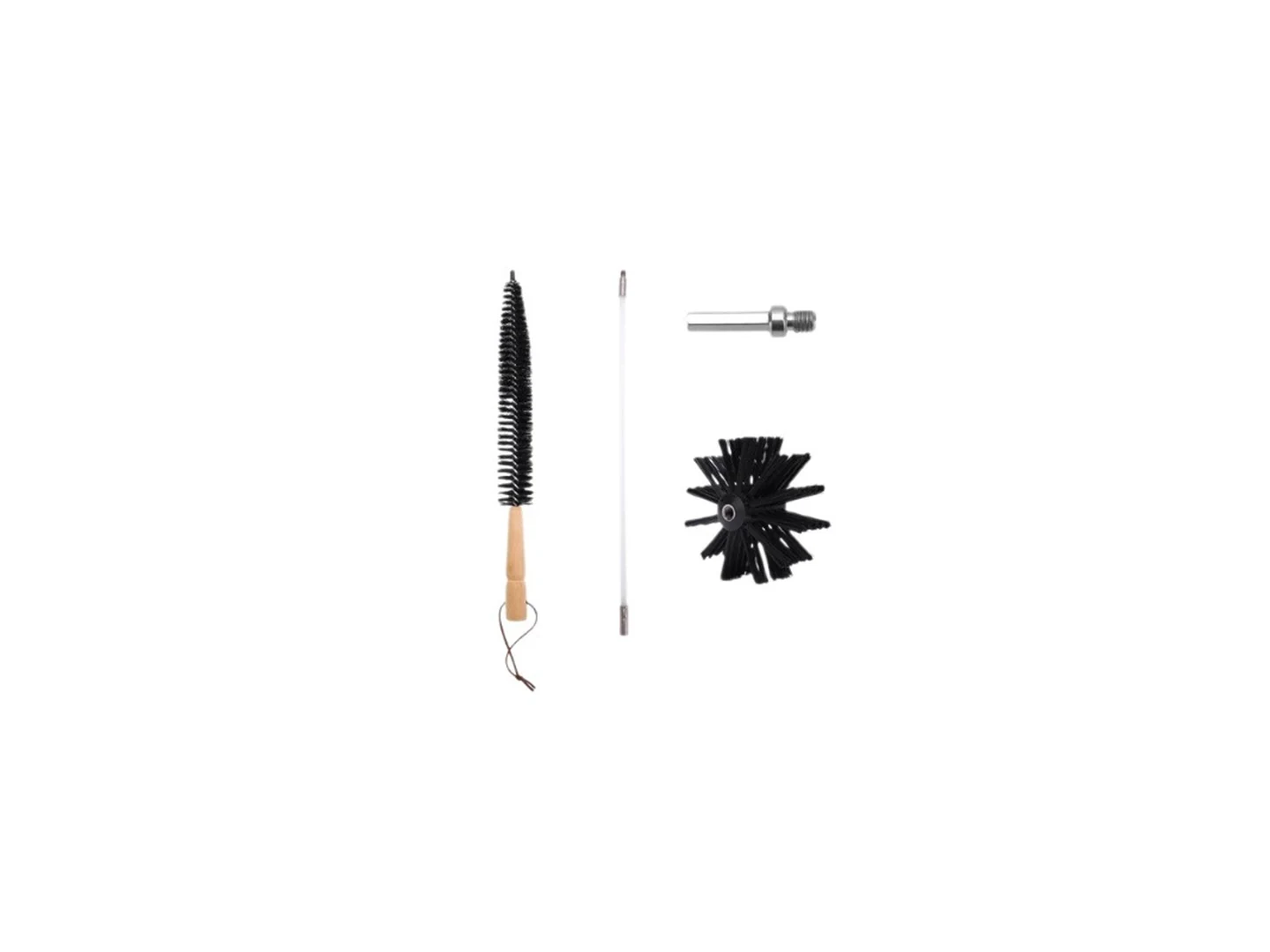
A filter bag cleaning brush is a brush designed specifically to clean the exterior or interior of fabric filter bags used in baghouses and other dust collection systems. Over time, fine particles can blind the filter media, increasing pressure drop and reducing airflow. Mechanical cleaning with an appropriate brush helps restore permeability between pulse-jet cycles or offline maintenance. These brushes come in various bristle materials, shapes, and mounting options to suit different bag diameters, lengths, and residue characteristics.
Common Types of Filter Bag Cleaning Brushes
Filter bag cleaning brushes are available in several configurations, each suited to particular cleaning tasks and equipment interfaces:
- Manual handheld brushes – Designed for operators to clean individual bags during offline maintenance. Often feature long handles for reaching into bag compartments.
- Automated brush systems – Integrated into the baghouse and driven by motors or actuators. They clean bags in place, often in conjunction with the pulse-jet system.
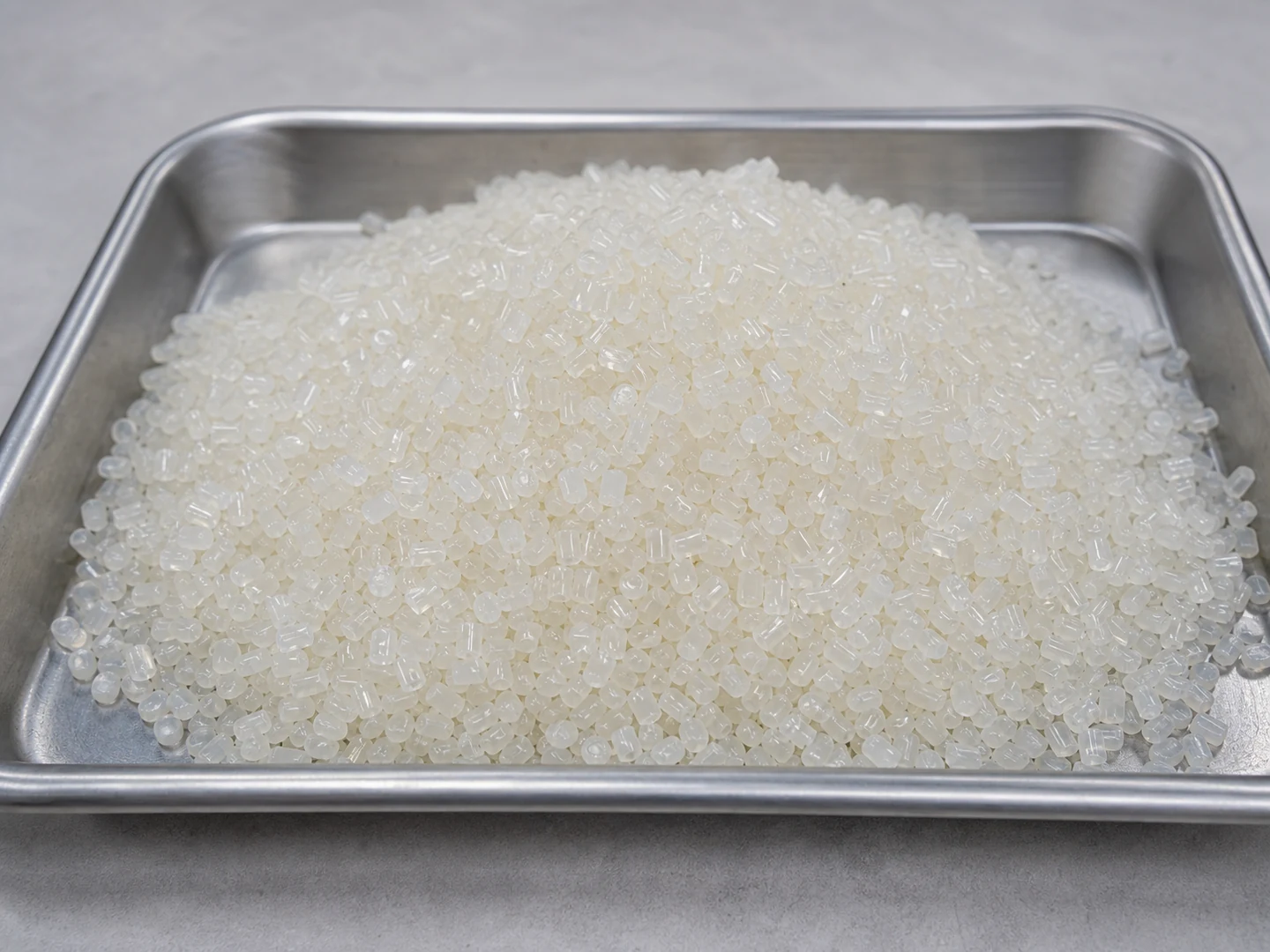
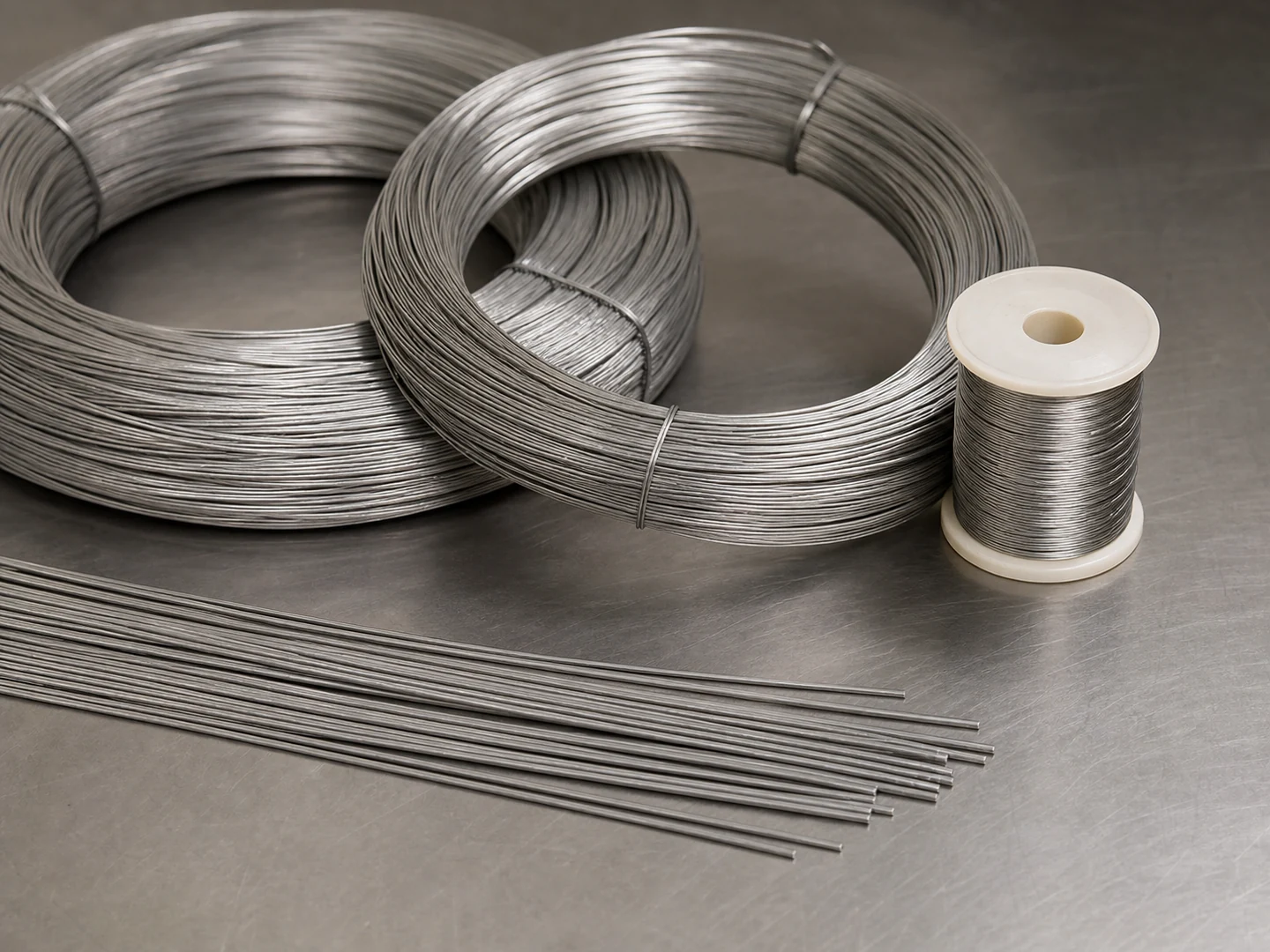
- Bristle materials – Nylon (general purpose, non-abrasive), stainless steel (for tough, abrasive residues), brass (non-sparking), Teflon-coated (low friction, non-stick), and natural fibers (gentle on sensitive media).
- Brush head shapes – Round (full contact on cylindrical bags), cup (end-cleaning or dished surfaces), spiral (aggressive cleaning action), and strip/linear (for flat or custom surfaces).
Comparing Brush Structures: A Selection Table
The table below compares common brush configurations based on typical use cases and operating conditions. Use it as a starting point to narrow down your options.
| Feature | Nylon Round Brush (Handheld) | Stainless Steel Wire Brush | Strip/Linear Brush | Adjustable Spiral Brush |
|---|---|---|---|---|
| Bristle Material | Nylon (medium stiffness) | Stainless steel | Nylon, polypropylene, or Teflon | Nylon + stainless steel mix |
| Brush Head Shape | Round, full-circumference | Round or cup | Flat strip with bristles on one edge | Spiral wrap around a core |
| Mounting Style | Threaded handle or bayonet | Welded to a steel core or handle | Aluminum channel with mounting holes | Rotary shaft with drive coupling |
| Best for Residue Type | Light to medium dry dust, non-sticky | Heavy, baked-on, or abrasive deposits | Fibrous or sticky residues requiring a scraping action | Mixed residues where both scrubbing and flexibility are needed |
| Typical Bag Size | 4–6 inch (100–150 mm) diameter | Any size; often used on metal mesh media | Adaptable to flat or pleated bags | 4–8 inch (100–200 mm) diameter |
| Operating Temperature | Up to 250°F (120°C) | Up to 600°F (315°C) | Depends on bristle material: nylon up to 250°F | Up to 350°F (175°C) with mixed bristles |
| Bag Media Compatibility | Polyester, aramid, acrylic | Fiberglass, woven metal mesh | Nonwoven, membranes (gentle on surface) | Polyester, PPS, P84 |
How to Choose the Right Filter Bag Cleaning Brush
Selecting the correct brush involves evaluating several practical factors. Here are the key decision points to consider:
- Bag dimensions (diameter and length): The brush must fit inside the bag without being too tight, which can cause damage, or too loose, which reduces cleaning effectiveness. Measure the bag’s internal diameter when inflated, and choose a brush that is slightly smaller to allow for movement.
- Access method: Determine whether you will clean from the clean side (top of the bag) or dirty side (inside the hopper). This influences handle length, brush shape, and whether a straight or angled head is needed.
- Type of residue: Is the buildup dry and powdery, sticky and hygroscopic, or hard and baked on? Soft nylon brushes work for light dust; stiffer bristles or wire brushes are required for tough deposits.
- Filter bag material: Check the chemical compatibility and abrasion resistance. For example, fiberglass bags can be damaged by stainless steel wire brushes, while polyester bags can withstand moderate nylon brushing.
- Cleaning frequency: Bags cleaned infrequently may need a more aggressive brush to remove compacted dust, whereas daily cleaning may allow a gentler brush to avoid excessive wear.
- Operating temperature: Ensure the brush material can withstand the temperature of the airstream or the off-gas during cleaning. High-temperature processes may require metal bristles or heat-resistant synthetics.
- Chemical exposure: In corrosive environments (e.g., acid gas streams), choose bristle materials like Teflon, polypropylene, or stainless steel to resist degradation.
- Ergonomics and safety: For manual brushes, consider handle grip, weight, and length to reduce operator fatigue and the risk of injury in confined spaces.
Common Mistakes When Selecting a Cleaning Brush
Avoid these frequent errors to prevent bag damage, poor cleaning results, and unnecessary expenses:
- Choosing by cost alone: A cheaper brush may wear out quickly or damage expensive filter bags, leading to higher overall costs.
- Ignoring bag material compatibility: Wire brushes can shred delicate polymer membranes or fiberglass fabric. Always check the brush material against the bag’s specifications.
- Using the wrong brush size: A brush that is too small won’t contact the bag uniformly; one that is too large can snag, tear, or abrade the media.
- Not considering residue type: A soft nylon brush will be ineffective on hardened or sticky residues, requiring multiple passes and increasing downtime.
- Neglecting operator safety: Manual brushes without proper grip or insulation can cause hand fatigue, slipping, or exposure to hot surfaces. Always provide suitable PPE.
- Assuming one brush fits all bags: A baghouse may have bags of different sizes or materials. Verify that the brush is appropriate for each bag type to avoid mismatched cleaning.
When a Standard Brush Isn’t Enough: Custom Solutions
Standard catalog brushes cover many applications, but some operating conditions require a tailored approach. Consider a custom-designed brush when:
- Non-standard bag dimensions: Oversized or unusually shaped bags (e.g., oval, pleated) may need a brush with a specific profile or adjustable head.
- Extreme temperatures or chemicals: When off-the-shelf bristle materials can’t handle high heat or aggressive corrosion, a custom blend of fibers or specialty alloys may be required.
- Food-grade or FDA compliance: Brushes used in pharmaceutical or food processing dust collectors must meet strict hygiene standards, often requiring stainless steel or FDA-approved plastics with smooth, cleanable designs.
- Integration with automated arms: Custom mounting interfaces, balanced rotational cores, and precise brush diameters are essential for reliable mechanical cleaning in larger systems.
- Very long bags: A segmented or telescoping brush may be needed to maintain rigidity and cleaning pressure over extended lengths without buckling.
In such cases, working with a brush manufacturer to develop a drawing or provide a sample for testing ensures the final product meets your exact conditions.
Final Takeaway
Choosing a filter bag cleaning brush is about matching the brush’s physical and chemical properties to your specific operating conditions. Start by understanding your bag dimensions and the type of residue you are dealing with, then narrow down bristle material and brush shape that will clean effectively without damaging the media. When standard options fall short, a custom design can pay off in extended bag life and reduced downtime.
Frequently Asked Questions
What is the best bristle material for a filter bag cleaning brush?
The best bristle material depends on the residue and bag media. Nylon is a good general-purpose choice for light, dry dust on most synthetic fabric bags. Stainless steel brushes are better for hard, baked-on residues on durable media like fiberglass or metal mesh, but can damage softer fabrics.
Can I use a stainless steel brush on polyester filter bags?
Generally, it is not recommended. Stainless steel bristles can abrade or tear polyester fabric, leading to premature bag failure. Stick with softer nylon or Teflon-coated brushes for polyester bags unless the residue absolutely requires wire and the bag is rated for such use.
How do I determine the correct brush diameter for my filter bags?
Measure the internal diameter of the bag when it is inflated under normal operating pressure. Choose a brush that is about 1/4 to 1/2 inch (6–12 mm) smaller than this measurement. This allows the bristles to flex and make full contact without jamming.
How often should I clean filter bags with a brush?
There is no set schedule; it depends on the dust loading and baghouse design. Some facilities brush bags during every shutdown or when pressure drop increases beyond acceptable limits. Inspection of bag condition will guide optimal cleaning frequency.
Is a manual brush or automated system better for my baghouse?
Manual brushes are lower cost and allow careful, selective cleaning but require labor and downtime. Automated systems provide consistent cleaning with less manual effort but involve a higher upfront investment and integration work. Choose based on the number of bags, accessibility, and available maintenance windows.
Can a filter bag cleaning brush damage the filter media?
Yes. Using a brush that is too stiff, too large, or made of incompatible material can wear through the fabric, open seams, or remove surface treatments. Always test the brush on a spare bag first, and inspect cleaned bags regularly for signs of abrasion.
What should I consider when buying a custom cleaning brush?
Provide the brush manufacturer with detailed information: bag dimensions, operating temperature, residue analysis, chemical environment, mounting interface, and any regulatory requirements (FDA, ATEX, etc.). A drawing or sample often helps clarify expectations and avoid misunderstandings.
Are there brushes designed for high-temperature filter bags?
Yes. For high-temperature applications (above 400°F / 200°C), brushes with stainless steel or heat-resistant brass bristles are common. Nylon and other synthetics typically soften at lower temperatures and would fail quickly.
Technical References
Which bristle material fits this job — Nylon PA, AISI 304 Stainless Steel Wire or Polypropylene PP?
| Material | Continuous temperature (°C) | Peak temperature (°C) | Water absorption | Hardness |
|---|---|---|---|---|
| Nylon PA | 93 | 121 | 0.3–9% by PA grade and conditioning | Medium to firm; filament diameter and trim length control bending force. |
| AISI 304 Stainless Steel Wire | 400 | 500 | 0% | Rockwell B 70–95 depending on temper and cold work |
| Polypropylene PP | 80–100 | 120–140 | ≤0.03% | Shore D 65–75 |
| PA6 Nylon | 80–100 | 130–160 | 1.5–3.0% | Shore D 75–85 |
| Felt | 120 | 150 | — | Broad range from soft conformable pad to dense firm polishing wheel; density and thickness stated. |
Figures as published by Brushtec / DuPont; Alleima; Perlon. Confirm the exact grade against the supplier datasheet before ordering.
When are Handheld Detail Brushes the wrong choice for filter bag cleaning brush?
- Handheld Detail Brushes — Use a tube brush, powered brush, scraper, wipe, sponge, or vacuum when the target is internal, heavily bonded, or highly delicate.
- Nylon PA — The nylon family spans several grades, so heat, moisture and chemical limits should follow the selected PA resin rather than a generic nylon value.
- AISI 304 Stainless Steel Wire — Avoid using AISI 304 as the default in marine, brine, hypochlorite, and persistent chloride environments; use AISI 316 when higher pitting and crevice-corrosion resistance is required.
- Polypropylene PP — Avoid high-temperature brushing or heavy abrasion where nylon/abrasive nylon is needed.
What should replace Handheld Detail Brushes for filter bag cleaning brush?
- Handheld Detail Brushes — Handheld detail brushes cover general precision cleaning; auto-detailing brushes impose tighter controls for painted, polished, leather, display, and trim surfaces.
- Nylon PA — Compare Nylon PA with PP, PBT, PET. Change material when wet stiffness, temperature, chemical resistance, conductivity, particle shedding, or surface marking becomes the limiting factor.
- AISI 304 Stainless Steel Wire — Use AISI 316 stainless steel wire for chloride, marine, dairy, beverage, chemical washdown, or higher pitting-resistance requirements. Use carbon steel for dry aggressive cutting and brass or abrasive nylon for lower marking risk.
- Polypropylene PP — Compare Polypropylene PP with Nylon, PBT, PET. Change material when wet stiffness, temperature, chemical resistance, conductivity, particle shedding, or surface marking becomes the limiting factor.