What Is an Injection Mold Cleaning Brush?
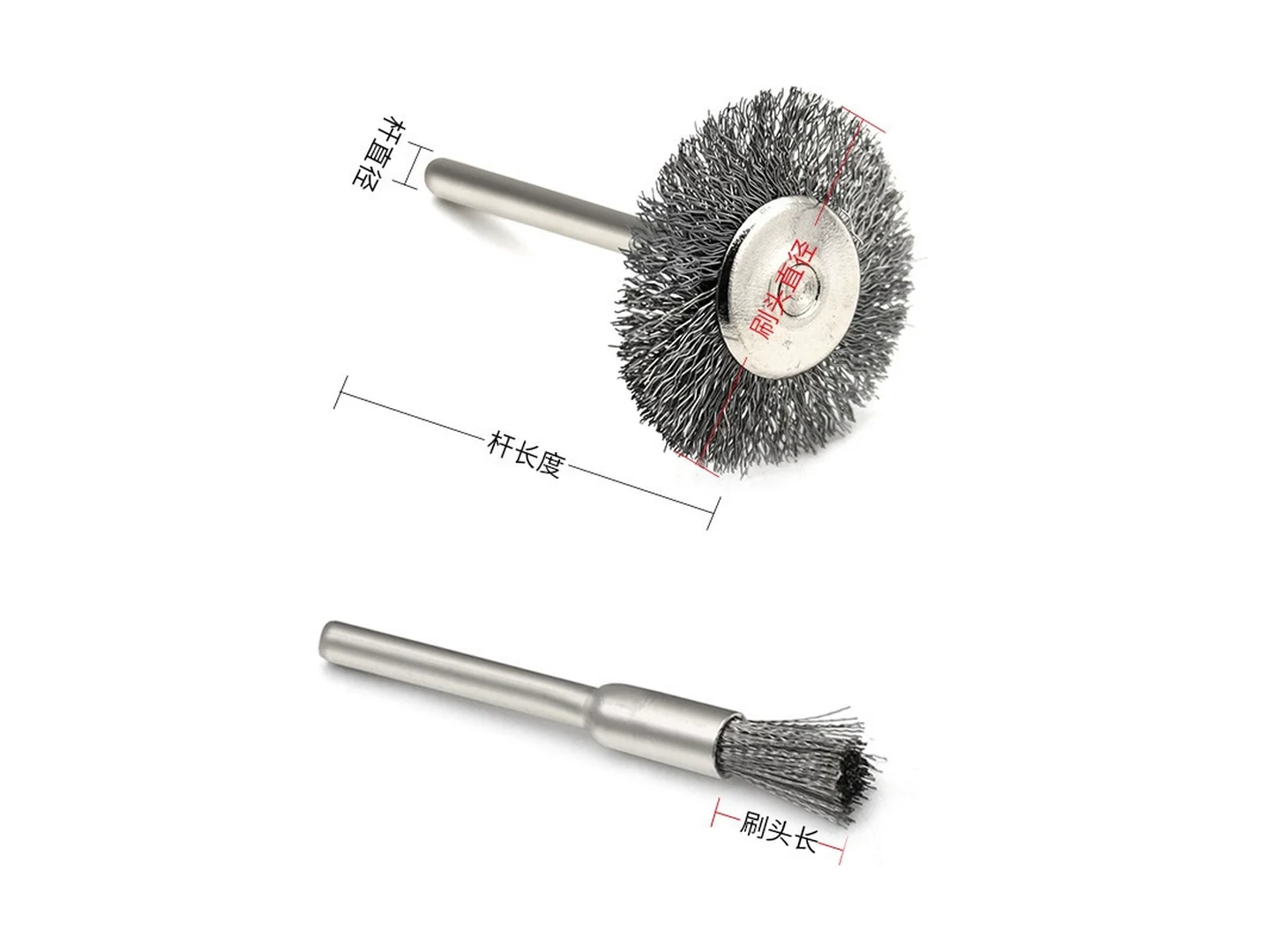
An injection mold cleaning brush is a purpose-built brush designed to reach the intricate surfaces of an injection mold without causing damage. Unlike general-purpose cleaning brushes, these brushes must balance aggressive cleaning with surface protection, chemical resistance, and compatibility with manual or automated cleaning systems. They come in many shapes, sizes, and bristle materials, each suited to different residue types, mold geometries, and operating conditions.
Common Types and Configurations
For material-selection language, this section is supported by World Stainless — Corrosion Resistance of Stainless Steels.
For brush terminology and construction language, this section references American Brush Manufacturers Association — Brush Lingo.
For dimension and measurement language, NIST — Metric SI supports the use of consistent SI/metric specifications.
Injection mold cleaning brushes fall into several categories based on structure, bristle material, and mounting method. Understanding the trade-offs helps narrow down the right option before diving into specifications.
- Twisted‑in‑wire brushes: Bristles are twisted between wire stems, creating a cylindrical or tapered shape. Good for manual cleaning of small holes and vents.
- Roller brushes: Bristles are mounted on a rotating core, often used in automated mold‑cleaning machines for consistent contact pressure.
- Strip brushes: Bristles are set in a metal or plastic holder, forming a straight or flexible strip. Ideal for wiping flat surfaces or conforming to slight curves.
- Custom‑shaped brushes: Made from customer drawings or samples, these match complex mold geometries where standard brushes cannot reach.
Bristle Material and Structure Comparison
| Bristle Material | Typical Structure | Best For | Avoid When |
|---|---|---|---|
| Brass | Twisted‑in‑wire, roller, or strip | Moderate residue on aluminum or soft tool steels; non‑sparking environments | High‑gloss polished surfaces (can leave micro‑scratches); high‑heat (>260°C) applications where brass may soften |
| Steel (carbon or stainless) | Twisted‑in‑wire, roller | Heavy carbonized buildup, burnt plastic, stubborn residues on hardened tool steels | Aluminum, beryllium‑copper, or polished cavities (will scratch); applications requiring non‑magnetic tools |
| Nylon (abrasive grit‑impregnated) | Roller, disc, cup | Light oxidation, vent cleaning, where some abrasion is acceptable without metal transfer | Optical or medical molds with zero‑scratch tolerances; thick, sticky residues that load the bristles |
| Horsehair / Tampico | Twisted‑in‑wire, strip | Dusting, wiping, applying mold release or cleaning solvents on fine surfaces | Heavy residue removal (too soft); wet, oily environments that degrade natural fibers |
| Polypropylene | Strip, roller, block | General‑purpose cleaning with chemical resistance; wet or solvent‑based cleaning | High‑temperature molds (>120°C); sharp burrs that cut the bristles |
How to Choose the Right Injection Mold Cleaning Brush
Selection is a balance of six practical factors. Each must be checked against your specific mold and cleaning process.
1. Equipment Interface and Mounting Method
Does the brush need to fit a handheld handle, a pneumatic spindle, a robotic arm, or an automated brush roller? Check the shank diameter, mounting thread, or arbor hole size. A mismatch here can stop production. Common mountings include threaded ends, hexagonal shanks for quick‑change chucks, and keyed roller ends for automated lines.
2. Contact Surface and Mold Geometry
Identify the smallest feature the brush must reach – deep ribs, narrowvents, ejector pin holes. A brush that is too wide won’t clean tight areas; one that is too narrow may be inefficient. For cavities with undercuts, a flexible or shaped brush may be necessary.
3. Residue Type
Is it light dust, sticky plastic outgassing, carbonized buildup, or corrosion? Light dust can be removed by soft bristles; hardened carbon needs aggressive metal bristles or abrasive nylon. Sticky residues often require a bristle material that resists loading, such as polypropylene with solvent resistance.
4. Operating Environment
Consider temperature, presence of solvents, and whether the brush will be used in a washdown area. For hot molds (above 120°C), avoid thermoplastic bristles that soften. For chemical exposure, polypropylene or stainless steel bristles often hold up better than natural fibers.
5. Replacement Cycle and Wear Life
Brushes are consumables. A lower‑cost brush that wears out quickly may increase downtime more than a higher‑quality brush with longer life. Compare expected cycle life, bristle retention, and core durability for your cleaning frequency. Automated lines benefit from brushes that provide consistent performance until end of life.
6. Cost vs. Performance
lowest-cost is rarely best. Evaluate total cost of ownership: purchase cost plus labor for changeover, plus risk of mold damage from inadequate cleaning or overly aggressive bristles. A slight increase in brush quality can reduce scrap rate and mold rework.
Common Mistakes When Choosing a Mold Cleaning Brush
- Overlooking bristle hardness for the mold material: Using a steel brush on aluminum molds creates scratches that trap residue and cause part defects.
- Ignoring chemical compatibility: Choosing a natural bristle for solvent‑based cleaners can cause rapid deterioration and bristle contamination.
- Mismatching brush diameter to cleaning machine stroke: If the brush is too small, it may not contact the surface uniformly; too large and it can bind or damage mold edges.
- Using a single brush type for all mold geometries: A twisted‑in‑wire brush that works well for ejector pinholes may be completely wrong for a large flat cavity.
- Assuming “custom” is always too expensive: When standard brushes cannot reach critical areas, the cost of a custom brush is often lower than the cost of defective parts or mold damage.
When a Standard Brush Is Not Enough
Standard catalog brushes cover about 80% of injection mold cleaning tasks. However, you should request a custom brush drawing or submit a sample when:
- The mold geometry has extremely tight radius corners, compound curves, or hidden recesses that no standard brush tip can reach.
- The cleaning process requires a non‑standard mounting interface that must match a unique holder or robotic end‑effector.
- The mold is made of an exotic alloy or has a proprietary coating that demands a specific bristle hardness, diameter, or material to avoid abrasion.
- You need to combine multiple cleaning steps (e.g., rough scraping and fine wiping) into a single pass for cycle time reduction.
In these situations, working directly with a brush manufacturer to create a technical drawing is the safest path. Provide detailed mold drawings, cleaning machine specifications, and residue samples if possible.
Final Takeaway
Choosing the right injection mold cleaning brush is less about cost and more about matching the brush to the mold material, geometry, residue, and cleaning method. Start with the equipment interface, then evaluate bristle material and shape for your specific residues and surface sensitivity. For complex molds, don’t hesitate to consider custom solutions. A well‑chosen brush reduces cycle time, extends mold life, and improves part consistency.
Practical Use Note
In daily use, the practical test is simple: check whether the brush reaches the full contact area, removes the target residue, and leaves the surface in the required condition. Record what changes when access, residue type, surface sensitivity, brush stiffness, operating environment, and replacement routine changes, because many brush failures are caused by the working condition shifting rather than by the brush body alone.
Frequently Asked Questions
Can I use a wire brush to clean injection molds?
It depends on the mold material. Brass or stainless steel wire brushes are common for steel molds, but never use a carbon steel brush on aluminum or polished surfaces. Always check the hardness compatibility to avoid scratching.
How often should I replace my mold cleaning brushes?
Replacement depends on cleaning frequency, residue abrasiveness, and brush quality. Monitor bristle wear and loss; replace when bristles become flattened, broken, or fail to reach all areas. Automated monitoring of consumed brush length can help schedule changes.
What bristle material is safe for polished mold surfaces?
Do I need a different brush for each type of residue?
Often yes. Carbonized deposits may need a steel brush, while light dust or mold release buildup can be handled by a polypropylene strip brush. Using the wrong brush for the residue can spread contaminants or fail to clean effectively.
How do I determine the correct brush diameter?
Measure the narrowest passage the brush must enter, then subtract about 1–2 mm to allow for movement without binding. For automated systems, ensure the brush fill diameter (OD) matches the programmed overlap to prevent gaps in coverage.
Can I use the same brush for manual and automated cleaning?
Possible, but check the mounting style. A brush designed for a manual handle may not have the precision shank needed for an automated spindle. Some brushes have dual‑purpose mounting options, but verify runout and balance for high‑speed rotation.
How do I know if I need a custom brush?
If any standard brush dimensions, materials, or mounting styles cannot match your mold drawing or cleaning machine specifications, ask the manufacturer to quote from a drawing or sample. Custom brushes are justified when they prevent clearance‑related damage or improve cycle time significantly.
Are all injection mold cleaning brushes heat‑resistant?
No. Natural fibers and standard polypropylene soften above 120°C. For hot molds cleaned shortly after ejection, choose high‑temperature nylon (up to 180°C) or metal bristles. Always check the bristle material’s continuous operating temperature rating.