What Is a Wire Polishing Brush?
A wire polishing brush is an industrial brush in which the working bristles are made of metal wire. Despite the word “polishing,” these brushes are most often used for deburring, edge radiusing, rust and scale removal, cleaning, and general surface preparation—not for producing a mirror finish. The wire bristles act as flexible abrasive media, and the material of the wire largely controls the aggressiveness and outcome.
You’ll find wire polishing brushes in cup, wheel, end, and strip forms. This article focuses on the bristle material itself, because material choice is the most impactful decision when specifying or selecting a brush for a given task.
Common Types of Wire Polishing Brushes
Wire polishing brushes are classified first by bristle material. Each material family offers a different balance of cutting power, surface safety, durability, and environmental resistance:
- Carbon steel wire: High stiffness, aggressive cutting. Strong tendency to rust. Common for heavy-duty rust removal on carbon steel parts.
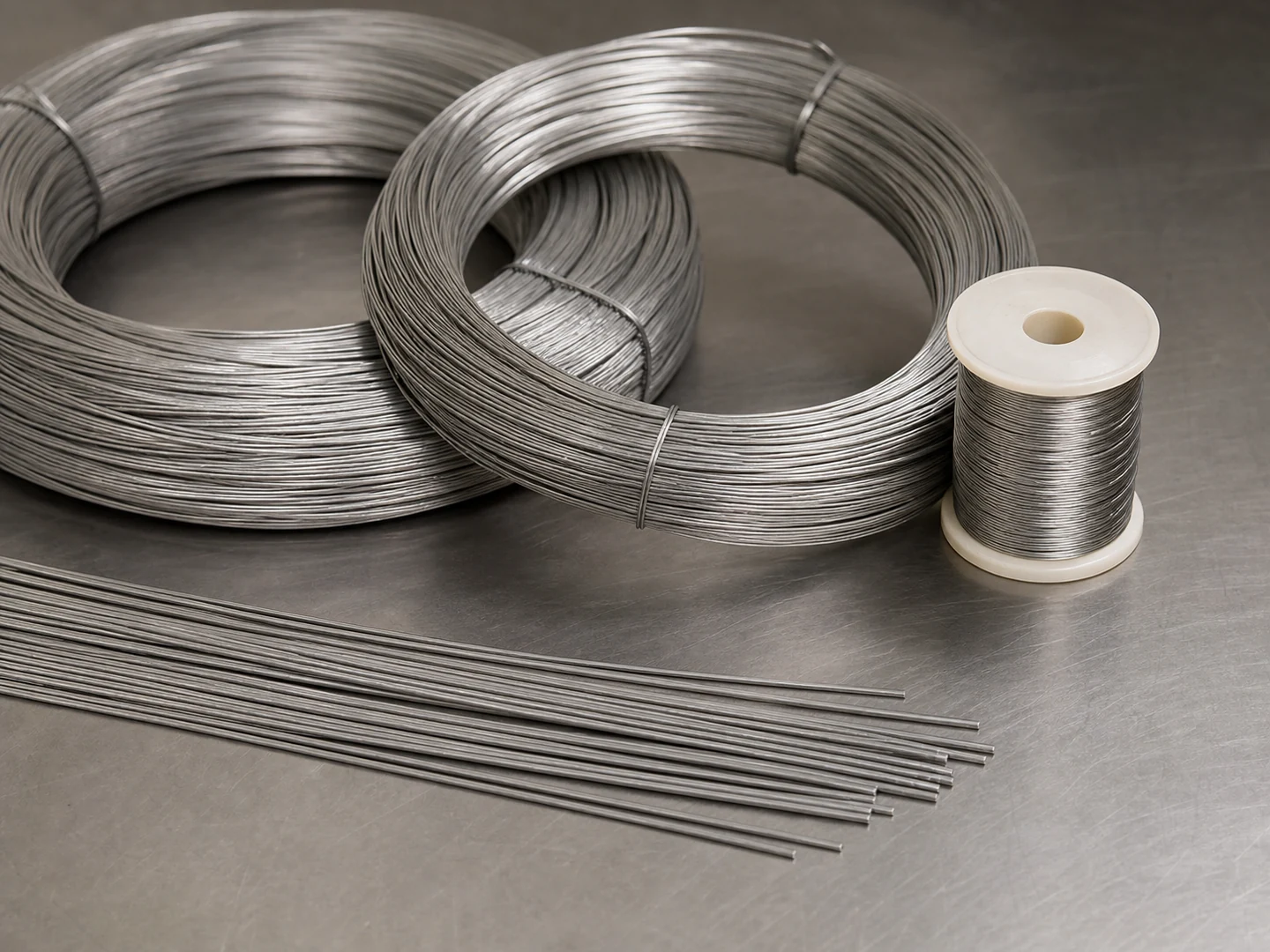
- Stainless steel wire: Good stiffness, corrosion resistant. Often chosen for stainless steel workpieces to avoid iron contamination.
- Brass wire: Softer, less aggressive. non-sparking and resistant to corrosion. Frequently used on softer metals and in environments where sparks must be avoided.
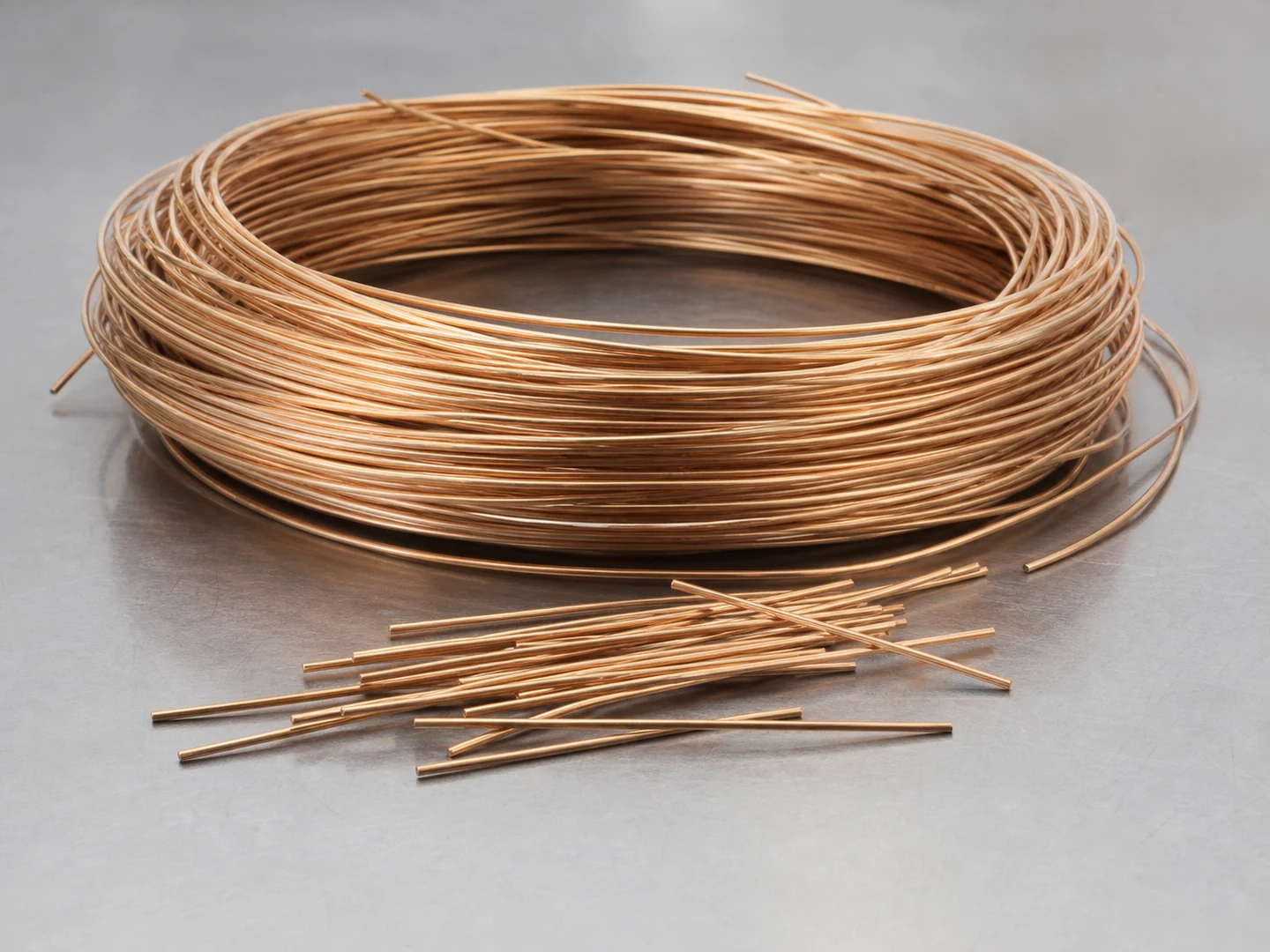
- Bronze or phosphor bronze wire: Similar to brass but with different wear and anti-static properties. Often specified in electronic or explosive-atmosphere settings.
- Coated or composite wire: Nylon-coated steel, abrasive-impregnated nylon, or synthetic-metal hybrids. These tailor surface finish, static dissipation, or chemical resistance.
Comparing Wire Polishing Brush Materials
The table below compares common bristle materials by practical selection factors. Use it to narrow down your options based on your specific operating conditions.
| Material | Stiffness | Wear Resistance | Surface Safety | Temperature Tolerance | Chemical Compatibility | Static Control | Typical Use Cases |
|---|---|---|---|---|---|---|---|
| Carbon Steel | Very High | High | Low (can scratch softer metals) | Good to ~200°C | Poor (rusts easily) | Can generate static | Heavy rust removal on carbon steel, weld cleaning |
| Stainless Steel (304/316) | High | High | Moderate (may mark some surfaces) | Good to ~300°C | Excellent (resists most chemicals, food-contact suitable) | Can generate static | Stainless steel fabrication, food equipment, marine |
| Brass | Low–Moderate | Moderate | High (gentler on soft metals) | Moderate (up to ~150°C) | Good (resists corrosion, tarnishes slowly) | Low static risk (conductive) | Soft metals, electronics, non-sparking environments |
| Bronze/Phosphor Bronze | Moderate | Moderate–High | High | Moderate | Good | Excellent (anti-static, spark-free) | Precision cleaning of electronics, explosive atmospheres |
| Nylon-Coated Steel | As base wire + coating flex | Moderate | High (coating reduces scratching) | Lower (coating degrades above ~120°C) | Coating improves chemical resistance | Reduces static buildup vs. bare steel | Light deburring, painted or coated surfaces, cleanroom |
How to Choose the Right Wire Polishing Brush
When selecting a wire polishing brush, evaluate these five factors in order:
- Contact surface material: Never use carbon steel wire on stainless steel or aluminum if cross‑contamination is a concern. Match bristle hardness to the workpiece hardness—a soft brass brush is safer on brass or copper parts.
- Residue type: Heavy, tightly adhered rust or mill scale might demand a stiff carbon steel bristle; light oxidation or surface discoloration can be handled by a softer brass or stainless wire.
- Machine speed and pressure: High‑speed automatic wire brush machines generate heat and stress. Check that the bristle material can withstand the expected RPM without excessive breakage. Excessive pressure can deform softer wires.
- Dry vs. wet operation: If the process involves water, coolants, or cleaning solvents, carbon steel will rust quickly and may stain the part. Stainless, brass, or coated wires hold up better. Wet environments also affect lubrication and bristle life.
- Documentation and compliance needs: Some industries require FDA‑approved materials, RoHS compliance, or documented non‑sparking properties. Select a material that can be documented accordingly; if unsure, request a material test certificate from the supplier.
Common Mistakes When Selecting a Wire Polishing Brush
- Choosing by cost alone: A low-cost carbon steel brush may cost less upfront, but using it on stainless steel can cause iron contamination that leads to rust on the finished part, creating expensive rework.
- Ignoring bristle diameter: Even with the same material, thicker wire is more aggressive and slower‑wearing; thin wire is more flexible and conforms better. Always specify wire diameter along with material.
- Overestimating stiffness: Stiffer is not always better. An overly aggressive brush can scratch, gouge, or remove too much base material, especially on soft alloys.
- Forgetting about static: In electronics cleaning or spark-sensitive or hazardous work areas, a static-generating brush can damage components or cause sparks. Brass or bronze brushes are inherently conductive and reduce static buildup.
- Skipping wet/dry analysis: A process that looks dry may involve moisture from compressed air or ambient humidity. Carbon steel brushes can flash‑rust overnight, ruining the brush and contaminating the next batch.
When a Standard Wire Polishing Brush Is the Wrong Choice
A standard off‑the‑shelf wire brush will handle many common deburring and cleaning jobs, but some situations push beyond its limits:
- Exotic alloy workpieces: Titanium, Inconel, or hardened tool steel may require wire materials with specific hardness or fatigue resistance not found in common carbon or stainless grades.
- Strict contamination control: In semiconductor, medical device, or aerospace applications, even trace amounts of foreign metal can be unacceptable. Custom‑alloy bristles or fully synthetic alternatives may be mandated.
- Aggressive cycle times: High‑speed, high‑pressure automated lines wear out standard brushes quickly. A custom wire blend—for example, adding a small percentage of an abrasive‑impregnated filament—can extend life.
- Unique surface finish requirements: A precise roughness (Ra) specification might require a controlled brush stiffness and tip condition that standard wire cannot consistently deliver.
In these cases, sample testing with different materials is essential. Ask potential suppliers for sample brushes made from candidate wire grades and evaluate them on a small batch of actual parts. If no standard option works, a custom bristle blend—such as a mixture of steel and brass wire, or a synthetic filament with metal powder infusion—can bridge the gap.
Final Takeaway
Choosing a wire polishing brush is really about choosing the right bristle material. Start by protecting your workpiece surface: match the wire to the metal you’re cleaning. Then consider the residue, machine conditions, and any compliance documentation you need. When none of the common materials fit, be ready to test alternatives or work with a supplier on a custom blend. A small investment in selection prevents expensive rework later.
Frequently Asked Questions
What is the best wire brush material for cleaning a BBQ grill?
For grills, brass or stainless steel wire brushes are preferred because they resist rust and are less likely to shed harmful bristles compared to corroded carbon steel. Always inspect the brush before use and replace it if loose bristles are present.
Can I use a wire polishing brush on aluminum or other soft metals?
Yes, but choose a soft wire material like brass or a coated wire. Carbon steel and stainless steel can gouge aluminum and leave embedded iron particles that later corrode. Soft bristles allow cleaning without aggressive material removal.
Are there anti-static wire brushes for cleaning electronics?
Yes. Brass, bronze, and phosphor bronze wire brushes are conductive and reduce static buildup when grounded. For sensitive electronics, also consider static-dissipative synthetic filament brushes that contain carbon or metal powders.
How does bristle diameter affect polishing performance?
Thicker wire cuts more aggressively and lasts longer but conforms less to complex surfaces. Thinner wire is more flexible and leaves a finer finish but wears faster. Always choose a bristle diameter that balances your required material removal rate and surface finish.
Can I clean spark plugs with a wire polishing brush without causing damage?
Yes, but use a soft brass brush and light hand pressure. Steel wire can scratch the porcelain insulator or damage the electrodes, potentially leading to misfires. Never use a powered wire brush at high speed on spark plugs.
What should I do if my process involves both wet and dry steps?
If any part of your process introduces moisture—even from cleaning solutions or high humidity—avoid carbon steel. Stainless steel, brass, or coated wires are safer. If a carbon steel brush is your only option, remove and dry it immediately after use to prevent rust.
How can I tell if I need a custom wire brush material?
Consider a custom solution if you experience rapid bristle breakage, unacceptable surface scratching, contamination issues, or an inability to hit required surface finish specs after trying two or three standard materials. Ask your supplier for sample evaluation first.
Technical References
Which bristle material fits this job — AISI 304 Stainless Steel Wire, Nylon PA or Phosphor Bronze Wire?
| Material | Continuous temperature (°C) | Peak temperature (°C) | Water absorption | Hardness |
|---|---|---|---|---|
| AISI 304 Stainless Steel Wire | 400 | 500 | 0% | Rockwell B 70–95 depending on temper and cold work |
| Nylon PA | 93 | 121 | 0.3–9% by PA grade and conditioning | Medium to firm; filament diameter and trim length control bending force. |
| Phosphor Bronze Wire | 180–220 | 280–320 | 0% | Rockwell B 70–100 |
| Carbon Steel Wire | 200–300 | 350–450 | 0% | Rockwell C 40–60 |
Figures as published by Alleima; Brushtec / DuPont. Confirm the exact grade against the supplier datasheet before ordering.
What should replace AISI 304 Stainless Steel Wire for polishing?
- AISI 304 Stainless Steel Wire — Use AISI 316 stainless steel wire for chloride, marine, dairy, beverage, chemical washdown, or higher pitting-resistance requirements. Use carbon steel for dry aggressive cutting and brass or abrasive nylon for lower marking risk.
- Nylon PA — Compare Nylon PA with PP, PBT, PET. Change material when wet stiffness, temperature, chemical resistance, conductivity, particle shedding, or surface marking becomes the limiting factor.
- Phosphor Bronze Wire — Compare Phosphor Bronze Wire with Compare with brass for softer copper-alloy contact, copper for conductivity and stainless wire for stronger cutting. Change material when wet stiffness, temperature, chemical resistance, conductivity, particle shedding, or surface marking becomes the limiting factor.
- Carbon Steel Wire — Compare Carbon Steel Wire with Carbon steel wire, brass wire, abrasive nylon. Change material when wet stiffness, temperature, chemical resistance, conductivity, particle shedding, or surface marking becomes the limiting factor.