What Is a Floor Scrubber Brush for Warehouse Dust?
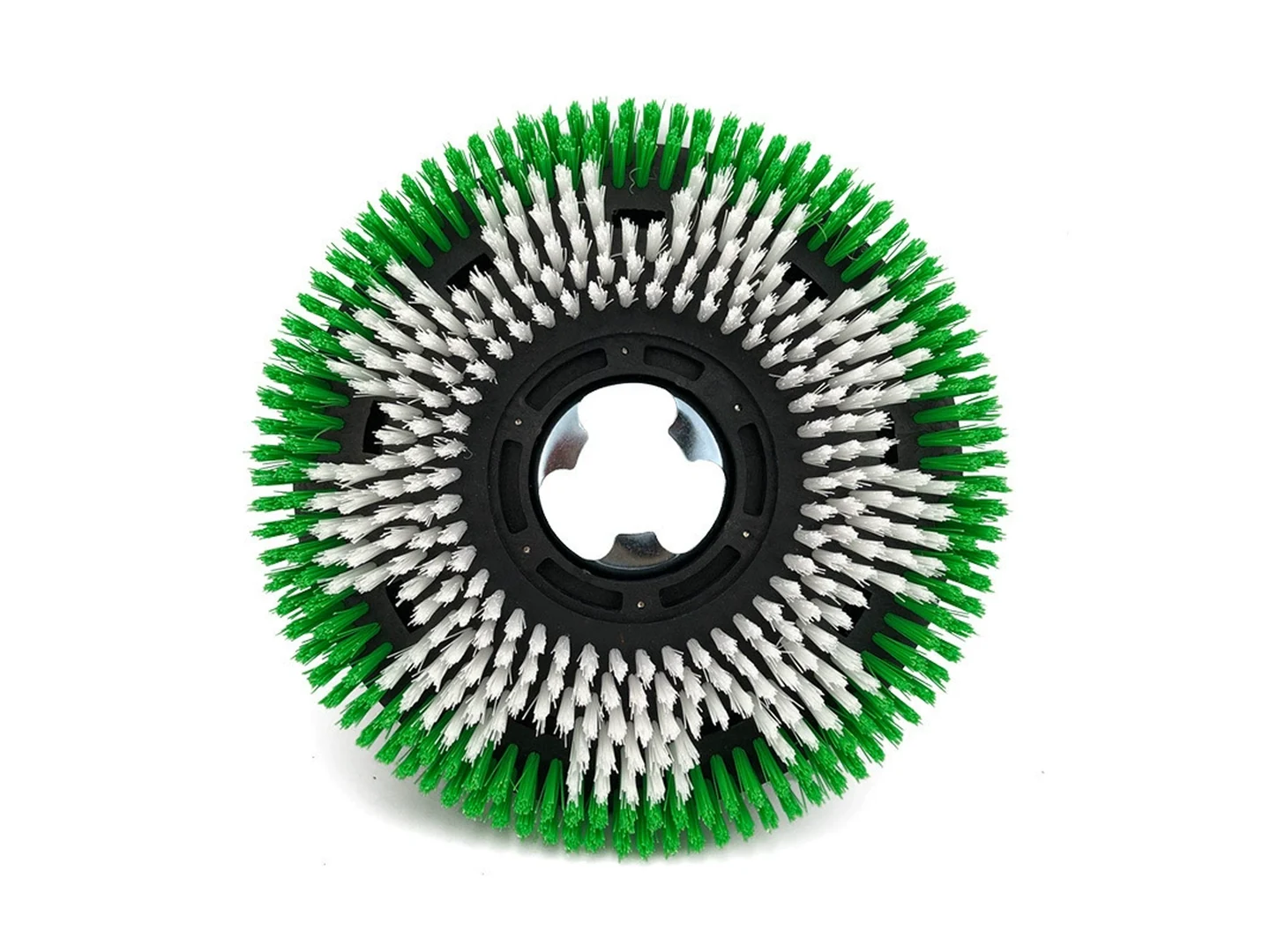
A floor scrubber brush is a cylindrical or disc‑shaped brush head made from bristles or abrasive materials that mounts onto an industrial floor scrubber machine. It mechanically scrubs the floor to loosen and lift dust, dirt, and residues, which are then collected by the machine’s vacuum or squeegee system. In warehouses, daily traffic and material handling generate fine concrete dust, cardboard fibers, rubber deposits, and general debris. The brush must be selected to agitate and remove these contaminants without damaging the floor or wasting water/chemicals.
Common Types of Floor Scrubber Brushes
For the safety point in this section, the relevant OSHA reference is OSHA — Combustible Dust.
For the environmental or chemical-safety point in this section, the supporting reference is EPA — Particulate Matter Basics.
For the safety point in this section, the relevant OSHA reference is OSHA — Warehousing.
For brush terminology and construction language, this section references American Brush Manufacturers Association — Brush Lingo.
Most warehouse scrubber brushes fall into two main categories: disc brushes and cylindrical brushes. Brush pads (pad drivers with non‑woven pads) are an alternative, but they are not bristle brushes. Here we focus on bristle‑type floor scrubber brushes.
- Disc brushes – Round, flat brushes that mount under a rotary or orbital scrub deck. They come in standard diameters like 17‑inch and 20‑inch and cover large open areas efficiently.
- Cylindrical brushes – Tube‑shaped brushes mounted horizontally, typically in counter‑rotating pairs. They brush debris directly into a hopper and excel on uneven floors, grout lines, and textured surfaces.
- Specialty brushes – Includes grit‑filled abrasive nylon brushes, anti‑static brushes for sensitive electronics, and brushes with dedicated sweeping bristle patterns for combined scrubbing/sweeping.
Disc vs. Cylindrical Floor Scrubber Brushes – Which One for Your Warehouse?
The first technical decision is whether your machine accepts disc or cylindrical brushes. Newer scrubbers are designed for one specific type, but many older machines can use either. Use the table below to compare the two for typical warehouse dust conditions.
| Feature | Disc Brushes | Cylindrical Brushes |
|---|---|---|
| Scrubbing pattern | Rotating flat disc, covers large area per pass | Counter‑rotating tubes, brush debris into hopper |
| Best for | Open floor spaces, smooth concrete, regular maintenance | Uneven floors, grouted or textured surfaces, capturing larger debris |
| Machine compatibility | Typically use with auto scrubbers with disc decks (17″, 20″, etc.) | Use with sweepers or scrubbers with cylindrical decks (width‑based sizing) |
| Common sizes | 13″ to 21″ diameters | Not diameter‑based; specified by brush length and core width |
| Mounting style | Quick‑change mounting cups, velcro, or center‑lok | Slide‑on core systems, often keyed to prevent rotation |
| Agitation on grout or cracks | Limited; may not reach into deep cracks | Excellent; bristles can probe into low spots and grout lines |
| Dust containment | Relies on machine’s squeegee/vacuum; can leave damp lines if pattern is not optimized | Brushes throw debris directly into recovery tank; drier floors in many designs |
How Brush Material and Stiffness Affect Dust Removal
Bristle material and stiffness directly determine how aggressively a brush cleans and how it interacts with the floor. The table below summarizes the most common bristle types for warehouse floor scrubber brushes.
| Material | Stiffness / Color Code | Best Use | Caution |
|---|---|---|---|
| Polypropylene | Soft to firm (often white or blue) | Light dust, smooth concrete, painted floors | Can degrade with strong solvents or high temperatures |
| Nylon | Medium to stiff (often white, blue, black) | General dust, wet scrubbing, chemical resistance | May not cut heavy soil; black‑coded nylon can be too stiff for delicate floors |
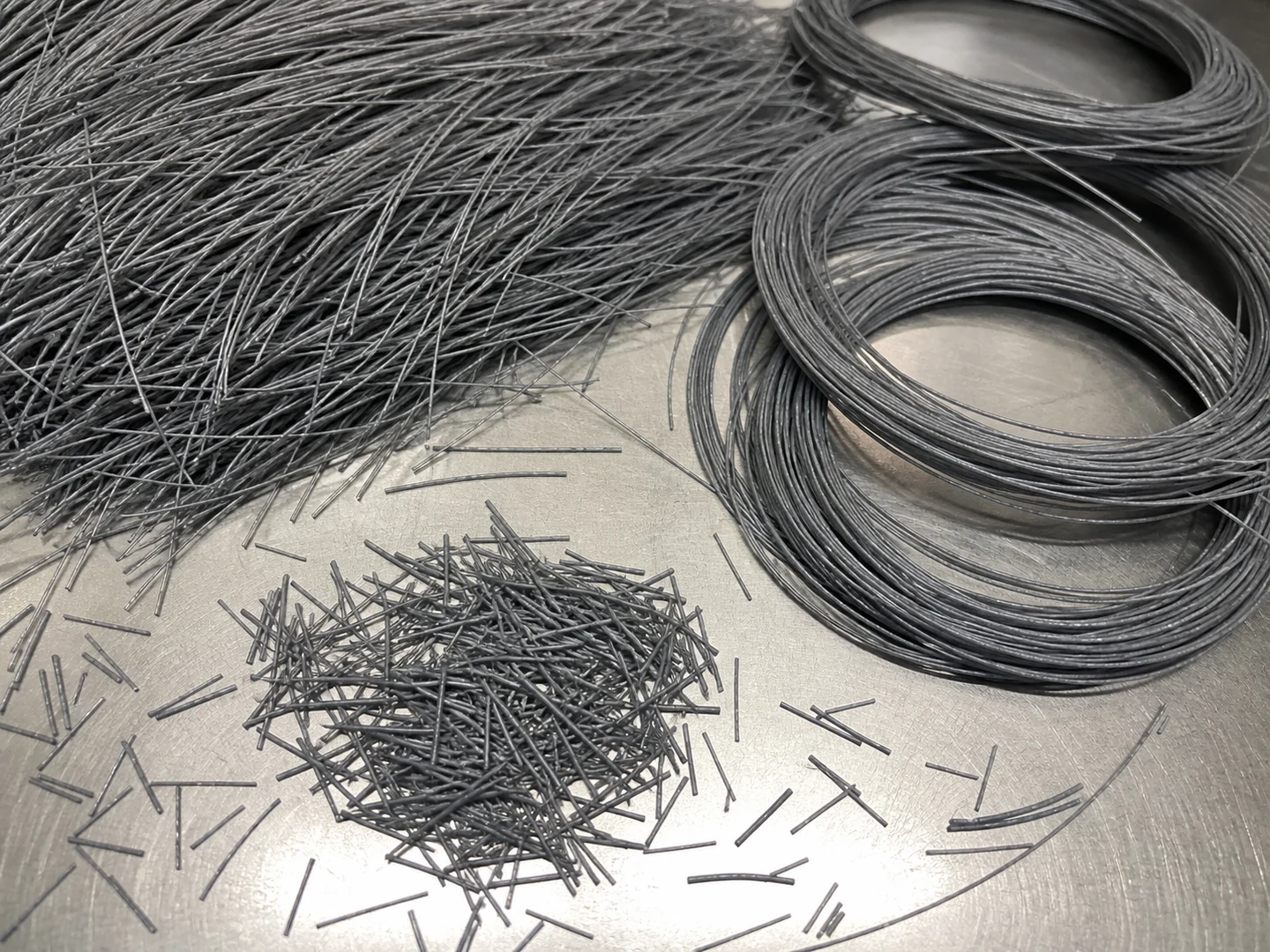
| Abrasive nylon (grit‑filled) | Stiff (often black or dark gray) | Embedded dirt, oily residues, unsealed concrete | Can scratch or dull floor finishes; not for polished or sealed surfaces |
| Natural fiber blend (tampico, palmyra) | Soft to medium | Fine dust, dry sweeping, wood or delicate tile | Absorbs water; not suited for wet scrubbing |
| Anti‑static blends | Varies | Electronics assembly, flammable dust environments | Consult manufacturer for conductive specifications |
Stiffness is often identified by bristle color, but color codes are not universal. Always verify the manufacturer’s stiffness specification rather than relying on color alone.
How to Choose the Right Floor Scrubber Brush: A Step‑by‑Step Process
- Identify the dust type. Is it fine concrete dust, sticky residue, cardboard fibers, or oily dirt? Fine dust may need a softer brush to avoid floating particles; oily dirt needs more agitation.
- Determine floor surface and condition. Check for sealed concrete, epoxy coatings, polished floors, or exposed aggregate. A bristle that is too aggressive can scar the surface; one that is too soft leaves residue behind.
- Confirm machine interface and brush size. Measure the required diameter for disc brushes (17‑inch and 20‑inch are common) or the length and core size for cylindrical brushes. Verify mounting style: snap‑on, center‑lok, velcro, or slide‑on core.
- Consider wet or dry scrubbing and chemical exposure. If using detergents or degreasers, choose nylon or polypropylene bristles that resist chemicals. Natural fibers will soak up liquid and degrade quickly.
- Evaluate hygiene requirements. In food or pharmaceutical warehouses, use non‑porous bristle materials that can be sanitized and do not harbor bacteria. Abrasive nylon and polypropylene are often preferred.
- Plan for maintenance frequency and brush life. Heavy‑duty continuous use may justify a more durable bristle material even if it costs more initially. Monitor bristle fill density; a higher bristle count typically lasts longer.
- Assess the need for custom sizes or specialized patterns. If your machine has an unusual scrub deck size or you need a dual‑purpose sweep/scrub configuration, a custom floor scrubber brush may be required. Supplier drawing review and sample testing are recommended before committing to a production run.
Common Mistakes When Choosing a Floor Scrubber Brush
- Selecting by cost drivers or availability instead of matching bristle to floor. A low-cost brush that leaves dust behind or scratches the floor creates more work and higher cost over time.
- Using an overly aggressive brush on sealed or polished floors. Grit‑filled nylon or stiff black bristles can permanently dull a polished surface.
- Using a soft brush for heavy dust or debris. The brush will simply polish the dust without lifting it, leaving a haze on the floor.
- Ignoring chemical compatibility. Some cleaning agents weaken polypropylene bristles; verify chemical resistance if using strong degreasers or acidic cleaners.
- Overlooking the mounting style. Velcro‑attached brushes are convenient, but the backing disc wears out and must be replaced periodically. Center‑lok or snap‑in systems are more robust for high‑vibration environments.
- Not checking diameter or length fit. A 20‑inch brush will not fit a 17‑inch scrub deck, and an over‑sized disc can damage the machine. Cylindrical brushes with the wrong core size will not install.
When a Standard Floor Scrubber Brush Is Not Enough
Even the best brush has limits. Understand the boundaries to avoid expecting performance a brush cannot deliver.
- Excessively heavy dust or debris. If the floor is covered in thick dirt, shavings, or pallet debris, pre‑sweeping or a dedicated sweeper machine should be used before scrubbing. Relying on the scrubber alone will clog the brush and recovery system.
- Oily or sticky residues. A standard polypropylene or nylon brush may only spread oil. For heavy industrial oils, switch to an abrasive nylon brush with a degreasing pad or pre‑treat the floor with a chemical soak. In some cases, a scrub pad may be more effective than bristles.
- Very uneven floors or deep grout lines. A disc brush cannot reach into deep recesses. Cylindrical brushes with a high‑fill bristle pattern are necessary, and even then, a separate hand brush might be needed for corners.
- Electrostatic discharge (ESD) sensitive environments. Regular brushes can generate static electricity, damaging electronics or igniting dust clouds. Use anti‑static or conductive brushes certified for your environment.
- Custom scrub deck dimensions or unique mounting interfaces. Off‑the‑shelf brushes may not fit older or uncommon machines. A supplier drawing review and sample testing are critical to ensure performance and safe fit.
Final Takeaway: Selecting the Right Brush for Reliable Warehouse Dust Control
Effective warehouse dust control with a floor scrubber starts with the brush. Identify the exact dust and floor conditions, match them to the appropriate bristle material and stiffness, and confirm that the brush size and mounting style fit your machine. When standard options fall short, don’t force a mismatch—consider a different brush type, pre‑sweeping, or a custom solution. A well‑chosen floor scrubber brush reduces downtime, protects floors, and keeps the air cleaner for everyone.
Frequently Asked Questions
What is the difference between a floor scrubber brush and a pad?
Pads are flat non‑woven abrasive or polishing discs, good for light scrubbing and burnishing. Brushes have bristles that reach into grout lines and uneven surfaces, making them better for heavy dust and textured floors. For many warehouses, a brush is the more productive choice.
How do I know what size brush fits my scrubber?
Check your machine’s manual for disc diameter (usually 17 or 20 inches) or cylindrical dimensions. Aftermarket brushes are widely available, but confirm the mounting style—Center‑Lok, velcro, snap‑in, or slide‑on core—before purchasing.
Can I use the same brush for wet and dry scrubbing?
Yes, if the brush material is suitable. Nylon and polypropylene resist water and most cleaning chemicals. Avoid natural fiber brushes for wet scrubbing; they will absorb moisture and lose shape.
What bristle stiffness is best for concrete warehouse floors?
For unsealed or worn concrete, a medium to heavy‑duty abrasive nylon brush works well. If the floor is sealed or painted, use a softer polypropylene or non‑abrasive nylon brush to avoid scratching. Always test a small area first.
How often should I replace a floor scrubber brush?
There is no fixed schedule; monitor bristle wear and cleaning performance. In heavy‑use warehouses, a brush might last 3–6 months, but it can be much longer with proper care. Replace the brush when bristles are splayed, deformed, or cleaning results noticeably decline.
Can a floor scrubber brush remove oil stains?
A standard brush alone often cannot remove deep oil stains from concrete. You may need to pre‑treat with a degreaser, use a scrubbing pad, or select an abrasive nylon brush specifically designed for oily residues. For severe stains, a multi‑step cleaning process is more effective.
Is a walk‑behind floor scrubber brush different from a ride‑on machine brush?
The brush itself may be identical; many 17‑inch or 20‑inch disc brushes fit both walk‑behind and ride‑on models from the same manufacturer. What differs is the machine’s scrub deck design and power. Always verify the manufacturer instructions recommended brush part number or dimensions.
What does “abrasive nylon” mean in a brush?
Abrasive nylon bristles have silicon carbide or aluminum oxide grit embedded in the nylon filament during manufacturing. This gives the bristles a sandpaper‑like quality that cuts through tough dirt, but it can also wear floor coatings if used incorrectly. Reserve abrasive nylon for heavy‑duty applications on durable surfaces.