What Is a Floor Scrubber Brush?
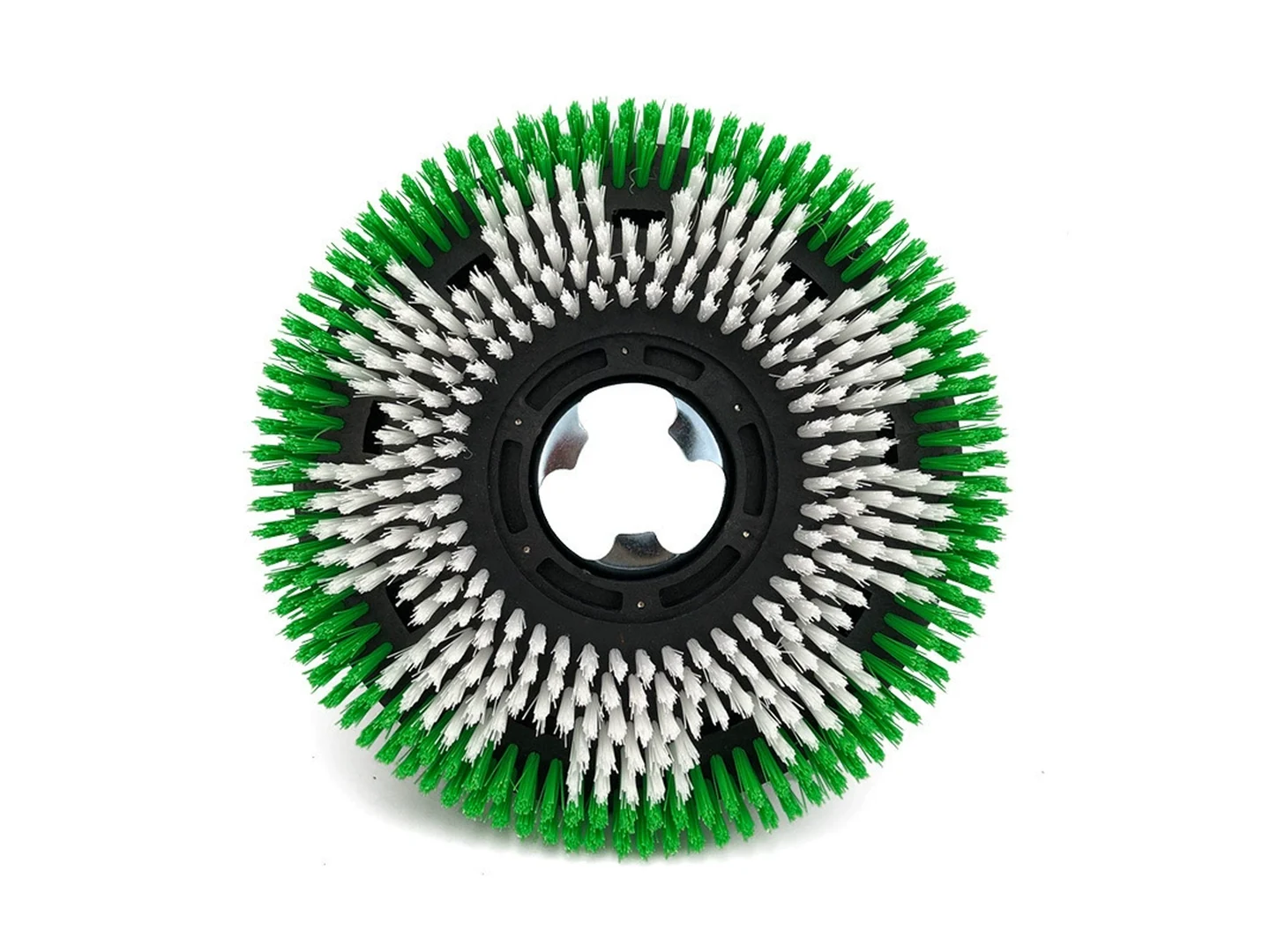
A floor scrubber brush is a circular or cylindrical tool that mounts onto a floor cleaning machine (walk‑behind, ride‑on, or robotic) and uses rotating bristles to dislodge dirt and debris from the floor. The brush agitates the surface while water or cleaning solution is applied, helping to lift and suspend soil for extraction. In outdoor settings, the brush must handle larger, heavier debris and often cope with abrasive surfaces like concrete or asphalt.
Common Brush Types for Outdoor Debris
For the safety point in this section, the relevant OSHA reference is OSHA — Combustible Dust.
For the environmental or chemical-safety point in this section, the supporting reference is EPA — Particulate Matter Basics.
For the safety point in this section, the relevant OSHA reference is OSHA — Warehousing.
For brush terminology and construction language, this section references American Brush Manufacturers Association — Brush Lingo.
The right brush for outdoor tasks differs significantly from indoor-only brushes. Here are the most common options you will encounter:
- Standard Polypropylene Brushes – General-purpose bristles with moderate stiffness. Good for light outdoor dust and fine debris on smooth concrete.
- Heavy‑Duty Polypropylene Brushes – Thicker, stiffer bristles that can scrub packed mud, leaves, and light gravel without quickly losing shape.
- Abrasive/Grit‑Infused Brushes – Bristles embedded with silicon carbide or aluminum oxide for aggressive cleaning. Useful for removing caked‑on grime, tire marks, or gum on durable concrete.
- Wire Brushes (Metal Bristles) – Used only on extremely tough surfaces like unfinished concrete or steel decks. They remove heavy scale, rust, or thick buildup but can gouge softer floors.
- Combination/Strip Brushes – Segmented or side‑strip brushes often used on sweepers/scrubbers to sweep debris into the scrub path. Helpful for pre‑cleaning large debris before scrubbing.
Comparing Floor Scrubber Brush Options for Outdoor Use
| Brush Type | Bristle Material | Best for Debris Type | Surface Compatibility | Wet/Dry Use | Aggressiveness / Wear |
|---|---|---|---|---|---|
| Standard Polypropylene | Polypropylene (soft‑medium) | Fine dust, light soil | Smooth concrete, sealed surfaces | Both, but best wet | Low; fast wear on rough surfaces |
| Heavy‑Duty Polypropylene | Polypropylene (thick/stiff) | Mud, leaves, small gravel | Concrete, asphalt, broom‑finished concrete | Both | Medium; good life on most outdoors |
| Abrasive/Grit‑Infused | Nylon or PP with mineral grit | Grime, tire marks, sticky residues | Unglazed tile, concrete, rough stone | Wet or damp | High; can abrade softer surfaces |
| Wire Brush | Steel or stainless wire | Heavy scale, rust, thick deposits | Unfinished concrete, metal decks | Dry or with rust‑inhibitor solution | Very high; damages decorative floors |
| Combination/Sweeper Brush | Poly or nylon blends | Large debris pre‑collection | All outdoor hard surfaces | Dry, then scrub | Moderate; mainly dry sweeping wear |
How to Choose the Right Brush for Your Outdoor Cleaning Task
Use this step‑by‑step decision path to narrow down your options:
- Identify the primary debris. Is it fine dust, wet mud, oily grime, or large chunks like gravel? Heavy‑duty polypropylene works for most mixed outdoor debris; add abrasive bristles if there is stuck‑on residue.
- Check the floor surface. Polished, sealed, or decorative concrete needs a softer brush or pad. Unsealed, rough, or broom‑finished concrete can take stiffer bristles. Asphalt is more abrasive and wears brushes faster; choose a durable, economical brush.
- Confirm machine compatibility. Measure the brush diameter (e.g., 17-inch, 20-inch) and center drive mechanism (disc, lug, or pin‑style). Walk‑behind scrubbers use flat or conical brushes; ride‑on machines may use cylindrical brushes. Check the manufacturer’s specification for maximum brush pressure and RPM.
- Consider wet or dry operation. Most outdoor scrubbing uses water. Ensure the brush core and bristle material resist moisture and cleaning chemicals. Polypropylene is chemically resistant; nylon absorbs water and can soften.
- Account for hygiene and maintenance. If the brush will be used in food processing, animal areas, or places needing sanitation, choose a brush that can be easily cleaned and has a non‑absorbent core (plastic, not wood). Wash‑down environments may need stainless steel hardware.
- Evaluate brush life and replacement frequency. Outdoors, brushes wear faster. Plan for regular replacement; buying cheaper brushes that wear out twice as fast may cost more in labor and downtime.
- Custom sizing or special requirements? If your machine has a non‑standard drive or you need a very specific bristle pattern, work with a supplier that can provide a drawing review and sample approval. Send photos and debris samples if possible.
Key Factors That Affect Brush Performance Outdoors
Cleaning outdoors is never a controlled lab test. Keep these real‑world factors in mind:
- Water and chemical exposure – Excessive water can soften some brush fill materials. Harsh cleaners may degrade nylon faster than polypropylene.
- Temperature extremes – Very hot surfaces (e.g., sunny asphalt) can soften plastic bristles. Freezing temperatures may make some materials brittle.
- Machine speed and down pressure – Too fast or too much pressure wears brushes prematurely. Follow the scrubber’s recommended settings for outdoor use.
- Brush break‑in – New brushes may be too aggressive before bristles slightly wear. Run them on a hidden area first.
- Storage – Store brushes off the floor, out of direct sunlight, and away from chemicals to prevent warping or material degradation.
Common Mistakes When Selecting a Floor Scrubber Brush
- Choosing by diameter only. The center drive, bristle material, and stiffness have a bigger impact on cleaning than size.
- Using the same brush indoors and outdoors. Outdoor surfaces are rougher; a brush optimized for smooth tile will wear out rapidly and may not clean effectively on concrete.
- Ignoring bristle stiffness versus surface sensitivity. A wire brush removes marks but also removes the sealer or polish. Match aggressiveness to the floor’s tolerance.
- Overlooking chemical compatibility. Some detergents or degreasers break down nylon bristles. Check the chemical resistance chart provided by the brush manufacturer.
- Assuming one brush does all tasks. Heavy mud, oily grime, and dry debris often need different brush types. Having two or three brushes on hand can prevent delays.
- Skipping the core material check. A wooden core in a wet outdoor environment will swell and fail; always specify a waterproof core (plastic or composite) for wet scrubbing.
- Buying on cost drivers alone. A low-cost brush that lasts half as long and cleans poorly costs more in operator time and rework.
When a Standard Floor Scrubber Brush Is Not Enough
A floor scrubber brush can do a lot, but it is not a magic wand. Recognize these limits:
- Excessive large debris (branches, rocks). First sweep or blow the area, or use a machine with a side broom/hopper before scrubbing.
- Deep stains embedded in porous concrete. A brush alone may not reach deep into pores; consider high‑pressure washing or a dedicated concrete cleaning treatment before scrubbing.
- Delicate surfaces like stamped concrete, pavers with loose sand joints, or marble outdoor tiles. Use pads or very soft nylon brushes. Wire and abrasive brushes will cause damage.
- Food‑grade or pharmaceutical environments. Standard brushes may not meet cleanability or material traceability standards. Look for brushes with fully molded plastic cores, stainless steel trim, and documented material certifications.
- Custom contours or hard‑to‑reach corners. A standard disc brush cannot clean gutter edges or tight radii; a specialist brush with angled bristles or a hand‑held scrubber may be needed.
- When a brush sample test reveals incompatibility. If the first brush you try on a sample area scuffs, warps, or fails to clean within the expected cycle time, stop and consult a brush engineer for a custom design. Provide drawings, debris photos, and chemical data for an accurate recommendation.
Final Takeaway
Matching a floor scrubber brush to outdoor debris comes down to three things: the debris you need to remove, the surface you must protect, and the scrubber you already run. Start with a heavy‑duty polypropylene brush as a versatile outdoor baseline. Move to abrasive or wire brushes only when the debris is stubborn and the floor can handle it. If you are unsure, ask your machine or brush supplier for a test brush. A five‑minute trial on a small, representative area will tell you more than any data sheet.
Frequently Asked Questions
Can I use the same floor scrubber brush for indoor and outdoor jobs?
It is not recommended. Outdoor surfaces tend to be rougher and carry heavier dirt, which shortens the life of brushes designed for smooth indoor floors. Using separate brushes also prevents cross‑contamination between high‑hygiene indoor areas and dirty outdoor zones.
What bristle material works best for wet mud on concrete?
Heavy‑duty polypropylene bristles are an excellent choice. They resist water absorption, hold their stiffness when wet, and can scrub packed mud without excessive wear. For thick, sticky mud, an abrasive‑infused brush may speed up cleaning.
How do I make sure the floor scrubber brush fits my machine?
Measure the existing brush diameter (e.g., 17 inch, 20 inch) and examine the center drive mechanism. Common drives include square, star, or pin patterns. Always check the manufacturer’s model‑specific guide, and when in doubt, provide the machine model and a photo of the current brush hub to your supplier.
My floor scrubber brush is not spinning. Could the brush be the cause?
Usually the issue is not the brush itself but the drive motor, coupling, or debris wrapped around the brush hub. Check for foreign objects blocking the brush. If the motor runs but the brush does not turn, inspect the drive mechanism for wear or damage. A deformed brush core that slips on the mount can also cause spin failure; examine the core for cracks or wallowing.
How often should I replace outdoor floor scrubber brushes?
Replacement frequency depends on usage, surface roughness, and bristle material. As a rough guideline, check bristle length every 20–25 operating hours. When bristles are worn down to half their original length or are permanently bent, cleaning performance drops and it’s time to replace. Abrasive surfaces like asphalt can reduce life by 30–50% compared to smooth concrete.
Is a wire brush safe for stamped or decorative concrete?
No. Wire brushes will scratch, dull, and remove sealers from decorative concrete, ruining the appearance. For fragile outdoor surfaces, use a soft nylon brush or scrubbing pad designed for delicate floors.
What’s the difference between a floor scrubber brush and a scrubbing pad?
A floor scrubber brush uses individual bristles that reach into grout lines, cracks, and surface texture, making it more effective on uneven outdoor floors. Pads provide uniform, broad contact but wear quickly on rough surfaces and can trap debris. Brushes are typically preferred for outdoor scrubbing because they handle larger particles and allow better water and soil flow‑through.
Do I need a brush with a squeegee for outdoor use?
Most outdoor scrubber machines use a separate rear squeegee for water recovery. A brush with a squeegee (sometimes called a “water lift brush”) can help direct water pickup, but for general outdoor debris removal, a standard heavy‑duty brush combined with the machine’s built‑in squeegee is sufficient.