What Is a Baby Bottle Brush?
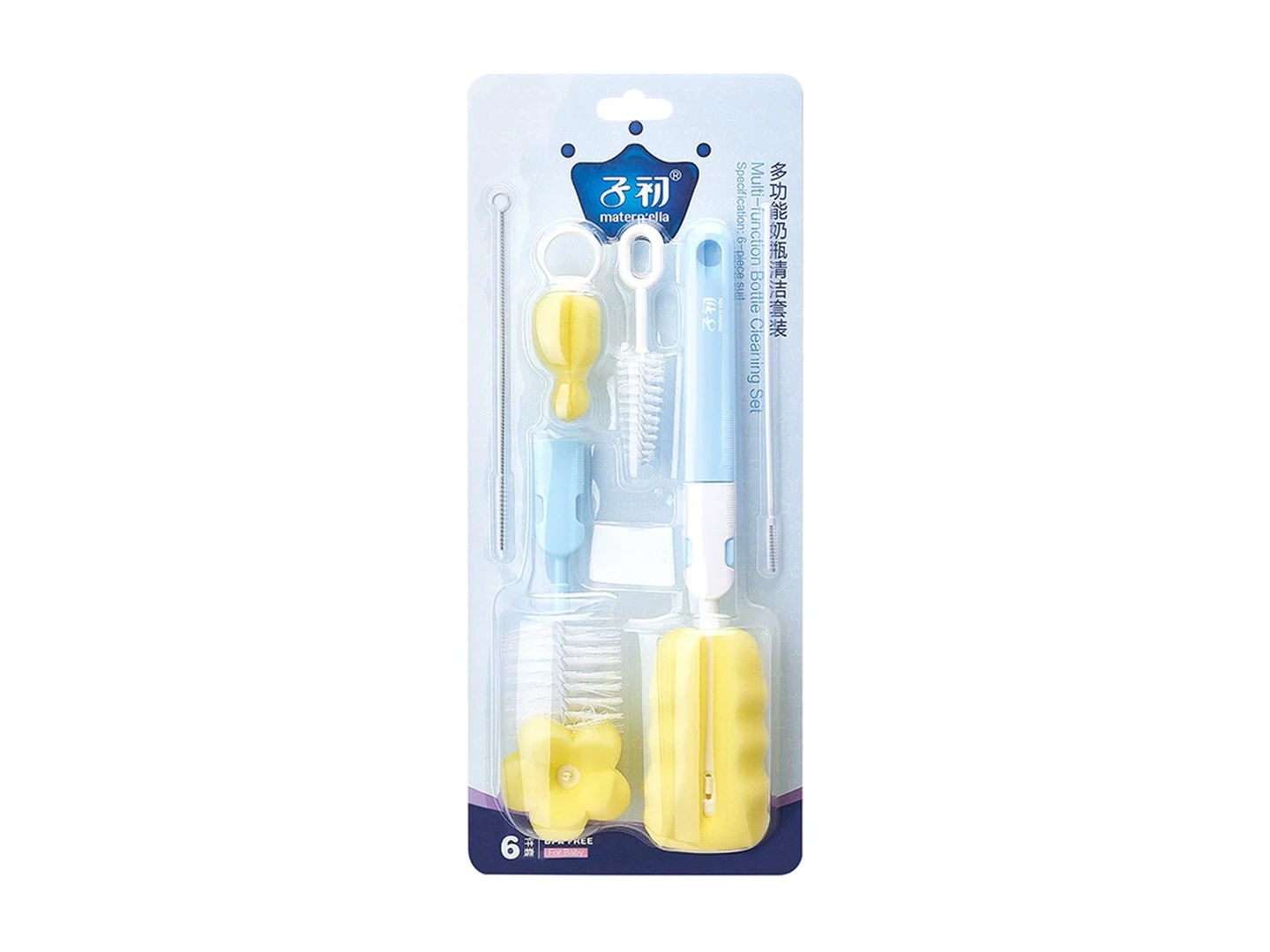
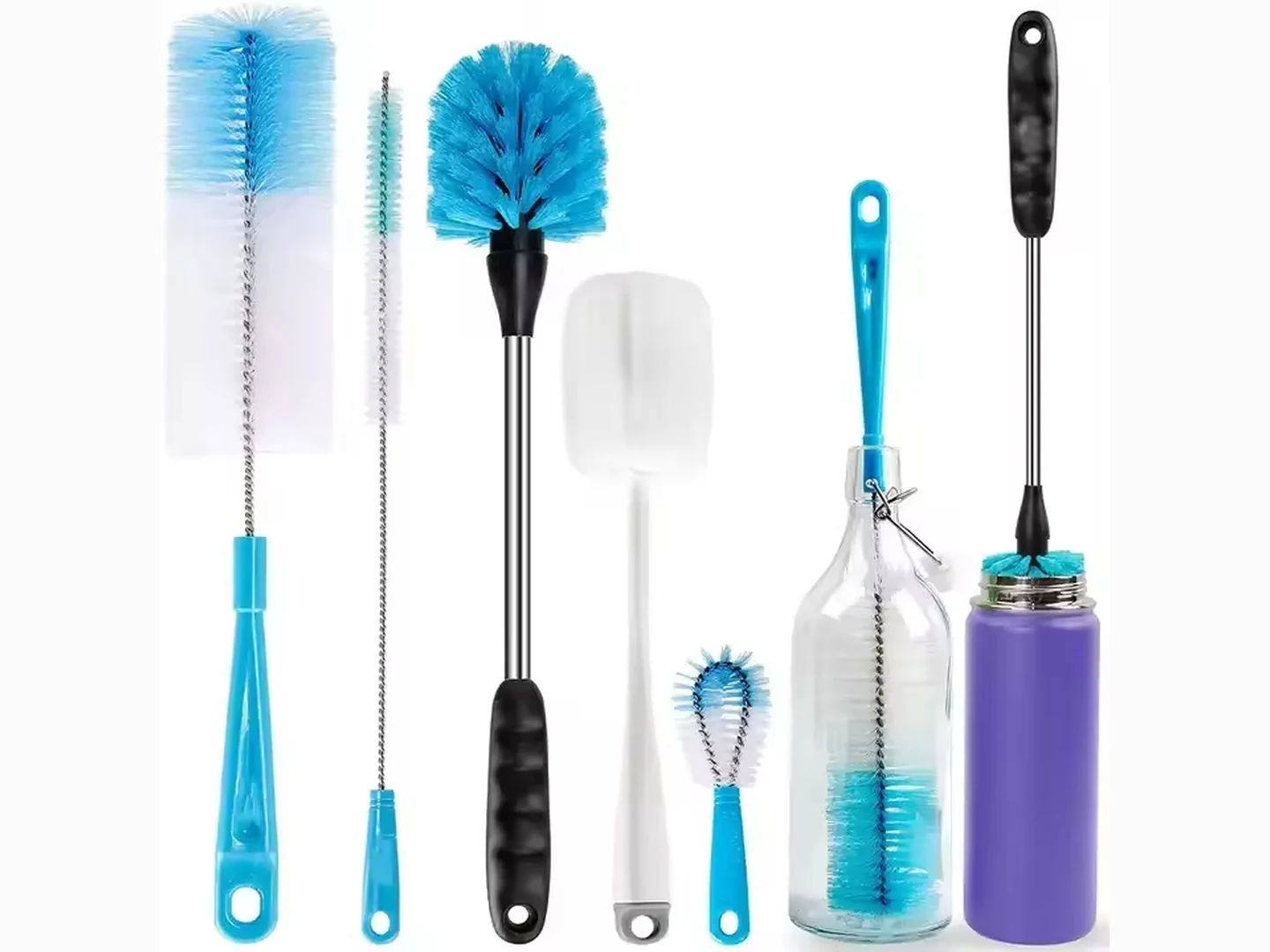
A baby bottle brush is a long-handled brush with a bristle head specifically shaped to clean narrow-necked bottles. It typically features a combination of soft tip bristles or sponge for reaching the bottom and firmer side bristles for scrubbing interior walls. The handle length and diameter are sized to reach deep into standard baby bottles, but variations exist for wide-mouth jars, thermoses, and commercial equipment. The right brush prevents residue buildup that can harbor bacteria, and surface scratches that protect pathogens. So surface contact and material compatibility are key.
Common Types of Baby Bottle Brushes
For baby-bottle and infant-feeding items, the article avoids giving medical advice and anchors hygiene cautions to CDC — Preventing Cronobacter in Infants.
For kitchen cleaning examples, the FDA — Food Safety in Your Kitchen supports the distinction between normal cleaning, food handling, and hygiene habits.
For general foodborne-illness prevention language, the CDC — Preventing Food Poisoning is used as the public-health reference.
For the material or regulatory boundary in this section, the supporting reference is eCFR — 21 CFR 177.1500 Nylon Resins.
For brush terminology and construction language, this section references American Brush Manufacturers Association — Brush Lingo.
Understanding the main categories helps avoid matching the wrong tool to the task.
- Nylon bristle brushes: Durable, available in various stiffnesses, often with a wire core. Great for heavy scrubbing but can scratch if too stiff.
- Silicone bristle brushes: Non-porous, heat-resistant, quick-drying, and gentle on surfaces. Less effective on tough, dried-on deposits.
- Sponge-tipped brushes: Soft, good for delicate glass, but sponge degrades faster and can trap bacteria.
- Replaceable-head brushes: Eco-friendly option; heads unscrew or snap off. Check that the connection stays secure during use.
- Specialty brushes: Angled heads, foam tips, or extra-long handles for carboys and brewing equipment.
A Practical Comparison of Baby Bottle Brush Features
| Brush Type | Recommended Use | Key Limitation | Common Mistake |
|---|---|---|---|
| Nylon bristle with wire core | Scrubbing baked-on residue; frequent use | Can scratch soft plastics; wire may rust if coating damaged | Using a worn brush with exposed wire core, scratching bottle interiors and creating bacterial micro-traps |
| Silicone bristle | Gentle cleaning; non-porous, dries quickly | May not remove tough, dried films | Assuming silicone always equals better hygiene—it may leave milky biofilm in corners |
| Sponge tip | Wiping thin films; delicate glass | Sponge degrades, traps bacteria, can tear | Not replacing frequently enough, leading to odor and contamination |
| Replaceable-head system | Reducing waste; cost-effective replacement | Compatibility limited to specific handle; head may loosen | Failing to check that the replacement head locks securely, causing it to detach mid-scrub |
| Suction-cup base | Upright storage and drying | Suction weakens over time; base can harbor mold | Assuming the cup will stay put forever; not cleaning the suction area |
How to Choose the Right Baby Bottle Brush
Match the brush to your specific cleaning conditions to avoid failures and extend brush life. Consider these factors:
- Residue type: For sticky milk fat or formula, choose a brush with dense bristles or a firm sponge. For light rinsing, a softer silicone brush may suffice.
- Surface sensitivity: Glass bottles can handle stiffer bristles. Polycarbonate or plastic bottles require softer bristles to prevent micro-scratches.
- Equipment interface: Measure bottle neck diameter and depth. A brush that is too narrow won’t clean walls; too wide may jam. Wide-mouth bottles need a brush with a broader head.
- Wet or chemical exposure: If using bleach solutions or high-temperature sanitizers, avoid wire cores that can corrode. Nylon and silicone are generally resistant, but check handle material.
- Hygiene expectations: Home kitchens may clean bottles once daily, but commercial kitchens often require sanitization after each use. Choose brushes that can withstand frequent high-temperature dishwashers or chemical sanitizing.
- Maintenance frequency: In high-volume settings, implement a replacement schedule—brushes that look fine may harbor invisible biofilm. Replace home brushes every 2–3 months, commercial ones monthly or per hygiene plan.
- Custom size requirements: For unusual bottle shapes or carboys, you may need a custom-length brush or a flexible wire handle. Work with a supplier who can provide a brush drawing for approval.
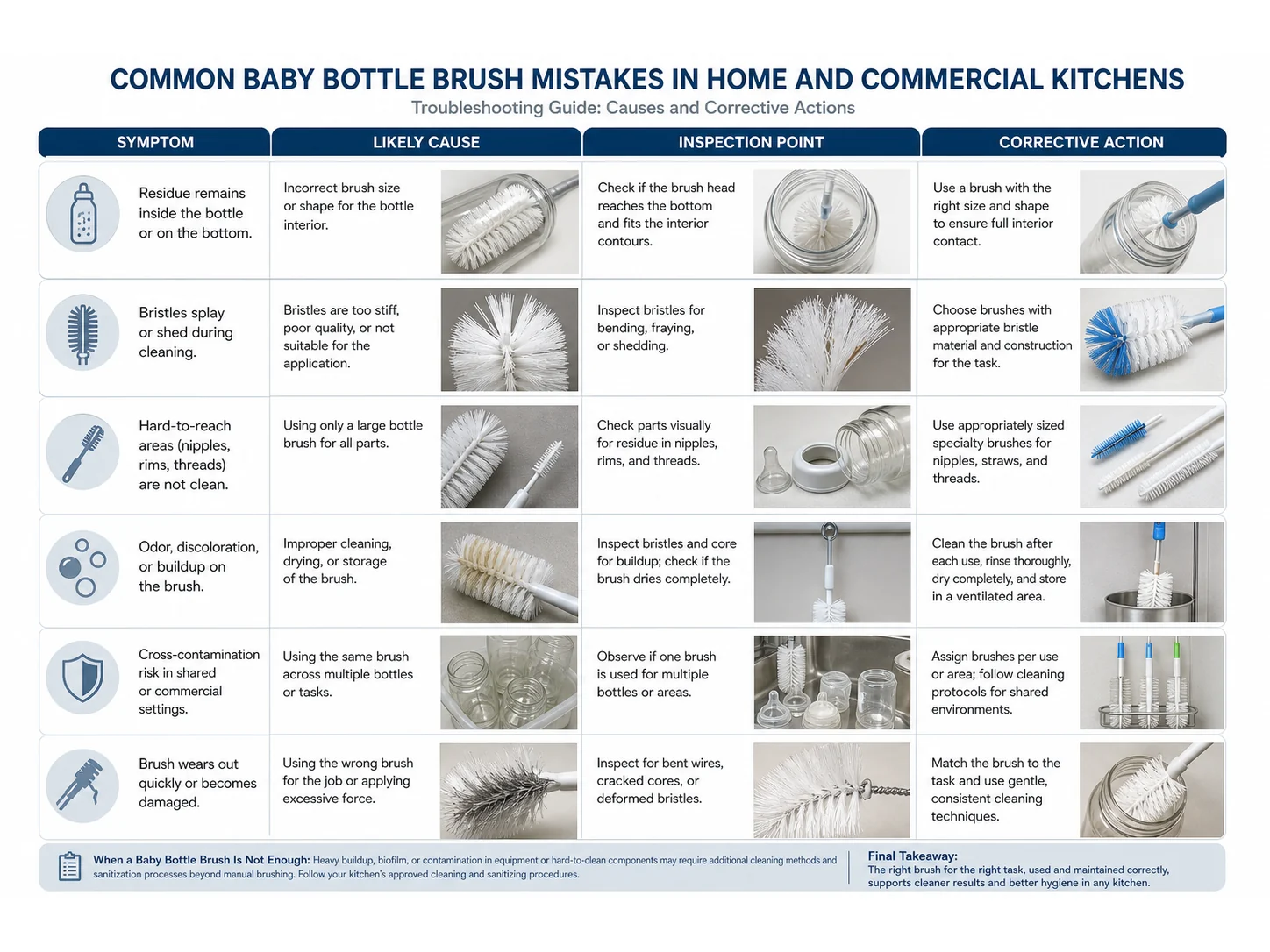
Common Baby Bottle Brush Mistakes in Home and Commercial Kitchens
These errors compromise hygiene, damage equipment, and waste money. Knowing them helps you build a better cleaning routine.
- Using the wrong bristle stiffness for the bottle material: Stiff nylon on soft plastic creates scratches that hold bacteria. Always check the brush label for compatibility, and test on a small area if unsure.
- Neglecting to inspect and replace worn brushes: Frayed bristles, rust spots on wire, or a loose head signal it’s time to replace. In commercial kitchens, add a monthly inspection to your HACCP or sanitation checklist.
- Storing brushes wet or in a closed container: This encourages mold and bacteria growth. Store brushes upright in a well-ventilated holder, and never seal them in a bag while wet.
- Using one brush for multiple bottle types without sanitizing between: In commercial settings, designate color-coded brushes for different products (milk vs. juice vs. raw ingredient) to prevent cross-contamination.
- Choosing a brush with a metal core for acidic or chlorinated sanitizers: Even coated wire can corrode over time. Choose all-plastic or silicone handles for heavy chemical exposure.
- Ignoring brush diameter versus bottle neck size: A brush that barely fits the neck will wear out quicker and may not clean the shoulder of the bottle. Always check the brush’s working diameter.
- Failing to implement a brush replacement schedule in commercial operations: Brushes used 100 times a day degrade faster. Track usage and set a firm discard date.
- Assuming all brushes are dishwasher-safe: High heat can warp plastic handles and melt sponge tips. Look for “dishwasher safe” labeling, and even then, monitor for deformation.
- Using a baby bottle brush for non-bottle tasks: Scrubbing drains or greasy equipment and then reusing it on bottles introduces pathogens. Dedicate brushes solely for bottle cleaning.
- Not matching the brush tip shape to the bottle bottom geometry: Flat-bottom bottles need a brush that can reach into the corner; fully rounded bottles benefit from a domed or spherical tip. A pointed tip may leave a ring of residue.
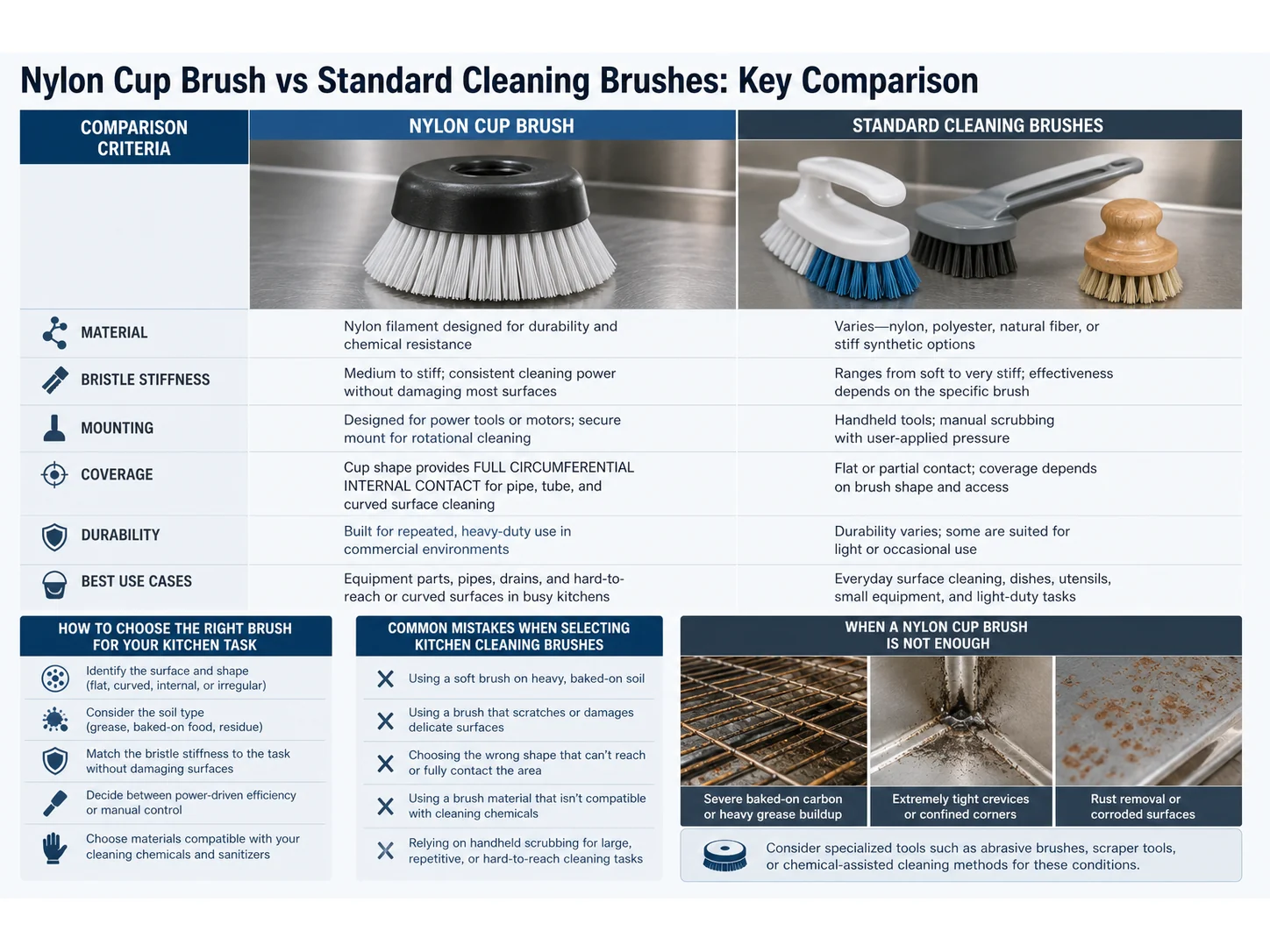
When a Baby Bottle Brush Is Not Enough
Manual brushing has limits. Consider other methods or professional input when:
- Heavy biofilm or scale: Thick mineralization or persistent biofilm may require chemical descaling or an automated wash system before brushing.
- Complex equipment with internal valves or tubing: Standard bottle brushes cannot clean inside dispensing valves or narrow hoses. You need a specialized pipe cleaning kit or a flexible shaft brush.
- Custom or non-standard container shapes: If off-the-shelf brushes don’t fit, request a custom brush drawing from a reputable manufacturer. Never force an ill-fitting brush; it can break or damage the container.
- Validated sanitization standards: In pharmaceutical, dairy, or food processing, manual brushing alone may not meet regulatory compliance. You may need a CIP (clean-in-place) system or documented validation.
- Non-food contaminants: If bottles have held non-food substances (e.g., solvents, oils), brush material compatibility must be reviewed by a supplier to avoid chemical reactions.
Final Takeaway
Preventing baby bottle brush mistakes starts with selecting the right brush material, size, and stiffness for your bottles and your cleaning process. Regularly inspect and replace brushes before they become a hygiene risk, store them dry and upright, and never misuse them for non-bottle tasks. In commercial kitchens, standardizing brush selection and replacement schedules is as important as the brush itself. When standard brushes fall short, involve a supplier early for custom solutions or consider automated cleaning alternatives.
Frequently Asked Questions
How often should I replace my baby bottle brush?
In a home kitchen, replace the brush every 2–3 months or sooner if you see frayed bristles, rust, or smell odors. Commercial kitchens should inspect brushes weekly and replace monthly, or per a documented hygiene schedule.
Can I put my baby bottle brush in the dishwasher?
Some brushes are labeled dishwasher safe, but high heat can warp plastic handles or melt sponge tips. Silicone brushes usually withstand heat better. Always check the manufacturer’s instructions and monitor for deformation.
What is the best material for avoiding bacterial growth?
Silicone is non-porous, quick-drying, and resists microbial colonization better than nylon or sponge. However, proper cleaning and drying of any brush material is the most important factor.
How do I clean and sanitize the brush itself?
Rinse thoroughly after each use, shake off excess water, and store upright in a dry place. Weekly, soak it in a diluted bleach solution (1 teaspoon per gallon of water) or boil for a few minutes if the brush is heat-resistant, then air dry.
Is it safe to use the same brush for baby bottles and regular dishes?
No. Baby bottles require a higher hygiene standard. Using the same brush risks transferring allergens, grease, or other contaminants. Keep a dedicated brush for bottles.
My brush has a wire handle. When should I replace it?
Replace it as soon as you see the coating cracked or missing, or any sign of rust. Exposed metal can scratch bottles and harbor bacteria. Even a tiny nick is a risk.
What size brush do I need for wide-neck bottles?
Look for brushes labeled for wide-neck or large bottles, typically with a bristle diameter of 2 inches or more. A narrow brush won’t effectively clean the sidewalls and shoulders.
Can a baby bottle brush clean a hydration bladder or tube?
No. Baby bottle brushes are too short and stiff for long tubing or bladders. You need a specialized cleaning kit with flexible, longer brushes to avoid damaging the liner or missing spots.