
Custom Cleaning Brush
Baby Bottle Brush
Baby Bottle Brush gives the operator controlled access to internal walls, shoulders, and bases for container interior and neck cleaning. Head shape, reach, handle form, and filament stiffness are matched to liquid film, beverage residue, and biofilm and the available working space.
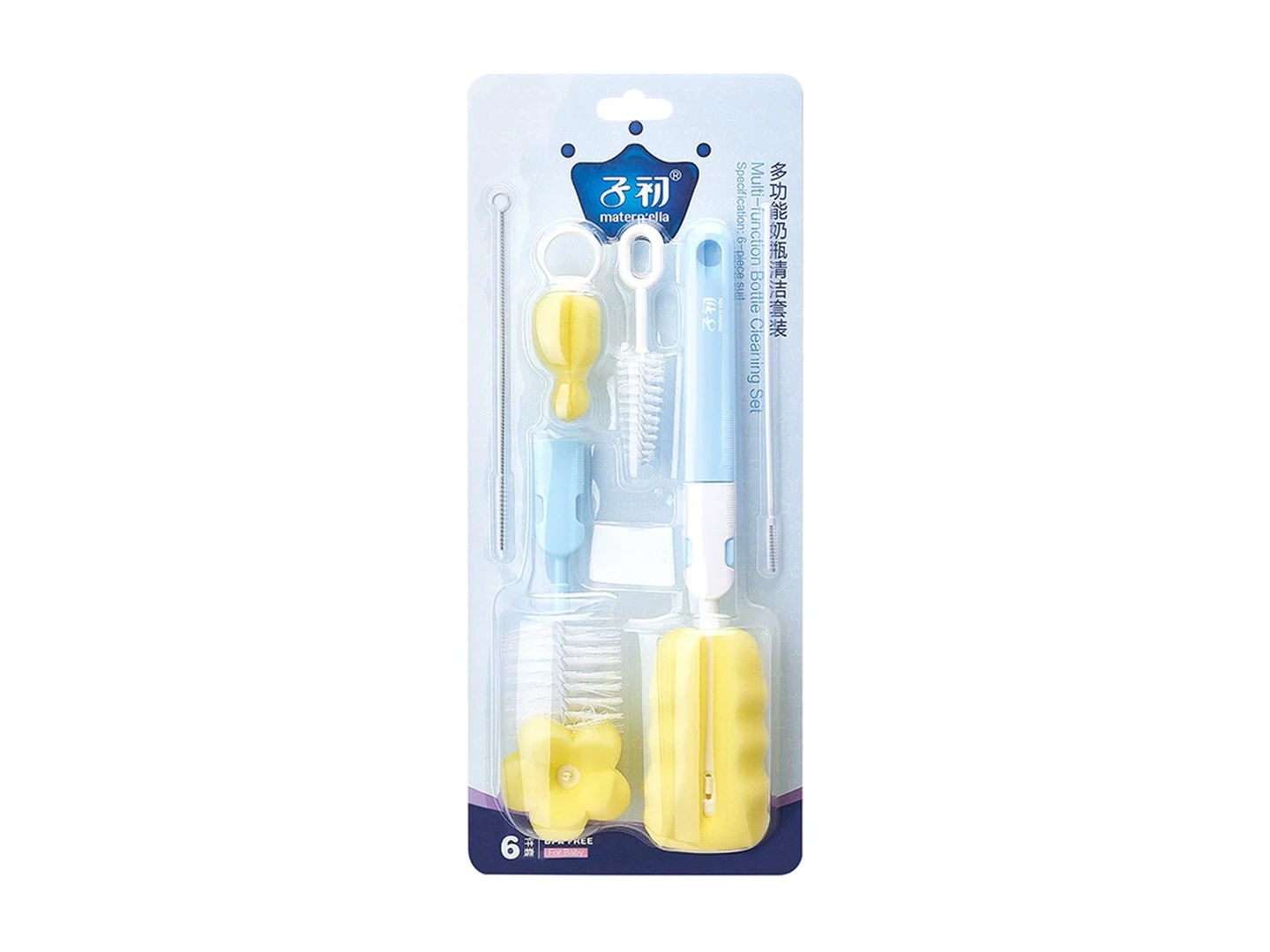
Product Features
Soft Side Bristles Clean Bottle Walls — The main bristle zone removes milk film and formula residue from glass, plastic, or silicone bottles without harsh scraping.
Firmer Tip Reaches the Base and Shoulder — Extra contact at the working end cleans the rounded bottom and transition areas where residue commonly remains.
Flexible Neck Follows the Bottle Shape — Controlled bend allows the head to reach through narrow necks and maintain contact with curved interiors.
Detail Cleaner for Nipples and Valves — A small secondary brush can clean teat openings, vent inserts, breast-pump parts, and other feeding accessories.
Metal-Free Head Options Protect Feeding Components — Molded silicone or synthetic constructions keep exposed wire away from bottle and nipple surfaces.
Built Around the Feeding Set — Head profile, bristle balance, neck length, detail cleaner, handle shape, storage feature, color, logo, and packaging can be customized.
Product Overview
Baby Bottle Brush starts with how the operator reaches and sees the cleaning zone. The brush should place the active tips on internal walls, shoulders, and bases, dislodge liquid film, beverage residue, and biofilm, and keep the handle, ferrule, or rigid backing clear of nearby parts. The head diameter and working length must pass the opening and contact the complete internal surface.
Key dimensions start with Brush head diameter 20–70 mm, Brush head length 120–300 mm, and Handle length 200–450 mm. The structure uses a handheld detail format so the operator can guide pressure and direction. The specified interface is fixed. Polypropylene PP, PBT, and Silicone are the principal material directions in the current specification. Handle length, neck shape, and head size should support comfortable control and avoid excessive contact pressure.
Technical Specifications
| Head diameter | 20–70 mm |
|---|---|
| Working length | 120–300 mm |
| Overall length | 200–450 mm |
| Filament diameter | 0.10–0.50 mm |
| Neck clearance | 10–60 mm |
| Head form | Cylindrical, tapered, tufted-end, sponge, or silicone |
| Contact setting | Use filament-tip contact with 2–8 mm deflection; increase head angle or neck reach rather than forcing the handle. |
| Fill materials | Polypropylene PP, PBT, and Silicone |
| Cleaning zone | container interior and neck cleaning |
| Contact surface | internal walls, shoulders, bases, necks, threads, valves, and narrow openings |
| Residue class | liquid film, beverage residue, biofilm, powder |
| Access and motion | the head diameter and working length must pass the opening and contact the complete internal surface |
| Cleaning duty | container interior, neck cleaning on internal walls, shoulders, bases, necks |
| Variant configuration | Baby Bottle Brush: bottle construction with Polypropylene PP, PBT, Silicone fill for container interior and neck cleaning on internal walls, shoulders, bases, necks. |
Application Areas
Baby Bottle Brush is primarily mapped to Bottle & Container Cleaning. When adapting this brush to another job, confirm the workpiece surface, how debris will leave the area, and the required finish.
- Baby Bottle Brush is best suited to baby bottle, nipple, cap, and feeding accessory cleaning.
- The hand-held block, handled detail, cup, swab, applicator, or specialty brush follows bottle inner wall, base, shoulder, nipple bore, cap thread, and valve while the fill displaces milk film, formula, fat, sugar, and dried feeding residue.
- Use this configuration when the available access supports localized manual contact on accessible faces, corners, grooves, fixtures, and equipment details.
Selection Guidance
Structure fit
Match the handheld detail brush geometry to internal walls, shoulders, and bases, the available access, and manual operation. Confirm Brush head diameter 20–70 mm, Brush head length 120–300 mm, and Handle length 200–450 mm against the complete working envelope before finalizing the brush.
Contact material
Choose from Polypropylene PP, PBT, and Silicone according to the behavior of liquid film, beverage residue, and biofilm, the surface sensitivity, and any wet, chemical, temperature, or hygiene requirements. Do not choose stiffness from the material name alone. Filament size, free trim, and density control the final contact.
When to use another solution
For Baby Bottle Brush, use another cleaning method when liquid film, beverage residue, and biofilm cannot be released by controlled filament contact, when internal walls, shoulders, and bases cannot tolerate the selected contact material, or when the access path prevents safe engagement and residue removal.
Customization Options
| Brush Head Diameter (mm) | 20–70 |
|---|---|
| Brush Head Length (mm) | 120–300 |
| Handle Length (mm) | 200–450 |
| Handle Grip Diameter (mm) | Not Applicable (No explicit grip or handle-diameter dimension in the product specification) |
| Bristle Material | Polypropylene PP, PBT, Silicone |
| Handle Material | Polypropylene PP |
| Mounting / Interface | Fixed |
| Grip Style | Straight Handle / Angled Handle |
| Color | Custom PANTONE Color ([Industry Reference Range]) |
| Logo Process | Laser Engraving / Screen Printing / Pad Printing ([Industry Reference Range]) |
| Surface Treatment | Smooth / Textured / Overmolded / Coated (Depending on Substrate; [Industry Reference Range]) |
Frequently Asked Questions
How should Baby Bottle Brush be selected?
Start with baby bottle, nipple, cap, and feeding accessory cleaning, bottle inner wall, base, shoulder, nipple bore, cap thread, and valve, and milk film, formula, fat, sugar, and dried feeding residue. Then set Head diameter, Working length, and Overall length, choose the fill from the material and residue table, and match the mounting interface and operating condition.
Which dimensions define Baby Bottle Brush?
The primary dimensions are Head diameter (20–70 mm), Working length (120–300 mm), and Overall length (200–450 mm). Also provide the minimum clearance, working envelope, trim or engagement, and the existing holder, shaft, stem, thread, or handle.
Which filament or contact material is used for Baby Bottle Brush?
The primary options are Polypropylene PP, PBT, and Silicone. The final choice follows surface sensitivity, residue adhesion, wet or dry use, temperature, chemicals, conductivity, and required cutting action.
When is Baby Bottle Brush not the best cleaning method?
Baby Bottle Brush is not the first choice for a tube brush, powered brush, scraper, wipe, sponge, or vacuum when the target is internal, heavily bonded, or highly delicate.
What information is required to quote Baby Bottle Brush?
Send the part or machine drawing, photos of bottle inner wall, base, shoulder, nipple bore, cap thread, and valve, Head diameter, Working length, Overall length, and Filament diameter, the residue description, wet or dry conditions, motion or use method, temperature, preferred Polypropylene PP, PBT, and Silicone, quantity, and the existing interface or sample.
RELATED BRUSH RESOURCES
Recommended Reading & Related Brush Resources
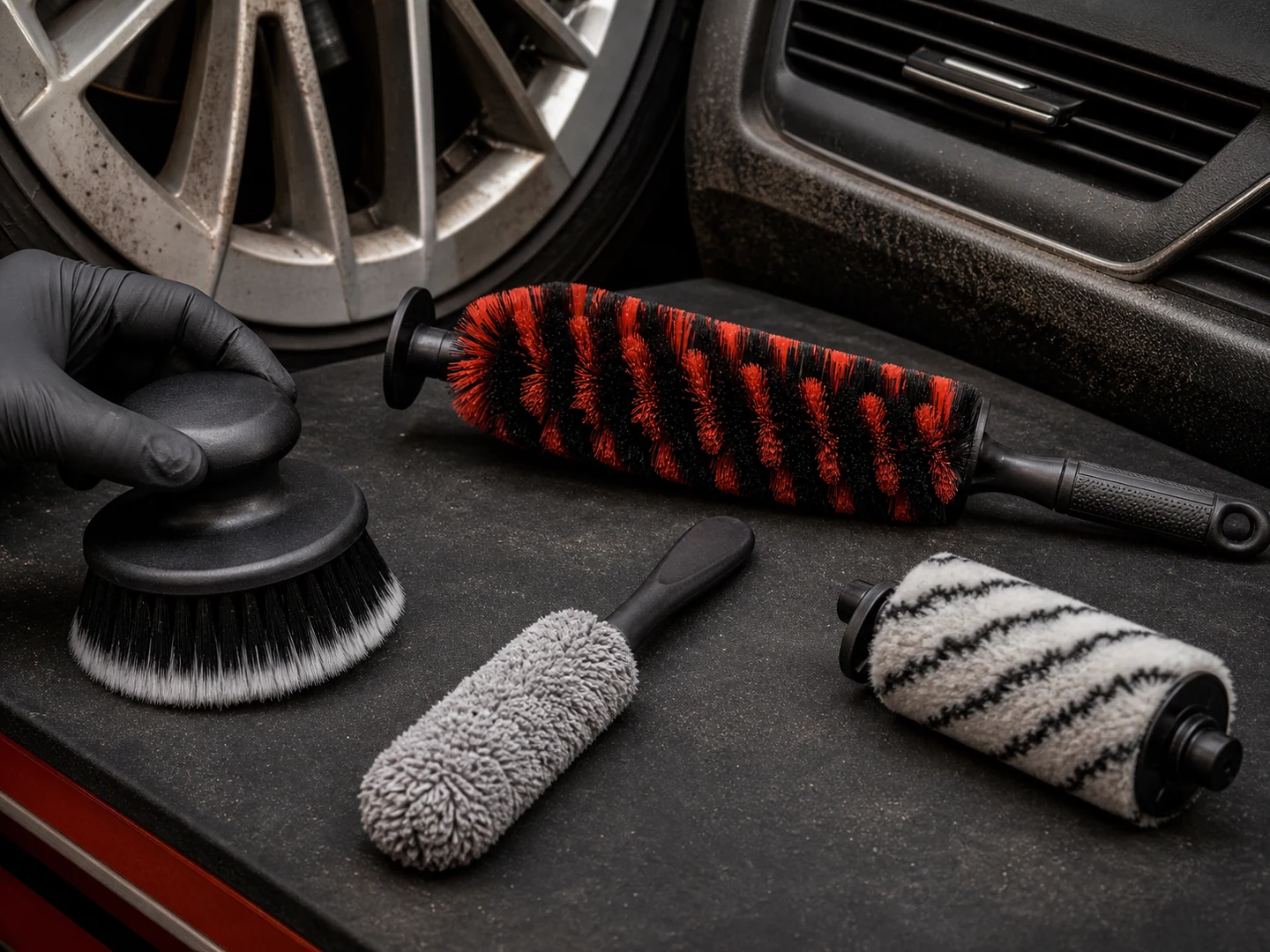
Custom Handheld Detail Brushes
Choose a handheld detail brush when the operator needs direct control in seams, recesses,…
Explore this brush type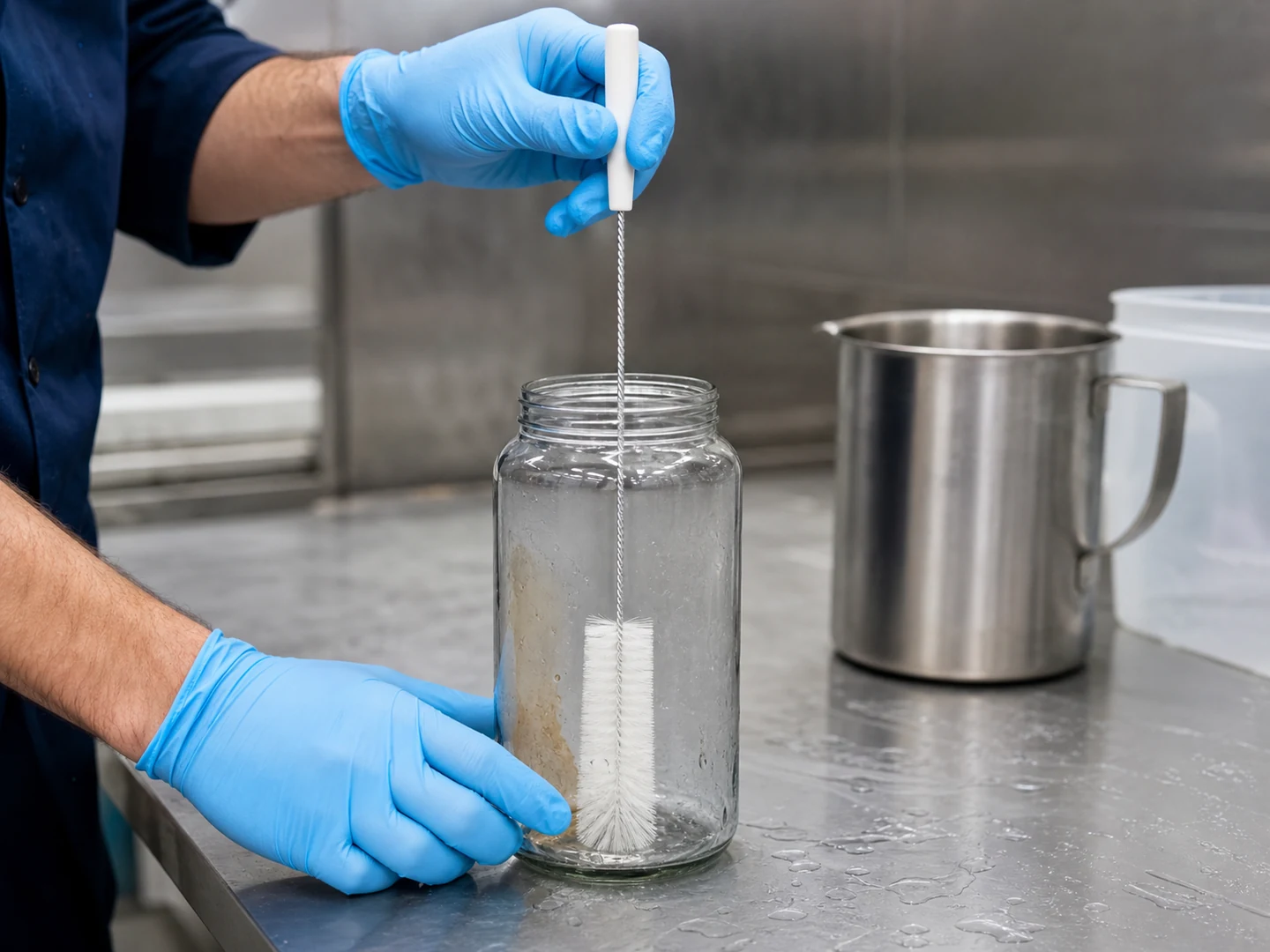
Bottle & Container Cleaning
For Bottle & Container Cleaning, the brush must reach the working area, disturb or…
Review application guidance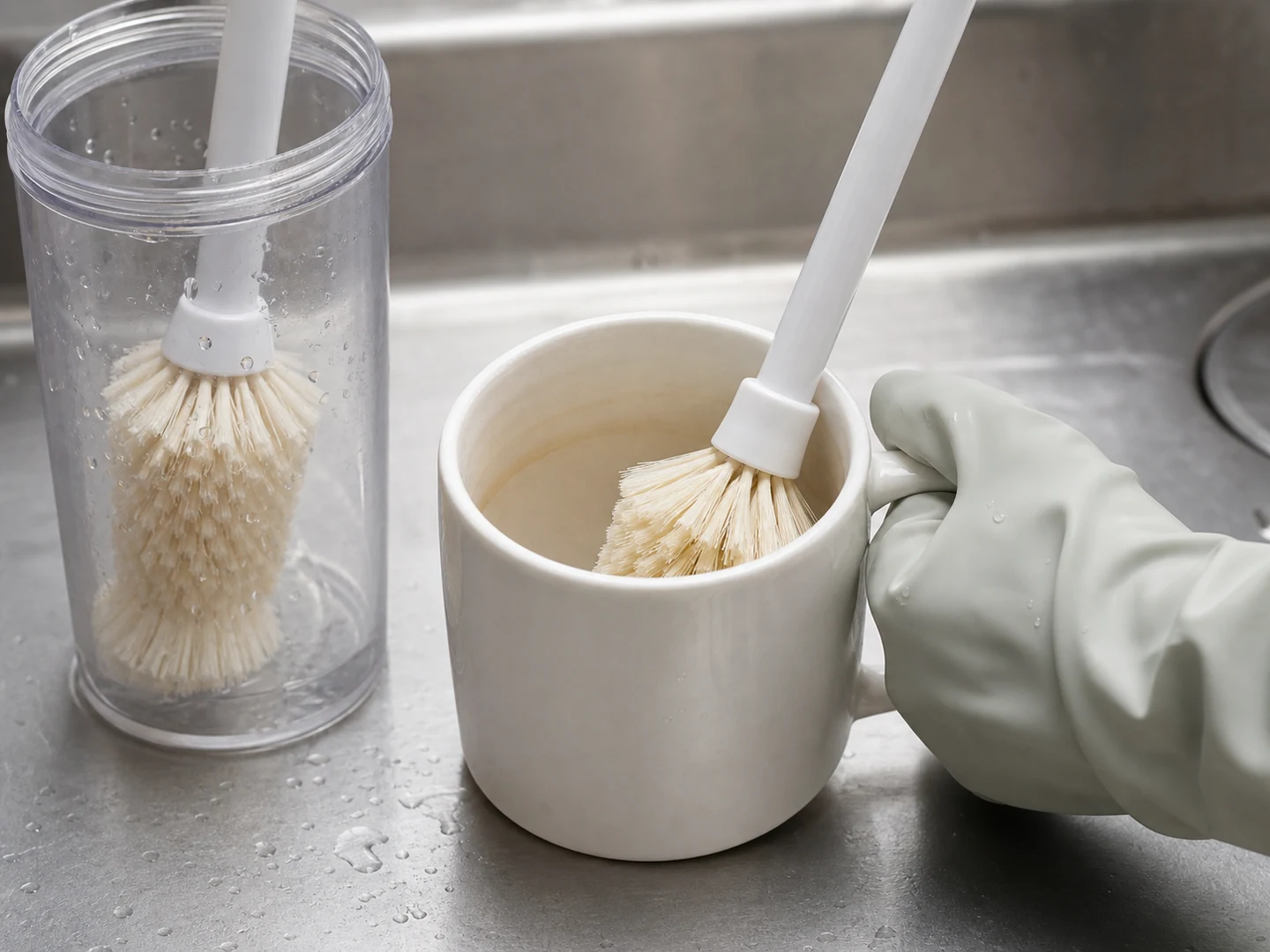
Cup & Mug Cleaning
For Cup & Mug Cleaning, the brush must reach the working area, disturb or…
Review application guidance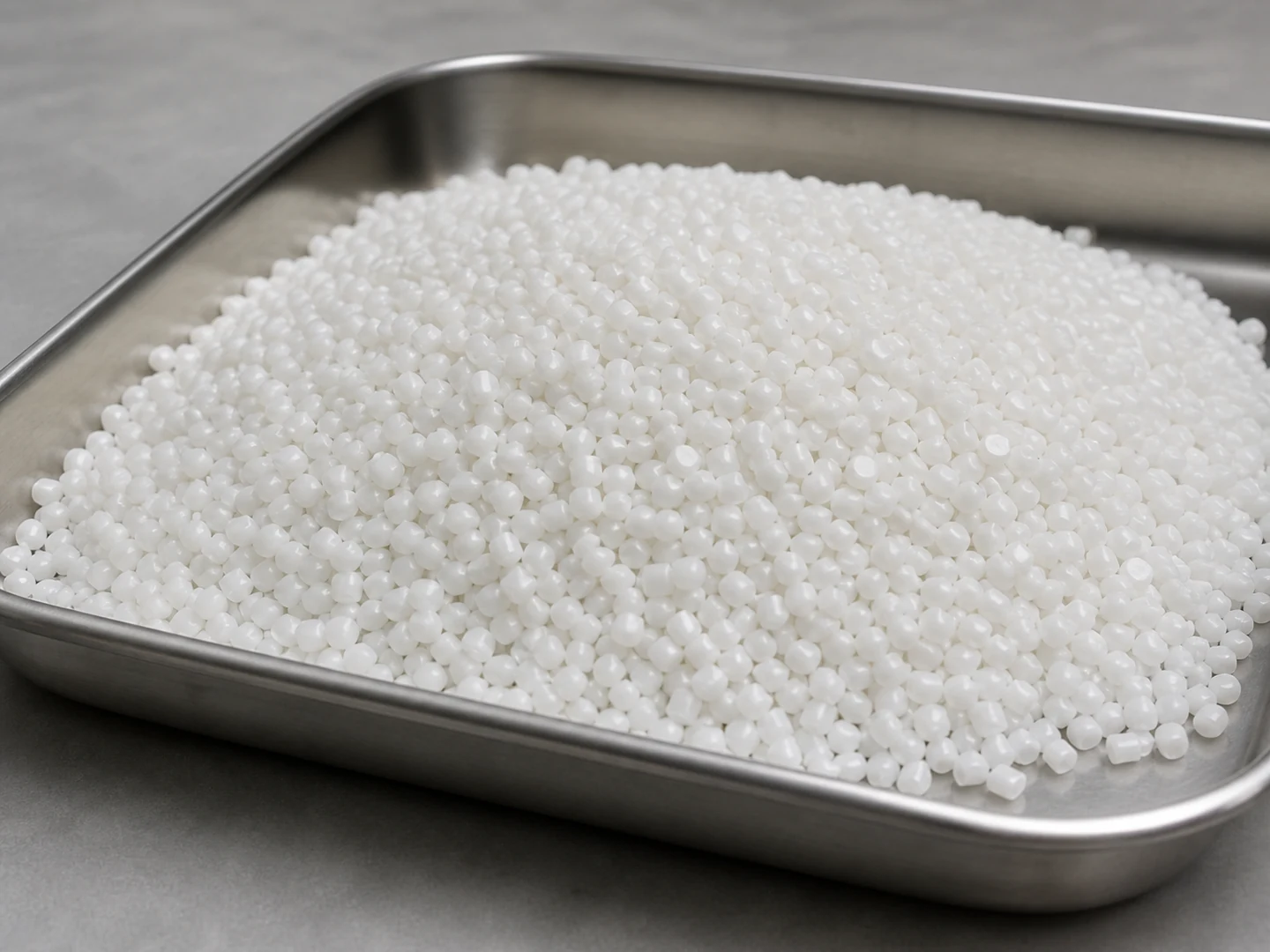
Polypropylene PP
Polypropylene PP is selected from its stiffness, recovery, wear, wet-service, chemical, and temperature behavior.
Compare material considerations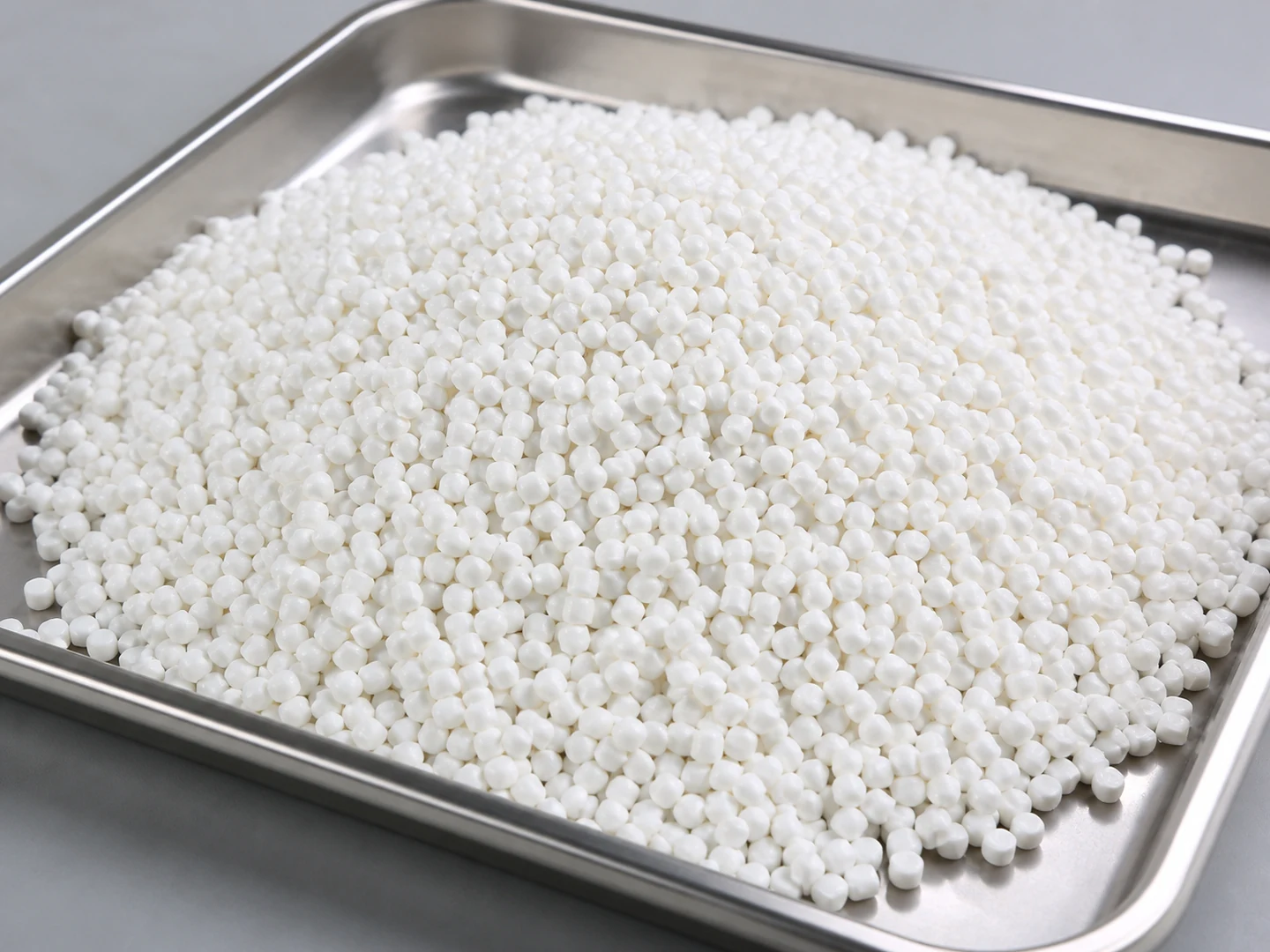
PBT
PBT is selected from its stiffness, recovery, wear, wet-service, chemical, and temperature behavior. Do…
Compare material considerations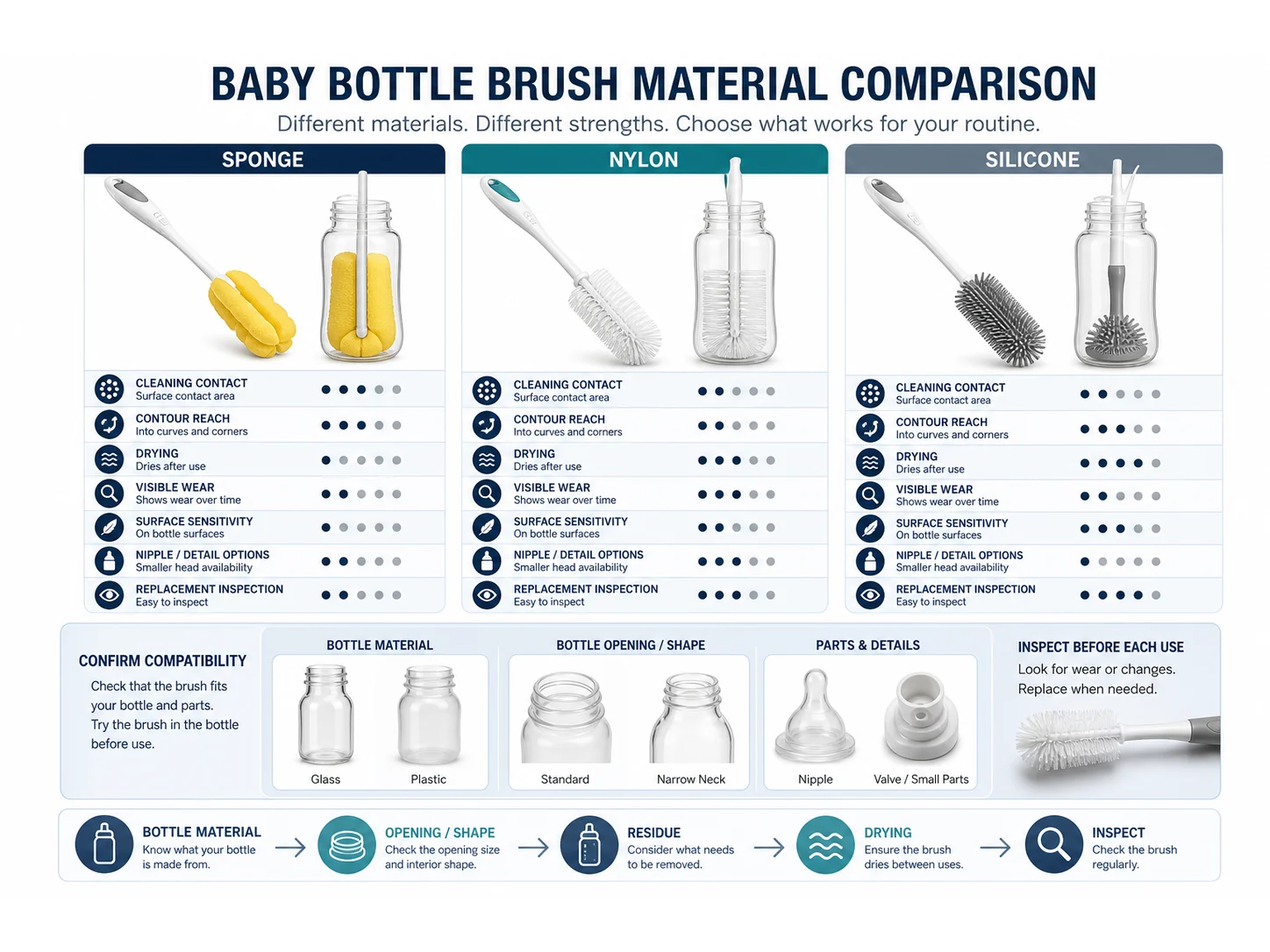
Baby Bottle Brush Selection: Sponge vs Nylon vs Silicone
Compare sponge, nylon, and silicone baby bottle brushes. Learn material differences, safety, and cleaning…
Read related guide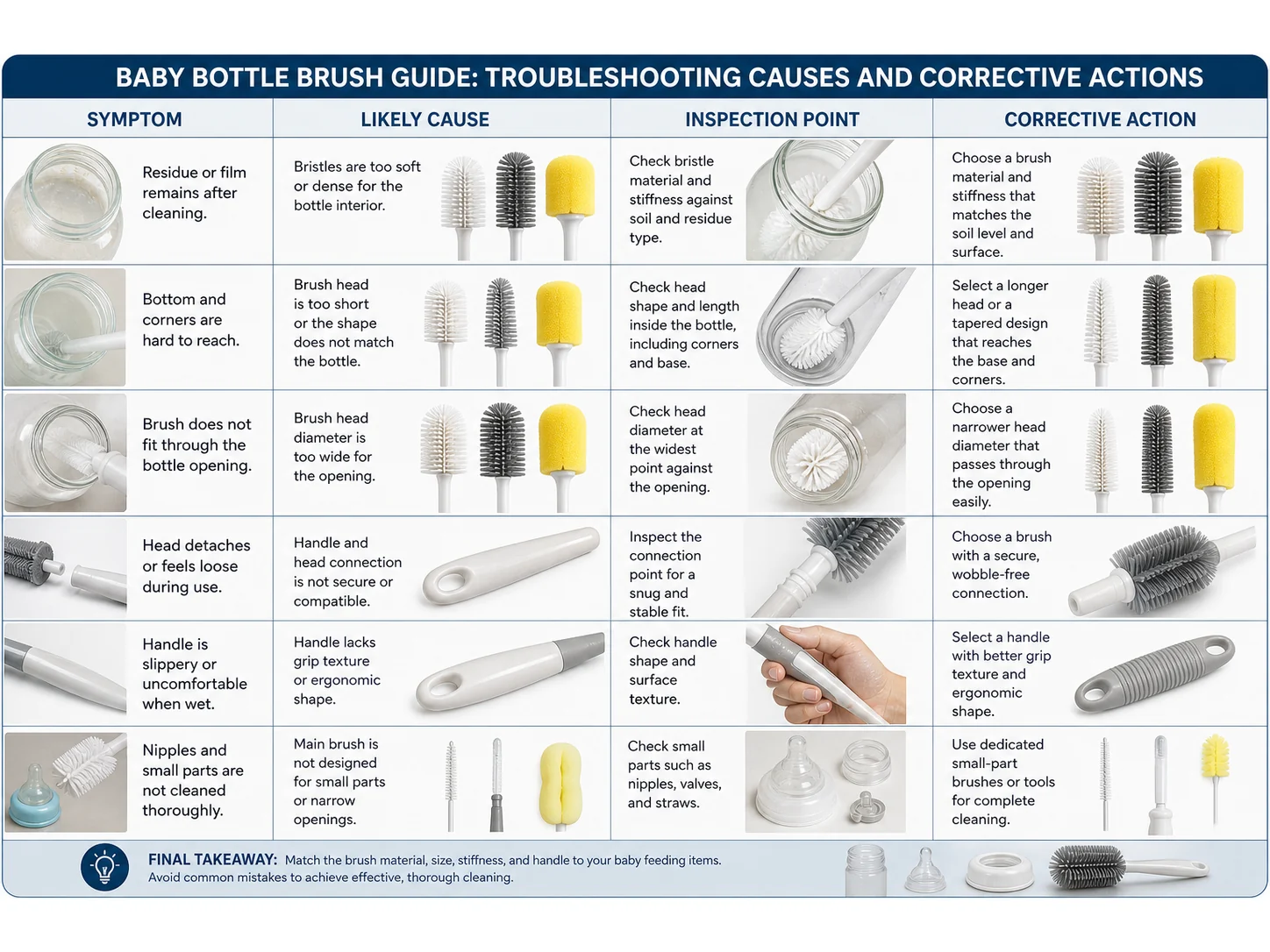
Baby Bottle Brush Guide: Materials, Size, and Mistakes for Baby Feeding Items
Choosing the right baby bottle brush involves material, size, and common mistakes.
Read related guideCustom Manufacturing RFQ
Upload the Brush Drawing, Product Photo or Sample Details
To prepare the correct quotation, provide the dimensions, cleaning task, residue, material, mounting details, quantity, and a drawing or photo.
Custom Brush RFQ
Send Your Brush Project
Upload a drawing, product photo, or sample photo and provide the core dimensions and cleaning conditions.