
Custom Cleaning Brush
Automotive Fender and Wheel-Well Cleaning Brush
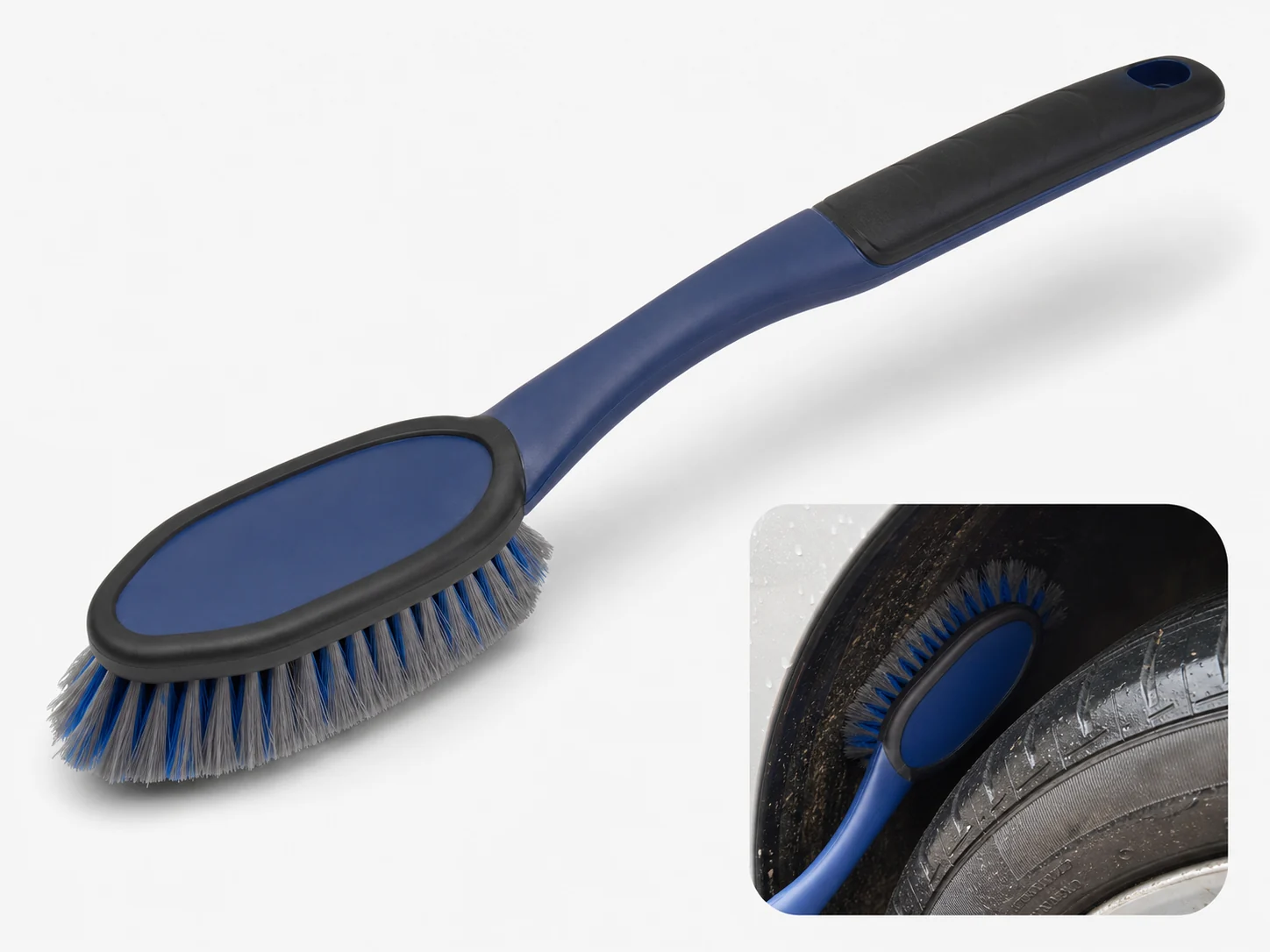
Long-reach fender & wheel-well brush with soft flagged nylon or Tampico fill. Reach behind wheels, clean liners, wheels, tires.
Small brush
500 pcs
Minimum order
Held in one hand: tube, bottle, detail and swab brushes — including long-handled ones with a small head.
Production lead time, once the specification is confirmed
- Up to 500 pcsWithin 7 days
- 501–50,000 pcsWithin 14 days
- Over 50,000 pcsWithin 21 days
Peak season can extend these times; the shipping date is confirmed in writing with your quotation. Sampling and shipping are quoted separately.
This long-reach fender and wheel-well cleaning brush keeps the operator’s hands clear of the wheel gap while the angled, flagged-filament head follows fender arches, reaches behind spokes, and works textured liners without scratching painted or coated surfaces. It is built as a wet-use hand brush for routine wheel, tire, fender, and wheel-well cleaning in detailing and car-wash operations.
What can this brush do for you?
Long Handle Keeps You Out of the Wheel Gap
The handle positions the operator’s hand outside the tire and body line, so you scrub fender liners, wheel arches, and inner rim barrels without forcing knuckles or sleeves into the wheel opening. For a wheel well brush that has to work on lowered cars, lifted trucks, or vehicles with tight clearance, overall length is matched to the operator and the vehicle.
Angled Head Follows the Arch Instead of Fighting It
The head is set at an angle that lays the bristle face flat against the curved fender liner and inner wheel-well wall. A straight, flat head would only contact the arch at the center of the brush; this geometry keeps more filament in contact through the stroke, which reduces missed patches and speeds up the job.
Flagged Bristle Tips Hold Soap, Release Debris
Soft-to-medium flagged nylon splits each filament tip, so the brush carries water and cleaner into textured plastic liners and releases road film, brake dust, and soap residue instead of smearing it across the surface. The flagged face also lowers peak contact pressure on clear coats and coated rims.
One Brush Moves From Arch to Wheel to Tire
The same fixed brush reaches behind spokes, into lug recesses, around the rim barrel, and across tire sidewalls. A detailing operator can clean the fender, wheel, and tire with one tool before rinsing, instead of switching between a short wheel brush and a separate fender brush.
Fill Choices That Match the Cleaner and the Surface
Flagged nylon PA stands up to detergent, degreaser, wheel cleaner, and repeated hot-water rinses; natural Tampico holds more water and offers a softer, non-marring contact for operators who prefer a natural fiber or need gentler action on delicate finishes. Fill type, trim length, and filament diameter can be set for the specific surface instead of using one stiffness for every vehicle.
What is a Automotive Fender and Wheel-Well Cleaning Brush?
This is a hand-guided scrub brush with an extended handle and a bristled head shaped for the curved space inside a wheel arch. It is used wet with water, car shampoo, degreaser, or wheel cleaner to remove brake dust, road film, salt, mud, and dressing residue from fender liners, inner arches, wheels, and tire sidewalls.
During use, the operator holds the handle outside the wheel opening and works the head through push, pull, and short scrubbing strokes around the arch, behind the spokes, and across the inner rim. The angled head and medium-length trim allow the filaments to flex around contours while the handle keeps the hand away from the splash zone.
This is not a dry brush for baked-on underbody deposits, a wire brush for rust scale, or a rotary/power brush. It is designed as a low-risk, soap-carrying hand brush for routine exterior wheel-area cleaning. Heavy mud should be loosened with a pressure washer or stiff pre-rinse before this brush is used.
Technical Specifications
The table below lists the main selection parameters. Dimensions and fill can be adjusted by project.
| Parameter | Value / Options |
|---|---|
| Product form | Long-handle manual fender and wheel-well brush |
| Overall length | 400–600 mm, adjusted to operator reach and vehicle clearance |
| Head width | 50–150 mm, selected for wheel arch and rim access |
| Trim length | 50–100 mm; shorter trim feels firmer, longer trim flexes and holds more soap |
| Fill material | Flagged nylon PA, synthetic polymer, or natural Tampico fiber |
| Filament diameter | 0.15–0.35 mm flagged, set for soft to medium stiffness |
| Handle material | PP, PP with TPE grip, or project-specified handle material |
| Head construction | Injection-molded PP/ABS head block with epoxy-set or stapled tufts |
| Operating environment | Wet use with detergents, degreasers, and wheel cleaners; not for hot surfaces or dry abrasive scrubbing |
| Color / marking | Standard or custom head, bristle, and handle color with private-label marking if required |
| Packaging | Bulk carton, header card, retail shelf pack, or customer-specific packing |
| Brush type | Custom Handheld Detail Brushes |
| How it is driven | Hand-guided |
| Cleaning target | wheel well and fender liner, wheel and rim, and tire and sidewall cleaning |
| Surface or part | spokes, rims, sidewalls, gaps, roads, lug recesses, plastic, and tire sidewalls |
| Residue or debris | mud, brake dust, dressing, salt, dried mud, rust, scale, and road film |
| Mounting / connection | Fixed |
Where does this brush work best?
- Wheel wells and fender liners — textured plastic, rubberized coating, or painted inner arches covered with dried mud, salt film, and road spray.
- Wheels and rims — spokes, lug recesses, inner rim barrels, and behind-spoke areas where brake dust packs into narrow clearances.
- Tires and sidewalls — scrubbing dirt, old dressing, and sidewall film before applying a fresh dressing.
- Around suspension and brake components — reaching behind calipers, springs, and shock bodies without removing the wheel for a maintenance-level clean.
- Professional detailing, car wash, and dealer prep operations — where one long-handle brush replaces separate short wheel brushes and fender scrubs in the wash bay.
How do I choose the right one?
Start with the tightest access point
Measure the clearance between the tire and fender lip, and the depth you need to reach behind the wheel. The head width plus trim must enter that gap without forcing; if the head is too wide, it will skip over the liner rather than scrub it. For narrow gaps and lug recesses, select a narrower head or a tapered head profile.
Match the fill to the surface and residue
Use flagged soft nylon or Tampico on painted fenders, coated wheels, matte finishes, and PPF. Use medium flagged nylon on textured plastic liners, tire sidewalls, and untreated rims. If the surface already has hard caked mud, soften it with a pressure washer first; no soft/medium brush is a substitute for mechanical pre-cleaning.
Set handle length by the operator and the vehicle
A 400–600 mm handle gives average operators a full reach into most arches while keeping their hand outside the splash zone. Longer handles help on lifted trucks or when the operator works standing; shorter handles give more precise control in tight wheel gaps. Test the reach on the actual vehicle class before locking the SKU.
Choose the fill chemistry for the cleaning products
Nylon PA resists most water-based detergents, degreasers, and commercial wheel cleaners. Tampico is a natural vegetable fiber that absorbs more water but breaks down faster under strong acids or repeated alkaline soak cycles. Specify the chemical lineup and wash temperature so the fill survives the bay, not just a single wash.
When to use a different tool: choose a wire or stiff scrubbing brush for rust, caked scale, or heavy underbody deposits; choose a drill-attached brush or rotary brush for high-volume mechanical cleaning; choose a steam or chemical process when sanitizing is the primary requirement. This brush is for routine wet scrubbing where reach, surface safety, and soap carrying matter.
Can I customize this brush?
This brush is built around the access geometry and surface requirements of the job. To start a custom configuration, provide the minimum tire-to-fender clearance, the surfaces to be cleaned, the residues to be removed, the cleaning chemicals, the preferred handle length and grip style, and any retail or private-label requirements.
Typical adjustable parameters include:
- Head geometry — width, length, angle, radius, tapered tip, or dual-face version for arch and wheel work.
- Fill — flagged nylon PA, synthetic polymer, Tampico, filament diameter from soft to medium, trim length, bristle color, and tuft density.
- Handle — length, straight or curved shape, PP/TPE/overmolded grip, hanging hole, or stainless inner core for stiffness.
- Color and branding — custom head and bristle colors, pad print or laser marking, molded logo, or retail label packs.
- Packaging — bulk carton, individual poly bag, header card, clamshell, kit pack with matching wheel brush, or customer-specific packing.
If the project requires inspection support, material documentation, or third-party testing for a specific retail or fleet program, we can assist with those requirements during customization.
What size should an automotive fender and wheel-well cleaning brush be, and how long does it last?
Can I use this brush on painted calipers, fender lips, and clear-coated wheels without scratching?
Flagged nylon and Tampico in the soft range are low-marring by design, but no brush is universally scratch-proof. Test on a hidden section first, keep the surface wet, and avoid using the same brush for oily or gritty underbody areas and then on soft paint without rinsing the bristles between tasks.
Do I need to remove the wheel to clean the wheel well properly?
No. The long handle and angled head reach most liner and arch surfaces with the wheel in place. If the goal is a full decontamination behind suspension arms or a deep detail job, removing the wheel provides more direct access. Routine maintenance cleaning can be done on-car.
How can I tell when the brush needs replacement?
Check whether the flagged tips are worn smooth or clumped, whether tufts remain angled or flattened instead of springing back, and whether the head block or handle shows cracks at the tuft holes. If the brush stops holding soap or starts shedding filaments, it has reached the end of its service life.
Is this brush safe to use with acidic or alkaline wheel cleaners?
Nylon PA tolerates most commercial wheel cleaners at normal use concentrations. Tampico degrades faster under strong acidic or alkaline solutions. Always rinse the brush with clean water after contact with wheel chemicals, and allow it to dry away from direct sunlight.
Should the brush be used dry if I am only removing loose dust?
No. Use water or a lubricating cleaning solution whenever the bristles contact a painted, coated, or finished surface. Dry brushing on wheel finishes can drag grit across the surface and burnish matte or textured coatings. Wet the area first and rinse the brush as debris releases.
Can this brush reach the back of the spokes and the inner rim barrel?
Yes, when the head width and trim are selected for the wheel model. A narrower head or a tapered tip helps enter behind-spoke gaps and the barrel drop. If the wheel has very tight spokes or a deep concave face, a shorter trim or a dedicated spoke detail brush may be needed alongside this brush.
Guides that go deeper on this
RELATED BRUSH RESOURCES
Recommended Reading & Related Brush Resources
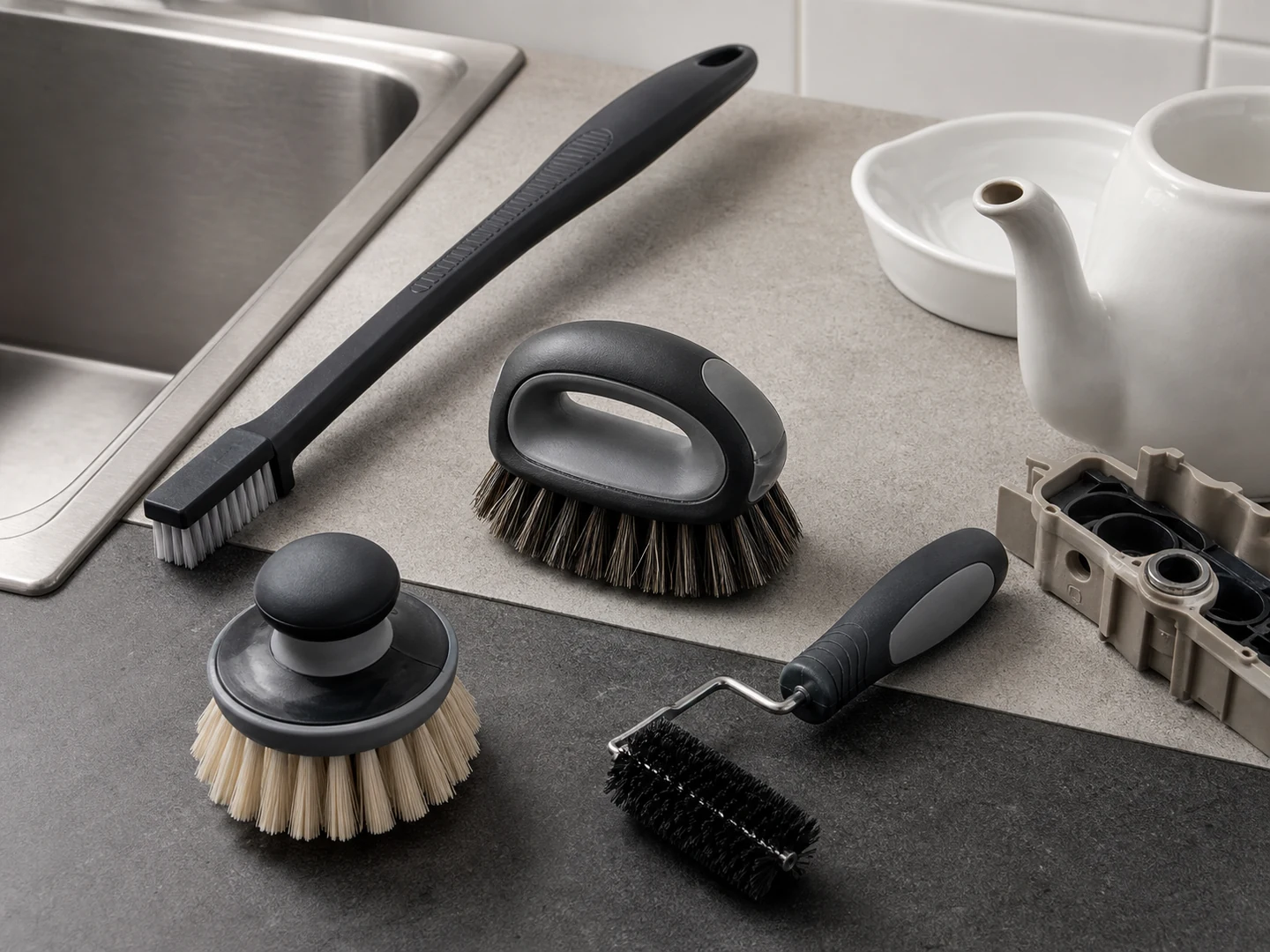
Custom Handheld Detail Brushes
Choose a handheld detail brush when you need direct control in seams, recesses, fittings,…
See how this type is built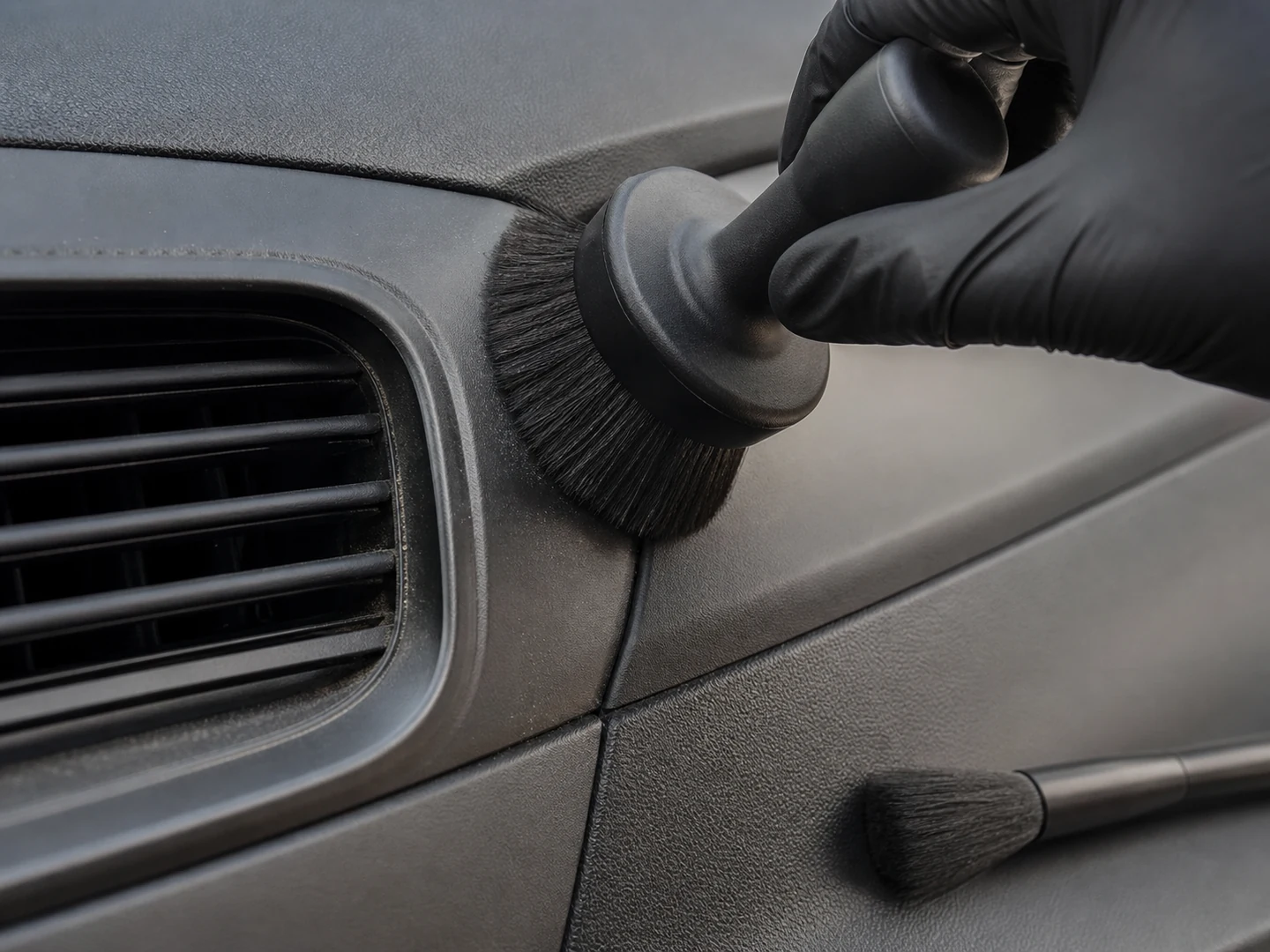
Automotive Detail Cleaning
For Automotive Detail Cleaning, the brush must reach the working area, disturb or collect…
See the cleaning job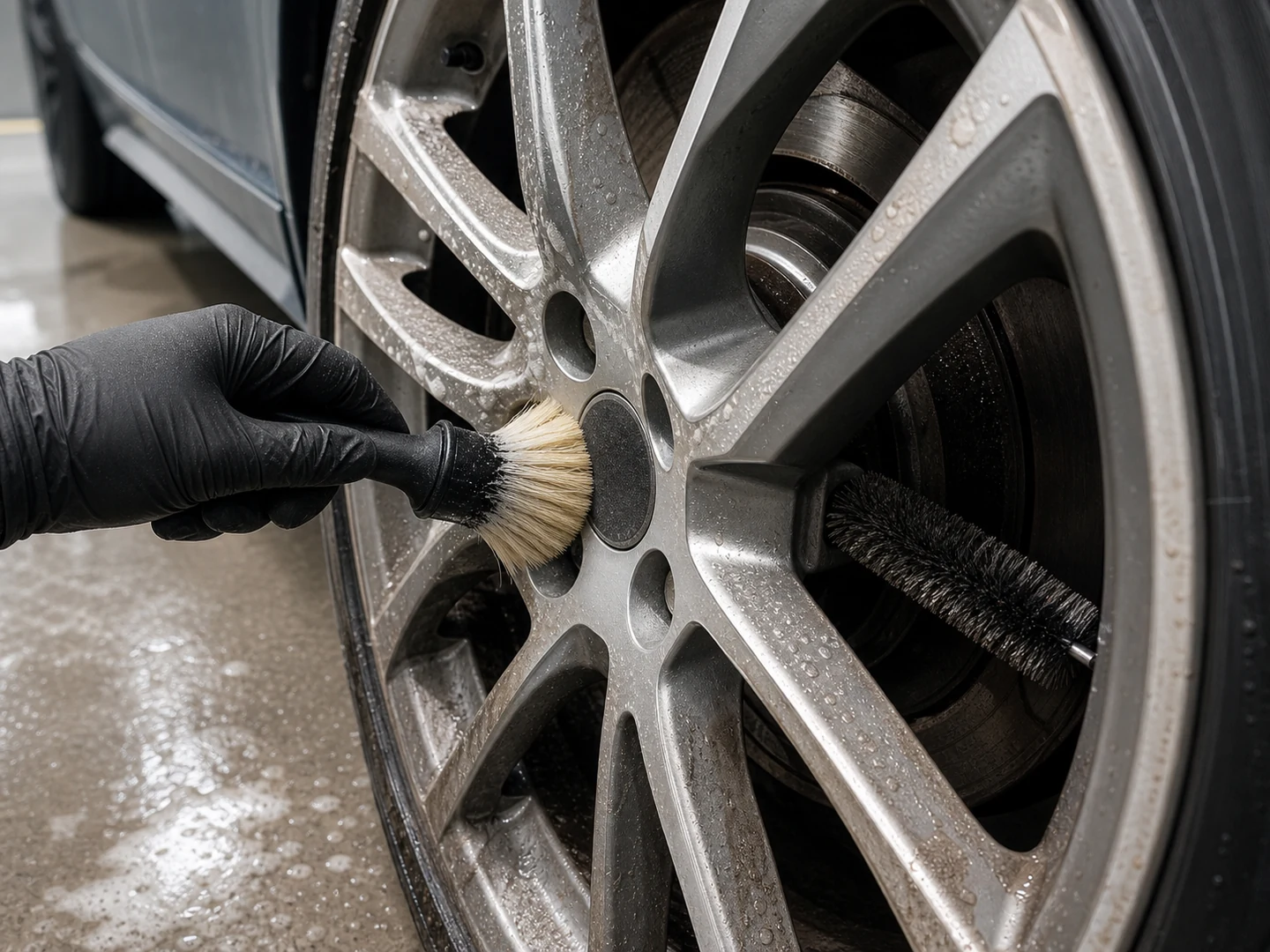
Wheel & Rim Cleaning
For Wheel & Rim Cleaning, the brush must reach the working area, disturb or…
See the cleaning job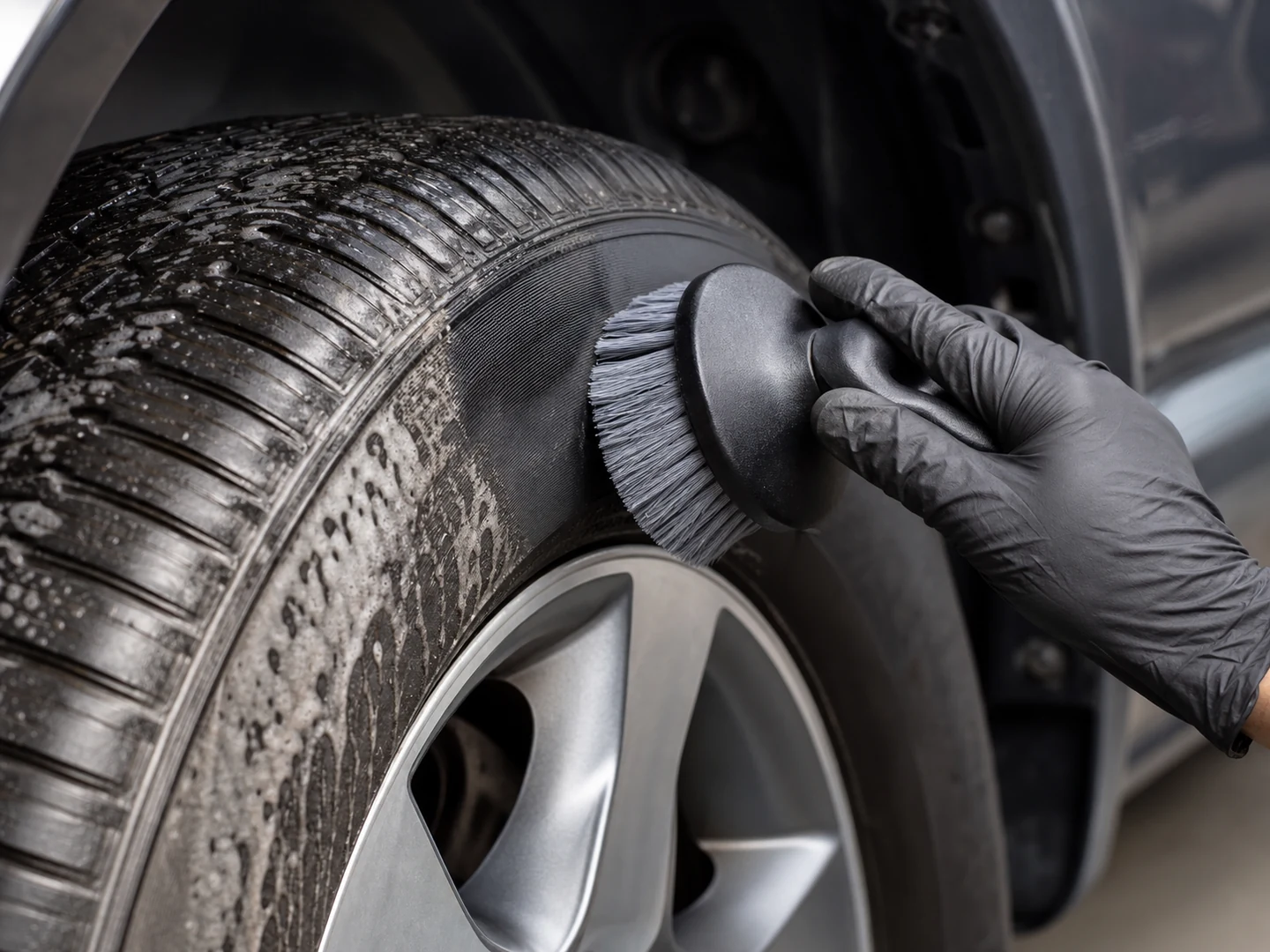
Tire Cleaning
For Tire Cleaning, the brush must reach the working area, disturb or collect silt…
See the cleaning job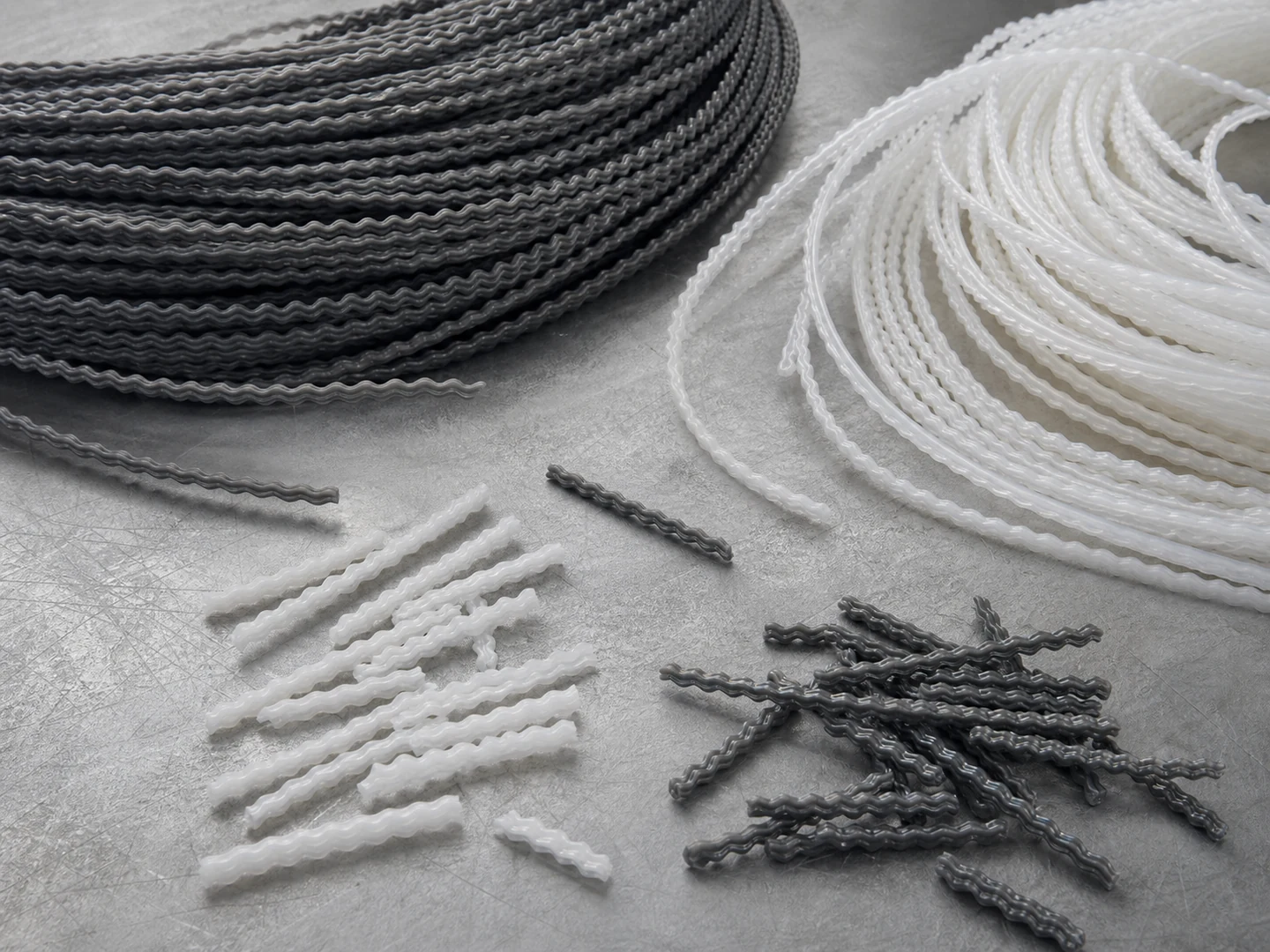
Corrugated Filament
Choose Corrugated Filament based on its stiffness, recovery, wear, wet-service, chemical, and temperature behavior.
Compare this material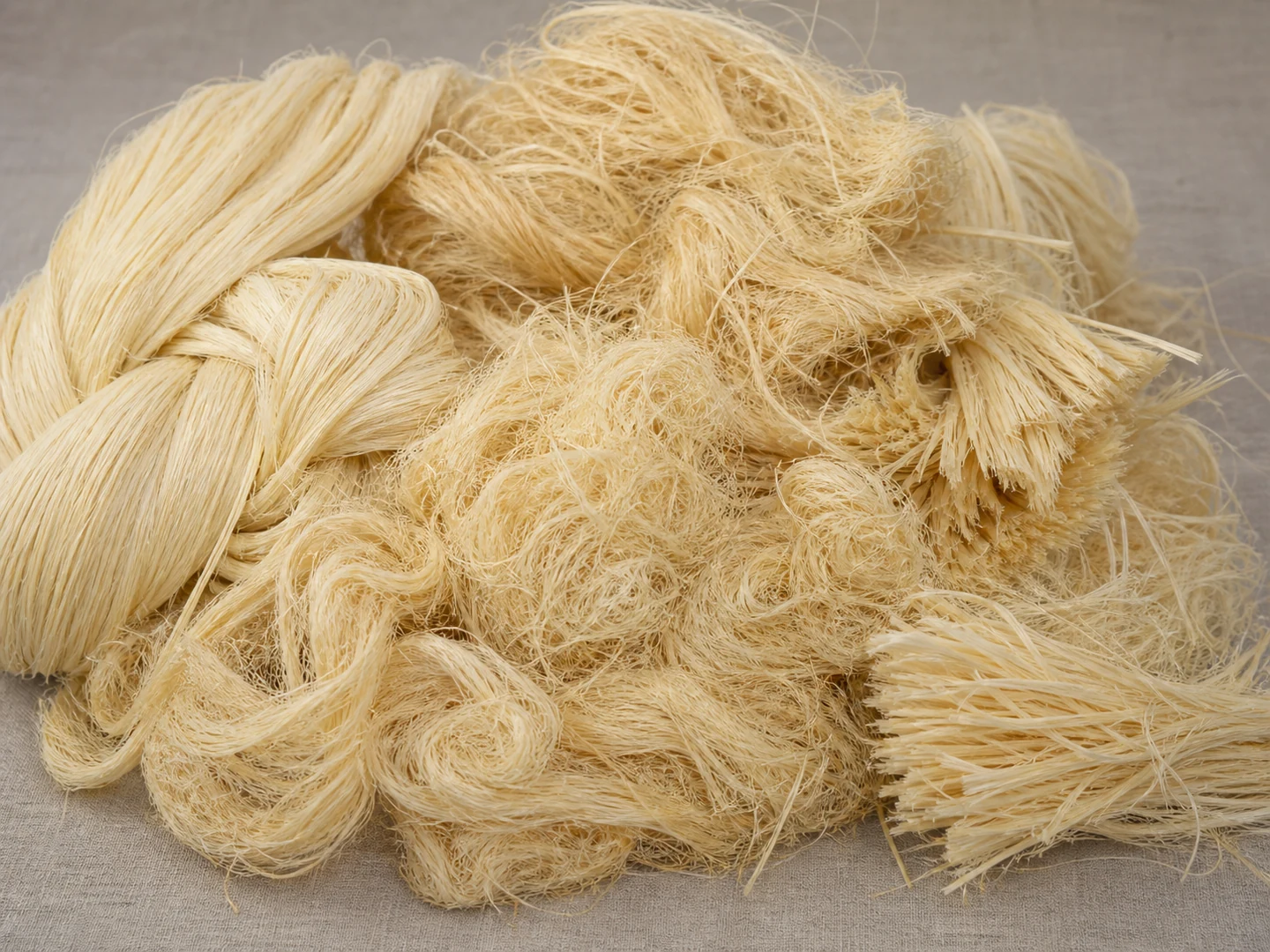
Tampico Fiber
Choose Tampico Fiber based on its stiffness, recovery, wear, wet-service, chemical, and temperature behavior.…
Compare this material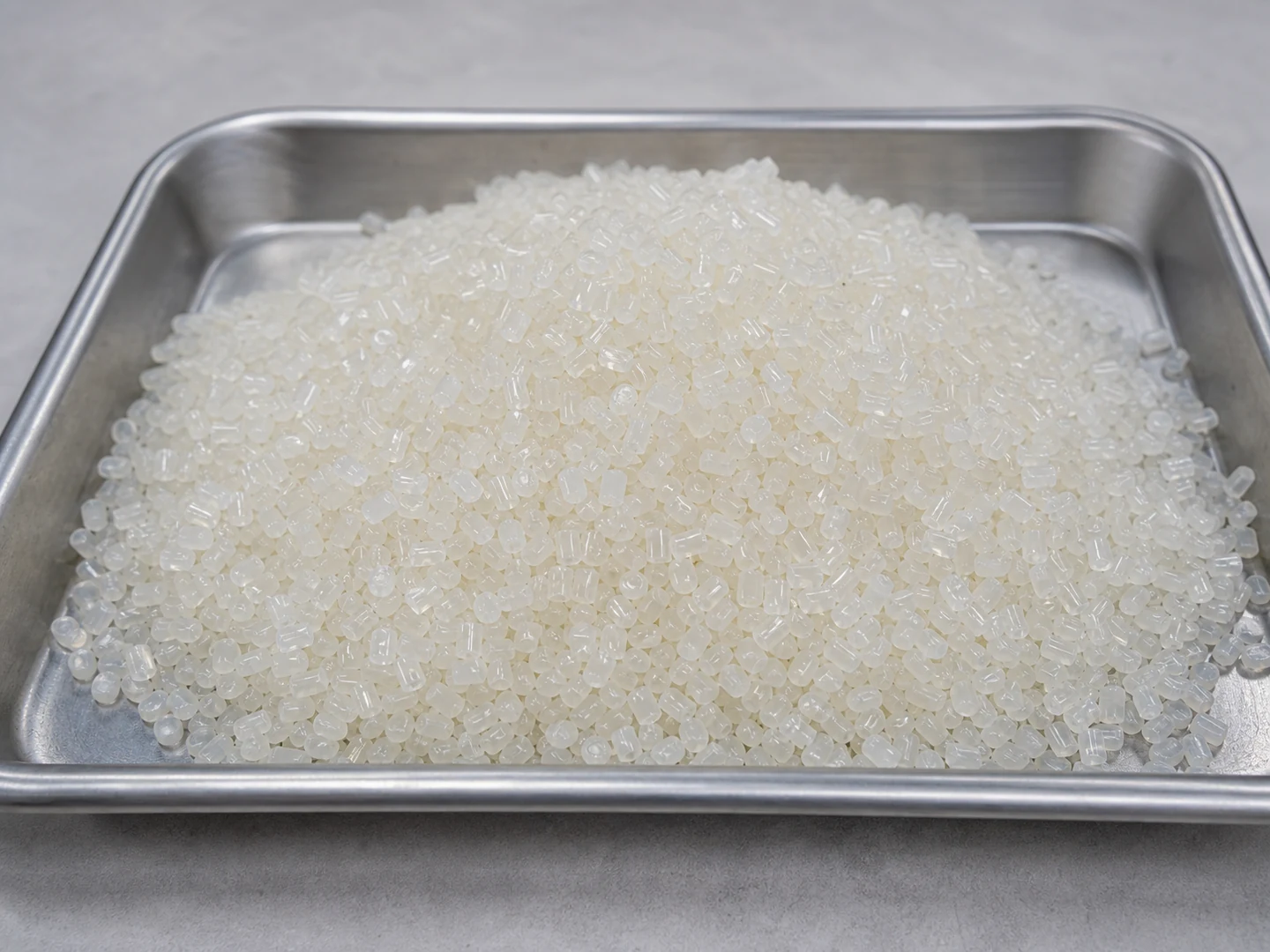
Nylon PA
Choose Nylon PA based on its stiffness, recovery, wear, wet-service, chemical, and temperature behavior.
Compare this material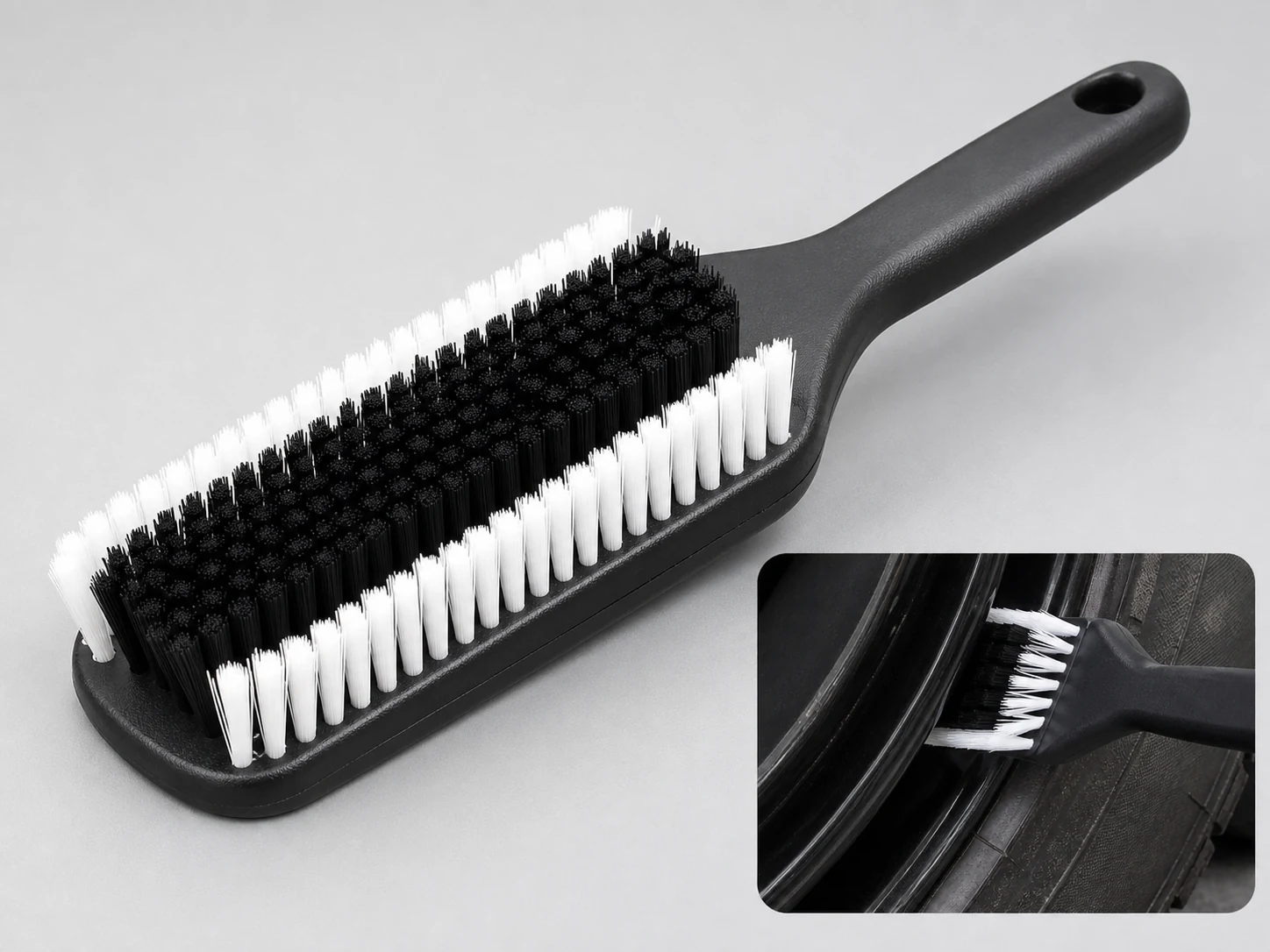
Fender Well Brush
Long-reach nylon PA fender well brush for cleaning fender wells, wheel arches, rims, and…
Compare the specificationCustom Manufacturing RFQ
Describe Your Application
Please include the main sizes, application, residue, preferred material, interface, quantity, and any drawing or sample available.
Drawing or photo optional — it speeds things up, it does not gate the enquiry.
Custom Brush RFQ
Send Your Brush Project
Upload a drawing, product photo, or sample photo and provide the core dimensions and cleaning conditions.
“We need a brush to remove wet residue from a stainless steel conveyor, about 800mm wide. The current brush wears quickly. We can send photos.”
“We sell drinkware and need a cleaning brush to include with the product. Quantity around 5,000 pieces.”