
Custom Cleaning Brush
Sisal Brush
Machine and handheld sisal fiber brushes for light deburring, oxide and paint residue removal, satin finishing and polishing on metal, wood and composites.
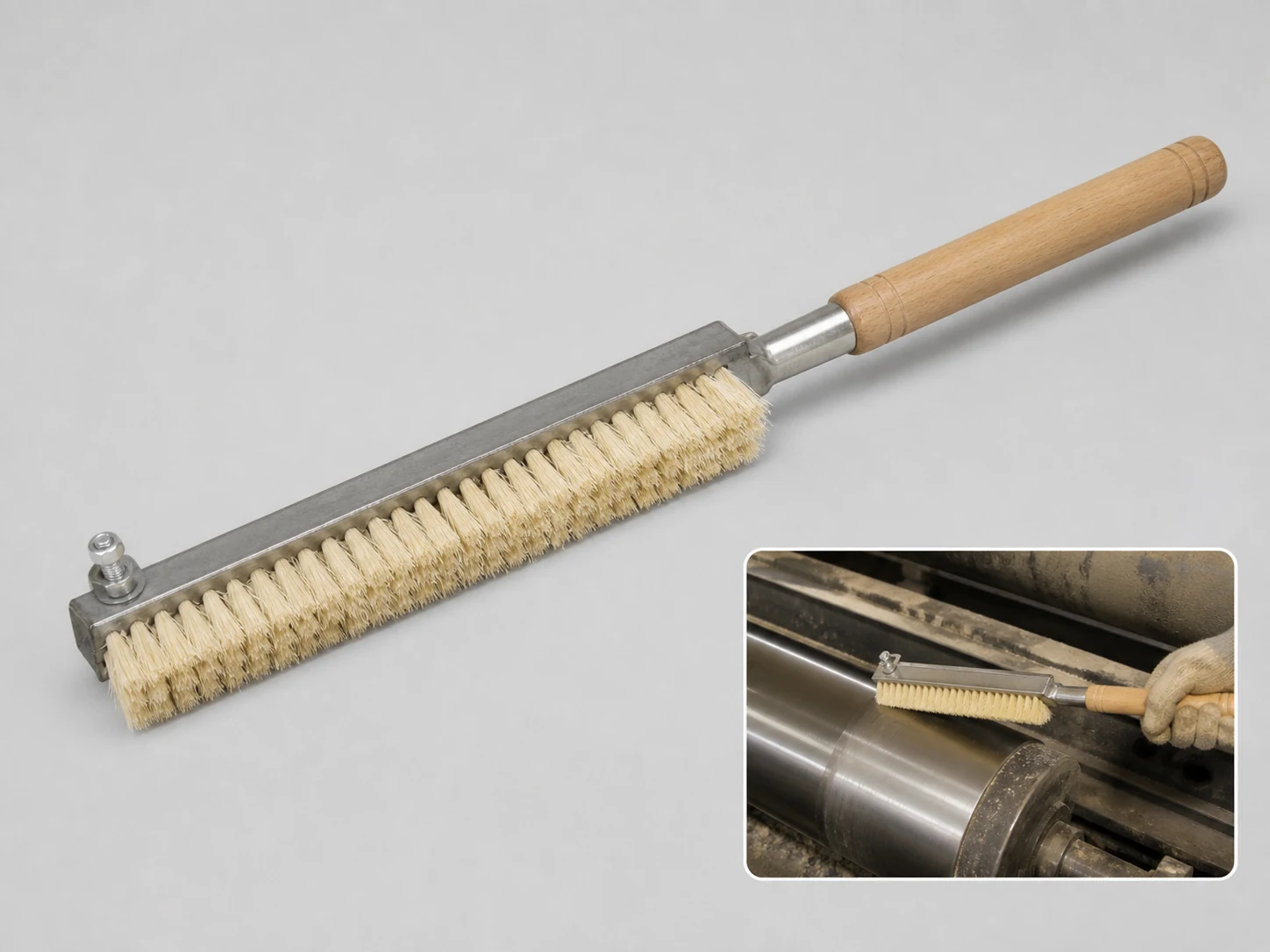
Small brush
500 pcs
Minimum order
Held in one hand: tube, bottle, detail and swab brushes — including long-handled ones with a small head.
Production lead time, once the specification is confirmed
- Up to 500 pcsWithin 7 days
- 501–50,000 pcsWithin 14 days
- Over 50,000 pcsWithin 21 days
Peak season can extend these times; the shipping date is confirmed in writing with your quotation. Sampling and shipping are quoted separately.
Sisal brushes use stiff natural agave fiber to remove light burrs, oxide, scale, paint residue, and light surface contamination from metal, wood, and composite parts. They are supplied as machine-mounted wheels, discs, cups, end brushes, and strips or as handheld tools, and are specified when the process needs controlled cutting and a consistent satin finish rather than the deeper scoring that wire or aggressive abrasive filaments can leave.
What can this brush do for you?
Cuts Light Burrs and Oxide Without Carving the Base Material
Sisal fiber has enough tip stiffness to shear small burrs and break up light mill scale, flash oxidation, and thin paint residue. Because the fiber is natural and partially compliant, it does not bite into the parent metal the way a crimped wire fill can. The result is a cleaner edge and surface with less rework from deep scratch marks.
Produces a Repeatable Satin Finish
The fiber ends wear into a uniform working face that levels light surface irregularities and leaves a fine, consistent texture. On stainless sheet, extruded aluminum, and fabricated steel parts, this is often the intermediate step between coarse material removal and final polish.
Reaches Fillets, Holes, and Irregular Profiles
Cup, end, and stem configurations put the sisal fill where a straight wheel cannot go. The trim length and fill density can be set so the fiber enters shallow recesses, follows radiused edges, and cleans around bosses without requiring a separate hand operation.
Runs Wet, Dry, or With Polishing Compound
Sisal holds water-based and oil-based compounds in the fiber tips and distributes them across the contact zone. That makes the brush useful on a dry bench line, on a wet CNC station, or in a manual polishing cell where an operator loads a green or grey compound.
Leaves No Metallic Filament Contamination
Because the cutting fill is plant fiber, there are no broken steel or brass wire fragments to embed in aluminum, stainless, or coated surfaces. For parts that will be anodized, painted, or assembled into sensitive equipment, this keeps the finishing step from creating a second contamination problem.
What is a Sisal Brush?
A Sisal Brush is an industrial finishing brush whose working fill is natural sisal fiber. The fiber is extracted from the leaves of the Agave sisalana plant, then gathered into bundles, ropes, or tufts and mechanically anchored in a hub, cup, strip, stem, plate, or ferrule. In a finishing department it removes light surface defects such as machining burrs, light mill scale, flash oxidation, carbon smears, residual paint, and polishing residue where a wire brush cuts too deep and a cloth buff is too soft.
On a pedestal grinder, lathe, drill, CNC machine, or automatic finishing line, the brush is presented to the part edge, face, or cavity. The tips of the sisal bundles do the cutting. The fiber flexes enough to follow shallow contours and reach into transitions, but the fill is dense and stiff enough to keep working instead of folding over and polishing only the high points.
This is a controlled abrasion tool, not a heavy stock-removal method. The contact zone generates heat, and the natural fiber sheds small fragments as it wears. Air extraction or housekeeping is usually part of the setup. Sisal performs best on accessible surfaces with light contamination and regular tool change intervals; heavy welded slag, deep pitting, and hard heat scale generally need a crimped wire brush or an abrasive product before sisal comes into the sequence.
Technical Specifications
Standard industrial configurations are shown below. Dimensions, fill, core, and mounting are adjusted to the part and machine during the specification process.
| Parameter | Value / Options |
|---|---|
| Brush form | Wheel, disc, cup, end brush, stem-mounted brush, strip brush, plate brush, or handheld ferrule brush |
| Working diameter | 100–300 mm for wheel and disc; 25–100 mm for cup and end configurations |
| Face width / head width | 20–50 mm for wheel and disc; 30–100 mm for handheld, strip, and plate forms |
| Trim length | 5–100 mm, selected for reach, stiffness, and part clearance |
| Fill material | Natural sisal fiber (Agave sisalana), untreated, water-treated, or compound-impregnated |
| Fiber / bundle diameter | 0.10–1.50 mm, grouped into tufts or rope fill |
| Fill density | 20–200 tufts per 100 cm², set for conformability or working life |
| Mounting | Arbor bore, keyed hub, flange mount, steel or stainless stem, shank, ferrule, plate, or handle |
| Maximum operating speed | Typically 1,800–6,000 RPM, matched to diameter and balance class |
| Operating environment | Wet or dry, with or without polishing compound; not intended for acid or alkali immersion or continuous hot-part contact |
| Brush type | Custom Handheld Detail Brushes |
| How it is driven | Hand-guided |
| Cleaning target | machined aluminum, stainless steel sheet, and steel plate cleaning |
| Surface or part | metal, edges, composite, wood, aluminum, profiles, sheets, and tubes |
| Residue or debris | fiber, burrs, paint, scale, oxide, carbon, rust, and surface contamination |
| Mounting / connection | Arbor bore, keyed hub, flange mount, steel or stainless stem, shank, ferrule, plate, or handle |
Where does this brush work best?
- Machined aluminum, zinc, and steel housings where light burrs and oxidation must be removed before paint, powder coat, plating, or assembly.
- Stainless steel sheet, tube, railing, and sink components needing a uniform satin finish with no wire-fragment contamination.
- Steel plate, profile, and tube entering a coating line, removing light rust, mill scale, paint residue, and carbon smears.
- Wood panels, routed edges, and moldings where surface fuzz and raised grain need smoothing before stain or seal.
- Composite and fiberglass edges with fiber fuzz or light flashing left by trimming operations.
- Automotive and metal furniture finishing cells where the blend and satin texture must stay consistent from part to part.
How do I choose the right one?
Start with the part shape and access
Map the surfaces, edges, holes, and transitions the brush must contact. A wheel or disc covers large flat and gently contoured surfaces. A cup brush works the face and edge of plate, flanges, and weldments. An end brush reaches bores, cavities, and internal corners. A stem brush enters narrow grooves and slots. A strip or plate brush mounts into an inline machine, while a handheld ferrule brush handles bench touch-up and low-volume work.
Set the fill stiffness from the residue and surface
Longer trim exposes more flexible fiber and follows contours better, but cuts more slowly. Shorter trim creates a stiffer face that removes light burrs and oxide faster. Higher fill density gives a fuller working face and longer service life with less conformability on deep profiles. Lower density reaches into recesses more easily but wears faster.
Size the diameter and speed to the machine
The diameter must clear guards and part geometry, and the RPM must stay within the rated surface speed for the fiber. At the same RPM, a larger diameter produces much higher tip speed and heat. Specify the arbor bore, shaft diameter, keyway, or stem interface from the actual machine spindle or holder.
Make the material tradeoff
| Condition | Recommended choice |
|---|---|
| Light burrs, oxide, paint residue, satin finish, no metal contamination | Sisal brush |
| Heavy rust, weld slag, deep scale, aggressive cleaning | Crimped steel wire brush |
| Controlled surface roughness specification, no fiber residue, precision finishing | Abrasive nylon or non-woven brush |
| Final high-luster polish only | Cotton or treated cloth buff |
Can I customize this brush?
Sisal brushes are built to the part and the line. The most useful starting inputs are a part drawing or photo, the material and hardness, the current burr or contamination type, the target surface finish, machine interface and RPM, wet or dry operation, and expected tool life or change frequency.
Typical configuration variables include:
- Form and construction: wheel, disc, cup, end brush, stem, strip, plate, or handheld ferrule
- Dimensions: outside diameter, face width, trim length, overall length, arbor or shaft bore
- Fill: tuft density, trim length, fiber treatment, compound loading, and pure sisal or blended fill
- Core and mounting: steel, stainless steel, aluminum, or composite hub; arbor, keyway, flange, stem, shank, ferrule, or handle
- Operating configuration: balance class, maximum RPM rating, rotation direction, and center or pilot location
- Finish and marking: natural fiber color, hub or plate color, part marking, label, and project packaging
When the project requires material declarations, dimensional inspection records, or third-party performance validation, we can support those requirements as part of the custom build.
What pressure keeps a sisal brush clean without wearing it early?
How do I know if the sisal fill is aggressive enough for my part?
Run a short trial on a representative scrap part. Check whether the light burr or oxide layer disappears within the normal cycle time without rounding critical edges or adding visible scratches. If the brush only polishes but does not cut, move to a shorter trim, higher fill density, or a larger diameter at the correct surface speed. If it rounds edges or scores the surface, sisal may be too aggressive for that geometry and a softer fiber or non-woven product should be evaluated.
Should the brush be run wet or dry?
Sisal runs dry on most light deburring and oxide-removal jobs. Wet operation or a compatible polishing compound reduces heat at the contact zone, keeps the fiber tips cleaner, and produces a finer satin finish on stainless and aluminum. Use wet operation when the part is temperature-sensitive, when dust control is required, or when the residue is fine and tends to pack the fill.
What residues will load the brush and should be removed before brushing?
Heavy grease, uncured adhesive, soft paint, and thick tar-like deposits can smear into the fiber tips and stop the cutting action. Remove gross contamination with a solvent or degreasing step first. The sisal brush is for the remaining thin oxide, light scale, paint residue, or burrs, not for carrying away heavy soft deposits.
When should the sisal wheel be replaced?
Replace when trim length wears to roughly half of its new length, when the face becomes uneven or glazed, or when the brush no longer reaches into the same profiles within cycle time. Comparing a used wheel against a new one on the same part is the simplest check. Running a short, matted fill usually reduces finish quality and increases heat at the contact point.
What speed should I start with?
Start at the lower end of the rated speed range and check finish quality and heat. If cutting is too slow, increase speed in small steps. If the fiber tips darken, smell, or the part surface overheats, speed or pressure is too high. Remember that changing wheel diameter changes tip speed even when RPM stays the same.
Can the same sisal brush handle deburring and final satin finishing?
Often yes, when the burr is light and the process window is stable. A shorter, denser fill handles the cutting stage, while longer trim, lower speed, and compound give a finer surface. When both operations must hold separate tolerances, two brush configurations usually work better than forcing one wheel to do both jobs.
Guides that go deeper on this
Custom Manufacturing RFQ
Describe Your Application
For a custom quote, we need the key dimensions, surface or part, residue, material preference, quantity, and reference image or drawing.
Drawing or photo optional — it speeds things up, it does not gate the enquiry.
Custom Brush RFQ
Send Your Brush Project
Upload a drawing, product photo, or sample photo and provide the core dimensions and cleaning conditions.
“We need a brush to remove wet residue from a stainless steel conveyor, about 800mm wide. The current brush wears quickly. We can send photos.”
“We sell drinkware and need a cleaning brush to include with the product. Quantity around 5,000 pieces.”