Quick Answer
An antistatic brush only works when the filament, holder, and grounding path form a complete electrical system. Select conductivity and contact force from the component, contamination, electrostatic risk, and cleanliness requirement.
Three Different Electrical Functions
| Function | Brush behavior | Use |
|---|---|---|
| Static dissipative contact | Controlled charge decay through a defined resistance | Circuitry, plastics, assembly stations, clean handling |
| Conductive grounding | Low-resistance path from moving surface to ground | Webs, films, rollers, belts, shafts, and material handling |
| Non-generating soft cleaning | Fine fiber that minimizes triboelectric charging | Optics, sensors, keyboards, connectors, and delicate electronics |
Published Filament Data
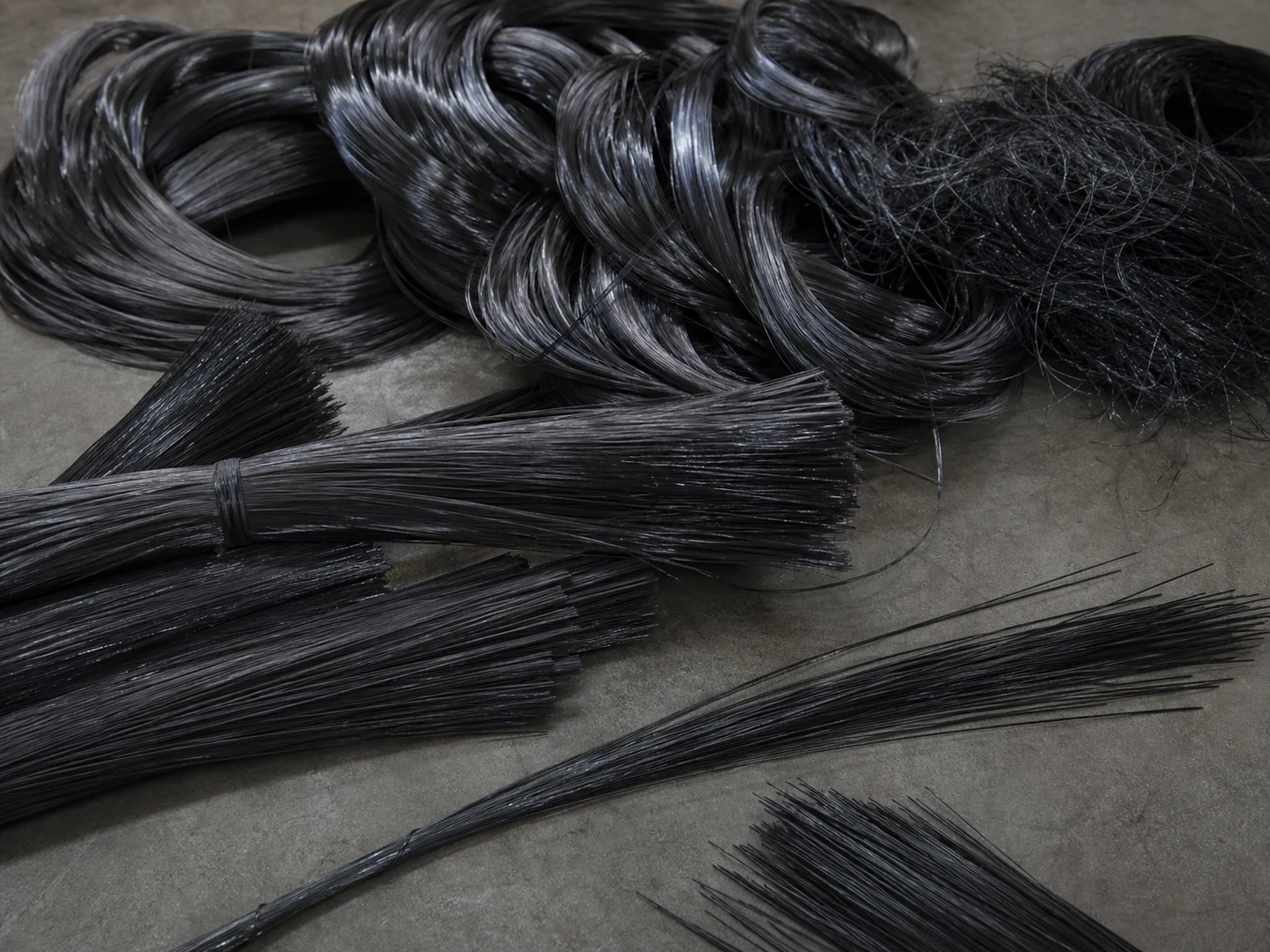
Published filament figures sit in four bands. Carbon-loaded conductive nylon runs around 10³ Ω/cm, static-dissipative nylon 6.12 around 10⁹ Ω surface resistivity, copper-sulfide conductive fibre of the Thunderon type around 10¹–10² Ω/cm, and carbon fibre lower still. Which band a job needs is set by its ESD control programme rather than by the lowest number available — see the Electrostatic Discharge Association on the principles of ESD control. Carbon fibre conducts strongly but has lower flex-fatigue resistance, so it suits light-touch or non-contact grounding rather than heavy scrubbing.
Grounding Path
- Choose the resistance behavior required by the process.
- Use a conductive staple, channel, backing, holder, or shaft where grounding is required.
- Bond the holder to a verified ground point with a short, secure conductor.
- Measure resistance from the filament contact zone to ground after assembly.
- Recheck after contamination, wear, cleaning, and holder replacement.
Cleaning Without Damage
Use fine, clean filament and minimal engagement. Do not use a PCB abrasive cleaning brush as a general electronics duster: abrasive PCB brushes are intended for copper surface preparation and oxide removal. For connectors or optical components, control fiber shedding, metal contamination, solvent compatibility, and edge snagging.
RFQ Inputs
Provide component material, contamination, required resistance or charge-decay target, contact or non-contact operation, line speed, ground point, brush width, trim, holder material, cleanroom level, solvent, temperature, and maximum allowed surface marking or fiber release.
Technical References
- 3M — PCB Cleaning Brush
- ISO 14644-1 — Cleanrooms and Controlled Environments
- American Brush Manufacturers Association — Brush Lingo
Which bristle material fits this job — Carbon Fiber, Conductive Nylon or PVA Sponge?
| Material | Continuous temperature (°C) | Peak temperature (°C) | Water absorption | Hardness |
|---|---|---|---|---|
| Carbon Fiber | 200–350 | 400–500 | ≤0.10% | — |
| Conductive Nylon | 80–110 | 130–160 | 0.5–2.5% | Shore D 75–88 |
| PVA Sponge | 60 | 90 | — | Soft absorbent contact material; hardness/compression is controlled by foam or sponge density. |
When are Roller and Conveyor Brushes the wrong choice?
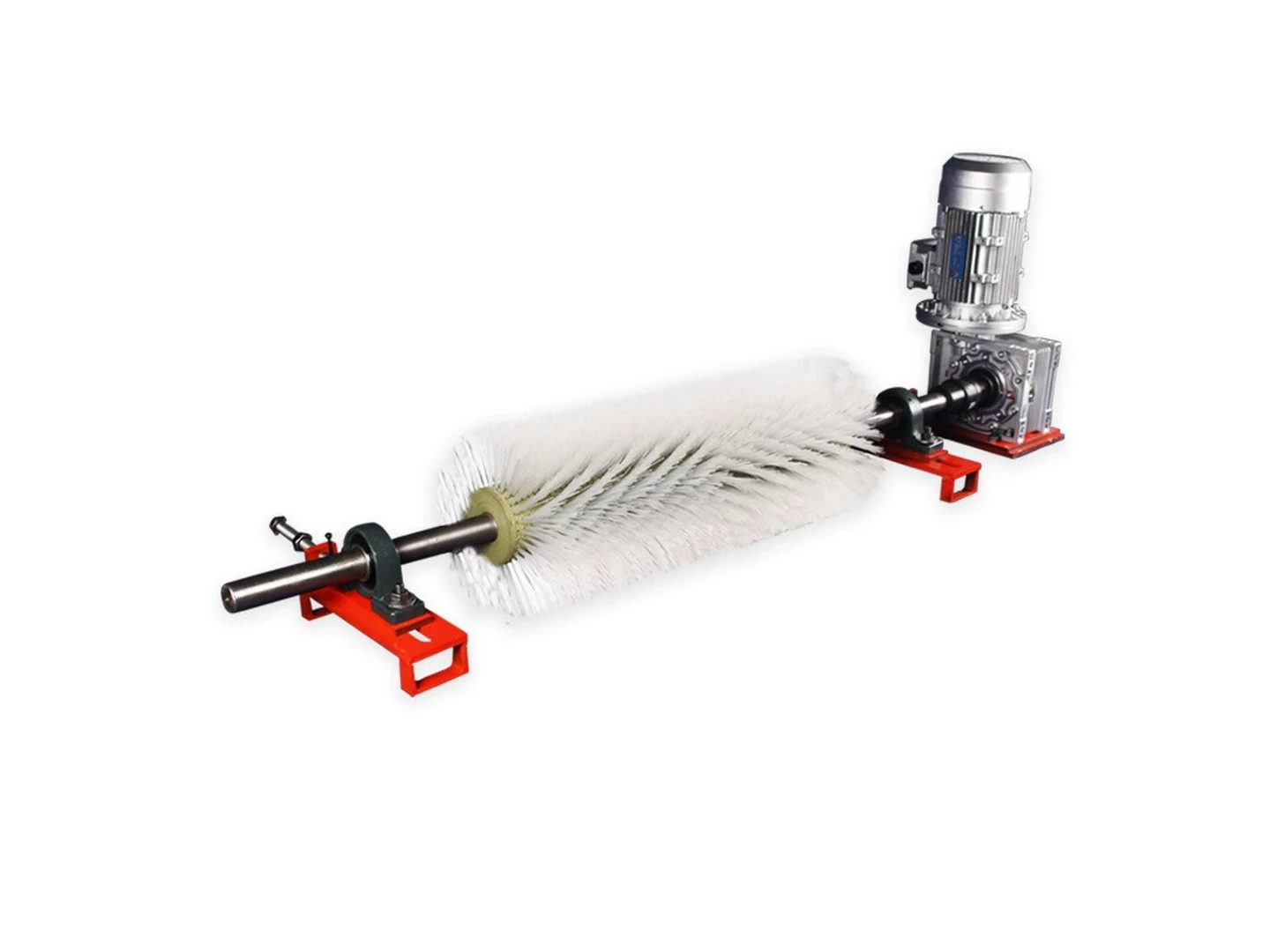
- Roller and Conveyor Brushes — Use a stationary strip brush for a fixed linear seal or wipe, or another process when rotating line contact interferes with the product or cannot discharge the residue safely.
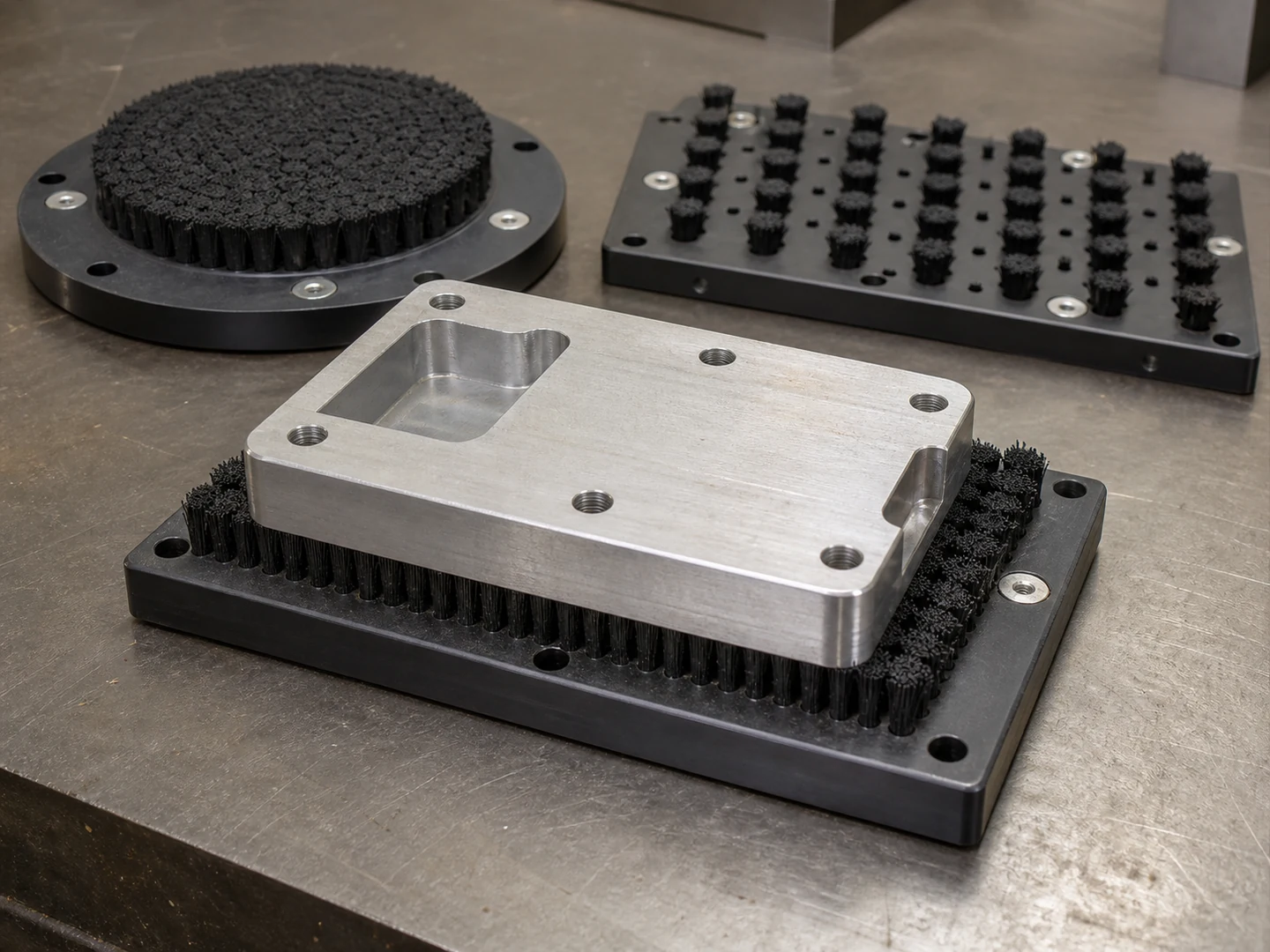
- Machine Table Brush Plates — Use a roller or strip brush where the contact must follow a narrow moving line or curved path.
- Carbon Fiber — Brittle fiber fragments, conductive contamination and incomplete grounding can make carbon fiber unsuitable for exposed electronics or cleanliness-critical areas.
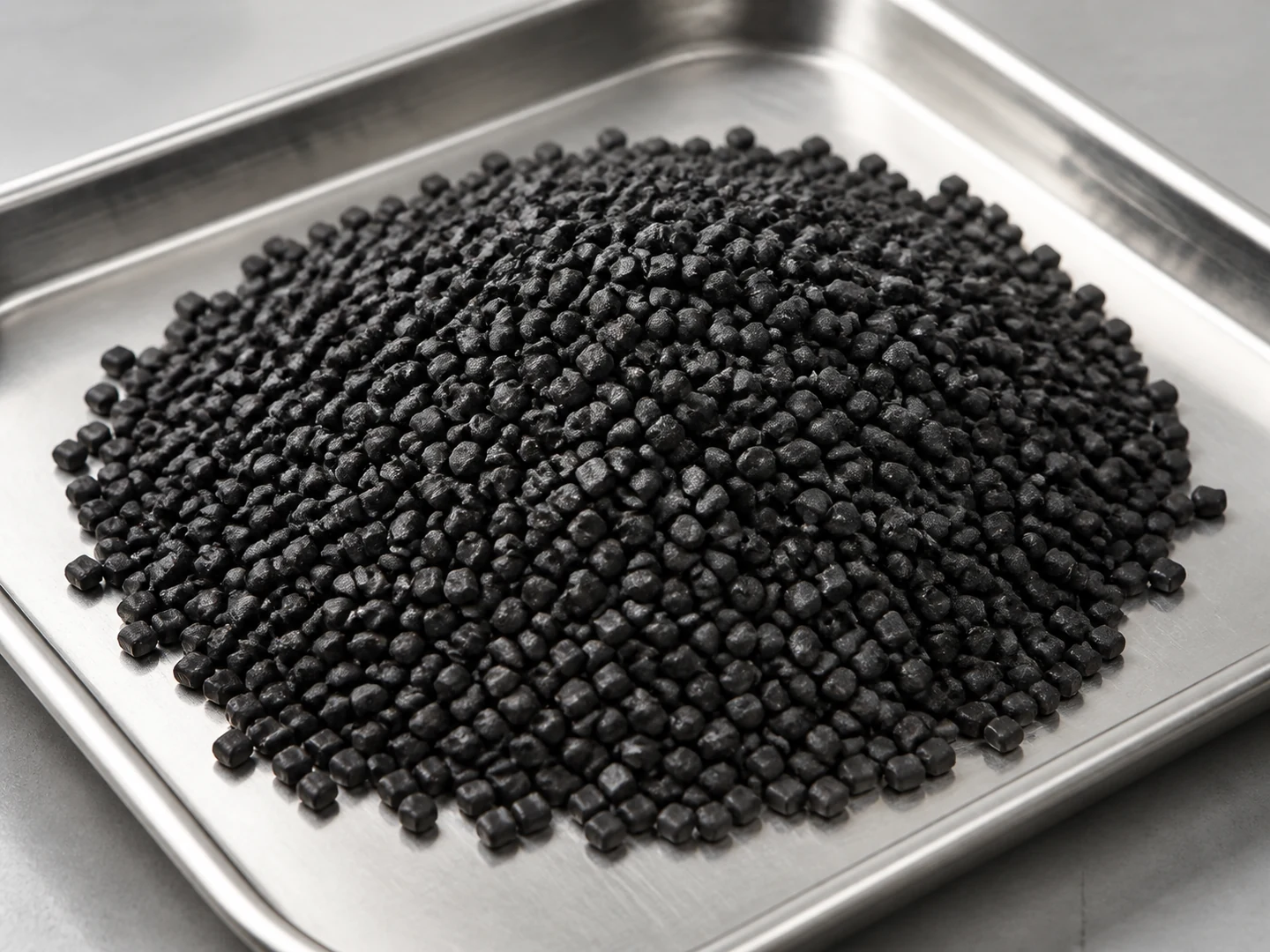
- Conductive Nylon — A material label without resistance data, conditioning, grounding and particle testing is insufficient for ESD or clean-process claims.
What should replace Roller and Conveyor Brushes when they stop working?
- Roller and Conveyor Brushes — Roller and conveyor brushes hold cylindrical line contact across a working width, including helix-wound builds where the filament path is set to move loosened material toward one side; a strip brush holds the same line without rotating, so it seals or wipes but cannot carry residue along the width.
- Machine Table Brush Plates — Brush plates distribute load over an area and support products; strip brushes form a linear seal, guide, wipe, or edge barrier. Closest alternative: Strip Seal Brushes.
- Carbon Fiber — Compare Carbon Fiber with Conductive nylon, anti-static filament, stainless micro-wire, standard nylon. Change material when wet stiffness, temperature, chemical resistance, conductivity, particle shedding, or surface marking becomes the limiting factor.
- Conductive Nylon — Compare Conductive Nylon with Anti-static filament, carbon fiber, stainless conductive filament, standard PA6. Change material when wet stiffness, temperature, chemical resistance, conductivity, particle shedding, or surface marking becomes the limiting factor.