What Is a Busbar Cleaning Brush?
A busbar cleaning brush is a precision cleaning tool used to prepare metal busbar surfaces for electrical connections. It removes post-weld slag from laser welding, strips oxide layers from aluminum or copper, and creates a clean, low-resistance contact area for clamps, bolts, or ultrasonic bonding.
Common Types of Busbar Cleaning Brushes
The three primary brush types used in battery module assembly are:
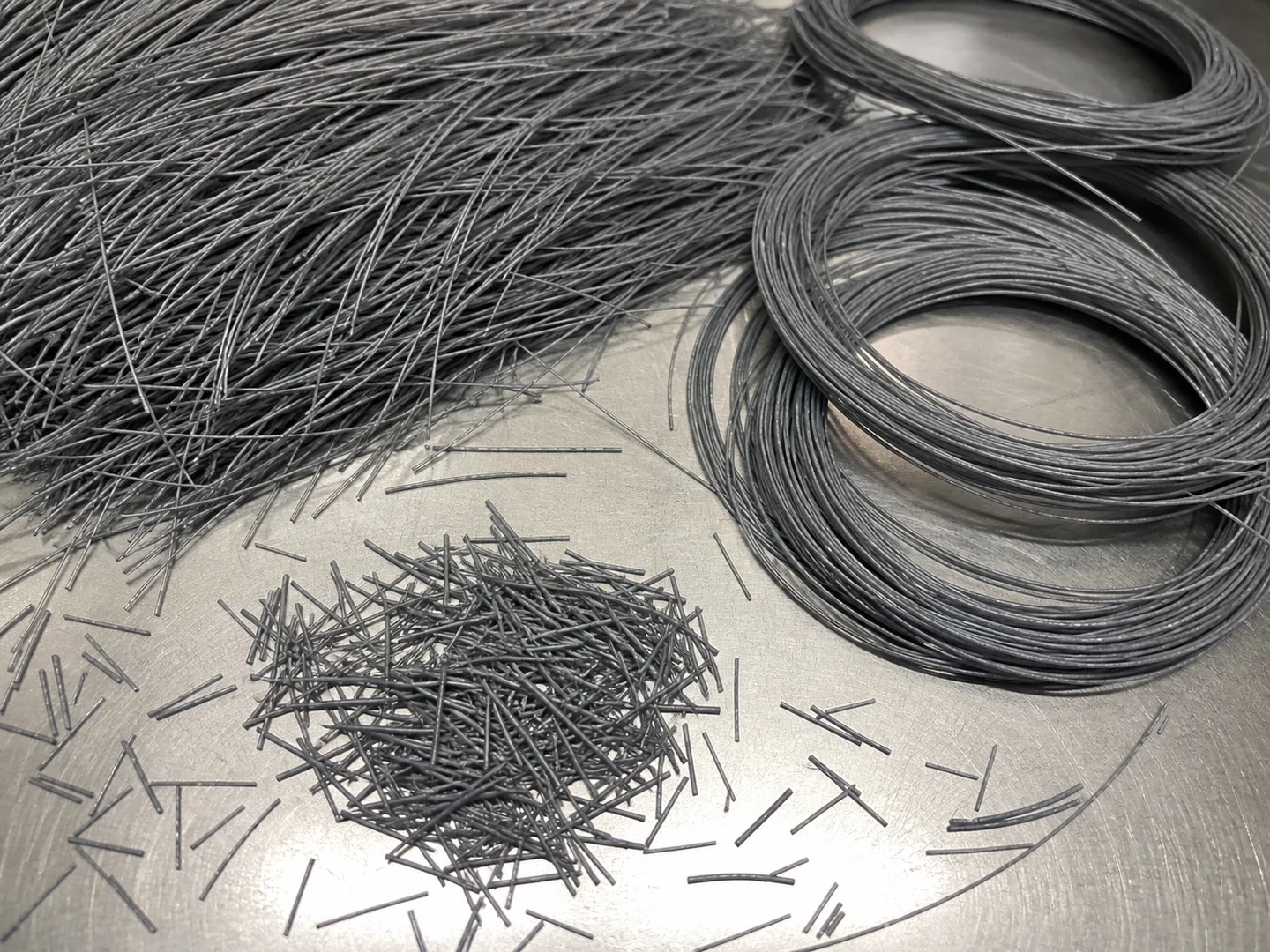
- Wire brushes (carbon steel): Aggressive material removal, but high risk of sparking and bristle breakage.
- Stainless steel wire brushes: Better corrosion resistance, still poses spark risk and conductive debris.
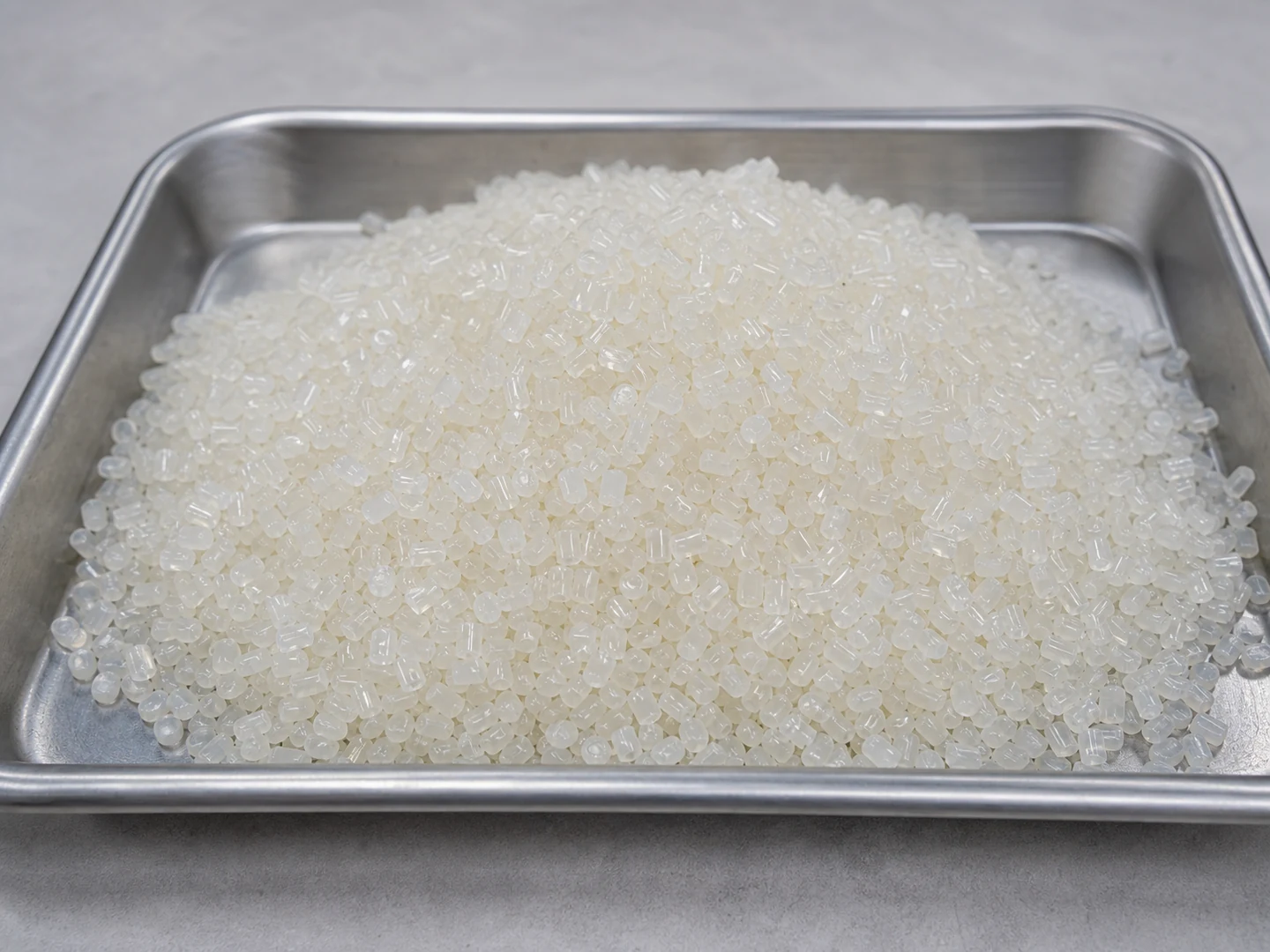
- Abrasive nylon brushes: Embedded with silicon carbide or aluminum oxide grit; non-sparking, no metallic shedding, ideal for battery areas.
Wire Brush vs. Abrasive Nylon vs. Stainless Steel: Quick Comparison
| Feature | Carbon Steel Wire Brush | Stainless Steel Wire Brush | Abrasive Nylon Brush |
|---|---|---|---|
| Spark Risk | High | Moderate | None |
| Wire Shedding | Common | Less frequent | No metal wires |
| Abrasiveness | High | Medium | Medium to high (grit-dependent) |
| Suitable for Battery Areas | No | Rarely; risk remains | Yes |
| Surface Finish | Rough, can gouge | Moderate | Uniform, no deep scratches |
| Corrosion Resistance | Low (rusts) | Good | Excellent (non-metallic) |
| Typical Use | Heavy slag removal outside cleanrooms | Light oxide removal where spark not a concern | Oxide removal, surface prep, deburring in battery assembly |
How to Choose the Right Busbar Cleaning Brush
Match the brush to these decision factors:
- Material to remove: Weld slag may need aggressive grit; light oxidation needs medium grit.
- Spark sensitivity: If working near exposed cells or electrolyte, use only non-sparking nylon.
- Conductivity concerns: Metallic brushes can leave conductive debris causing shorts; nylon eliminates this risk.
- Busbar geometry: Narrow channels may need small-diameter wheel brushes or cup brushes.
- Production volume: High-speed lines often require automation; manual brushing suits low to mid volume.
- Cleanliness specification: Some applications require no residue; nylon brushes may need solvent wiping after use.
Safety: Why Spark-Free Materials Are Critical
Lithium battery assembly environments pose fire and explosion hazards from flammable electrolytes and dust. Even a tiny spark from a steel brush striking a metal surface can ignite vapors. Therefore, only non-sparking tools—such as abrasive nylon brushes with plastic handles—are allowed inside battery assembly cleanrooms and dry rooms. Additionally, avoid brass brushes that may cause galvanic corrosion or introduce copper contamination onto aluminum busbars.
Common Mistakes When Using Busbar Cleaning Brushes
- Using steel wire brushes in battery areas: Creates sparks and sheds conductive bristles that can cause short circuits.
- Applying excessive pressure: Can deform thin busbars or embed abrasive into the surface.
- Cross-contamination: Using the same brush on aluminum and copper without cleaning spreads dissimilar metal particles, promoting corrosion.
- Neglecting brush maintenance: Worn brushes with flattened bristles lose effectiveness; clogged abrasive brushes generate heat.
- Ignoring ESD (electrostatic discharge) protection: Brushes with insulating handles can build static; use ESD-safe versions around sensitive electronics.
When Is a Manual Brush the Wrong Choice? (Automated Cleaning Systems)
Manual brushing is practical for small batches, rework, or maintenance. However, high-volume production lines demand automated solutions to maintain consistency and throughput. Options include:
- Robotic brushing stations: Programmable arms with abrasive nylon wheels, integrated with vision inspection.
- Laser cleaning systems: Pulsed lasers remove oxides and slag without contact, no consumable brushes.
- Plasma treatment: Low-pressure plasma cleans and activates surfaces for bonding, ideal for thin-film contamination.
- Ultrasonic cleaning: Immersion bath for small parts, not practical for large modules.
Automation becomes necessary when cycle times drop below a few seconds per part, when multiple cleaning stages are required (oxide removal + surface texturing), or when traceability and process control are mandatory.
Final Takeaway
For battery busbar cleaning, abrasive nylon brushes are the default safe choice. They eliminate spark risk, prevent metal contamination, and provide consistent surface prep. Reserve wire brushes for non-hazardous areas or initial heavy slag removal if followed by a nylon finishing pass. When consistency and speed matter more than manual dexterity, evaluate automated cleaning to eliminate operator variability.
Frequently Asked Questions
What is a busbar cleaning brush used for?
It removes weld slag, oxides, and contaminants from busbar contact surfaces in battery module assembly to ensure low-resistance electrical joints.
Can I use a standard wire brush from a hardware store to clean battery busbars?
No. Standard carbon steel wire brushes can spark and shed conductive bristles, posing short-circuit and fire risks. Use only non-sparking, non-shedding brushes like abrasive nylon.
Why is spark-free material critical in battery module assembly?
Lithium battery environments may contain flammable electrolytes or dust. A tiny spark can trigger a fire or explosion; non-sparking tools are mandatory for safety.
Does abrasive nylon leave behind residue?
High-quality abrasive nylon brushes shed minimal debris, but fine particles may remain. A post-clean with a lint-free wipe and isopropyl alcohol is recommended for critical surfaces.
How often should I replace a busbar cleaning brush?
Replace when bristles show significant wear, loss of abrasive grit, or uneven cutting. Visual inspection against a new brush and monitoring cleaning effectiveness are more reliable than fixed intervals.
Is an automated system necessary for my production line?
Consider automation if your cycle time is under 2–3 seconds per module, if you need traceable process data, or if manual brushing results in inconsistent quality. Small-scale or repair lines can work with manual brushes.
What’s the best way to verify busbar surface cleanliness?
Visual inspection for debris, contact resistance measurements, and surface energy tests (dyne pens) are common. Some lines use camera systems for automated defect detection.
Can I clean aluminum and copper busbars with the same brush?
It’s best to use separate brushes to avoid cross-contamination. Aluminum oxide particles embedded from cleaning aluminum can embed into copper and vice versa, causing galvanic corrosion.
Technical References
Which bristle material fits this job — Abrasive Nylon, Nylon PA or AISI 304 Stainless Steel Wire?
| Material | Continuous temperature (°C) | Peak temperature (°C) | Water absorption | Hardness |
|---|---|---|---|---|
| Abrasive Nylon | 120 | 150 | 0.1–1.0% | Abrasive filament; stiffness and cutting level is controlled by PA base, grit type, grit size, filament diameter and trim height. |
| Nylon PA | 93 | 121 | 0.3–9% by PA grade and conditioning | Medium to firm; filament diameter and trim length control bending force. |
| AISI 304 Stainless Steel Wire | 400 | 500 | 0% | Rockwell B 70–95 depending on temper and cold work |
| Carbon Steel Wire | 200–300 | 350–450 | 0% | Rockwell C 40–60 |
Figures as published by Perlon; Brushtec / DuPont; Alleima. Confirm the exact grade against the supplier datasheet before ordering.
What should replace Abrasive Nylon for lithium battery module assembly?
- Abrasive Nylon — Compare Abrasive Nylon with PP, PBT, PET. Change material when wet stiffness, temperature, chemical resistance, conductivity, particle shedding, or surface marking becomes the limiting factor.
- Nylon PA — Compare Nylon PA with PP, PBT, PET. Change material when wet stiffness, temperature, chemical resistance, conductivity, particle shedding, or surface marking becomes the limiting factor.
- AISI 304 Stainless Steel Wire — Use AISI 316 stainless steel wire for chloride, marine, dairy, beverage, chemical washdown, or higher pitting-resistance requirements. Use carbon steel for dry aggressive cutting and brass or abrasive nylon for lower marking risk.
- Carbon Steel Wire — Compare Carbon Steel Wire with Carbon steel wire, brass wire, abrasive nylon. Change material when wet stiffness, temperature, chemical resistance, conductivity, particle shedding, or surface marking becomes the limiting factor.