
Custom Cleaning Brush
ATM Cleaning Brush
Dry non-conductive ATM cleaning brush with soft nylon filaments and microfiber head for card readers, cash paths, and accessible internals.
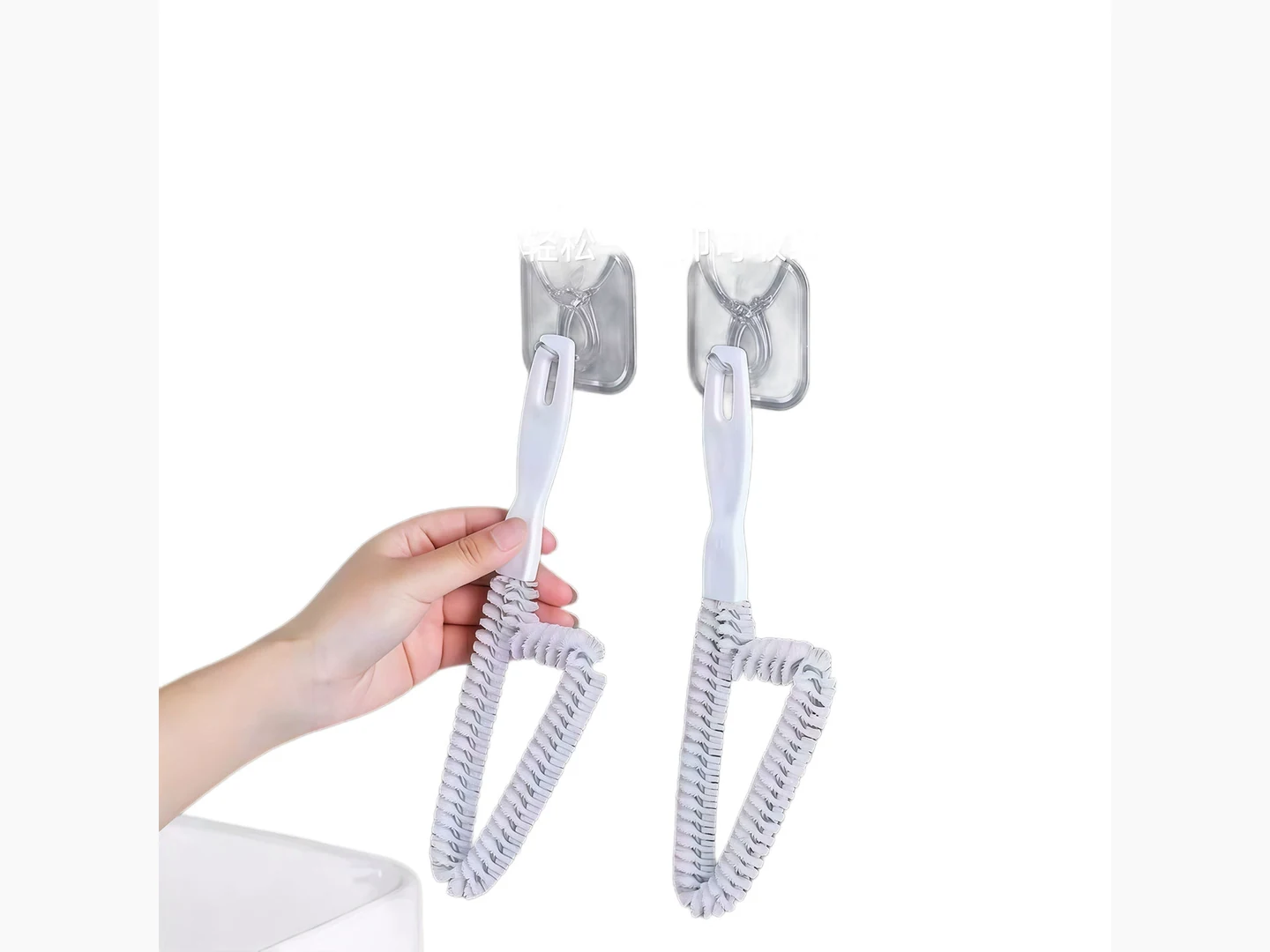
Small brush
500 pcs
Minimum order
Held in one hand: tube, bottle, detail and swab brushes — including long-handled ones with a small head.
Production lead time, once the specification is confirmed
- Up to 500 pcsWithin 7 days
- 501–50,000 pcsWithin 14 days
- Over 50,000 pcsWithin 21 days
Peak season can extend these times; the shipping date is confirmed in writing with your quotation. Sampling and shipping are quoted separately.
A dry, non-conductive ATM cleaning brush built for card-reader, cash-path, and accessible internal surface maintenance. Soft nylon filaments lift paper dust, lint, and light card debris from guides, plastic channels, and enclosure spaces, while a microfiber collecting head traps the particles instead of moving them into other modules.
What can this brush do for you?
Soft Nylon Filaments Clean Plastic Guides Without Leaving Marks
The filament tips are rounded and selected to be softer than the guide rails, shutter frames, and plastic channels they contact. You can clear the accessible areas around a card throat or note path without scratching the surfaces that keep card and note tracking consistent.
Microfiber Head Holds Fine Dust Rather Than Launching It
Paper dust and lint inside an ATM are light enough to be re-suspended by stiffer bristles. The microfiber collecting surface traps these fine particles at the point of brushing, so loose debris is removed from the machine instead of blown onto sensors, lenses, or roller bearings.
Thin Head Reaches Fascia and Card-Slot Perimeters Without Pushing Into the Mechanics
The brush head width is selected to enter narrow service gaps beside the card reader mouth, behind the fascia, and along note-guide edges. Because the head stays outside the transport and read zones, it clears accumulated debris without touching rollers, read heads, or optical windows that require separate cleaning procedures.
Non-Conductive Construction Keeps the Tool Safe Around Powered Modules
The handle and the portion of the stem near the working end are made from insulating plastics. There is no exposed metal tip near the cleaning surface, so a missed stroke against a connector, terminal, or board edge carries a lower risk of shorting or damage during preventive maintenance.
Dry-Only Cleaning Means No Solvent Introduced Into the Cash Path
This brush is designed for dry dusting. It removes loose paper and card debris without introducing alcohol, cleaner, or moisture into areas where residues could affect note friction, sensor response, or adhesive-backed labels.
What is a ATM Cleaning Brush?
An ATM cleaning brush is a hand-guided maintenance tool used by field service technicians, cash-in-transit teams, and banknote equipment service providers during routine ATM preventive maintenance. It is built to clean the accessible internal surfaces of an ATM or self-service terminal — the plastic guide rails, card-reader throat surroundings, cash dispenser enclosure walls, banknote cassette compartments, and receipt printer areas — rather than the precision modules themselves.
In use, the nylon filaments dislodge paper dust, lint, card wear debris, and light particulate from the areas where these materials settle after thousands of customer transactions. The microfiber head, positioned at the tip or trailing edge of the brush, collects the loosened particles so they can be lifted out of the machine. The operator works dry, by hand, following the service door access layout of the specific ATM model.
This brush is not a roller cleaner and not a sensor cleaning card. Transport rollers, optical or magnetic sensor surfaces, and read heads require the manufacturer-approved cloth, solvent, cleaning card, or swab method specified for the module. The ATM cleaning brush clears the surrounding chassis, guides, and housing areas where settled debris eventually migrates toward those critical components.
Technical Specifications
| Parameter | Value / Options |
|---|---|
| Overall length | 180–260 mm (selected for service-door reach) |
| Brush head width | 7–14 mm (matched to the narrowest non-critical gap) |
| Brush head length | 60–110 mm of filament contact area |
| Filament material | Nylon PA6 or PA6.6, rounded filament tips |
| Filament diameter | 0.06–0.15 mm, soft to medium stiffness |
| Microfiber collection head | Polyester/polyamide blend, approx. 200–350 g/m², replaceable clip or hook-and-loop attachment |
| Handle material | PP or ABS, non-conductive; ESD-safe handle option |
| Stem / neck | Plastic or coated metal; exposed metal kept away from the working end |
| Working temperature | 0–50°C ambient (typical ATM interior conditions) |
| Cleaning method | Dry brushing only; no liquid or solvent application |
| Weight | 25–60 g (tool only, depending on handle length) |
| Brush type | Custom Handheld Detail Brushes |
| How it is driven | Machine-driven, mounted in the equipment |
| Cleaning target | card reader throat and fascia perimeter, cash dispenser and recycler housing interior, and banknote cassette compartment cleaning |
| Surface or part | guides, plastic, roller, gaps, housings, rails, walls, and channel |
| Residue or debris | dust, lint, particles, paper fibers, and fiber |
| Mounting / connection | Shaft-Mounted / Flange |
Where does this brush work best?
- Card reader throat and fascia perimeter: removes card dust and lint that collects around the reader mouth and the gap between the reader bezel and the fascia, without entering the read head path.
- Cash dispenser and recycler housing interior: clears paper dust from accessible chassis walls, cable routing areas, and guide-edge surfaces after the module is removed or opened per service procedure.
- Banknote cassette compartments: cleans cassette rails, entry guides, and housing ledges of lint and paper fiber after cassettes are taken out.
- Receipt printer area: dusts the accessible paper-path surroundings, cutter housing exterior, and take-up area, staying away from the printhead face and cutter blade.
- Deposit module entry zone: removes debris around the shutter and entry guide surfaces after the module is serviced, while the shutter and note-acceptance path are left to the approved cleaning methods.
- Kiosk and self-service bill acceptors: for non-critical interior dusting during scheduled maintenance, where the same roller and sensor exclusions apply.
How do I choose the right one?
Start with the access gap, not the machine model. The brush needs to enter the narrowest non-critical gap around the card reader or note guide without forcing, flexing into a sensor path, or contacting rollers. Measure that gap first, then choose a head width at least 1 mm narrower with a margin for operator movement.
Then match filament stiffness to the surface and the debris. Softer nylon (0.06–0.10 mm) is appropriate for coated plastics, clear windows, and fascia surfaces that show scratches. Slightly firmer nylon (0.10–0.15 mm) works on bare structural plastic or metal guide edges where more mechanical action is needed to dislodge compacted paper dust. The microfiber head does most of the fine-particle collection, so the filament portion should stay on the gentler end.
Decide whether the handle must be ESD-safe. Around card readers, note transport boards, and sensor harnesses, a conductive or static-generating handle can create a second risk even when the brush tip is safe. Choose an ESD-safe handle and stem if the service area requires static-protected tooling; otherwise a standard non-conductive PP or ABS handle is sufficient.
For repeated service work, select a brush with a replaceable microfiber tip so the handle and filament section can be reused while the collection surface is swapped when it becomes loaded. For deep access behind the fascia, choose a longer overall length with an angled or bendable neck rather than forcing a straight brush into a tight angle.
When debris is sticky, greasy, or has hardened onto a surface, this dry brush is the wrong tool. Use the manufacturer-approved cleaner and lint-free wipe for that module. Transport rollers and optical or magnetic sensors should always be cleaned with the cleaning card, swab, cloth, or solvent method specified in the service manual — never with a general-purpose brush.
| Condition | Recommended configuration |
|---|---|
| Access gap under 8 mm | 7 mm head width, short handle, angled neck if needed |
| Coated or clear plastic surfaces | 0.06–0.10 mm nylon filament, high-pile microfiber tip |
| Heavy paper dust build-up | Denser filament pattern plus replaceable microfiber head |
| Deep fascia reach | 240–260 mm overall length, flexible neck option |
| ESD-protected service area | ESD-safe handle and non-metal stem |
Can I customize this brush?
ATM cleaning brushes are usually project-configured around the machine’s service layout and the maintenance team’s standard work instructions. We build the brush to match the access gaps, reach distances, and surface sensitivities of your ATM or kiosk fleet.
Send us the narrowest gap the head must enter, the distance from the service access point to the cleaning area, the materials the brush will contact, any ESD requirements, cleaning frequency, and the preferred handle form. A photo or drawing of the service area helps confirm the correct head angle and length.
We can adjust:
- Dimensions: overall length, head length, head width, and neck angle
- Filament section: nylon PA type, filament diameter, density, and trim profile
- Microfiber head: flat pad, wedge, sleeve, or shaped tip; pile height and attachment method
- Handle and stem: straight or ergonomic grip, bendable neck, non-conductive or ESD-safe material, color coding per module
- Marking: custom color, pad print, laser marking, or identification code for fleet tool control
- Packaging: bulk, individual bag, service kit pack, or paired with replacement microfiber tips
If your maintenance program requires material documentation, inspection reports, or project-specific testing support, we can assist with those requirements during the customization process.
When does a worn an ATM cleaning brush stop being safe to use?
Can I use this brush directly on ATM transport rollers?
No. Transport rollers need the cloth or solvent method approved by the ATM manufacturer. Brushing rollers can push debris into bearing surfaces, leave fibers on the roller, or change the friction characteristics of the note path. Use the brush only on accessible chassis, guide, and housing surfaces around the rollers.
Will the microfiber head be safe near optical sensor windows?
The brush should not touch optical or magnetic sensor windows. Even soft microfiber can leave lint or smears on a lens surface that affects sensor performance. Brush the surrounding area only, and use the module-specific cleaning card or swab for the sensor window itself.
How do I clean the brush between service calls?
Remove the microfiber tip and wash it with mild detergent and warm water, then air dry completely before refitting. The nylon filament section can be tapped to release loose particles or blown gently with clean compressed air. Do not soak the handle in solvent, and do not use fabric softener, which leaves a residue on the microfiber.
Does this brush replace vacuuming or wiping inside the ATM?
No. The brush removes visible settled debris from accessible surfaces, but very fine airborne dust, sticky residues, and deposits in enclosed modules may still require a vacuum, an anti-static wipe, or the manufacturer’s approved cleaning procedure. Use the brush as one step in a complete maintenance routine.
How do I know if the head is thin enough for my machine without forcing it?
Measure the smallest non-critical gap the head must enter. The brush head should pass through with at least 1 mm of clearance on each side. If the head flexes significantly or the operator has to press to insert it, the head is too wide — choose a smaller width or a tapered head profile.
When should I replace the microfiber tip?
Replace the tip when it no longer lifts dust from a clean test surface, when it appears matted or discolored, or when visible debris transfers back onto a white inspection cloth after brushing. Under normal ATM service conditions, many teams replace the tip every 30–50 service visits, but heavy paper-dust machines may require more frequent changes.
Guides that go deeper on this
We have not written a guide specific to this one yet. The material that covers selection, filament, dimensions, maintenance and sourcing is collected in the technical resources library.
Custom Manufacturing RFQ
Describe Your Application
Send the key measurements, cleaning requirement, residue, material direction, mounting method, quantity, and drawing or photo.
Drawing or photo optional — it speeds things up, it does not gate the enquiry.
Custom Brush RFQ
Send Your Brush Project
Upload a drawing, product photo, or sample photo and provide the core dimensions and cleaning conditions.
“We need a brush to remove wet residue from a stainless steel conveyor, about 800mm wide. The current brush wears quickly. We can send photos.”
“We sell drinkware and need a cleaning brush to include with the product. Quantity around 5,000 pieces.”