What Is a Roller Brush?
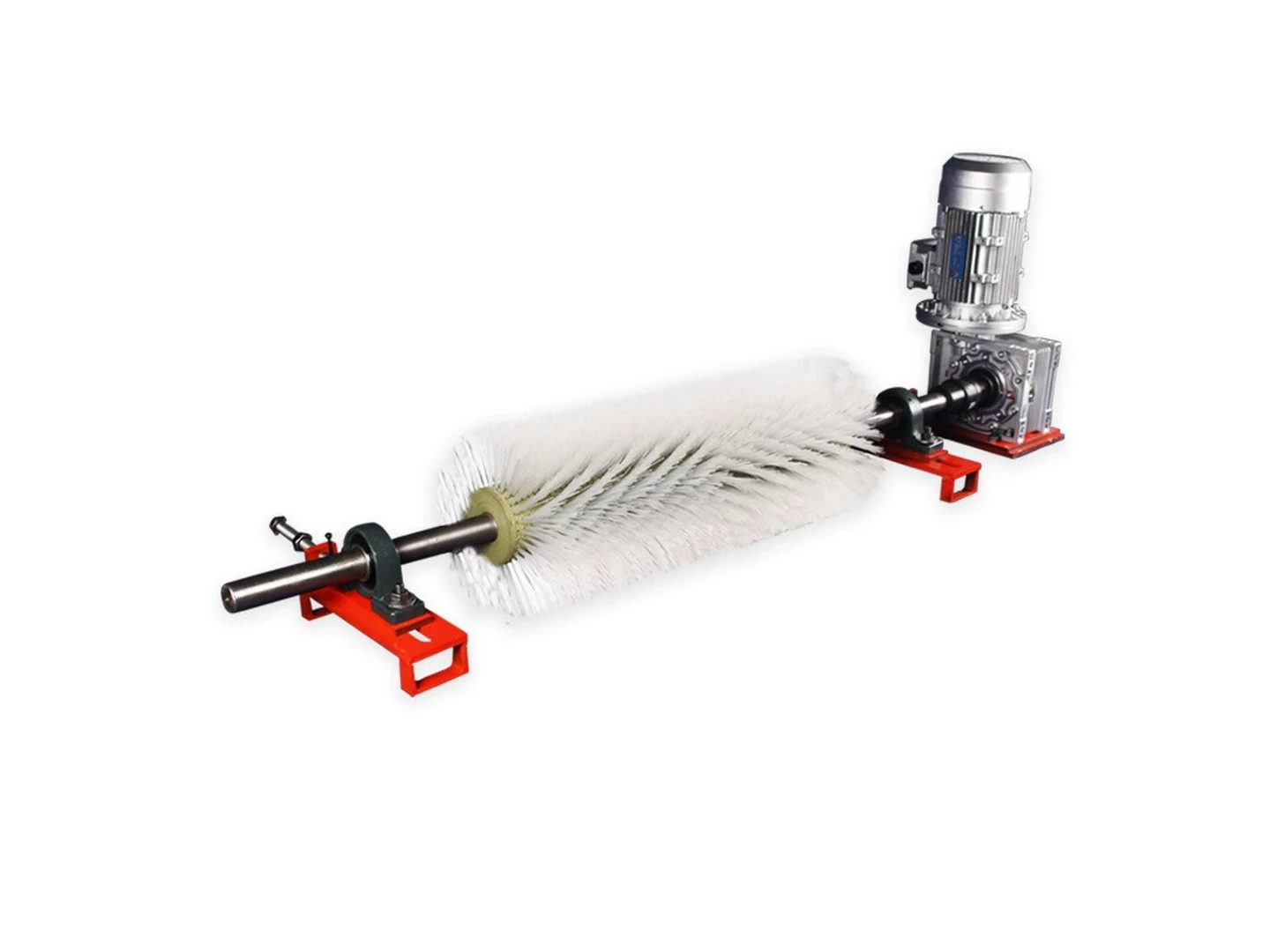
A roller brush is a cylindrical component that rotates around a central shaft or core, delivering controlled brushing, spreading, scrubbing, or material transfer. It is found in equipment ranging from paint applicators and vacuum cleaners to industrial conveyors, printers, and food processing lines. The core can be made of metal, plastic, or composite, and the bristles can be natural, synthetic, abrasive, or a blend. The brush’s performance depends on its diameter, face length, bristle type, density, and mounting design.
Common Types of Roller Brushes
Roller brushes vary by how the bristles are attached to the core, the materials used, and how the brush mounts to the equipment. Here are the most common categories.
Core Structure Types
- Spiral wound brush: A continuous strip of bristle material is wound around the core in a spiral pattern. Good for wide, uniform coverage and easy to manufacture in long lengths.
- Strip brush (coil brush): A metal or plastic channel holds a row of bristles and is wound helically around the core. Allows for individual strip replacement and adjustable fill density.
- Molded core brush: Bristles are fused directly into a plastic or composite core during injection molding. Excellent concentricity and no loose bristles; ideal for precision or high-speed applications.
- Tufted cylinder brush: Bristles are inserted in drilled holes or tufted into a backing that is then wrapped around a core. Offers uniform fill and is common in cleaning and conveyor brushes.
Bristle Materials
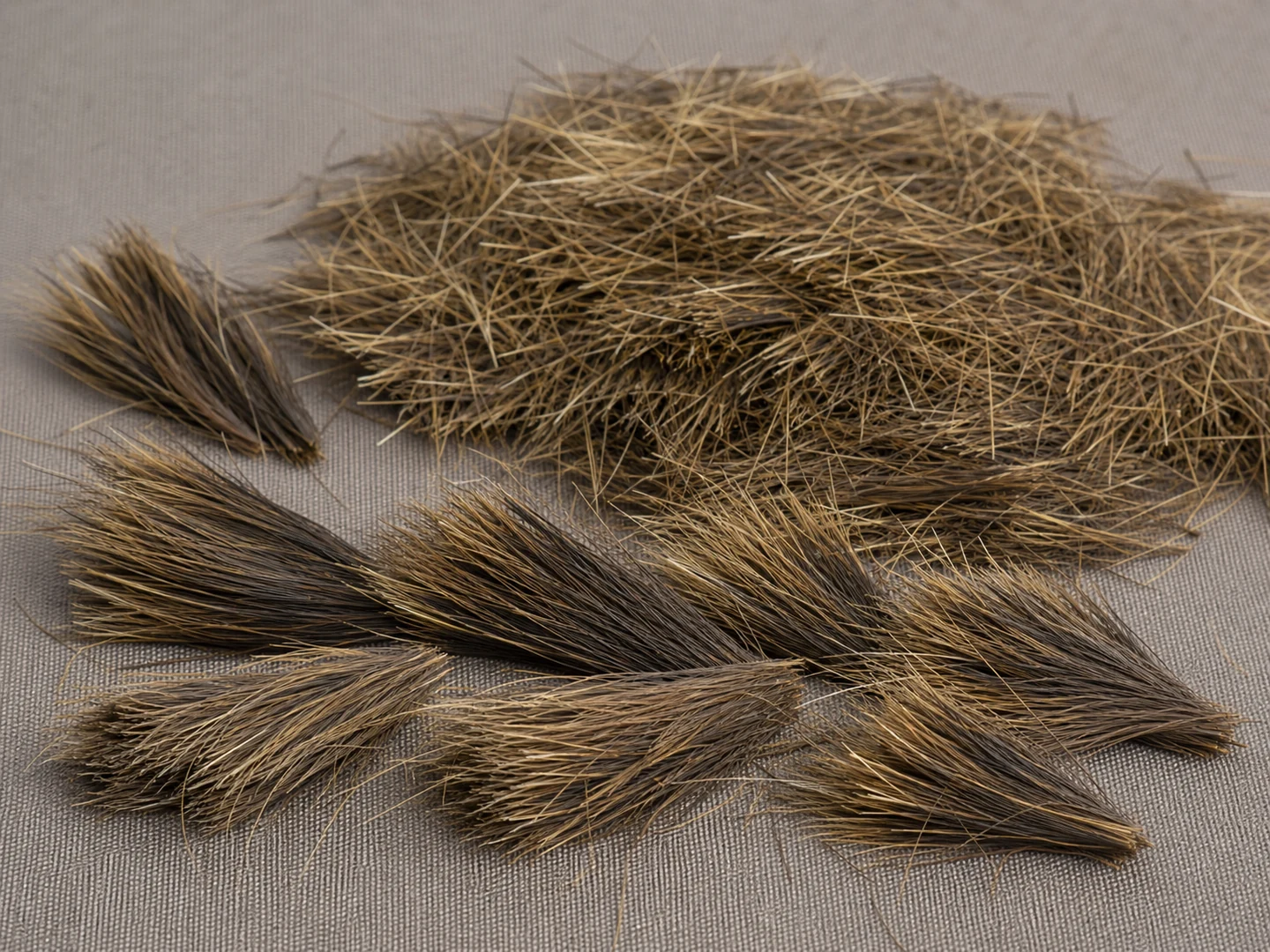
- Natural bristles (e.g., boar, horsehair): Soft, hold paint or liquid well, good for fine finishes, but not suitable for water-based coatings or high temperatures.
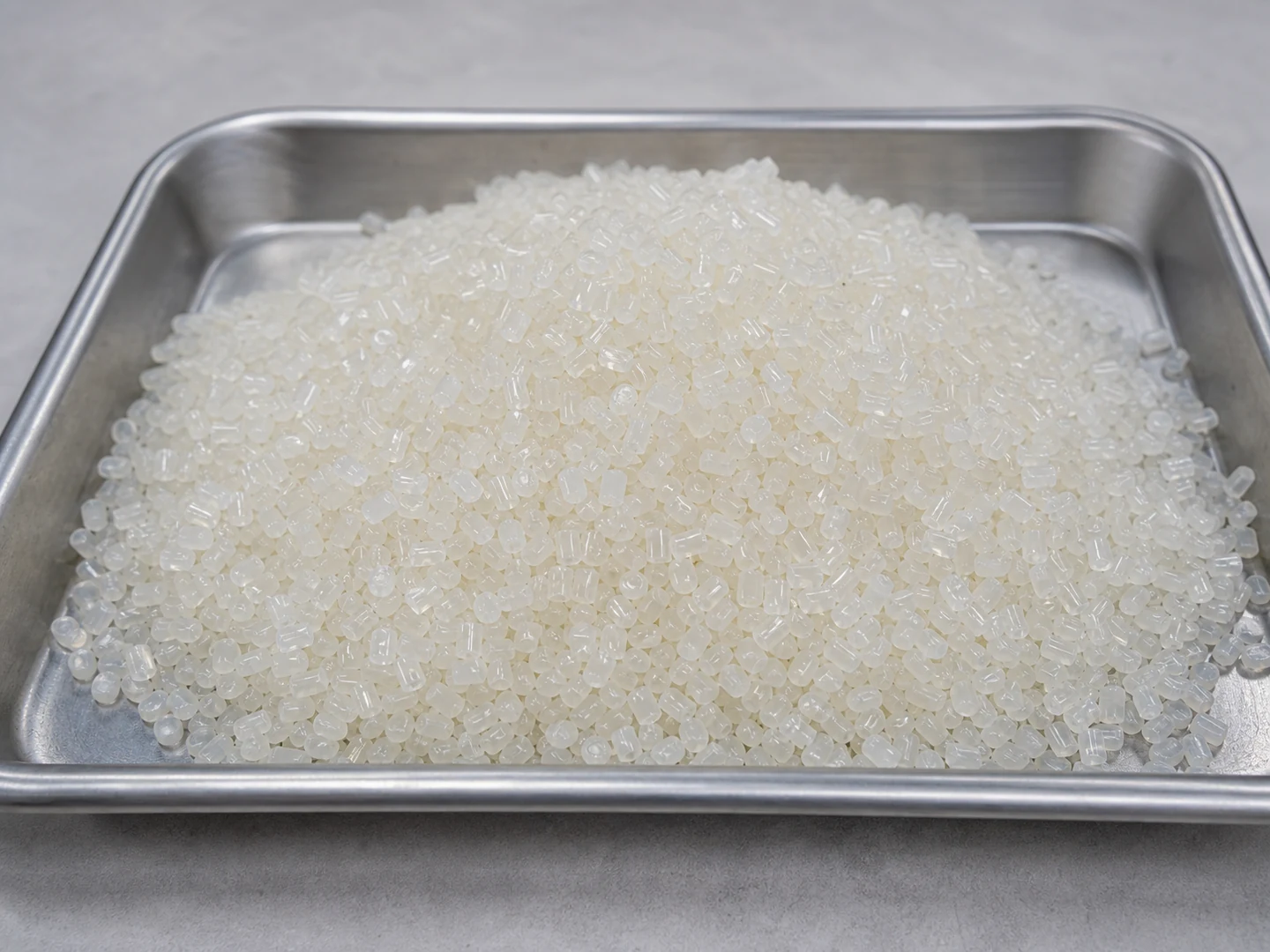
- Synthetic filaments (nylon, polyester, polypropylene): Excellent chemical resistance, abrasion resistance, and flexibility. Nylon is the workhorse; polypropylene is more chemical-resistant but less flexible.
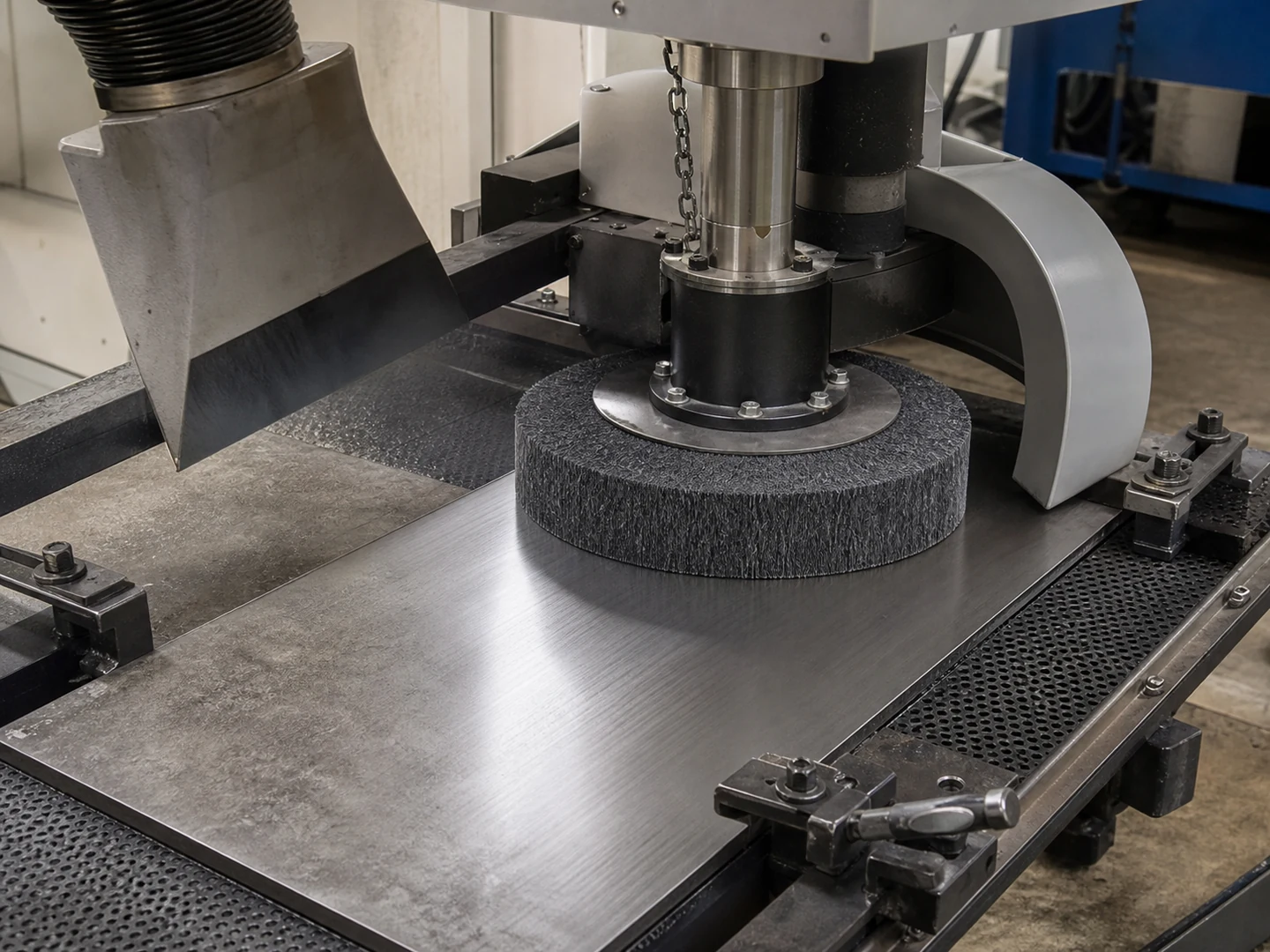
- Abrasive filaments (silicon carbide or aluminum oxide grit): Used for deburring, texturing, or aggressive cleaning. Grit size and bond type determine cut rate and surface finish.
- Metal wire (steel, brass, stainless): For heavy-duty cleaning, stripping, or burnishing. Corrosion resistance and wire gauge affect application fit.
Mounting Methods
- Shaft-mounted: The brush slides onto a keyed or splined shaft. Easy to replace but requires a precisely machined core.
- Bore-mounted: The core has a through-bore with set screws or other locking hardware. Fits directly on a drive shaft.
- Flange-mounted: The brush bolts to a driven flange on the machine. Used where side-load forces are high.
- Quick-disconnect (QD bushing): A tapered bushing system that allows fast brush changes without tools.
Roller Brush Comparison Table
| Type | Typical Use | Bristle Options | Size Range (Diameter × Face) | Maintenance Needs | Relative Cost |
|---|---|---|---|---|---|
| Spiral wound | Painting, light cleaning, spreading | Synthetic, natural, blends | 1″–24″ dia, 1″–144″ face | Low; replace as a unit | $–$$ |
| Strip brush (coil) | Conveyor cleaning, sealing, deburring | Abrasive, wire, synthetic | 2″–36″ dia, 1″–96″ face | Medium; individual strips replaceable | $$–$$$ |
| Molded core | Precision cleaning, medical, electronics | Synthetic, fine abrasive | 0.5″–12″ dia, 1″–48″ face | Low; no loose bristles | $$$ |
| Tufted cylinder | Industrial cleaning, produce handling, scrubbing | Synthetic, natural, wire | 2″–48″ dia, 2″–120″ face | Medium; tufted sections can fail if damaged | $$–$$$ |
| Custom engineered | Unique patterns, food-grade, high-speed | Any | Custom to spec | Varies | $$$+ |
How to Choose the Right Roller Brush: 6 Decision Factors
1. Equipment Interface
Check the shaft diameter, keyway, bore size, and mounting type on your machine. The brush must physically fit and transmit torque without slipping. Measure accurately; even a 0.5 mm difference can cause vibration or failure.
2. Contact Surface and Workpiece
Consider the material you will contact. A soft, delicate surface needs a fine, flexible filament. A rough, uneven surface needs a more aggressive brush that won’t wear out too quickly. The contact footprint—line, area, or edge—determines brush face length and diameter.
3. Residue Type and Cleanability
What are you moving or removing? Wet paint, dry powder, sticky debris, or abrasive grit each require different bristle properties. Bristles must resist buildup and be easy to clean. In some applications, the brush must be non-sparking or anti-static.
4. Operating Environment
Temperature extremes, humidity, chemicals, and washdown requirements dictate material choices. Natural bristles degrade in high heat or moisture. Polyester outperforms nylon in wet environments. Stainless steel cores resist corrosion. Food-grade applications require supported by food-contact documentation materials and sanitary designs.
5. Replacement Cycle and Availability
Estimate brush life based on production hours, material abrasiveness, and required finish quality. Standard sizes and materials are often in stock; custom brushes may have longer production schedules. Plan spare inventory accordingly.
6. Cost vs. Life Expectancy
lowest-cost upfront isn’t always lowest-cost over time. Compare the total cost of ownership: purchase cost + downtime for changes + scrap from poor performance + inventory carrying cost. In many cases, a slightly more expensive brush that lasts twice as long reduces overall cost.
Key Factors That Affect Roller Brush Performance
- Rotational speed (RPM): Too fast can fling product or overheat bristles; too slow reduces effectiveness.
- Pressure and interference fit: How much the bristle bends against the surface determines the contact force and material removal rate.
- Bristle density (fill density): Higher density gives a more uniform finish but can trap debris; lower density is better for thick coatings or cleaning loose material.
- Trim length and pattern: A spiral trim can move material laterally; a straight trim provides even contact. Trim length affects stiffness.
- Direction of rotation: Clockwise vs. counterclockwise can influence material flow direction; be sure the drive motor is set correctly.
Common Mistakes When Selecting a Roller Brush
- Choosing by cost alone: The lowest-cost brush often wears faster, damages product, or creates extra labor costs.
- Ignoring chemical compatibility: Using a nylon brush with strong acids or certain hydrocarbons can cause swelling or failure.
- Overlooking core material: A plastic core may warp under heat or break under high torque; metal cores can rust in wet environments.
- Mismatching the mounting style: Ordering a bore-mounted brush when the machine needs a keyed shaft can delay production for weeks.
- Assuming one size fits all: The roller brush size (diameter and face length) must match the machine’s design envelope—guessing leads to interference or poor contact.
- Neglecting to test: Always test a sample brush under actual production conditions before ordering a full batch, especially for custom requirements.
When a Standard Roller Brush Is the Wrong Choice
Not every problem can be solved with an off-the-shelf roller brush. You should consider a custom drawing or sample when:
- The required diameter, face length, or core bore is not in the standard catalog range.
- The application involves a unique bristle pattern, dual-durometer zones, or mixed materials (e.g., alternating abrasive and soft rows).
- Food-contact, cleanroom, or static-sensitive conditions require specific certifications or materials that standard brushes don’t offer.
- High-speed operation (above 5,000 RPM) demands extreme concentricity and precision balancing.
- You need rapid product changeover features like quick-disconnect hubs or split-shell designs.
In these cases, work with a supplier that can provide detailed drawings, material datasheets, and test samples. Avoid rushing into a purchase without validating the design on your equipment.
Final Takeaway
Start with the equipment interface and operating conditions, then narrow down bristle material, core type, and mounting. Use the comparison table to shortlist standard types. Always test a sample and evaluate total cost of ownership—not just the cost tag. When standard sizes or materials can’t meet your performance or cleanliness requirements, invest in a custom roller brush built around your exact specs.
Frequently Asked Questions
What size roller brush should I choose?
Measure the space available on your machine: the distance between bearings, the shaft diameter, and the clearance around the brush path. Standard diameters range from 1 inch to 24 inches, and face lengths from a few inches to many feet. Match these measurements to a standard size first; if none fit, consider a custom roller brush.
How do I prevent a roller brush from drying out or bristle damage?
For brushes used with liquid coatings, clean immediately after use with the appropriate solvent or water. Store in a sealed container or hang the brush so bristles don’t rest on a surface. Avoid extreme temperatures and direct sunlight that can embrittle synthetic filaments. For dry-use brushes, inspect for embedded debris regularly and clean with compressed air or a de-fuzzing tool.
What is the difference between boar bristle and synthetic bristle roller brushes?
Boar bristle is a natural material that holds paint well and produces a very smooth finish, but it absorbs moisture and can swell, so it’s not recommended for water-based paints. Synthetic bristles (nylon, polyester) are more durable, chemical-resistant, and work with all paint types. They are often the better choice for industrial use.
When should I replace my roller brush?
Replace when bristles are worn down, missing, or matted; when the brush no longer provides the desired finish or coverage; if the core is cracked or out of balance causing vibration; or after a contamination event that cannot be cleaned. Keep a log of operating hours to predict replacement intervals.
Can I use the same roller brush for water-based and oil-based paints?
A synthetic roller brush can be used for both if thoroughly cleaned between types. A boar bristle roller brush is not suitable for water-based paints because it will swell. Check the manufacturer’s chemical compatibility chart for specific coatings.
What type of roller brush is best for fine finishing?
Fine finishing requires a brush with high-density, soft bristles and a short, even trim. A fine roller brush made of synthetic filaments like polyester or a blend, often in a spiral wound or molded core design, will minimize brush marks and deliver a consistent film thickness.
How do I measure a roller brush for replacement?
Measure the overall diameter (OD) of the brush, the face length (the bristled area), the core bore diameter, and the keyway or shaft features. Also note the bristle material, density, and trim length. Provide these specs along with a machine model number when ordering a replacement.
When is a custom roller brush necessary?
A custom roller brush is necessary when the required size, mounting, bristle material, or pattern isn’t available as a standard product. Also when special certifications (FDA, ATEX, etc.) or extreme performance (high RPM, high temperature) require engineered solutions. A custom brush supplier can provide drawings, samples, and validation support.
Which bristle material fits this job — Nylon PA, Boar Bristle or AISI 304 Stainless Steel Wire?
| Material | Continuous temperature (°C) | Peak temperature (°C) | Water absorption | Hardness |
|---|---|---|---|---|
| Nylon PA | 93 | 121 | 0.3–9% by PA grade and conditioning | Medium to firm; filament diameter and trim length control bending force. |
| Boar Bristle | 60–80 | 100–120 | 10–18% | — |
| AISI 304 Stainless Steel Wire | 400 | 500 | 0% | Rockwell B 70–95 depending on temper and cold work |
| Horsehair | 60–80 | 100–120 | 8–15% | — |
Figures as published by Brushtec / DuPont; Alleima. Confirm the exact grade against the supplier datasheet before ordering.
What should replace Roller and Conveyor Brushes for surface finishing?
- Roller and Conveyor Brushes — Roller and conveyor brushes hold cylindrical line contact across a working width, including helix-wound builds where the filament path is set to move loosened material toward one side; a strip brush holds the same line without rotating, so it seals or wipes but cannot carry residue along the width.
- Nylon PA — Compare Nylon PA with PP, PBT, PET. Change material when wet stiffness, temperature, chemical resistance, conductivity, particle shedding, or surface marking becomes the limiting factor.
- Boar Bristle — Compare Boar Bristle with Horsehair, nylon, PBT. Change material when wet stiffness, temperature, chemical resistance, conductivity, particle shedding, or surface marking becomes the limiting factor.
- AISI 304 Stainless Steel Wire — Use AISI 316 stainless steel wire for chloride, marine, dairy, beverage, chemical washdown, or higher pitting-resistance requirements. Use carbon steel for dry aggressive cutting and brass or abrasive nylon for lower marking risk.