What Is Material Substitution in Custom Brushes?
Material substitution means selecting an alternative filament, holding material, or core wire that delivers comparable function to the originally specified material in a custom industrial brush. It often becomes necessary when original materials are unavailable, too costly, or insufficient for the operating environment.
When Is Material Substitution Acceptable?
- Cost reduction without performance loss: A functionally equivalent but less expensive material is available.
- Supply chain constraints: The original material is obsolete or has a long production schedule.
- Performance upgrade: A newer material offers better heat, chemical, or abrasion resistance.
- Regulatory compliance: The original material fails REACH, RoHS, or FDA requirements.
- Customization for niche environments: Special needs like anti‑static or food‑safe properties.
However, substitution is not acceptable when the original material is critical for safety, sterility, or exacting process specifications without thorough re‑validation.
Common Material Substitution Examples in Brushes
| Original Material | Substitute Material | Typical Application | Key Trade‑Off |
|---|---|---|---|
| PA66 (Nylon 6/6) | PA612 (Nylon 6/12) | Wet or humid cleaning brushes | Better moisture resistance, slightly lower tensile strength |
| 304 Stainless Steel Wire | 316 Stainless Steel Wire | Marine or chloride‑exposed brushes | Superior corrosion resistance, higher material cost |
| Natural Tampico Fiber | Polypropylene (PP) Filament | General scrubbing brushes | Consistent supply, less water absorbency, different stiffness |
| Brass Wire | Phosphor Bronze Wire | Spark‑resistant or non‑magnetic brushes | Comparable stiffness, non‑sparking, higher cost |
| Carbon Steel Wire | Stainless Steel Wire | Food or high‑humidity areas | Rust elimination, increased material expense |
How to Propose a Material Substitution to a Supplier
- Define your application requirements: temperature range, chemical exposure, mechanical load, stiffness, and wear expectations.
- Provide a sample, drawing, or detailed specification of the original brush.
- Ask the supplier for an equivalent material recommendation and a datasheet comparing key properties.
- Inquire about any additional testing, certifications, or compliance needs.
- Request a small batch of sample brushes and run them under actual or simulated conditions before mass production.
Understanding Performance vs Cost Trade‑offs
Substituting for cost savings often means trading some performance. Use total cost of ownership (TCO) analysis—not unit cost alone—to evaluate real long‑term impact.
| Consideration | Cheaper Substitute | Higher‑Performing Substitute |
|---|---|---|
| Initial cost | Lower | Higher |
| Service life | Possibly shorter | Often longer |
| Maintenance frequency | May increase | Usually unchanged or reduced |
| Process risk | Higher if properties marginal | Lower, but higher upfront cost |
Involve the end user or process engineer to confirm that any cost‑focused substitution does not introduce unacceptable downtime or quality risks.
When Customer Approval and Testing Are Not Optional
Never substitute materials without written approval from the design owner or end customer in these cases:
- Safety‑critical components (e.g., brushes inside aerospace actuators)
- Food‑contact or medical applications
- High‑temperature processes where melting or outgassing could occur
- Cleanroom or electronic assembly where contamination is unacceptable
- When brush failure could damage high‑value equipment
Typical validation steps include accelerated life testing, chemical immersion, and side‑by‑side comparison with the original material.
Common Mistakes to Avoid When Substituting Materials
- Assuming all grades of a polymer (e.g., nylon) are equivalent
- Overlooking moisture absorption or chemical swelling
- Ignoring regulatory requirements like FDA, EU 10/2011, or ATEX
- Choosing by cost alone without evaluating total lifecycle cost
- Failing to communicate the change to quality assurance and maintenance teams
- Not documenting the substitution in the device master record or spec sheet
Final Takeaway: A Simple Substitution Decision Framework
If the substitute material meets all functional requirements, maintains regulatory compliance, and solves a real problem (cost, production schedule, or performance), go ahead—with proper testing and approval. When the application is critical or performance boundaries are unclear, full validation and customer sign‑off are mandatory.
Real-Use Checks Before Daily Work
Before putting this brush into routine use, test it against the real working condition. Check the first cleaned part or area, the condition of the bristles, and where loosened debris goes after contact. If the result changes when access, residue type, surface sensitivity, brush stiffness, operating environment, and replacement routine changes, document the new setting instead of assuming the same brush will keep working.
A brush should not be used to hide a process problem. If residue returns immediately, if the surface changes more than expected, or if the brush must be forced to reach the target area, review the surrounding method first. In many applications, brushing works best with inspection, rinsing, vacuum support, machine adjustment, chemical compatibility checks, or a small sample trial.
Frequently Asked Questions
Is PA612 always better than PA66 in wet environments?
PA612 offers lower moisture absorption and better dimensional stability, but its tensile strength is slightly lower. It is often preferred for wet cleaning brushes, but the load requirements must still be checked.
Can I replace 304 stainless steel wire with 316 stainless in all brush applications?
Not necessarily. 316 stainless provides better corrosion resistance in chloride‑rich environments but costs more. In most dry or mild settings, 304 performs well and substitution would only add unnecessary expense.
Do I need customer approval for a substitution that improves performance?
Yes, even performance upgrades should be approved to keep documentation consistent and to confirm that the “improved” material does not create unintended side effects (e.g., stiffer filaments scratching a treated surface).
What is the typical cost difference between natural and synthetic bristles?
Natural bristles like tampico can be more expensive and subject to supply variability. Synthetic bristles (polypropylene, nylon) tend to have lower and more stable pricing, though the exact difference depends on diameter and grade.
How can I test a substitute material before committing to production?
Request a small batch of sample brushes from the supplier and run them in your actual application or a controlled lab test. Key tests include wear rate, stiffness retention, and chemical compatibility.
Are there standard guidelines for brush material substitution?
No single standard covers all industrial brushes. Always rely on your application requirements, material datasheets, and close collaboration with the brush manufacturer or supplier.
What if a supplier suggests a material I’m not familiar with?
Ask for a full technical datasheet, references of similar applications, and a trial plan. If the application is critical, involve your materials engineer or a third‑party testing lab.
When is substitution simply too risky?
In food‑grade, medical, or high‑temperature applications where brush failure could cause contamination, injury, or equipment damage. Full re‑validation and design‑owner approval are mandatory before any substitution in these areas.
Which bristle material fits this job — AISI 304 Stainless Steel Wire, Nylon PA or Phosphor Bronze Wire?
| Material | Continuous temperature (°C) | Peak temperature (°C) | Water absorption | Hardness |
|---|---|---|---|---|
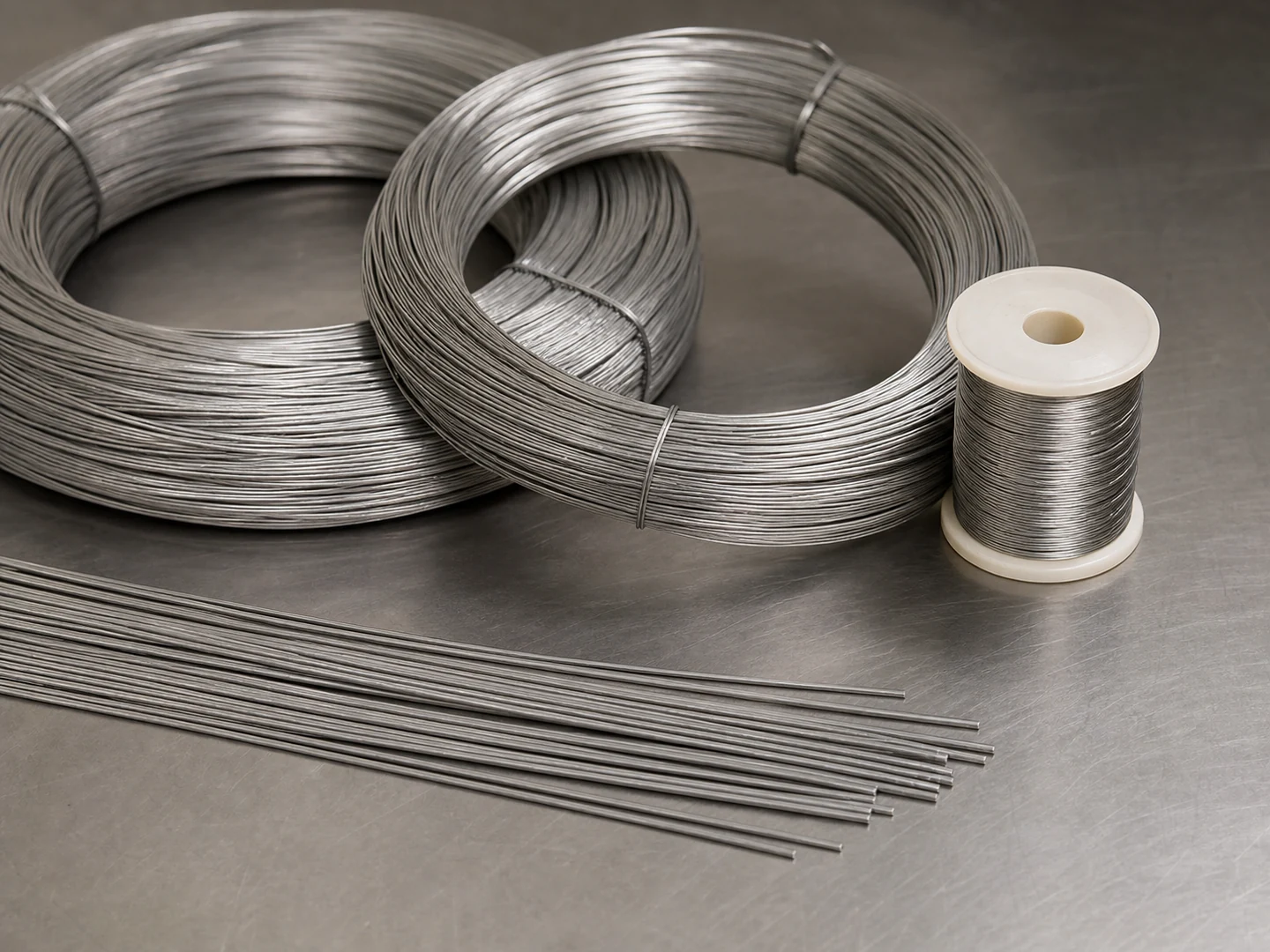
| AISI 304 Stainless Steel Wire | 400 | 500 | 0% | Rockwell B 70–95 depending on temper and cold work |
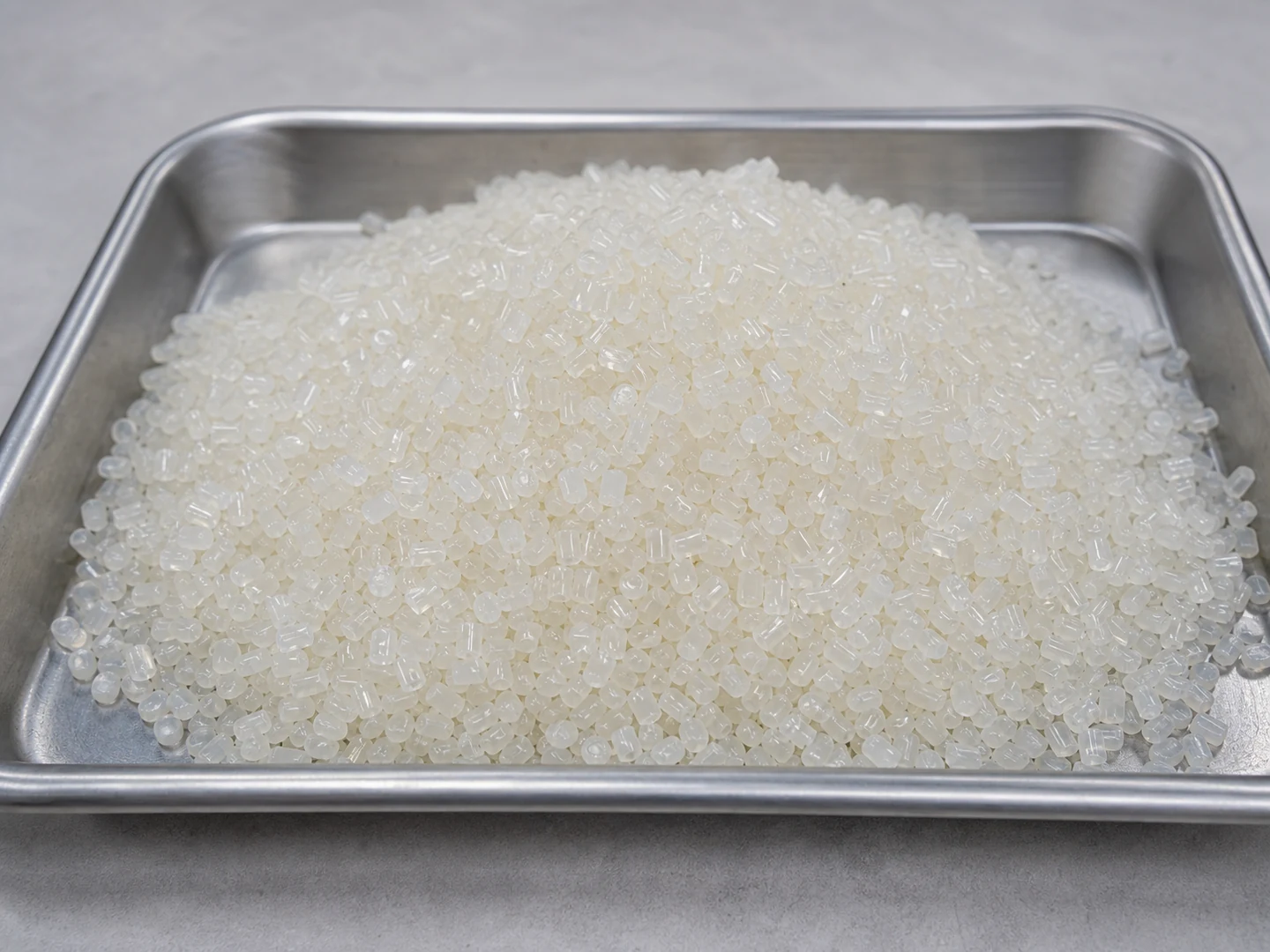
| Nylon PA | 93 | 121 | 0.3–9% by PA grade and conditioning | Medium to firm; filament diameter and trim length control bending force. |
| Phosphor Bronze Wire | 180–220 | 280–320 | 0% | Rockwell B 70–100 |
| Carbon Steel Wire | 200–300 | 350–450 | 0% | Rockwell C 40–60 |
Figures as published by Alleima; Brushtec / DuPont. Confirm the exact grade against the supplier datasheet before ordering.
When is AISI 304 Stainless Steel Wire the wrong choice?
- AISI 304 Stainless Steel Wire — Avoid using AISI 304 as the default in marine, brine, hypochlorite, and persistent chloride environments; use AISI 316 when higher pitting and crevice-corrosion resistance is required.
- Nylon PA — The nylon family spans several grades, so heat, moisture and chemical limits should follow the selected PA resin rather than a generic nylon value.
- Phosphor Bronze Wire — More costly and less aggressive than carbon steel; alloy and temper should be specified for corrosion and contact force.
- Carbon Steel Wire — Not for soft plastic, glass, PCB, coated solar glass or polished paint.
What should replace AISI 304 Stainless Steel Wire when it stops working?
- AISI 304 Stainless Steel Wire — Use AISI 316 stainless steel wire for chloride, marine, dairy, beverage, chemical washdown, or higher pitting-resistance requirements. Use carbon steel for dry aggressive cutting and brass or abrasive nylon for lower marking risk.
- Nylon PA — Compare Nylon PA with PP, PBT, PET. Change material when wet stiffness, temperature, chemical resistance, conductivity, particle shedding, or surface marking becomes the limiting factor.
- Phosphor Bronze Wire — Compare Phosphor Bronze Wire with Compare with brass for softer copper-alloy contact, copper for conductivity and stainless wire for stronger cutting. Change material when wet stiffness, temperature, chemical resistance, conductivity, particle shedding, or surface marking becomes the limiting factor.
- Carbon Steel Wire — Compare Carbon Steel Wire with Carbon steel wire, brass wire, abrasive nylon. Change material when wet stiffness, temperature, chemical resistance, conductivity, particle shedding, or surface marking becomes the limiting factor.