What Does Effective Manufacturer Communication Look Like?
Effective manufacturer communication is the practice of providing complete, unambiguous technical details and context to a supplier so that they can translate your needs into a manufacturable product. It goes beyond a simple description — it includes drawings, material preferences, operating conditions, and quality expectations. When done well, it reduces back‑and‑forth emails, shortens production schedules, and minimizes the risk of receiving a brush that doesn’t fit or perform correctly.
Key Information to Prepare Before Contacting a Brush Manufacturer
Before you pick up the phone or write an email, gather these essential details. Having everything ready helps the manufacturer evaluate feasibility and return a quote faster.
- Brush type: Roller, strip, cylinder, disc, tube, or custom shape.
- Dimensions: Overall length, diameter, brush face width, core size, and any mounting features.
- Filament material: Nylon, polypropylene, horsehair, wire, abrasive, etc. Specify diameter and crimp style if known.
- Backing or core material: Plastic, metal, wood, or composite. Include any chemical resistance needs.
- Operating environment: Temperature range, exposure to chemicals, moisture, or abrasives.
- Performance requirements: Desired stiffness, wear life, or cleaning action.
- Quantity: Prototype quantities and production volumes.
- Special features: End treatments, notches, channels, or conductive elements.
How to Provide Clear Specifications and Drawings
Vague descriptions like “a brush about this big” are a common source of delays. Instead, use the following guidelines to make specifications unambiguous.
Technical Drawings
Whenever possible, supply a dimensioned CAD file or a detailed sketch with tolerances. Critical dimensions should be clearly marked. Even a simple hand sketch with measurements is better than no drawing, but DXF or STEP files are preferred for complex profiles.
Material Specifications
If you know the exact material, provide the trade name and grade. If not, describe the functional requirements (e.g., “must withstand 250°F intermittent heat”) and let the manufacturer recommend a suitable option.
Sample Provision
If you have an existing brush that is close to what you need, send it as a sample. Include notes on what you want to change — longer bristles, different density, etc. A physical sample can communicate things a drawing cannot, such as stiffness and feel.
Communication Methods and When to Use Them
Different situations call for different channels. The table below outlines common methods and their best uses.
| Method | Best for | Limitations | Typical Response Time |
|---|---|---|---|
| Email with attachments | Initial RFQ, detailed specs, formal quote requests | May require follow‑up for clarifications | 1–2 business days |
| Phone / Video call | Complex projects, brainstorming solutions, quick clarifications | No written record unless followed by email | Instant during the call |
| On‑site visit | High‑volume or mission‑critical applications, reverse‑engineering | Time‑consuming; requires coordination | Scheduled per mutual availability |
Common Mistakes That Delay the Quoting Process
Avoid these pitfalls to keep your project on track.
- Vague requirements: Saying “we need a brush for cleaning” without specifying the surface material, contaminants, or speed will lead to a flood of questions.
- Missing tolerances: Brush dimensions that are critical for fit or function should carry a tolerance. Without them, the manufacturer may assume standard tolerance, which might not work for your application.
- Providing only a picture: Photographs are helpful but cannot replace dimensional data. A picture alongside a drawing or sample is ideal.
- Omitting environment details: Forgetting to mention that the brush will be used in a washdown area or near a heat source can result in material selection that fails prematurely.
- Unclear volumes: Not stating whether the order is for 10 prototypes or 10,000 production units affects tooling decisions and pricing structure.
When an On‑Site Visit Becomes Necessary
For many standard custom brush orders, remote communication is sufficient. However, certain situations justify the time and expense of an in‑person visit by the manufacturer’s engineering team:
- Complex machinery integration: When the brush must interact with existing equipment in a precise way, seeing the machine in operation helps avoid interface mistakes.
- Reverse‑engineering legacy parts: If no drawings exist and the old brush is worn beyond measurement, a site visit allows accurate scanning or physical measurement.
- High‑volume or critical applications: For large production runs where failure would be costly, an on‑site review ensures every detail is captured.
- Cleanroom or specialty environments: Understanding contamination control or access restrictions firsthand leads to a more accurate proposal.
Final Takeaway: Building a Productive Manufacturer Relationship
Treat your custom brush manufacturer as a technical partner, not just a supplier. The more precise and transparent you are about your needs, the more tailored and cost‑effective the solution will be. Prepare a complete information package, follow up promptly on questions, and give constructive feedback on samples. This two‑way communication builds trust and often leads to faster turnarounds and better results on future projects.
Frequently Asked Questions
What if I don’t have a CAD drawing of the brush I need?
A clear hand sketch with critical dimensions and tolerances is often enough to start. Many manufacturers can produce a basic drawing for approval from your sketch and description. Sending a physical sample also helps enormously.
Can I send just a sample instead of a drawing?
Yes, a sample is valuable, especially if you need an exact duplicate. However, always accompany it with written notes about any desired changes, the operating environment, and the required quantity. A sample alone can’t tell the manufacturer if the material needs to be upgraded for higher speeds or temperatures.
How do I compare quotes from different brush manufacturers?
Make sure each manufacturer is quoting against exactly the same specifications. Differences in filament grade, tolerances, or testing requirements can lead to apparent cost differences that disappear when you normalize the technical requirements. Ask for a bill of materials if the quote is for an assembly.
What is a realistic turnaround time for a custom brush quote?
For a well‑prepared RFQ with drawings and all necessary details, most manufacturers can provide a budgetary quote within 2–4 business days. Complex projects or those requiring new tooling may take up to two weeks for a firm quote.
Should I share my target cost with the manufacturer?
It can be helpful to give a budget range early, especially if you are comparing multiple options. This allows the manufacturer to suggest cost‑effective materials or production methods. However, avoid sharing exact cost targets if you want an unbiased initial quote.
How do I communicate filament stiffness or abrasiveness requirements?
If you don’t know the exact filament diameter or type, describe the functional need. For example: “The brush must remove baked‑on carbon without scratching a stainless steel surface.” The manufacturer can then propose a suitable filament material and stiffness.
What information accelerates the quoting process the most?
A dimensioned drawing, a clear bill of materials (if requesting an assembly), and the operating conditions (temperature, chemical exposure, duty cycle) are the three things that eliminate the most back‑and‑forth. Providing these upfront can cut quoting time by half.
Technical References
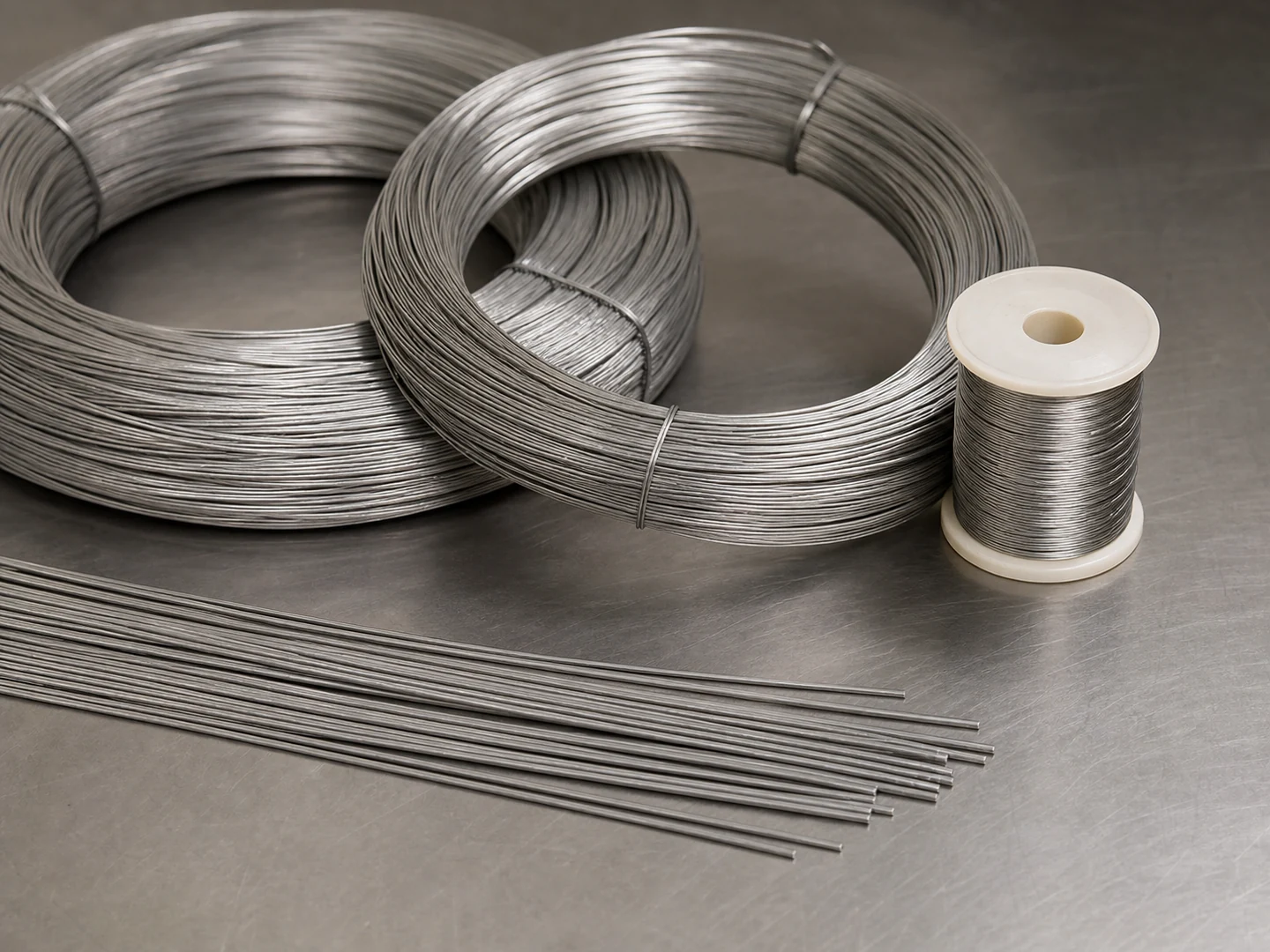
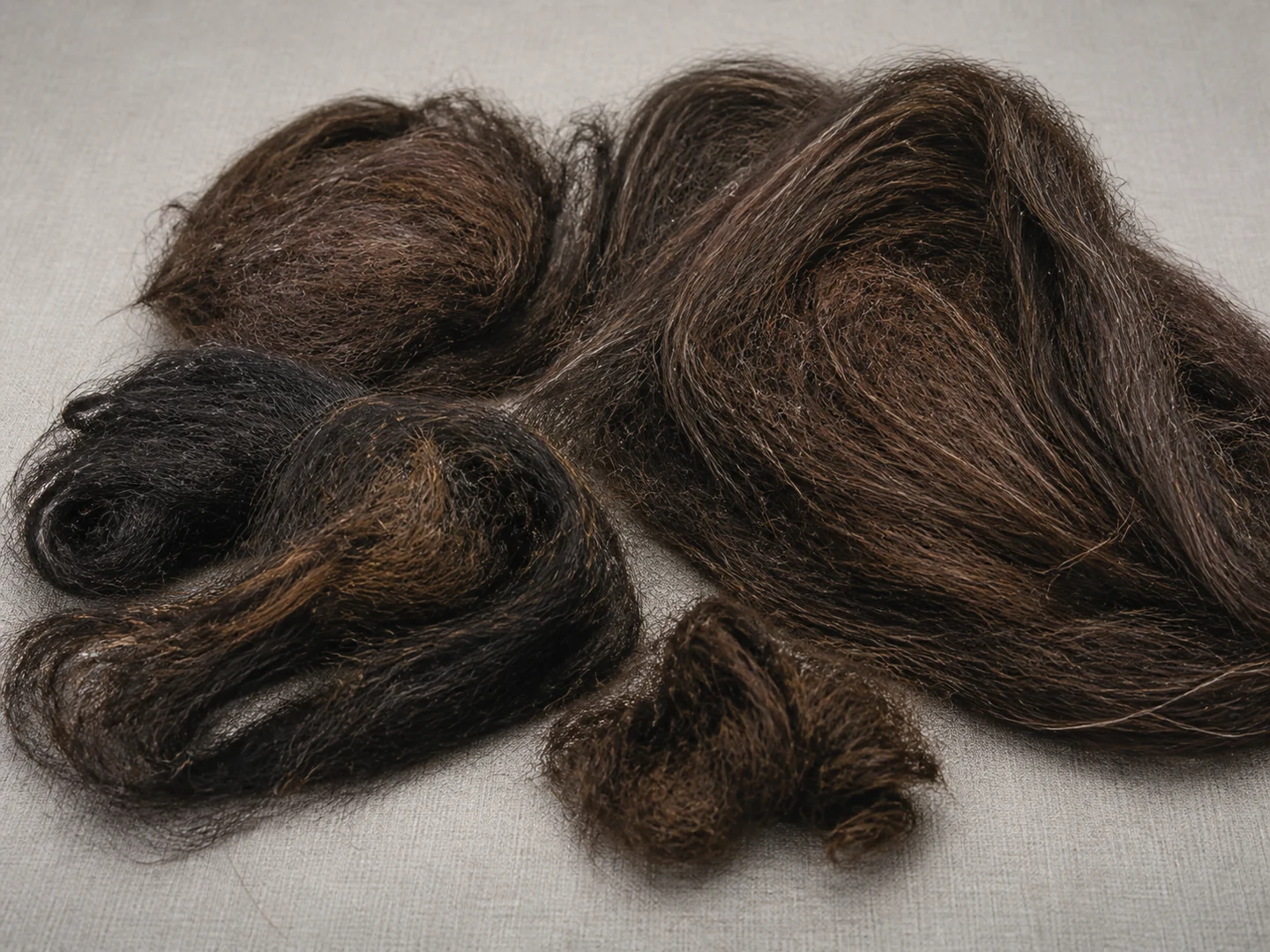
Which bristle material fits this job — AISI 304 Stainless Steel Wire, Horsehair or Nylon PA?
| Material | Continuous temperature (°C) | Peak temperature (°C) | Water absorption | Hardness |
|---|---|---|---|---|
| AISI 304 Stainless Steel Wire | 400 | 500 | 0% | Rockwell B 70–95 depending on temper and cold work |
| Horsehair | 60–80 | 100–120 | 8–15% | — |
| Nylon PA | 93 | 121 | 0.3–9% by PA grade and conditioning | Medium to firm; filament diameter and trim length control bending force. |
Figures as published by Alleima; Brushtec / DuPont. Confirm the exact grade against the supplier datasheet before ordering.
When is AISI 304 Stainless Steel Wire the wrong choice?
- AISI 304 Stainless Steel Wire — Avoid using AISI 304 as the default in marine, brine, hypochlorite, and persistent chloride environments; use AISI 316 when higher pitting and crevice-corrosion resistance is required.
- Horsehair — Not for aggressive scrubbing or wet chemical process cleaning.
- Nylon PA — The nylon family spans several grades, so heat, moisture and chemical limits should follow the selected PA resin rather than a generic nylon value.
What should replace AISI 304 Stainless Steel Wire when it stops working?
- AISI 304 Stainless Steel Wire — Use AISI 316 stainless steel wire for chloride, marine, dairy, beverage, chemical washdown, or higher pitting-resistance requirements. Use carbon steel for dry aggressive cutting and brass or abrasive nylon for lower marking risk.
- Horsehair — Compare Horsehair with Boar bristle, goat hair, microfiber. Change material when wet stiffness, temperature, chemical resistance, conductivity, particle shedding, or surface marking becomes the limiting factor.
- Nylon PA — Compare Nylon PA with PP, PBT, PET. Change material when wet stiffness, temperature, chemical resistance, conductivity, particle shedding, or surface marking becomes the limiting factor.