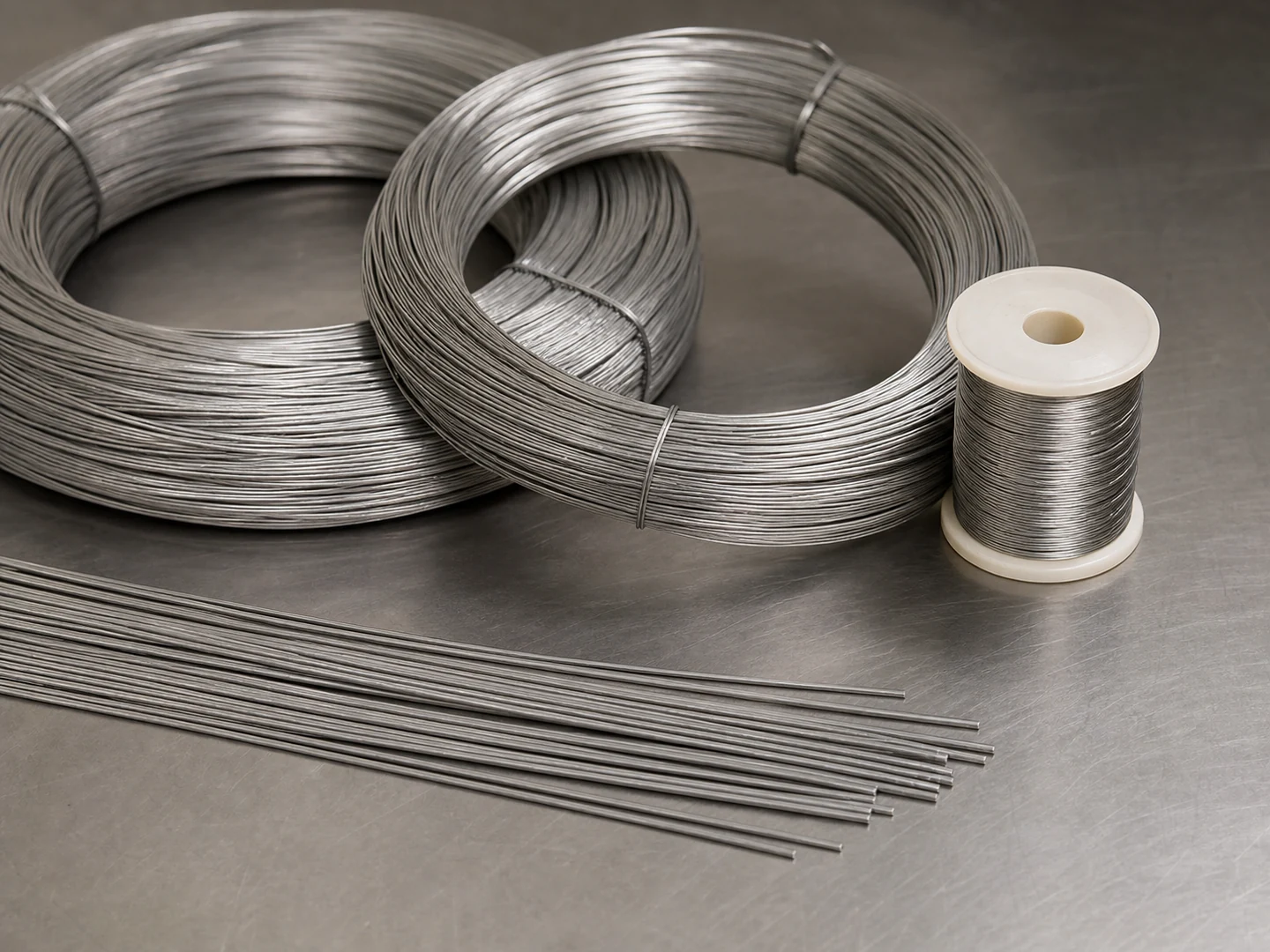
What Is a Stainless Stem Brush Component?
The stainless stem brush component is the central metal core of a brush that holds the bristle material and provides the attachment point to the machine or fixture. In many industrial and food-grade applications, stainless steel is chosen for its corrosion resistance, strength, and cleanability. The stem must be compatible with the surrounding equipment, chemical exposures, and mechanical stresses, making the specification a critical step in any custom brush order.
When a Standard Stainless Stem Is Sufficient
If your brush will operate in a controlled environment—mild chemicals, moderate temperatures, and standard mounting dimensions—an off-the-shelf stainless stem brush may meet all requirements. Standard stems typically come in 304 stainless steel with a plain or threaded end, diameters like 1/4″ or 3/8″, and common lengths. These are readily available from many brush suppliers and often carry lower project quantity requirement requirements and shorter production schedules. For general cleaning, light deburring, or low-cycle manual tools, a standard stem is usually the most cost-effective choice.
Common Customization Options for Stainless Stems
When the application moves beyond basic parameters, customizing the stainless stem can address specific challenges. Typical areas for customization include:
- Material grade: Upgrade to 316 stainless for enhanced chloride resistance, or specify precipitation-hardening grades like 17-4 PH for high strength and moderate corrosion resistance.
- Dimensions: Non-standard diameter, length, or taper to fit proprietary holders or reach into deep cavities.
- End connection: Special thread forms, tangs, eyes, keyways, or quick-disconnect features beyond the typical NPT or straight thread.
- Surface finish: Passivation for chemical resistance, electropolishing for ultra-clean surfaces, or an Ra specification for food-contact or pharmaceutical applications.
- Additional features: Bent stems, welded cross-holes, integrated stops, or custom laser markings.
Each option influences not only performance but also cost, production schedule, and the supplier’s ability to deliver within your timeframe.
Standard vs. Custom Stainless Stem: Quick Comparison
| Feature | Standard Stem | Custom Stem |
|---|---|---|
| Dimensions | Fixed lengths, diameters | Tailored to exact specification |
| Material Grade | Usually 304 stainless | Choice of 304, 316, 17-4 PH, etc. |
| Mounting End | Basic thread or plain shank | Special threads, tangs, eyes, keyways |
| Surface Finish | Mill finish or basic passivation | Passivation, electropolishing, or Ra specification |
| Cost | Lower (stock item) | Higher (tooling, setup, small batch) |
| production schedule | Days (if in stock) | Weeks (engineering + production) |
| Best Use | General cleaning, standard mounts | Harsh environments, tight tolerance, unique machines |
What to Include in a Custom Stainless Stem RFQ
A successful custom stem project starts with a complete specification. When you reach out to a brush manufacturer, provide the following:
- Brush type: (e.g., tube brush, wheel brush, or custom shape) and its intended use.
- Drawing or sample: A technical drawing with all critical dimensions, tolerances, and surface finish notes, or a physical sample if available.
- Stem dimensions: Overall length, working length, diameter, and any diameter transitions.
- Material grade: Specify the exact stainless steel alloy (e.g., 304, 316L, 17-4 PH) and any required certification.
- Mounting interface: Thread type, size, pitch, class, and engagement length; or a detailed description of the non-threaded connection.
- Bristle material and attachment: Information about the bristle type and how it will be secured to the stem (e.g., crimped, epoxied) to ensure compatibility.
- Quantity: Estimated annual usage or batch quantity, which affects tooling amortization and production planning.
- Operating environment: Temperature range, chemicals, moisture, and mechanical loads the stem will face.
- Packaging & documentation: Special packaging to prevent damage during shipment, and any required compliance or test reports.
Providing these details upfront helps suppliers evaluate feasibility, quote accurately, and avoid prolonged back-and-forth.
Common Mistakes When Specifying Custom Stems
- Overlooking diameter tolerance: A stem that is slightly oversized or undersized relative to the holder bore can cause binding or looseness. Always specify the tolerance band.
- Specifying exotic alloy without verifying need: While 316 or 17-4 PH offer advantages, they add cost. Confirm the chemical exposure and strength requirements before upgrading from 304.
- Not clarifying surface finish for sanitary applications: “Clean” is subjective. For food-contact or sterile environments, define the finish (e.g., Ra ≤ 20 µ-in) and passivation treatment.
- Sending incomplete drawings: Missing thread class, root radius, or overall length tolerance forces the supplier to make assumptions, increasing risk.
- Assuming custom always outperforms standard: In some low-stress applications, a carefully selected standard stem may perform identically at a fraction of the cost and production schedule.
When Customization Is Not the Right Approach
Customization adds value only when a standard solution cannot meet the functional requirement. If an off-the-shelf brush with a stainless stem already fits your machine, withstands the operating environment, and meets cleanliness standards, customizing the stem will likely introduce unnecessary expense and delay. Additionally, if the stem is expected to wear out quickly (e.g., in abrasive blasting or high-friction sliding contact), it may be wiser to treat it as a consumable standard part rather than a tailored component. In such cases, work with your supplier to find a stock stem brush that matches your core performance needs and adjust the application parameters if possible.
Final Takeaway: Deciding on a Custom Stainless Stem
The decision to customize a stainless stem brush component comes down to three filters: environment, fit, and total cost of ownership. If your application involves aggressive chemicals, elevated temperatures, or tight mounting clearances that no standard brush can satisfy, a custom stem is worth the investment. Start by documenting every requirement in a clear RFQ, ask your supplier about minimum practical quantities, and always request a pre-production sample for verification. When in doubt, a well-chosen standard stem remains the fastest, lowest-risk path to a reliable brush assembly.
Frequently Asked Questions
What is the most common stainless steel grade for brush stems?
304 stainless steel is the most widely used grade because it offers good corrosion resistance and machinability at a moderate cost. It is suitable for most industrial cleaning and light chemical exposure applications.
When should I upgrade to 316 or a higher alloy?
Choose 316 stainless steel when the stem will be exposed to chlorides, salt water, or aggressive cleaning agents. For high-strength needs at elevated temperatures, 17-4 PH or duplex grades may be more appropriate.
Can I get a custom stem with a bent shape?
Yes, but keep in mind that bending introduces residual stresses and may require post-bend heat treatment or electropolishing to restore corrosion resistance. Discuss the bend radius and angle with your supplier early in the design phase.
How do I specify mounting threads correctly in my drawing?
Include the thread standard (e.g., UNF, metric, NPT), nominal size, threads per inch or pitch, and thread class (e.g., 2A/2B). Also note the length of threaded engagement and any shoulder or relief requirements.
What is the difference between passivation and electropolishing?
Passivation is a chemical treatment that removes free iron and enhances the natural corrosion resistance of stainless steel. Electropolishing removes a microscopic layer of material, smoothing the surface to a very low Ra value—ideal for sanitary or high-purity applications.
Is a custom stem necessary just for high-temperature use?
Not always. Standard 304 stems can handle intermittent exposure up to about 1500°F (815°C) in dry conditions, but long-term operation above 800°F or under thermal cycling may require a more stable alloy. Always share your exact temperature profile with the supplier.
What if I need only a small quantity of custom brushes?
Many brush manufacturers can accommodate low-volume orders, but the per-unit cost will be higher due to setup and tooling amortization. Clearly state your expected quantity in the RFQ and ask about any project quantity requirement thresholds or sample programs.
How do I verify the stem diameter tolerance fits my holder?
Specify the tolerance band relative to your holder bore or chuck, such as -0.002/+0.000 inch for a slip fit. If you’re unsure, provide the exact holder dimensions and let the supplier recommend the fit.
Technical References
Which steel wire grade fits this job — AISI 304 Stainless Steel Wire, AISI 316 Stainless Steel Wire or Carbon Steel Wire?
| Wire grade | Continuous temperature (°C) | Peak temperature (°C) | Water absorption | Hardness |
|---|---|---|---|---|
| AISI 304 Stainless Steel Wire | 400 | 500 | 0% | Rockwell B 70–95 depending on temper and cold work |
| AISI 316 Stainless Steel Wire | 400 | 500 | 0% | Rockwell B 70–95 depending on temper and cold work |
| Carbon Steel Wire | 200–300 | 350–450 | 0% | Rockwell C 40–60 |
| Galvanized Steel Wire | 150–200 | 250–300 | 0% | Rockwell B 70–100 |
Figures as published by Alleima; Material manufacturer TDS / ISO / ASTM / industry reference. Confirm the exact grade against the supplier datasheet before ordering.
When is AISI 304 Stainless Steel Wire the wrong choice for brush orders?
- AISI 304 Stainless Steel Wire — Avoid using AISI 304 as the default in marine, brine, hypochlorite, and persistent chloride environments; use AISI 316 when higher pitting and crevice-corrosion resistance is required.
- AISI 316 Stainless Steel Wire — AISI 316 is not immune to chloride stress-corrosion cracking, concentrated hypochlorite, strong reducing acids, or crevice attack; duplex or higher-alloy grades may be required in severe conditions.
What should replace AISI 304 Stainless Steel Wire for brush orders?
- AISI 304 Stainless Steel Wire — Use AISI 316 stainless steel wire for chloride, marine, dairy, beverage, chemical washdown, or higher pitting-resistance requirements. Use carbon steel for dry aggressive cutting and brass or abrasive nylon for lower marking risk.
- AISI 316 Stainless Steel Wire — Use AISI 304 for general wet service without persistent chlorides. Use duplex, 904L, or higher-alloy wire when AISI 316 is insufficient for chloride stress-corrosion, severe crevice conditions, or aggressive acids.