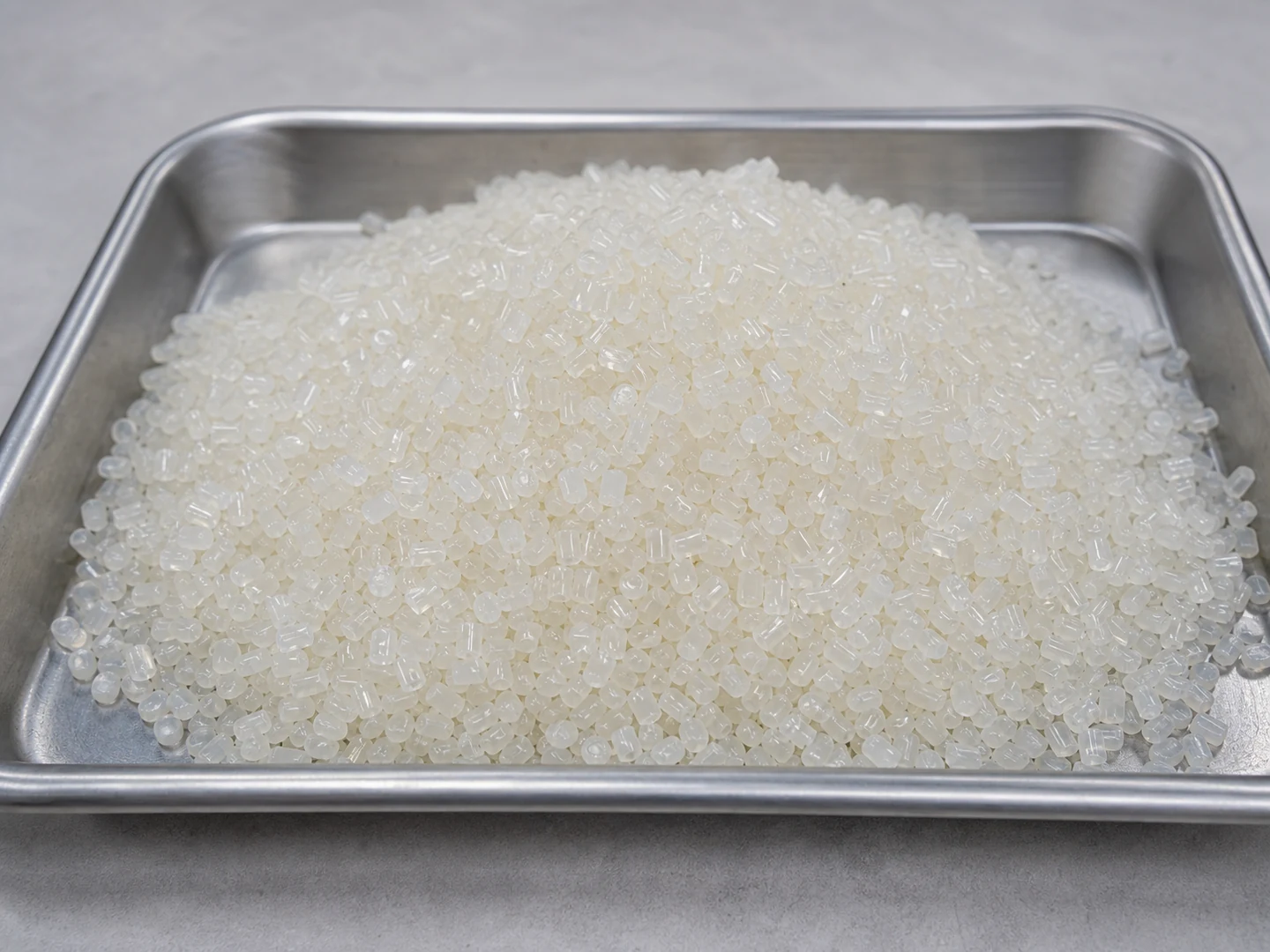
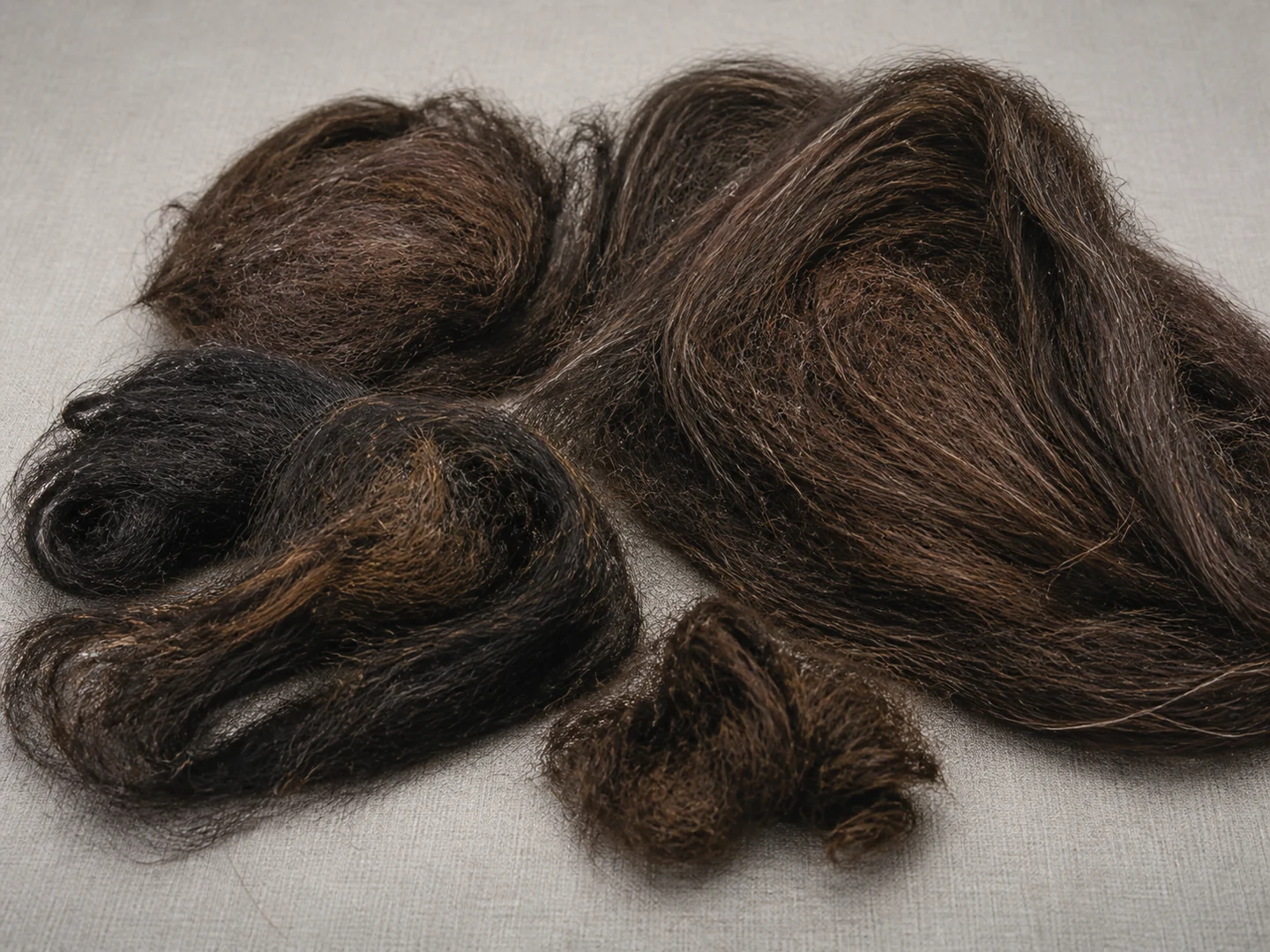
What Is a Plastic Flow-through Core Brush Component?
A plastic flow-through core brush component is a brush in which the central hub or core is made of plastic and designed with openings, channels, or a hollow center that allows media—liquid, gas, powder, or granular material—to flow through while the bristles perform wiping, sealing, cleaning, or conveying. The core is often injection molded or extruded from materials like polypropylene, nylon, or PVC for chemical resistance, lightweight handling, and cost efficiency. Unlike a solid-block brush, the flow-through design prevents pressure buildup and can be used in dynamic fluid environments.
Common Types of Flow-through Core Brush Options
Before detailing an RFQ, it helps to understand the basic variations. Flow-through core brushes can be grouped by:
- Core construction: Spiral-wound strip, molded channel, or fully hollow cylinder with perforations.
- Bristle material: Synthetic (nylon, polypropylene, polyester) or natural (horsehair, tampico).
- Mounting style: Bore‑mounted, shaft‑mounted, quick‑connect flange, or custom adapter.
- Core geometry: Straight, tapered, stepped, or flanged ends.
These categories overlap, and the right choice depends on your application’s flow rate, chemical exposure, temperature, and mechanical requirements.
Key Specifications to Include in Your RFQ
Clear specifications prevent back‑and‑forth and reduce sample iterations. Include this information from the start:
| Specification | What to Provide |
|---|---|
| Overall dimensions | Brush OD, core OD, overall length, and bristle trim length (free‑length). |
| Core material | Plastic type (e.g., polypropylene, nylon 6/6, PVC) and any fillers or additives. |
| Bristle material | Material, diameter (gauge), density (turns per inch or fill pattern). |
| Flow‑through requirements | Open area %, flow rate (CFM or GPM) at a given pressure, or simply a description of the media and expected throughput. |
| Mounting interface | Detailed drawing showing keyway, set screw locations, or bore tolerance if press‑fit. |
| Application environment | Temperature range, chemical exposure, abrasives present, cleanroom requirements, FDA contact. |
| Packaging and documentation | Bulk or individually wrapped, first‑article inspection reports, certificates of compliance. |
If possible, attach a 2D drawing or a solid model of the assembly where the brush will be used. A physical sample of a similar brush also helps.
Core Material Comparison: Plastic vs. Metal for Flow‑through Cores
Plastic cores dominate many flow‑through applications, but metal is sometimes used. Decide early to focus your RFQ on the right material class.
| Factor | Plastic Core | Metal Core |
|---|---|---|
| Weight | Lightweight; reduces inertia on rotating systems. | Heavier; may add load but can be balanced. |
| Corrosion resistance | Excellent with proper material selection; inherent inertness. | Prone to rust unless stainless or coated; can cause galvanic corrosion. |
| Chemical compatibility | Broad range; polypropylene resists acids, nylon resists hydrocarbons. | Limited; specific alloys for specific chemicals. |
| Temperature limit | Usually below 200–250 °F (93–121 °C) depending on resin. | Handles higher temperatures well beyond 400 °F (204 °C). |
| Cost | Lower tooling and material cost for prototype to mid‑volume. | Higher raw material and machining cost. |
| Flow‑through design | Easier to mold complex channels and perforations. | Requires drilling, EDM, or welded construction. |
Choose plastic unless high heat or extreme structural loads demand metal. The RFQ should state the expected operating temperature and chemical exposure so the supplier can confirm resin suitability.
How to Choose the Right Bristle Material for Your Flow‑through Brush
Bristle selection affects wear life, cleaning effectiveness, and compatibility with your process. Key decision points:
- Abrasion resistance: For scrubbing or use in gritty slurries, choose abrasive-filled nylon or thick polypropylene. Finer synthetic bristles work for light wiping.
- Chemical resistance: Cross‑reference chemical compatibility charts. Polyester resists acids; nylon resists alkalis and many solvents; polypropylene is broad‑spectrum resistant.
- FDA / food contact: Use FDA‑compliant nylon, polypropylene, or polyester. Avoid natural fibers that can harbor bacteria unless treated and approved.
- Temperature: Nylon softens above roughly 200 °F; for higher, consider specialty plastics or move to metal core with high‑temp synthetics.
- Stiffness vs. flexibility: Select bristle diameter and trim length to balance contact force and wear.
Request a bristle material sample card if you are unsure; many suppliers can provide one with your RFQ response.
Common RFQ Mistakes When Specifying a Flow‑through Core Component
Avoid these pitfalls that often cause delays or incorrect parts:
- Omitting flow‑through requirements: Saying “flow‑through brush” without stating the media, flow rate, or pressure drop leads to cores with too little open area.
- Ignoring bristle trim length: Specifying only overall OD leaves the working free‑length ambiguous, which affects compliance and wear.
- Neglecting chemical compatibility: Not listing cleaning agents, process fluids, or steam exposure can cause early bristle degradation or core swelling.
- Unclear mounting interface: A vague “10 mm shaft” without tolerance or keyway can result in a loose fit or assembly damage.
- Forgetting temperature limits: Even short‑term exposure to CIP (clean‑in‑place) or sterilization cycles can deform a plastic core.
- Skipping sample approval process: Jumping straight to a full production order without a pre‑production sample risks a batch of useless parts.
When a Standard Brush Is Enough vs. When You Need a Custom Flow‑through Core
Many off‑the‑shelf tube brushes or cylinder brushes have a solid core. A standard brush may work if your process does not require media to pass through the core and your dimensions, materials, and surface finish requirements are common. However, you likely need a custom plastic flow‑through core brush component when:
- The core must handle a specific flow rate or pressure drop.
- You require FDA‑compliant or special polymer materials.
- The mounting interface must mate with proprietary equipment.
- Your operating environment involves aggressive chemicals, high temperatures, or abrasive media.
- You need a non‑standard core geometry (tapered, stepped, flanged) to guide flow.
Custom tooling usually involves a one‑time mold or machined core charge. The RFQ should ask the supplier to separate tooling cost from per‑piece cost so you can evaluate total acquisition cost.
Final Takeaway: Specifying for Success
An effective RFQ for a plastic flow-through core brush component is essentially a clear technical data package. Start with a dimensioned drawing, choose your core and bristle materials based on real operating conditions, specify flow requirements, and define the mounting interface with tolerances. Always request a pre‑production sample and a separate tooling quote if custom. The more precise your specifications, the more accurate the quotation and the smoother the first‑article approval will be.
When a Plastic Flow-Through Core Is the Wrong Choice
This brush is not enough when the main problem is blocked access, unsafe working conditions, damaged equipment, incompatible chemicals, or a process setting that keeps recreating the residue. In those cases, review drawings, dimensions, mounting interface, filament material, stiffness, sample testing, and actual working conditions and confirm the surrounding cleaning method before increasing brush stiffness or contact pressure.
Frequently Asked Questions
What is the typical production schedule for a custom plastic flow-through core brush?
production schedules vary widely depending on the complexity of the core mold, bristle material availability, and order volume. A simple custom core can take a project-specific schedule including first‑article sample approval; more complex designs may take a project-specific schedule. Always ask for a timeline in the RFQ response.
Can I get a sample before committing to a full production order?
Yes, it is standard practice to request a pre‑production sample (often called a “first‑article” or “validation sample”). Some suppliers charge a sampling fee, which is often credited against the production order. The RFQ should clearly state that a sample is required for approval before production.
How do I specify the flow‑through rate in my RFQ?
Provide the expected flow medium (water, air, powder, etc.), the desired flow rate (e.g., gallons per minute or cubic feet per minute), and the maximum allowable pressure drop across the brush. If you have an open‑area percentage target, include that. A drawing of the housing or pipe where the brush will sit also helps the supplier calculate available cross‑sectional area.
What bristle materials are best for food-grade applications?
For food contact, request FDA‑compliant nylon, polypropylene, or polyester. These can be colored and are resistant to many cleaning agents. Some applications also use natural horsehair with appropriate treatment, but synthetic fibers generally offer better sanitary control. Always state if the brush will undergo CIP or SIP cleaning.
How does core material affect cleaning performance?
The core material itself does not directly affect cleaning, but it determines chemical compatibility with cleaning agents and temperature tolerance during sanitation cycles. A plastic core that swells in caustic cleaners or softens under steam will quickly fail. Choose a core resin rated for your cleaning protocol.
Is a plastic core suitable for high-temperature applications?
Standard plastics like polypropylene and nylon are limited to about 200–250 °F (93–121 °C). For higher temperatures, specialty plastics (PEEK, PPS) can handle up to 450 °F (232 °C) but are significantly more expensive. If operating above 400 °F, a metal core may be more practical. Specify your continuous and peak temperatures in the RFQ.
What mounting options are available for flow-through core brushes?
Common options include set‑screw collars, keyway locking, threaded hubs, press‑fit bores, and quick‑release flanges. Provide the shaft or mounting interface dimensions and the required torque transmission. For high‑speed applications, dynamic balancing may be necessary.
How do I ensure the brush fits my existing equipment?
Include a dimensional drawing of the mating part or the brush housing with tolerances. If possible, send a used brush or a plastic model of the assembly for reference. Clearly state any interference or clearance requirements on the core ID and OD.
Technical References
Which bristle material fits this job — Nylon PA, Horsehair or PVC?
| Material | Continuous temperature (°C) | Peak temperature (°C) | Water absorption | Hardness |
|---|---|---|---|---|
| Nylon PA | 93 | 121 | 0.3–9% by PA grade and conditioning | Medium to firm; filament diameter and trim length control bending force. |
| Horsehair | 60–80 | 100–120 | 8–15% | — |
| PVC | 50–70 | 75–90 | 0.04–0.40% | Shore A 70–95 or Shore D 70–85 |
Figures as published by Brushtec / DuPont; Perlon. Confirm the exact grade against the supplier datasheet before ordering.
What should replace Nylon PA when it stops working?
- Nylon PA — Compare Nylon PA with PP, PBT, PET. Change material when wet stiffness, temperature, chemical resistance, conductivity, particle shedding, or surface marking becomes the limiting factor.
- Horsehair — Compare Horsehair with Boar bristle, goat hair, microfiber. Change material when wet stiffness, temperature, chemical resistance, conductivity, particle shedding, or surface marking becomes the limiting factor.
- PVC — Compare PVC with PE board, PP, elastomer, aluminum holder. Change material when wet stiffness, temperature, chemical resistance, conductivity, particle shedding, or surface marking becomes the limiting factor.