What Is a Custom Brush RFQ?
A custom brush RFQ is a formal document sent to manufacturers or suppliers to request pricing and production schedule for a brush made to your unique specifications. Unlike an off-the-shelf purchase, a custom brush requires you to define every critical parameter—from brush type and dimensions to material and application details. The RFQ bridges the gap between your engineering needs and the supplier’s production capabilities.
Essential RFQ Elements at a Glance
Every custom brush RFQ should cover these core categories. Missing any of them often leads to back-and-forth clarification emails, which slow down the quoting process.
| Category | Key Information to Include | Why It Matters |
|---|---|---|
| Brush Type | Strip brush, roller brush, tube brush, disc brush, cup brush, end brush, etc. | Defines the basic construction and manufacturing method. |
| Overall Dimensions | Length, diameter, brush face width, trim length, overall diameter. | Ensures mechanical fit in your assembly or tool. |
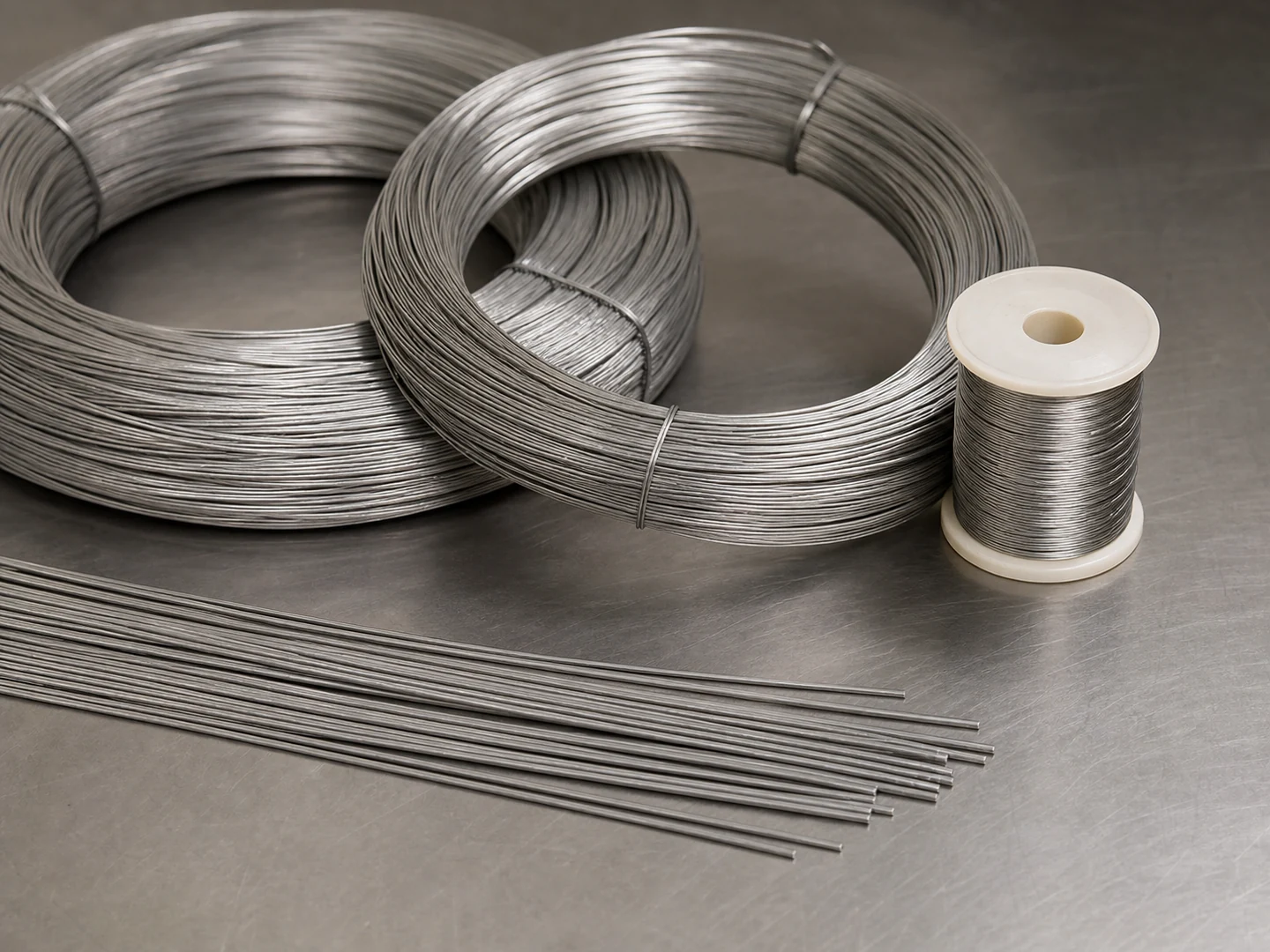
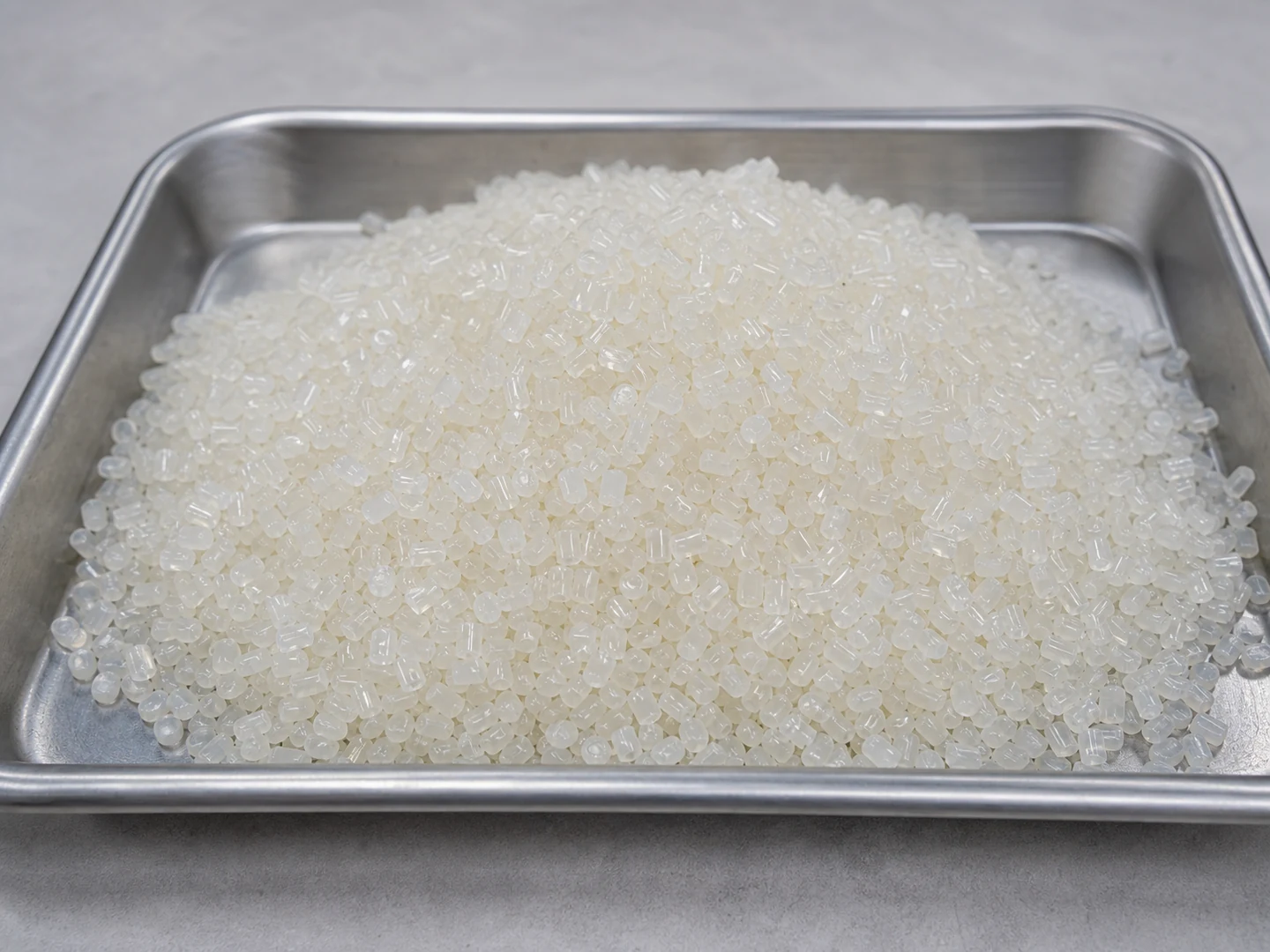
| Filament / Wire Material | Nylon, polyester, polypropylene, abrasive nylon, brass wire, steel wire, stainless steel wire, horsehair, Tampico, etc. | Determines chemical resistance, temperature tolerance, and aggressiveness. |
| Core / Base Material | Plastic, aluminum, steel, stainless steel, wood, etc. | Affects durability, weight, and mounting compatibility. |
| Filament Configuration | Straight, crimped, spiral wound, knot type, density, trim length. | Controls the brushing action and stiffness. |
| Quantity | Initial sample quantity and expected annual usage. | Affects unit cost and production planning. |
| Application Details | What you are brushing, operating speed, pressure, wet/dry, temperature, desired result. | Allows supplier to validate material choice and suggest improvements. |
| Drawings / Reference | CAD file, technical sketch, sample part, photo, or competitor sample. | Eliminates ambiguity and speeds up quoting. |
How to Specify Brush Type and Dimensions
Start by naming the brush type: is it a roller brush, a cup brush, a strip brush? If you don’t know the industry term, a photo or sketch helps. Provide all key measurements with tolerances if critical. For example, a roller brush might require inner diameter (mounting hole), outer diameter, face width, and overall length. A tube brush would need the bristle diameter, bristle length, stem diameter, and overall length. For a cup brush or end brush, thread size and maximum safe RPM often matter. Whenever possible, reference a standard like a drawing number or part number from a previous order.
Material Selection: Filament and Core
Choosing the right filament material is usually the most important technical decision. Here are common scenarios:
- General cleaning or sweeping: Polypropylene or nylon are cost-effective and chemical-resistant.
- Food or pharmaceutical contact: FDA-approved nylon or polyester is required; wire types are usually avoided.
- High-temperature environments: Silicone carbide abrasive nylon or stainless steel wire can handle elevated heat.
- Abrasive or deburring tasks: Abrasive-impregnated nylon, carbon steel wire, or stainless steel wire are standard.
- Delicate surfaces: Horsehair, goat hair, or soft nylon work well.
Core material selection depends on mounting method and environmental exposure. For example, a stainless steel core is needed in wet or corrosive conditions, while aluminum might be chosen for light weight.
Application Details and Operating Environment
Suppliers can help validate your design if you clearly describe the application. Include:
- What material is being brushed (e.g., steel, glass, wood, food conveyor belt)?
- Is the operation wet or dry? Wet conditions may require stainless steel cores and rust-resistant filaments.
- What is the operating speed? High RPM may require a specific filament retention method or balance check.
- What surface finish or result are you trying to achieve? Deburring, polishing, cleaning, static elimination, sealing?
- Environmental factors: temperature range, chemicals, outdoor exposure, electrostatic discharge requirements.
Drawings, Templates, and Documentation
A well-dimensioned drawing is the single most effective way to speed up your RFQ. If you don’t have a formal CAD file, you can create a clear sketch with all critical dimensions labeled. Some suppliers provide drawing templates or RFQ forms on their websites—using these can help you avoid missing information. If your brush is a replacement, include a photo of the original brush next to a ruler, and if possible, send a worn sample. Sample matching can sometimes be faster than drawing from scratch, but it typically works best for simple tube or strip brushes.
Common Mistakes That Delay Custom Brush Quotes
- Missing filament material or diameter. Saying “wire brush” is not enough—specify the wire type and gauge.
- Vague dimensions. “About 12 inches long” may lead to a brush that doesn’t fit. Use exact numbers and unit.
- No application context. A brush for dry dusting is designed differently from one for wet chemical scrubbing.
- Ignoring filament density. The number of tufts or rows affects performance; specify or let the supplier recommend.
- Overlooking attachment details. How does the brush mount? Threaded stud, set screw, keyway, press fit?
- Not providing quantity expectations. Sample pricing differs from volume production pricing.
Sample Matching vs. Drawing: When Each Is Needed
Sometimes sending a physical sample is better than creating a drawing. Use the comparison below to decide.
| Factor | Sample Matching | Technical Drawing |
|---|---|---|
| Best for | Simple shapes, existing replacement brushes, reverse engineering | New designs, complex geometries, tight tolerances |
| Speed | Often faster—supplier can measure and copy | Requires you to create the drawing first |
| Accuracy | May miss subtle internal details or wear effects | Exact when dimensions are correct; no guesswork |
| Risk | Supplier may misinterpret wear or deformation | Errors in your drawing become production errors |
| When to avoid | Proprietary parts, minimal sample quantity, or when tweaks are needed | When you have no way to measure critical features accurately |
For critical applications, combine both: send a sample with a drawing annotating the key features. This reduces ambiguity.
Final Takeaway
A complete custom brush RFQ includes the brush type, exact dimensions, filament and core materials, application conditions, and a clear drawing or sample reference. Avoid vague descriptions and missing data—they only delay your quote. When in doubt, provide more information rather than less, and ask the supplier to confirm feasibility before cutting tooling. With a disciplined RFQ process, you’ll get faster, more accurate quotes and a brush that performs reliably in the field.
When an Incomplete Brush RFQ Is the Wrong Choice
This brush is not enough when the main problem is blocked access, unsafe working conditions, damaged equipment, incompatible chemicals, or a process setting that keeps recreating the residue. In those cases, review drawings, dimensions, mounting interface, filament material, stiffness, sample testing, and actual working conditions and confirm the surrounding cleaning method before increasing brush stiffness or contact pressure.
Frequently Asked Questions
What is the difference between a custom brush RFQ and an RFQ for an off-the-shelf brush?
An off-the-shelf brush RFQ typically requires only a part number and quantity. A custom brush RFQ must define every specification because the product doesn’t exist yet. You’ll need to provide drawings, material choices, and application details.
Do I need a CAD file to get a custom brush quote?
Not necessarily. A clear hand-drawn sketch with dimensions, a photo of an existing brush, or even a written description can work for many suppliers. However, a CAD file or detailed engineering drawing reduces ambiguity and often speeds up the process.
How do I choose between a wire brush and a nylon brush?
Match the filament to your surface and task. Wire brushes (steel, stainless steel) are aggressive and used for deburring, rust removal, or heavy cleaning. Nylon brushes are gentler, resistant to many chemicals, and work well for cleaning, dusting, or food processing. For slightly abrasive but gentle action, consider abrasive nylon.
What if I don’t know the exact material I need?
Describe your application as fully as possible: the material being brushed, operating temperature, chemicals present, and desired finish. A knowledgeable supplier can recommend the correct filament and core. Providing a sample of the surface or contaminant also helps.
Can I ask for a sample before placing a bulk order?
Yes. Most manufacturers offer small-batch samples or prototypes, often at a higher per-unit cost. This is common in custom brush sourcing to validate fit and performance before committing to production volumes.
What’s the typical production schedule for a custom brush order?
production schedules vary widely depending on complexity, materials, and current production schedules. Simple brushes made with common materials might ship in a project-specific schedule, while specialized designs with imported filaments or extensive tooling could take a project-specific schedule or more. Always request a production schedule estimate in your RFQ.
What if my brush dimensions are in metric (millimeters) and the supplier works in inches?
Provide both values on your drawing or clearly state the unit. Most international suppliers handle dual-unit drawings. If only one unit is given, expect conversions to be made, which could introduce slight rounding errors on tight tolerances.
How detailed should my application description be?
As detailed as possible—but focus on factors that affect brush design: speed, pressure, temperature, chemicals, and the exact surface you’re treating. If the brush is used in a machine, describe the motion (rotary, linear, oscillating) and duty cycle. A sentence like “cleaning conveyor belts in a bakery” is less helpful than “dry cleaning of cotton/polyester conveyor belts at ambient temperature, 100 RPM, continuous duty.”
Technical References
Which bristle material fits this job — AISI 304 Stainless Steel Wire, Nylon PA or Abrasive Nylon?
| Material | Continuous temperature (°C) | Peak temperature (°C) | Water absorption | Hardness |
|---|---|---|---|---|
| AISI 304 Stainless Steel Wire | 400 | 500 | 0% | Rockwell B 70–95 depending on temper and cold work |
| Nylon PA | 93 | 121 | 0.3–9% by PA grade and conditioning | Medium to firm; filament diameter and trim length control bending force. |
| Abrasive Nylon | 120 | 150 | 0.1–1.0% | Abrasive filament; stiffness and cutting level is controlled by PA base, grit type, grit size, filament diameter and trim height. |
| Horsehair | 60–80 | 100–120 | 8–15% | — |
Figures as published by Alleima; Brushtec / DuPont; Perlon. Confirm the exact grade against the supplier datasheet before ordering.
What should replace AISI 304 Stainless Steel Wire when it stops working?
- AISI 304 Stainless Steel Wire — Use AISI 316 stainless steel wire for chloride, marine, dairy, beverage, chemical washdown, or higher pitting-resistance requirements. Use carbon steel for dry aggressive cutting and brass or abrasive nylon for lower marking risk.
- Nylon PA — Compare Nylon PA with PP, PBT, PET. Change material when wet stiffness, temperature, chemical resistance, conductivity, particle shedding, or surface marking becomes the limiting factor.
- Abrasive Nylon — Compare Abrasive Nylon with PP, PBT, PET. Change material when wet stiffness, temperature, chemical resistance, conductivity, particle shedding, or surface marking becomes the limiting factor.
- Horsehair — Compare Horsehair with Boar bristle, goat hair, microfiber. Change material when wet stiffness, temperature, chemical resistance, conductivity, particle shedding, or surface marking becomes the limiting factor.