
Custom Cleaning Brush
Stainless Steel Bottle Brush
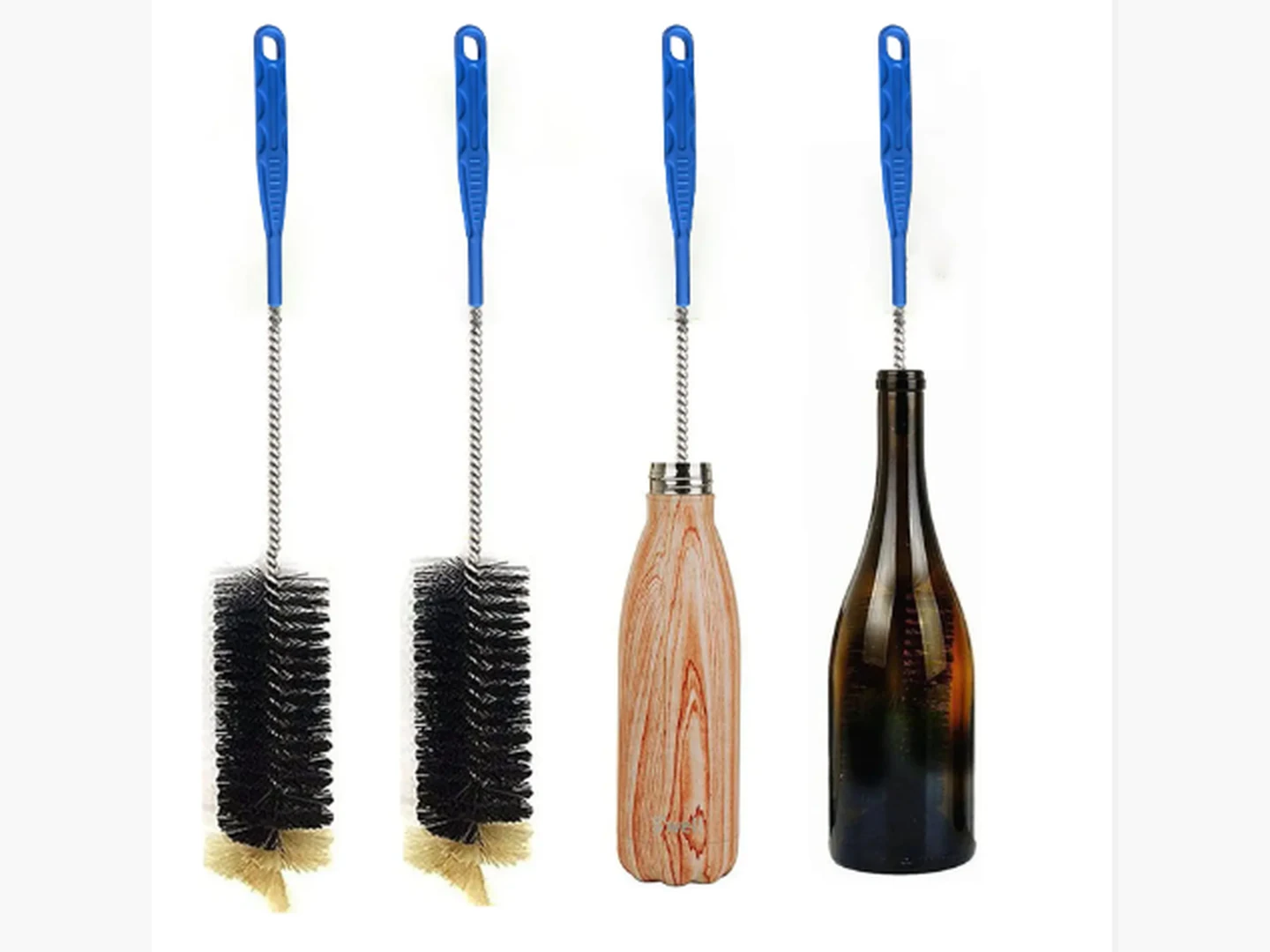
Custom stainless steel bottle brushes with 304/316 wire for hard scale, biofilm, and dried residue inside glass and metal bottles.
Small brush
500 pcs
Minimum order
Held in one hand: tube, bottle, detail and swab brushes — including long-handled ones with a small head.
Production lead time, once the specification is confirmed
- Up to 500 pcsWithin 7 days
- 501–50,000 pcsWithin 14 days
- Over 50,000 pcsWithin 21 days
Peak season can extend these times; the shipping date is confirmed in writing with your quotation. Sampling and shipping are quoted separately.
A stainless steel bottle brush built around 304/316 stainless wire filaments on a twisted wire stem — made to scrub mineral scale, dried beverage film, biofilm, and hardened residues from the inside of uncoated glass and metal bottles, flasks, and containers. The wire fill cuts through deposits that nylon or silicone brushes cannot remove, while the twisted-stem design follows curved necks and bottom transitions.
What can this brush do for you?
Removes Deposits That Soft Brushes Leave Behind
Stainless wire filaments bite into dried beverage residue, beer stone, mineral scale, oxidation, and carbonized deposits that nylon, PBT, or silicone brushes can only slide over. If the container interior needs mechanical scrubbing rather than film wiping, wire fill is the point of the brush.
Follows Curved Necks and Body Contours Without Losing Fill
The center is a continuous double-spiral twisted stainless wire. Filaments are locked between the twists and project radially, so the brush flexes around shoulder curves and neck bends while holding the wire fill in place. The contact surface stays on the wall instead of flattening out at the curve.
Cleans the Sidewall, Shoulder, and Base in One Pass
Filament coverage runs the full working length, and the tip can be finished as a tufted end for the bottom dome, internal threads, or valve seats. One tool reaches from the neck threads to the base without switching brushes.
Won’t Rust or Leave Carbon Steel Contamination Behind
304 and 316 stainless wire resists corrosion in wet, acidic, and sanitizing environments. A stainless fill will not shed rust particles into a cleaned container or transfer carbon steel contamination to stainless process equipment, which makes it suitable for food, beverage, and laboratory handling areas.
Wire Gauge Can Be Matched to the Cleaning Load
Fine 0.10–0.20 mm wire works for soft biofilm, powder, and thin films; thicker 0.40–0.50 mm wire is for hard scale and carbon. The brush can be built around the residue that actually needs to be removed instead of using one all-purpose stiffness.
What is a Stainless Steel Bottle Brush?
A Stainless Steel Bottle Brush is a hand-guided scrubbing tool in which stainless steel wire filaments are held in a twisted stainless wire core. The word stainless in the name describes the brush fill and stem material — not the type of bottle you must clean. The brush is used on unlined stainless steel, glass, ceramic, and bare metal containers, and should not be used on plastic, acrylic, PTFE-lined, or coated interiors.
In operation, the bristled section is inserted through the neck, then worked with short push-pull and rotating strokes. The wire filaments flex as they contact the wall, and the twisted stem lets the brush follow the container profile. Because the fill is metal, it removes material mechanically: it scrapes, lifts, and breaks loose attached deposits rather than wiping them.
This is a mechanical cleaning tool, not a sanitizing device. It removes attached residue; loosened debris still has to be rinsed away, and any required chemical soak, ultrasound, or sterilization step remains a separate part of the cleaning process. A wire bottle brush is also an abrasive contact: it can leave fine marks on softer surfaces and is not a choice for surface-preservation applications.
Technical Specifications
| Parameter | Value / Options |
|---|---|
| Brush diameter | 20–70 mm, measured across filament tips; matched to neck and body ID |
| Filament diameter | 0.10–0.50 mm; finer for light film, coarser for scale and carbon |
| Working length (bristled) | 120–300 mm, adjusted to the interior contact length |
| Overall length | 200–450 mm, including handle and operating clearance |
| Filament material | 304 or 316 stainless steel wire; 316 standard for wet/acidic environments |
| Stem construction | Double-spiral twisted 304/316 stainless wire; single-spiral option for shorter tools |
| Filament projection | 5–15 mm, determined by brush diameter and access clearance |
| End configuration | Plain twist, tufted end, or loop end for caps, threads, and bottom edges |
| Handle | Twisted wire loop, stainless tube, PP/TPE grip, wood, or hanging-hole handle |
| Stem diameter | 2.0–6.0 mm, depending on reach and required flex |
| Temperature | All-metal 304/316 construction tolerates autoclave and hot wash; handle material sets final thermal limit |
| Brush type | Custom Bottle & Container Brushes |
| How it is driven | Hand-guided |
| Cleaning target | unlined stainless steel bottle and insulated container, glass carboy, and brewing and fermentation vessel cleaning |
| Surface or part | containers, glass, metal, necks, flasks, tubes, walls, and bottom transitions |
| Residue or debris | scale, biofilm, powder, mineral scale, protein, salt, beverage residue, and beverage film |
| Mounting / connection | Fixed |
The brush diameter is measured tip-to-tip across the fill. It must pass the narrowest opening the brush will enter, including cap threads or fill ports. Longer bristled sections require a larger stem diameter to keep the working end controllable.
Where does this brush work best?
- Unlined stainless steel bottles and insulated containers — coffee and tea staining, mineral film, protein scale, and dried beverage residue inside water bottles, growlers, thermoses, and food containers.
- Glass carboys, flasks, and laboratory bottles — dried reagent salts, culture residue, and hard water scale where a soft brush cannot lift the deposit.
- Brewing and fermentation vessels — krausen rings, dried wort, kombucha film, and biofilm in glass or stainless fermenters, carboys, and sampling ports.
- Industrial liquid containers — jugs, drums, dispensing containers, and narrow-mouth tanks where dried powder, pigment, cement, or thickened product must be removed before washing.
- Sampling and process accessories — sight tubes, bottle samplers, fill tubes, and other cylindrical metal or glass parts with hardened residues.
How do I choose the right one?
Confirm the container material first
Stainless wire is correct for unlined stainless steel, glass, ceramic, and bare metal. It will scratch plastics, acrylic, PTFE linings, anodized surfaces, and coated interiors. If surface preservation matters, switch to nylon, PBT, or silicone fill.
Measure the narrowest diameter the brush must pass
Record the minimum internal diameter at the neck, threads, shoulder, or fill opening. The brush diameter cannot exceed that size, even if the body is much wider. For narrow necks and wider bodies, combine a smaller brush diameter with a tufted end or longer, more flexible stem so the operator can angle the fill against the body wall.
Match filament diameter to the residue
Fine wire (0.10–0.20 mm) is more flexible, leaves a lighter contact mark, and works for soft film and powder. Medium wire (0.20–0.35 mm) covers general dried residue. Heavy wire (0.35–0.50 mm) is for hard scale, carbon, and thick deposits but is also more aggressive on the container surface. Start with the lightest wire that clears the residue; move up only if production speed or deposit hardness requires it.
Set the reach from the container depth
The bristled working length should cover the full sidewall contact area, and the overall length must let the operator grip the handle while the tip reaches the base. Long slender brushes need enough stem diameter and twist tension to remain controllable; otherwise the working end whips and the fill misses the wall.
Match the grade to the cleaning environment
Use 304 wire for general indoor water and neutral detergent exposure. Use 316 wire when the brush will see salt, fermentation acids, chlorinated wash solutions, or aggressive sanitizers. If the brush must go into an autoclave or hot caustic wash, choose an all-stainless handle and confirm the handle material’s thermal rating.
| Condition | Recommended configuration |
|---|---|
| Soft biofilm, powder, light film | 0.10–0.20 mm wire, plain twist end |
| Dried beverage or protein residue | 0.20–0.35 mm wire, tufted end |
| Hard scale, carbon, oxidation | 0.35–0.50 mm wire, double-spiral stem |
| Narrow neck with wider body | Smaller brush diameter, longer stem, tufted or loop tip |
| Wet, acidic, or sanitizing process | 316 wire and stem, all-metal handle |
| Plastic, coated, or lined container | Do not use wire — select nylon, PBT, or silicone |
Can I customize this brush?
A stainless steel bottle brush must be configured around the container it enters. Provide the minimum neck or opening ID, body ID, interior depth, bottom shape, container material, residue type, cleaning chemical, operating temperature, and preferred handle form. A drawing, sample container, or photo of the opening helps confirm finger clearance before production.
Common adjustable variables:
- Brush geometry — brush diameter, filament projection, bristled working length, overall length, twisted or straight body, tufted tip, loop end, or combined end form.
- Wire fill — filament diameter, 304 or 316 grade, single or double spiral twist pitch, fill density, and wire temper.
- Stem and handle — stem diameter, stem length, stainless steel grade, twisted loop handle, welded tube handle, PP or TPE grip, wood handle, hanging hole, or machine-interface end.
- Interface and marking — custom handle color, pad-printed or laser-marked logo, part number marking, or color-coded identification for size or line separation.
- Packaging — bulk packing, individual polybag, carded retail packaging, or project-specific labeling and grouping.
If your project requires material certificates, documented inspection, surface finish verification, or third-party testing for a specific cleaning process, we can support those requirements as part of the custom configuration.
Which filament survives the cleaning and still lasts on a stainless steel bottle brush?
Will a stainless steel bottle brush scratch my bottle?
On unlined stainless steel and glass, fine stainless wire can remove residue without heavy gouging, but any metal brush can leave light contact marks or a burnished appearance. On plastic, acrylic, PTFE-lined, anodized, or coated surfaces, stainless wire will scratch or cut the surface. If visible marking is not acceptable, use a nylon, PBT, or silicone bottle brush instead.
How do I know the brush will pass through the neck?
Measure the narrowest internal opening the brush must enter, including threads and shoulder restrictions. The brush diameter measured across the filament tips should be equal to or slightly smaller than that opening. Test the first article by inserting the brush with normal hand force; if the filaments fold back more than about 45 degrees and do not recover, the fill is too large for that entry.
What is the practical difference between 304 and 316 wire?
Both are corrosion-resistant stainless grades. 316 contains molybdenum, which gives better resistance to chlorides, salt, fermentation and fruit acids, and many sanitizing chemicals. If the brush will be used in wet, acidic, or saline cleaning conditions, specify 316 wire and stem. For indoor use with plain water or mild detergent, 304 is usually sufficient and more economical.
How do I inspect a wire bottle brush before or during use?
Check the fill for loose, flattened, or broken filaments. Rotate the brush under good light and look for gaps in the spiral, bent wires, or a stem that is kinked or rusted. Pull lightly on the handle and tip; if the twists have loosened and filaments slide out, replace the brush. After use, confirm no loose wires remain in the container before refilling or closing it.
Can this brush be sterilized or autoclaved?
An all-metal configuration with 304/316 wire, wire stem, and stainless handle can be autoclaved and will tolerate hot caustic or sanitizing wash cycles. Configurations with PP, TPE, or wood handles are limited to the thermal and chemical rating of the handle material. Specify autoclave or CIP use early so every component, not just the fill, is selected for that exposure.
Does this brush replace soaking or chemical cleaning?
No. The wire fill mechanically breaks attached residue free, but it does not dissolve scale, sanitize the surface, or remove material from blind crevices. Loosened debris must be rinsed away, and any required soak, ultrasonic, or chemical sanitizing step still needs to be performed. Use the brush as the mechanical step within a complete cleaning sequence.
Guides that go deeper on this
RELATED BRUSH RESOURCES
Recommended Reading & Related Brush Resources
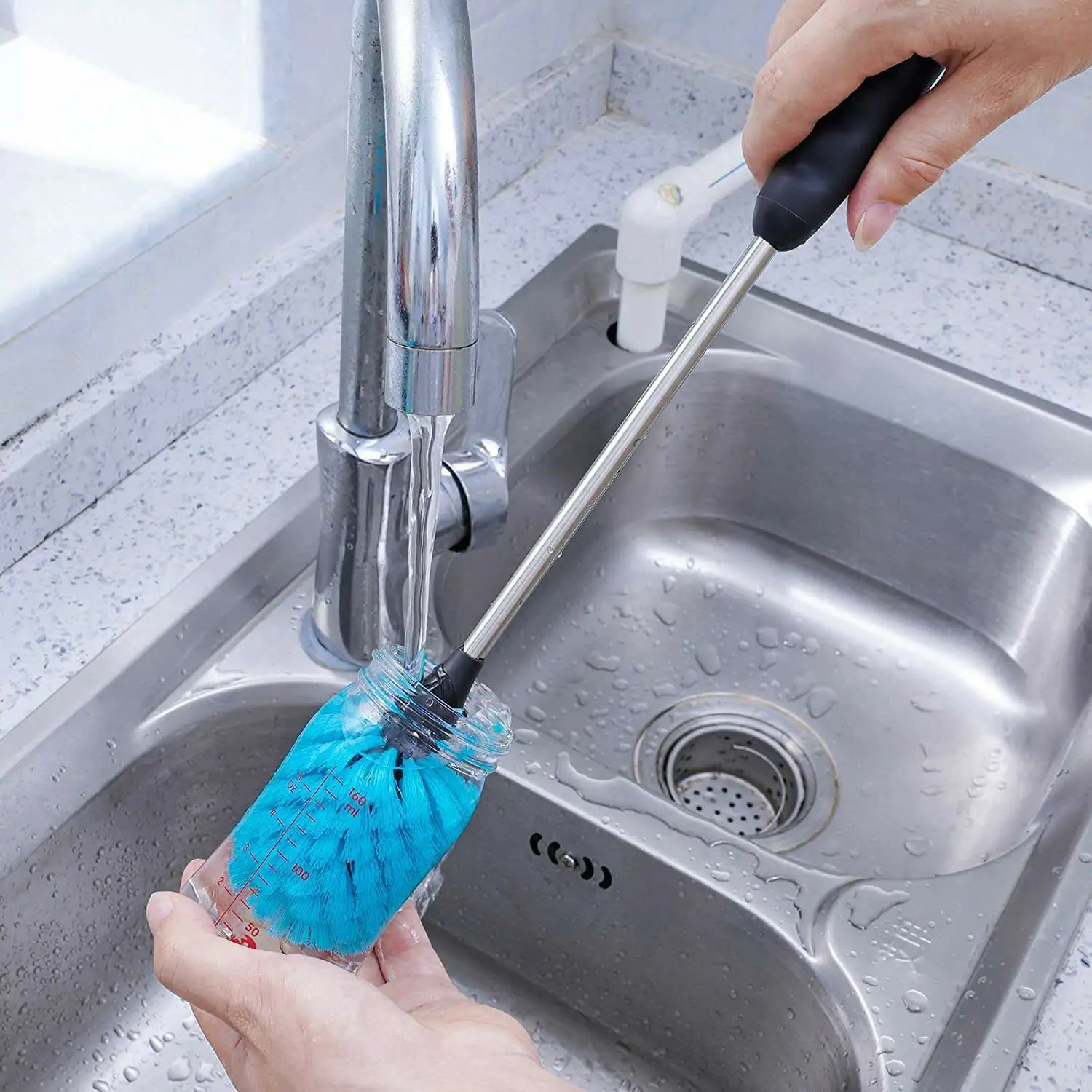
Custom Bottle & Container Brushes
Choose a bottle or container brush when the head must pass through an opening…
See how this type is builtBottle & Container Cleaning
For Bottle & Container Cleaning, the brush must reach the working area, disturb or…
See the cleaning job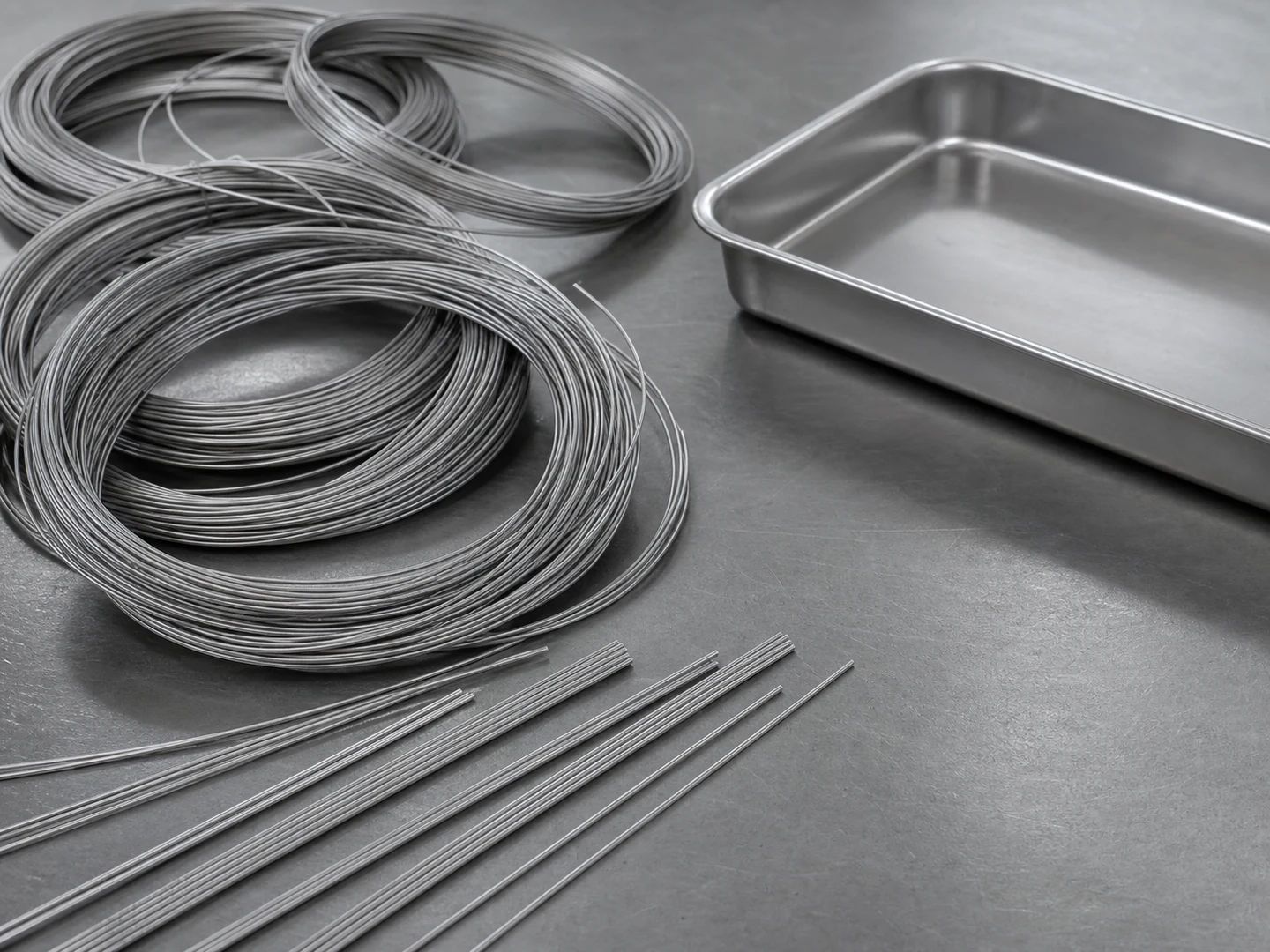
AISI 316 Stainless Steel Wire
Choose AISI 316 Stainless Steel Wire based on its stiffness, recovery, wear, wet-service, chemical,…
Compare this material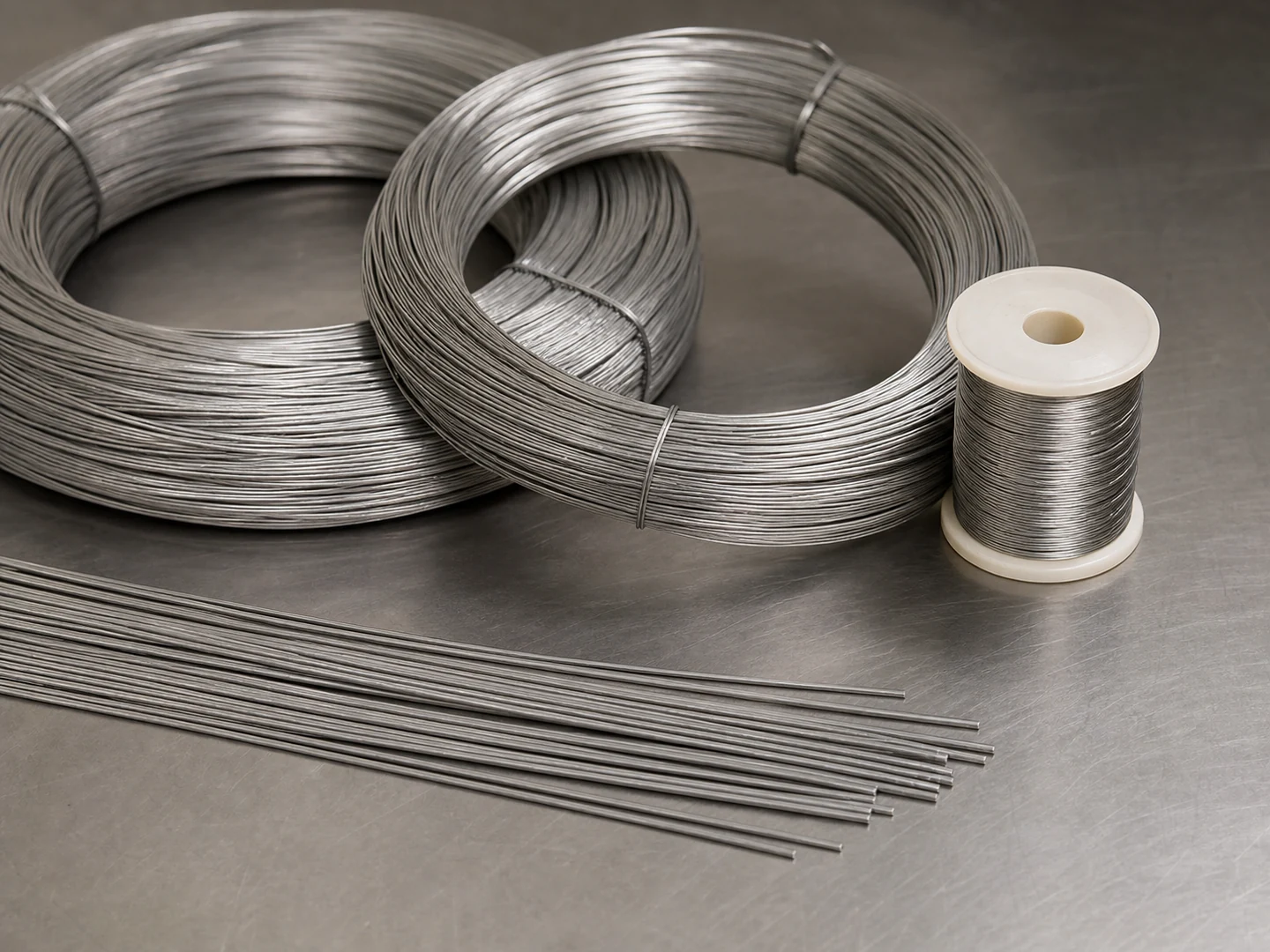
AISI 304 Stainless Steel Wire
Choose AISI 304 Stainless Steel Wire based on its stiffness, recovery, wear, wet-service, chemical,…
Compare this material
Silicone
Choose Silicone based on its stiffness, recovery, wear, wet-service, chemical, and temperature behavior. Do…
Compare this material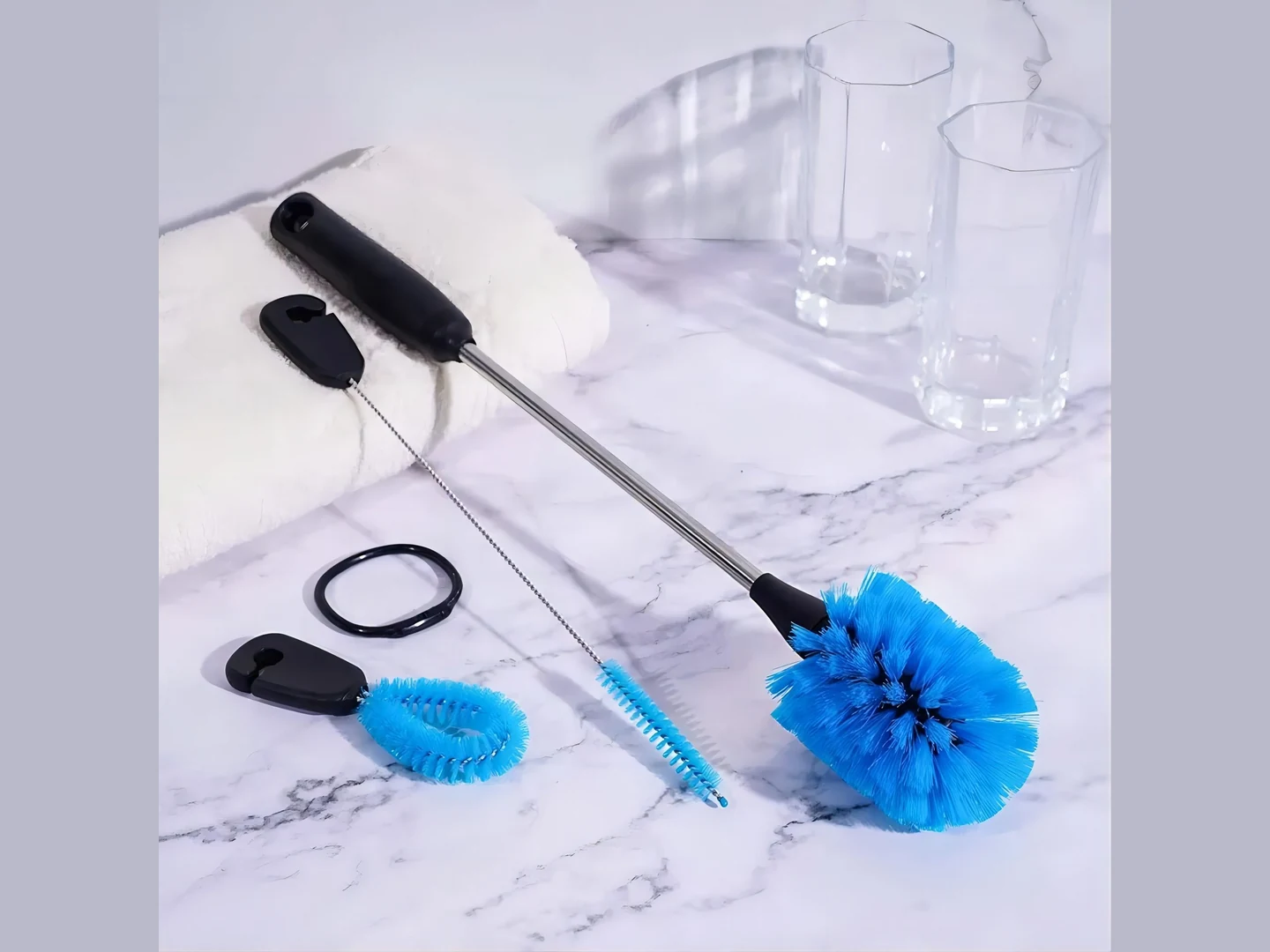
Stainless Steel Bottle Cleaning Brush Kit
Multi-brush kit with stainless steel twisted-wire cores and nylon bristles for cleaning bottle interiors,…
Compare the specification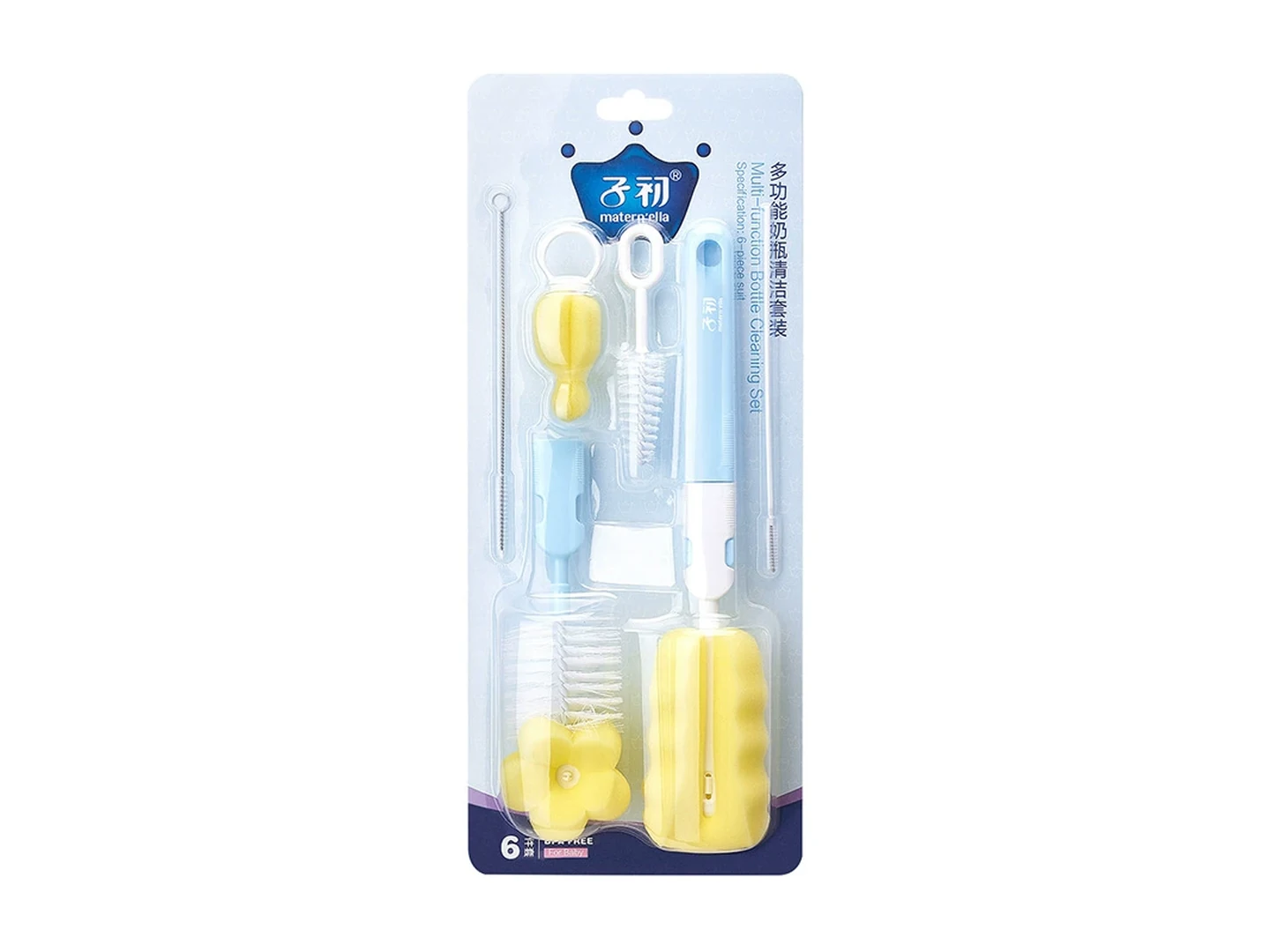
Baby Bottle Brush
Custom baby bottle brush for feeding products. Soft PBT or silicone bristles, sterilizable design,…
Compare the specification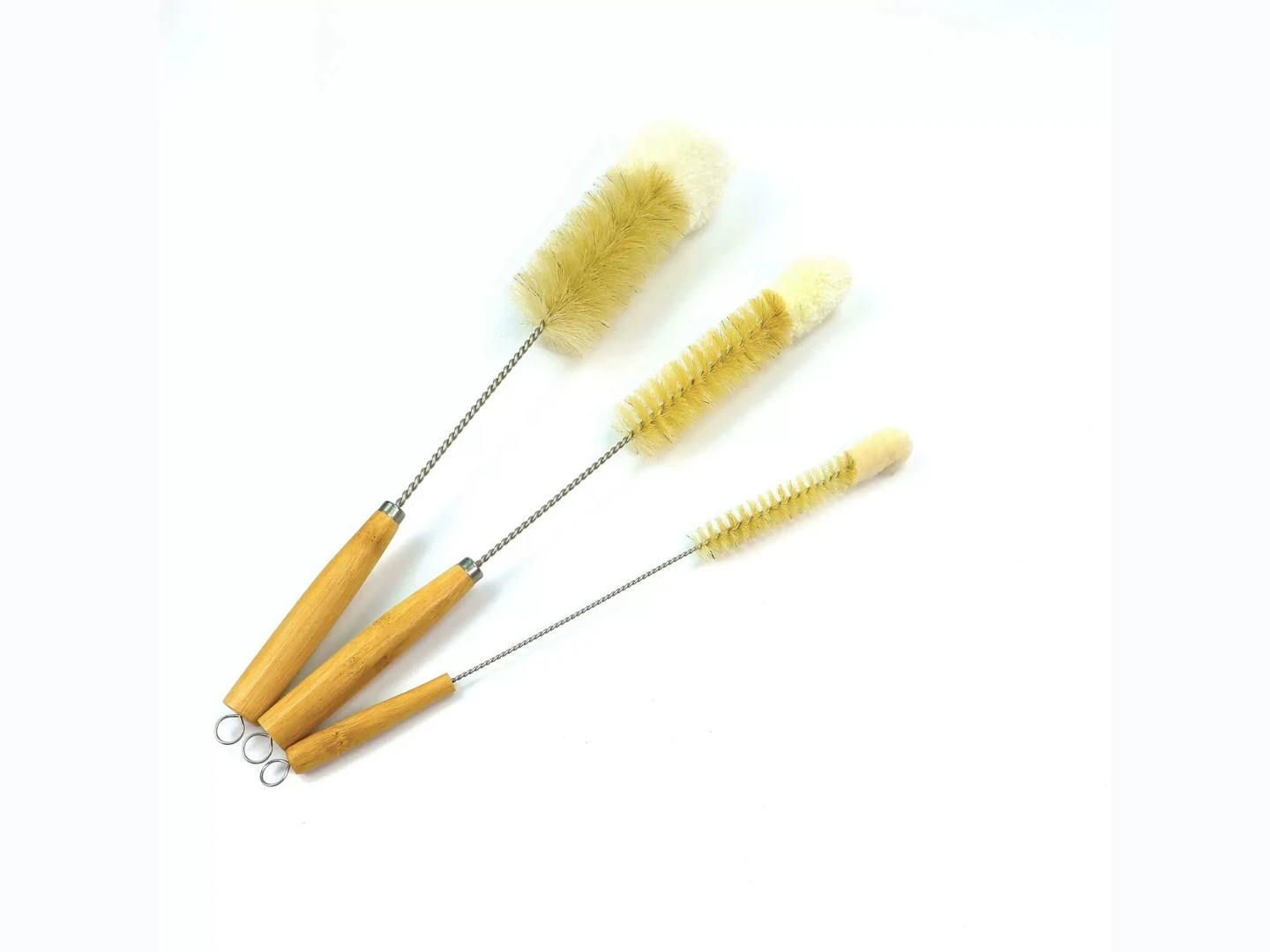
Boar Bristle Bottle Brush
Soft natural boar bristle bottle brush for scratch-free cleaning of narrow-neck bottles, decanters, and…
Compare the specificationCustom Manufacturing RFQ
Describe Your Application
To prepare the correct quotation, provide the dimensions, cleaning task, residue, material, mounting details, quantity, and a drawing or photo.
Drawing or photo optional — it speeds things up, it does not gate the enquiry.
Custom Brush RFQ
Send Your Brush Project
Upload a drawing, product photo, or sample photo and provide the core dimensions and cleaning conditions.
“We need a brush to remove wet residue from a stainless steel conveyor, about 800mm wide. The current brush wears quickly. We can send photos.”
“We sell drinkware and need a cleaning brush to include with the product. Quantity around 5,000 pieces.”