
Custom Cleaning Brush
Stainless Steel Bottle Cleaning Brush Kit
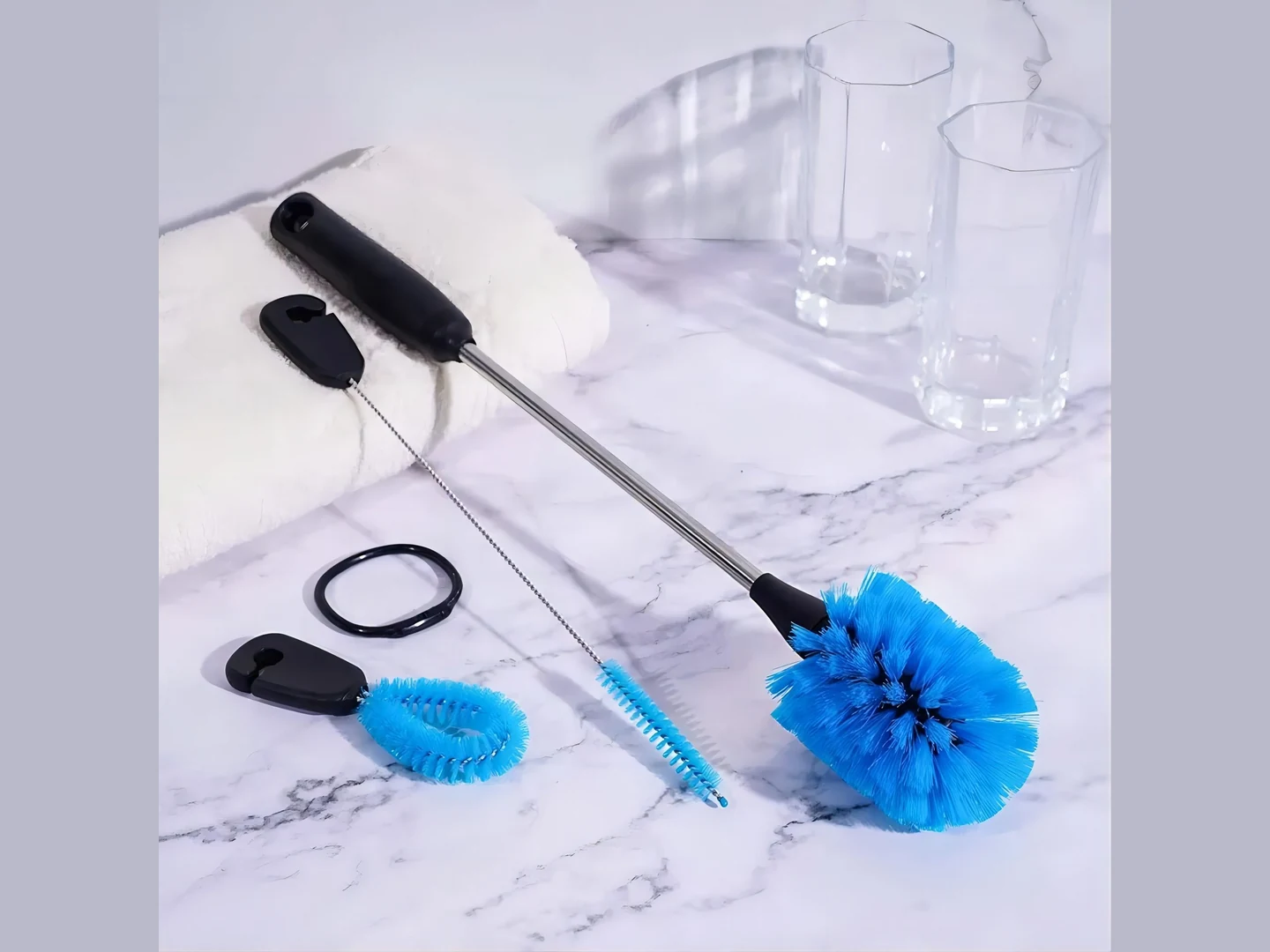
Multi-brush kit with stainless steel twisted-wire cores and nylon bristles for cleaning bottle interiors, necks, threads, and valves.
Small brush
500 pcs
Minimum order
Held in one hand: tube, bottle, detail and swab brushes — including long-handled ones with a small head.
Production lead time, once the specification is confirmed
- Up to 500 pcsWithin 7 days
- 501–50,000 pcsWithin 14 days
- Over 50,000 pcsWithin 21 days
Peak season can extend these times; the shipping date is confirmed in writing with your quotation. Sampling and shipping are quoted separately.
A multi-brush cleaning set built around stainless steel twisted-wire cores for reaching bottle interiors, narrow necks, shoulders, bases, and threaded components. Nylon bristle tufts and polypropylene handles deliver firm, rinseable scrubbing on beverage film, biofilm, powder residue, and odor deposits in reusable drinkware, laboratory vessels, and dispensing equipment.
What can this brush do for you?
One kit covers full bottle geometry
Instead of buying separate brushes for wide-mouth jugs, narrow-neck bottles, caps, and valves, the kit includes multiple brush sizes and head forms — typically a large body brush, a medium bottle brush, a small neck/detail brush, and a straw or tube brush. Each brush handles a different access path, so your cleaning station has the right tool for every container without extra sourcing.
Stainless steel core resists bending and corrosion
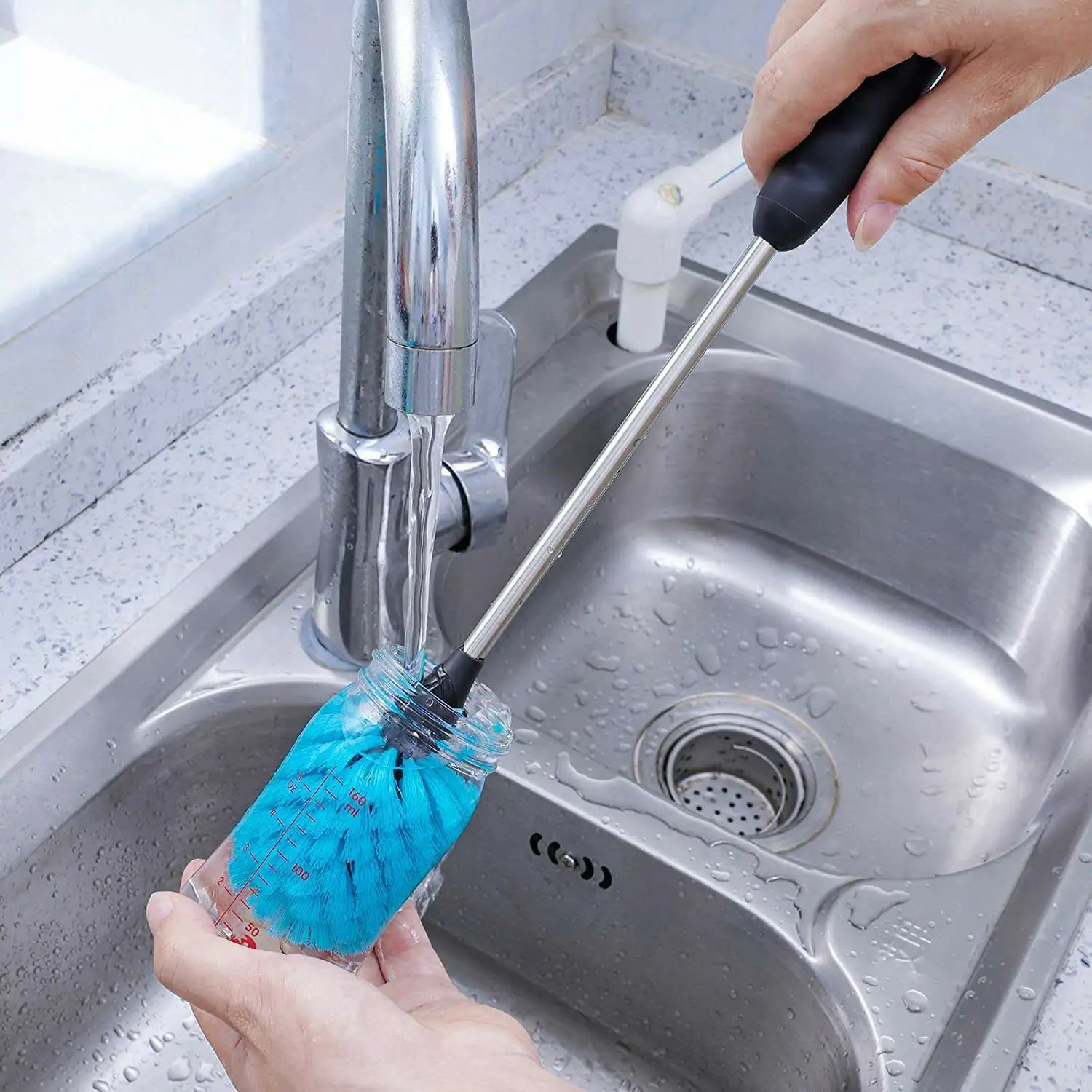
Each brush uses a twisted stainless steel wire core that holds bristle tufts under tension. Unlike plastic-shaft bottle brushes, the metal core stays straight under long-reach pressure and won’t soften or snap in hot wash water. In wet, repeated-use environments, stainless steel resists rust and detergent corrosion, extending the working life of each brush.
Nylon bristles clean film and biofilm without scratching
Nylon PA monofilament is stiff enough to dislodge beverage film, biofilm, and powder residue, yet soft enough to scrub stainless steel, glass, and coated interiors without scratching. Filament diameters from 0.10 to 0.50 mm let you match scrubbing force to residue thickness — fine filaments for polished or coated surfaces, coarser filaments for stubborn buildup around shoulders and bases.
Head profiles reach shoulders, corners, and small parts
Brushes in the kit can include cylindrical, tapered, tufted-end, and sponge or silicone tip configurations. Tapered heads follow changing bottle contours, tufted ends scrub the bottom corner where flat brushes leave a dead zone, and small detail brushes clean cap threads, spouts, and valve interiors. The kit turns one cleaning task into a repeatable process.
Rinses clean and dries quickly
Nylon bristles and PP grips are non-porous, so residue doesn’t soak into the material. The twisted-wire construction leaves open channels between bristle rows for rinsing, and a hanging hole or loop on the handle lets brushes dry bristles-down. This reduces odor retention in the brush itself and keeps the tool hygienic between uses.
What is a Stainless Steel Bottle Cleaning Brush Kit?
A Stainless Steel Bottle Cleaning Brush Kit is a coordinated set of hand-guided bottle brushes built on stainless steel twisted-wire cores, with nylon bristle tufts and polypropylene handles. The kit is assembled to clean the full geometry of a bottle or container: the internal sidewall, shoulder, base, neck, threads, caps, valves, and narrow passages such as straws or spouts.
In use, the operator selects the brush whose head diameter fits the opening and whose working length reaches the bottom. Push, pull, and rotating strokes scrub the interior wall while the tufted end works the base corner. A separate small brush or detail brush cleans the cap, threads, and valve. Because each brush is dedicated to a different access condition, the kit removes the need to adapt a single brush to containers it was never sized for.
The twisted-wire core is made by clamping nylon bristle tufts between two stainless steel wires that are twisted together under tension. This creates a 360-degree bristle face that scrubs all sides of the container simultaneously. The core continues beyond the bristled section to form the handle shaft, and a polypropylene grip is molded over the end for control. Some kit configurations include an extended stainless steel shaft without a plastic grip for deep vessels or high-temperature environments.
This kit is intended for routine removal of liquid films, beverage residue, biofilm, powders, and odor deposits. It is not a descaling tool, a rust remover, or a substitute for chemical cleaning when deposits are mineralized or baked on.
Technical Specifications
| Parameter | Specification / Options |
|---|---|
| Kit composition | Typically 3–5 brushes: large body brush, medium bottle brush, neck/detail brush, and optional straw/tube brush |
| Brush core | Stainless steel twisted wire, 304 or 316 grade; core diameter 2.0–4.0 mm (project-adjustable) |
| Bristle material | Nylon PA (polyamide) monofilament; moisture-resistant, low water absorption |
| Filament diameter | 0.10–0.50 mm (finer for delicate surfaces, coarser for stubborn film) |
| Head diameter range | 20–70 mm across kit sizes; small brushes 20–30 mm for necks and valves, large brushes 40–70 mm for wide-mouth containers |
| Working length (bristled section) | 120–300 mm |
| Overall length | 200–450 mm (handle end to brush tip) |
| Neck clearance | 10–60 mm minimum opening per brush; select brush diameter smaller than internal neck diameter |
| Head form | Cylindrical, tapered, tufted-end, sponge tip, or silicone tip (can be mixed within kit) |
| Handle | Polypropylene (PP) molded grip, with hanging hole or loop; optional extended stainless steel shaft for deep or hot applications |
| Operating temperature | Nylon and stainless steel tolerate brief exposure up to 100°C; PP grip limits continuous use to about 80°C — specify all-metal handle for hot wash |
| Chemical exposure | Suitable for mild detergents, potable water, and typical alkaline or acid cleaning solutions at recommended concentrations; confirm with project for strong solvents |
| Brush type | Custom Bottle & Container Brushes |
| How it is driven | Hand-guided |
| Cleaning target | reusable water bottle and stainless steel drinkware, baby bottle, and laboratory bottle and sample container cleaning |
| Surface or part | necks, containers, shoulders, vessels, valves, bases, thread, and narrow necks |
| Residue or debris | powder, powder residue, biofilm, odor deposits, beverage residue, beverage film, rust, and reagent film |
| Mounting / connection | Fixed |
All dimensions, filament diameters, and kit composition can be adjusted for a specific container family. The table shows the standard commercial range; a custom project usually starts by confirming the narrowest neck opening, internal depth, and residue type.
Where does this brush work best?
- Reusable water bottles and stainless steel drinkware — removes film, odor, and beverage residue from polished stainless interiors without scratching; multiple brush sizes handle narrow necks and wide bases.
- Baby bottles and feeding accessories — nylon and PP components are suitable for food-contact applications when the appropriate material grade is specified; the small detail brush cleans nipples, caps, and threads (verify material compliance for your region).
- Laboratory bottles and sample containers — cleans reagent film, powder deposits, and culture residue from glass and plastic vessels between uses; tapered and tufted-end brushes reach shoulders and bottom corners.
- Beverage dispensing components — caps, spouts, valves, and threaded closures that are removed from bottles and need separate scrubbing; small kit brushes fit these tight geometries.
- Narrow-neck glass carboys and fermenters — long stainless steel shafts let the operator reach the body and base through a small opening without bending; the twisted core holds shape under full insertion.
- Cosmetic and personal care containers — lotion, cream, and powder residue inside jars, pumps, and bottles; fine filaments or silicone tips avoid scratching interiors.
How do I choose the right one?
The kit removes much of the selection work, but you still need to confirm that each brush in the set matches the container family you actually clean. Work through these checks before ordering.
1. Match brush diameter to the narrowest opening. Measure the internal neck diameter of the smallest bottle you will clean. Choose a brush whose head diameter is 3–5 mm smaller than that opening for comfortable insertion with some bristle compression. If the brush binds at the neck, it is too large; if it slides through without touching the sidewall, it is too small. Use the small neck/detail brush for narrow openings, not the large body brush.
2. Select filament diameter by residue and surface. Fine filaments (0.10–0.20 mm) are for polished stainless, coated interiors, and light daily film. Coarser filaments (0.30–0.50 mm) are for dried beverage, biofilm, or powder residue that needs more mechanical action. If the surface is very sensitive, ask for a sponge or silicone tip instead of open filament ends.
3. Confirm working length reaches the full interior. The bristled section must be long enough to cover the sidewall from shoulder to base, and the overall length must let the operator hold the brush comfortably while the tip touches the bottom. If the container is deep, choose the longest configuration or an extended stainless steel shaft.
4. Choose head form for the geometry. Cylindrical heads provide uniform wall coverage. Tapered heads follow a narrowing neck-to-shoulder transition. Tufted-end heads clean bottom corners and valve seats. A sponge or silicone tip is useful for spot scrubbing or wiping residue without scratching.
5. Check the wash environment. If brushes are used in hot water, steam sanitation, or with cleaning chemicals, confirm the nylon, stainless steel, and PP materials match the process. For continuous exposure above 80°C or autoclaving, request an all-stainless shaft without PP grip, or specify a high-temperature plastic.
6. Consider the whole kit, not individual brushes. The value of a kit is that it covers body, neck, cap, and valve in one order. List all container types and sizes; we can then confirm the default kit composition or adjust it.
| Cleaning need | Recommended brush in kit |
|---|---|
| Wide-mouth bottles, carboys, large jars | Large cylindrical brush, head 40–70 mm, working length 200–300 mm |
| Narrow-neck bottles, water bottles, flasks | Medium tapered brush, head 25–40 mm, working length 150–250 mm |
| Caps, threads, valves, spouts | Small detail brush, head 20–30 mm, short working length, tufted or sponge tip |
| Straws, tubes, very narrow passages | Straw/tube brush, head diameter under 20 mm, flexible stainless core |
| Delicate or coated interiors | Fine filament (≤0.20 mm) or silicone-sponge tip brush |
When another tool is a better fit: Use a harder abrasive brush or chemical descaling if the deposit is mineral scale, rust, or baked-on carbon. Use a fully silicone brush if the interior has very soft coatings that might be scuffed by nylon. If you need single-use tools to prevent cross-contamination between samples, use disposable swabs instead of a reusable kit.
Can I customize this brush?
This kit is configured around your container sizes and cleaning process, not pulled from a fixed catalog. To define a custom kit, provide the internal neck diameter, internal depth, container material, residue type, cleaning chemical, wash temperature, and the number of containers cleaned per shift. A drawing or photo of the bottles speeds up geometry confirmation.
We can adjust:
- Kit composition — which brush sizes and types are included; add or remove brushes to match your container range
- Head geometry — diameter, working length, cylindrical/tapered/tufted-end profile, sponge or silicone tip option
- Filament — nylon PA, PBT, polyester, or abrasive-impregnated filament; filament diameter from 0.10 to 0.50 mm or beyond for heavy residue
- Core — 304 or 316 stainless steel, core diameter, length, flexibility; coated core for extra chemical resistance
- Handle — PP grip shape, length, color, hanging hole or loop, overmolded branding, or all-stainless extended shaft for high-temperature use
- Color coding — assign a different handle or bristle color to each brush size for quick identification on the line
- Packaging — bulk case, individual polybag, retail sleeve, or custom kit box
If your project requires material documentation, certificates of conformance, inspection reports, or third-party testing against your internal standards, we can support those requirements during the customization process. Provide the standard or test method with your inquiry.
When is a stainless steel bottle cleaning brush kit worn out rather than just dirty?
How do I know which brush in the kit to use for a given bottle?
Check the bottle’s internal neck opening first. The brush head should pass through with light resistance, not forced. If it binds or folds over, move down to the smaller brush. If the brush slides through freely without touching the sidewall, move up to a larger head. The kit should be used so that the bristles make full contact with the interior wall during rotation.
What should I inspect when I receive the kit?
Unwrap each brush and check that no metal core is exposed beyond the bristle tips, that bristle tufts are evenly clamped along the twisted wire, and that the PP handle is firmly attached. Rinse each brush in warm water with a mild detergent before first use, then dry fully. If any brush has a bent core or loose bristles, set it aside and request replacement.
How do I clean and store the brushes after use?
Rinse each brush under running water until no residue remains in the bristles. Shake out excess water and hang with bristles pointing down so water drains away from the handle joint. Do not leave brushes soaking in detergent for extended periods, and do not store them inside a closed container while wet. Allow full drying between uses to prevent odor retention.
Can these brushes be used in steam or high-temperature wash cycles?
The nylon bristles and stainless steel core can handle short exposure near boiling, but the standard PP handle may soften or deform above about 80°C (176°F). If your cleaning process includes continuous hot wash, steam sanitation, or autoclaving, request an all-stainless shaft without a PP grip, or specify a high-temperature plastic handle. Confirm the exact temperature with us before ordering.
How can I tell when a brush should be replaced?
Inspect the bristle face after each shift. Replace a brush when bristles become splayed, flattened, or start shedding; when the stainless core becomes visible beyond the tuft tips; or when the wire core is bent and no longer rotates smoothly. A worn brush not only cleans less effectively but also risks scratching the container if the metal core contacts the surface.
Guides that go deeper on this
RELATED BRUSH RESOURCES
Recommended Reading & Related Brush Resources
Custom Bottle & Container Brushes
Choose a bottle or container brush when the head must pass through an opening…
See how this type is builtBottle & Container Cleaning
For Bottle & Container Cleaning, the brush must reach the working area, disturb or…
See the cleaning job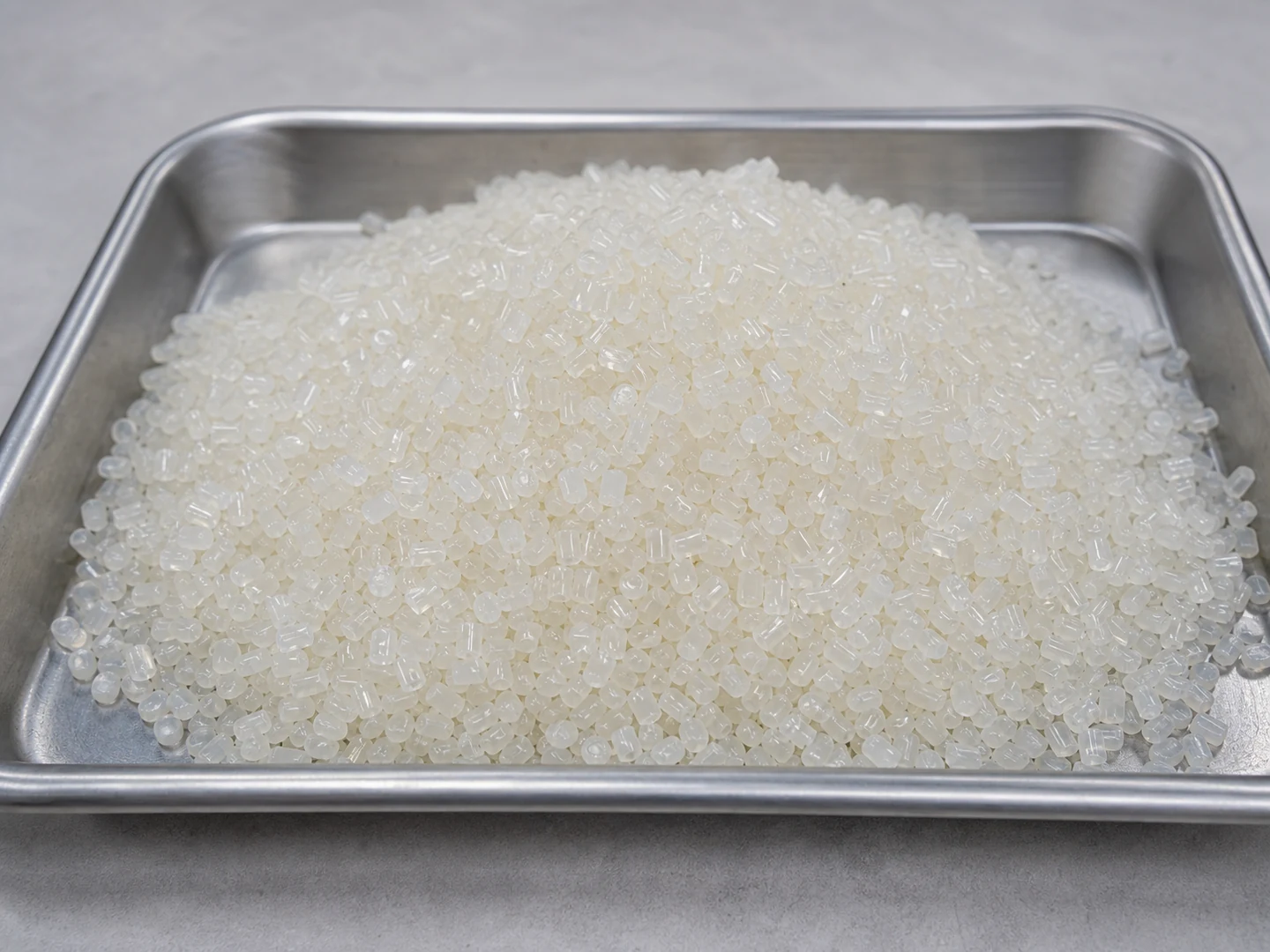
Nylon PA
Choose Nylon PA based on its stiffness, recovery, wear, wet-service, chemical, and temperature behavior.
Compare this material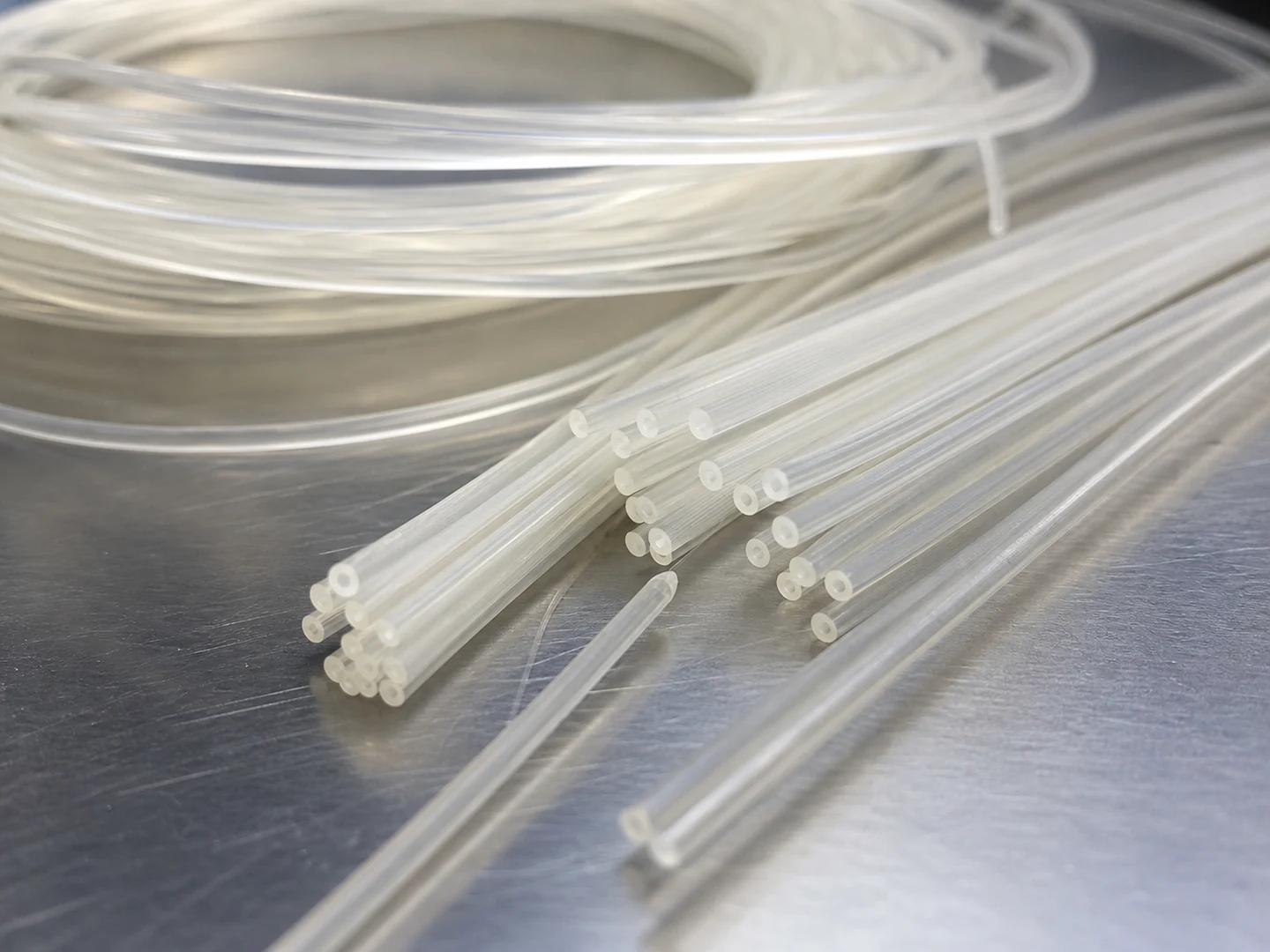
Hollow Nylon Filament
Choose Hollow Nylon Filament based on its stiffness, recovery, wear, wet-service, chemical, and temperature…
Compare this material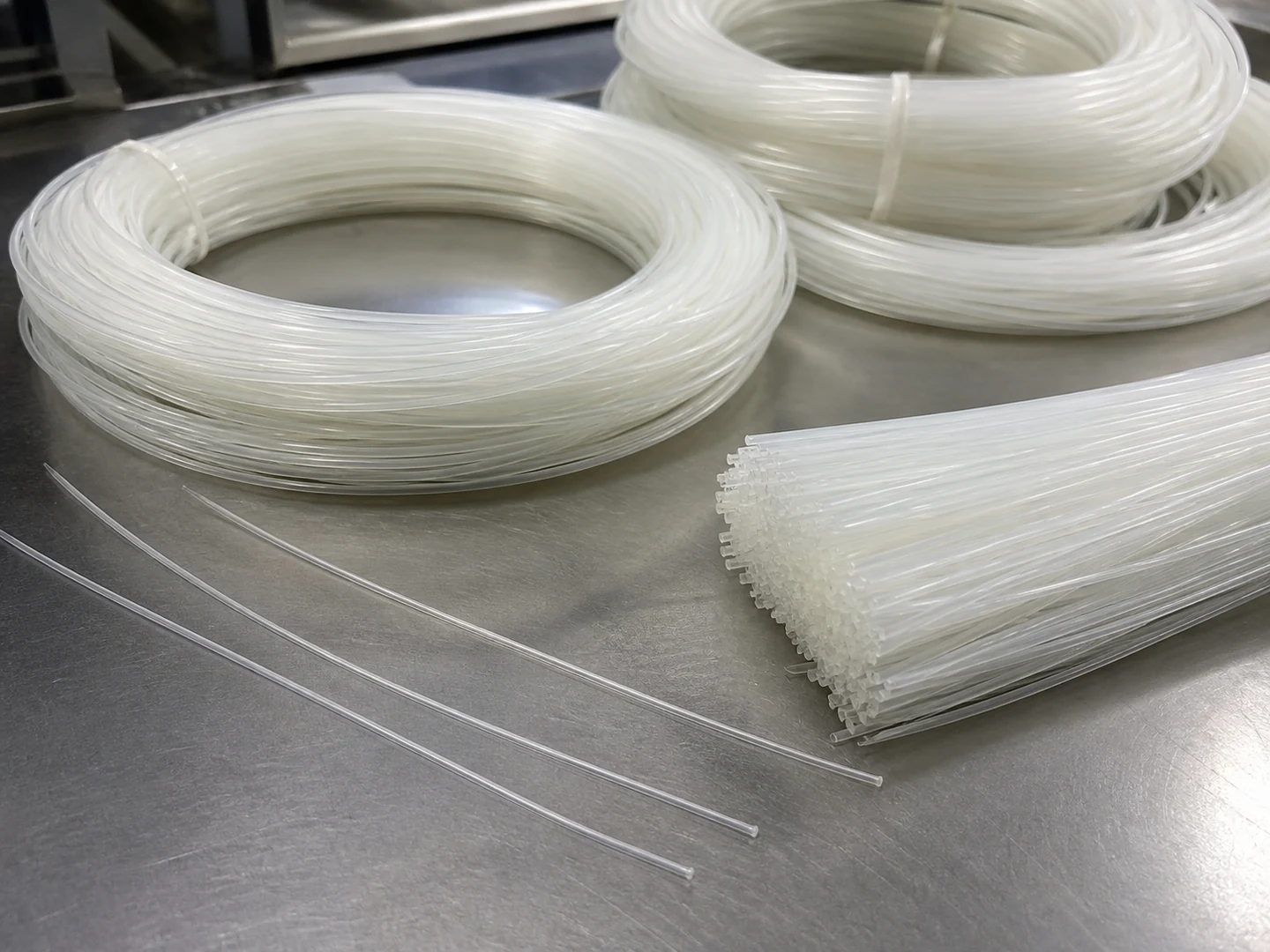
DuPont Nylon Filament
Choose DuPont Nylon Filament based on its stiffness, recovery, wear, wet-service, chemical, and temperature…
Compare this material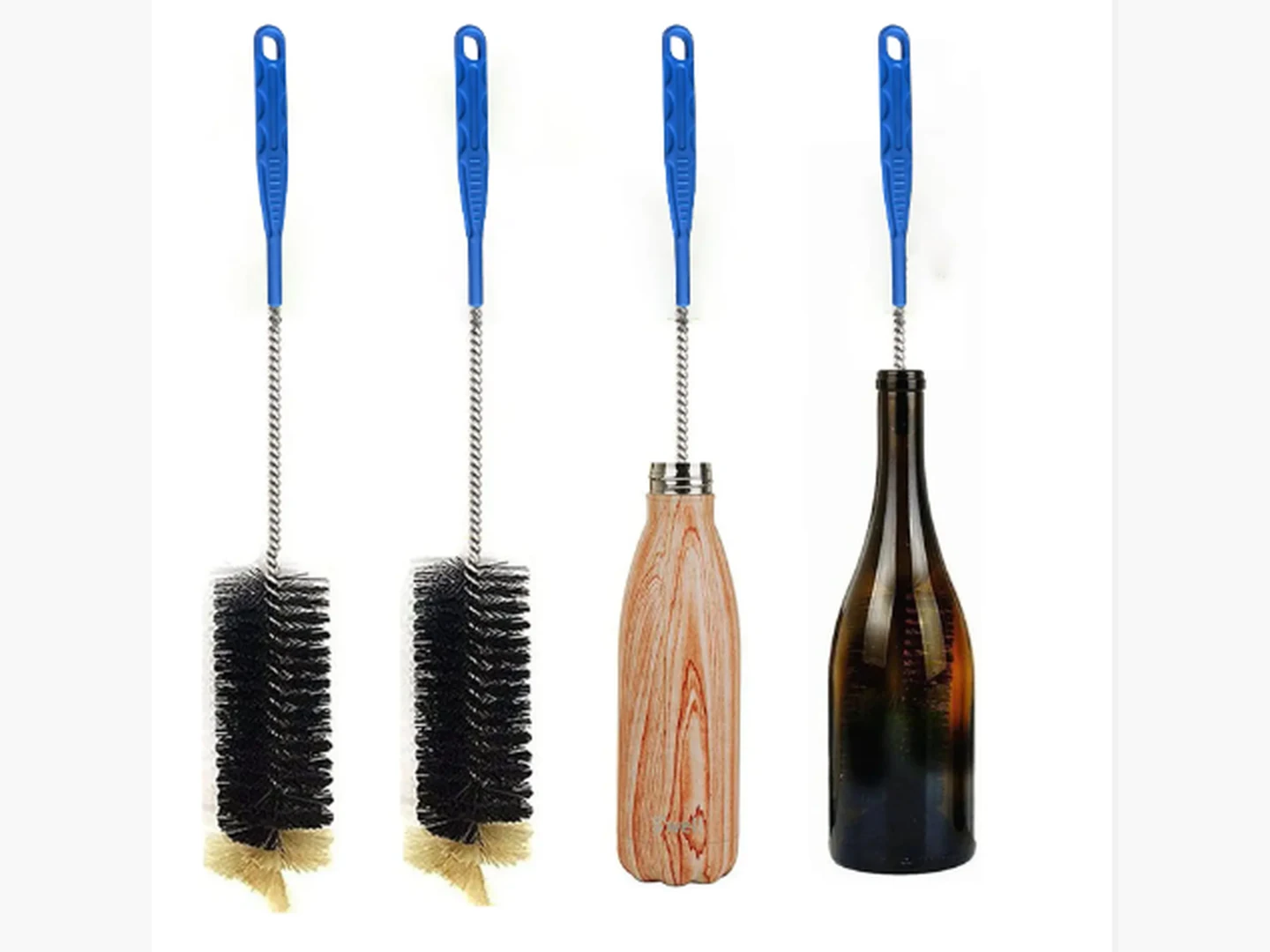
Stainless Steel Bottle Brush
Custom stainless steel bottle brushes with 304/316 wire for hard scale, biofilm, and dried…
Compare the specification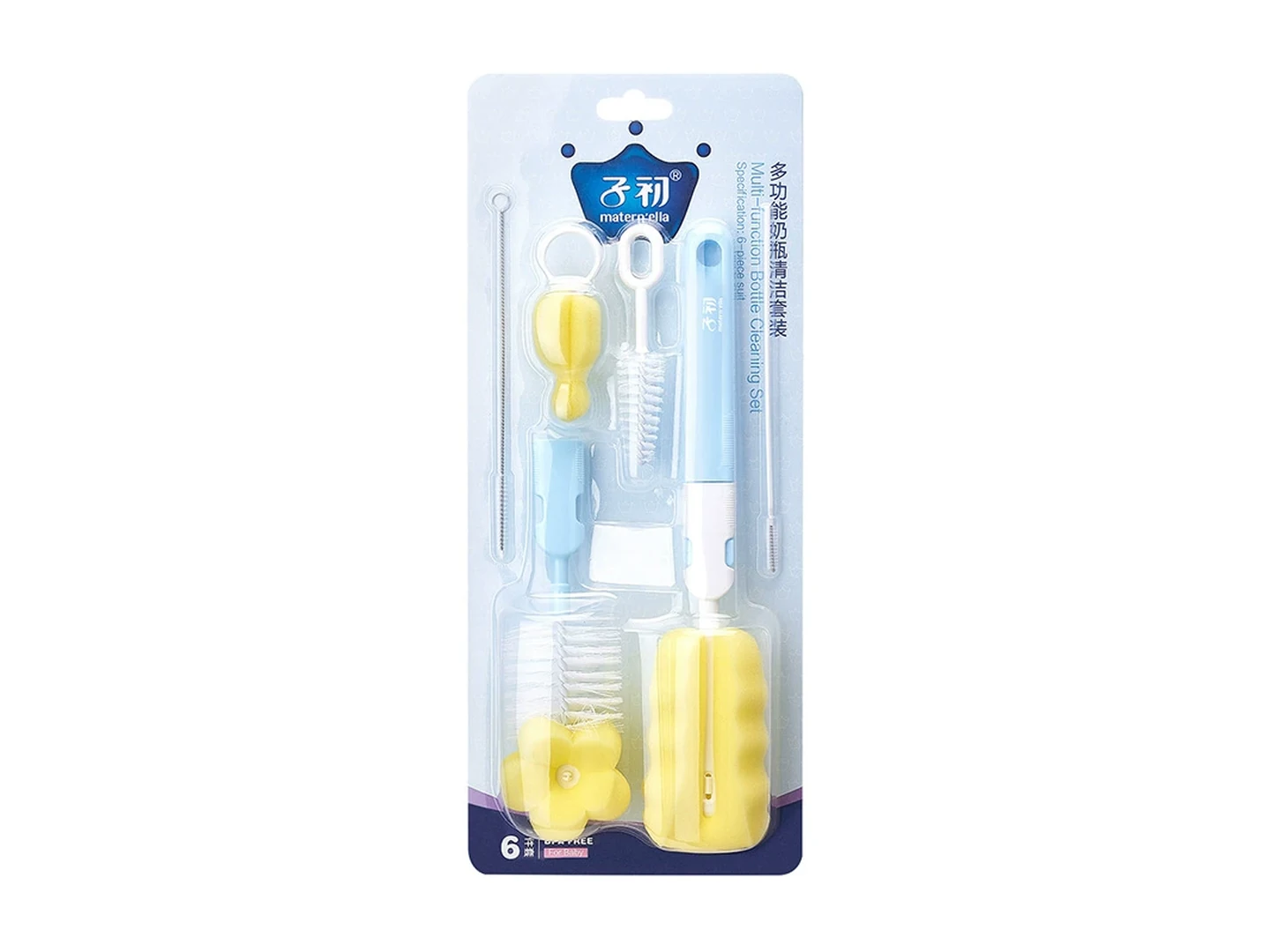
Baby Bottle Brush
Custom baby bottle brush for feeding products. Soft PBT or silicone bristles, sterilizable design,…
Compare the specification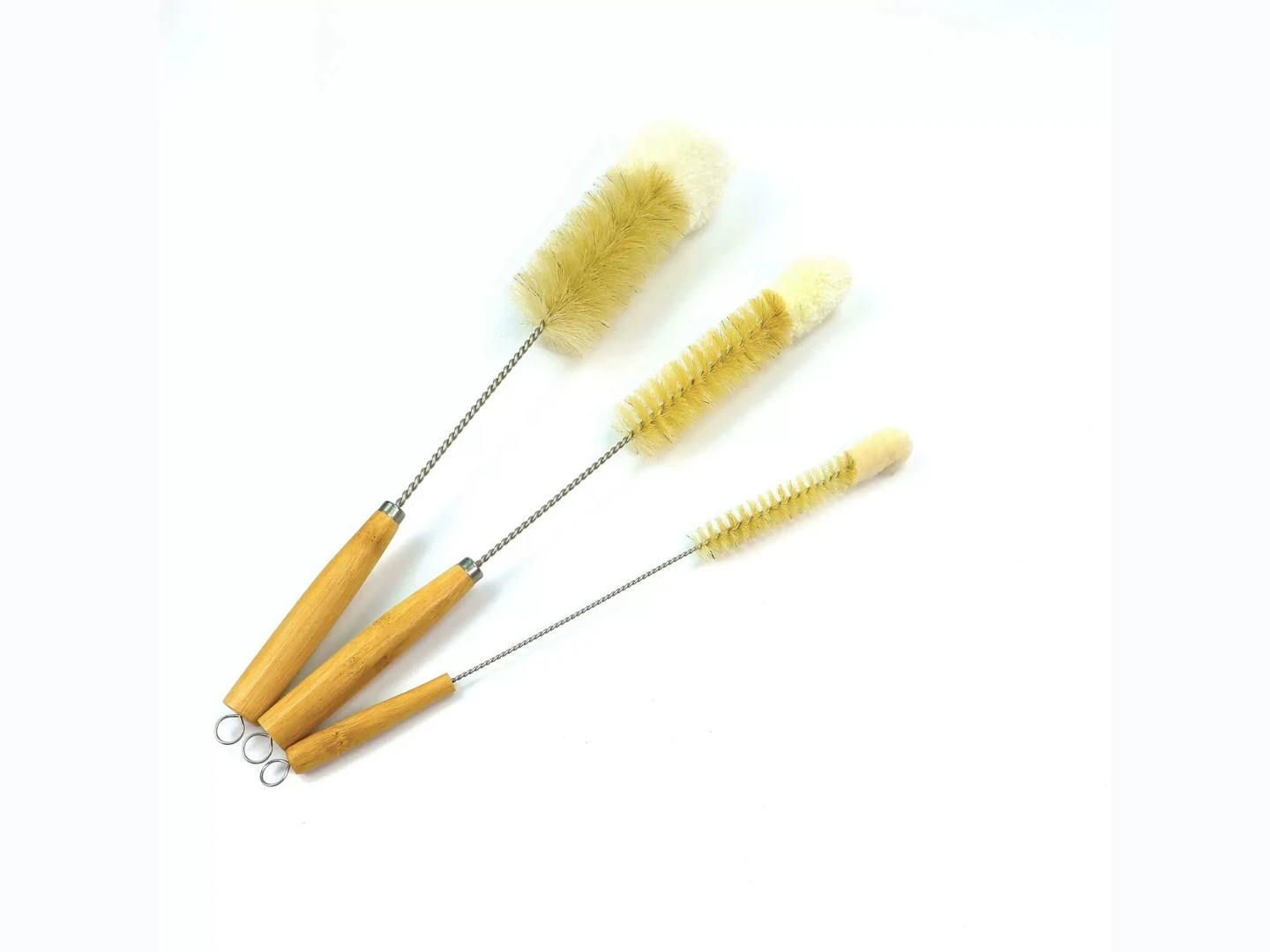
Boar Bristle Bottle Brush
Soft natural boar bristle bottle brush for scratch-free cleaning of narrow-neck bottles, decanters, and…
Compare the specificationCustom Manufacturing RFQ
Describe Your Application
For an accurate quotation, please provide the main dimensions, material preference, working surface, residue, quantity, and a drawing or photo.
Drawing or photo optional — it speeds things up, it does not gate the enquiry.
Custom Brush RFQ
Send Your Brush Project
Upload a drawing, product photo, or sample photo and provide the core dimensions and cleaning conditions.
“We need a brush to remove wet residue from a stainless steel conveyor, about 800mm wide. The current brush wears quickly. We can send photos.”
“We sell drinkware and need a cleaning brush to include with the product. Quantity around 5,000 pieces.”