
Application
Conveyor Bulk Material Cleaning
For Conveyor Bulk Material Cleaning, the brush must reach the working area, disturb or collect powdered material/particles/debris/adhered residue, and release it without creating unacceptable surface damage or process interference. The brush structure must match the access path, contact movement, and cleaning process.
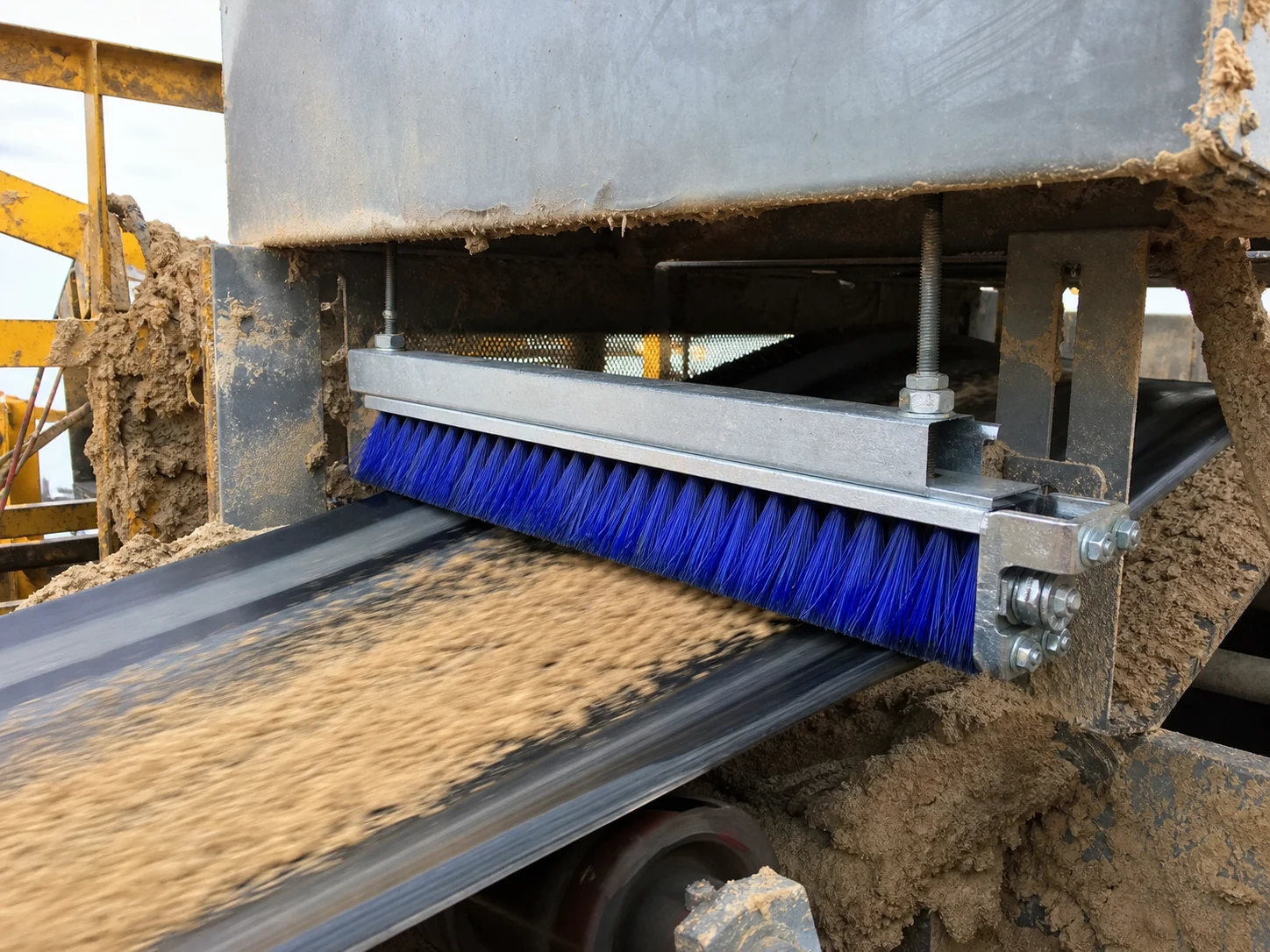
At a glance
- Cleaning target
- Powdered Material/Particles/Debris/Adhered Residue
- Working environment
- Dry Indoor Area / Wet Indoor Area / Outdoor
- Cleaning method
- Dry Brushing / Wet Brushing
- Requirements to check
- Machine Guarding and Lockout/Tagout SOP; Brush Dynamic-Balance Requirements
Bulk conveyors carry most of the load away and leave the rest stuck to the belt, so the cleaning brush is sized for carry-back at the discharge point rather than for the whole belt surface.
What makes Conveyor Bulk Material Cleaning different from other industrial and manufacturing cleaning?
The task is to remove Powdered Material/Particles/Debris/Adhered Residue while controlling surface damage, residue carryover, brush shedding and chemical or temperature degradation.
The work happens in dry indoor area, wet indoor area and outdoor against powdered material, particles, debris and adhered residue.
The part people get wrong: the surface, the residue and the access opening decide the brush together. Fix on any one of them alone and the geometry comes out wrong.
What are the most common cleaning targets in Conveyor Bulk Material Cleaning?
The work breaks into 5 targets. They look similar from outside the machine and behave nothing alike at the brush.
| Part or area | Residue type | Cleaning requirement |
|---|---|---|
| Grain and Seed Conveyor | Powdered Material, Particles, Debris, Adhered Residue | The brush must span the working width and hold even contact along the whole face while the surface moves under it. |
| Aggregate and Mineral Conveyor | Aggregate fines, mineral dust, compacted carryback | |
| Coal and Coke Conveyor | Powdered Material, Particles, Debris, Adhered Residue | |
| Powder and Fine-Material Conveyor | Dust, powder and compacted fines | |
| Sticky Bulk-Material Conveyor | Powdered Material, Particles, Debris, Adhered Residue |
The dimensional envelope those targets impose on the brush:
| Parameter | Typical range |
|---|---|
| Contaminant | Powdered Material/Particles/Debris/Adhered Residue |
| Required hardness | Medium–Hard |
| Maximum temperature | 100°C |
| Chemical exposure | No Added Medium; Water; Neutral or Alkaline Cleaner |
| Cleaning method | Dry Brushing/Wet Brushing |
| Environment | Dry Indoor Area/Wet Indoor Area/Outdoor |
Which brush types work for each cleaning target?
Select hand, tube, strip, roller, disc or machine-mounted geometry from access and motion.
| Cleaning target | Recommended brush type | Why it fits |
|---|---|---|
| Grain and Seed Conveyor | Roller and Conveyor Brushes | Grain left on the return belt goes rancid and cross-contaminates the next batch, so a roller brush strips it while the line is running. |
| Aggregate and Mineral Conveyor | Wet mineral fines dry hard on the belt and score the pulley lagging, so the brush is placed at the head pulley to take them off before they set. | |
| Coal and Coke Conveyor | Coal carryback builds under the conveyor and becomes a fire and housekeeping problem, so a driven brush removes it at the belt rather than off the floor later. | |
| Powder and Fine-Material Conveyor | Fine powder builds a thin even layer rather than lumps, so a full-width brush in constant light contact is what keeps the surface clear. | |
| Sticky Bulk-Material Conveyor | Sticky material will not release from a blade, so a rotating brush works it off with repeated tip strikes instead of a single scrape. |
All five are machine-mounted: a driven roller or a fixed brush bar bearing on the belt, working while the conveyor runs rather than during a stop.
In practical brush terms: reach first, then residue. A brush that fits but is too soft can be stiffened; a brush that does not fit is simply the wrong tool.
What filament materials work best for Conveyor Bulk Material Cleaning?
PA66 for the hard fill that knocks adhered material off a return belt, PBT where the same belt is washed down wet, and an EPDM blade section where scraping does more than brushing.
| If the condition is… | Filament to start with | Why |
|---|---|---|
| Material adhered to a return belt | PA66 Nylon | hard fill that breaks the deposit off in one pass |
| Wet washdown of the same belt | PBT | keeps its stiffness wet, unlike nylon |
| Deposits too thick for filament to shift | EPDM Brush Blade | a scraping edge does what a filament cannot |
The constraints this application puts on the filament:
| Constraint | Value for this application |
|---|---|
| Filament hardness | Medium–Hard |
| Maximum service temperature | 100°C |
| Chemical exposure | No Added Medium; Water; Neutral or Alkaline Cleaner |
| Cleaning method | Dry Brushing, Wet Brushing |
How do I choose the right brush for my conveyor bulk material equipment?
Start with medium-to-hard fill, a 100°C ceiling and no added medium, then size to the carry-back at the discharge point rather than to belt width.
The sequence that gets a usable sample first time:
- Identify the target part and measure the access opening or clearance
- Describe the residue: what it is, how thick it sits, and how strongly it holds
- Choose the construction that can physically reach that target
- Set the filament from surface risk, working temperature and cleaning chemistry
- Fix filament diameter, free trim length and density for the contact pressure you need
- Run one cycle and check the result before committing to a production quantity
Before you commit to a quantity, send the belt width and speed, the carry-back volume at discharge, and whether the material is wet or sticky.
When is a conveyor bulk material brush the wrong tool?
A scraper or belt-cleaner blade handles carry-back on a plain belt better and lasts far longer. Wet sticky material blinds a brush within minutes, so the answer is water spray with a scraper, or a change to the discharge arrangement.
What common mistakes should I avoid in Conveyor Bulk Material Cleaning?
- Specifying belt width, when the real requirement is carry-back volume at the discharge point
- Changing the filament while leaving excessive engagement, poor alignment or no discharge path unchanged
- Copying a worn brush without first recording its motion, direction, mounting and original working diameter
When a brush is running but not cleaning, start here rather than adding pressure:
| Symptom | What to change |
|---|---|
| Residue remains | Increase discharge or relative motion before adding pressure |
| Surface marks | Reduce engagement and use finer/softer fill |
| Rapid wear | Check alignment, temperature and chemical attack |
| Redeposition | Add wash, vacuum or collection path |
Questions this page is asked
Where does a rotary brush fit in a bulk conveyor cleaning system?
Evaluate it at the identified return-belt or discharge location for the actual belt surface, particle size, moisture and carryback behavior, often as a secondary or specialty cleaner rather than an assumed replacement for the primary cleaner. Confirm that released material enters a controlled chute or collection point and does not create a new airborne-dust or guarding problem.
How is conveyor-brush engagement accepted during commissioning?
Begin at the model-authorized position and observe carryback removal, motor current or drive behavior, belt tracking, vibration, heat and changes to covers or splices under representative loading. Accept the setting only when cleaning improves without persistent filament deflection, belt abrasion, material recirculation or contact with mechanical joints.
What must happen before debris is removed from a conveyor brush assembly?
Stop and isolate every energy source that can move the belt, cleaner or stored material, verify the zero-energy condition, and secure gravity or tension hazards under the site's procedure. Replace guards before testing and account for loose filaments or fasteners so they cannot enter the conveyed product or downstream equipment.
Continue Exploring
Recommended Reading & Related Brush Resources
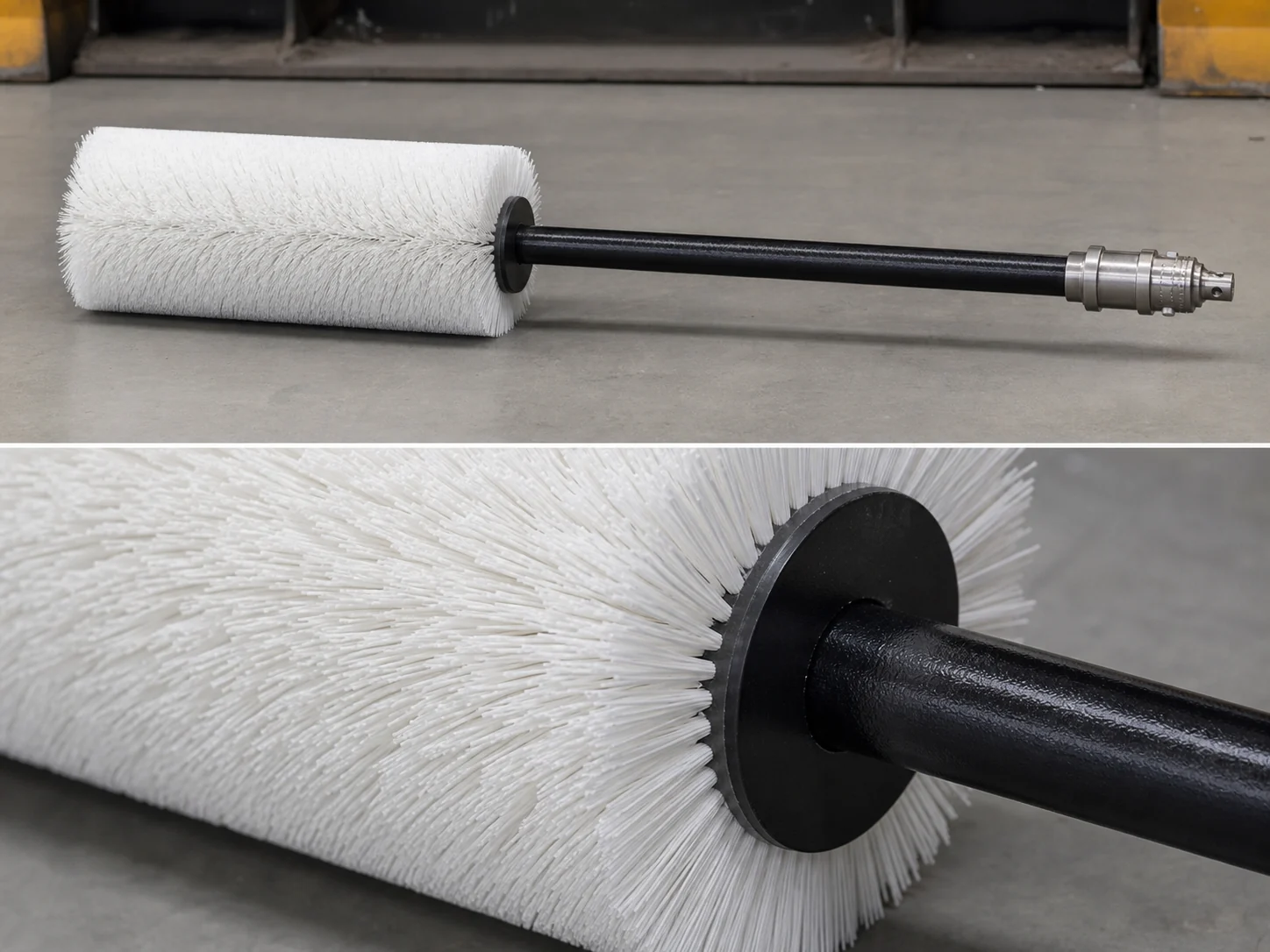
100x500mm PA66 Conveyor Roller Brush
100x500mm PA66 conveyor roller brush removes powder, chips, fibers, labels, and sticky carryback from…
See the specification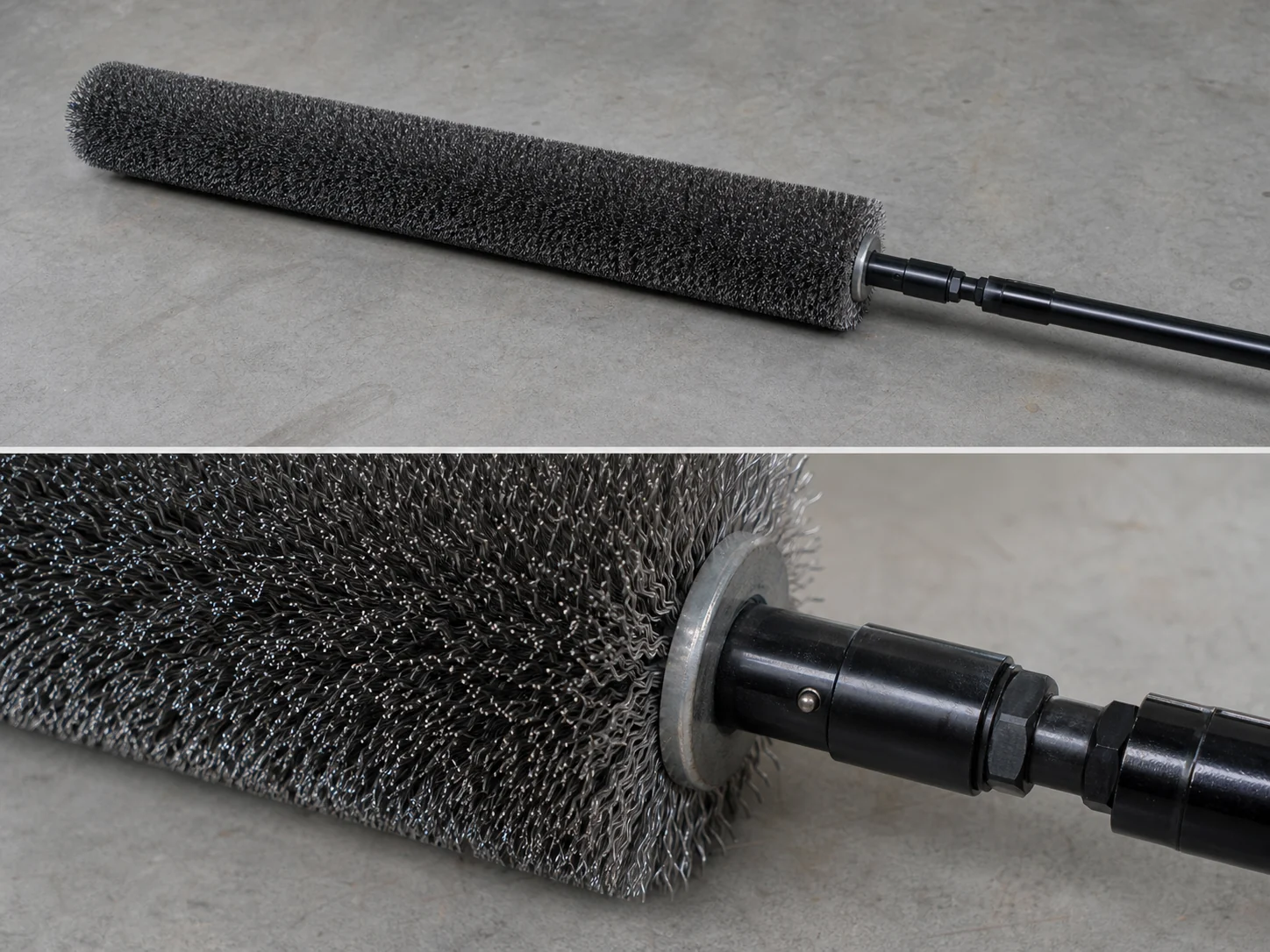
200x1500mm Hcs Rust Removal Roller Brush
200mm OD x 1500mm face HCS wire roller brush for inline rust, mill scale,…
See the specification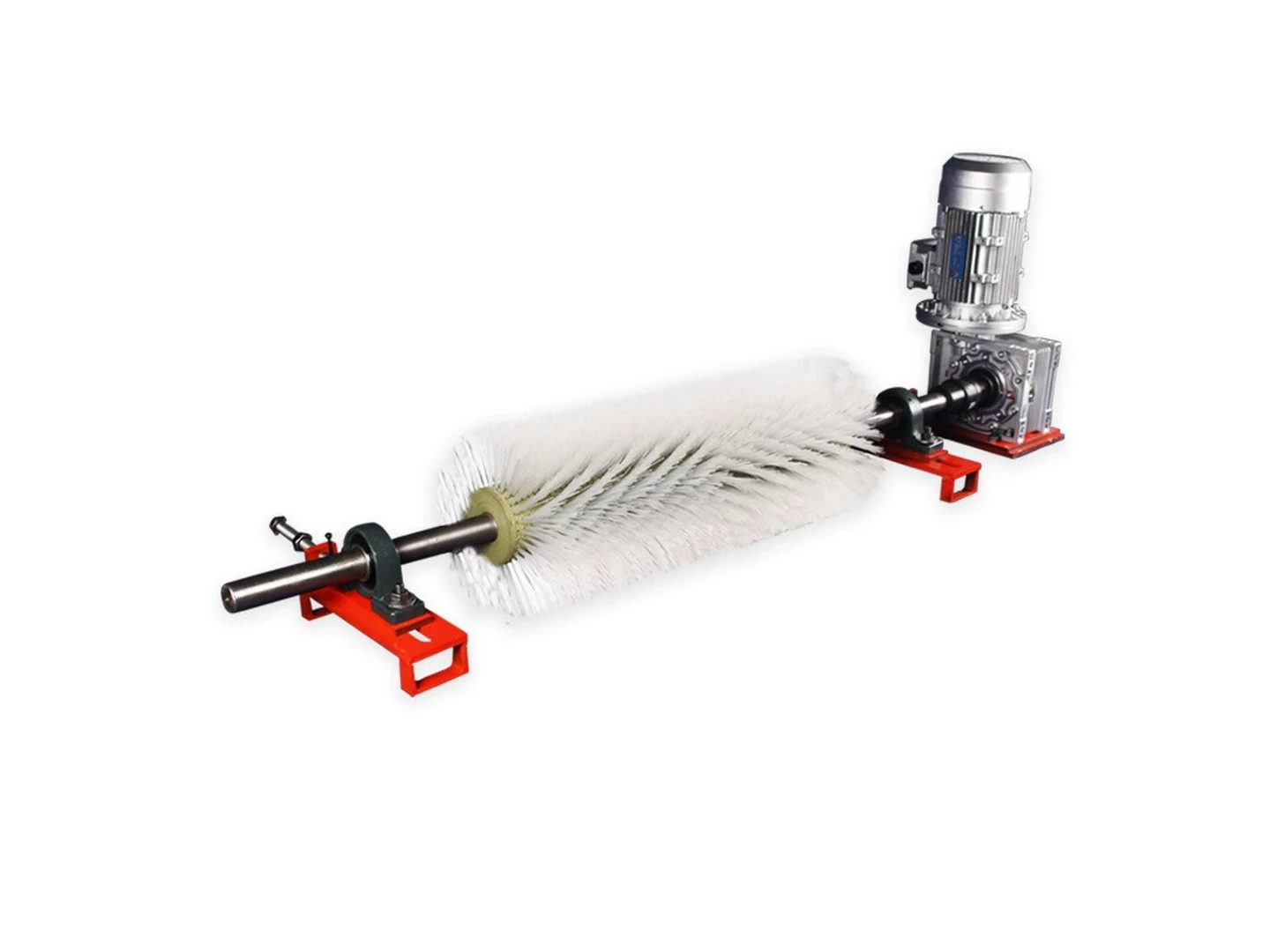
Custom Roller and Conveyor Brushes
Choose a roller or conveyor brush when a cylindrical brush must clean, wipe, guide,…
See how this type is built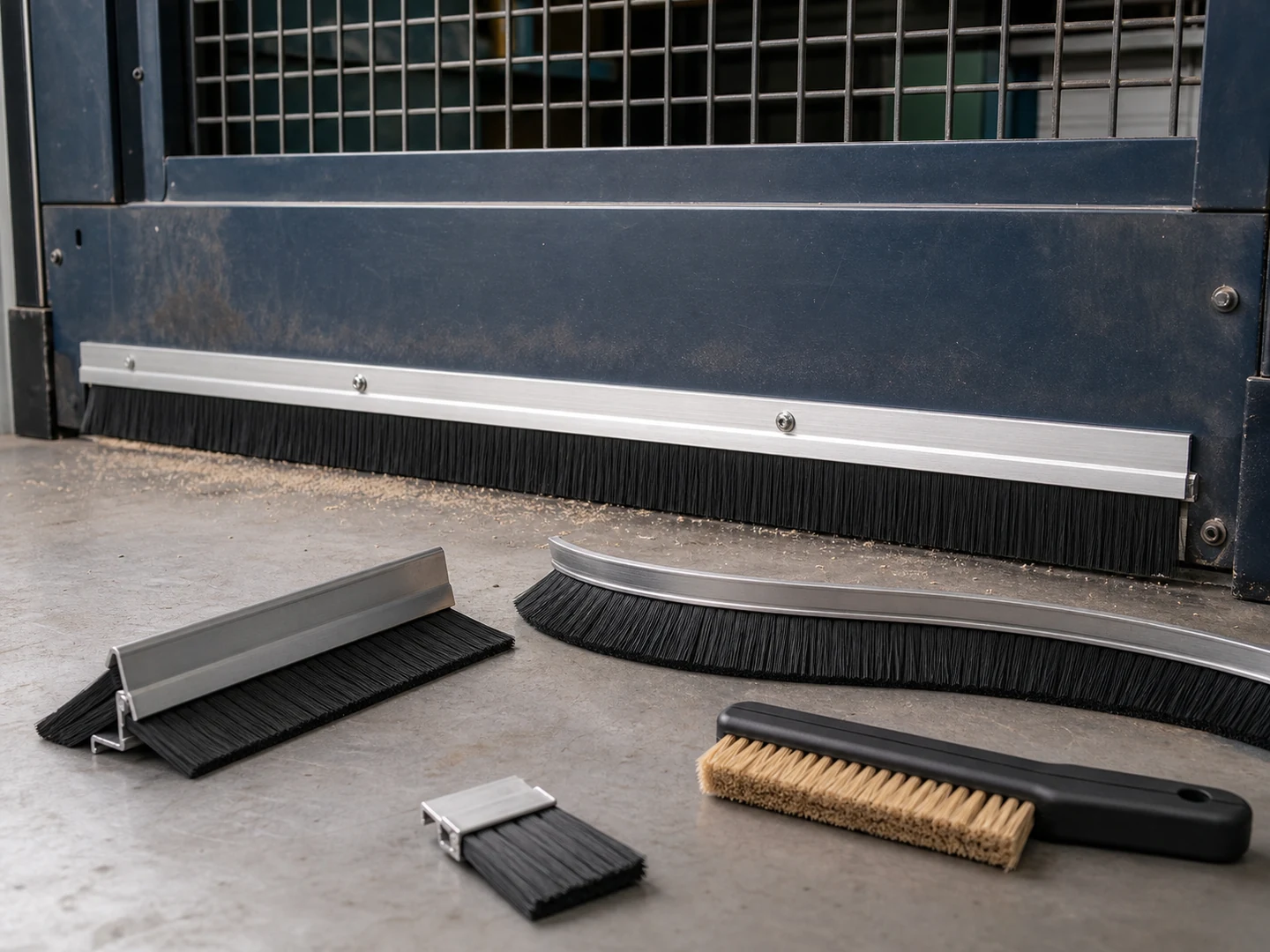
Custom Strip Seal Brushes
Choose a strip seal brush when a continuous line of filament must seal, wipe,…
See how this type is built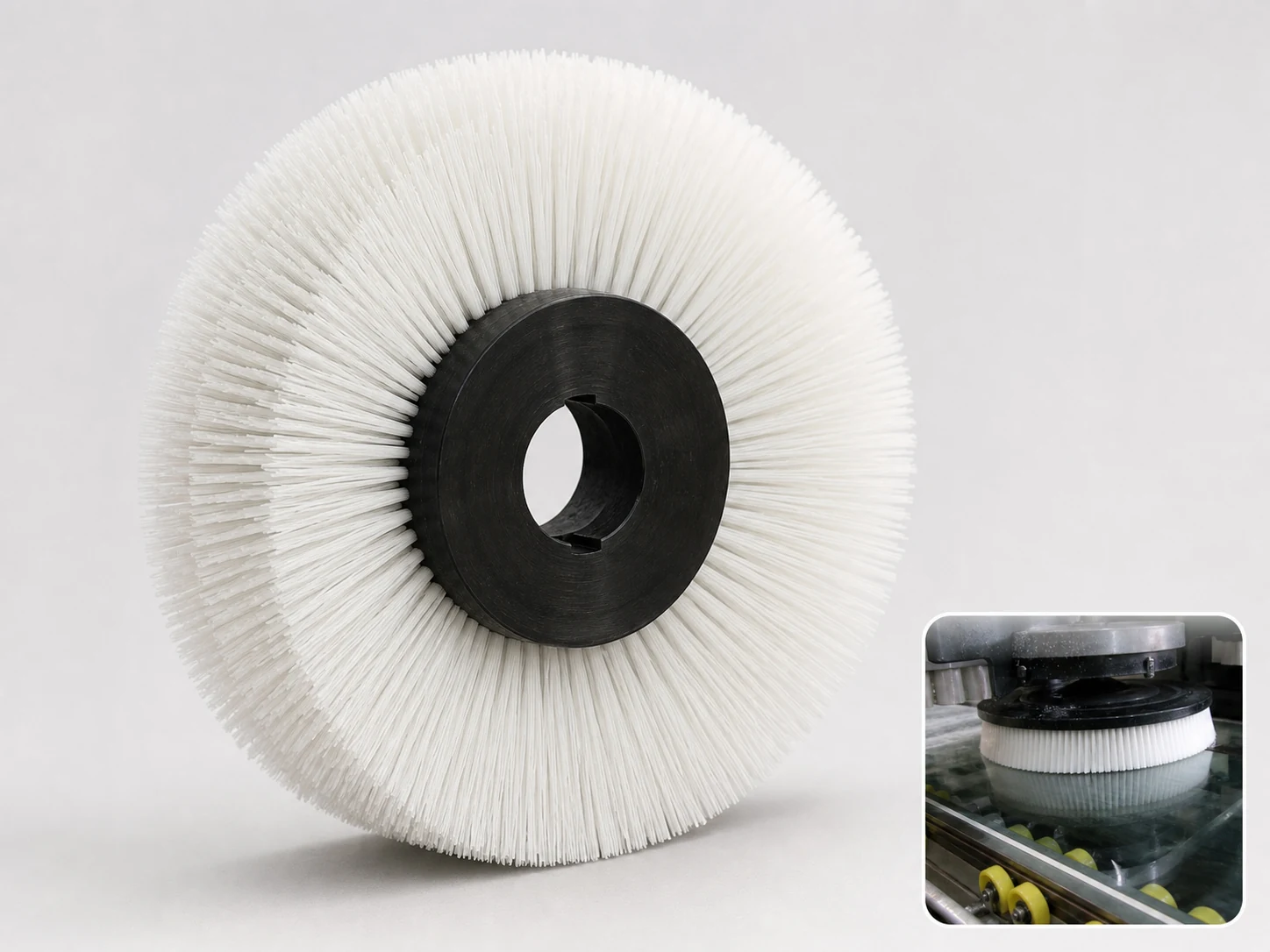
Custom Disc Brushes
Choose a disc brush when a circular face must scrub, wipe, polish, sweep, or…
See how this type is built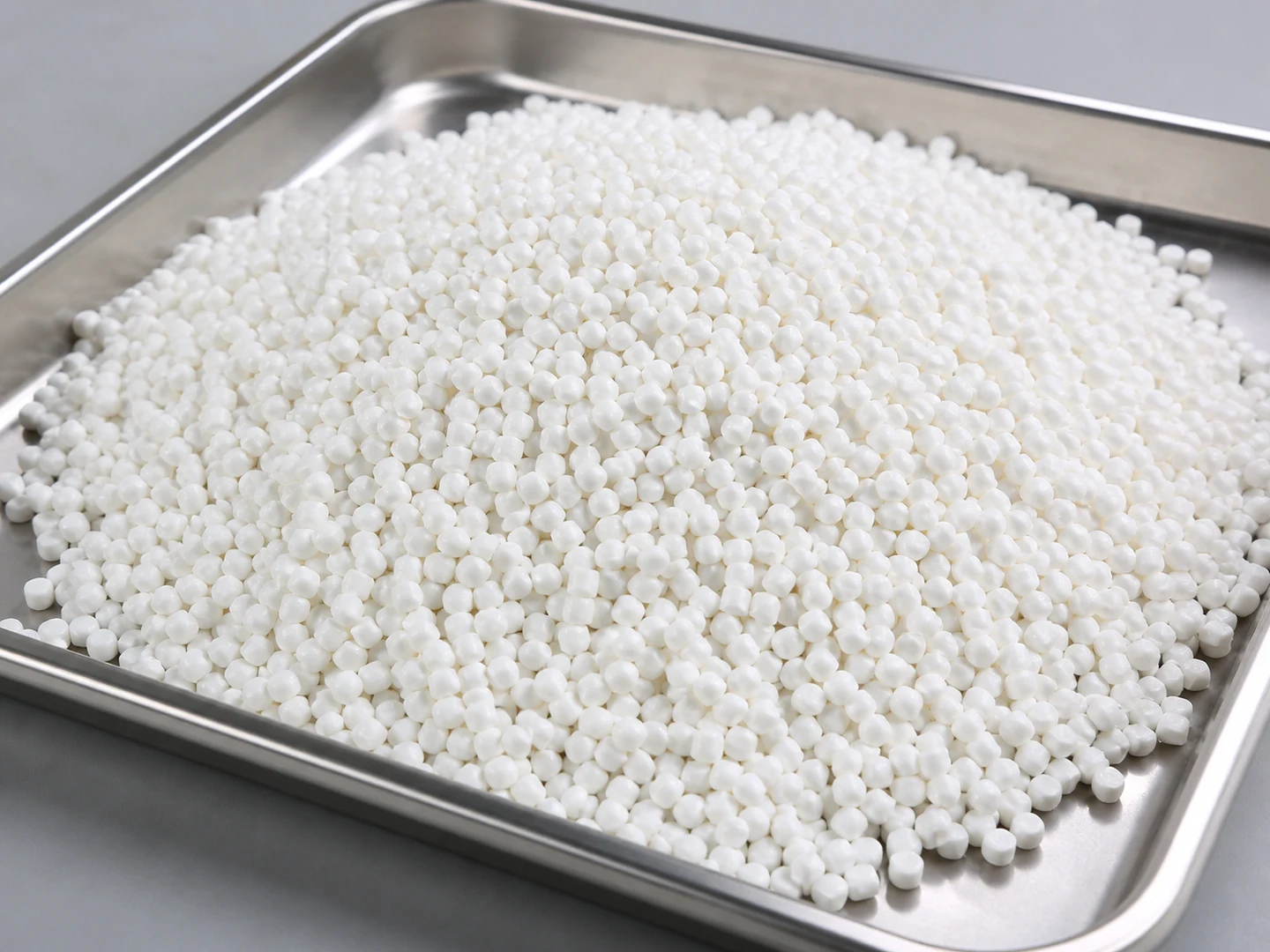
PBT
Choose PBT based on its stiffness, recovery, wear, wet-service, chemical, and temperature behavior. Do…
Compare this material
PA66 Nylon
Choose PA66 Nylon based on its stiffness, recovery, wear, wet-service, chemical, and temperature behavior.
Compare this material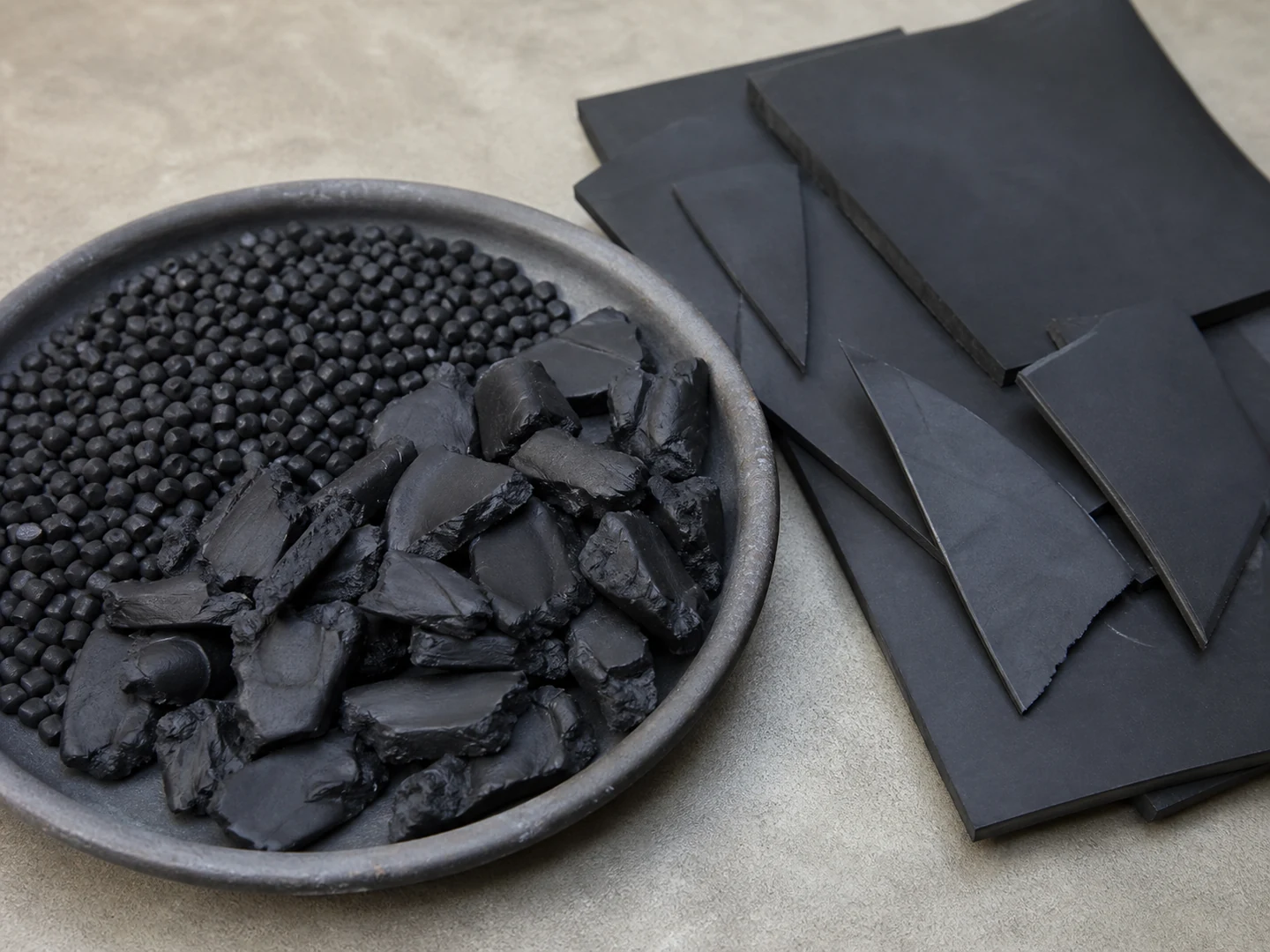
EPDM Rubber Brush Blade
Choose EPDM Rubber Brush Blade based on its stiffness, recovery, wear, wet-service, chemical, and…
Compare this materialCustom Manufacturing RFQ
Discuss This Application
Share the working surface, residue, dimensions, material direction, interface, quantity and drawing or sample photo.
Custom Brush RFQ
Request a Custom Cleaning Brush Quote
Upload a drawing, product photo, or sample photo and provide the core dimensions and cleaning conditions.
“We need a brush to remove wet residue from a stainless steel conveyor, about 800mm wide. The current brush wears quickly. We can send photos.”
“We sell drinkware and need a cleaning brush to include with the product. Quantity around 5,000 pieces.”