
Material
Ceramic Abrasive Fiber
Ceramic Abrasive Fiber is selected from its stiffness, recovery, wear, wet-service, chemical, and temperature behavior. Material name alone is not enough to set stiffness; we also need filament diameter, free trim, density, grade, and working conditions.
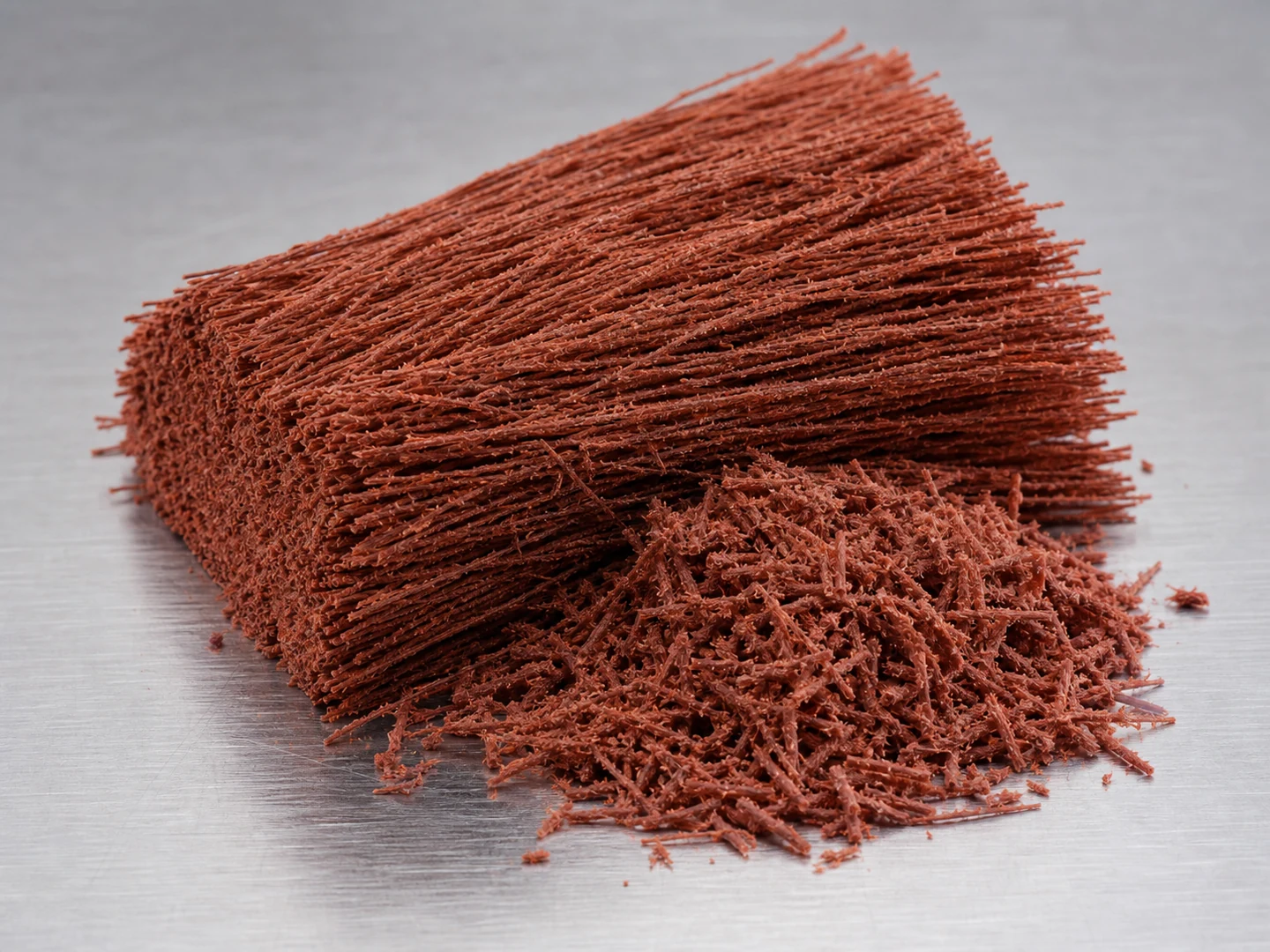
Material Overview
Ceramic abrasive brush filaments use ceramic mineral in molded or polymer-supported bristles; they are not a natural fiber and are not always nylon-based.
In a finished brush, Ceramic Abrasive Fiber does not create a fixed stiffness by itself. The final contact depends on filament diameter, free trim, density, tuft pattern, and interference; moisture, heat, and chemicals can change the response.
Material Properties
| Abrasive grade | 400–3,000 equivalent grit |
|---|---|
| Fiber diameter | 0.5–1.5 mm bundle |
| Heat resistance | up to 150–200°C in brush assemblies |
| Stock removal | light finishing and precision deburring |
Brush Applications
For Ceramic Abrasive Fiber, directly related brush structures include Wheel Brushes, Floor Scrubber Sweeper Brushes, Roller and Conveyor Brushes, and Tube & Pipe Bore Brushes. Applications related to Ceramic Abrasive Fiber include Ceramic Glaze Line & Tile Brush Use, Polishing, Surface Finishing, and Deburring & Edge Breaking.
Specification and Customization
Material form
Abrasive Filament
Common forms
Abrasive fiber.
Grade
Ceramic-abrasive composite grade; grit specified separately
Reference standard
ISO 6344 series
Limitations and Alternatives
Not for delicate coatings, soft plastics or finished paint unless the removal target and finish are process-proven.
Frequently Asked Questions
What are the key properties of Ceramic Abrasive Fiber brush material?
Ceramic abrasive brush filaments use ceramic mineral in molded or polymer-supported bristles; they are not a natural fiber and are not always nylon-based. Direct data: Abrasive grade: 400–3,000 equivalent grit; Fiber diameter: 0.5–1.5 mm bundle; Heat resistance: up to 150–200°C in brush assemblies; Stock removal: light finishing and precision deburring.
Where is Ceramic Abrasive Fiber used in cleaning brushes?
High-cut deburring and surface conditioning on hard metals, ceramic parts and precision manufactured edges.
How does filament geometry change Ceramic Abrasive Fiber brush stiffness?
Ceramic Abrasive Fiber changes brush stiffness through filament diameter, free trim, density, crimp, and contact. Use finer filament and longer trim for conformable contact; use coarser filament, shorter trim, or higher density for stronger displacement or cutting.
When should Ceramic Abrasive Fiber be replaced by another material?
Compare Ceramic Abrasive Fiber with Compare with aluminum-oxide nylon for moderate finishing, silicon-carbide nylon for conformable cutting and wire for metal removal. Change material when wet stiffness, temperature, chemical resistance, conductivity, particle shedding, or surface marking becomes the limiting factor.
Continue Exploring
Recommended Reading & Related Brush Resources
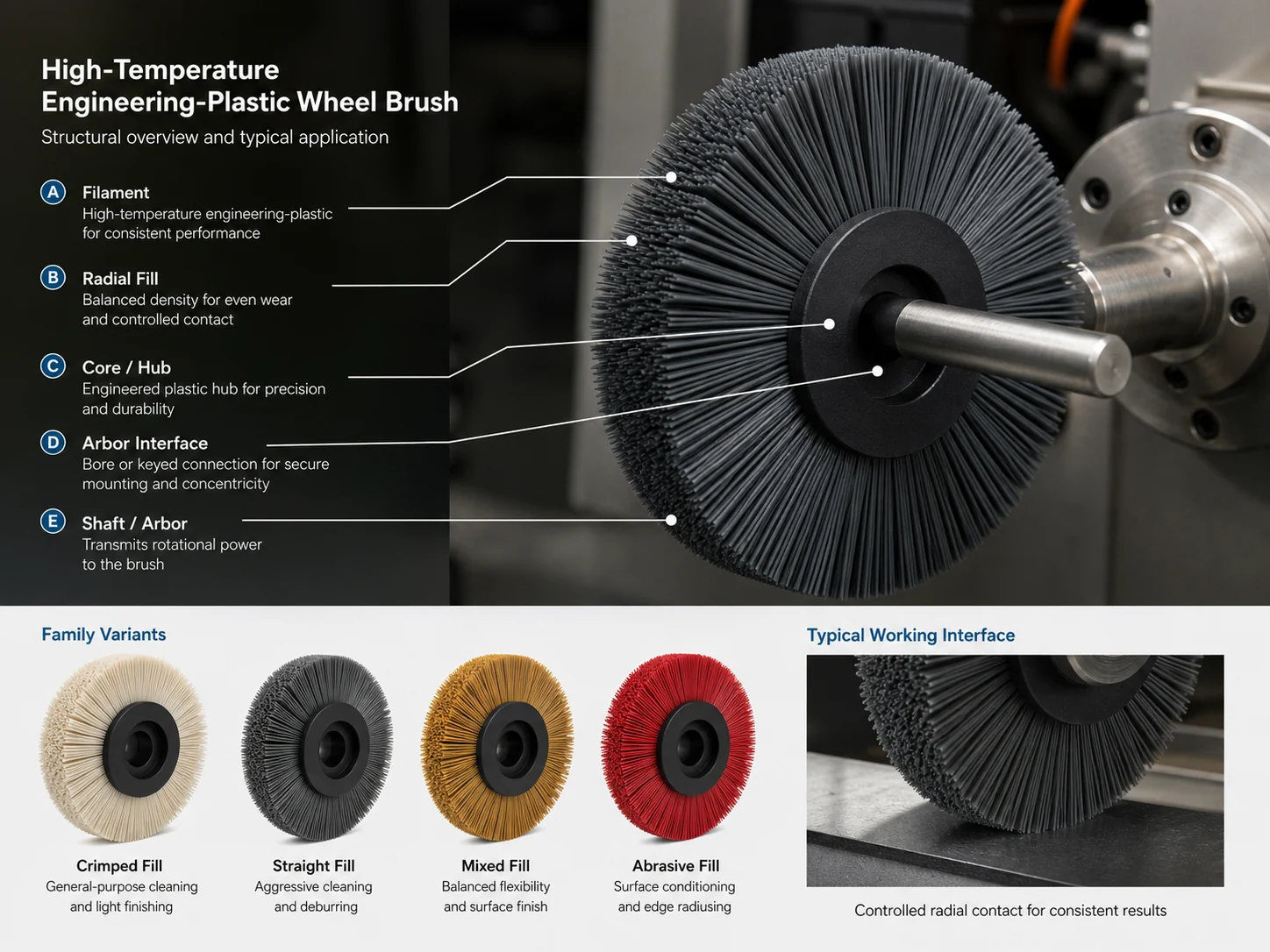
Custom Wheel Brushes
Choose a wheel brush when a rotating narrow face or edge must clean profiles,…
Explore this brush type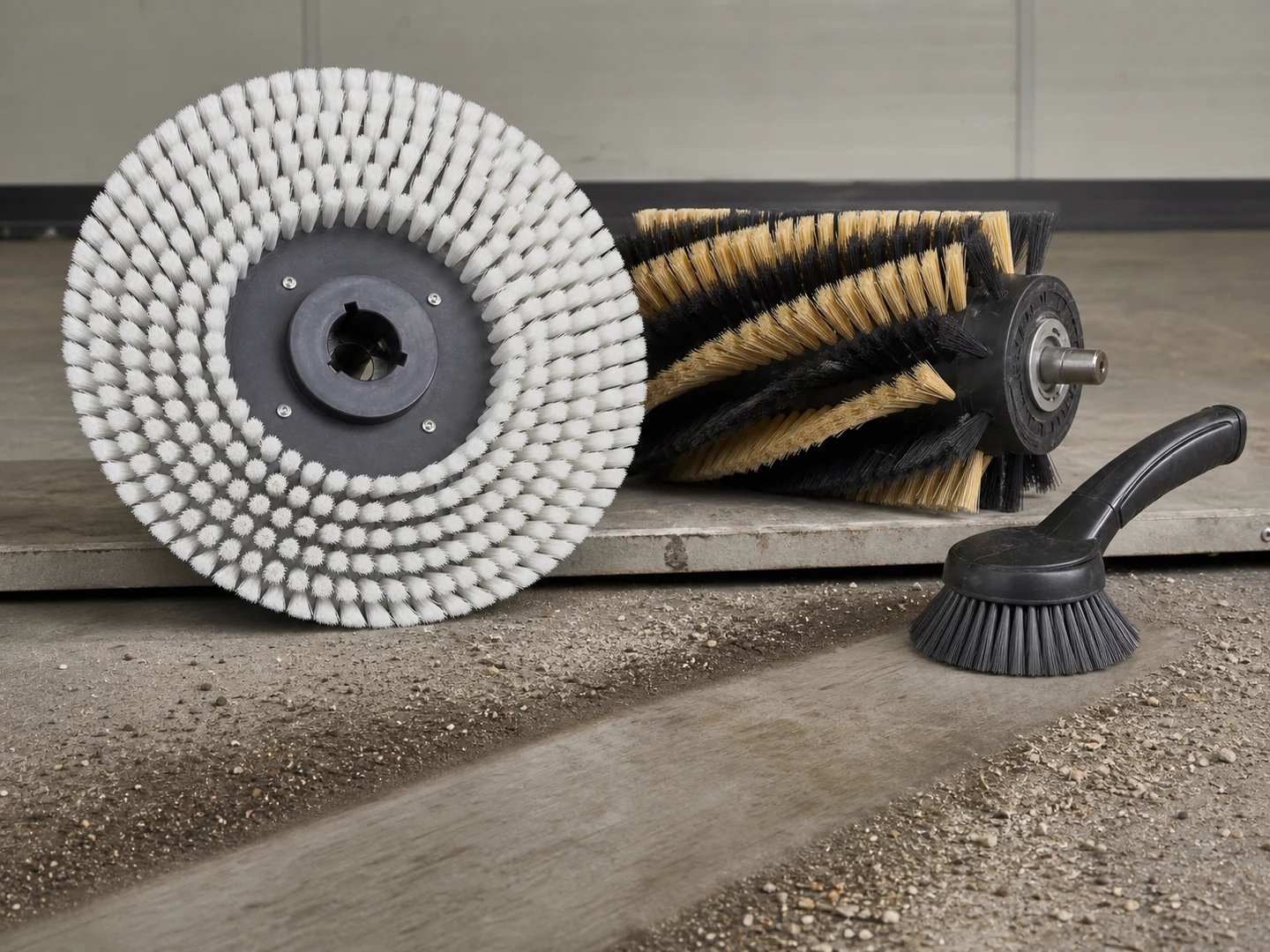
Custom Floor Scrubber Sweeper Brushes
Choose this brush type when a floor machine needs a disc, roller, main broom,…
Explore this brush type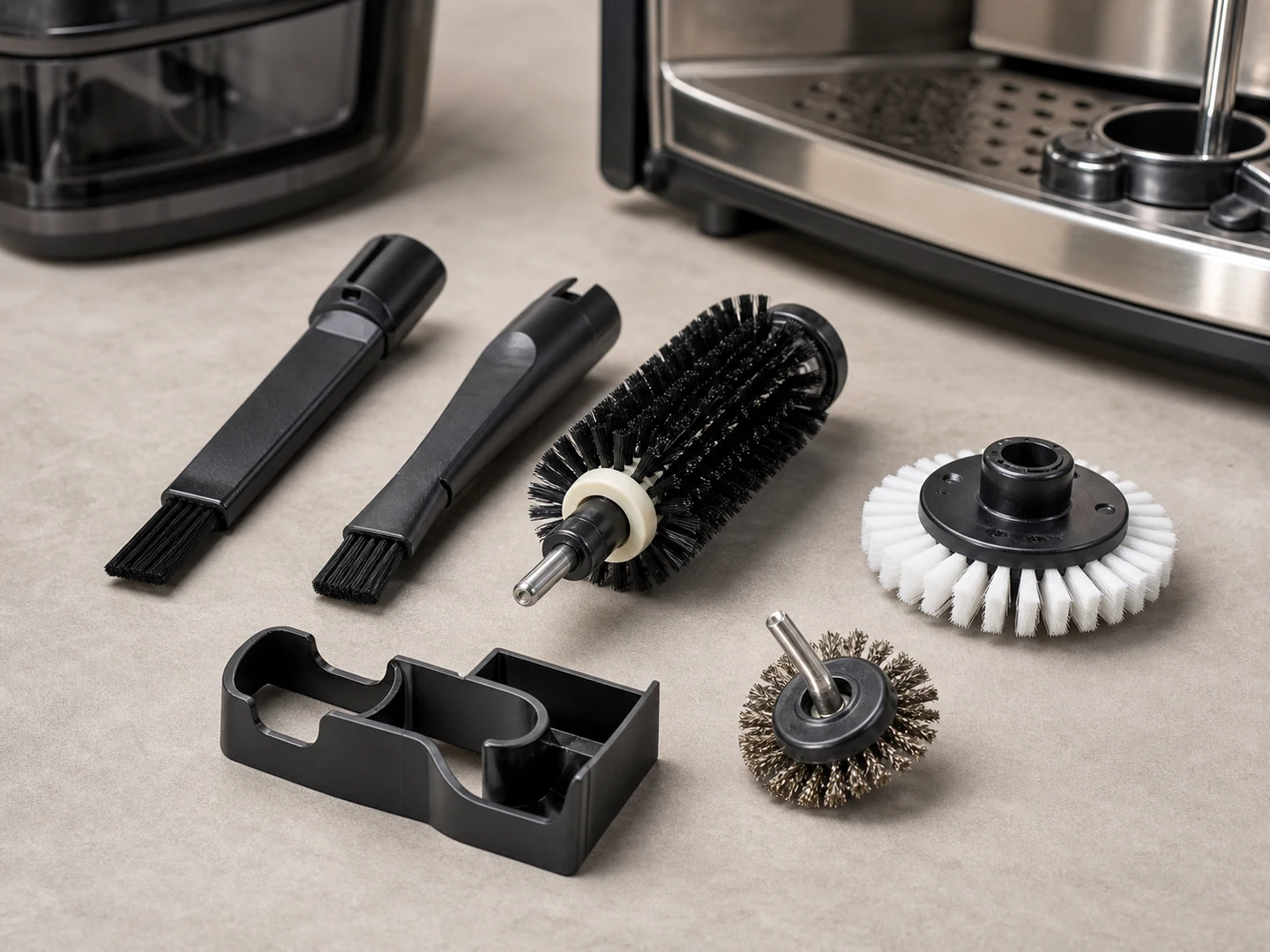
Custom Roller and Conveyor Brushes
Choose a roller or conveyor brush when a cylindrical brush must clean, wipe, guide,…
Explore this brush type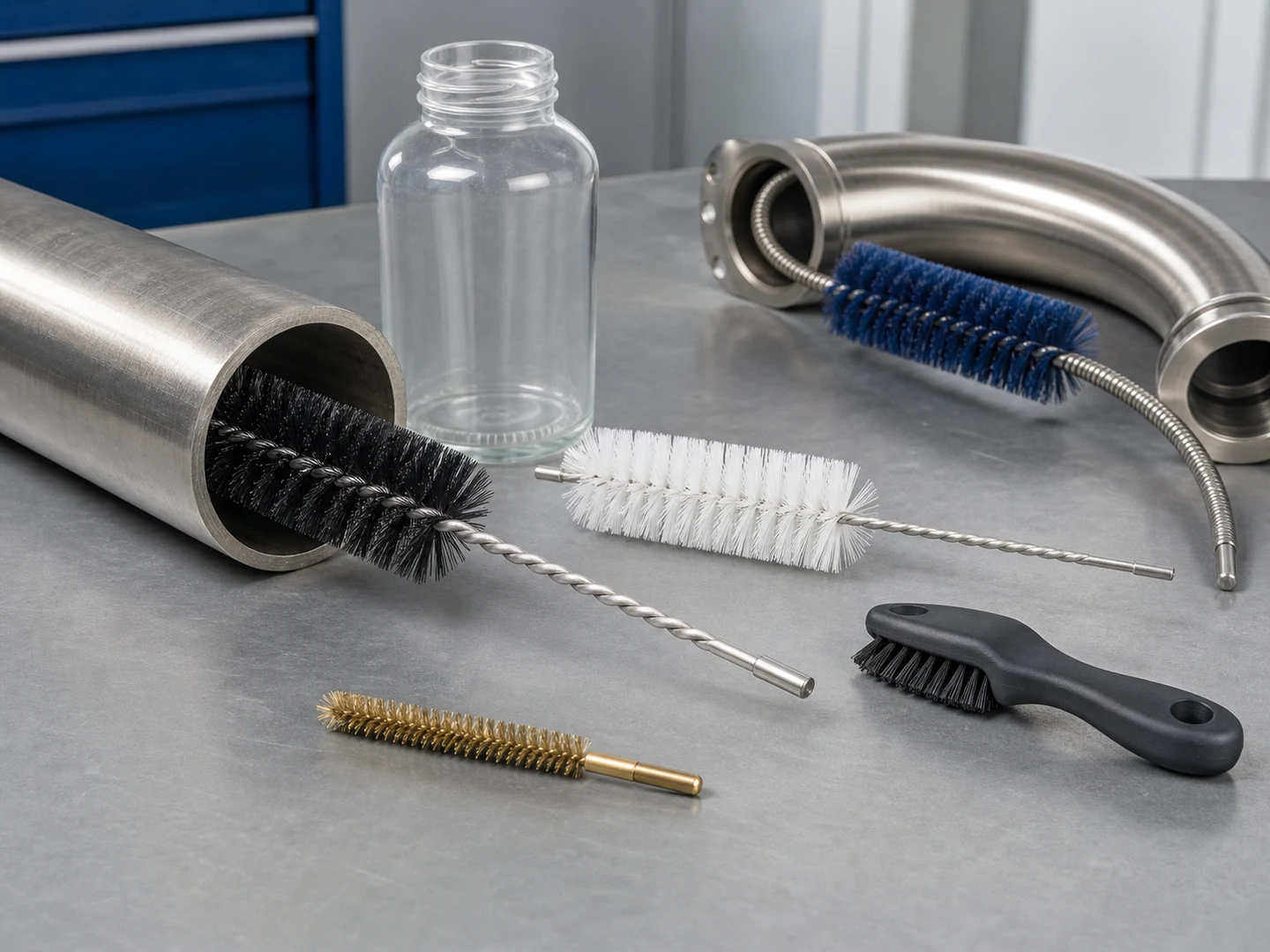
Custom Tube & Pipe Bore Brushes
Choose a tube, pipe, or bore brush when the working surface is inside a…
Explore this brush type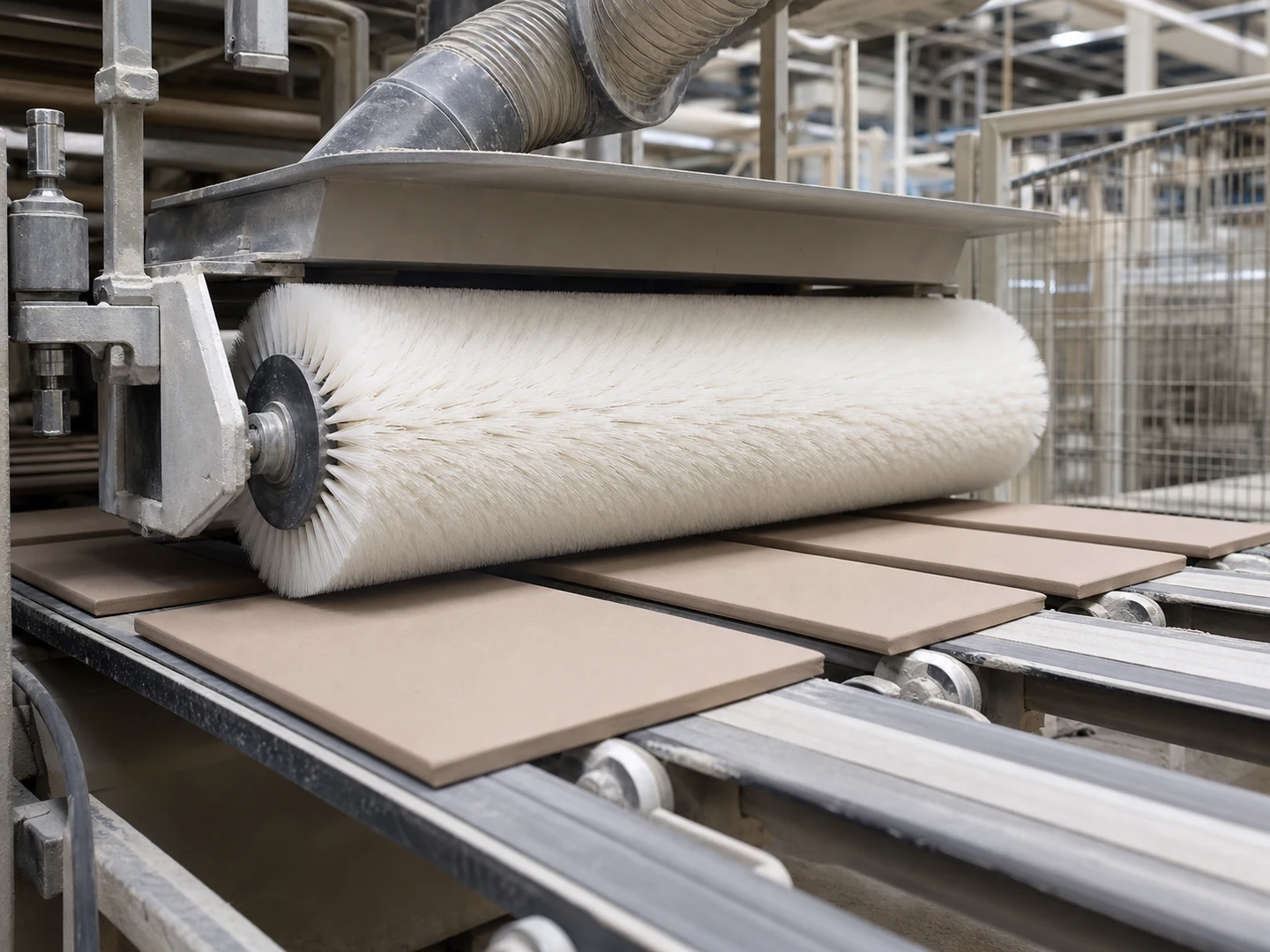
Ceramic Glaze Line & Tile Brush Use
Ceramic Glaze Line & Tile Brush Use is a process-use page rather than a…
Review application guidance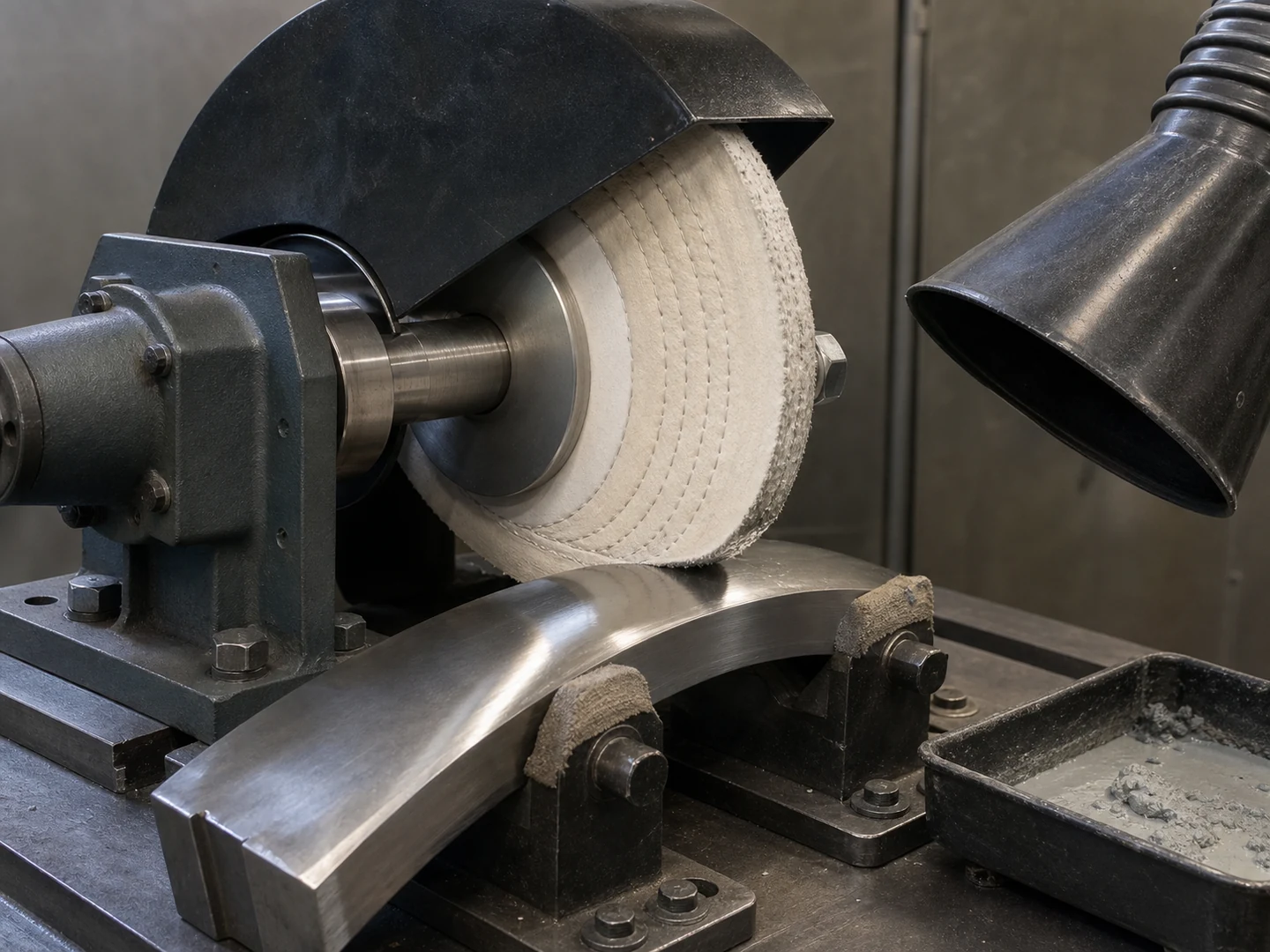
Polishing
Polishing is a process-use page rather than a general cleaning category.
Review application guidance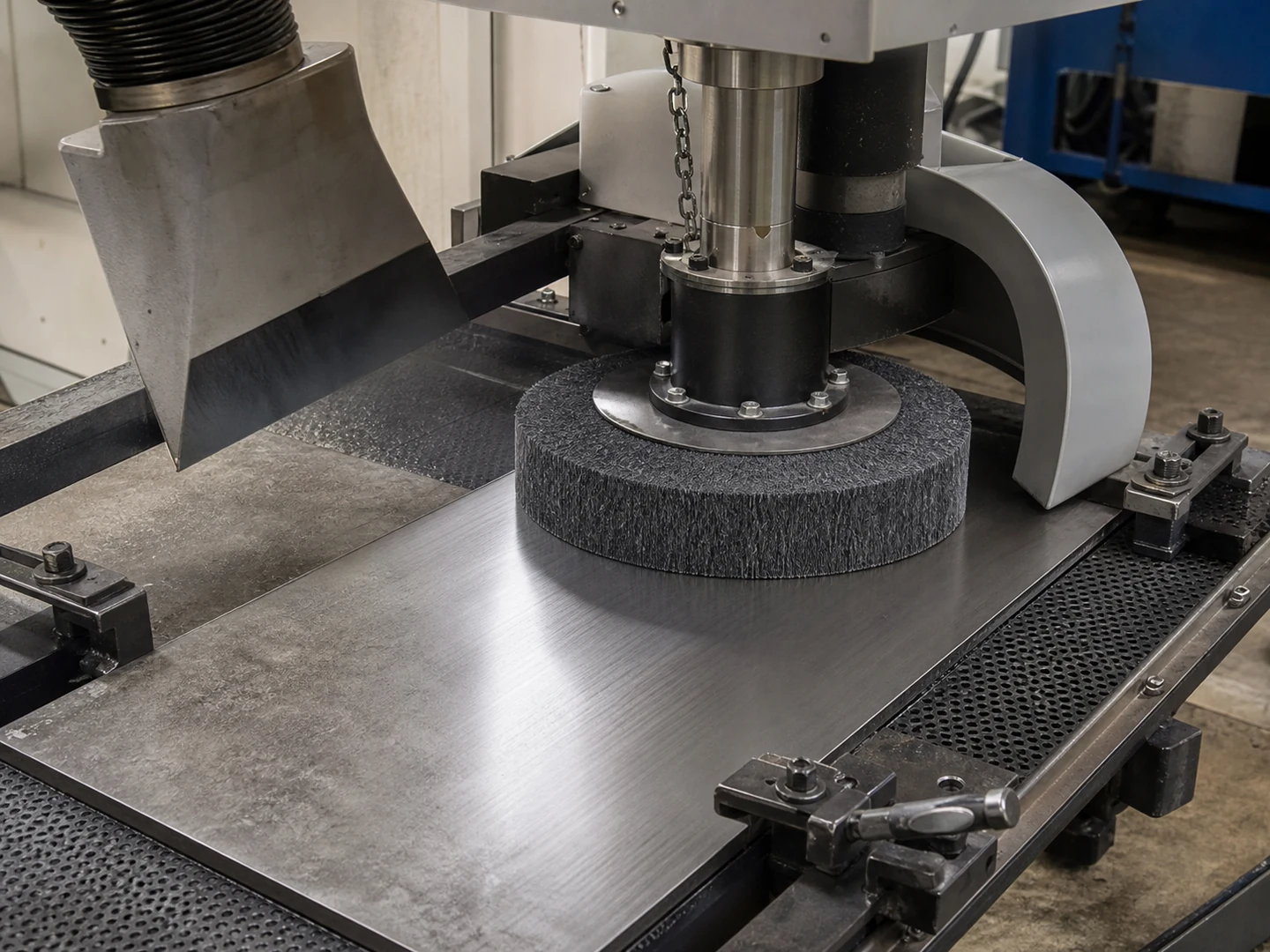
Surface Finishing
Surface Finishing is a process-use page rather than a general cleaning category.
Review application guidance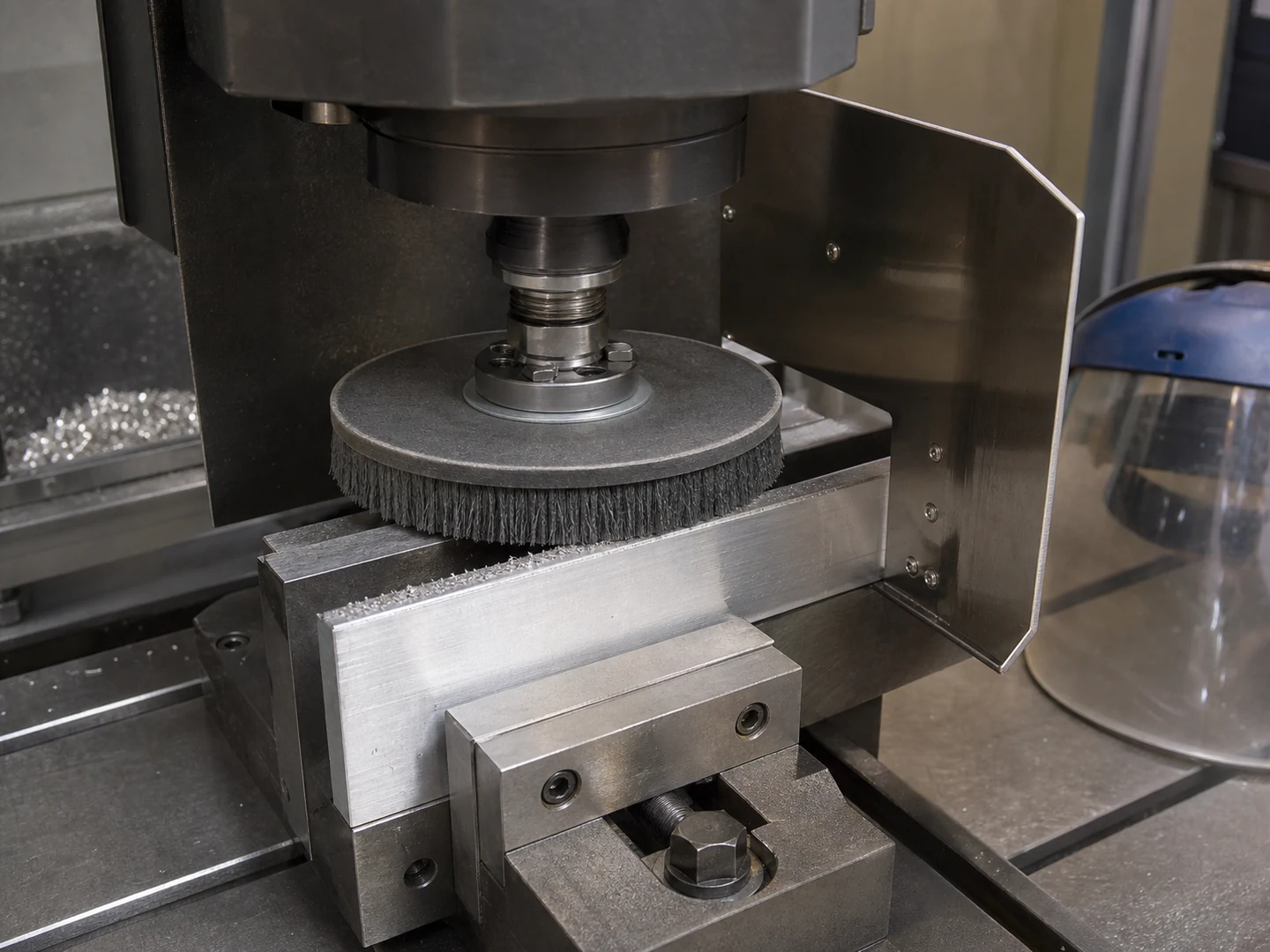
Deburring & Edge Breaking
Deburring & Edge Breaking is a process-use page rather than a general cleaning category.
Review application guidance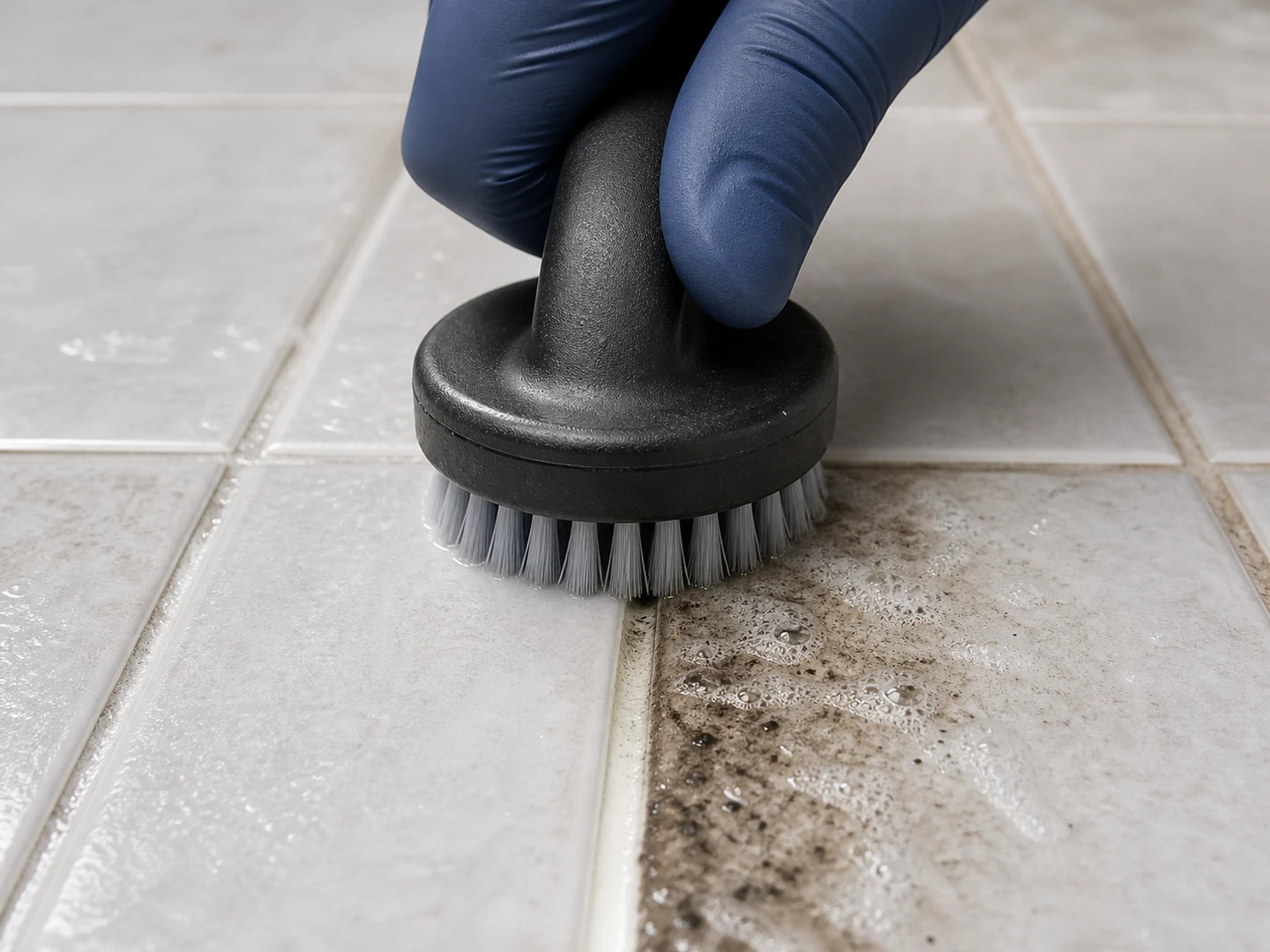
Tile Grout Cleaning
For Tile Grout Cleaning, the brush must reach the working area, disturb or collect…
Review application guidance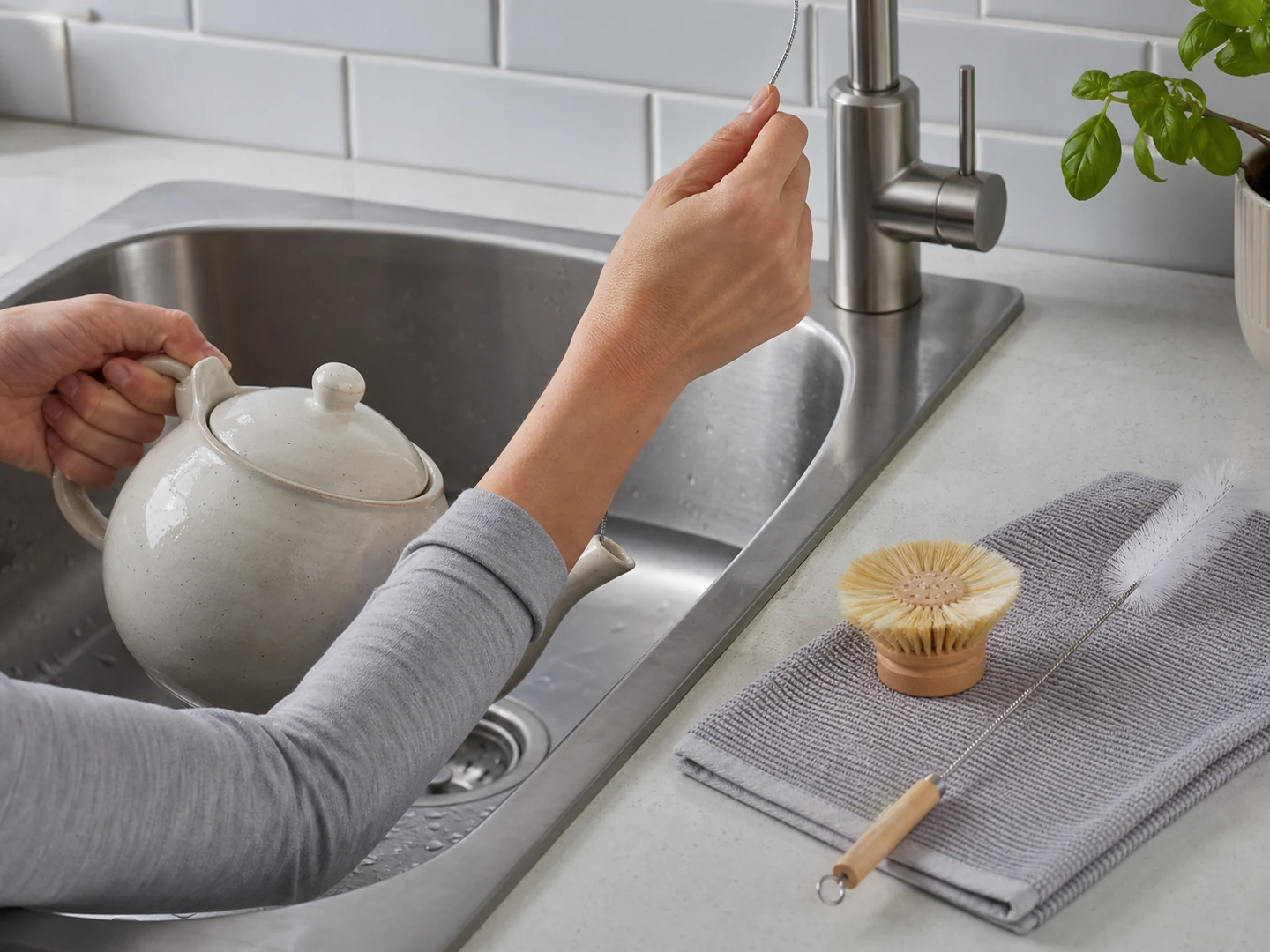
Household Dish, Teapot & Kitchen Detail Cleaning
For Household Dish, Teapot & Kitchen Detail Cleaning, the brush must reach the working…
Review application guidanceCustom Manufacturing RFQ
Discuss This Material
Share the working surface, residue, dimensions, material direction, interface, quantity and drawing or sample photo.
Custom Brush RFQ
Request a Custom Cleaning Brush Quote
Upload a drawing, product photo, or sample photo and provide the core dimensions and cleaning conditions.