
Custom Cleaning Brush
Chimney Brush
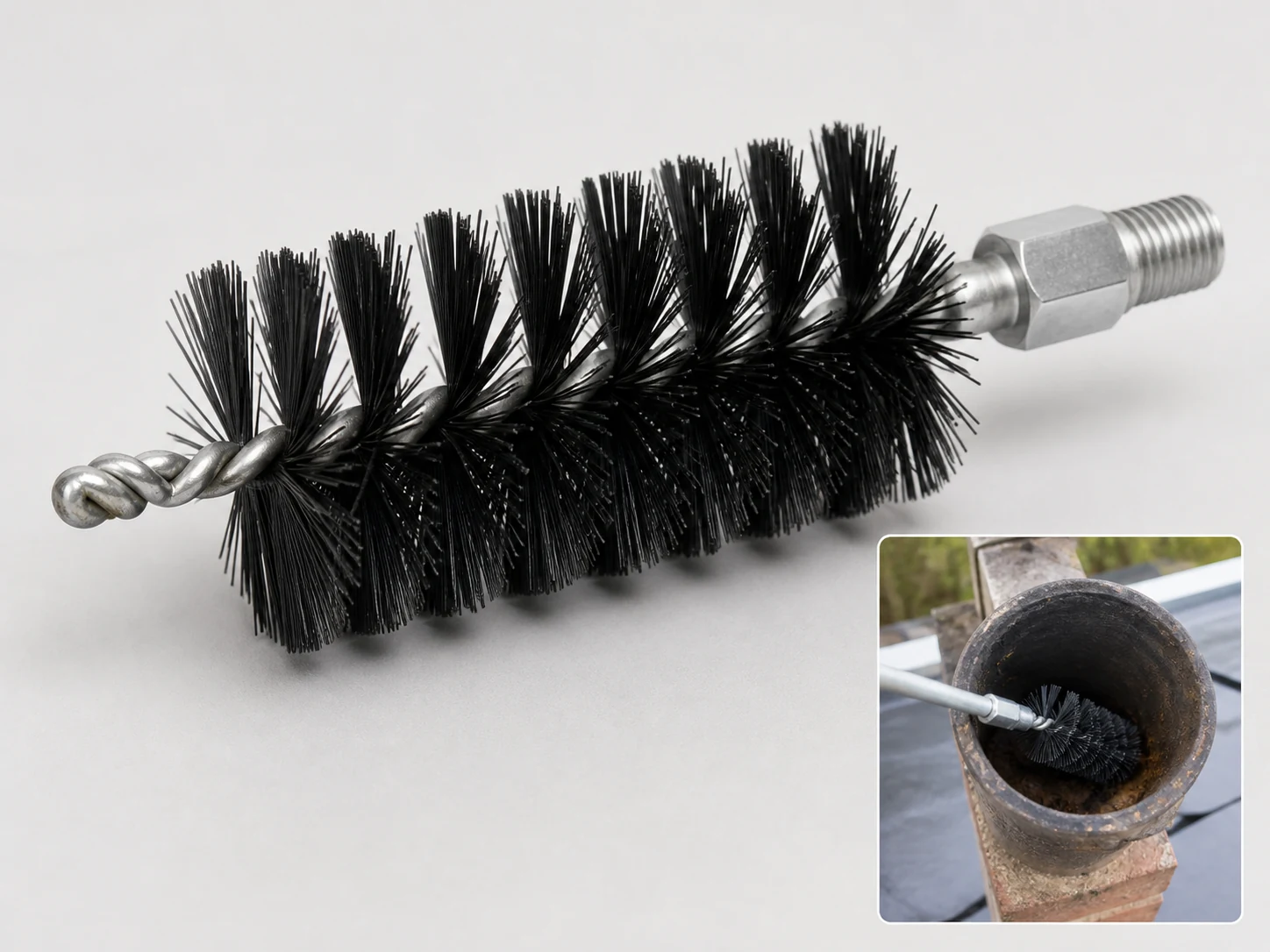
Chimney Brush is built for bore, tube, and port where the brush must enter or follow internal walls, threads, and blind holes. Head size, working length, stem flexibility, and fill are selected to loosen chips, oil, and coolant without losing access or control.
Product Features
Radial polypropylene bristles clean around the flue wall — The head removes soot, ash, and loose deposits from compatible chimney liners.
Polymer contact suits flexible or surface-sensitive liners — PP avoids exposed steel wire where metallic scraping is undesirable.
Round or shaped head can match the flue profile — The brush is sized to maintain wall contact without excessive jamming.
Sectional rod or pull-through connection extends reach — Threaded or looped fittings support top-down and bottom-up manual cleaning.
Open bristle spacing releases loosened soot — Debris can fall or be extracted instead of packing into a solid head.
Built to the chimney — Head diameter and shape, PP stiffness, trim, center fitting, thread, and rod or rope system can be customized.
Product Overview
Chimney Brush uses a working section shaped around the available opening, depth, and internal profile. It contacts internal walls, threads, and blind holes to remove chips, oil, and coolant; the access path and minimum clearance determine whether the brush needs a rigid stem, a flexible extension, a tapered head, or a stepped cleaning section. Brush diameter, working length, tip form, and stem flexibility must match the complete passage.
Key dimensions start with Brush head diameter 100–600 mm, Brush head length 80–300 mm, and Handle length 1–10 m mm. The design follows a tube and bore-brush format for radial contact on internal surfaces. The specified interface is threaded removable / fixed. Polypropylene PP are the principal material directions in the current specification. The stroke, guide clearance, and flexible length must be checked against the complete movement envelope.
Technical Specifications
| Flue diameter | 100–600 mm |
|---|---|
| Brush head length | 80–300 mm |
| Rod reach | 1–10 m |
| Connection | M8, M10, M12, 1/4 NPT, or 3/8 NPT |
| Filament diameter | 0.30–1.20 mm |
| Head form | Round, square, star, or wheel |
| Contact setting | Use near-size contact for wiping and 5–20% oversize for flexible polymer scrubbing; use lower interference with wire. |
| Working depth | 10–150 mm |
| Fill materials | Polypropylene PP |
| Cleaning zone | bore, tube, port, and internal-passage cleaning |
| Contact surface | internal walls, threads, blind holes, cross holes, tapers, ports, and curved passages |
| Residue class | chips, oil, coolant, scale |
| Access and motion | brush diameter, working length, tip form, and stem flexibility must match the complete passage |
| Cleaning duty | bore, tube, port on internal walls, threads, blind holes, cross holes |
| Variant configuration | Chimney Brush: tube, hand-held construction with Polypropylene PP fill for bore, tube, port, and internal-passage cleaning on internal walls, threads, blind holes, cross holes. |
Application Areas
Chimney Brush is primarily mapped to Tube & Pipe Cleaning. Before applying the brush to another process, verify the surface, the route for removed debris, and the final finish target.
- Chimney Brush is best suited to chimney, flue, smoke-pipe, and fireplace passage cleaning.
- The twisted-in-wire, flexible-rod, pull-through, fan-tip, or powered bore brush follows masonry, stainless, clay, or metal flue wall and cap passage while the fill displaces soot, ash, creosote, scale, and loose combustion residue.
- Use this configuration when the available access supports radial filament contact inside a bore, tube, hose, channel, nozzle, or drilled passage.
Selection Guidance
Structure fit
Match the tube & pipe bore brush geometry to internal walls, threads, and blind holes, the available access, and reciprocating motion. Confirm Brush head diameter 100–600 mm, Brush head length 80–300 mm, and Handle length 1–10 m mm against the complete working envelope before finalizing the brush.
Contact material
Choose from Polypropylene PP according to the behavior of chips, oil, and coolant, the surface sensitivity, and any wet, chemical, temperature, or hygiene requirements. Stiffness is not decided by the material name alone. Filament diameter, free trim length, and density also matter.
When to use another solution
For Chimney Brush, use another cleaning method when chips, oil, and coolant cannot be released by controlled filament contact, when internal walls, threads, and blind holes cannot tolerate the selected contact material, or when the access path prevents safe engagement and residue removal.
Customization Options
| Brush Head Diameter (mm) | 100–600 |
|---|---|
| Brush Head Length (mm) | 80–300 |
| Handle Length (mm) | 1–10 m |
| Handle Grip Diameter (mm) | Not Applicable (No explicit grip or handle-diameter dimension in the product specification) |
| Bristle Material | Polypropylene PP |
| Handle Material | 304 Stainless Steel |
| Mounting / Interface | Threaded Removable / Fixed |
| Grip Style | Straight Handle |
| Color | Custom PANTONE Color ([Industry Reference Range]) |
| Logo Process | Laser Engraving / Screen Printing / Pad Printing ([Industry Reference Range]) |
| Surface Treatment | Smooth / Textured / Overmolded / Coated (Depending on Substrate; [Industry Reference Range]) |
Frequently Asked Questions
How should Chimney Brush be selected?
Start with chimney, flue, smoke-pipe, and fireplace passage cleaning, masonry, stainless, clay, or metal flue wall and cap passage, and soot, ash, creosote, scale, and loose combustion residue. Then set Flue diameter, Brush head length, and Rod reach, choose the fill from the material and residue table, and match the mounting interface and operating condition.
Which dimensions define Chimney Brush?
The primary dimensions are Flue diameter (100–600 mm), Brush head length (80–300 mm), and Rod reach (1–10 m). Also provide the minimum clearance, working envelope, trim or engagement, and the existing holder, shaft, stem, thread, or handle.
Which filament or contact material is used for Chimney Brush?
The primary options are Polypropylene PP. The final choice follows surface sensitivity, residue adhesion, wet or dry use, temperature, chemicals, conductivity, and required cutting action.
When is Chimney Brush not the best cleaning method?
Chimney Brush is not the first choice for pigs, flushing, ultrasonic, chemical descaling, blasting, or a flexible cable system for long, sharply curved, or heavily scaled passages.
What information is required to quote Chimney Brush?
Send the part or machine drawing, photos of masonry, stainless, clay, or metal flue wall and cap passage, Flue diameter, Brush head length, Rod reach, and Connection, the residue description, wet or dry conditions, motion or use method, temperature, preferred Polypropylene PP, quantity, and the existing interface or sample.
RELATED BRUSH RESOURCES
Recommended Reading & Related Brush Resources
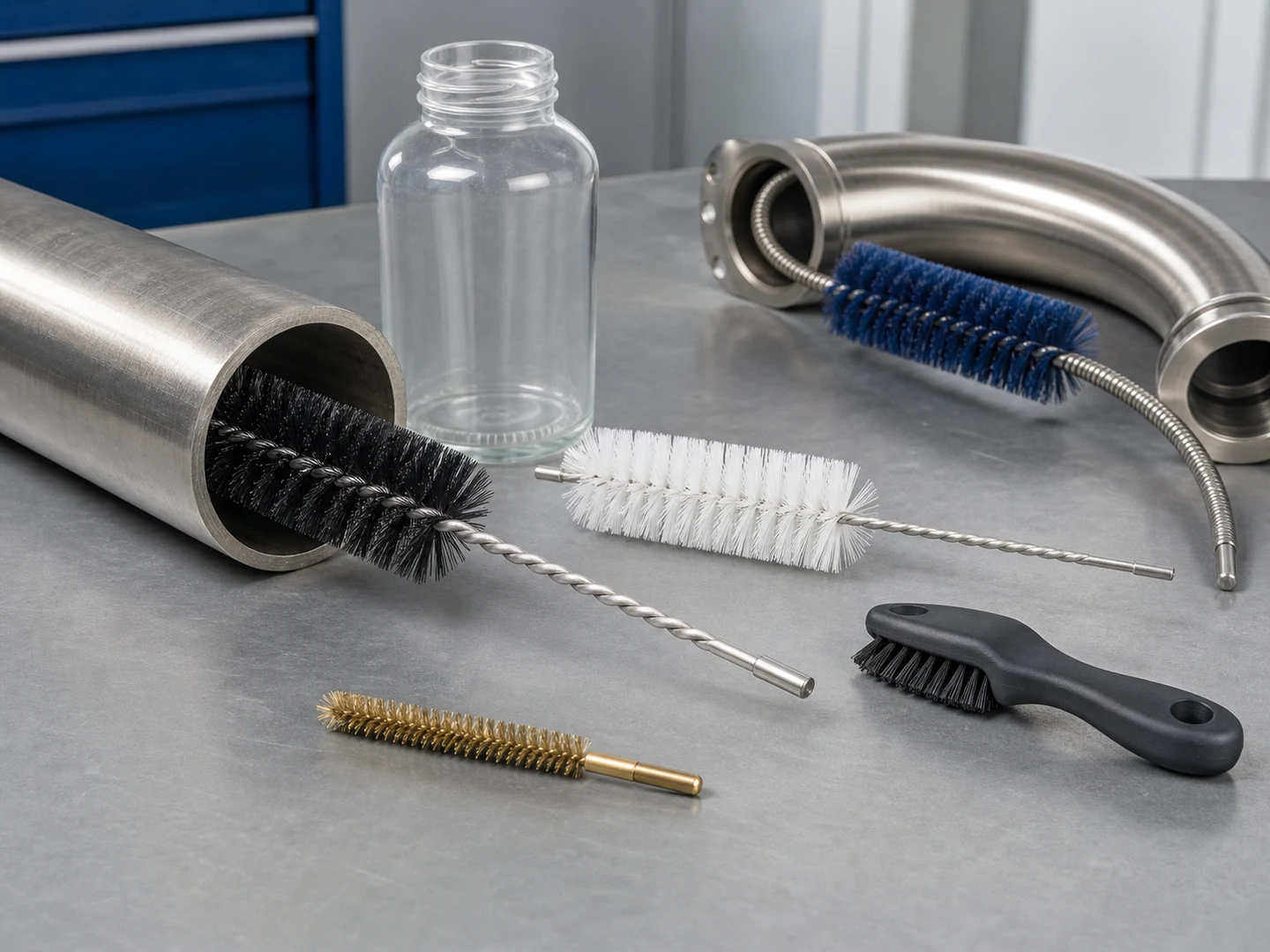
Custom Tube & Pipe Bore Brushes
Choose a tube, pipe, or bore brush when the working surface is inside a…
Explore this brush type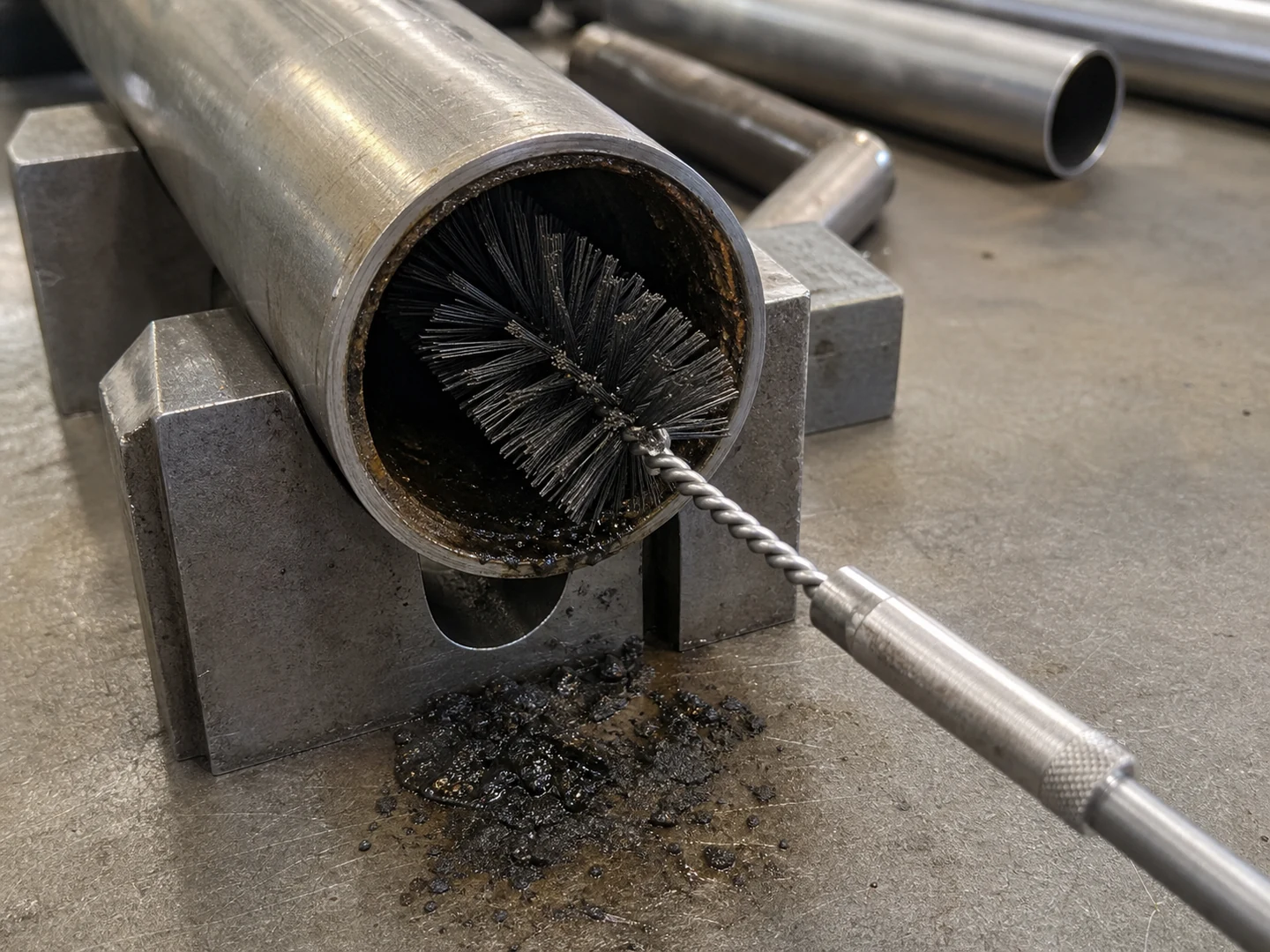
Tube & Pipe Cleaning
For Tube & Pipe Cleaning, the brush must reach the working area, disturb or…
Review application guidance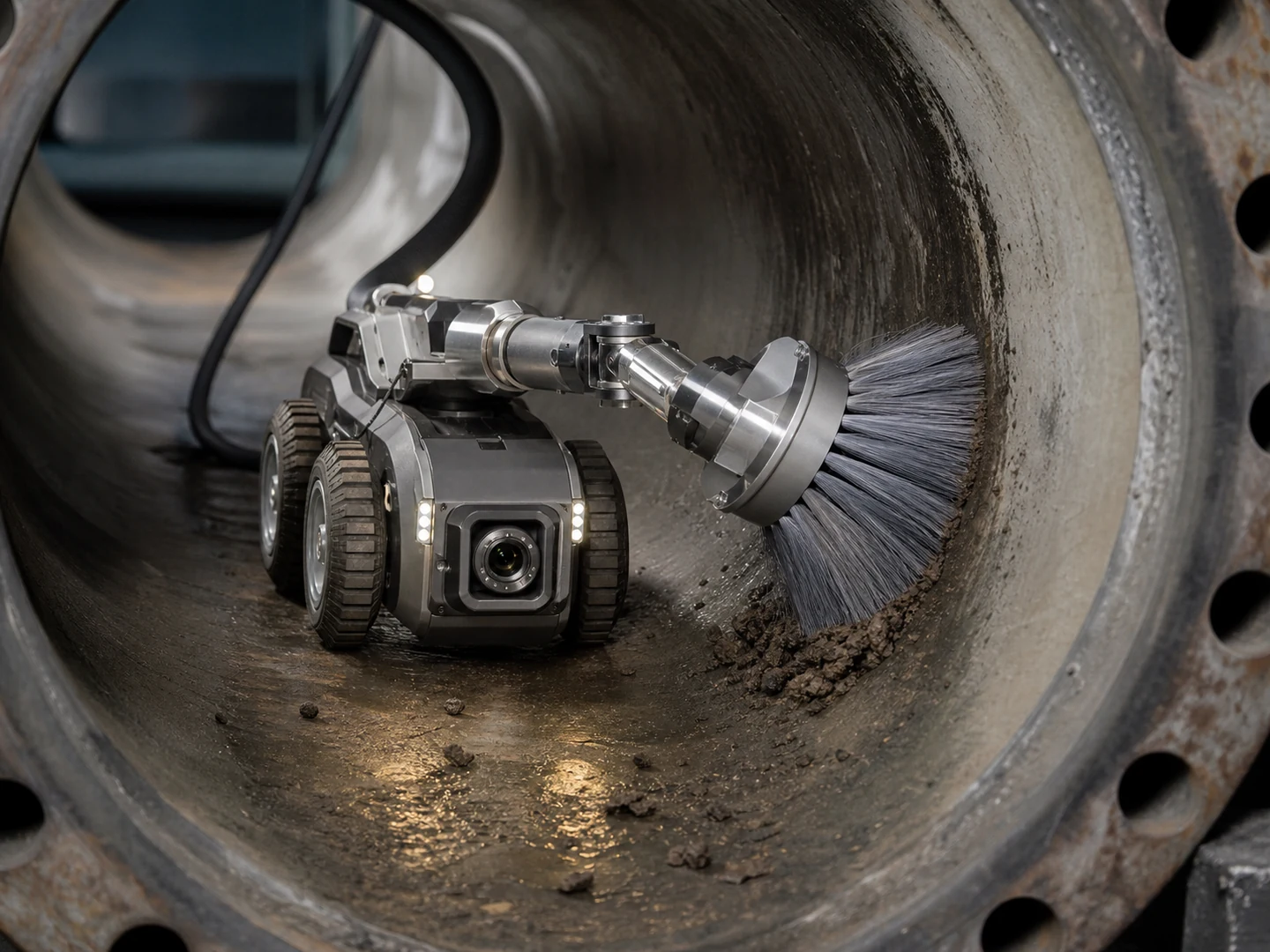
Pipe Robot Brush Attachment Use
For Pipe Robot Brush Attachment Use, the brush must reach the working area, disturb…
Review application guidance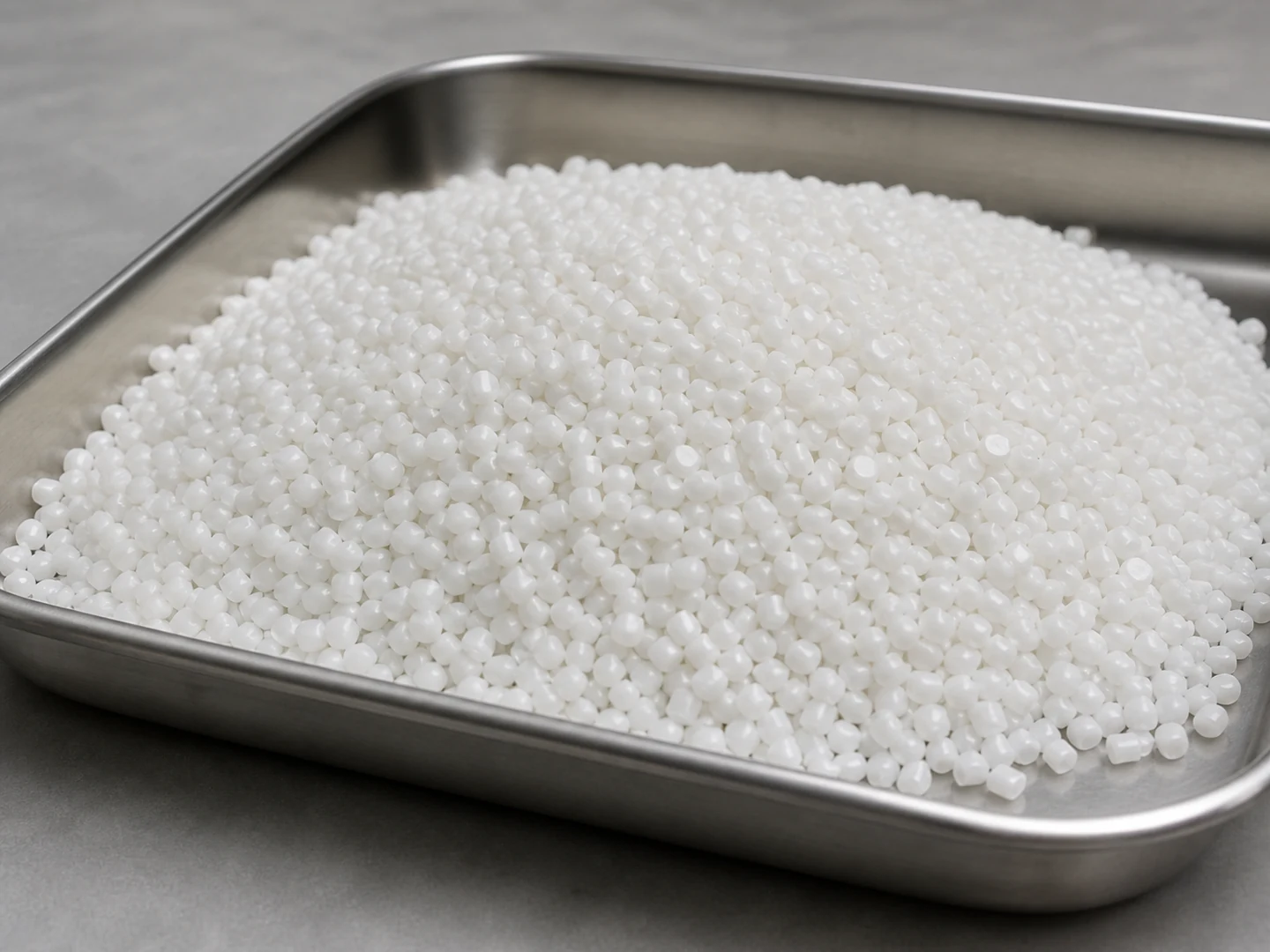
Polypropylene PP
Polypropylene PP is selected from its stiffness, recovery, wear, wet-service, chemical, and temperature behavior.
Compare material considerationsHow to Choose a Chimney Brush for Flue and Vent Cleaning
Learn how to select the right chimney brush by comparing bristle types, shapes, mounting…
Read related guideHow to Choose Chimney Brush Rod for Chimney Soot
Learn how to choose the right chimney brush rod for safe and effective soot…
Read related guideCustom Manufacturing RFQ
Upload the Brush Drawing, Product Photo or Sample Details
An accurate custom quote starts with the dimensions, working surface, residue, material choice, connection, quantity, and reference files.
Custom Brush RFQ
Send Your Brush Project
Upload a drawing, product photo, or sample photo and provide the core dimensions and cleaning conditions.