What Is a Bottle Brush?
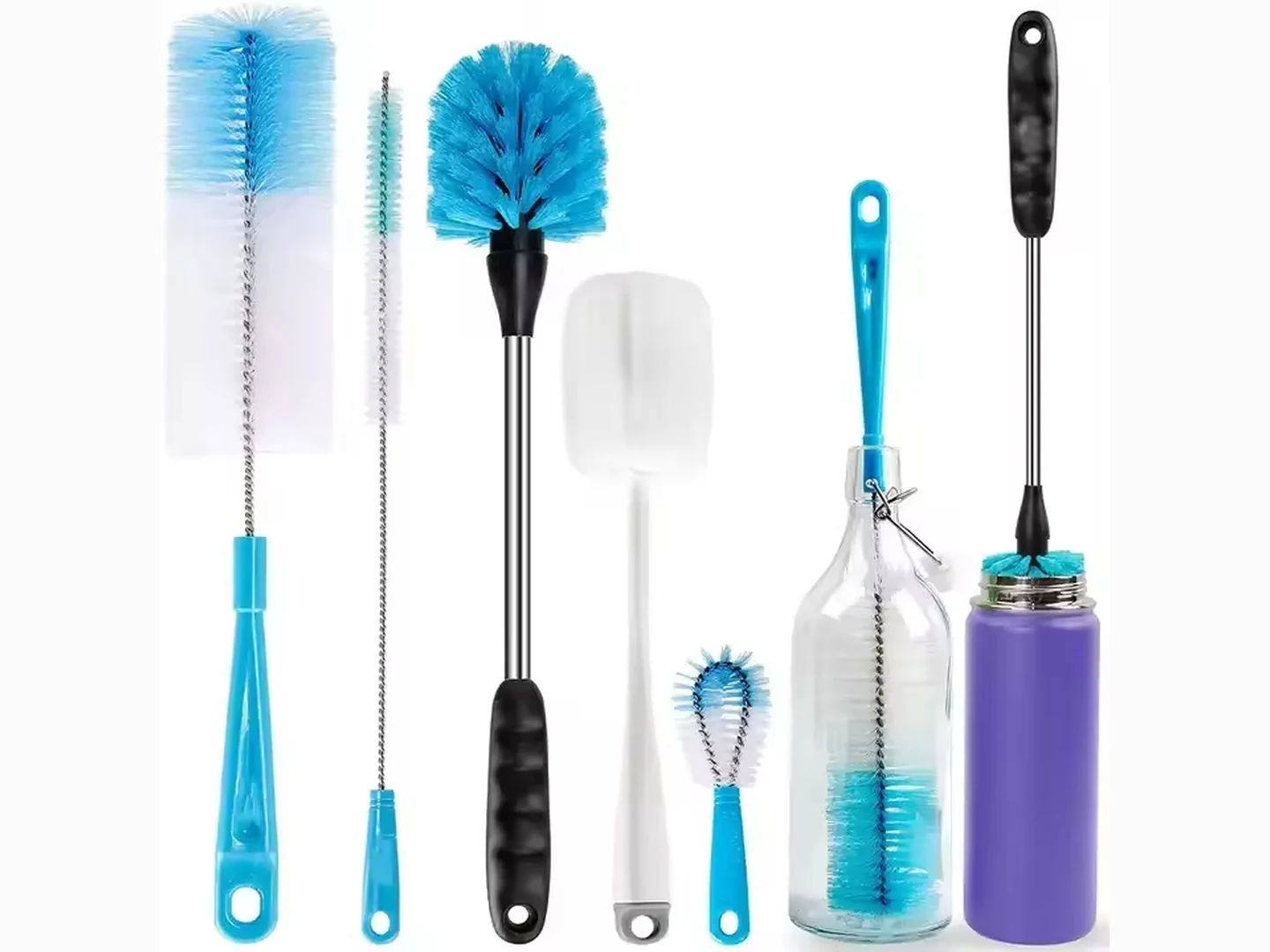
A bottle brush is a specialized cleaning implement consisting of a central stem (core) with bristles radiating outward. The stem is usually long and narrow to pass through a bottle neck, and the bristles are arranged to scrub the interior walls. Bottle brushes come in many sizes, materials, and configurations. In a commercial or industrial context, a bottle brush might be integrated into a cleaning system, mounted on a drill, or fabricated to custom dimensions for standardized containers. The basic function, however, remains the same: to provide mechanical agitation that loosens and removes soils from surfaces that are otherwise hard to access.
Why Narrow Mouth Containers Are Tricky to Clean
For kitchen cleaning examples, the FDA — Food Safety in Your Kitchen supports the distinction between normal cleaning, food handling, and hygiene habits.
For general foodborne-illness prevention language, the CDC — Preventing Food Poisoning is used as the public-health reference.
For the material or regulatory boundary in this section, the supporting reference is eCFR — 21 CFR 177.1500 Nylon Resins.
For the material or regulatory boundary in this section, the supporting reference is eCFR — 21 CFR 177.1520 Olefin Polymers.
For the material or regulatory boundary in this section, the supporting reference is eCFR — 21 CFR 177.1630 Polyethylene Phthalate Polymers.
For brush terminology and construction language, this section references American Brush Manufacturers Association — Brush Lingo.
Containers with narrow openings—typically less than two inches in diameter—restrict tool access and limit the range of motion for scrubbing. Residues like dried protein, sugar syrups, mineral scale, or biofilms can adhere to the inner walls, especially in areas just below the neck or at the bottom. Without proper contact pressure from a brush, these soils remain, potentially leading to contamination, off-flavors, or unsanitary conditions. The right bottle brush must fit through the opening, bend or flex to reach all surfaces, and provide enough scrubbing action without damaging the container material.
Common Types of Bottle Brushes
Bottle brushes vary widely in design. The main categories are based on bristle material, core construction, handle style, and mounting method. Understanding these options is the first step toward a good match.
- Synthetic bristle brushes: Typically nylon or polyester. Durable, chemical-resistant, and available in a range of stiffnesses. Ideal for general-purpose cleaning.
- Natural bristle brushes: Often made from tampico fiber, horsehair, or palm fibers. Softer and more absorbent; good for delicate surfaces and light soils but may deteriorate with harsh chemicals.
- Wire core brushes: Bristles twisted into a galvanized or stainless steel wire. Flexible, affordable, and common for hand cleaning. Stainless steel cores resist rust.
- Plastic core brushes: A rigid plastic stem with bristles attached. Less flexible but eliminates any risk of metal scratching plastic or glass-lined containers.
- Flexible shaft brushes: Feature a bendable wire or plastic spine that can curve to follow the contours of oddly shaped bottles.
- Chuck-mounted brushes: Designed to fit into a drill or machine spindle for mechanized cleaning in production lines.
Comparing Bottle Brush Options: A Selection Table
The table below compares four typical brush configurations for narrow mouth containers. Use it to narrow down your choices based on your cleaning environment and container requirements.
| Feature | Synthetic Bristle, Wire Core | Natural Bristle, Wire Core | Plastic Core, Synthetic Bristle | Flexible Shaft, Synthetic Bristle |
|---|---|---|---|---|
| Bristle Material | Nylon, polyester | Tampico, horsehair | Nylon, polyester | Nylon, polyester |
| Typical Stiffness | Medium to stiff | Soft to medium | Medium to stiff | Medium |
| Core/Wire | Galvanized or stainless steel | Galvanized steel | Polypropylene or other rigid plastic | Bendable wire or plastic |
| Diameter Range (for narrow mouth) | 0.5″ to 2″ commonly | 0.75″ to 1.5″ | 0.5″ to 2″ | 0.75″ to 2″ |
| Handle/Mounting | Twisted wire loop handle, optional D-handle; some with drill chuck end | Wire loop or wooden handle | Molded handle, often with hanging hole | Flexible shaft with loop or chuck end |
| Best For | General scrubbing; moderate to heavy residues; chemical resistance | Light cleaning; polishing glassware; delicate surfaces where scratching is a concern | Scratch-free cleaning of plastic, non-stick, or lined containers | Containers with curves, bottlenecks, or uneven interiors |
| Limitations | Metal core can scratch soft plastics or glass if exposed; may rust if not stainless | Absorbs moisture; can rot or degrade with strong chemicals; lower durability | Not flexible; can break if forced into a bent position | May not provide as much scrubbing force due to flexibility; core may fatigue |
How to Match a Bottle Brush to Your Cleaning Task
Moving beyond the brush type, the proper selection depends on a systematic evaluation of your cleaning task. Consider each of the following factors before placing an order.
1. Residue Type
Identify the primary soil you need to remove:
- Soft, non-adherent residues (e.g., fresh food particles, light dust): A softer bristle, natural or fine synthetic, will suffice.
- Sticky, syrupy, or dried-on residues (e.g., honey, dried yeast, protein films): Require stiffer bristles, often nylon or polyester, and possibly a larger diameter brush for more contact pressure.
- Hard scale or mineral buildup (e.g., limescale, beer stone): May need an abrasive bristle or a brush designed for scrubbing with a chemical cleaner. A drill-mounted brush can speed up removal.
2. Surface Sensitivity
Match the bristle and core to the container’s inner surface:
- Glass: Generally tolerant of stiffer bristles, but avoid exposed metal cores that could scratch. Stainless steel wire cores are preferred.
- Stainless steel: Can handle aggressive brushes; however, for sanitary applications, a non-metallic core may be required to avoid rust particles.
- Plastic, polycarbonate, Tritan: Easily scratched by metal cores or stiff bristles. Use a brush with a plastic core and medium-soft bristles.
- Ceramic, enamel, or coated surfaces: Use soft natural bristles or gentle synthetic brushes to prevent micro-scratches.
3. Operating Conditions and Hygiene Requirements
- Chemical exposure: If strong acids, alkalis, or sanitizers are used, choose chemically resistant synthetic bristles (nylon, polypropylene) and stainless steel or plastic cores. Natural fibers may degrade quickly.
- Wet environment: Wire cores must be stainless steel to prevent rust. Plastic cores and synthetic bristles are inherently non-corrosive.
- Hygiene standards: In food, beverage, or pharmaceutical facilities, brushes must meet sanitary design principles—smooth, non-porous materials, easy to clean, and often autoclavable. Some facilities require color-coded brushes for different use zones.
4. Container Dimensions
Your bottle’s neck diameter and the internal shape dictate the brush size:
- Measure the smallest opening the brush must pass through.
- The brush diameter should be about ¼ to ½ inch smaller than the neck opening for easy insertion, yet large enough to make firm contact with the sidewalls.
- The brush length must reach the bottom, and in some cases, have extra length to scrub the far end.
- For containers with a shoulder or tapered neck, a flexible shaft brush can conform to the contour.
5. Maintenance and Replacement Frequency
Consider how often the brush will be used and cleaned:
- High-frequency use demands durable bristles (nylon) and corrosion-proof cores.
- If the brush will be sanitized in place or autoclaved, choose heat-resistant materials.
- Disposable or low-cost brushes may be acceptable for single-batch or infrequent use; otherwise, invest in a brush that can be cleaned and reused.
6. Custom Size Requirements
If off-the-shelf brushes do not fit your containers—common in specialized industrial settings—custom-fabricated brushes may be necessary. In such cases, provide a detailed drawing of the container, specify the scrubbing areas, and work with a supplier to design a brush that delivers the right diameter, bristle density, and trim length. Always request a sample for testing before committing to a full order.
Common Mistakes When Choosing a Bottle Brush
Avoid these pitfalls to get a brush that truly works:
- Choosing by cost drivers alone: Inexpensive brushes often have loose bristles, weak cores, or rust-prone wire. They may shed bristles into your container or fail quickly.
- Ignoring bristle chemical compatibility: Some low-cost nylon brushes can melt or deform with hot water or sanitizers. Confirm temperature and chemical resistance.
- Forcing an oversized brush through a narrow neck: This can damage both the brush and the container. The brush should insert and remove without excessive force.
- Using a metal core brush on plastic bottles: The exposed wire tip or bent core can scratch the interior, creating niches for bacteria.
- Overlooking handle length: A handle that is too short means you cannot reach the bottom; too long may be unwieldy. For deep containers, a long-handle bottle brush is essential.
- Not considering brush cleaning: Brushes must be cleaned themselves. A brush with a smooth, non-absorbent handle is easier to sanitize.
When a Standard Bottle Brush Isn’t Enough
A bottle brush excels at mechanical scrubbing, but it has limits. In the following situations, consider alternative cleaning methods or additional steps:
- Heavy, cemented scale: A brush alone may not remove thick mineral deposits; a chemical soak (acid or alkaline) or ultrasonic cleaning is often required first.
- Complex internal geometries: Bottles with multiple chambers, sharp angles, or baffles may need a brush designed from a drawing, not a stock shape.
- High-volume production cleaning: For hundreds or thousands of containers per day, manual brushing is impractical. Automated brushing stations or clean-in-place (CIP) systems are necessary.
- Validated cleaning requirements: In pharmaceutical or medical device manufacturing, cleaning must be validated and documented. Off-the-shelf brushes rarely meet these demands; work with a supplier that can provide material certifications, design drawings, and batch traceability.
- Risk of cross-contamination: When cleaning between different products, a single brush may be inadequate. Use dedicated brushes or a sterilizable, fully cleanable design.
If you suspect your application is beyond the scope of a typical bottle brush, consult with a cleaning equipment specialist. Provide a sample container and the cleaning specification; they can help determine whether a custom brush, an ultrasonic system, or a spray washing approach is more appropriate.
Final Takeaway: A Simple Selection Roadmap
Choosing the right bottle brush for narrow mouth containers boils down to a few practical steps:
- Measure the neck opening and overall container height.
- Determine the primary residues and required bristle stiffness.
- Select a core material (stainless steel, plastic, flexible) compatible with your container surface.
- Check chemical and temperature resistance if using cleaning agents.
- For unusual shapes, opt for a flexible shaft brush.
- Whenever possible, test a sample brush on your actual container before committing to a bulk purchase.
By following this roadmap, you ensure that your cleaning process is effective, efficient, and safe for your containers and your product.
Frequently Asked Questions
What diameter bottle brush do I need for my narrow mouth container?
Measure the bottleneck’s inner diameter. Choose a brush diameter that is about ¼ to ½ inch smaller than that measurement. This allows easy insertion while still providing good wall contact. If the bristles are very flexible, you can go slightly larger, but always confirm the brush passes through without forcing.
Can I use the same bottle brush for glass and plastic bottles?
It depends on the brush. A brush with a stainless steel core and medium-stiff synthetic bristles can work for glass, but it might scratch plastic. For plastic containers, use a brush with a plastic core and softer bristles to avoid surface damage. If you need one brush for both, choose a brush with a plastic core and medium bristles, and inspect containers for scratches after initial use.
How do I clean a bottle brush after use?
Rinse the brush thoroughly with hot water to remove residues. For hygienic applications, soak it in a sanitizing solution according to the brush manufacturer’s instructions. Hang the brush by its handle to air dry. Avoid leaving a wet brush in a closed container, as this can promote mold or bacterial growth on natural bristles.
What bristle material is best for removing coffee or tea stains?
Coffee and tea stains often require a gentle abrasive action combined with a mild acid or detergent. A medium-stiff nylon bristle brush is effective and resistant to the typical cleaning chemicals used. Natural bristles may absorb stains and odors over time, making them less ideal for this task.
How long does a bottle brush typically last?
Lifespan varies by usage frequency, bristle material, and cleaning environment. In a commercial setting with daily use, a high-quality nylon brush might last several months; cheaper brushes may show bristle loss or core damage within weeks. Replace the brush when bristles become permanently bent, begin falling out, or when the core shows signs of rust or breakage.
Is a flexible or rigid brush better for narrow mouth containers with curved necks?
For containers with curved necks or shoulders, a flexible shaft brush is often better because it can bend to follow the internal contour. A rigid brush may only clean the straight sections, leaving the curved area untouched. Ensure the flexible brush still provides enough scrubbing force for your residue type.
Can I attach a bottle brush to a drill for faster cleaning?
Yes, many industrial and some heavy-duty bottle brushes come with a ¼-inch hex shank or similar end to fit a drill chuck. This is useful for removing stubborn residues or cleaning many containers quickly. However, use caution: high speeds can scratch delicate surfaces or damage the brush. Always start at low RPM and match the brush material to the container.
When should I order a custom-sized bottle brush instead of a standard one?
Consider a custom brush if your container has a non-standard diameter, length, or shape that off-the-shelf brushes cannot adequately clean. Custom brushes are also warranted when you require specific bristle trim lengths, densities, core materials, or validated cleaning certifications. Provide a drawing of the container and your cleaning requirements to a brush manufacturer to receive a design proposal.