What Is a Bronchoscope Cleaning Brush?
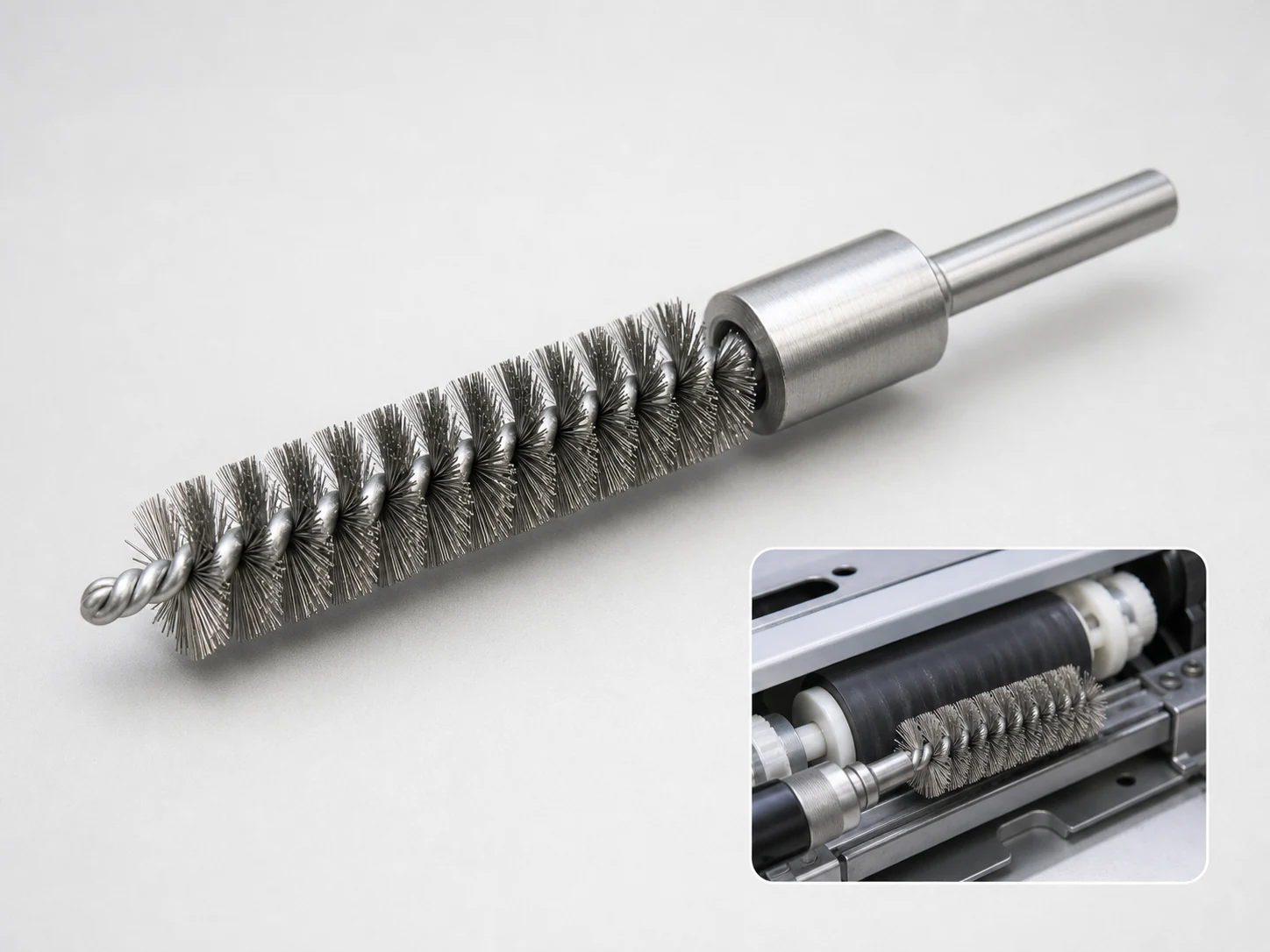
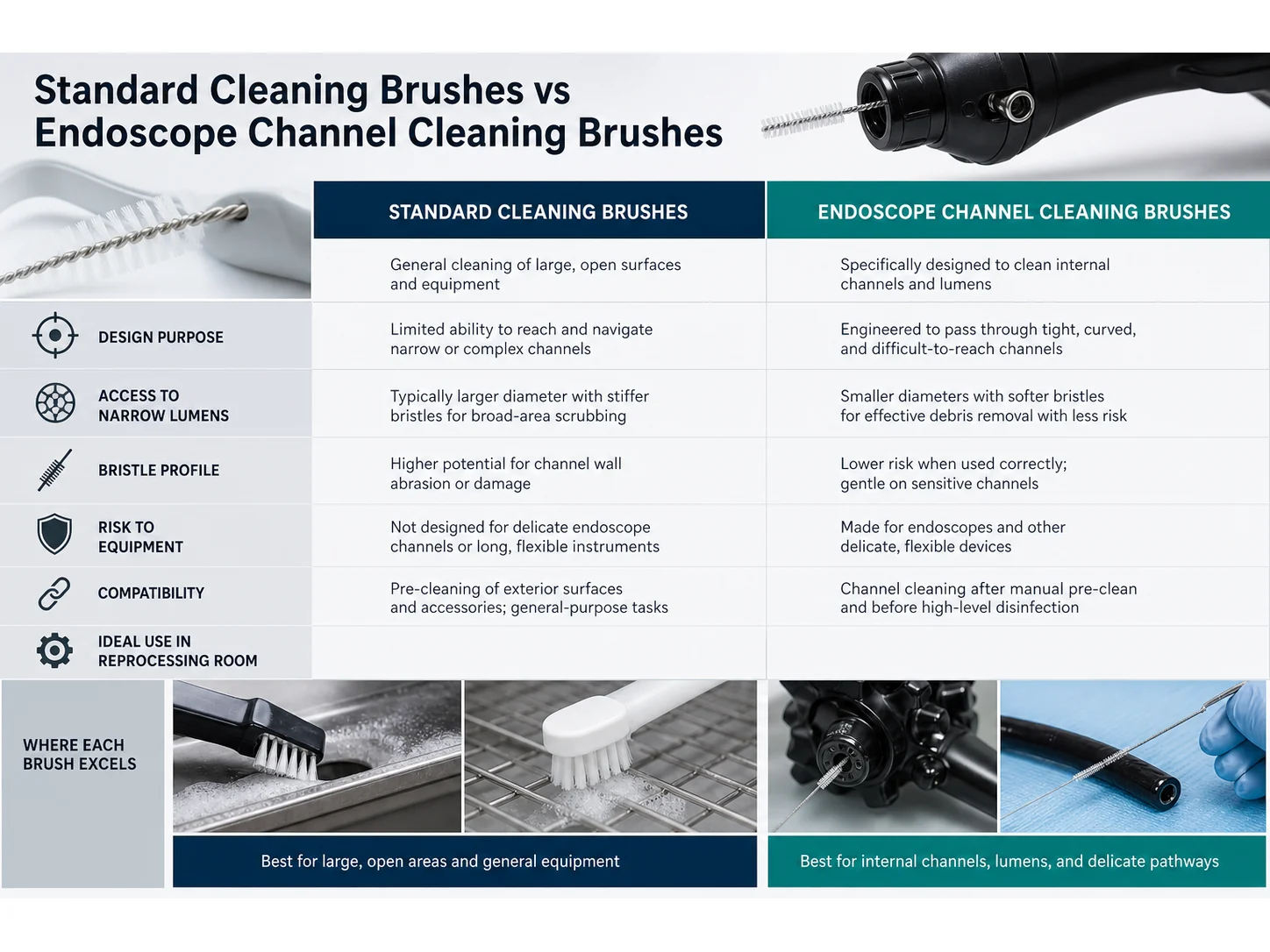
A bronchoscope cleaning brush is a narrow, flexible tool designed to mechanically scrub the inner channels of flexible bronchoscopes. It typically consists of a twisted wire or single‑stem core, a bristled working head, and a handle or machine‑mounting end. During the manual cleaning phase of reprocessing, the brush removes organic bioburden that enzymatic detergents and flushing alone cannot dislodge. Without effective brushing, residual material can form biofilm, compromise high‑level disinfection or sterilization, and create a risk for healthcare‑acquired infections.
Common Types and Material Options
For reusable medical-device cleaning claims, the practical boundary is the device maker’s validated instructions and the FDA — Reprocessing Medical Devices in Health Care Settings rather than a brush-only rule.
For healthcare cleaning language, this article keeps its claims within the general boundary of the CDC — Disinfection and Sterilization Guideline, which is written for disinfection and sterilization in healthcare facilities.
Where the article discusses healthcare settings rather than ordinary cleaning, the CDC — Core Infection Prevention and Control Practices is used as the general infection-control frame.
For brush terminology and construction language, this section references American Brush Manufacturers Association — Brush Lingo.
Not all brushes work the same way. The three most common material categories are:
- Nylon bristles: Soft, non‑abrasive, and ideal for delicate scope channels. They are gentle on polytetrafluoroethylene (PTFE) linings and are less likely to shed.
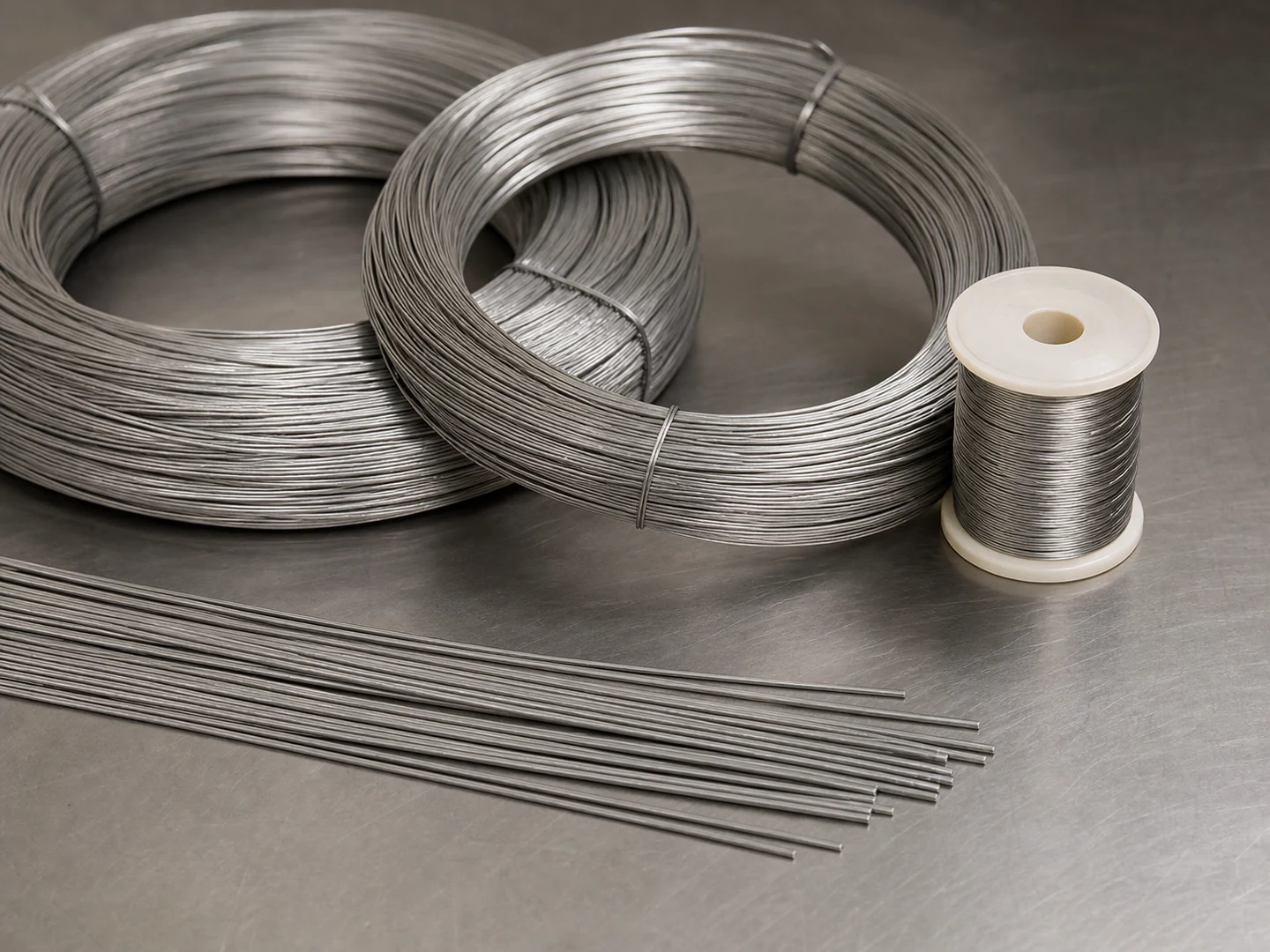
- Stainless steel bristles: Stiff and aggressive, used when dried debris or heavy biofilm is present. They can scratch uncoated metal or softer internal coatings, so they are generally reserved for scopes with robust inner channels.
- Coated stainless steel: A middle ground with reduced abrasiveness. The coating helps the brush navigate curves while still providing firm debris removal.
Design variations include brush head shape (radial, end‑tuft, or brush‑through‑brush), shaft construction (single‑stem or twisted wire), flexibility (semi‑rigid vs. fully flexible), and mounting style (finger loop, pigtail, or quick‑connector for automated endoscope reprocessors).
Comparing Brush Materials and Design Options
| Feature | Nylon Brush | Coated Stainless Steel Brush | Uncoated Stainless Steel Brush |
|---|---|---|---|
| Aggressiveness | Low | Medium | High |
| Best for | Routine cleaning, fragile channels | Moderate biofilm, most reprocessing rooms | Stubborn dried debris, robust channels |
| Risk of channel damage | Minimal | Low | Moderate to high |
| Typical reuse / cleanability | Easy to clean, often re‑sterilizable | Good, but bristles may trap debris | Harder to clean; inspect frequently for damage |
| Flexibility | Very flexible | Semi‑rigid | Stiff |
How to Choose the Right Brush for Your Reprocessing Room
Start with the endoscope manufacturer’s instructions for use (IFU). They specify channel diameters, compatible brush sizes, and any material restrictions. Then walk through these practical selection steps:
- Measure the channel inner diameter (ID). The brush head must fill the channel without forcing. A brush that is too small misses debris; one that is too large can jam or scratch.
- Assess the typical soiling level. For fresh mucus after a routine bronchoscopy, a soft nylon brush is often enough. If your facility handles COPD patients or long procedures with heavy, dried secretions, a coated steel brush may be needed.
- Check the channel lining material. Scopes with PTFE‑lined channels require non‑abrasive bristles. Metal‑lined or older scopes can tolerate slightly stiffer brushes, but always verify.
- Match the brush length to the scope. The brush must reach the entire working length of the channel, including the distal tip. Many makers offer brushes in standard lengths for specific scope models.
- Consider reprocessing workflow. Manual-only rooms may need brushes with comfortable handles (finger loops). If you use an automated endoscope reprocessor (AER), check whether a standard pigtail or twist‑lock connector fits your machine’s cleaning port.
- Test and validate. Before bulk ordering, request samples and run them through your full cleaning protocol. Verify with a borescope or enzymatic indicator that the channel is clean.
Common Mistakes When Selecting a Bronchoscope Cleaning Brush
- Buying by cost drivers alone: Low‑cost brushes may have inconsistent bristle diameter, poor‑quality wire, or bristles that shed into channels—turning a cleaning tool into a contamination source.
- Using the same brush for every scope: Different manufacturers and models have different channel dimensions; a single brush cannot fit all.
- Forcing an oversized brush: If the brush feels tight, it can strip the channel lining, creating crevices that harbor bacteria.
- Overlooking brush wear: Bent shafts, splayed bristles, or rust spots on steel brushes mean the brush should be replaced. Worn brushes compromise cleaning and can break inside a scope.
- Assuming all nylon brushes are safe: Some nylon blends are too stiff for delicate channels; always verify with the scope IFU.
When a Standard Bronchoscope Cleaning Brush Is Not Enough
Even a well‑chosen brush has limits. You may need to consider alternatives or additional steps when:
- Channels are unusually narrow or curved. Specialty pediatric or ENT scopes may require custom‑sized brushes that handle tighter radii without kinking.
- Biofilm is well‑established. If a scope repeatedly fails cleanliness validation, ask whether a pre‑soak with an enzymatic cleaner, an ultrasonic cleaning stage, or a brush with a more aggressive material is indicated—always in consultation with the device manufacturer.
- Bristles shed repeatedly. Shedding indicates a manufacturing defect or material incompatibility. Switch to a higher‑quality or differently constructed brush. In the meantime, thorough flushing and borescope inspection are mandatory to retrieve any loose bristles.
- Automated reprocessing adds constraints. Not all brushes are compatible with every AER; using the wrong connector can damage the machine port or leak cleaning solution. Contact the AER manufacturer for a list of validated brushes.
When in doubt, request a brush drawing and material datasheet from your supplier and review it with your infection prevention team or the scope manufacturer’s technical support.
Final Takeaway
Choosing the right bronchoscope cleaning brush means matching the tool to the channel, the soiling, and your specific reprocessing environment. Start with the scope IFU, test samples, and watch for signs of wear and shedding. A small investment in the right brush can prevent costly scope repairs and protect patients from reprocessing failures.
Practical Use Note
In daily use, the practical test is simple: check whether the brush reaches the full contact area, removes the target residue, and leaves the surface in the required condition. Record what changes when access shape, residue type, manufacturer instructions, and whether the task is general cleaning or validated reprocessing changes, because many brush failures are caused by the working condition shifting rather than by the brush body alone.
Frequently Asked Questions
What diameter brush fits a standard adult bronchoscope?
Most adult bronchoscopes have a working channel inner diameter between 2.0 and 2.8 mm. The brush head diameter should match that measurement exactly as specified in the scope’s IFU—using a 2.0 mm brush in a 2.3 mm channel will leave a small gap that may miss debris.
Can bronchoscope cleaning brushes be reused?
Many high‑quality brushes are designed for multiple uses and can be cleaned, disinfected, or sterilized between uses. Always follow the brush manufacturer’s reprocessing instructions. Single‑use brushes are also available and eliminate the risk of cross‑contamination from a damaged reusable brush.
Is a stainless steel brush safe for all bronchoscopes?
No. Stainless steel bristles can scratch or gouge PTFE‑lined channels and some metal‑lined channels. Check the scope IFU. If in doubt, use a coated steel or nylon brush and test for damage before regular use.
How often should I replace a reusable brush?
There is no universal number of uses, but replace a brush immediately if you see bent bristles, a kinked shaft, rust, or if it fails routine visual inspection. Some facilities set a fixed replacement schedule (e.g., every 100 cycles) as a proactive measure.
What if bristles come off during cleaning?
Stop the process. Flush the channel thoroughly and use a borescope to confirm no bristles remain. The brush should be discarded, and you should investigate whether the brush material was incompatible with the cleaning chemicals or if the brush was the wrong size.
Can I use the same brush for different scope brands?
Only if the channel dimensions are identical and both manufacturers’ IFUs explicitly allow the same brush type. In practice, it is safer to assign a specific, validated brush to each scope model to avoid size mismatches.
Do I need a different brush for manual vs. automated reprocessing?
Not necessarily. Many brushes can be used in both workflows, but the mounting end matters. Manual brushes often have finger loops; automated reprocessors may require a specific pigtail or quick‑connector. Confirm compatibility with your AER before purchasing.
How can I confirm the brush is cleaning effectively?
After manual brushing, you can use a borescope to visually inspect the channel, or follow your facility’s protocol of using an enzymatic indicator strip or swab to test for residual organic matter. Repeat the brushing step if any soil remains.