What Is a Tile Grout Brush?
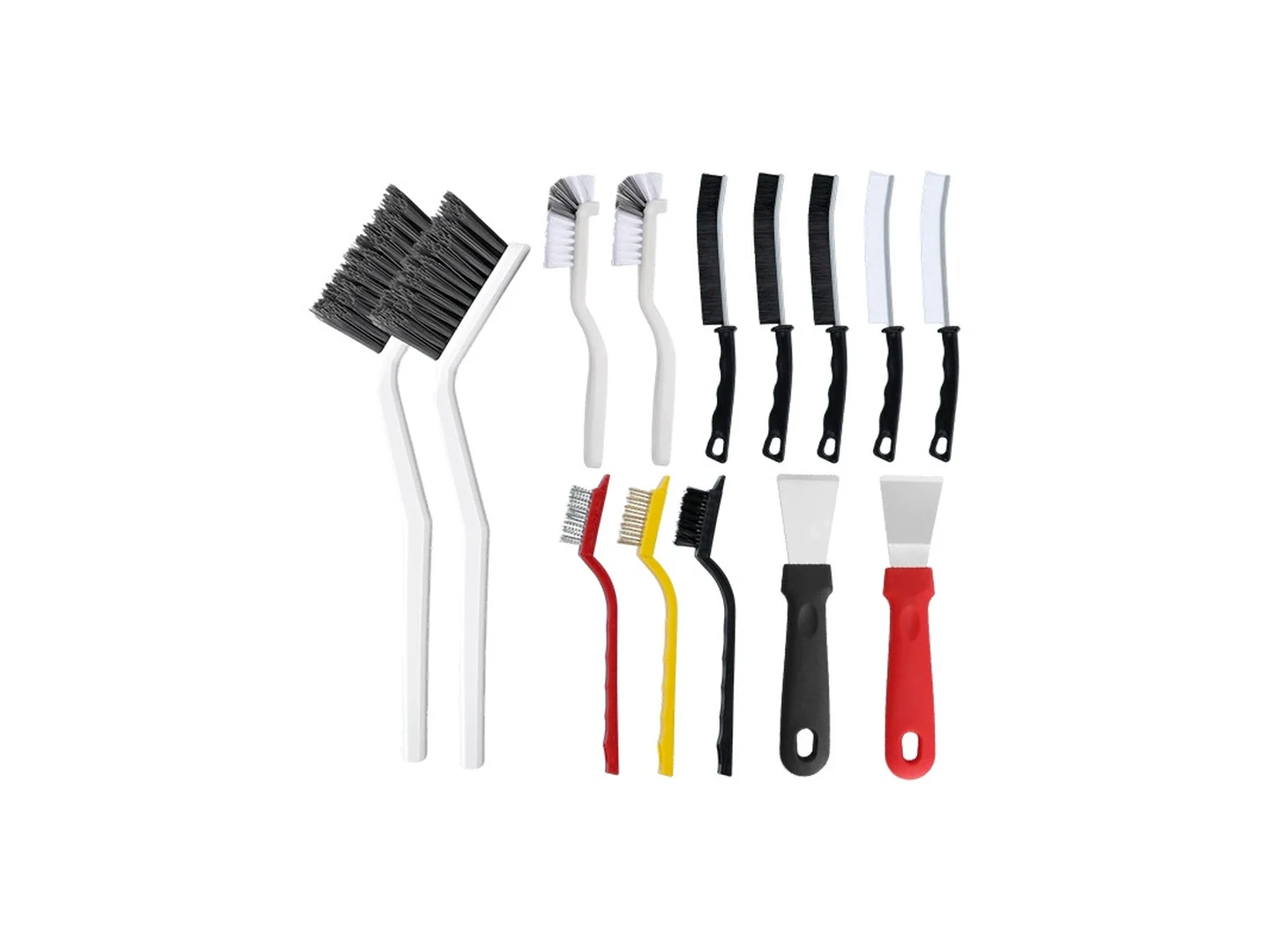
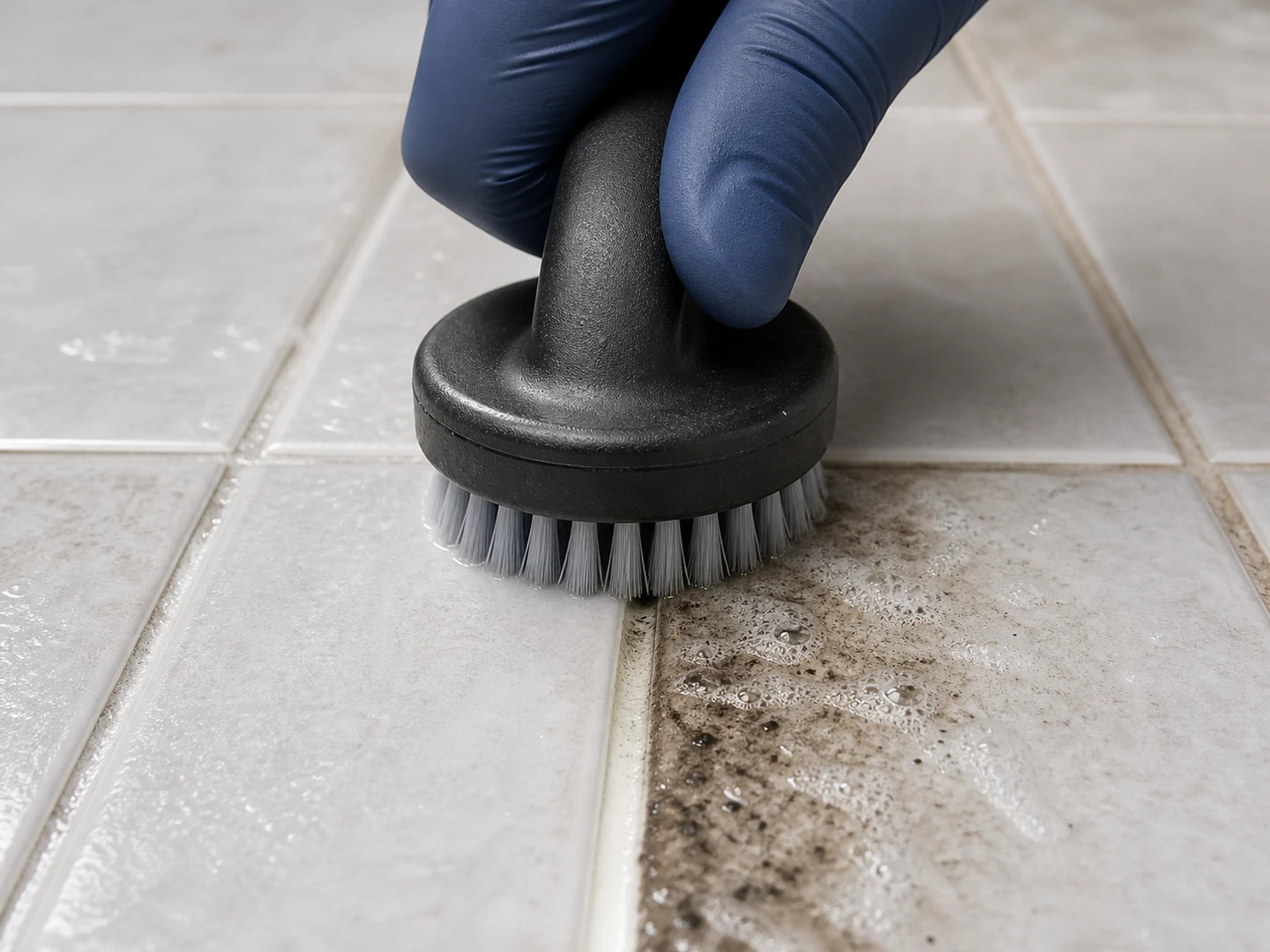
A tile grout brush is a narrow, stiff-bristled cleaning tool originally designed to scrub grout lines between tiles. When used for sink gaps, the brush must fit into tight, irregular spaces and remove built-up soap scum, mold, mineral deposits, and kitchen residues. Standard off-the-shelf brushes often lack the right diameter, length, or bristle configuration. A custom brush allows you to match the exact geometry of the gap and the specific cleaning challenge without compromising on surface safety or hygiene.
For food-service sanitation and cleaning-equipment context, this section references FDA — Food Code.
For food manufacturing CGMP and preventive-control context, this section references eCFR — 21 CFR Part 117 Human Food CGMP and Preventive Controls.
For wire grill-brush bristle injury and inspection context, this section references CDC MMWR — Wire Bristle Grill-Brush Ingestion Injuries.
For general food-safety and safe food-handling context, this section references FDA — Safe Food Handling.
For PPE and operator protection context, this section references OSHA — Personal Protective Equipment.
For engineering drawing, dimensions, tolerance, thread, fit, and RFQ specification context, this section references ASME — Y14.5 Dimensioning and Tolerancing.
Common Custom Brush Variables for Sink Gap Cleaning
When requesting a custom brush, you will be asked to specify several key variables. These include:
- Bristle material: Nylon, brass, stainless steel, Tampico, polypropylene, or abrasive-impregnated variants.
- Brush diameter: The outer dimension of the bristle fill, often measured in millimeters or inches.
- Bristle stiffness: Soft, medium, or stiff, determined by filament thickness, length, and material.
- Handle or core type: Twisted wire stem, plastic rod, stainless steel core, or staple-set block.
- Mounting style: Handheld, threaded male/female, drill chuck shank, or quick‑change adapter.
- Overall length: From bristle tip to handle end, critical for reaching deep beneath sink fixtures.
Each choice affects cleaning effectiveness, durability, surface compatibility, and ease of use.
Material, Diameter, and Stiffness Options Compared
| Bristle Material | Typical Diameter Range | Stiffness Level | Best For | Limitations |
|---|---|---|---|---|
| Nylon (abrasive grit) | 0.5–3 mm | Medium–High | Soap scum, light mold; safe for ceramic and porcelain | Can scratch soft stone if grit too coarse; degrades under strong solvents |
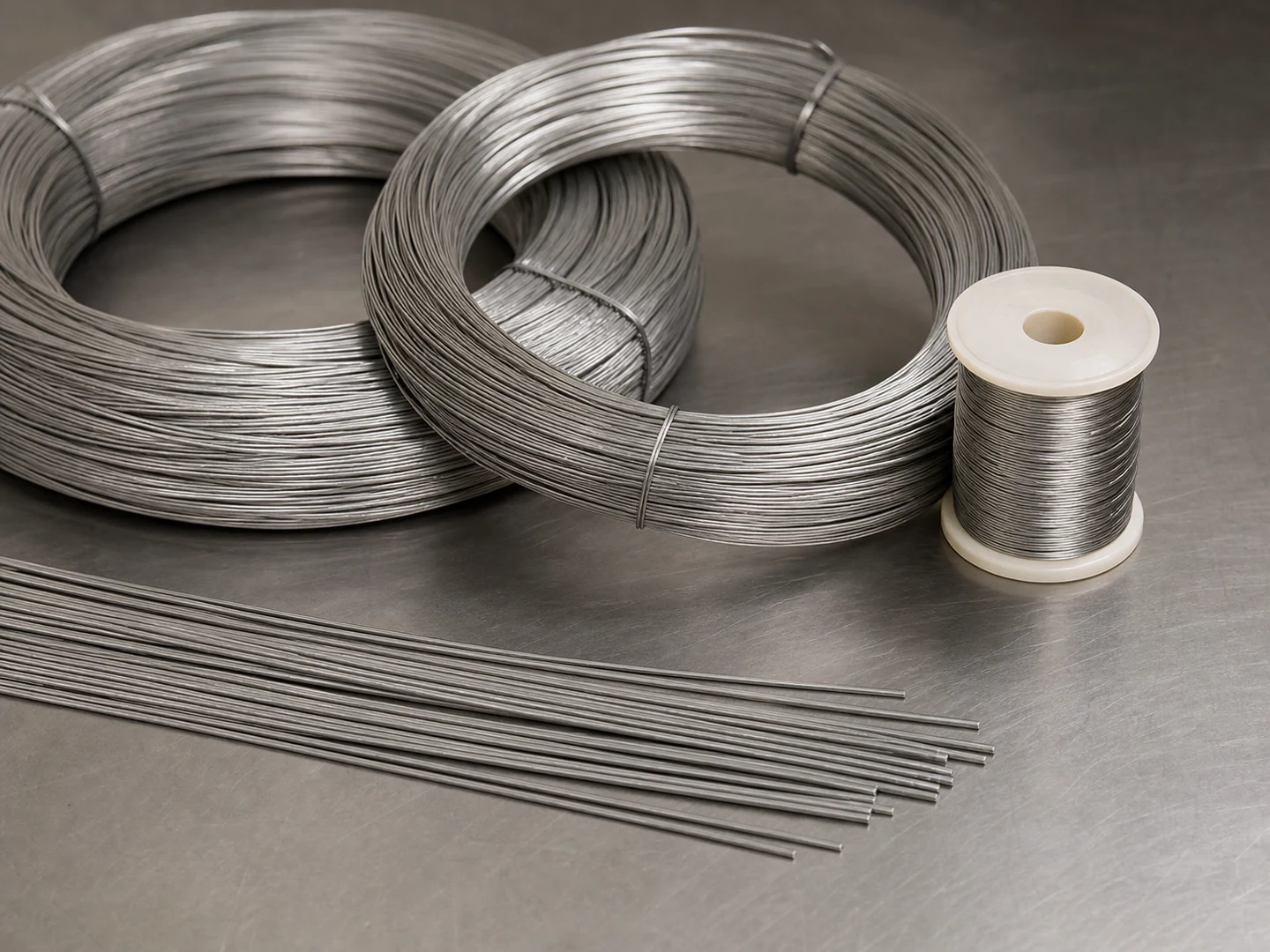
| Brass wire | 0.8–4 mm | High | Hard water deposits, heavy buildup on hard grout | Risk of scratching marble, granite, and stainless steel sinks; leaves metal residue if corroded |
| Stainless steel wire | 0.5–3 mm | Very High | Rust removal, deeply embedded residues in industrial or outdoor sinks | Easily scratches tile glazes and stone; not for food‑prep areas unless hygienically controlled |
| Tampico (natural fiber) | 1–6 mm | Medium–Soft | Gentle cleaning of delicate stone, antique fixtures | Less effective on hard deposits; retains moisture and may harbor bacteria |
| Polypropylene | 0.3–2 mm | Soft–Medium | Light cleaning, dusting, or applying sealers; very chemical‑resistant | Insufficient stiffness for tough residues; tips can wear down quickly |
How to Choose the Right Custom Tile Grout Brush for Sink Gaps
Match your brush specification to real‑world conditions. Consider these decision factors:
- Residue type: Soap scum and mildew need medium stiffness and chemical‑resistant bristles; mineral deposits require stiff wire or abrasive nylon.
- Surface sensitivity: Ceramic and porcelain tolerate most materials, while natural stone demands soft to medium bristles only.
- Wet or chemical exposure: Bleach and acidic cleaners demand corrosion‑proof stainless steel cores or synthetic bristles. Natural fibers degrade quickly.
- Hygiene expectations: In kitchens, choose non‑porous materials like nylon or polypropylene that can be sanitized. Avoid Tampico if food particles could be trapped.
- Maintenance frequency: Replaceable brush heads or durable wire cores reduce long‑term cost. If used daily, prioritize stiffness retention.
- Custom size requirements: Provide the minimum gap width (the brush must pass through) and the maximum depth to be cleaned. Ask the supplier to recommend the filament length and trim style.
- Handle length and grip: Deep apron sinks need longer handles. Specify ergonomic requirements if operators will use the brush repeatedly.
- Equipment interface: For drill‑driven brushes, confirm the shank diameter and RPM limit. Hand‑held twist brushes suit smaller, sporadic jobs.
- Bristle retention method: Twisted‑in‑wire holds bristles securely for rotation; staple‑set is cheaper but less durable under torque.
Common Mistakes When Ordering a Custom Tile Grout Brush
- Assuming one size fits all: Sink gaps vary widely. Measure both the narrowest point and the deepest crevice before ordering.
- Ignoring chemical compatibility: A brush that swells or dissolves when exposed to your cleaning solution will fail quickly. Always disclose the chemicals used.
- Picking the wrong bristle for grout type: Sanded grout is harder and can tolerate stiffer bristles; unsanded grout is more easily scratched.
- Overlooking handle ergonomics: A thin wire handle is fine for occasional use but causes hand fatigue in commercial cleaning. Opt for a cushioned grip if needed.
- Skipping samples or drawings: Without a physical sample, you risk a brush that bends too easily, scratches the surface, or does not reach the gap bottom.
- Confusing a tile grout brush with a general wire brush: Wire brushes for grout cleaning require controlled filament length and density to avoid damaging grout lines. A generic wire brush can gouge the surface.
When a Tile Grout Brush Is Not Enough
If the sink gap is wider than 6 mm or deeper than 25 mm, a standard brush may not provide adequate contact pressure. In cases of severe mold penetration behind the caulk or crumbling grout, brushing alone cannot solve the underlying problem—regrouting or professional remediation is required. Also, when the surface is extremely delicate (e.g., polished marble), even a soft brush can leave micro‑scratches; a sample test on a hidden area is essential. Ultimately, a custom brush is part of the cleaning system, not a substitute for thorough inspection and repair.
Buyer’s Pre‑Order Checklist for Custom Tile Grout Brushes
Use this checklist before sending your RFQ to a supplier:
- Exact minimum and maximum gap width, plus deepest distance to clean.
- Surface material: ceramic, porcelain, granite, marble, stainless steel, etc.
- Primary and secondary residues to be removed.
- Cleaning chemicals used, including pH and bleach content.
- Preferred bristle material and justification (e.g., safety, durability).
- Required brush diameter and overall length, with tolerance.
- Handle or core preference: twisted wire, plastic stem, stainless steel, quick‑connect.
- Mounting: handheld, drill attachment, or machine interface specifications.
- Expected order quantity and replacement cycle.
- Sample request: test brush or detailed engineering drawing before full production.
Final Takeaway
Investing time in specifying a custom tile grout brush for sink gaps prevents mismatches and reduces long‑term cleaning frustration. A thorough RFQ that includes gap measurements, residue details, and surface sensitivity helps the supplier provide a brush that cleans effectively without damaging expensive fixtures. A brief discussion with the manufacturer and a test sample will confirm your choice before you commit to a full order.
Frequently Asked Questions
Can I use a standard tile grout brush for narrow sink gaps?
Standard tile grout brushes are often too wide or too soft for the tight, irregular sink gaps. Custom brushes allow precise diameter and stiffness to reach deep crevices and scrub effectively.
What bristle material is safest for natural stone countertops?
Tampico or soft nylon bristles are usually safe for marble, granite, and travertine. Avoid brass or steel wire, which can scratch softer stones.
How do I measure my sink gap for a custom brush?
Use a feeler gauge or a small ruler to find the narrowest and widest points along the gap. Measure the depth from the gap opening to the deepest point the brush must reach. Provide both minimum clearance and maximum depth to the supplier.
Is a wire brush suitable for cleaning epoxy grout?
Wire brushes (brass or stainless) can damage epoxy grout surface over time. For epoxy grout, use a stiff nylon or Tampico brush unless testing proves wire safe.
How often should I replace a custom tile grout brush?
Replacement depends on usage frequency and bristle material. Nylon bristles may last months of regular use, but brass or wire can deform quickly. Inspect for bristle flattening or shedding; replace when cleaning effectiveness drops.
Can I attach a custom brush to my power drill?
Yes, many custom brushes come with wire stems or hex shanks for drill attachment. Specify the shank diameter and speed limits in your RFQ to avoid overheating or bristle loss.
What’s the difference between twisted‑in‑wire and staple‑set brush construction?
Twisted‑in‑wire brushes have bristles held by a twisted wire core, ideal for small diameters and rotational use. Staple‑set brushes have bristles stapled into a handle or block, better for push-pulling but less durable for high-speed spinning.
Should I request a sample brush before placing a large order?
Yes. A sample allows you to test fit, stiffness, and cleaning effectiveness in the actual sink gap. It also reveals any scratching or compatibility issues before committing to volume.