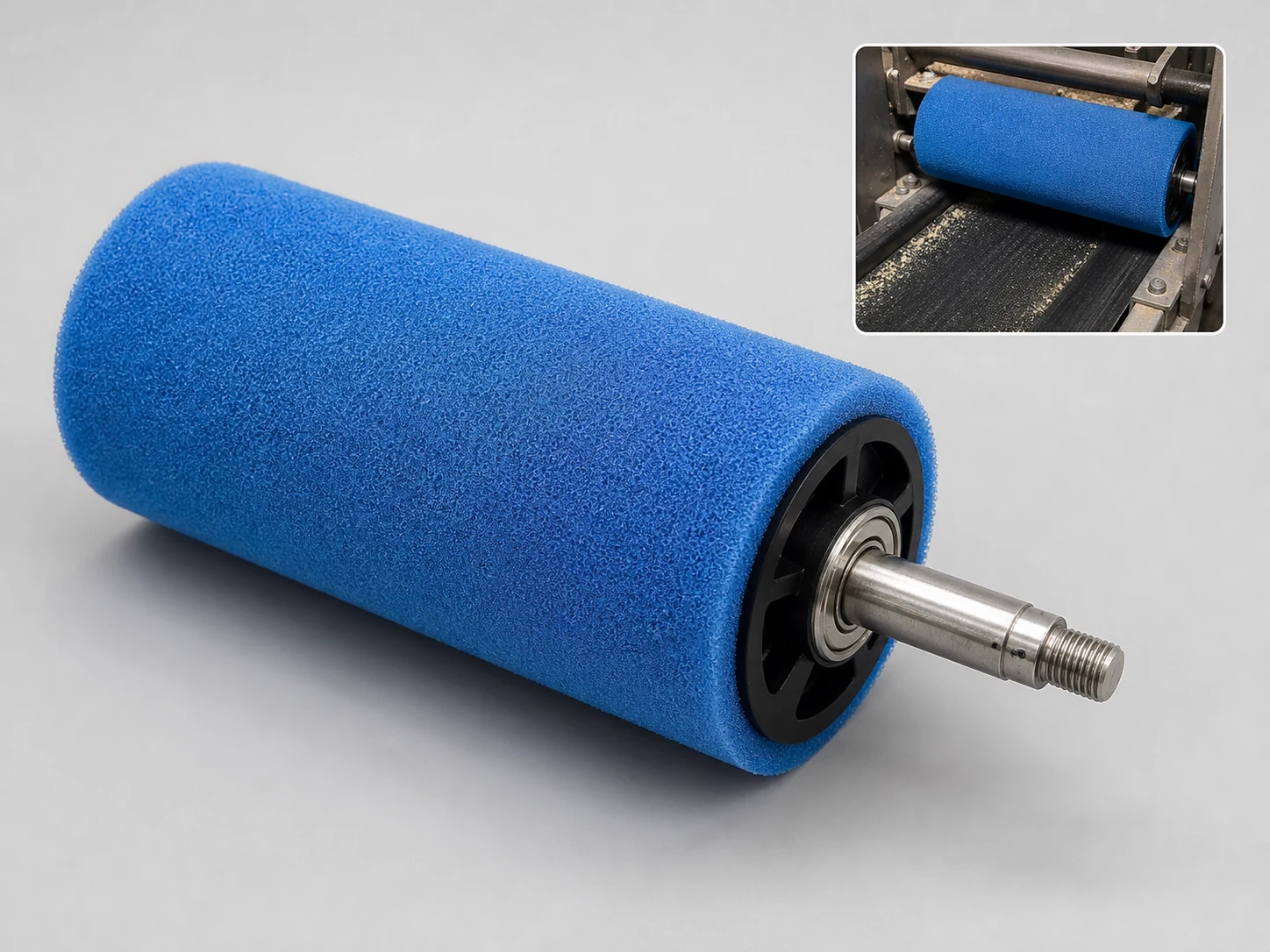
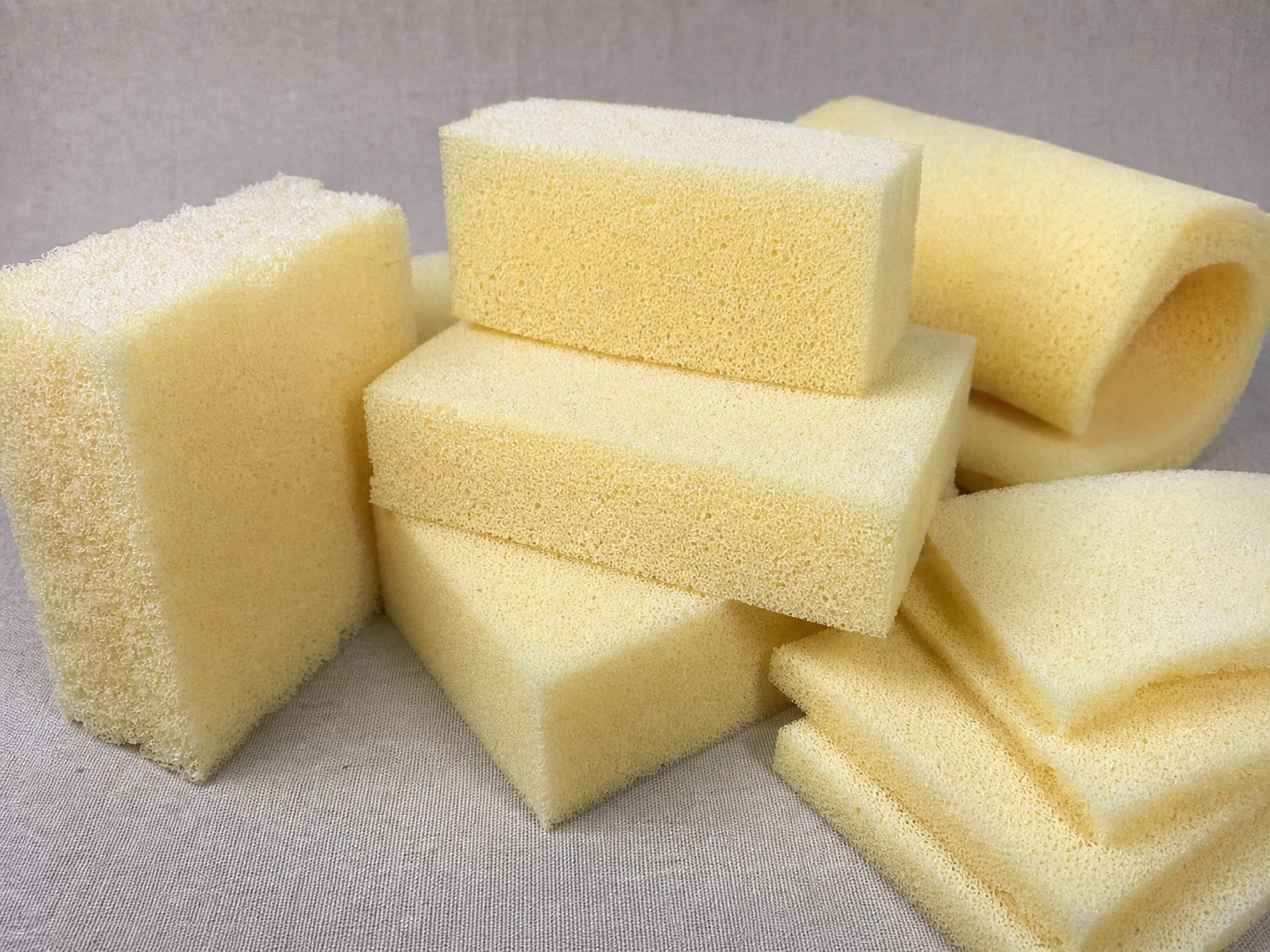
PVA Sponge Brush Compression Factors for Wafer Cleaning Processes should be judged by the actual job conditions, not by the product name alone. Start with static control, contact pressure, particle removal path, and sensitivity of nearby components. The right brush reaches the area, removes the target soil or finish defect, and avoids creating a second problem such as scratching, shedding, jamming, static risk, or contamination.
PVA Sponge Brush Compression Factors for Wafer Cleaning Processes should be evaluated from the actual cleaning task, not only from the product name. Start with ESD control, slot access, particle type, contact pressure, and component sensitivity. The right brush reaches the surface, removes the target residue, and avoids damage or contamination under normal working conditions.
For semiconductor and wafer-cleaning context, NISTIR 4653 — Metrology for the Semiconductor Industry is used as the precision-cleaning and contamination-control reference.
For cleanroom-classification language, this article points to the official ISO 14644-1 Cleanrooms and Associated Controlled Environments standard page rather than inventing cleanliness claims.
For material-selection language, this section is supported by British Plastics Federation — Thermoplastics.
For brush terminology and construction language, this section references American Brush Manufacturers Association — Brush Lingo.
Practical Use Note
In daily use, the practical test is simple: check whether the brush reaches the full contact area, removes the target residue, and leaves the surface in the required condition. Record what changes when ESD control, slot access, particle type, contact pressure, and component sensitivity changes, because many brush failures are caused by the working condition shifting rather than by the brush body alone.
Sensitive Equipment Cleaning Checkpoints
| Check point | What to confirm | Why it matters |
|---|---|---|
| Static control | Confirm ESD-safe handling where needed | Prevents cleaning from creating electronics risk |
| Contact pressure | Use only the pressure needed to loosen dust | Protects sensors, slots, traces, and delicate surfaces |
| Particle removal | Decide where loosened debris will go | Avoids pushing dust deeper into the equipment |
| Tool condition | Check bristle shedding and cleanliness before use | Keeps the brush from becoming a new contamination source |
When This Brush Is Not Enough
This brush is not enough when the main problem is blocked access, unsafe working conditions, damaged equipment, incompatible chemicals, or a process setting that keeps recreating the residue. In those cases, review ESD control, slot access, particle type, contact pressure, and component sensitivity and confirm the surrounding cleaning method before increasing brush stiffness or contact pressure.
How to Check the Result
After brushing, inspect both the cleaned area and the brush. A good result removes the target soil while leaving the surface, bristles, mounting, and nearby components in acceptable condition. If cleaning improves only when pressure is increased sharply, the brush specification or the surrounding process should be reviewed.
Bottom Line
The best result comes from matching pva sponge brush compression factors for wafer cleaning processes to the real cleaning task rather than forcing one brush to solve every condition. Confirm access, residue, surface limits, and replacement routine first; then use a small trial or inspection step before scaling the method into daily work.
Real-Use Checks Before Daily Work
Before putting this brush into routine use, test it against the real working condition. Check the first cleaned part or area, the condition of the bristles, and where loosened debris goes after contact. If the result changes when static control, contact pressure, particle removal path, and sensitivity of nearby components changes, document the new setting instead of assuming the same brush will keep working.
A brush should not be used to hide a process problem. If residue returns immediately, if the surface changes more than expected, or if the brush must be forced to reach the target area, review the surrounding method first. In many applications, brushing works best with inspection, rinsing, vacuum support, machine adjustment, chemical compatibility checks, or a small sample trial.
Extra Field Checks
A short trial should check more than whether the surface looks cleaner. Watch how easily the brush reaches the area, whether residue is carried out or pushed deeper, whether bristles load with soil, and whether the surface changes after repeated passes.
If the brush only works with heavy pressure, the specification is probably too weak, too small, too soft, or being asked to solve the wrong problem. Adjust access, rinse or vacuum support, machine settings, or material choice before turning the brush into a more aggressive tool.
Process Fit Check
A useful brush choice should be checked against the actual process, not only against the product photo or nominal size. Look at how residue enters the area, how the brush carries material out, and whether repeated passes change the surface or the brush itself.
If the result is only acceptable for the first few uses, document the failure pattern. Loading, bristle set, heat, moisture, chemical exposure, or poor access often explains why a brush that looked correct during selection does not stay reliable in production or daily cleaning.
Frequently Asked Questions
Can one compression setting work for every wafer cleaning process?
No. Compression depends on sponge material, equipment, chemistry, surface sensitivity, and validation results.
Does higher compression remove more particles?
Not automatically. Higher contact can increase drag and wear, and it may create process risk if not validated.
What should I ask a supplier for?
Ask for sponge material data, compatibility information, dimensions, conditioning guidance, and sample support for controlled testing.
How should compression be tested?
Test under stable process conditions and compare particle result, surface condition, sponge wear, and repeatability.
When is PVA sponge not enough?
If particle control remains unstable, the issue may involve chemistry, fluid flow, equipment alignment, or upstream contamination rather than brush compression alone.