
Material
Galvanized Steel Wire
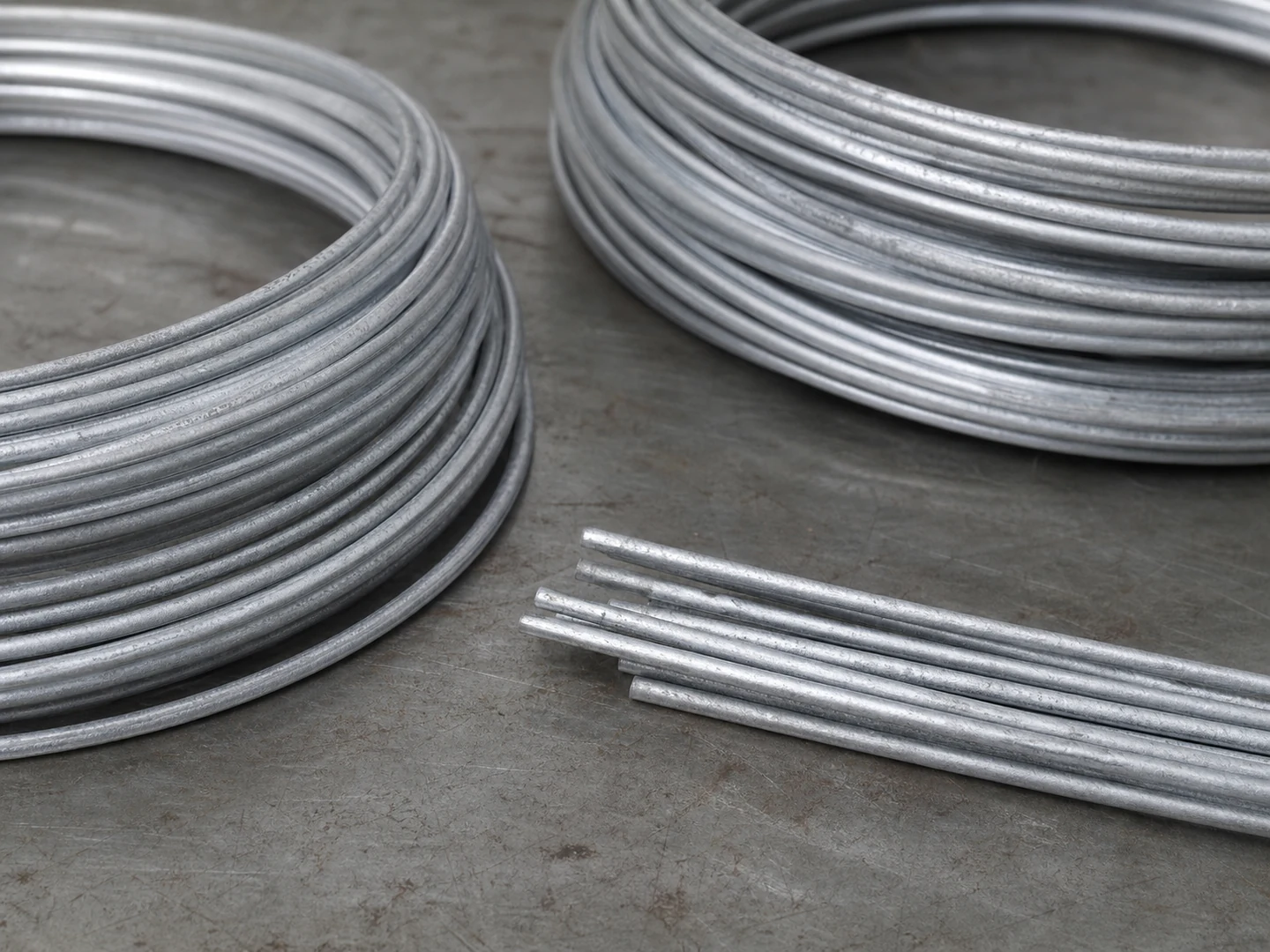
Galvanized Steel Wire is selected from its stiffness, recovery, wear, wet-service, chemical, and temperature behavior. Stiffness is set by the complete filament specification, including material, diameter, free trim, density, grade, and service conditions.
Material Overview
Galvanized Steel Wire is used as brush fill or contact media where its property profile fits the cleaning duty.
In a finished brush, Galvanized Steel Wire does not create a fixed stiffness by itself. Contact force and recovery depend on filament diameter, free trim, density, tuft pattern, and installed interference. Grade, moisture, temperature, and chemistry affect how that behavior changes in service.
Material Properties
| Filament diameter | 0.10–2.00 mm |
|---|---|
| Hardness | Rockwell B 70–100(Base-Material Condition) |
| Continuous temperature | 150–200°C |
| Peak temperature | 250–300°C |
| Water absorption | 0% |
Brush Applications
For Galvanized Steel Wire, directly related brush structures include Tube & Pipe Bore Brushes. Applications related to Galvanized Steel Wire include Chimney and Flue Soot Cleaning, Tube & Pipe Cleaning, and Dust Removal.
Specification and Customization
Material form
Wire
Common forms
Filament; strip fill; roller fill; molded blade or foam pad as applicable.
Grade
Galvanized brush-wire grade
Reference standard
ISO 6892-1; ASTM E8/E8M; ASTM B117
Limitations and Alternatives
Final performance depends on filament diameter, trim length, density, chemical concentration and operating temperature; [Industry Reference Range].
Continue Exploring
Recommended Reading & Related Brush Resources
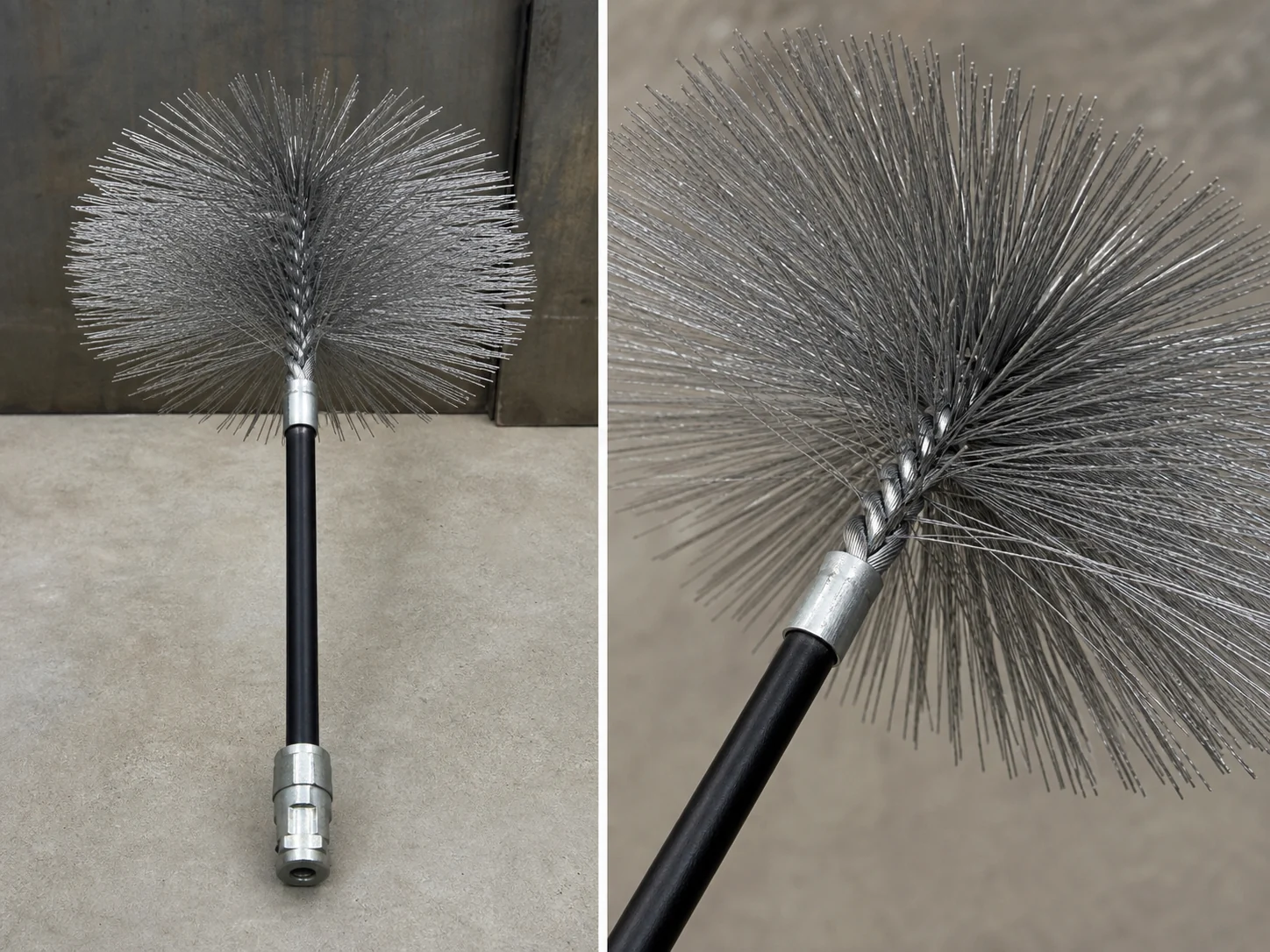
250mm Galvanized Industrial Flue Brush
Custom 250mm Galvanized Industrial Flue Brush using GALV-STEEL contact material, 250 mm head diameter,…
Review product specifications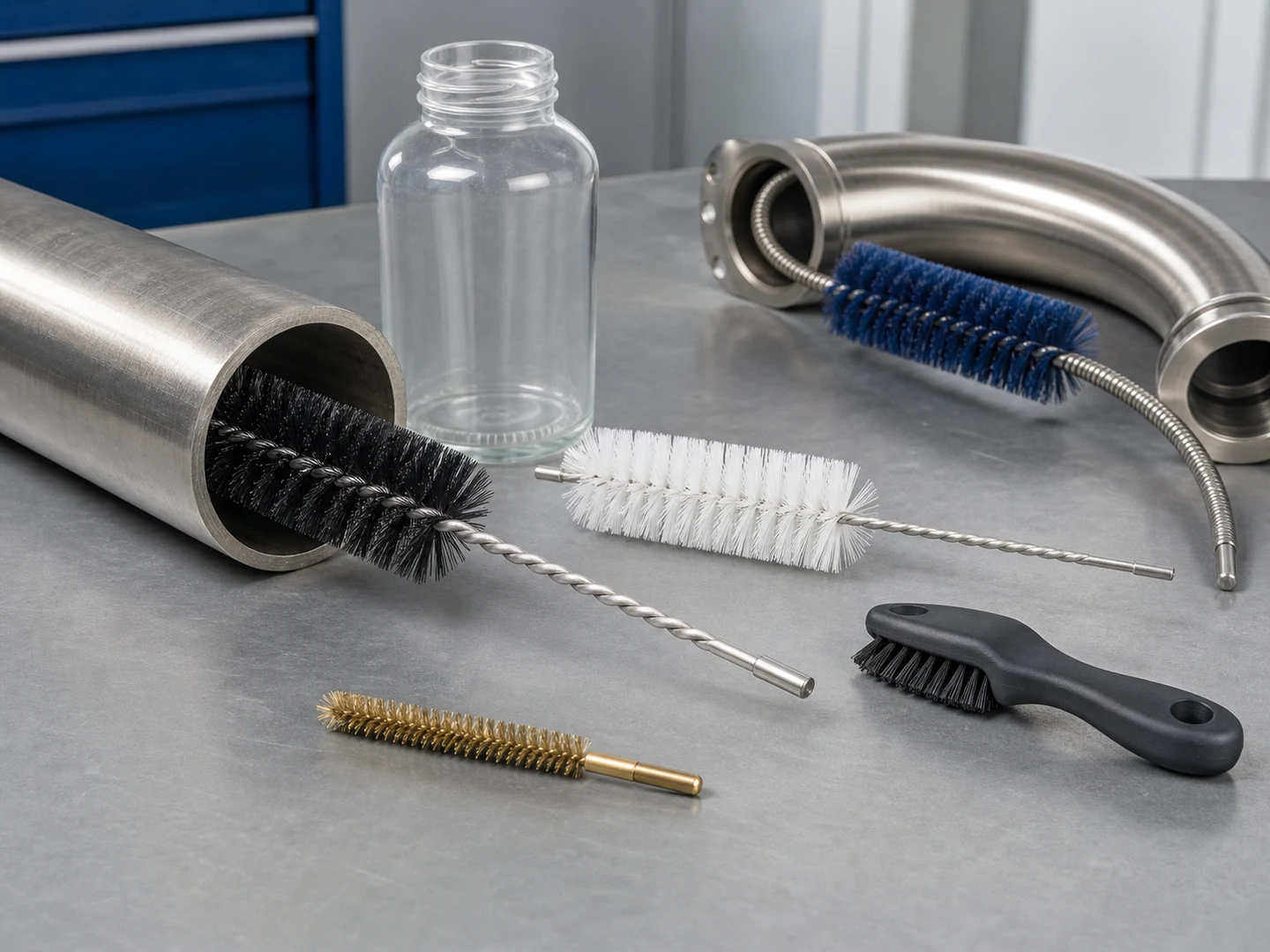
Custom Tube & Pipe Bore Brushes
Choose a tube, pipe, or bore brush when the working surface is inside a…
Explore this brush type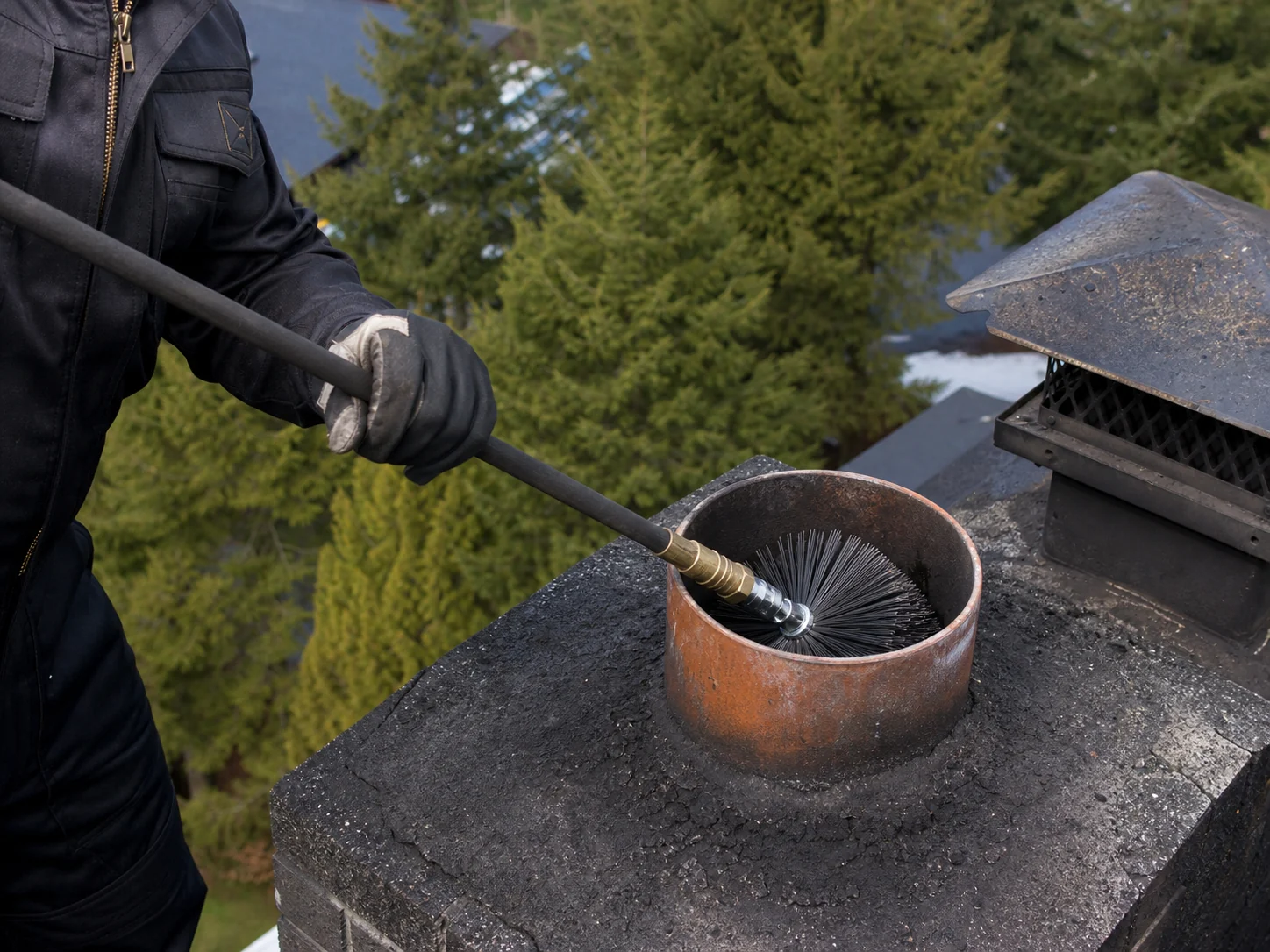
Chimney and Flue Soot Cleaning
For Chimney and Flue Soot Cleaning, the brush must reach the working area, disturb…
Review application guidance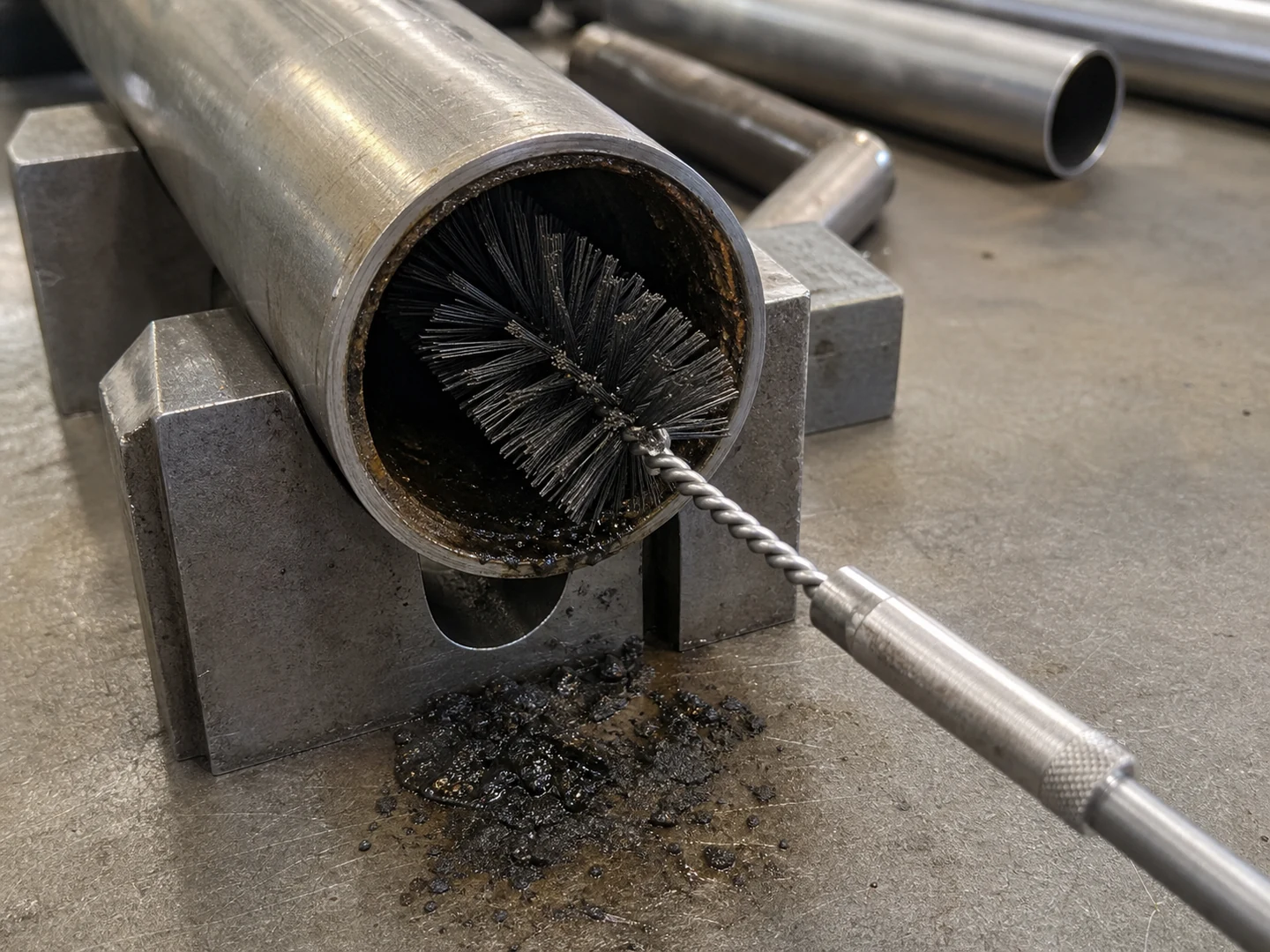
Tube & Pipe Cleaning
For Tube & Pipe Cleaning, the brush must reach the working area, disturb or…
Review application guidance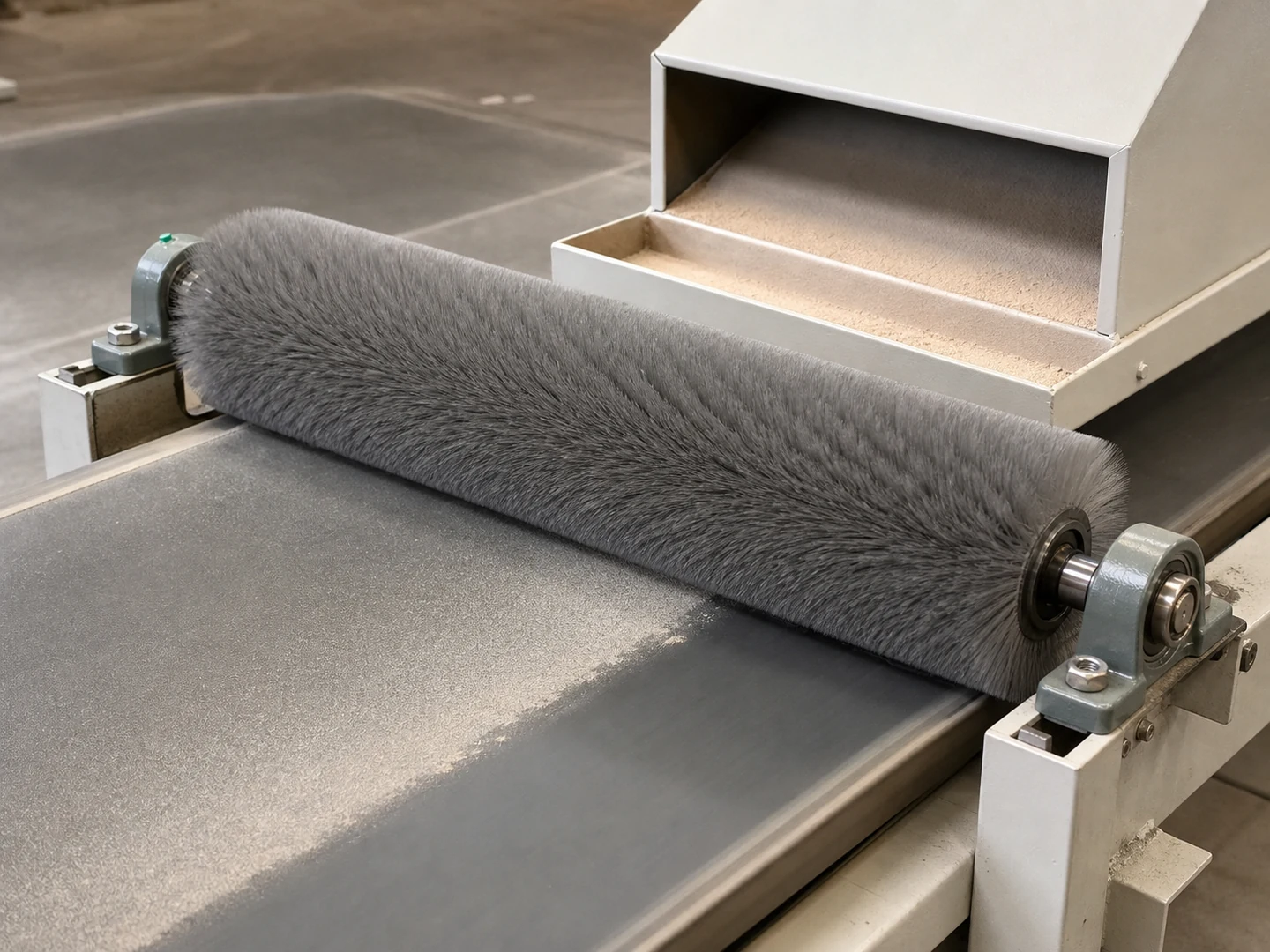
Dust Removal
For Dust Removal, the brush must reach the working area, disturb or collect loose…
Review application guidanceCustom Manufacturing RFQ
Discuss This Material
Share the working surface, residue, dimensions, material direction, interface, quantity and drawing or sample photo.
Custom Brush RFQ
Request a Custom Cleaning Brush Quote
Upload a drawing, product photo, or sample photo and provide the core dimensions and cleaning conditions.