
Custom Cleaning Brush
T1 DuPont Nano Brush
T1 DuPont Nano Brush concentrates edge, face, or tip contact on the original machine envelope, holder, and shaft for OEM replacement and model-specific brush reproduction. Diameter, face width, fill, trim.
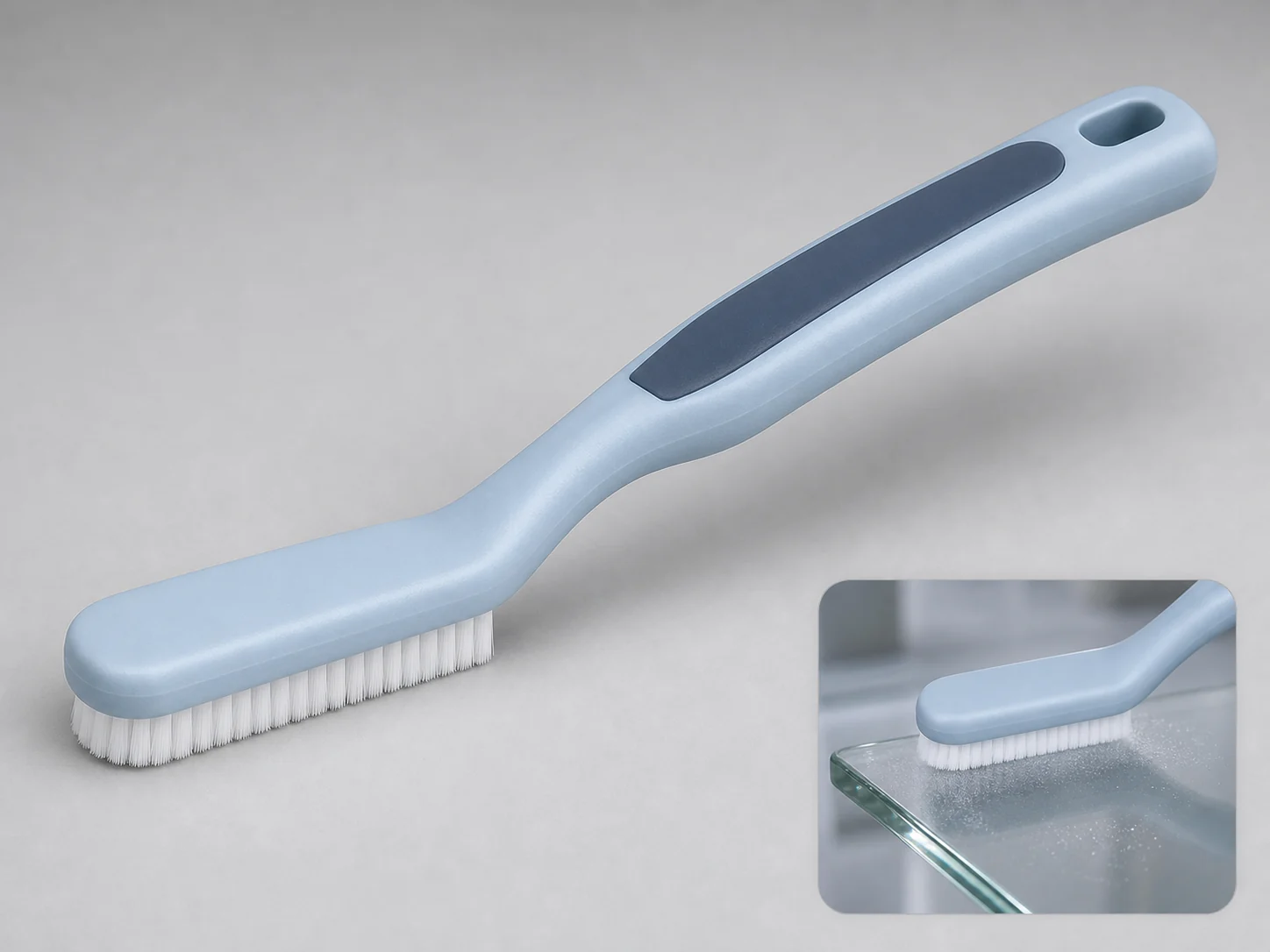
Product Features
T1 Model-Specific Replacement — The head is reproduced to the original T1 interface, installed envelope, and working position.
Fine DuPont Filament for Broad Surface Contact — Dense small-diameter bristles provide many light contact points for dust removal and gentle glass or panel cleaning.
Round Machine-Mounted Working Face — The disc geometry covers a defined area while fitting the existing arbor or flange arrangement.
Controlled Trim Protects Sensitive Surfaces — Bristle length and density are matched to the original pressure and clearance rather than increased arbitrarily.
Material Changes Require Sample Approval — Alternative filament grade, color, or density is introduced only after checking cleaning effect and surface marking.
Stable Replacement Specification — Diameter, body, filament, trim, density, mounting, and inspection dimensions can be recorded for repeat orders.
Product Overview
For T1 DuPont Nano Brush, the direction of contact is selected first: edge contact for narrow profiles, face contact for broader surfaces, or end contact for localized recesses. On the original machine envelope, holder, and shaft, the fill should remove the residue handled by the original equipment brush and accumulated wear debris without using unnecessary pressure that would deform the filament or alter the finish. The replacement must reproduce the original interface, rotation or feed direction, active dimensions, and clearance before fill changes are introduced.
Key dimensions start with Brush head diameter 80–300 mm and Brush head length 10–80 mm. The structural layout follows the polishing buffing wheels category. The specified interface is arbor-hole mount / flange. Nylon PA are the principal material directions in the current specification. For powered use, provide the machine, mounting interface, rotation direction, and operating speed.
Technical Specifications
| Tool outside diameter | 80–300 mm |
|---|---|
| Active face width | 20–160 mm |
| Abrasive grade | 24–3000 grit |
| Tool thickness | 10–80 mm |
| Mounting | Snail lock, T1, T2, bore, thread, flange, or custom block |
| Contact setting | Use light edge contact on stitched buffs and 1–4 mm deflection on filament or abrasive brush faces. |
| Fill materials | Nylon PA |
| Cleaning zone | OEM replacement and model-specific brush reproduction |
| Contact surface | the original machine envelope, holder, shaft, channel, wear path, and working surface |
| Residue class | the residue handled by the original equipment brush, accumulated wear debris |
| Access and motion | the replacement must reproduce the original interface, rotation or feed direction, active dimensions, and clearance before fill changes are introduced |
| Cleaning duty | OEM replacement, model-specific brush reproduction on the original machine envelope, holder, shaft, channel |
| Variant configuration | T1 DuPont Nano Brush: hand-held construction with Nylon PA fill for OEM replacement and model-specific brush reproduction on the original machine envelope, holder, shaft, channel. |
Application Areas
T1 DuPont Nano Brush is primarily mapped to Glass Surface Cleaning. Before applying the brush to another process, verify the surface, the route for removed debris, and the final finish target.
- T1 DuPont Nano Brush is best suited to glass, stone, ceramic, tile, resin, composite, and decorative-surface grinding, texturing, cleaning, and polishing.
- The buffing wheel, polishing cup, disc, block, flap, or textured finishing brush follows flat glass, edges, stone slabs, ceramic faces, resin-bond surfaces, and patterned panels while the fill displaces grinding residue, polishing compound, glaze, oxide, dust, and texture marks.
- Use this configuration when the available access supports face or edge contact that carries compound or produces a controlled surface texture.
Selection Guidance
Structure fit
Match the polishing buffing wheels geometry to the original machine envelope, holder, and shaft, the available access, and powered operation. Confirm Brush head diameter 80–300 mm and Brush head length 10–80 mm against the complete working envelope before finalizing the brush.
Contact material
Choose from Nylon PA according to the behavior of the residue handled by the original equipment brush and accumulated wear debris, the surface sensitivity, and any wet, chemical, temperature, or hygiene requirements. Do not choose stiffness from the material name alone. Filament size, free trim, and density control the final contact.
When to use another solution
For T1 DuPont Nano Brush, use another cleaning method when the residue handled by the original equipment brush and accumulated wear debris cannot be released by controlled filament contact, when the original machine envelope, holder, and shaft cannot tolerate the selected contact material, or when the access path prevents safe engagement and residue removal.
Customization Options
| Brush Head Diameter (mm) | 80–300 |
|---|---|
| Brush Head Length (mm) | 10–80 |
| Handle Length (mm) | Not Applicable (No separate handle in this product configuration) |
| Handle Grip Diameter (mm) | Not Applicable (No explicit grip or handle-diameter dimension in the product specification) |
| Bristle Material | Nylon PA |
| Handle Material | 6061 Aluminum Alloy |
| Mounting / Interface | Arbor-Hole Mount / Flange |
| Grip Style | Not Applicable (Wheel Brush) |
| Color | Custom PANTONE Color ([Industry Reference Range]) |
| Logo Process | Laser Engraving / Screen Printing / Pad Printing ([Industry Reference Range]) |
| Surface Treatment | Smooth / Textured / Overmolded / Coated (Depending on Substrate; [Industry Reference Range]) |
Frequently Asked Questions
How should T1 DuPont Nano Brush be selected?
Start with glass, stone, ceramic, tile, resin, composite, and decorative-surface grinding, texturing, cleaning, and polishing, flat glass, edges, stone slabs, ceramic faces, resin-bond surfaces, and patterned panels, and grinding residue, polishing compound, glaze, oxide, dust, and texture marks. Then set Tool outside diameter, Active face width, and Abrasive grade, choose the fill from the material and residue table, and match the mounting interface and operating condition.
Which dimensions define T1 DuPont Nano Brush?
The primary dimensions are Tool outside diameter (80–300 mm), Active face width (20–160 mm), and Abrasive grade (24–3000 grit). Also provide the minimum clearance, working envelope, trim or engagement, and the existing holder, shaft, stem, thread, or handle.
Which filament or contact material is used for T1 DuPont Nano Brush?
The primary options are Nylon PA. The final choice follows surface sensitivity, residue adhesion, wet or dry use, temperature, chemicals, conductivity, and required cutting action.
When is T1 DuPont Nano Brush not the best cleaning method?
T1 DuPont Nano Brush is not the first choice for bonded abrasive wheels, belts, pads, lapping, or vibratory finishing for tighter stock-removal or flatness control.
What information is required to quote T1 DuPont Nano Brush?
Send the part or machine drawing, photos of flat glass, edges, stone slabs, ceramic faces, resin-bond surfaces, and patterned panels, Tool outside diameter, Active face width, Abrasive grade, and Tool thickness, the residue description, wet or dry conditions, motion or use method, temperature, preferred Nylon PA, quantity, and the existing interface or sample.
RELATED BRUSH RESOURCES
Recommended Reading & Related Brush Resources
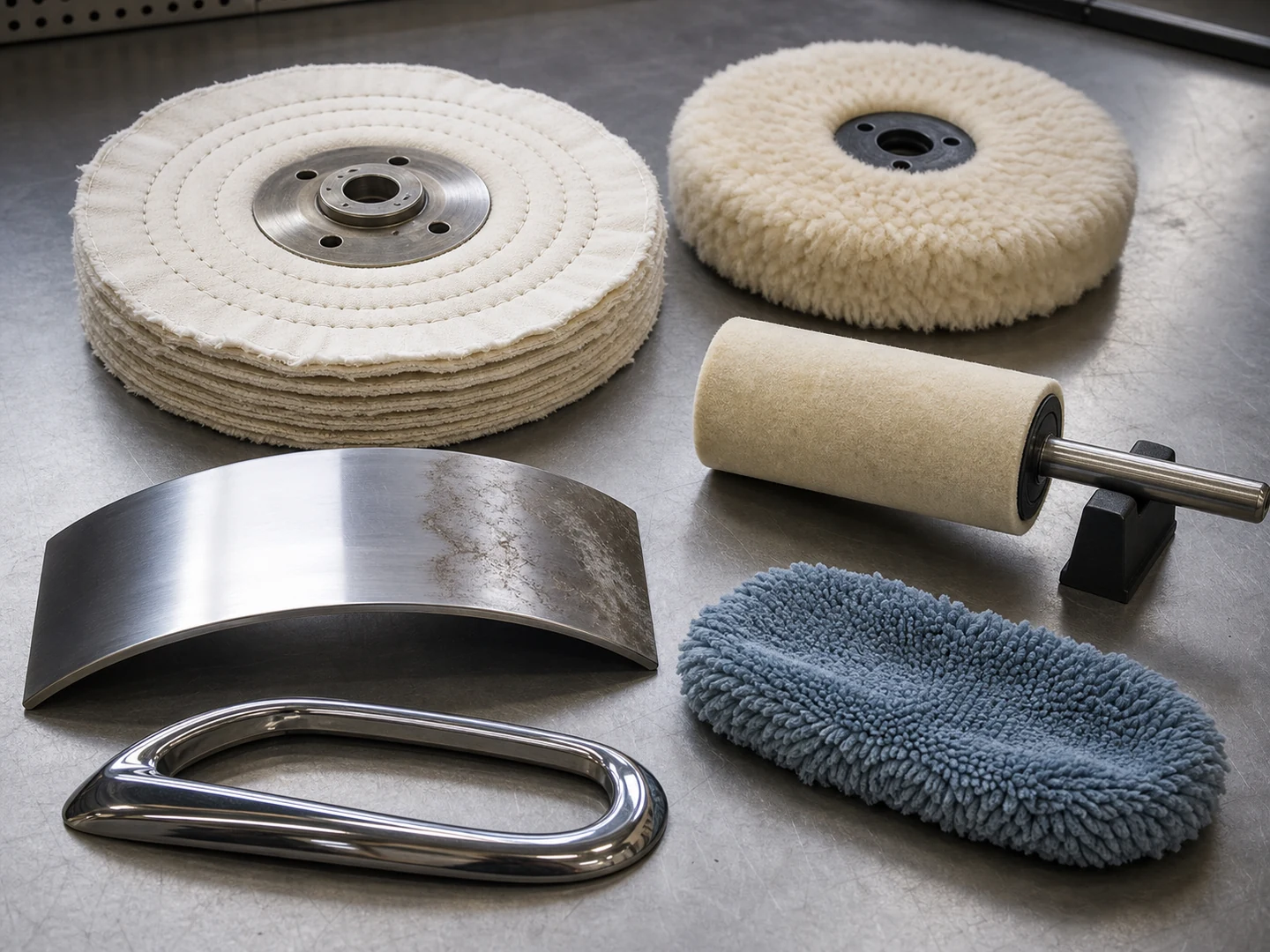
Custom Polishing Buffing Wheels
Choose a polishing or buffing wheel when a rotating flexible face must cut, blend,…
Explore this brush type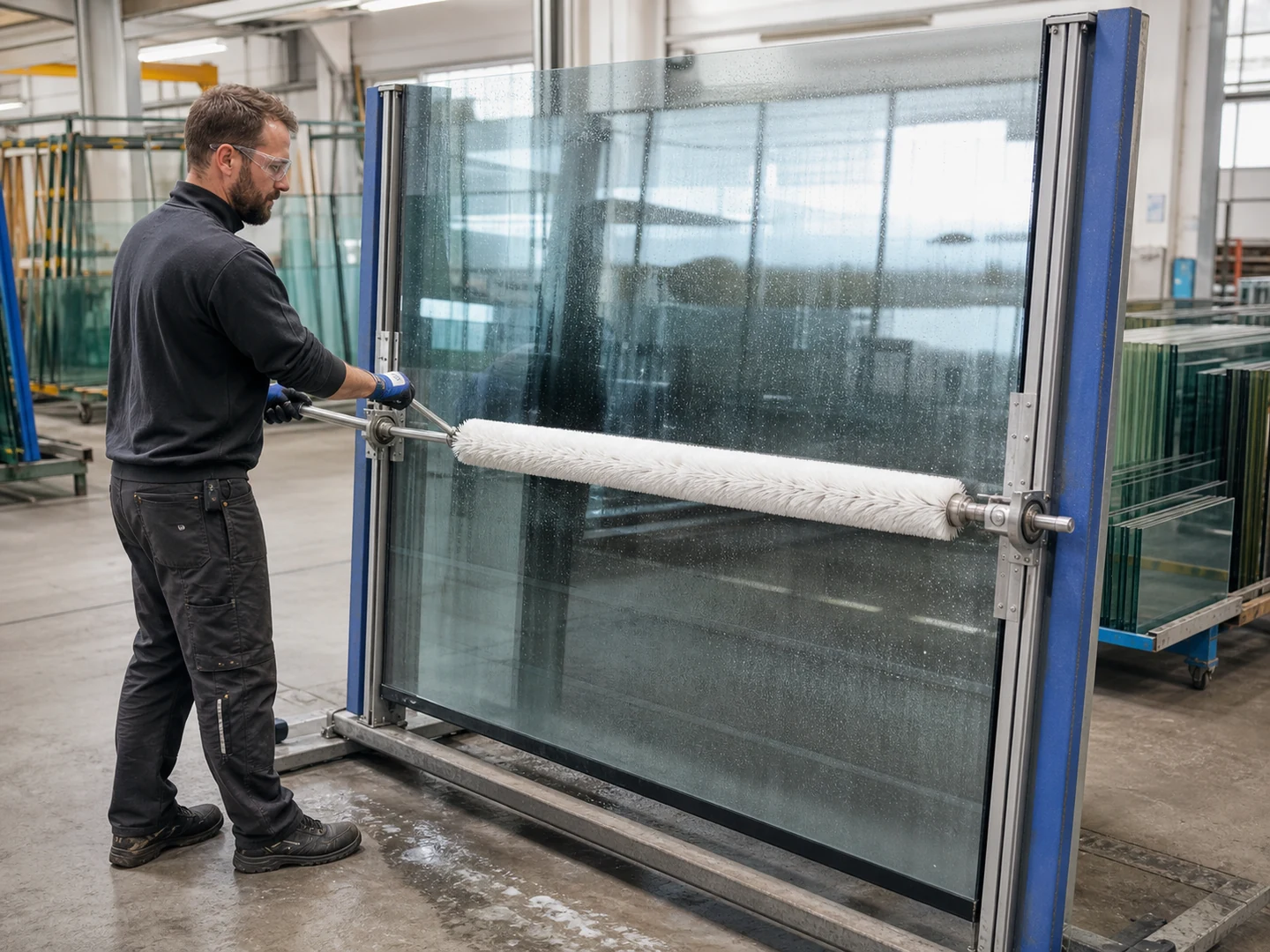
Glass Surface Cleaning
For Glass Surface Cleaning, the brush must reach the working area, disturb or collect…
Review application guidance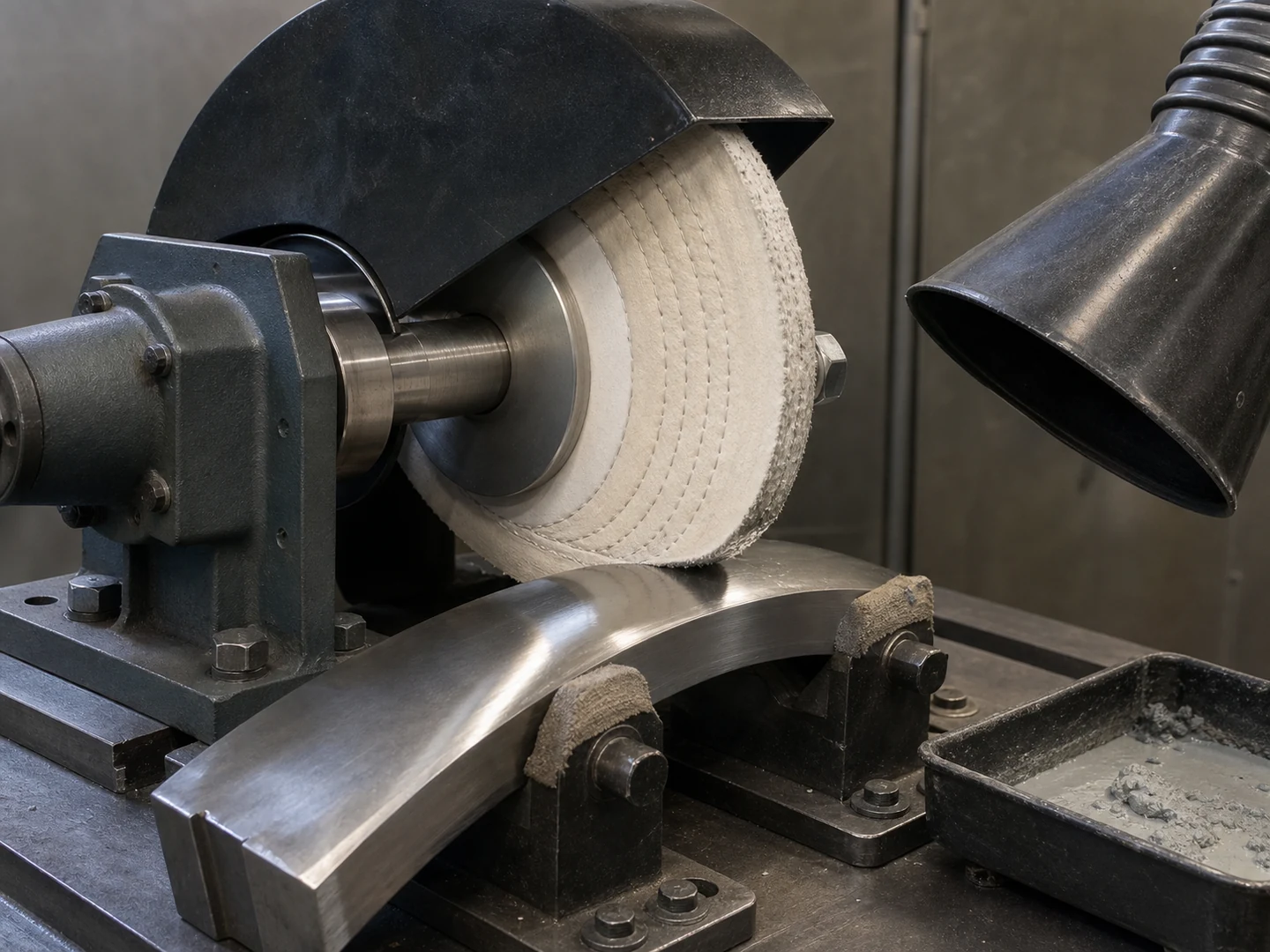
Polishing
Polishing is a process-use page rather than a general cleaning category.
Review application guidance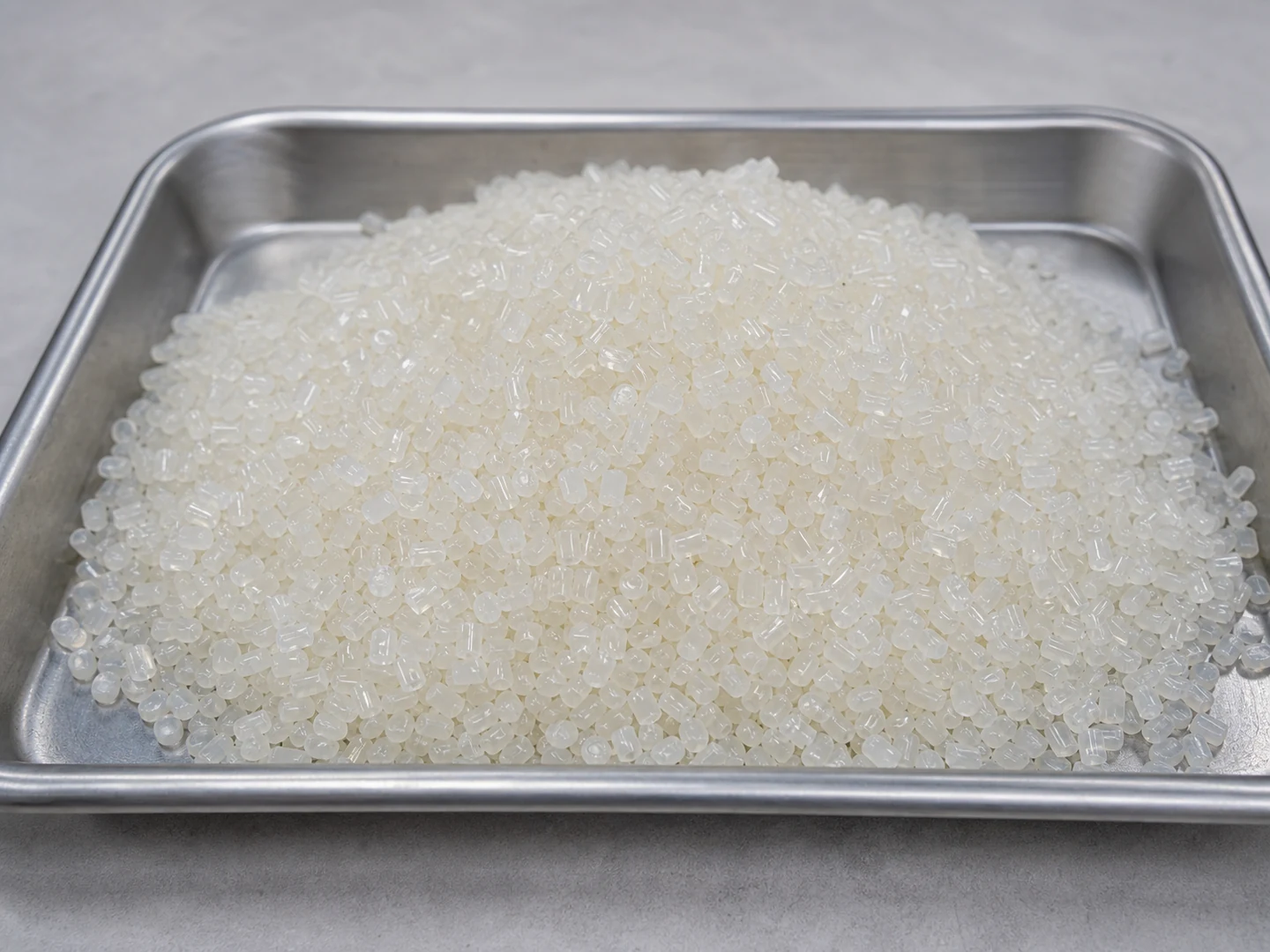
Nylon PA
Nylon PA is selected from its stiffness, recovery, wear, wet-service, chemical, and temperature behavior.
Compare material considerationsCustom Manufacturing RFQ
Upload the Brush Drawing, Product Photo or Sample Details
Please share the brush dimensions, working area, residue type, material direction, quantity, and a drawing or photo for quotation.
Custom Brush RFQ
Send Your Brush Project
Upload a drawing, product photo, or sample photo and provide the core dimensions and cleaning conditions.