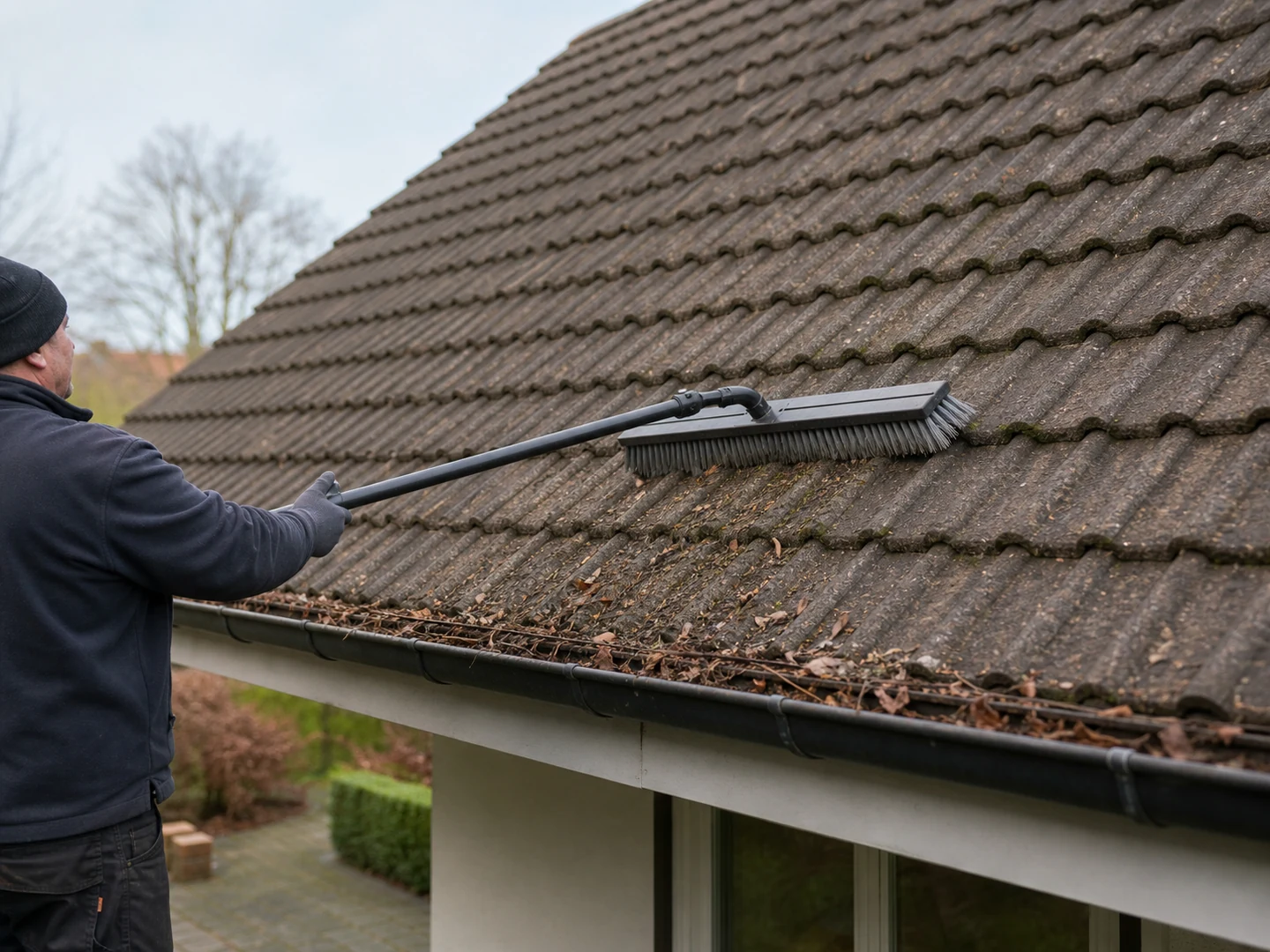
What Is a Wire Brush Roof Cleaning Tool for Gutters?
A wire brush roof cleaning tool for gutters is a power-driven or manual brush with metallic, synthetic, or abrasive-coated filaments designed to remove debris, oxidation, moss, or surface films from roof planes, gutter channels, or downspout openings without damaging the substrate. In custom configurations, the brush is matched to a specific gutter profile, mounting interface, and cleaning condition—wet or dry, chemical or mechanical—so that the cleaning action is effective without leaving scratches, embedded wire fragments, or uneven surface finishes.
Common Types and Construction Options
For fire-safety language, this article uses USFA — Heating Fire Safety as the public-safety source.
For combustion-appliance and chimney-adjacent risk language, CPSC — Carbon Monoxide Information Center is used as a safety reference.
For fire-safety language, this article uses USFA — Clothes Dryer Fire Safety Flyer as the public-safety source.
For roof-access and work-at-height cautions, the supporting public-safety reference is HSE — Safe Working on Roofs.
For the safety point in this section, the relevant OSHA reference is OSHA — 1910.23 Ladders.
For the environmental or chemical-safety point in this section, the supporting reference is EPA — Nonpoint Source: Urban Areas.
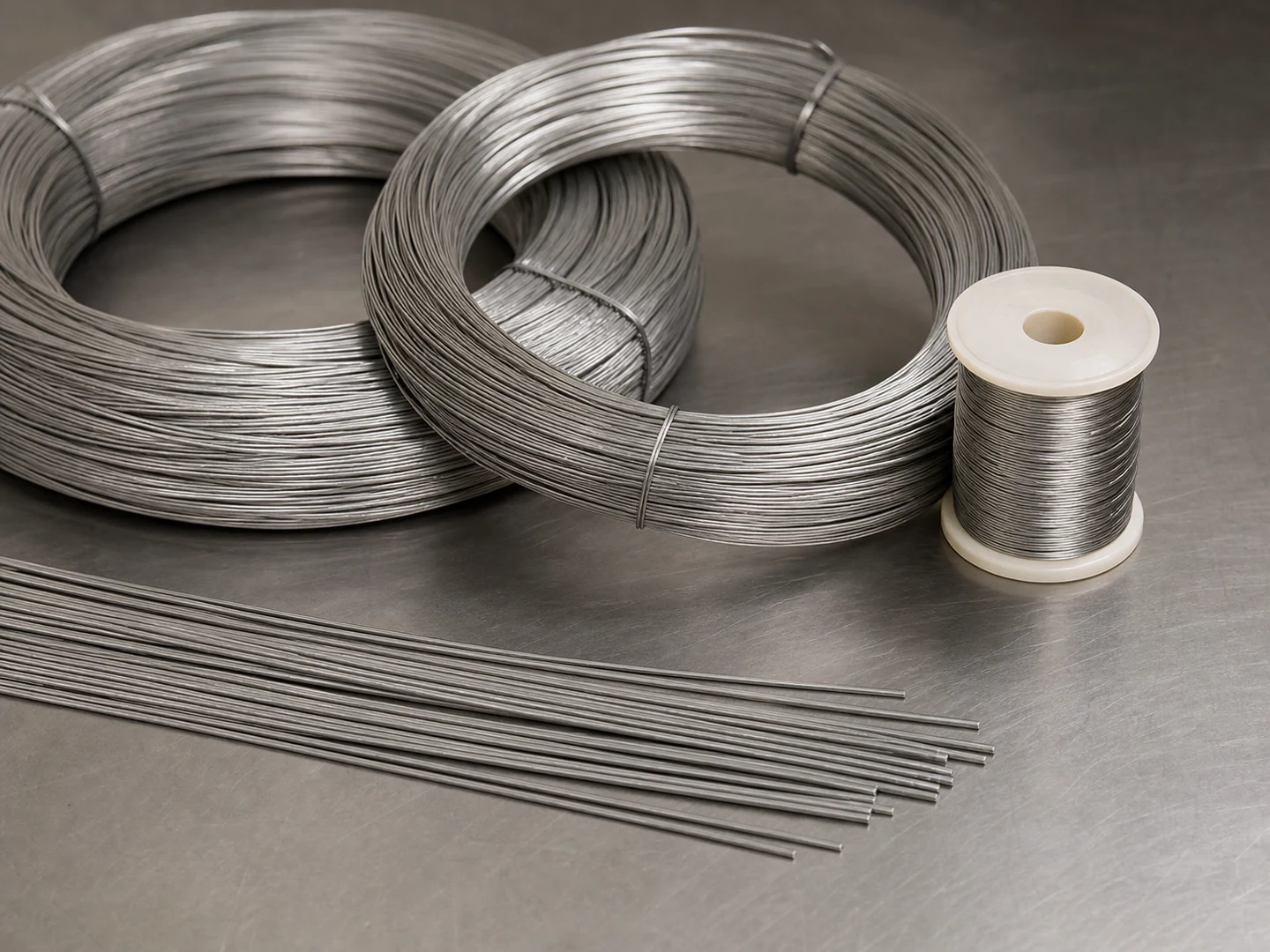
Most custom gutter cleaning brushes fall into a few construction families. Wheel brushes and cup brushes fit angle grinders or polishers and work inside gutter troughs. Strip brushes mount on rotary floor machines or handheld tools for open roof areas. Twisted-in-wire brushes combine a central wire stem with compact bristle clusters, often used on drill-driven shafts for tight corners. Handle-mounted brushes with threaded or quick-connect ends fill the gap between manual scraping and powered cleaning. Within each family, manufacturers offer choices in filament material, filament diameter, overall diameter, trim length, and core design that affect stiffness, corrosion resistance, and how quickly the brush cleans.
How to Compare Material, Diameter, and Stiffness
Filament material, wire diameter, and brush stiffness are the three factors that most directly control cleaning speed and risk of surface damage. The table below compares typical options to help buyers translate a cleaning task into a material and size specification.
| Filament Material | Common Diameter Range (inch) | Relative Stiffness | Corrosion Resistance | Best For |
|---|---|---|---|---|
| Carbon Steel | 0.010–0.020 | High | Low; rusts quickly if wet | Dry, heavy rust or scale on ferrous gutters; one-time use where low cost matters |
| Stainless Steel (302/304) | 0.010–0.020 | High | Excellent; safe for wet/damp jobs | General gutter cleaning, wet moss, oxidation, where no ferrous deposits can be left on stainless or aluminum surfaces |
| Brass | 0.008–0.016 | Medium | Good; spark-free | Gentle cleaning on copper gutters, painted surfaces, or where spark hazard exists |
| Nylon/Synthetic Abrasive | 0.015–0.040 (grit size varies) | Low–Medium | Inert; chemical-resistant | Delicate aluminum, painted steel, or when using cleaning chemicals; lower risk of scratching |
Filament diameter alone does not tell the whole story. A 0.012-inch stainless steel filament can feel much stiffer in a short trim length than a 0.014-inch brass filament set in a long trim. Ask the supplier for a stiffness comparison sample if surface sensitivity is a concern.
Key Factors to Review Before Ordering a Custom Brush
Custom brushes are specified by more than outside diameter. Buyers who walk into a quote with these points defined get faster turnaround and a brush closer to the first use.
- Residue type: Is it dry moss, wet algae, hardened asphalt sealant, light oxidation, or a mix? Abrasive particles embedded in the residue will accelerate filament wear.
- Gutter material and surface sensitivity: Aluminum, galvanized steel, copper, painted metal, or PVC? Match filament material and stiffness to the substrate hardness. A general rule: use a filament softer than the substrate if scratches are unacceptable.
- Equipment interface: What arbor size, thread pitch, or quick-connect system does the brush need to mount to? Rotary speed (RPM) of the tool determines safe filament retention method and balance class.
- Wet or dry operation: Wet cleaning corrodes carbon steel and may cause stainless steel filaments to lose temper. Chemical exposure requires compatible filament and core materials.
- Hygiene or post-cleaning use: If the roof drains to a potable water cistern or food-contact area, avoid carbon steel (rust staining) and choose stainless or inert filaments that won’t leave residues.
- Cleaning frequency and brush life: Daily commercial use demands higher filament density, better balance, and wear-resistant materials. Occasional homeowner use tolerates simpler construction.
- Custom dimensions: Outside diameter (OD), trim length, overall length, shank length, and any special contour or flared tip. Provide a sketch or marked-up photo of the gutter profile.
Setup and Usage Conditions That Affect Brush Performance
Even a well-specified brush will perform differently depending on how it is used. Three operating parameters buyers often overlook:
- Speed and pressure: Running a brush at an RPM above the manufacturer’s maximum safe free speed can cause filament breakage and unsafe flying wires. Excessive pressure flattens the filament, reduces cleaning action, and shortens brush life.
- Angle of attack: Holding a cup or wheel brush perpendicular to the gutter bottom works for flat areas; tilting it to follow the gutter slope or to reach under lips changes the effective trim length and may bend the core if jammed.
- Chemical compatibility: Some alkaline gutter cleaning solutions attack brass and nylon bonds. Confirm with the supplier that the filament and hub adhesive/molding are rated for the chemical you plan to use.
Common Mistakes When Specifying a Gutter Cleaning Wire Brush
Avoid these ordering errors that lead to poor performance, wasted money, or damaged gutters:
- Specifying the lowest-cost carbon steel wire for a wet or outdoor storage environment – it will rust solid before the second use.
- Choosing filament diameter by “looks” instead of stiffness requirements – a thin stainless wire can be stiffer than a thick brass wire depending on alloy and temper.
- Mismatching the mounting arbor – ordering a 5/8″-11 threaded hub when the tool has a 14 mm side-lock arbor prevents assembly.
- Ignoring gutter material – a hard steel wire on soft aluminum gutters leaves deep scratches that initiate corrosion.
- Overspecifying brush diameter – a brush too wide for the gutter channel will wedge and stall the tool or break the core.
- Forgetting that filament retention depends on speed – a twisted-in-wire brush rated for 4,500 RPM can throw wires if run at 10,000 RPM on a high-speed grinder.
- Neglecting dynamic balance – cup and wheel brushes need to be balanced for high-speed operation, especially with uneven wear or large OD. Vibration causes operator fatigue and poor finish.
- Skipping a sample test – requesting a sample brush or even a sample filament bundle lets you test on a hidden section of gutter before a large order.
- Writing an RFQ without a drawing or photo of the gutter profile – a simple sketch with dimensions prevents back-and-forth delays.
When a Custom Wire Brush Roof Cleaning Tool Is Not Enough
A wire brush alone cannot solve every roof or gutter cleaning problem. Recognize these boundaries early:
- Deeply embedded oxidation or pitting: Mechanical wire brushing may polish the surface but won’t remove deep corrosion. Abrasive blasting or chemical stripping may be needed first.
- Thick tar or coating removal: Heavily applied roof cement or elastomeric coatings will load the brush quickly, generating heat and smearing. A scraper or solvent pre-treatment is more effective.
- Complex gutter profiles with internal baffles: If the brush can’t reach all surfaces, consider a water-fed pole brush or a smaller specialty brush for corners.
- When a supplier drawing review is critical: If the custom brush involves a non-standard core, special shaft, or unique filament pattern, ask for an engineering drawing before order. A small drawing error in shank length or thread type can make the brush unusable.
- Where liability or warranty is at stake: For historic or warranty-covered gutter systems, involve the gutter manufacturer or a third-party inspector before specifying a cleaning method that might void the warranty.
Final Takeaway: Your Pre-Order Verification Checklist
Before you approve a custom brush order, run through this quick verification:
Material – matched to gutter metal and cleaning chemical?Filament diameter and stiffness – tested or sampled for scratch risk?Mounting – confirmed arbor, thread, and speed rating?Dimensions – OD, trim length, shank, and overall length checked against gutter profile?Corrosion resistance – suitable for wet or chemical exposure?Balance class – rated for intended RPM?Sample test – performed on a hidden area?Drawing – on file with supplier?
Checking these eight points moves the order from “hope it works” to “engineered to clean your gutters.”
Frequently Asked Questions
Can I use the same wire brush for aluminum and steel gutters?
Not without risking damage. Steel brushes can scratch aluminum and leave iron deposits that rust. Use a softer filament like brass or an abrasive nylon brush for aluminum; reserve harder filaments for steel gutters only if you verify scratch risk on a test piece.
What filament diameter should I choose for delicate painted gutters?
Start with a fine diameter, such as 0.008-inch brass or a low-grit nylon abrasive filament. A general rule: if you can feel individual wire tips pressing into your skin when you swipe the brush, it may be too aggressive for a painted surface. Request a sample and test on a hidden area.
How do I measure a gutter profile to give the brush manufacturer?
Measure the inside width at the top, the depth at the center, any radius or angle at the bottom, and the lip projection. A simple cross-section sketch with these dimensions is enough. Taking a photo with a ruler held inside the gutter helps clarify the profile.
Can a wire brush be used with a gutter cleaning robot or automated system?
Yes, but the brush must be designed for the robot’s specific spindle, torque limit, and speed profile. Provide the robot manufacturer’s interface specification, and ask the brush supplier to confirm dynamic balance and filament retention at the maximum operating RPM.
How do I know if a brush is safe for wet roof cleaning?
Look for a filament material with good corrosion resistance (stainless steel, brass, or nylon) and a hub/core that won’t degrade. Avoid carbon steel unless the brush is labeled for dry use only. When in doubt, ask the supplier for a wet-pit or chemical-exposure test result.
Should I order extra trim length to allow for wear?
It can help, but only up to a point. A slightly longer trim length can be dressed down a few times before the brush loses effectiveness. However, excessively long trim created only for wear allowance can reduce stiffness and cause the filaments to fold rather than cut. Discuss expected brush life with the supplier and whether an adjustable-length design is available.
Is it worth paying for a sample before a bulk order?
Almost always yes. A sample brush tested on a hidden section of gutter reveals real-world stiffness, scratch potential, and fit before you commit to a production run. The cost of a sample order is typically small compared to replacing a full batch that doesn’t meet the application.