What Is a Wire Brush for Roof Cleaning?
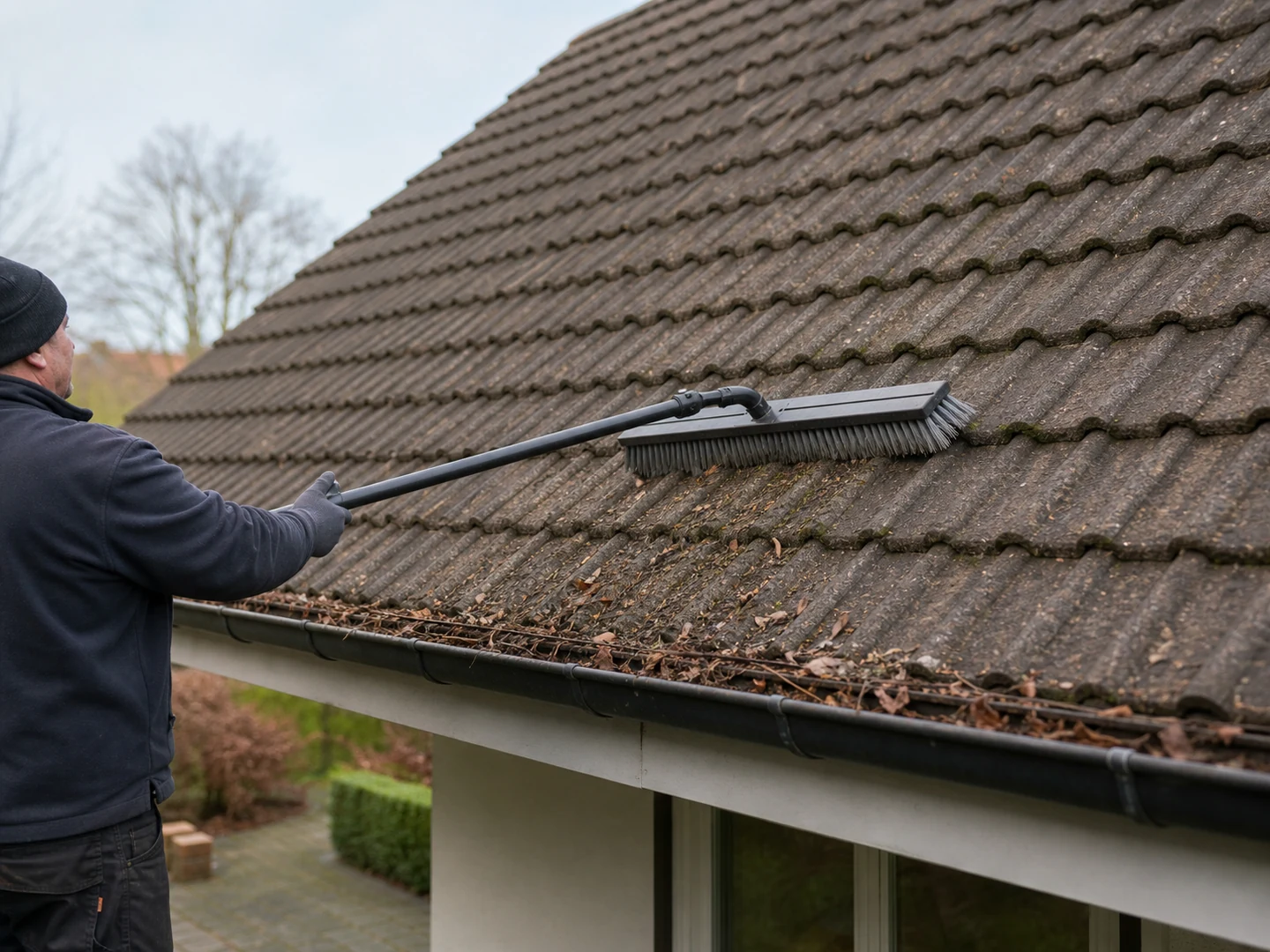
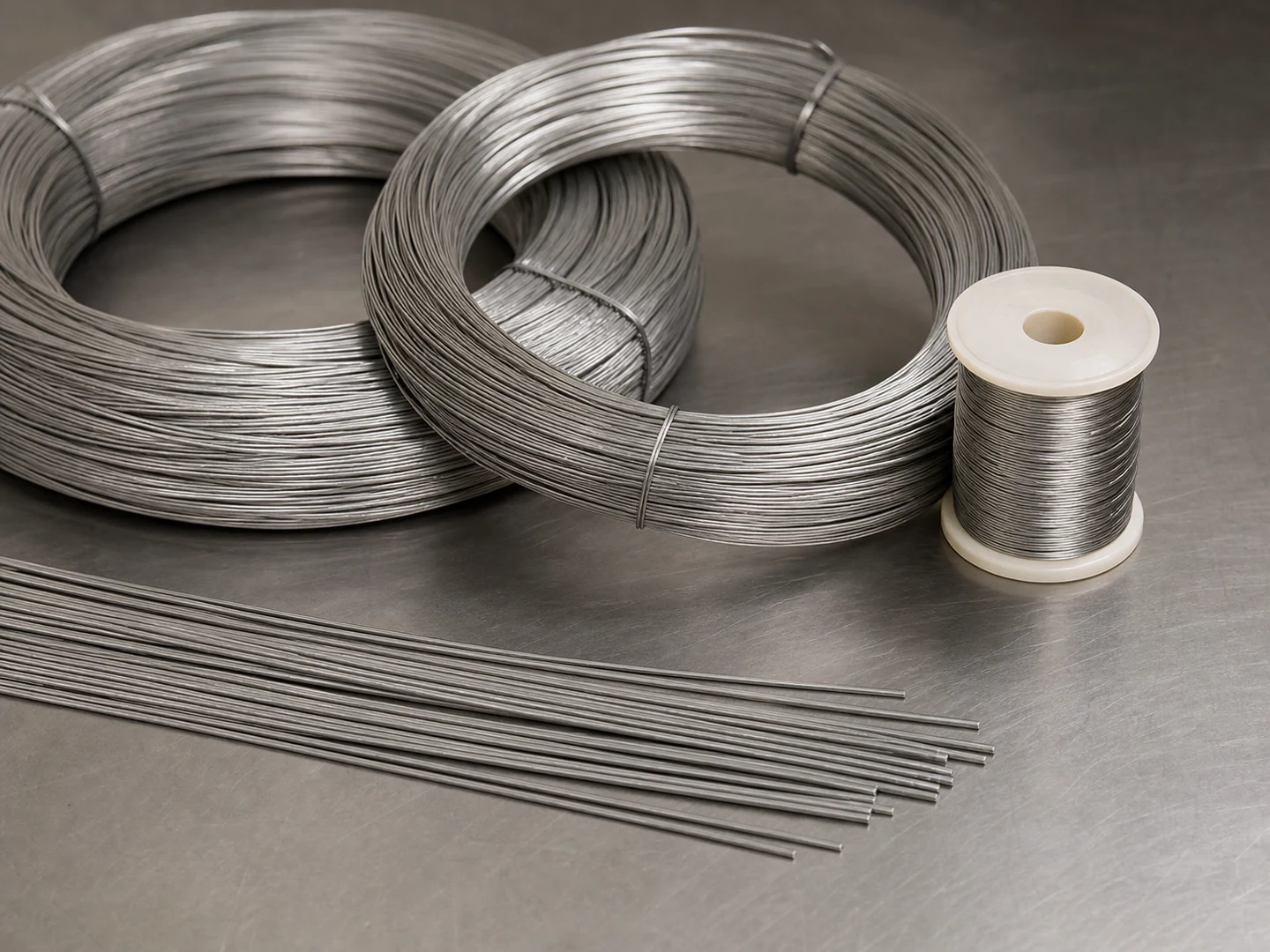
A wire brush for roof cleaning is a bristle tool made from steel, stainless steel, or brass wire, formed into a block, cup, wheel, or tube shape. It is used to mechanically scrub away wet, compacted leaf litter, moss, sludge, and light mineral deposits from roofing materials. In commercial and industrial settings, these brushes are often mounted on rotary floor machines, sweepers, or custom cleaning rigs to cover large areas quickly.
For fire-safety language, this article uses USFA — Heating Fire Safety as the public-safety source.
For combustion-appliance and chimney-adjacent risk language, CPSC — Carbon Monoxide Information Center is used as a safety reference.
For fire-safety language, this article uses USFA — Clothes Dryer Fire Safety Flyer as the public-safety source.
For roof-access and work-at-height cautions, the supporting public-safety reference is HSE — Safe Working on Roofs.
For the safety point in this section, the relevant OSHA reference is OSHA — 1910.23 Ladders.
For the environmental or chemical-safety point in this section, the supporting reference is EPA — Nonpoint Source: Urban Areas.
The key difference from a simple handheld brush is the need to balance aggressive cleaning action with surface protection. Too soft and the brush leaves behind residue; too stiff or with the wrong wire material and it can score shingles, crack tiles, or embed bristle fragments that later rust.
Common Types of Wire Brushes for Roof Cleaning
Buyers usually evaluate these main categories before checking a supplier’s product range:
- Handheld wire brushes with long handle: For spot cleaning, gutter edges, and small-area sludge removal. Often have a threaded handle socket to accept extension poles.
- Cup and wheel brushes for rotary machines: Designed to mount on walk-behind scrubbers or rotary polishers. Cup brushes work on flat areas; wheel brushes handle seams and ridges.
- Tube and pipe brushes: For cleaning roof drains, scuppers, and downspouts where compacted leaf sludge frequently blocks flow.
- Strip and channel brushes: Mounted along sweeper heads or custom frames, these provide continuous contact across wide roof decks.
- Custom-sized brush segments: Built to match manufacturer instructions cleaning equipment or unique roof geometry when standard sizes do not cover fully.
Comparing Wire Brush Options for Roof Cleaning
The table below outlines typical trade-offs based on real roof cleaning scenarios. Use it as a starting point when comparing brush proposals from different suppliers.
| Feature | Steel Wire (Carbon Steel) | Stainless Steel Wire | Brass Wire |
|---|---|---|---|
| Typical Use | Heavy sludge, compacted leaves on robust surfaces (concrete tiles, metal roofs) | Wet environments, food-plant roofs, areas requiring rust-free operation | Soft tiles, historic roofs, copper flashing surroundings |
| Stiffness | High; aggressive cleaning | Moderate to high; less fatigue than carbon steel | Low to moderate; safer on sensitive substrates |
| Corrosion Risk | Rusts if left wet; can stain light shingles | Excellent corrosion resistance | Non-sparking; no rust staining |
| Surface Sensitivity | Can scratch asphalt shingle granules or paint | Safer than carbon, but still abrasive on soft metals | Least damaging; acceptable for copper roofs |
| Cost Factor | Lower purchase cost drivers | Higher cost due to alloy and processing | Highest material cost; used for niche applications |
Beyond material, brush configuration matters:
- Diameter and fill density: A wider brush with dense bristle fill cleans faster but requires more downforce and may overload the drive motor.
- Handle and core type: Threaded handles, quick-change hubs, or keyed cores affect how quickly crews can swap brushes mid-job.
- Mounting interface: Must match the cleaning machine’s arbor, RPM range, and safety guards.
How to Choose a Wire Brush for Roof Cleaning
Before contacting a supplier, check these five selection factors. They help you write a clearer RFQ and avoid receiving mismatched brush recommendations.
- Residue type and thickness: Fresh, light leaf litter needs less stiffness than baked-on, sun-dried sludge that has gone through multiple wet–dry cycles. If residue contains sand or grit from nearby construction, brush stiffness and wear become primary concerns.
- Roof surface sensitivity: Asphalt shingles with mineral granules, painted metal panels, and aged tile roofs may not tolerate steel wire. Match wire material to the substrate’s hardness and aesthetic tolerance.
- Equipment interface: The brush must fit the existing scrubber, sweeper, or rotary tool in terms of rim speed, arbor size, and physical clearance. A brush that is too wide can catch on protrusions and damage both equipment and roof.
- Wet or chemical exposure: If cleaning solutions with low pH or high alkalinity are used, material resistance matters. Brass loses mass faster in acidic cleaners; carbon steel rusts without thorough rinse and dry.
- Hygiene and maintenance frequency: For rooftops near air intakes, waste handling, or food facilities, stainless steel is often required to prevent contamination from bristle fragments and rust particles.
- Custom size requirements: Standard catalog brushes come in incremental diameters and lengths. If the cleaning path must align exactly with a specific machine’s deck, ask suppliers about custom construction and minimum order feasibility.
Common Mistakes When Selecting a Roof Cleaning Wire Brush
Even experienced buyers make these errors during initial shortlisting:
- Choosing by cost drivers alone rather than wire material: A low-cost carbon steel brush may rust after one outdoor season, leaving metal stains on the roof. Total cost of ownership often favors a more corrosion-resistant choice.
- Assuming stiffer is always faster: Excessively stiff bristles can bounce over compacted sludge instead of cutting through. Correct bristle gauge and trim length matter more than stiffness rating alone.
- Ignoring machine RPM limits: Running a brush beyond its safe speed causes bristle breakage, premature wear, and potential safety hazards. Always confirm the maximum rated RPM from the brush datasheet.
- Overlooking handle and core durability: A threaded wooden handle may split under torque when used with long extension poles. Filament-bound polymer cores or metal-reinforced handles are worth specifying for repetitive use.
- Forgetting about brush storage: A wire brush stored wet in a closed bin will rust rapidly. Plan for drying racks or specify materials that tolerate intermittent moisture if drying time is not not Help confirmd.
When a Standard Wire Brush Is Not Enough
Wire brush cleaning alone has practical limits. Recognize these boundary conditions and consider alternative approaches or additional steps:
- Deep-rooted moss or biological growth: A wire brush will remove surface layers but may not kill root structures embedded in tile pores. A biocide treatment before or after brushing is often necessary.
- Loose, fragile substrates: On aging slate, cracked tile, or loose metal flashing, any mechanical bristle action can widen cracks. Low-pressure water with a soft-bristle push broom is a safer first step.
- Complex roof geometry with tight corners: Cup or wheel brushes cannot reach deeply into valley intersections or under flashings. A mixed approach with a smaller detail brush or manual scraping may be required.
- When a supplier drawing review is warranted: If the cleaning machine is a custom build or the roof deck has an unusual slope and drainage pattern, request a brush drawing from the supplier showing arbor dimensions, bristle fill density, and overall diameter. A sample brush test on a small roof area can prevent large-scale damage before a bulk order.
- When a different brush type could serve better: In continuous operation where sludge is wet and heavy, a heavy-duty strip brush with poly-abrasive filaments might outperform wire and last longer without corrosion. Compare total operating cost and downtime, not just initial tool cost.
Final Takeaway
Start by clearly defining the residue condition and roof material, then match wire material and stiffness to those two factors. Confirm machine compatibility and storage conditions before requesting quotes. A wire brush that fits the roof and machine correctly will reduce labor hours and surface damage risk far more than the lowest-cost generic option.
Frequently Asked Questions
Can I use the same wire brush for asphalt shingles and metal roofs?
Not always. Asphalt shingles are sensitive to aggressive steel bristles that can strip off protective granules. A softer brass or stainless steel brush is usually safer. Metal roofs tolerate steel or stainless steel but may scratch if a coarse wire grit is used. Always test on a small, hidden area first.
What handle length is best for roof cleaning with a wire brush?
Handle length depends on roof pitch and operator safety. For low-slope roofs, a 4–6 ft handle keeps operators from stooping. For steeper slopes where workers remain on ladders or walkways, extension poles of 12–20 ft with a threaded tip are common. Ensure the handle connection is secure and rated for the torque generated by the cleaning motion.
How often should roof cleaning wire brushes be replaced?
Inspection after each major cleaning cycle is recommended. Replace the brush when bristles show visible corrosion, flattening, or more than 10% loss in trim length. A worn brush reduces cleaning efficiency and can increase machine amp draw, leading to motor overload.
Can I clean a roof with a wire brush without chemicals?
Yes, for loose leaf litter and light sludge, a brush with an appropriate stiffness and a water rinse can suffice. However, for embedded biological staining or heavy slime, a combination of light chemical pre-treatment and brushing may be required. The brush selection should be compatible with any chemical used.
What should I check when ordering a custom brush size?
Provide the supplier with the exact brush outer diameter, inner arbor diameter, bristle material and gauge, trim length, overall height, and the intended RPM range. Request a dimensional drawing or a rapid prototype before committing to a production run. This avoids clearance issues and ensures bristle density matches your machine’s power output.
Is a cup brush or wheel brush better for flat commercial roofs?
Cup brushes cover larger flat areas more efficiently and maintain better contact with the surface. Wheel brushes work better along edges, around drains, and on built-in seams. Many crews use cup brushes for the main field and wheel brushes for detail work around rooftop equipment.
Can wire brushes be used on wet roofs safely?
Operator safety must come first. Use GFCI-protected power sources and non-conductive handles. The brush itself should be rated for wet use, meaning stainless steel rather than carbon steel to avoid corrosion and sudden bristle failure. Also, ensure the cleaning machine is designed for wet operations to prevent electrical hazards.
How do I know if the wire brush is too aggressive for my roof?
Run a small test patch in an inconspicuous area. After a few passes, check for scraping marks, loosened granules on shingles, or paint removal on metal. If visible damage occurs, move to a softer bristle material (brass or finer gauge stainless) or consider a non-wire alternative like poly-abrasive brushes.