What Is a Glass Conveyor Roller Brush?
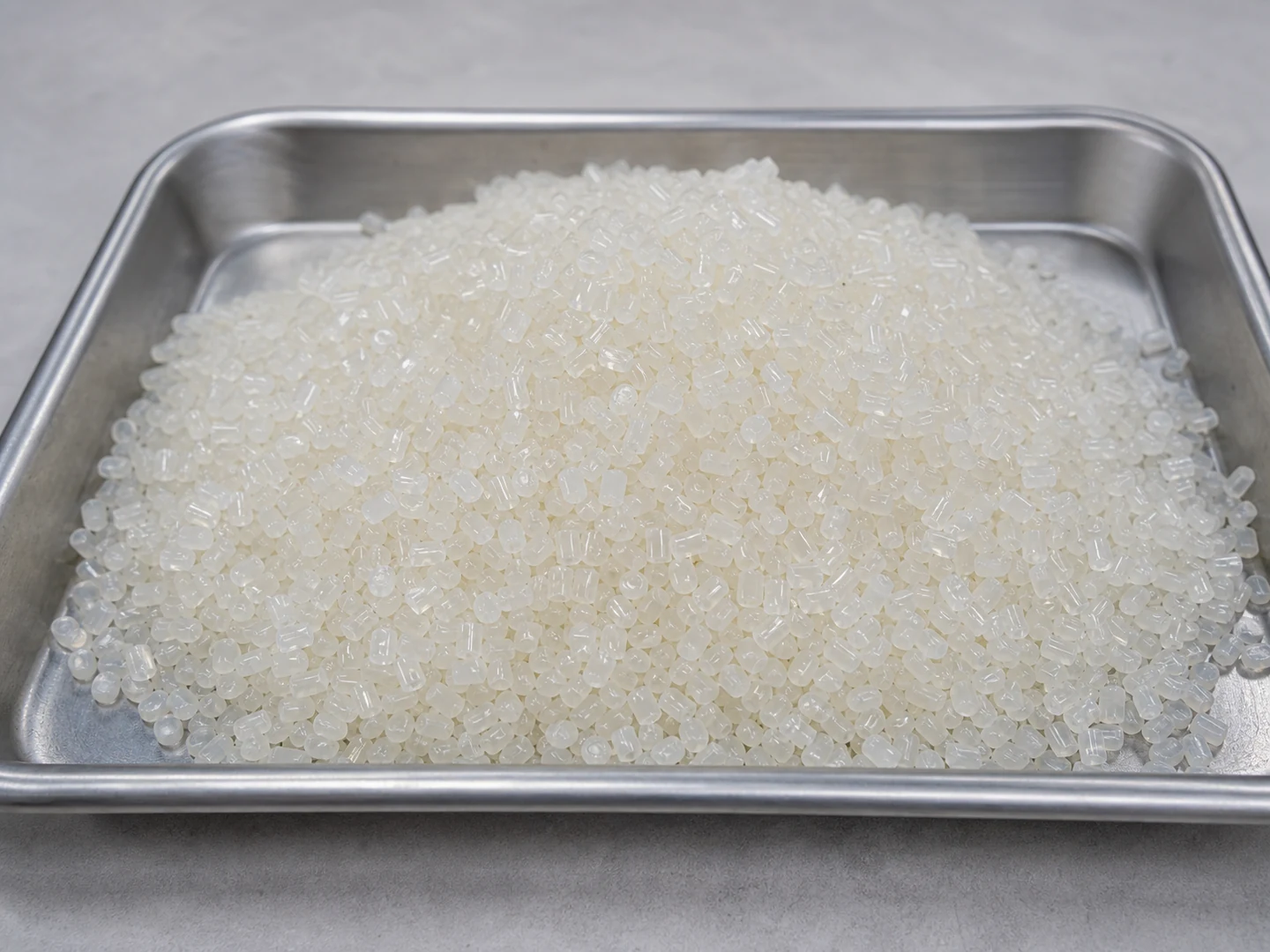
A glass conveyor roller brush is a cylindrical brush installed on a conveyor system, with its bristles — or filaments — made from, or impregnated with, glass or glass fibers. These filaments are usually embedded in a nylon matrix, creating what is often called “glass-filled nylon” or “abrasive nylon.” They are designed to provide aggressive, moisture-resistant cleaning action against wet, sticky, or fine abrasive residues that would mat down or quickly wear out standard polypropylene or nylon brushes.
For the safety point in this section, the relevant OSHA reference is OSHA — Machine Guarding.
For the safety point in this section, the relevant OSHA reference is OSHA — Control of Hazardous Energy.
For the safety point in this section, the relevant OSHA reference is OSHA — Combustible Dust.
For the environmental or chemical-safety point in this section, the supporting reference is EPA — Particulate Matter Basics.
For solar-panel and PV-glass context, the article references Department of Energy — Solar Photovoltaic Technology Basics.
Despite the name, the bristles are not pure glass (which would be too brittle). Instead, glass particles or fibers are combined with nylon to create a durable, abrasive filament that can scrub belt surfaces without corroding. The brush is typically mounted across the conveyor frame, rotating against the belt to dislodge and deflect carryback into a chute or collection bin.
Why Wet Material Carryback Is a Special Challenge
Standard belt cleaners and brushes often struggle with wet carryback because the moisture can lubricate the bristle tips, reducing scrubbing friction, or cause brush filaments to absorb water and become limp. Wet residues can also set or harden if not removed immediately. A glass conveyor roller brush addresses these issues by maintaining stiffness in wet conditions and providing a sharp, abrasive scraping action without corroding. It helps prevent the buildup that leads to belt slippage, material spillage, and unscheduled downtime.
Common Types of Glass Conveyor Roller Brushes
Most “glass” conveyor brushes fall into the category of abrasive filament brushes. Key variations include:
- Glass-filled nylon: Uniformly blended glass fibers in nylon for consistent wear and moderate abrasion.
- Silicon carbide-impregnated nylon: Very hard, sharp particles for heavy-duty cleaning or deburring, but more aggressive on belts.
- Aluminum oxide abrasive nylon: Similar to silicon carbide but with a slightly different grit profile.
- Spiral vs. straight fill: Spiral patterns can improve cleaning action and reduce loading in wet conditions.
- Core materials: Steel (highest strength), aluminum (lightweight), or PVC (corrosion resistance).
The choice among these depends on the specific residue and belt material.
Glass Brush vs. Other Common Conveyor Brush Materials
| Material | Moisture Resistance | Abrasiveness to Belt | Clog Resistance | Chemical Resistance | Best Residue Types | Typical Use |
|---|---|---|---|---|---|---|
| Glass-Filled Nylon | High | Moderate to High | Good | Good (resists many chemicals) | Wet, sticky, abrasive slurries | Mining, aggregate, waste recycling |
| Standard Nylon | Moderate (absorbs moisture) | Low | Poor when wet | Moderate | Dry, fine powders; light dust | Packaging, printing, general material handling |
| Polypropylene | High | Low | Fair | Excellent (acid/alkali resistant) | Dry chemical, fertilizer, non-abrasive wet | Chemical plants, food (light duty) |
| Steel Wire | Excellent | Very High | Good (self-cleaning) | Variable (may corrode) | Heavy, caked deposits; scale | Foundries, steel mills, heavy ore |
| Natural Fiber (Tampico/Bassine) | Poor | Very Low | Poor when wet | Poor | Light dusting, polishing | Food, fine woodworking, sensitive surfaces |
How to Choose a Glass Conveyor Roller Brush for Your System
Choosing the right glass brush involves matching the brush to your specific wet carryback problem. Start by answering these questions:
- Residue type: Is it wet, sticky, abrasive, or chemically aggressive? Glass brushes excel when moisture is high and residue tends to mat other filaments.
- Belt surface: Can the belt cover tolerate abrasive brush filaments? Hard rubber, PVC, or urethane belts hold up well; soft or thin-gauge belts may wear prematurely.
- Exposure: Continuous water washdown, chemical cleaning agents, or slurry immersion demand a non-absorbent, corrosion-resistant filament.
- Cleaning frequency and brush replacement cycle: Abrasive brushes may have a shorter filament life but reduce belt wear and downtime. Balance cleaning performance against consumable costs.
- Brush dimensions: Diameter, face length, and shaft size must fit your conveyor frame and belt width. Custom sizing is often required for proper loading.
- Filament density and stiffness: Higher density for fine residues, coarser for chunky material. Stiffness influences contact pressure and belt wear.
- Mounting interface: Check whether your conveyor accepts flange mounts, shaft mounts, or quick‑connect couplings. The brush must integrate with existing drive and support assemblies.
Common Mistakes When Specifying a Glass Roller Brush
- Assuming glass brushes are universal for all wet carryback without testing belt compatibility.
- Ignoring filament diameter: Too fine may not clean effectively; too coarse may gouge the belt.
- Overlooking brush density: Too sparse leaves gaps; too dense clogs quickly in sticky material.
- Skipping washdown chemical testing: Some chemicals attack the nylon binder, weakening the filament.
- Selecting off‑the‑shelf sizes without verifying conveyor clearance, shaft diameter, or bearing load capacity.
- Not considering static build‑up: Glass‑filled materials can generate static electricity in dry environments; grounding may be necessary.
- Underestimating maintenance: Abrasive brushes wear down and need periodic gap adjustment; neglected brushes lose effectiveness.
When a Glass Conveyor Roller Brush Is Not Enough
Even a well‑selected glass brush has limits. It is not the right choice when:
- The belt cover is very soft (e.g., food‑grade smooth belts) and cannot tolerate abrasive wear.
- Carryback contains large, hard chunks that could break the glass filaments.
- The conveyor operates in explosive dust atmospheres where static sparks are a hazard.
- Hygiene requirements demand a sealed, easily sanitizable brush (glass‑filled nylon can trap bacteria in filament pores).
- Conveyor speed exceeds the brush’s safe RPM for its diameter.
- The residue is oil‑based and more slippery than abrasive; a scraper blade may be more effective.
In these cases, consider alternative cleaning methods such as stainless steel wire brushes (with caution), polyurethane scrapers, or a dual system of pre‑scraper and secondary brush. Always evaluate the total cost including belt replacement, downtime, and cleaning quality.
Final Takeaway
Use a glass conveyor roller brush when your wet carryback requires aggressive, moisture‑proof cleaning action and your belt can withstand moderate abrasion. Confirm filament type, brush density, and mounting interface with a technical drawing or supplier review. Don’t automatically default to glass for every wet application — weigh the risk of belt wear against cleaning effectiveness. When in doubt, run a trial on a conveyor section before committing to a full‑length brush.
Practical Use Note
In daily use, the practical test is simple: check whether the brush reaches the full contact area, removes the target residue, and leaves the surface in the required condition. Record what changes when base material, burr or oxide level, target finish, brush speed, pressure, and acceptable surface change changes, because many brush failures are caused by the working condition shifting rather than by the brush body alone.
Frequently Asked Questions
What are the main advantages of a glass conveyor roller brush over standard nylon brushes?
Glass‑filled nylon filaments retain stiffness in wet conditions, resist chemical attack, and provide abrasive scrubbing action that can dislodge sticky residues more effectively. They also shed moisture more easily, reducing filament matting.
Can a glass roller brush scratch or damage my conveyor belt?
Yes, the abrasive nature of glass‑filled filaments can wear down soft rubber or plastic belt covers over time. It is essential to test a sample on your belt material to ensure the wear rate is acceptable for your maintenance budget.
How do I determine the correct brush diameter for my conveyor?
The diameter depends on conveyor width, belt speed, and required contact pressure. A general rule is to select a diameter that provides adequate surface speed relative to belt speed, but you should consult your brush supplier for a load calculation based on your system’s power and clearance.
Are glass conveyor roller brushes suitable for food processing environments?
They can be used in non‑food‑contact areas if the filaments are FDA‑compliant materials, but their abrasive nature may generate particulate. For direct food contact or high‑sanitation zones, stainless steel or soft nylon brushes might be preferred, and the system must comply with hygiene standards.
How often should I replace a glass roller brush?
Replacement interval varies with load, material abrasiveness, and environment. Monitor filament length and adjust brush‑to‑belt gap regularly. Replace when bristles are too short to maintain effective cleaning or if the core is exposed.
Can I clean a glass roller brush when it gets clogged?
Yes, you can manually clean it with a stiff brush or low‑pressure water. Some systems allow reverse rotation or air purge to dislodge debris. Avoid harsh solvents that may attack the binder.
What is the difference between glass‑filled nylon and silicon carbide abrasive brush filaments?
While both are abrasive, glass‑filled nylon is slightly less aggressive and more flexible. Silicon carbide is extremely hard and used for heavy‑duty deburring or scale removal. For wet carryback cleaning on general belts, glass‑filled nylon is often sufficient and less damaging.
Can I get a custom‑sized glass conveyor roller brush?
Yes, most industrial brush manufacturers offer custom dimensions, shaft configurations, and filament densities. When requesting a quote, provide your conveyor width, roller diameter, shaft size, and residue description.