
Material
Hardwood Brush Base
Hardwood Brush Base is evaluated as a brush component material rather than as filament. The correct component material depends on mechanical load, geometry, interface, environment, and how the brush will be cleaned and serviced.
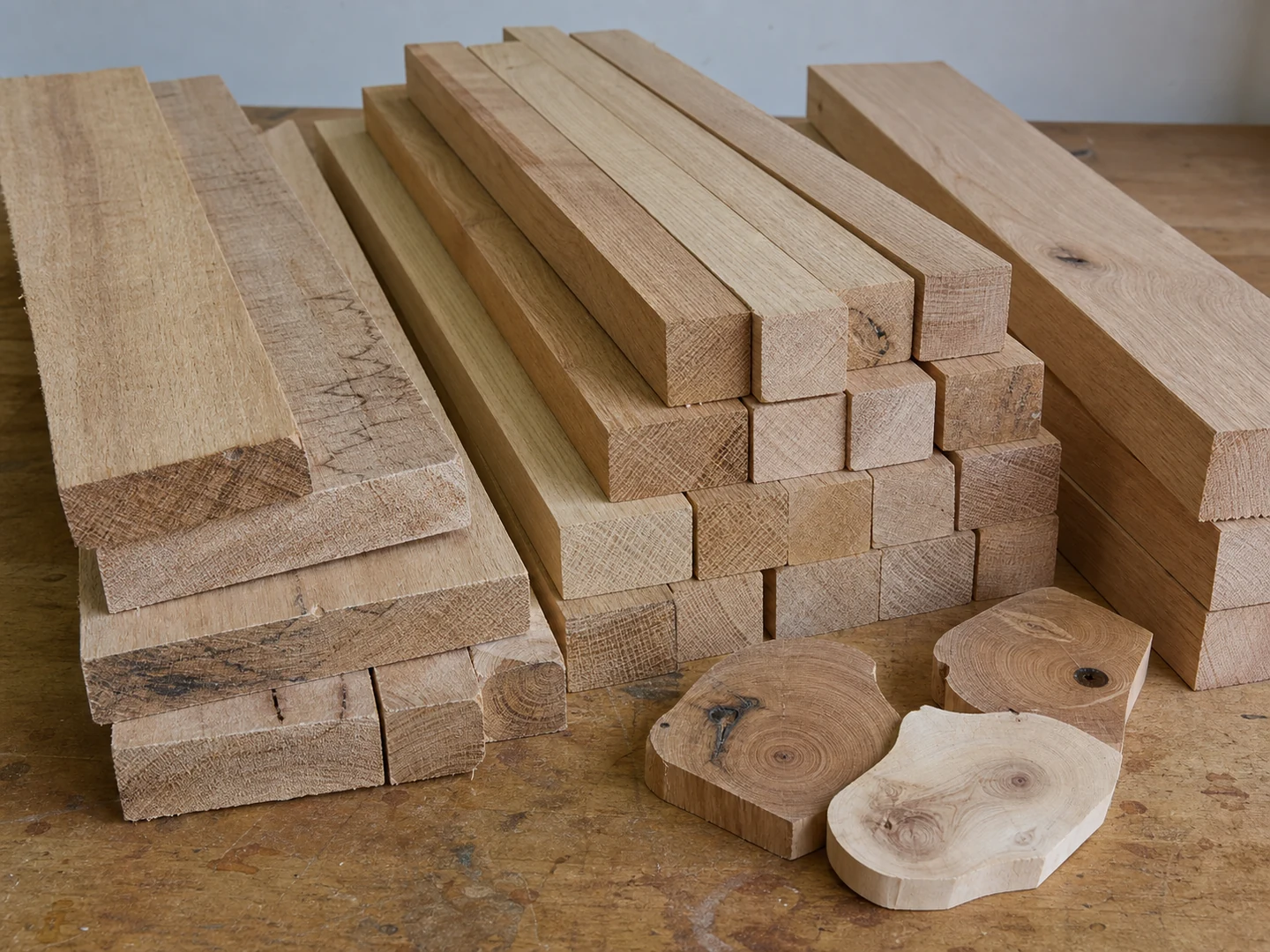
Material Overview
A hardwood brush base is a solid wood block or handle machined to retain tufts and provide the brush geometry.
In a finished brush, Hardwood Brush Base is controlled by section geometry, support, attachment, working load, environmental exposure, and the cleaning method used on the assembly. Specify the component together with its mating parts and acceptance criteria; the material name alone is not a complete design.
Material Properties
| Density | 500–900 kg/m³ |
|---|---|
| Moisture content | 6–12% for finished blocks |
| Thickness | 8–50 mm |
| Use temperature | up to 80°C in normal brush service |
| Machining tolerance | ±0.2–0.5 mm |
Brush Applications
For Hardwood Brush Base, directly related brush structures include Handheld Detail Brushes and Bottle & Container Brushes. Applications related to Hardwood Brush Base include Industrial Machine Cleaning, Household Dish, Teapot & Kitchen Detail Cleaning, Brick, Tile & Building Material Machine Brush Use, and Laboratory Tube Cleaning.
Specification and Customization
Material form
Block / Handle / Brush Body
Common forms
Drilled and staple-set wood block; shaped handle; turned brush body.
Grade
Wood species and moisture class specified separately
Reference standard
ISO 13061-1; ASTM D143
Limitations and Alternatives
Not preferred for continuous immersion, steam sanitation, cleanroom duty or tight wet dimensional tolerance.
Frequently Asked Questions
What are the key properties of Hardwood Brush Base brush material?
A hardwood brush base is a solid wood block or handle machined to retain tufts and provide the brush geometry. Direct data: Density: 500–900 kg/m³; Moisture content: 6–12% for finished blocks; Thickness: 8–50 mm; Use temperature: up to 80°C in normal brush service; Machining tolerance: ±0.2–0.5 mm.
Where is Hardwood Brush Base used in cleaning brushes?
Manual block, clothes, shoe and applicator brushes used mainly in dry or intermittently wet service.
How does filament geometry change Hardwood Brush Base brush stiffness?
Hardwood Brush Base changes brush stiffness through filament diameter, free trim, density, crimp, and contact. Use finer filament and longer trim for conformable contact; use coarser filament, shorter trim, or higher density for stronger displacement or cutting.
When should Hardwood Brush Base be replaced by another material?
Compare Hardwood Brush Base with PP block, PE board, PVC board, engineering-plastic core. Change material when wet stiffness, temperature, chemical resistance, conductivity, particle shedding, or surface marking becomes the limiting factor.
Continue Exploring
Recommended Reading & Related Brush Resources
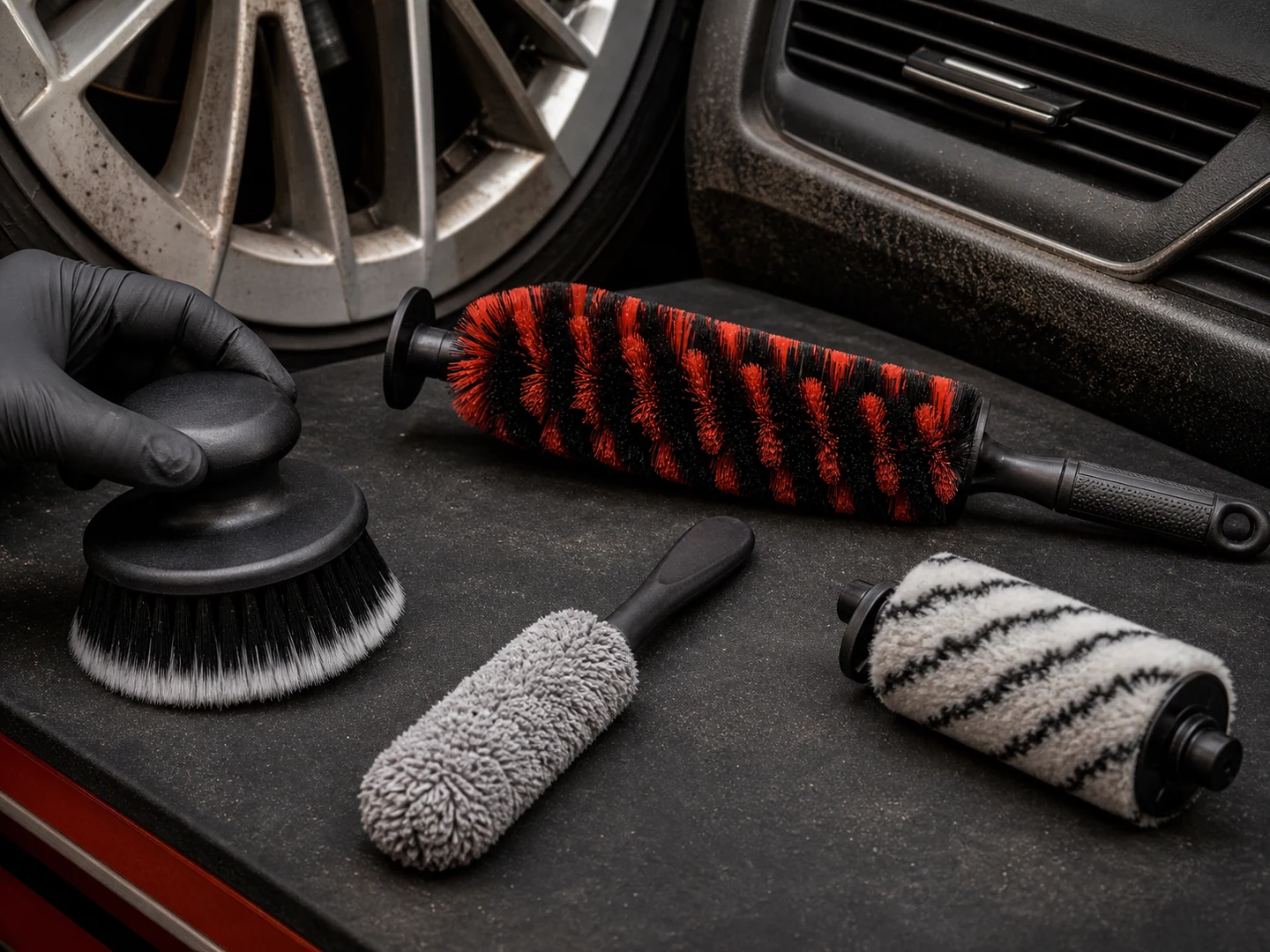
Custom Handheld Detail Brushes
Choose a handheld detail brush when the operator needs direct control in seams, recesses,…
Explore this brush typeCustom Bottle & Container Brushes
Choose a bottle or container brush when the head must pass through an opening…
Explore this brush type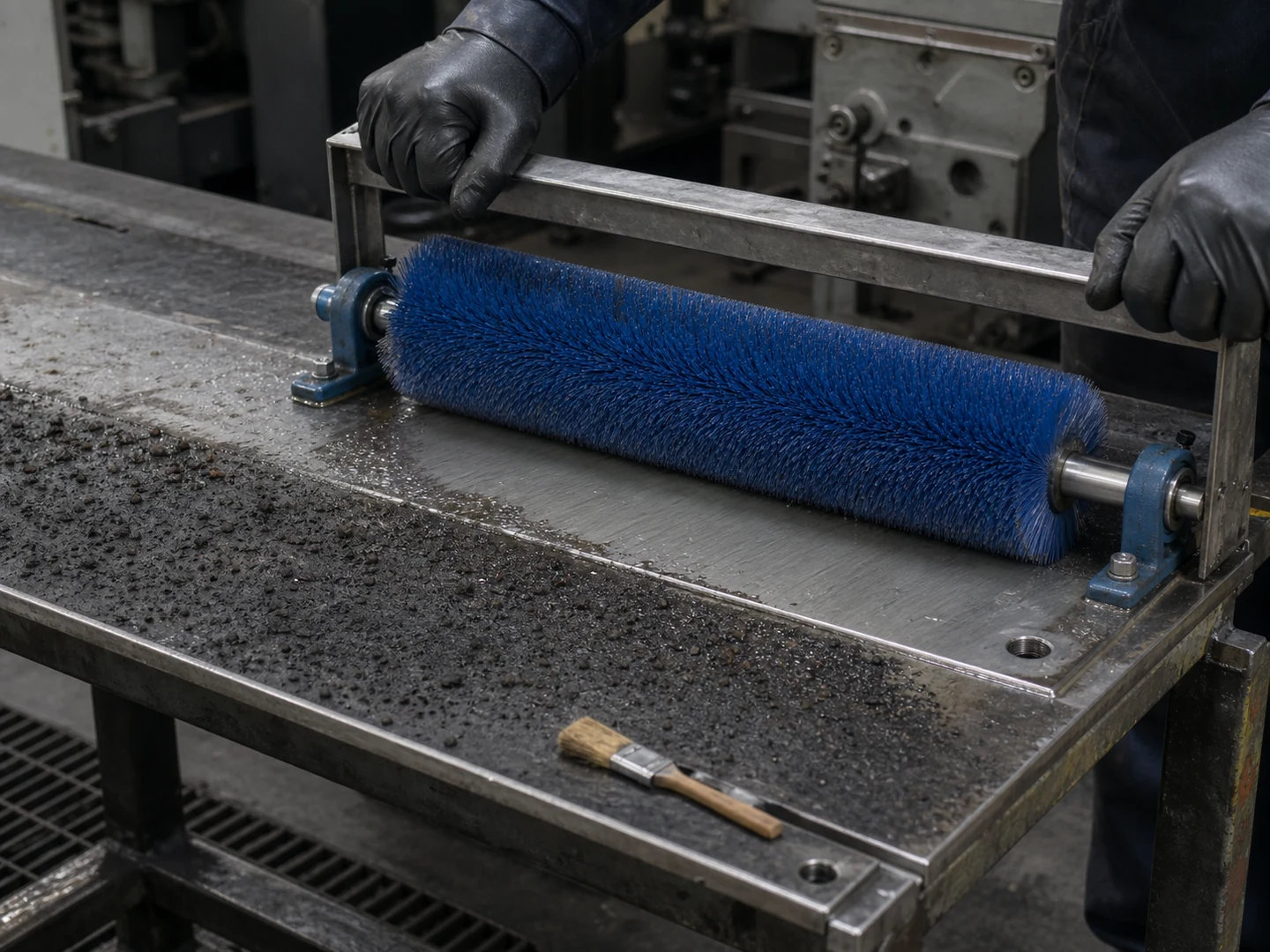
Industrial Machine Cleaning
For Industrial Machine Cleaning, the brush must reach the working area, disturb or collect…
Review application guidance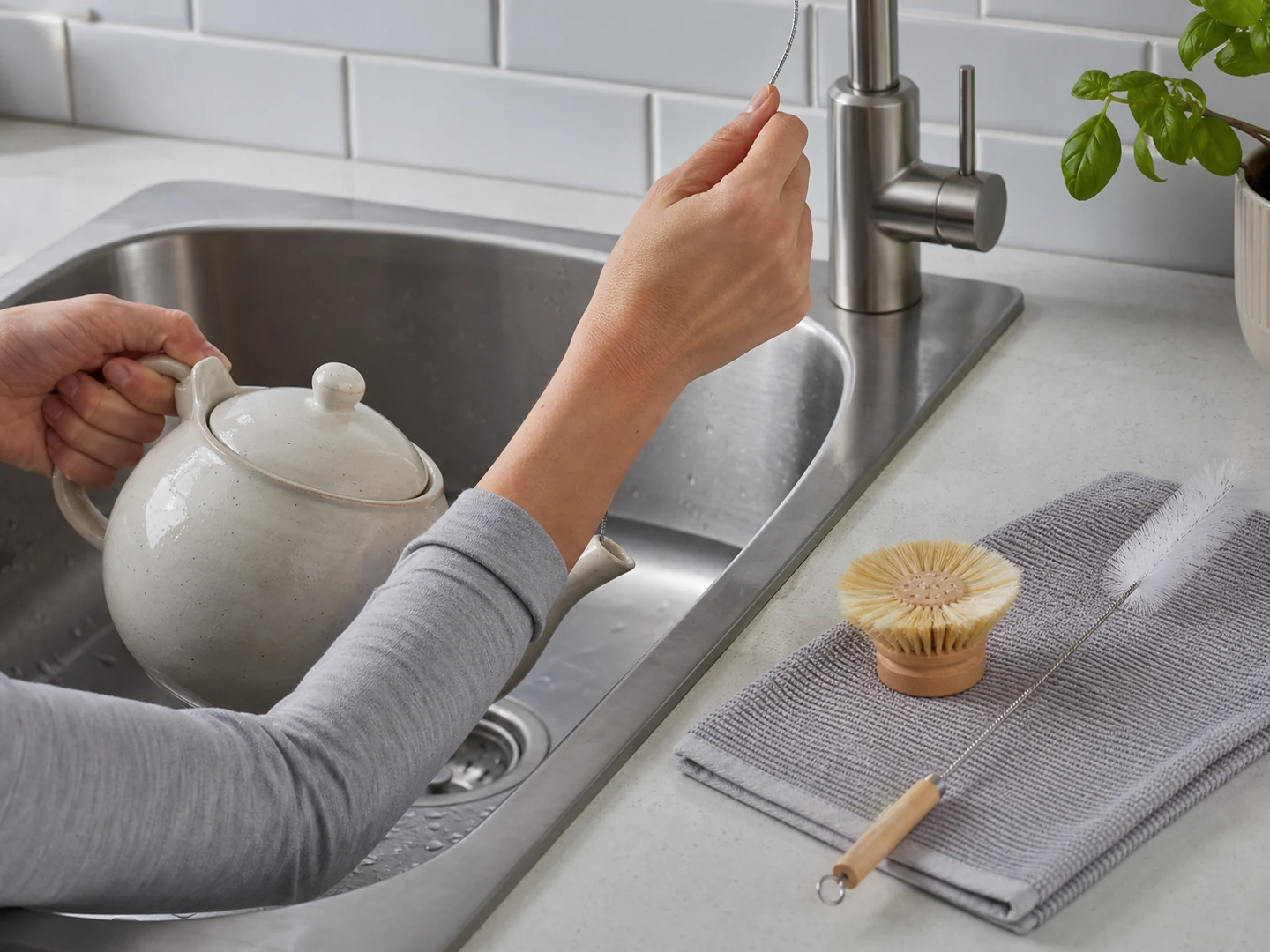
Household Dish, Teapot & Kitchen Detail Cleaning
For Household Dish, Teapot & Kitchen Detail Cleaning, the brush must reach the working…
Review application guidance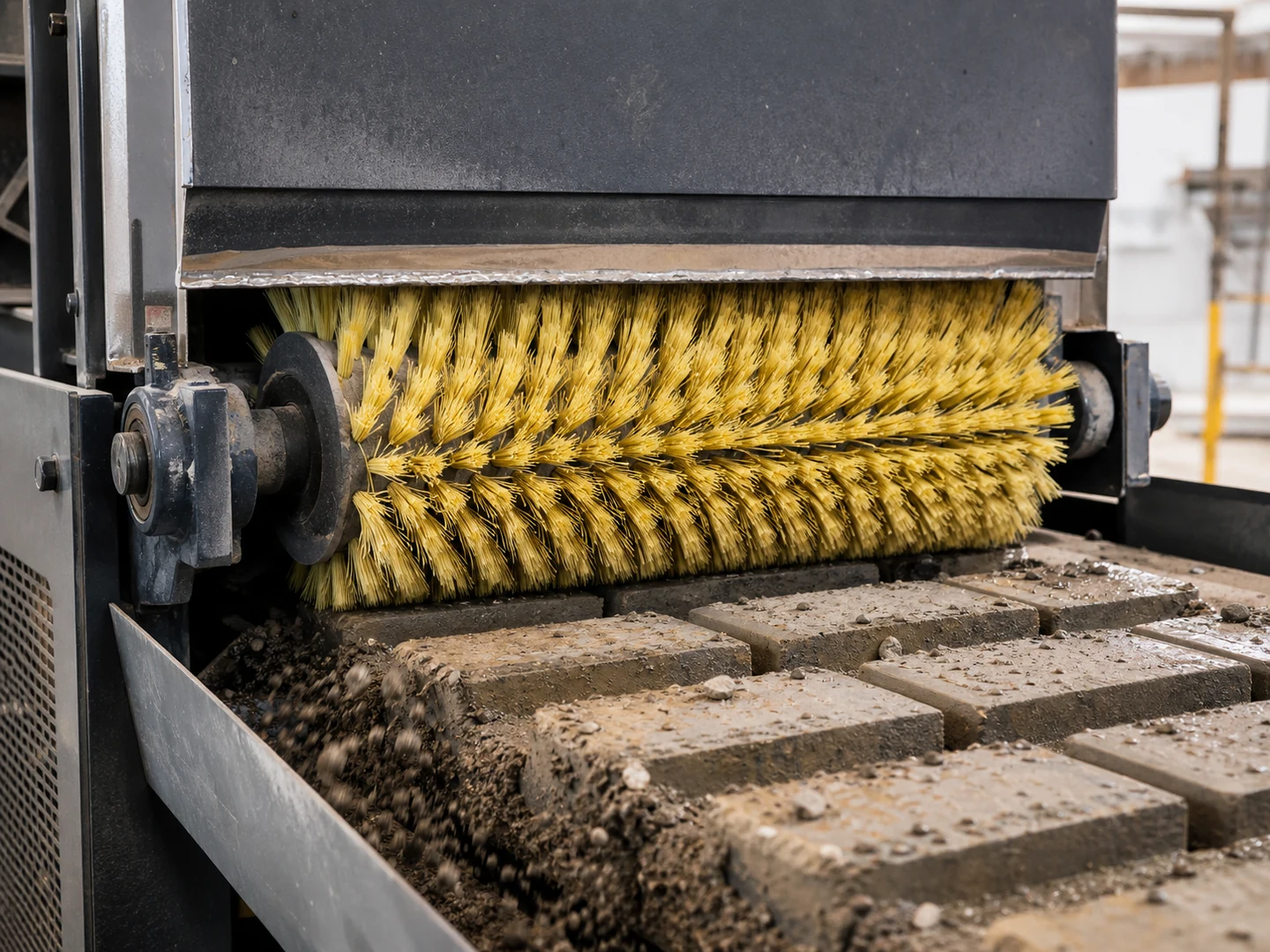
Brick, Tile & Building Material Machine Brush Use
For Brick, Tile & Building Material Machine Brush Use, the brush must reach the…
Review application guidance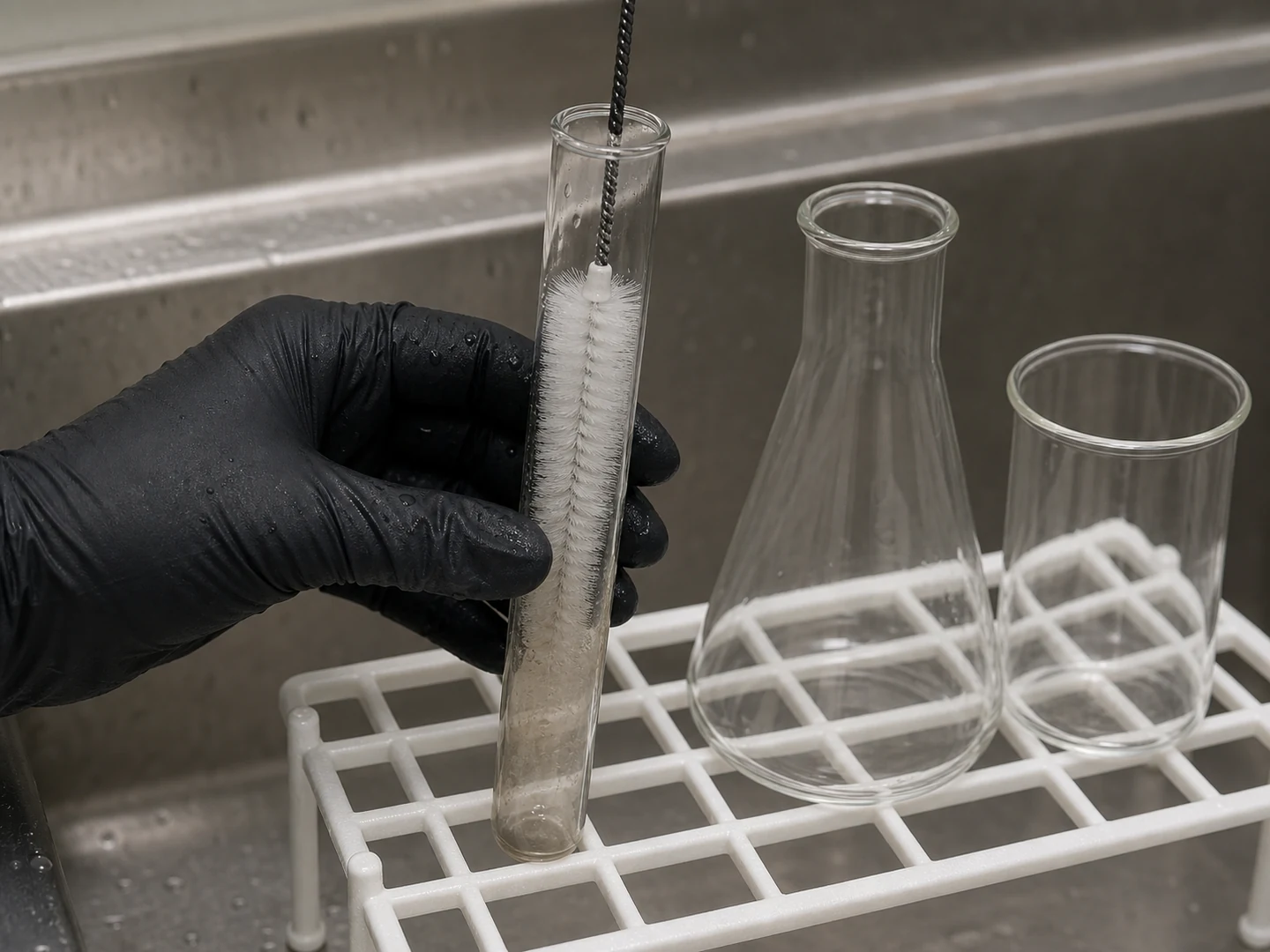
Laboratory Tube Cleaning
For Laboratory Tube Cleaning, the brush must reach the working area, disturb or collect…
Review application guidance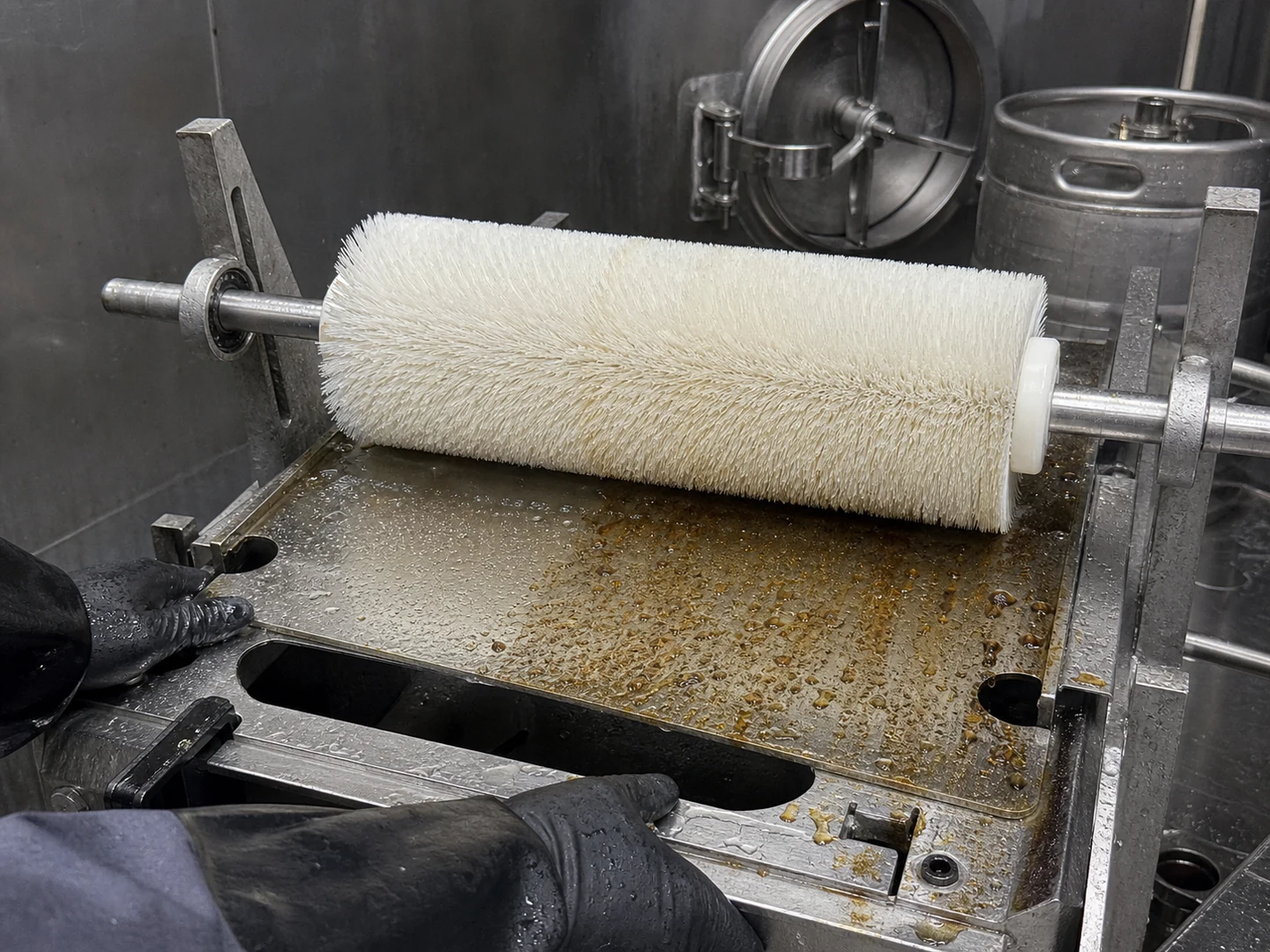
Beverage Equipment Cleaning
For Beverage Equipment Cleaning, the brush must reach the working area, disturb or collect…
Review application guidance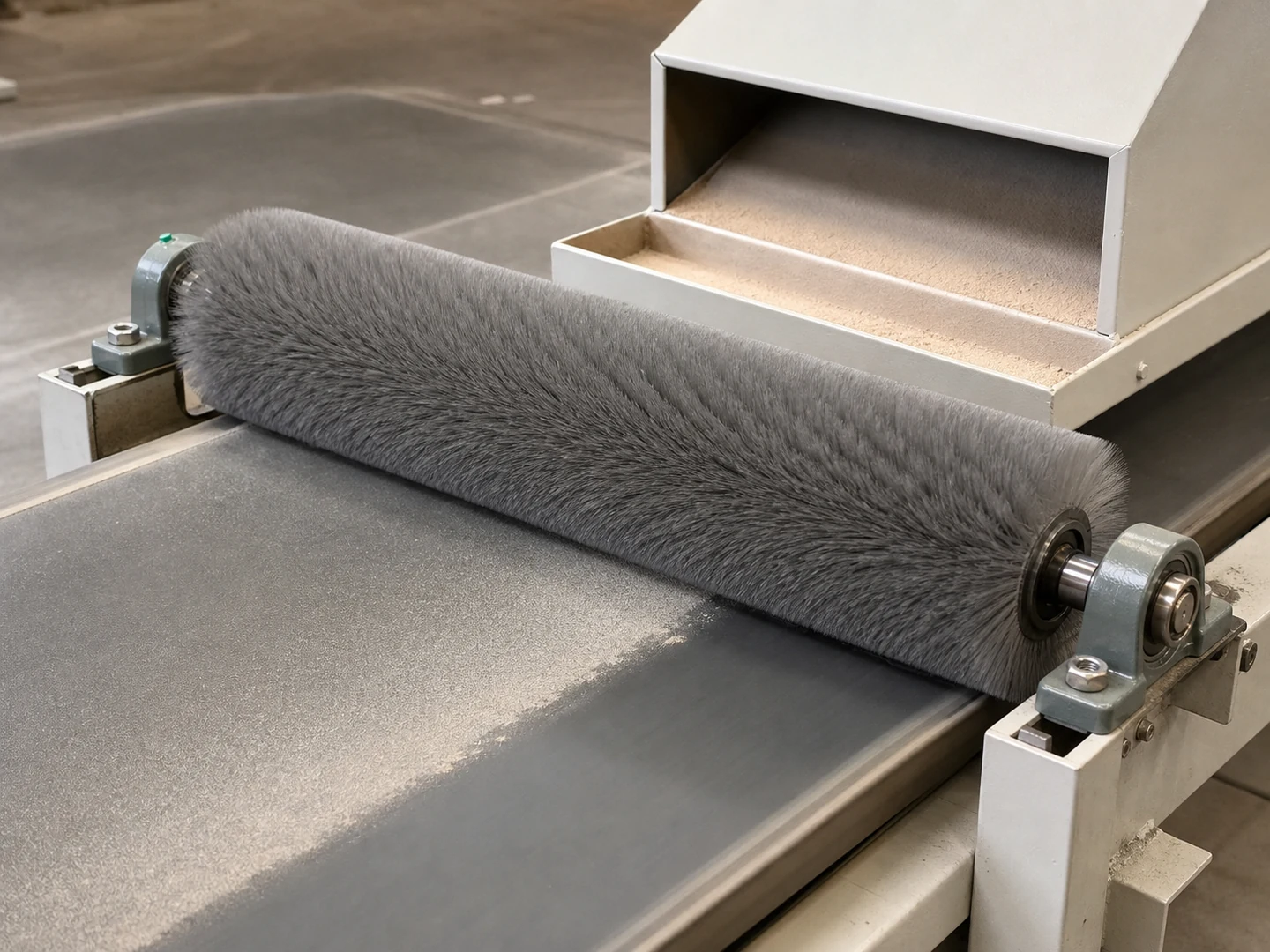
Dust Removal
For Dust Removal, the brush must reach the working area, disturb or collect loose…
Review application guidanceCustom Manufacturing RFQ
Discuss This Material
Share the working surface, residue, dimensions, material direction, interface, quantity and drawing or sample photo.
Custom Brush RFQ
Request a Custom Cleaning Brush Quote
Upload a drawing, product photo, or sample photo and provide the core dimensions and cleaning conditions.