
Material
Nylon Gear
Nylon Gear is evaluated as a brush component material rather than as filament. Use the project load, geometry, mating parts, exposure, cleaning method, and service requirements to select this component material.
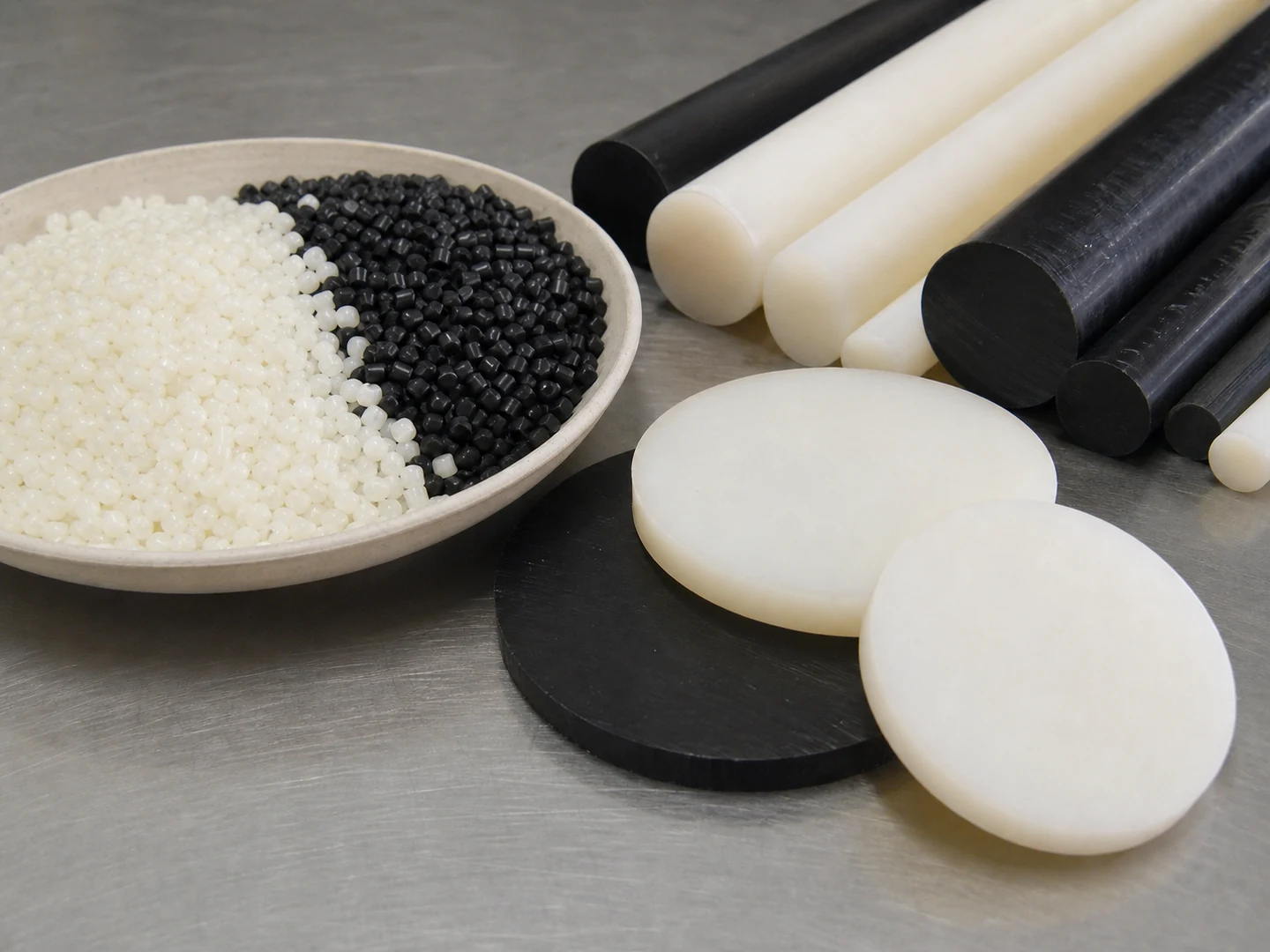
Material Overview
A nylon gear is a molded or machined polyamide power-transmission component used to drive or synchronize a brush.
In a finished brush, Nylon Gear is controlled by section geometry, support, attachment, working load, environmental exposure, and the cleaning method used on the assembly. Specify the component together with its mating parts and acceptance criteria; the material name alone is not a complete design.
Material Properties
| Density | 1.12–1.15 g/cm³ |
|---|---|
| Hardness | Shore D 75–85 |
| Module range | 0.5–8 |
| Use temperature | -20–100°C |
| Water absorption | 1–9% by PA grade |
Brush Applications
For Nylon Gear, directly related brush structures include Roller and Conveyor Brushes. Applications related to Nylon Gear include Printer & Scanner Cleaning, Connector & Slot Cleaning, PCB Cleaning, and Semiconductor Wafer & Chip Cleaning.
Specification and Customization
Material form
Molded / Machined Gear
Common forms
Machined cast-nylon gear; molded PA6 or PA66 gear; lubricated nylon drive component.
Grade
PA6, PA66 or cast-nylon gear grade
Reference standard
ISO 527-1:2019; ASTM D638; ISO 62:2008; ASTM D570-22; ISO 868:2003; ASTM D2240-15(2021); ISO 4892-3:2024; ASTM G154-23; UL 94
Limitations and Alternatives
Not suitable from material name alone for high torque, high precision, hot wet service or unsupported cantilever load.
Frequently Asked Questions
What are the key properties of Nylon Gear brush material?
A nylon gear is a molded or machined polyamide power-transmission component used to drive or synchronize a brush. Direct data: Density: 1.12–1.15 g/cm³; Hardness: Shore D 75–85; Module range: 0.5–8; Use temperature: -20–100°C; Water absorption: 1–9% by PA grade.
Where is Nylon Gear used in cleaning brushes?
Powered appliance, floor-machine and conveyor brushes that need a quiet moderate-load drive interface.
How does filament geometry change Nylon Gear brush stiffness?
Nylon Gear changes brush stiffness through filament diameter, free trim, density, crimp, and contact. Use finer filament and longer trim for conformable contact; use coarser filament, shorter trim, or higher density for stronger displacement or cutting.
When should Nylon Gear be replaced by another material?
Compare Nylon Gear with POM gear, metal gear, PA12 gear, reinforced nylon. Change material when wet stiffness, temperature, chemical resistance, conductivity, particle shedding, or surface marking becomes the limiting factor.
Continue Exploring
Recommended Reading & Related Brush Resources
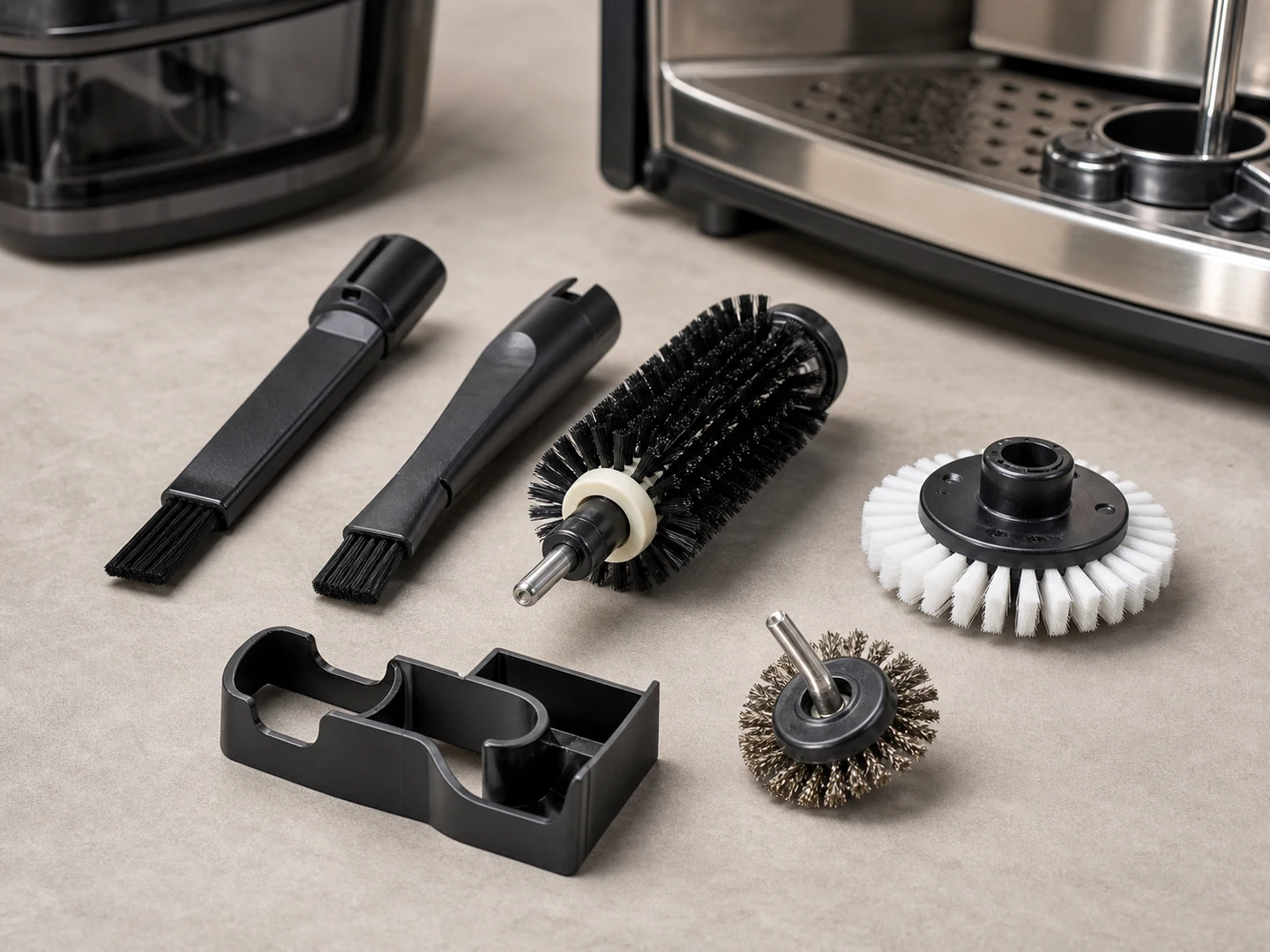
Custom Roller and Conveyor Brushes
Choose a roller or conveyor brush when a cylindrical brush must clean, wipe, guide,…
Explore this brush type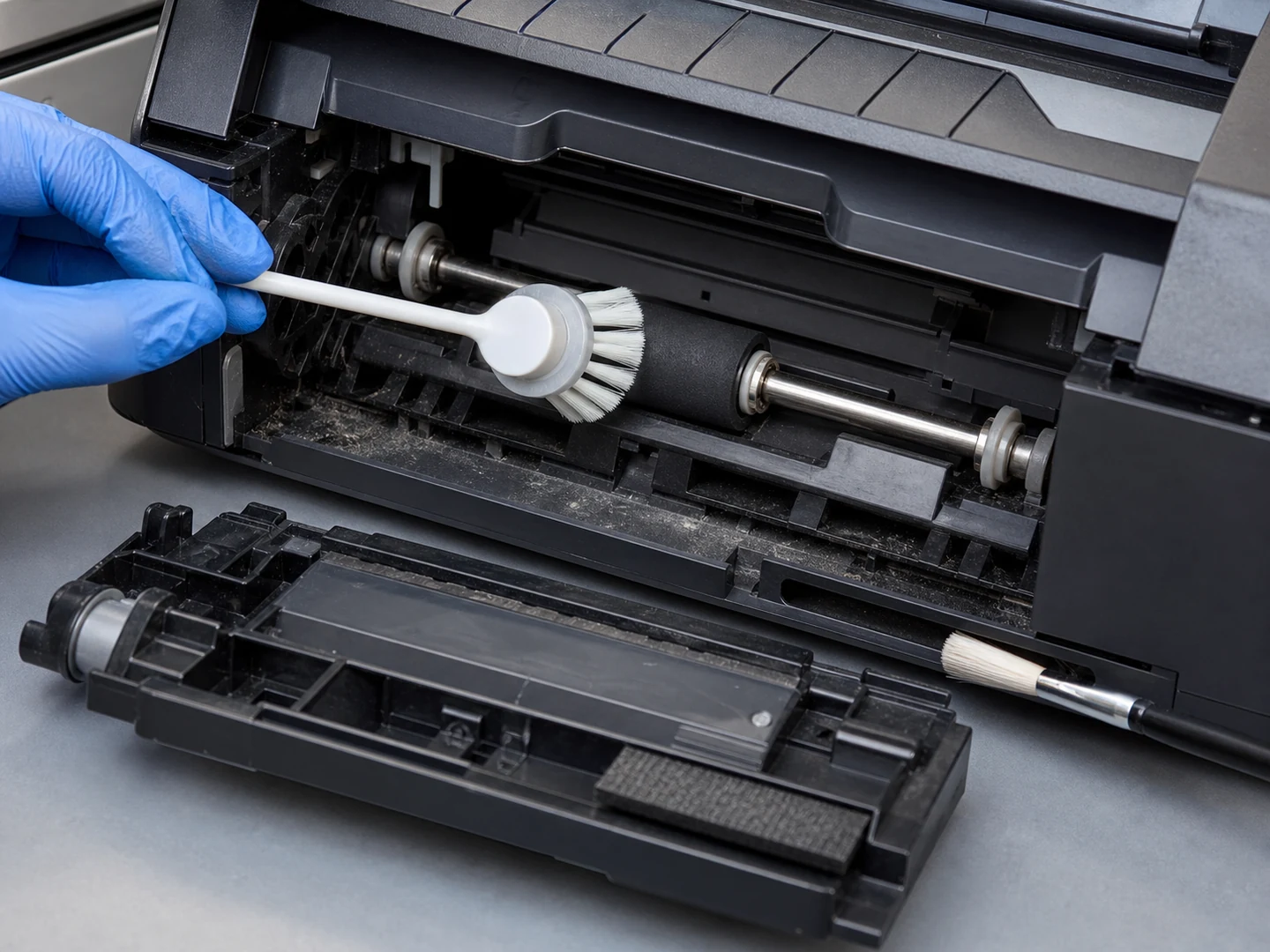
Printer & Scanner Cleaning
For Printer & Scanner Cleaning, the brush must reach the working area, disturb or…
Review application guidance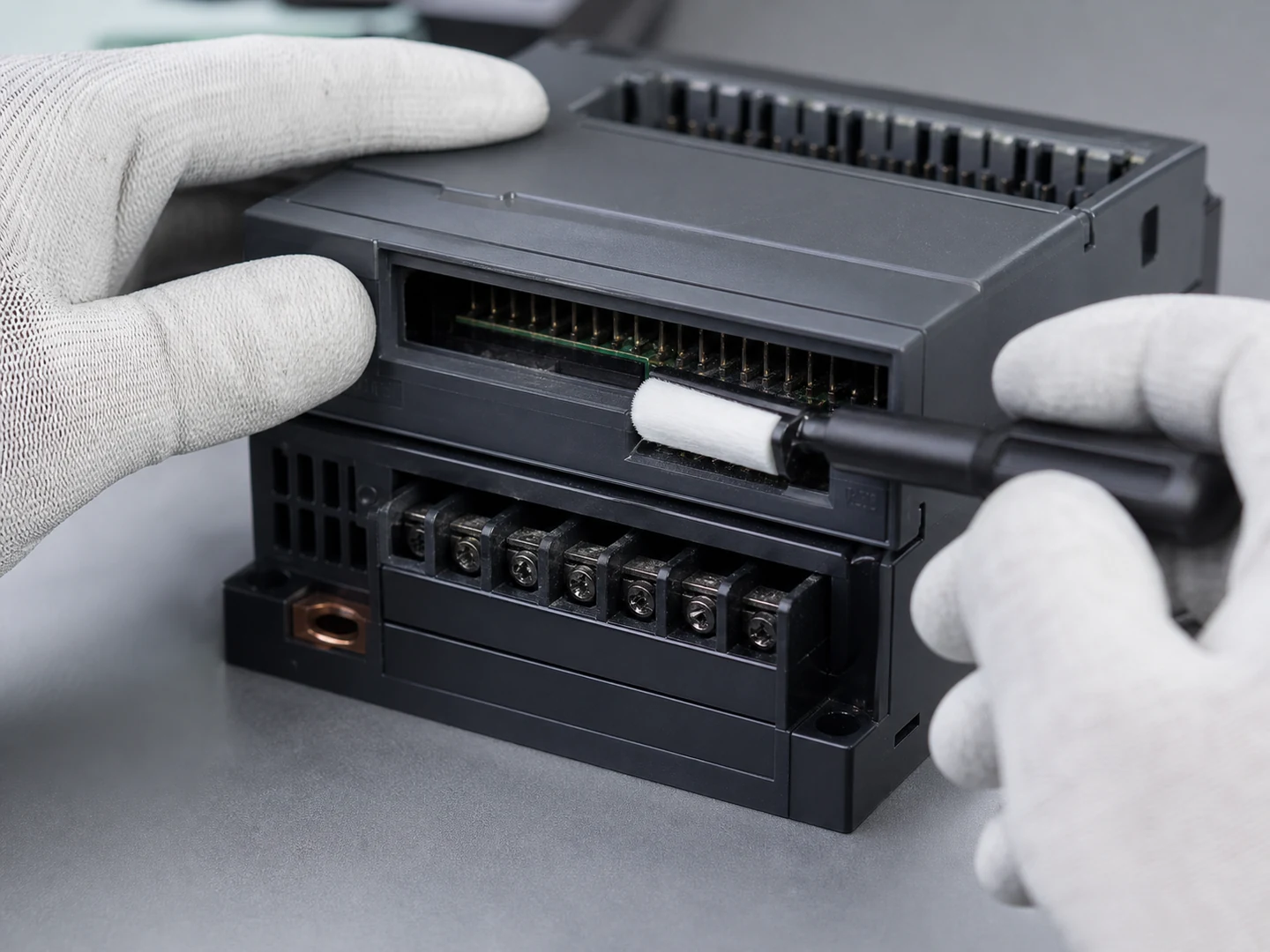
Connector & Slot Cleaning
For Connector & Slot Cleaning, the brush must reach the working area, disturb or…
Review application guidance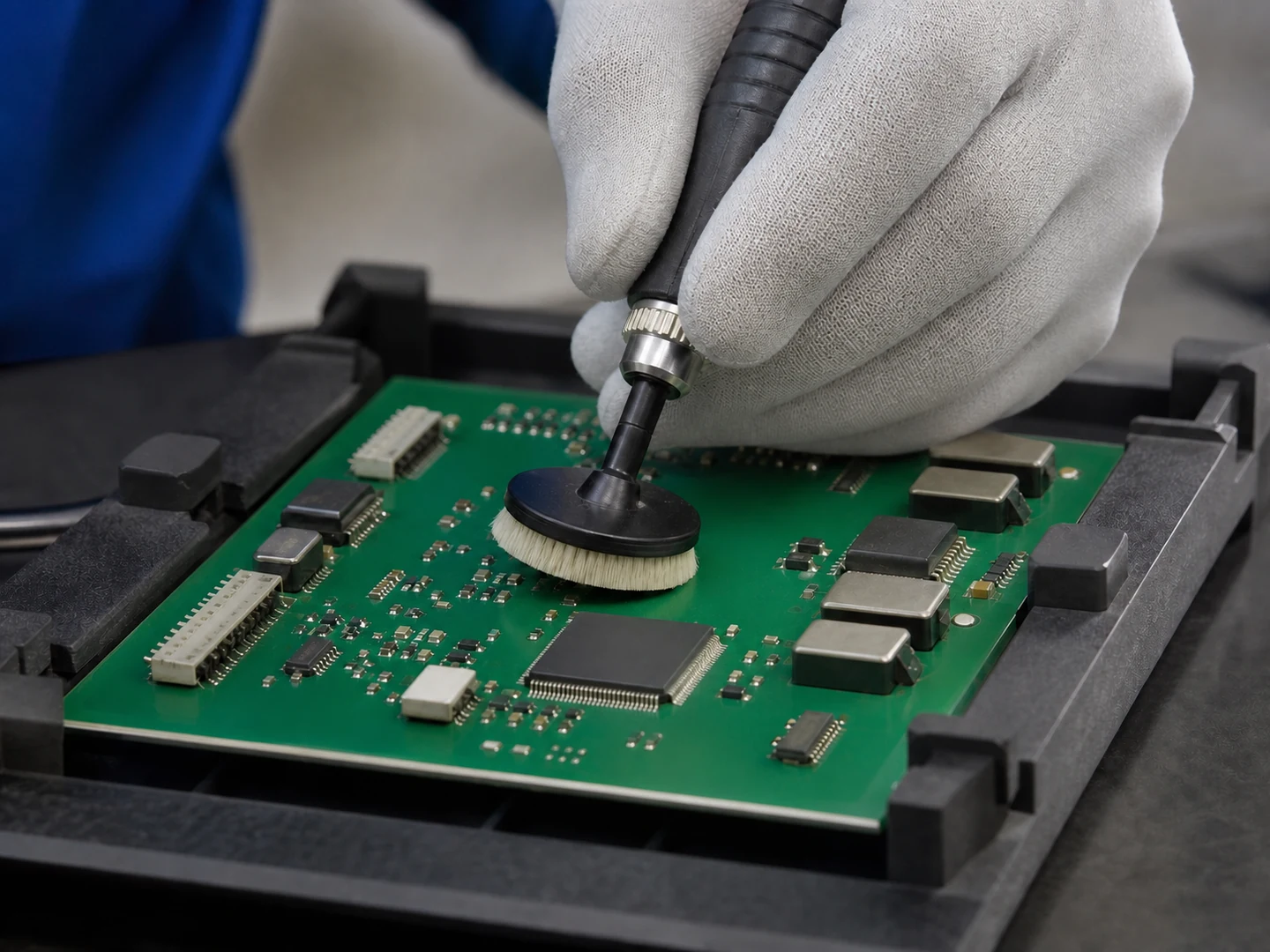
PCB Cleaning
For PCB Cleaning, the brush must reach the working area, disturb or collect flux/weld…
Review application guidance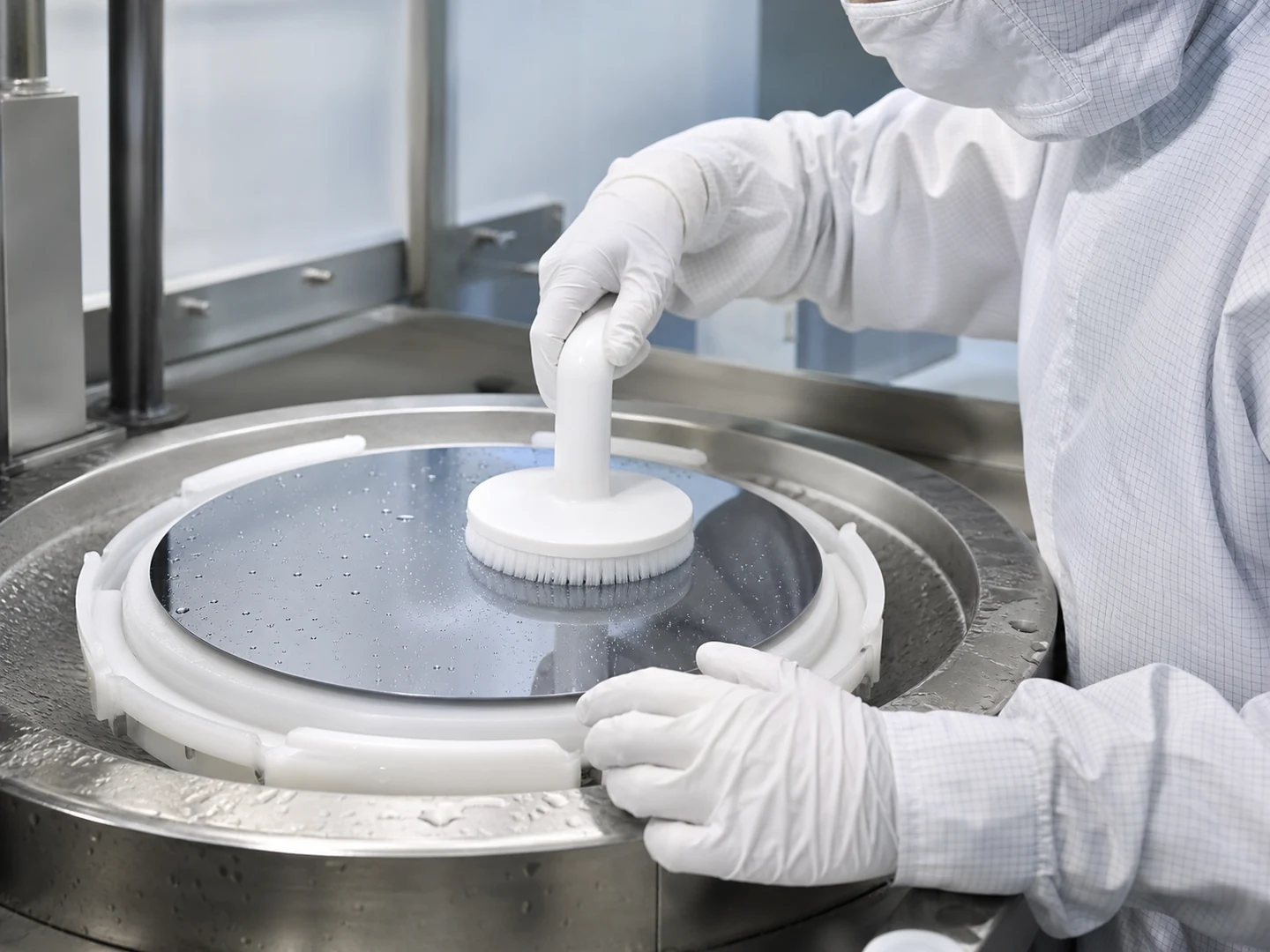
Semiconductor Wafer & Chip Cleaning
For Semiconductor Wafer & Chip Cleaning, the brush must reach the working area, disturb…
Review application guidance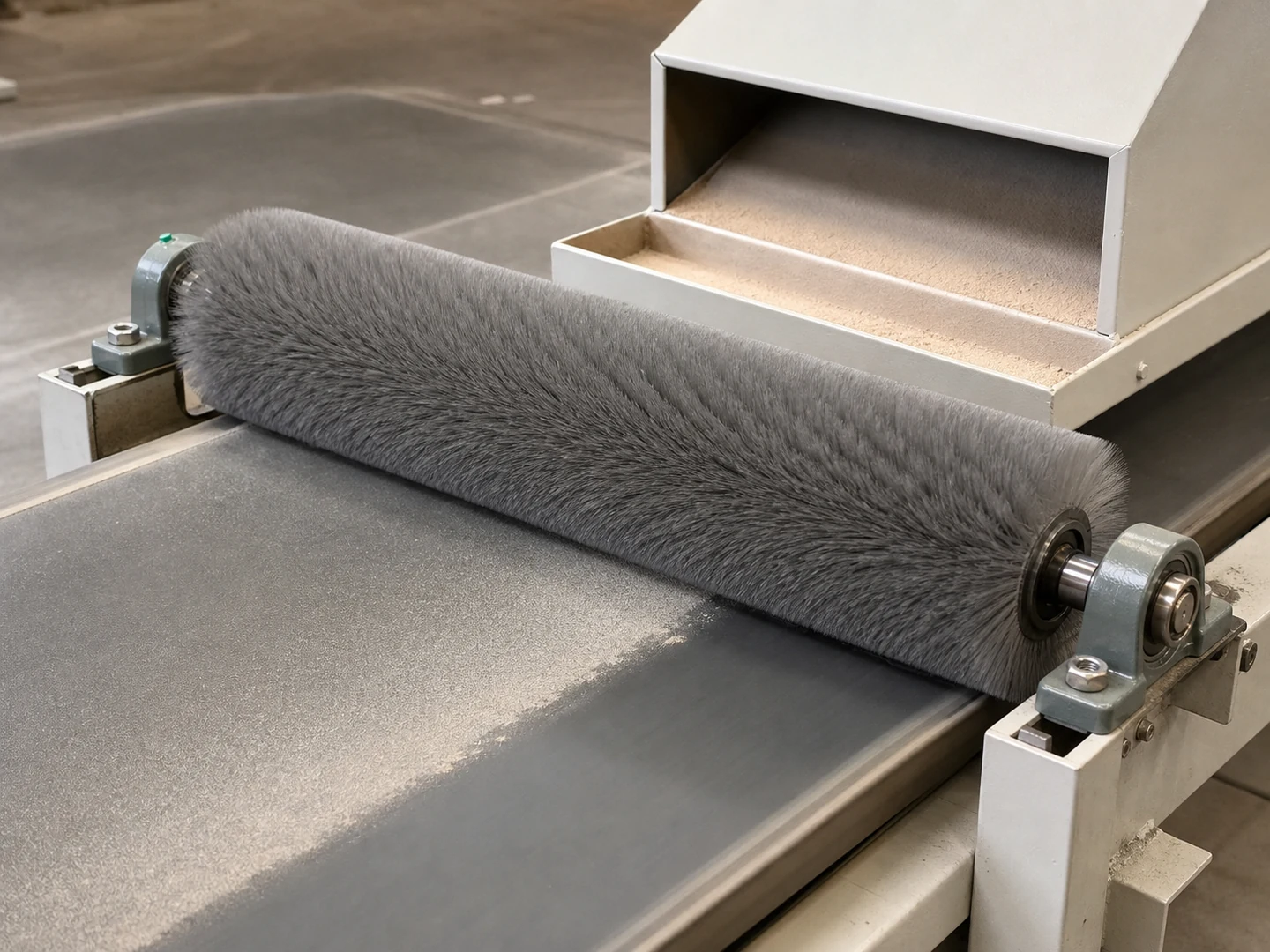
Dust Removal
For Dust Removal, the brush must reach the working area, disturb or collect loose…
Review application guidance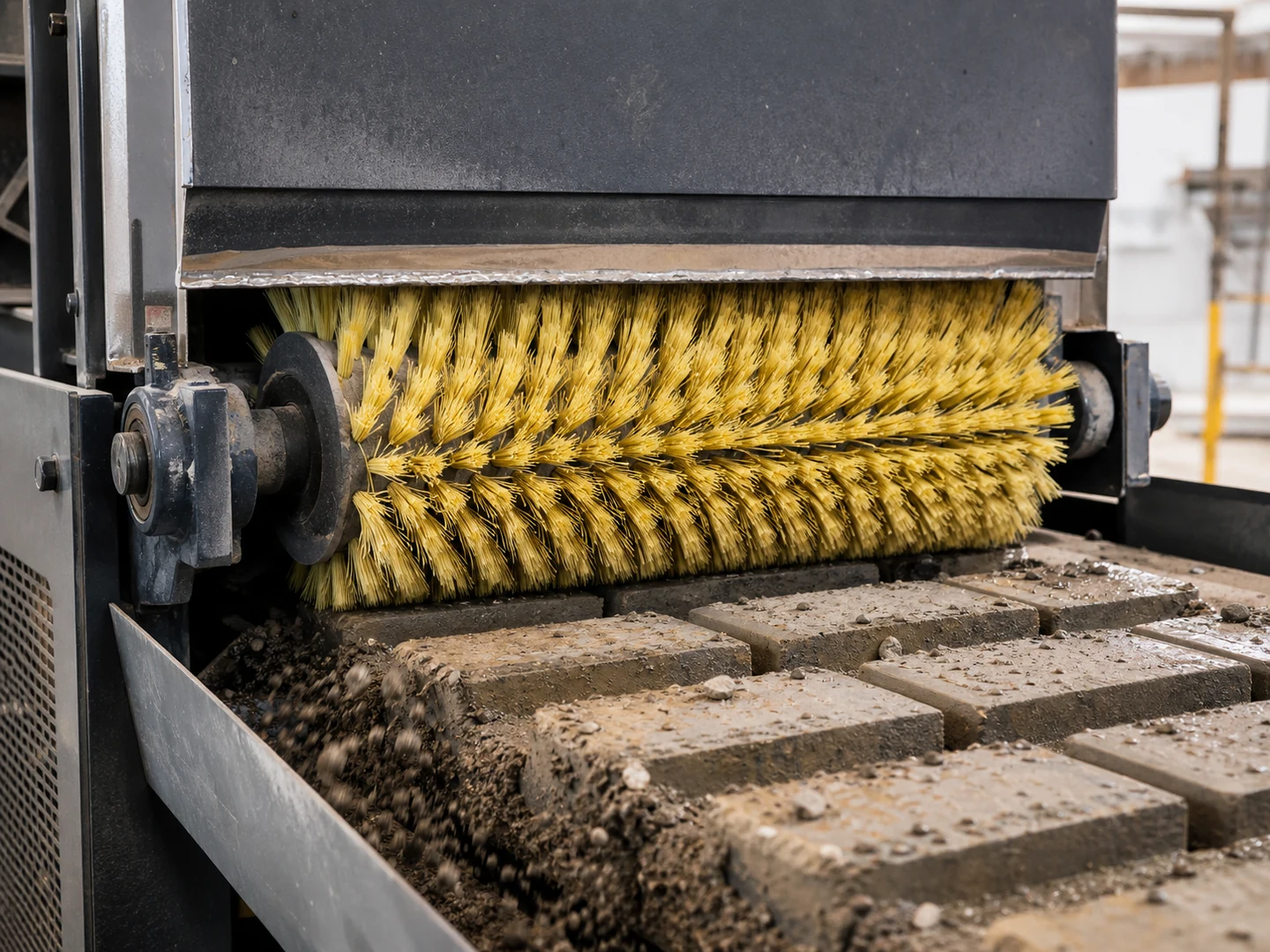
Brick, Tile & Building Material Machine Brush Use
For Brick, Tile & Building Material Machine Brush Use, the brush must reach the…
Review application guidanceCustom Manufacturing RFQ
Discuss This Material
Share the working surface, residue, dimensions, material direction, interface, quantity and drawing or sample photo.
Custom Brush RFQ
Request a Custom Cleaning Brush Quote
Upload a drawing, product photo, or sample photo and provide the core dimensions and cleaning conditions.