
Material
Polystyrene Filament
Polystyrene Filament is selected from its stiffness, recovery, wear, wet-service, chemical, and temperature behavior. Brush stiffness depends on more than material. Filament size, exposed length, density, grade, and operating conditions all matter.
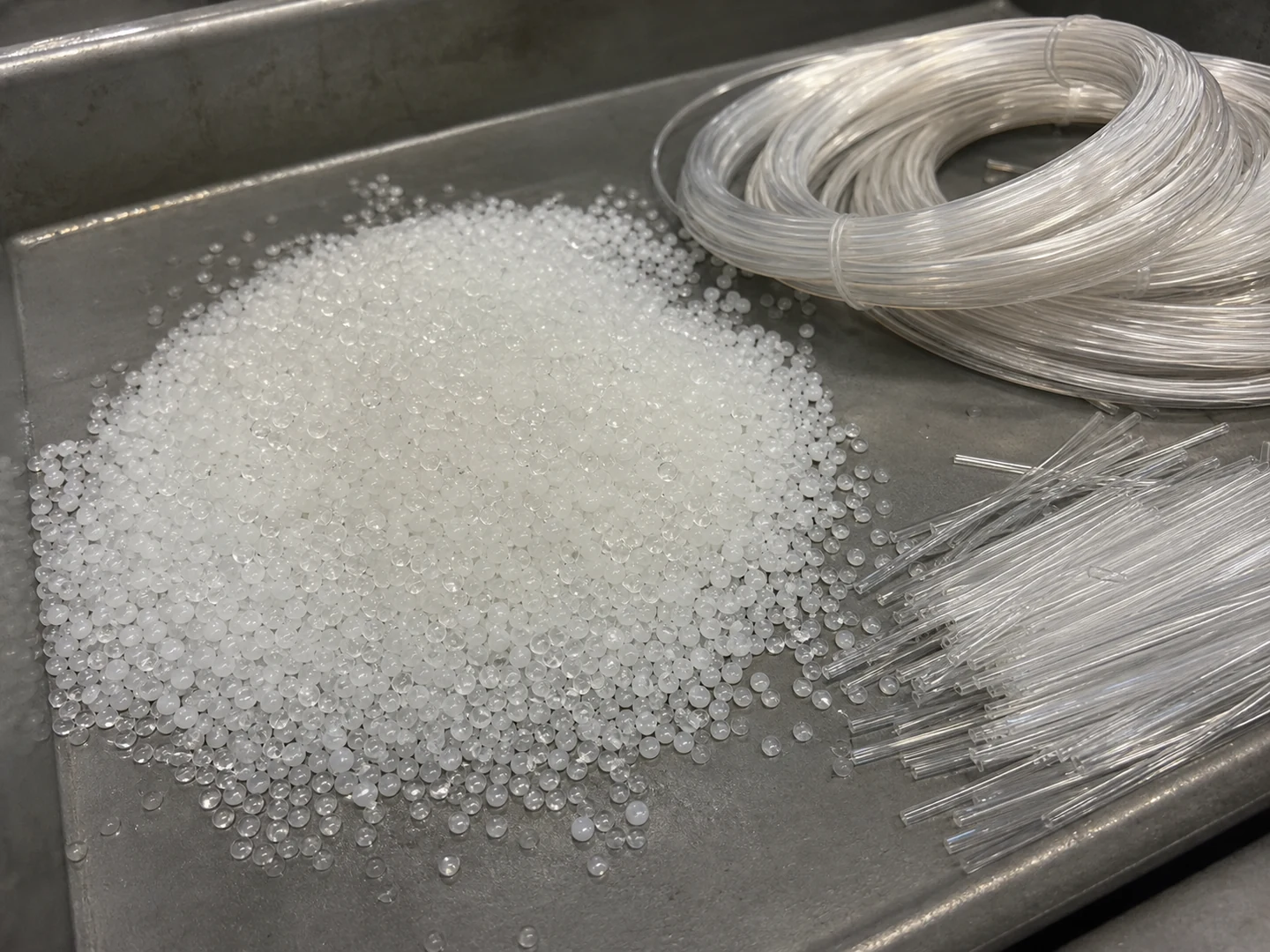
Material Overview
Polystyrene Filament is a synthetic filament used as brush fill or a cleaning-contact element.
In a finished brush, Polystyrene Filament does not create a fixed stiffness by itself. Filament diameter, trim length, density, tuft layout, and installed contact determine working force, while grade and environment affect durability and recovery.
Material Properties
| Filament diameter | 0.15–1.20 mm; straight or crimped |
|---|---|
| Temperature range | -10–70°C |
| Stiffness | Medium to firm; lower bend fatigue than nylon |
Brush Applications
For Polystyrene Filament, directly related brush structures include Handheld Detail Brushes, Tube & Pipe Bore Brushes, Roller and Conveyor Brushes, and Strip Seal Brushes. Applications related to Polystyrene Filament include Laboratory Tube Cleaning, CPAP Hose Cleaning, Household Dish, Teapot & Kitchen Detail Cleaning, and Beverage Equipment Cleaning.
Specification and Customization
Material form
Filament
Common forms
Filament diameter 0.15–1.20 mm; straight or crimped
Grade
Standard polystyrene brush-filament grade
Reference standard
ISO 527-1:2019; ASTM D638; ISO 62:2008; ASTM D570-22; ISO 868:2003; ASTM D2240-15(2021); ISO 4892-3:2024; ASTM G154-23; UL 94
Limitations and Alternatives
Limited heat, impact and solvent resistance; avoid high-cycle wet scrubbing
Continue Exploring
Recommended Reading & Related Brush Resources
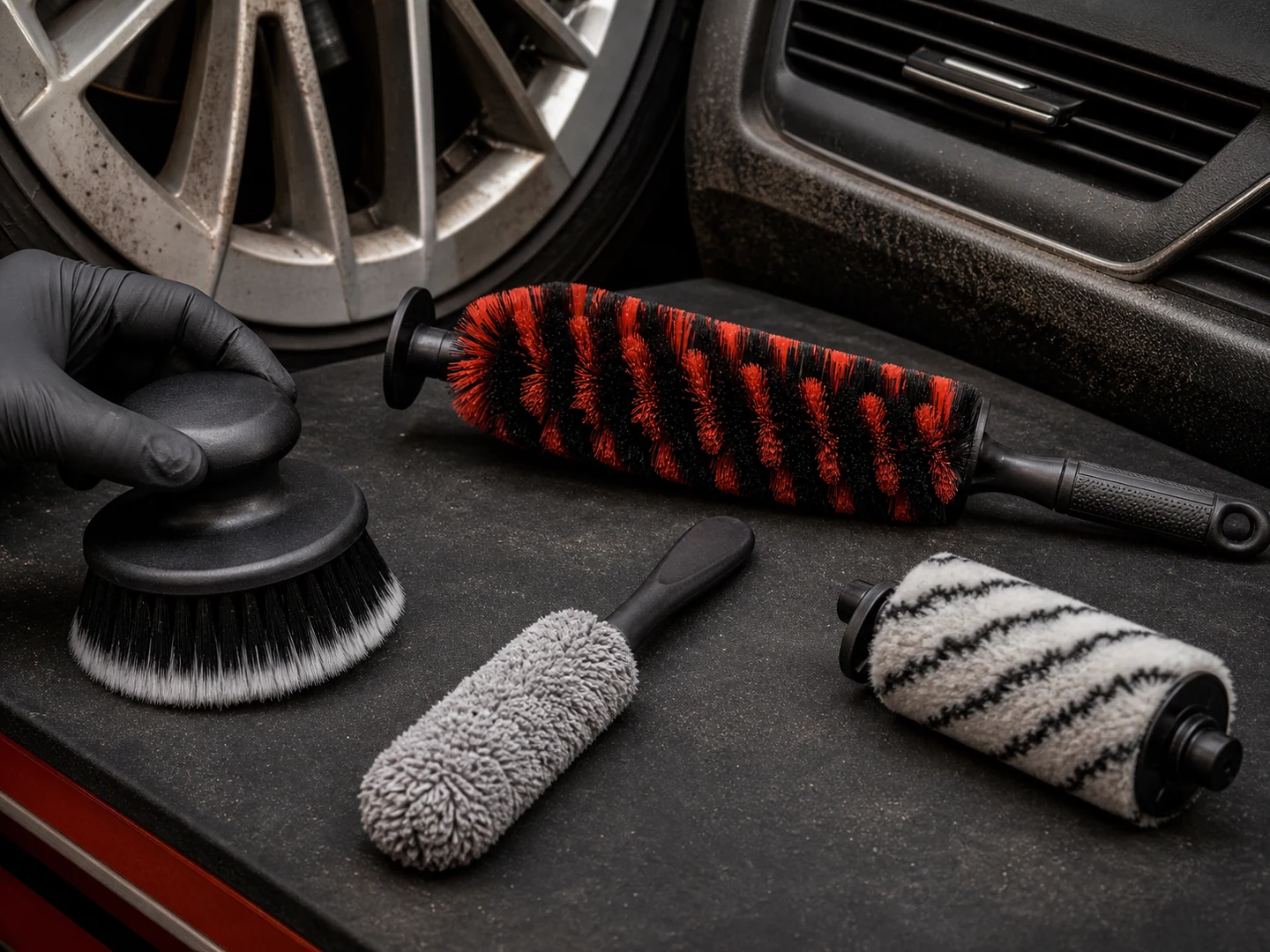
Custom Handheld Detail Brushes
Choose a handheld detail brush when the operator needs direct control in seams, recesses,…
Explore this brush type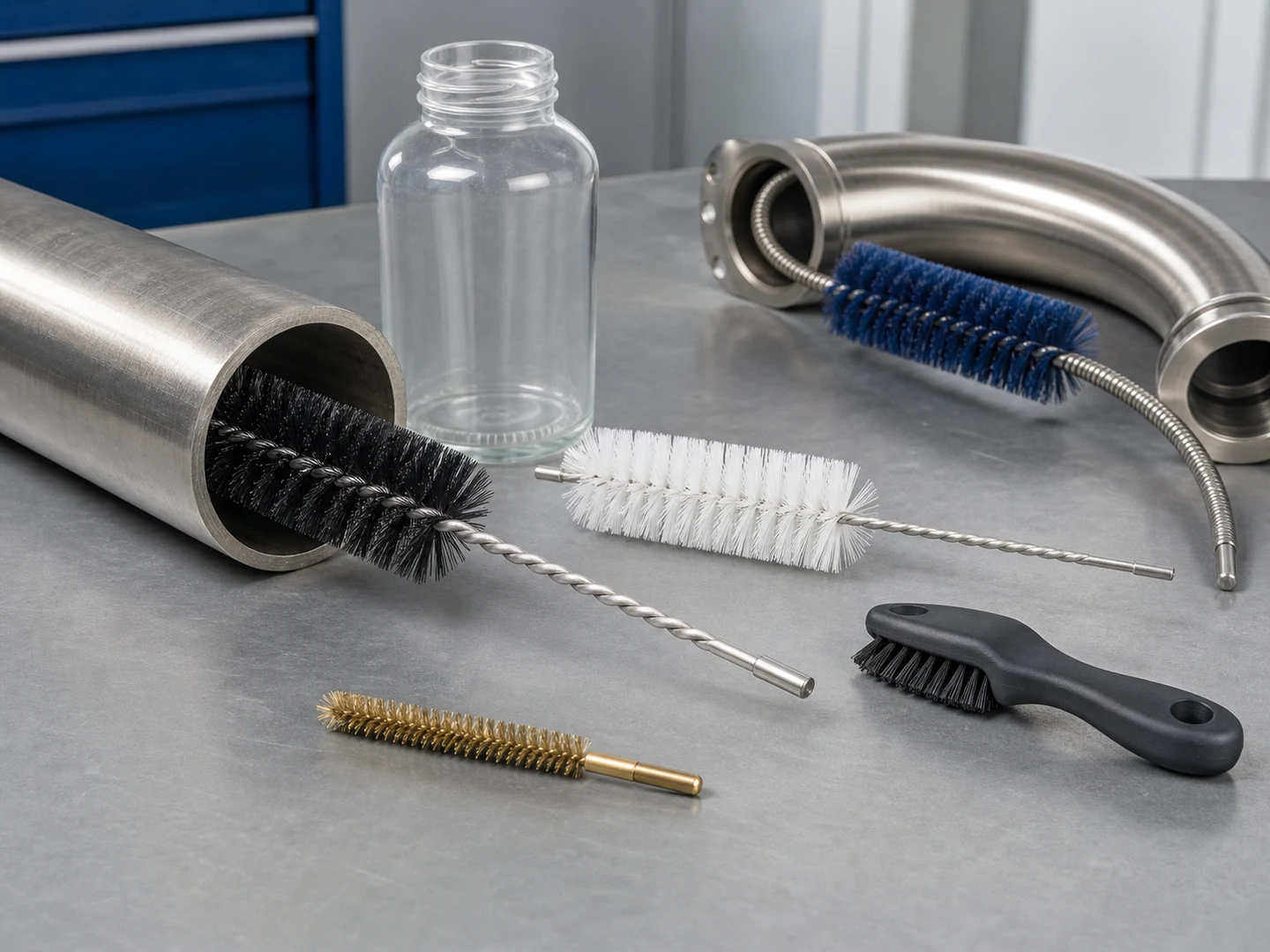
Custom Tube & Pipe Bore Brushes
Choose a tube, pipe, or bore brush when the working surface is inside a…
Explore this brush type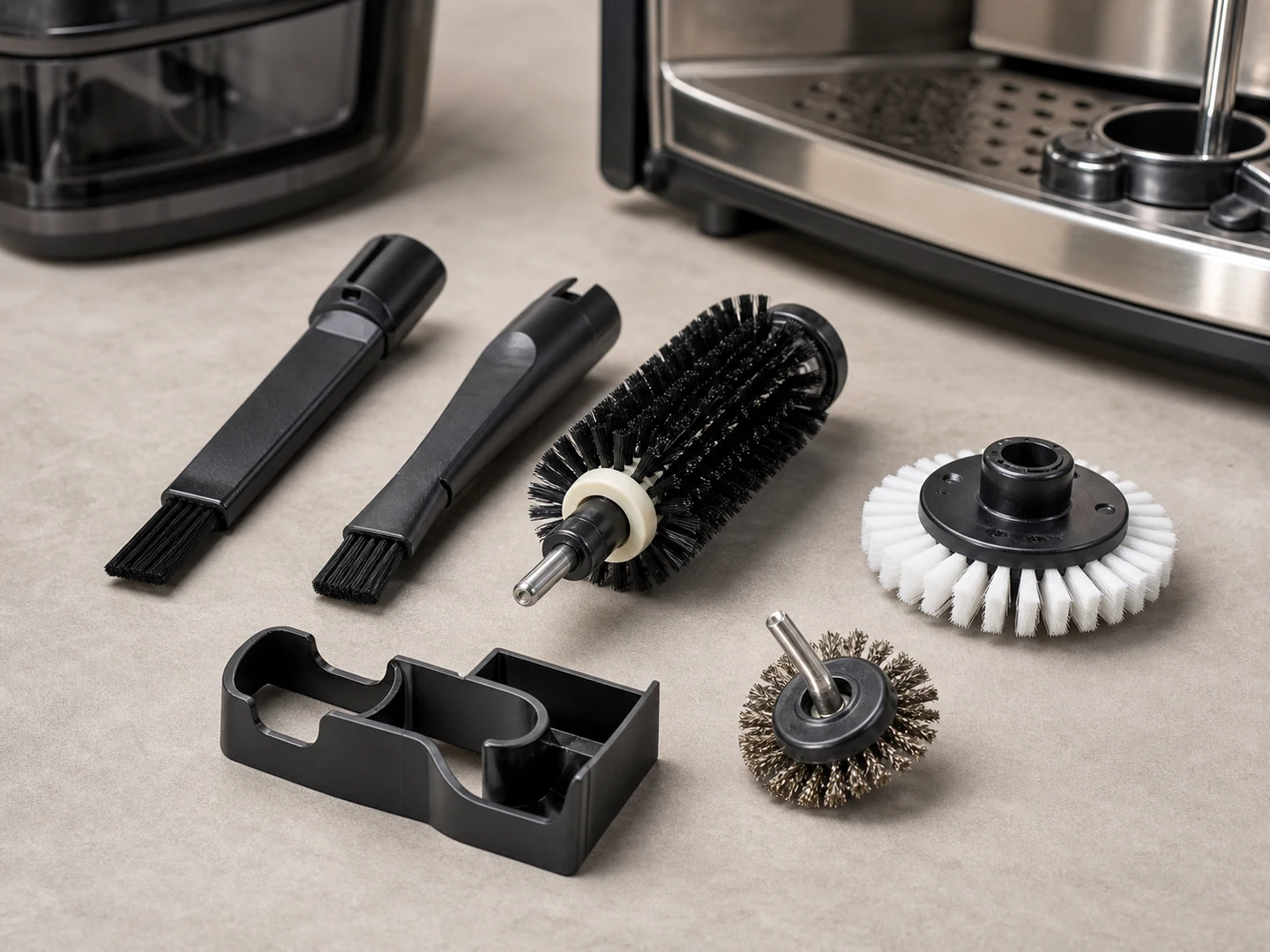
Custom Roller and Conveyor Brushes
Choose a roller or conveyor brush when a cylindrical brush must clean, wipe, guide,…
Explore this brush type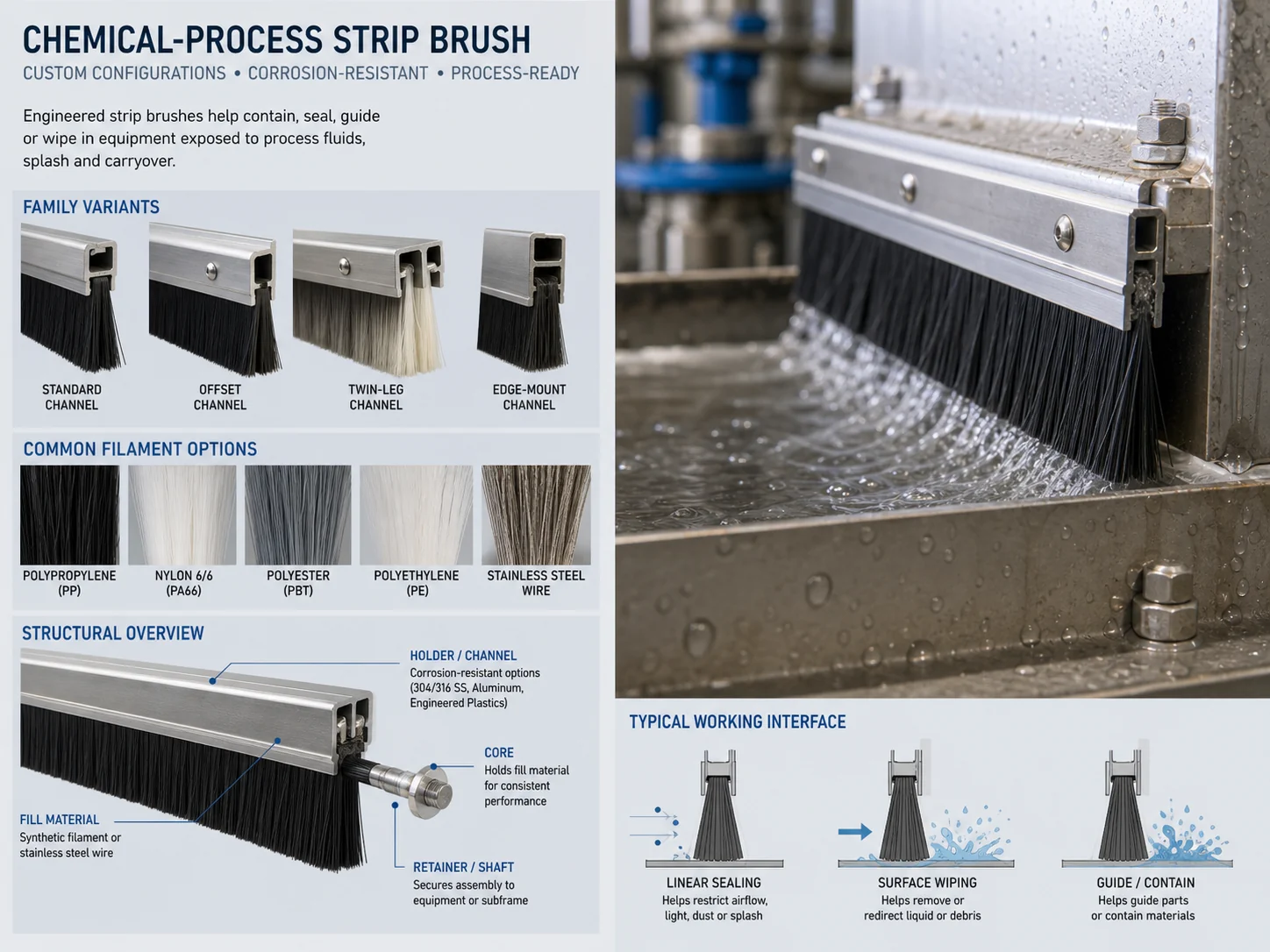
Custom Strip Seal Brushes
Choose a strip seal brush when a continuous line of filament must seal, wipe,…
Explore this brush type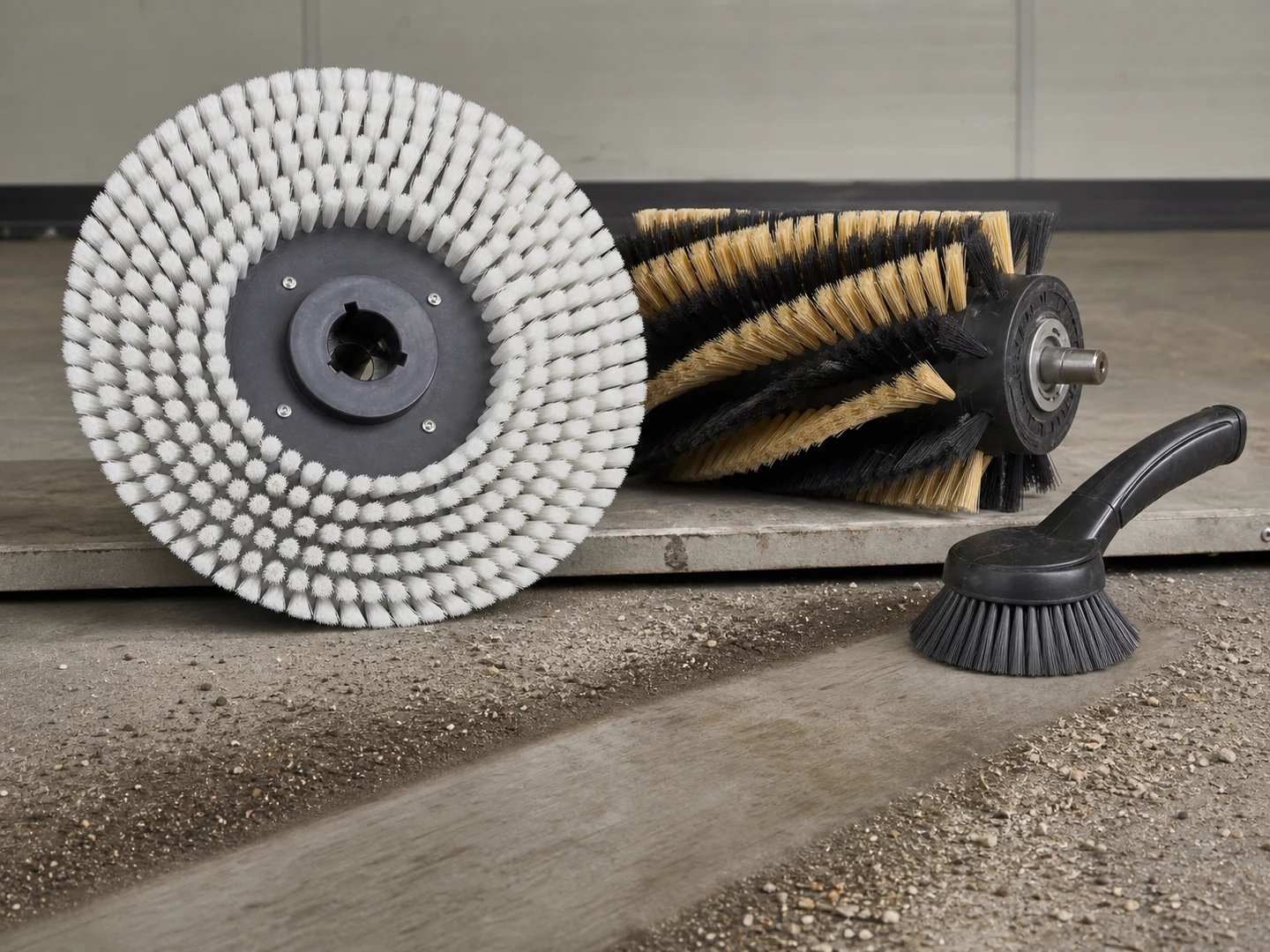
Custom Floor Scrubber Sweeper Brushes
Choose this brush type when a floor machine needs a disc, roller, main broom,…
Explore this brush type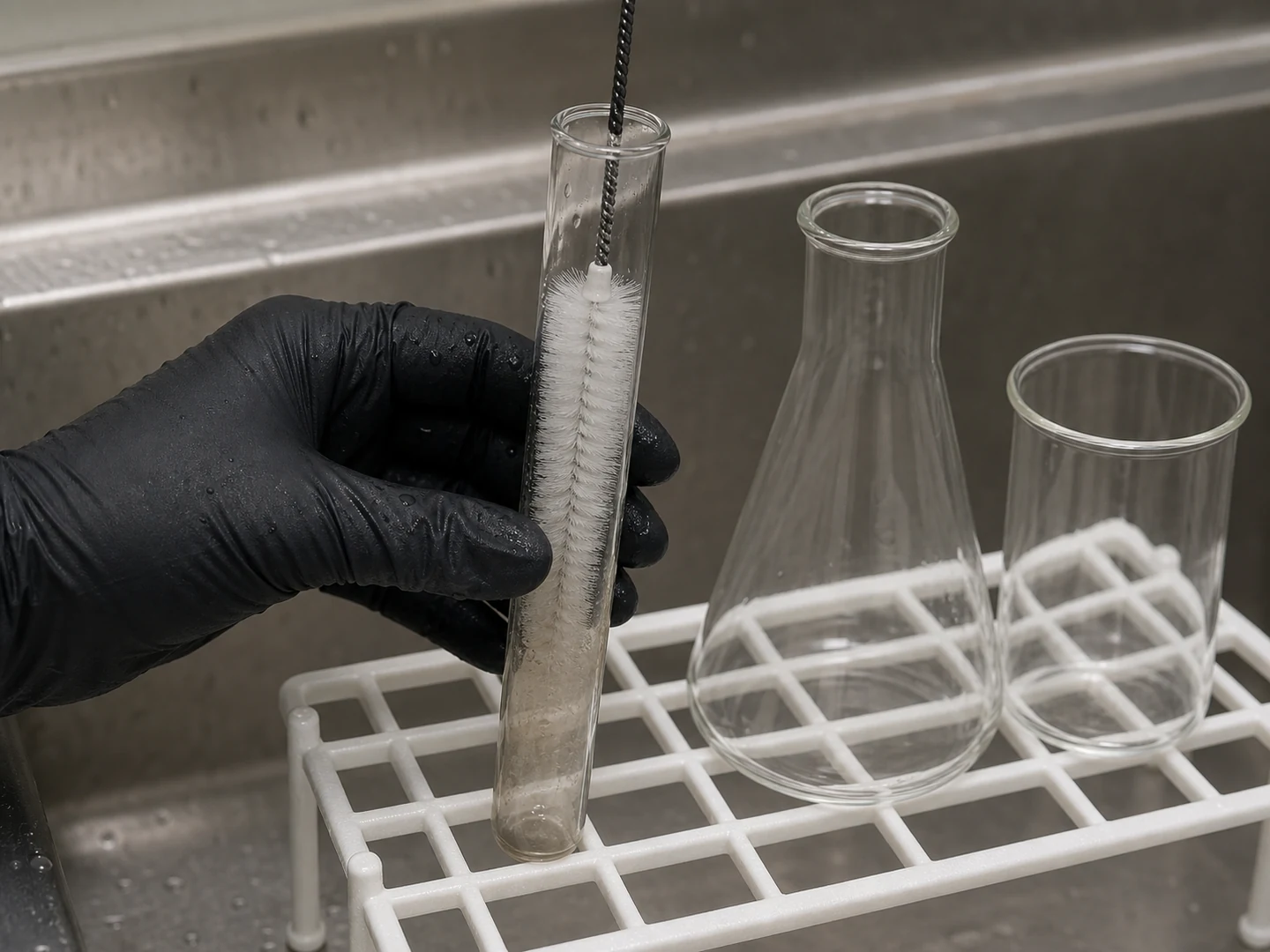
Laboratory Tube Cleaning
For Laboratory Tube Cleaning, the brush must reach the working area, disturb or collect…
Review application guidance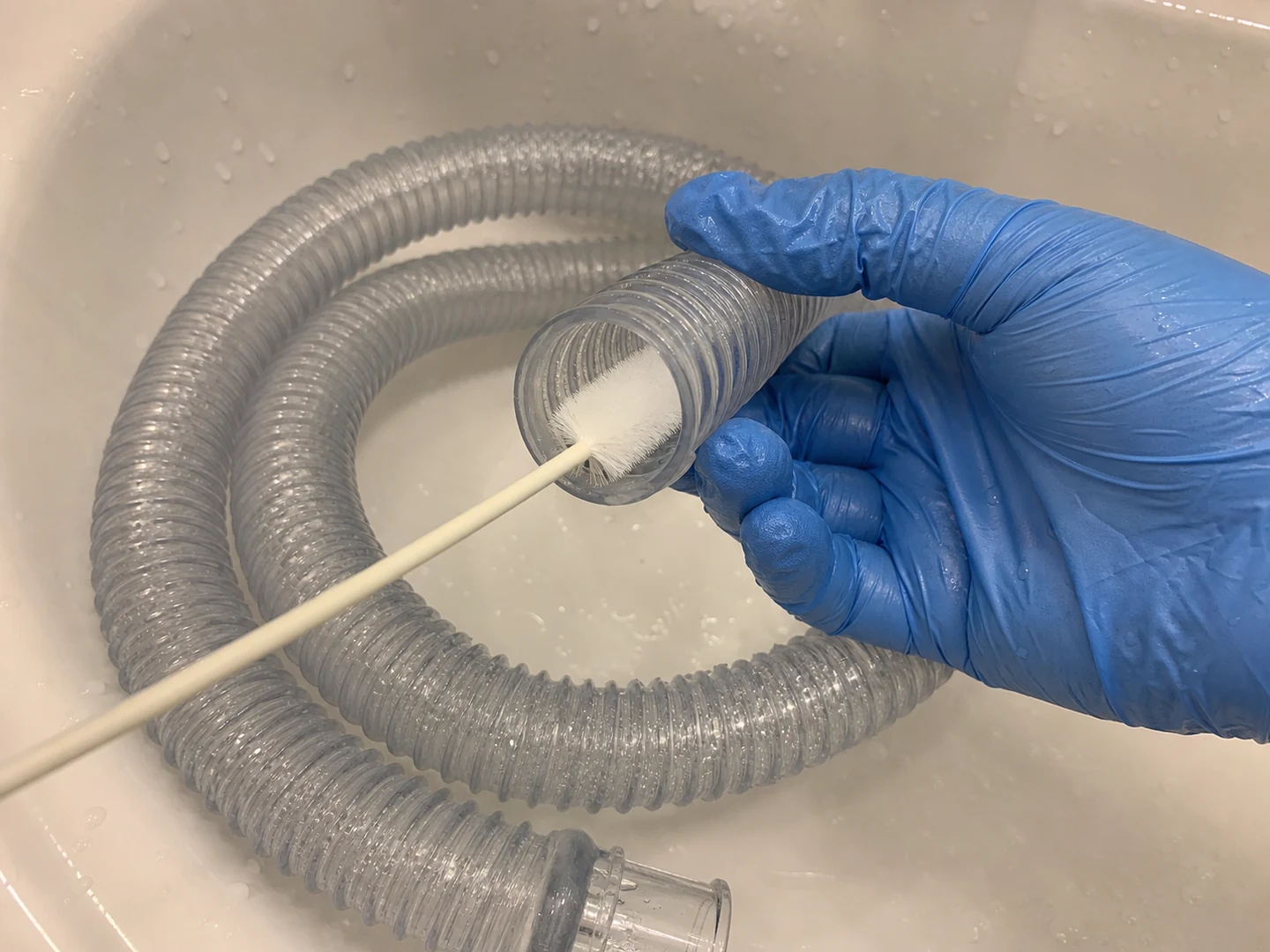
CPAP Hose Cleaning
For CPAP Hose Cleaning, the brush must reach the working area, disturb or collect…
Review application guidance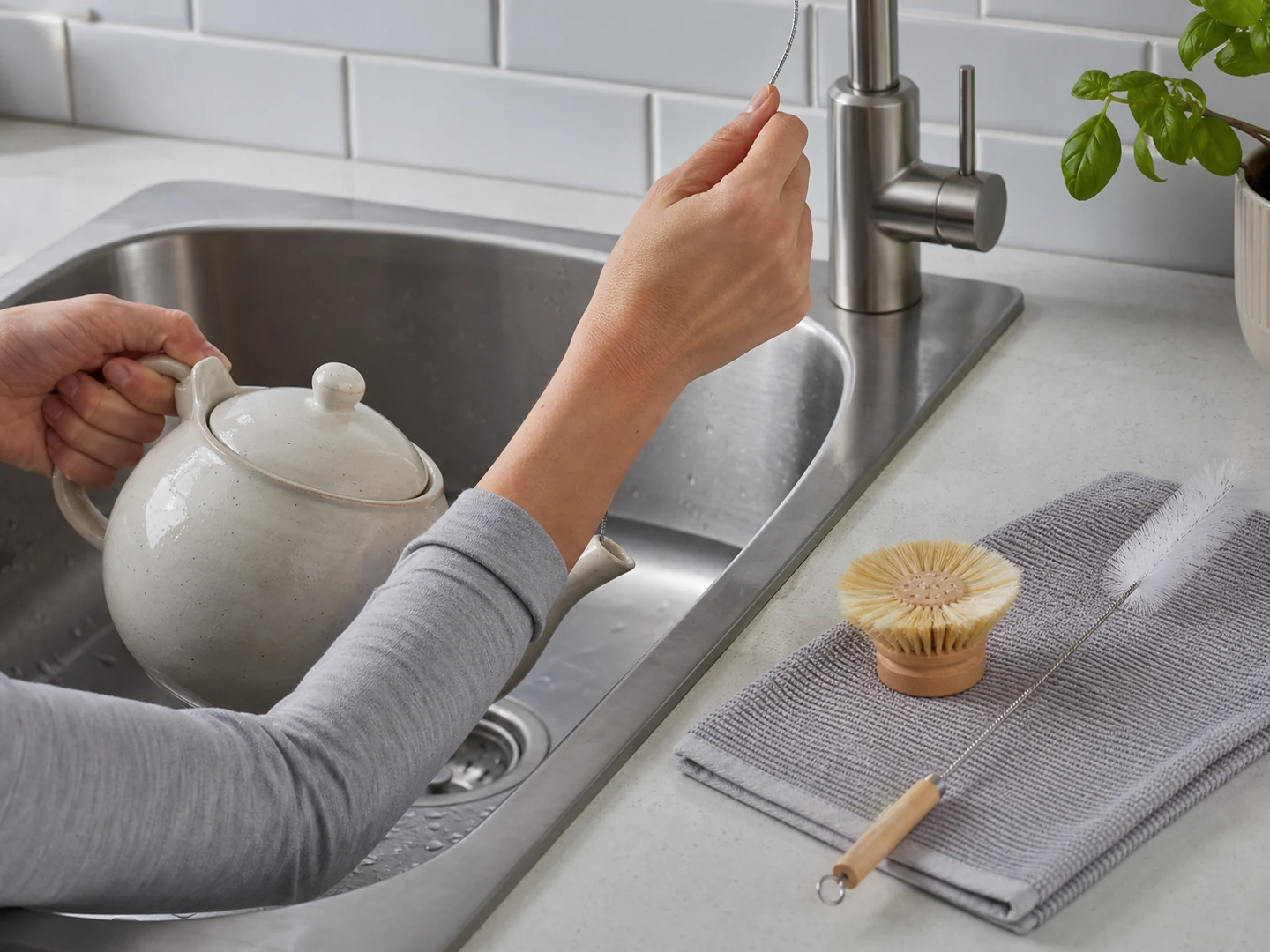
Household Dish, Teapot & Kitchen Detail Cleaning
For Household Dish, Teapot & Kitchen Detail Cleaning, the brush must reach the working…
Review application guidance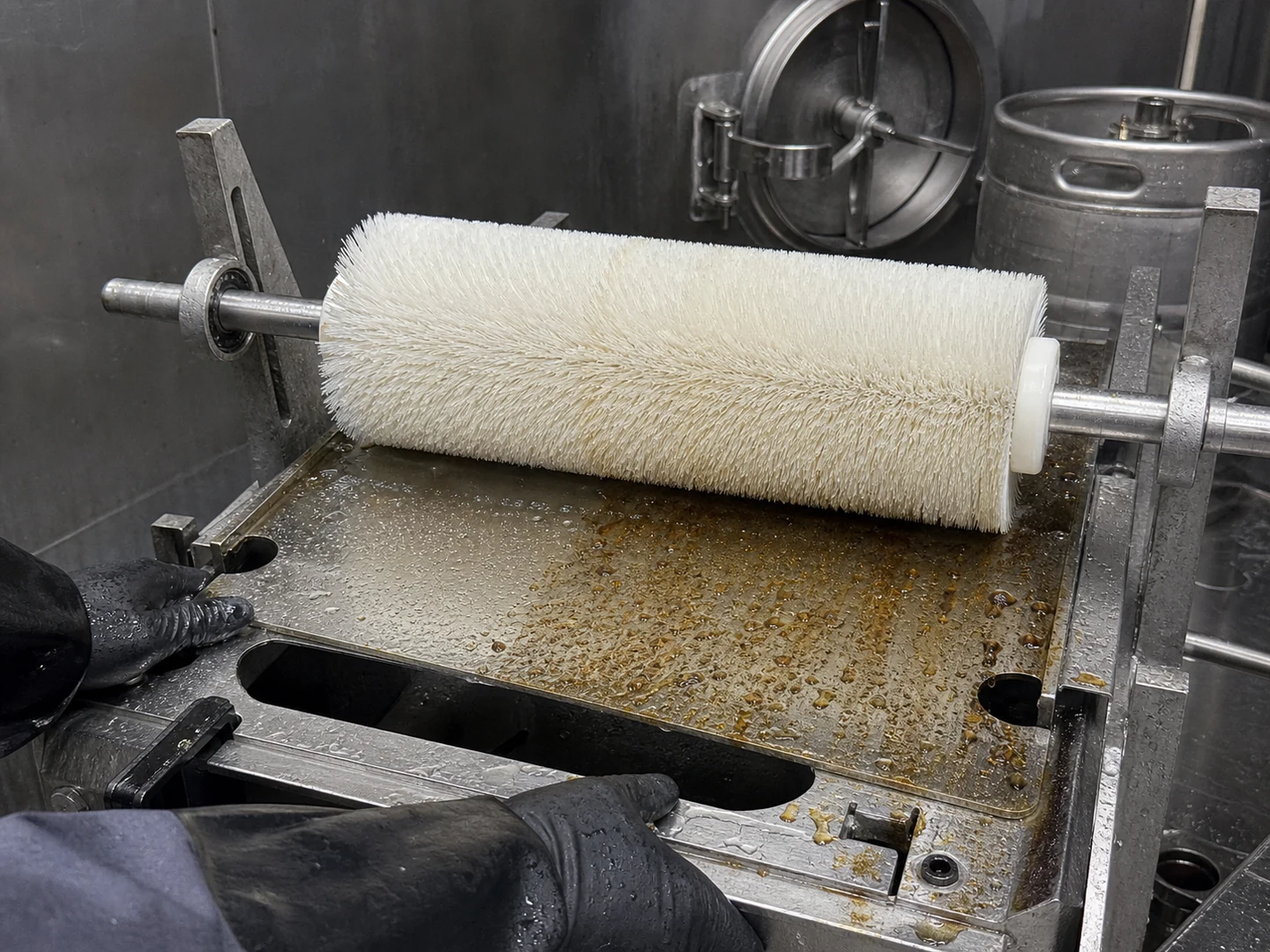
Beverage Equipment Cleaning
For Beverage Equipment Cleaning, the brush must reach the working area, disturb or collect…
Review application guidance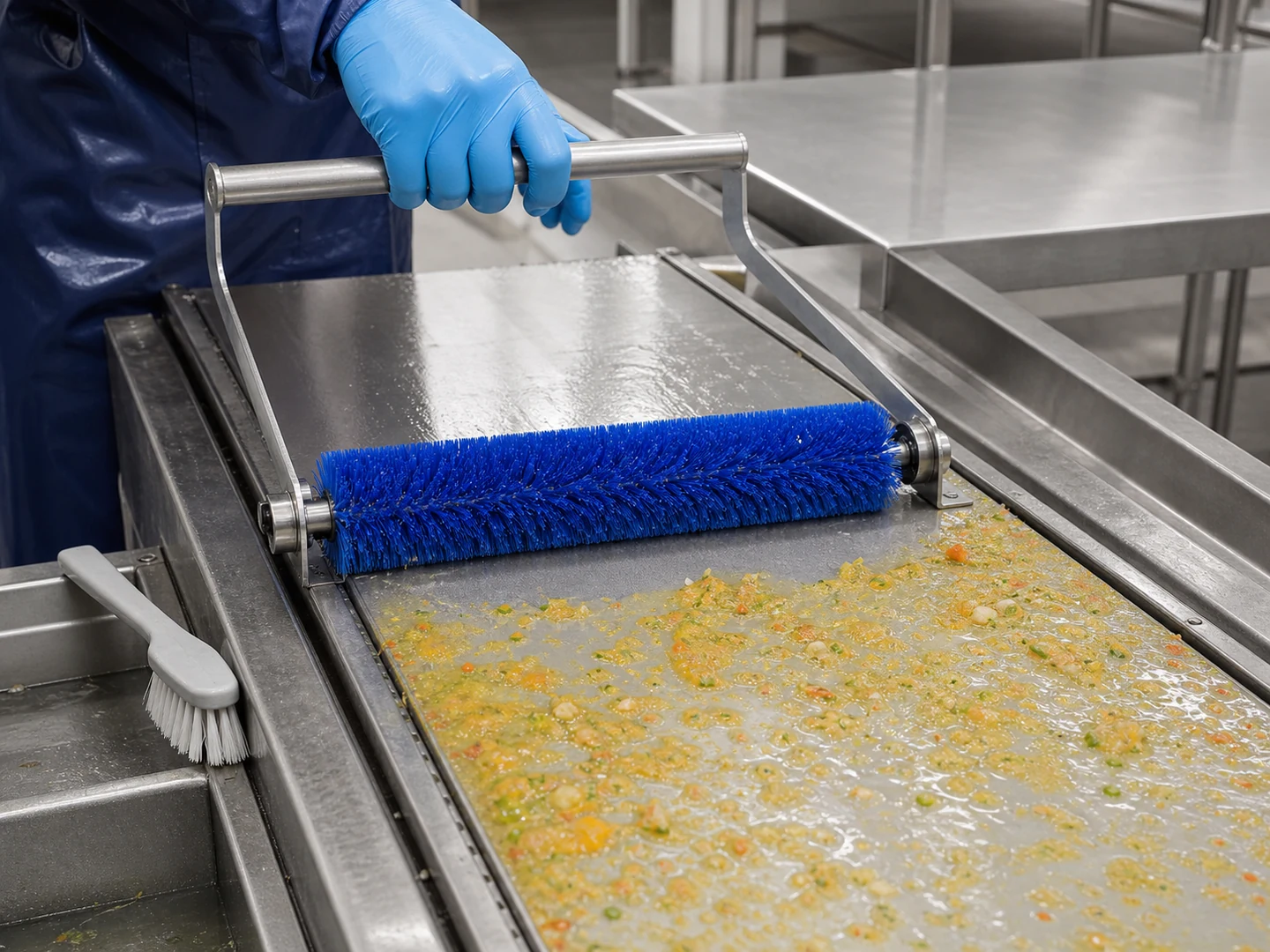
Food Equipment Cleaning
For Food Equipment Cleaning, the brush must reach the working area, disturb or collect…
Review application guidance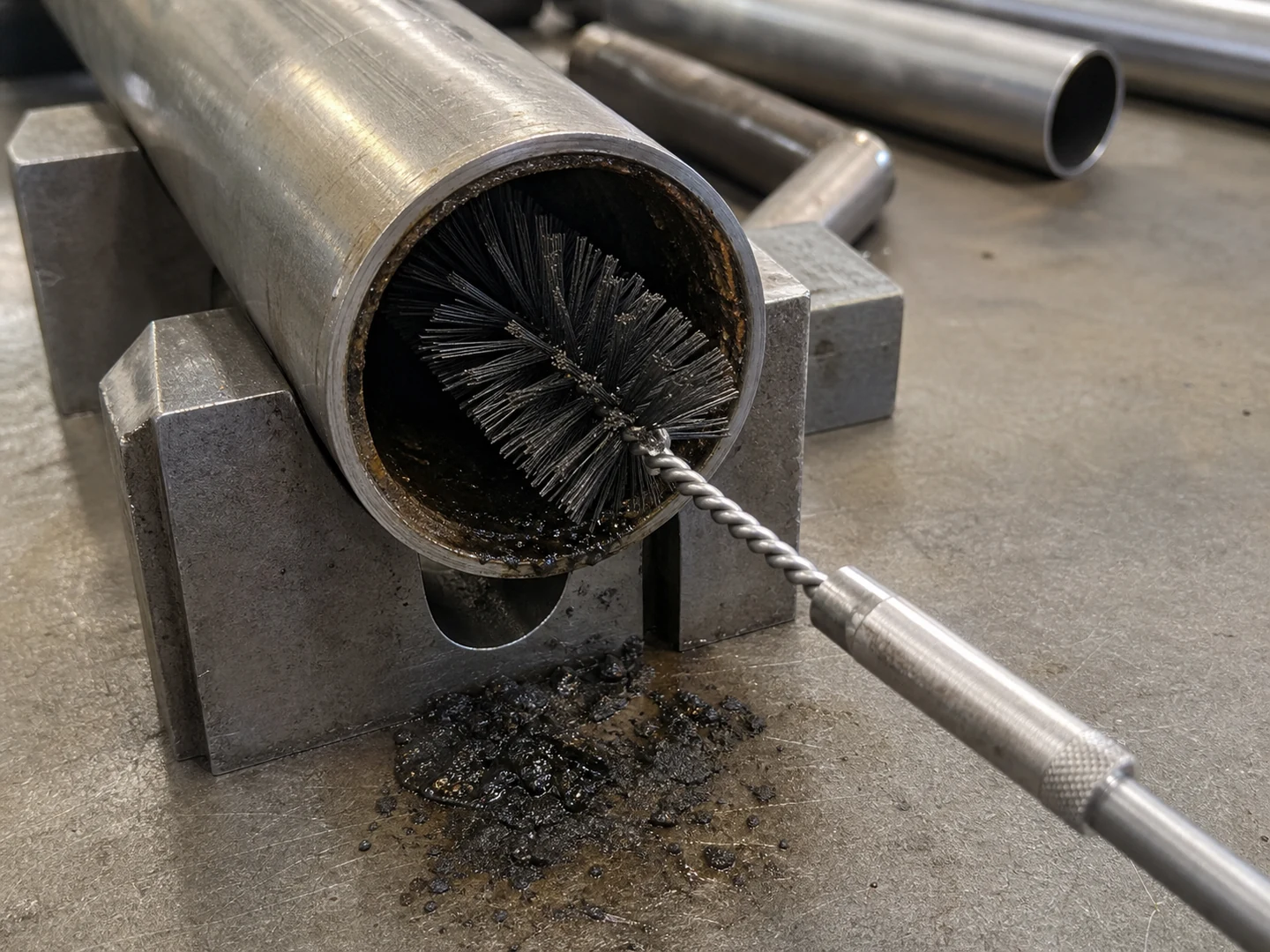
Tube & Pipe Cleaning
For Tube & Pipe Cleaning, the brush must reach the working area, disturb or…
Review application guidanceCustom Manufacturing RFQ
Discuss This Material
Share the working surface, residue, dimensions, material direction, interface, quantity and drawing or sample photo.
Custom Brush RFQ
Request a Custom Cleaning Brush Quote
Upload a drawing, product photo, or sample photo and provide the core dimensions and cleaning conditions.