
Material
Wool
Wool is selected from its stiffness, recovery, wear, wet-service, chemical, and temperature behavior. Material name alone is not enough to set stiffness; we also need filament diameter, free trim, density, grade, and working conditions.
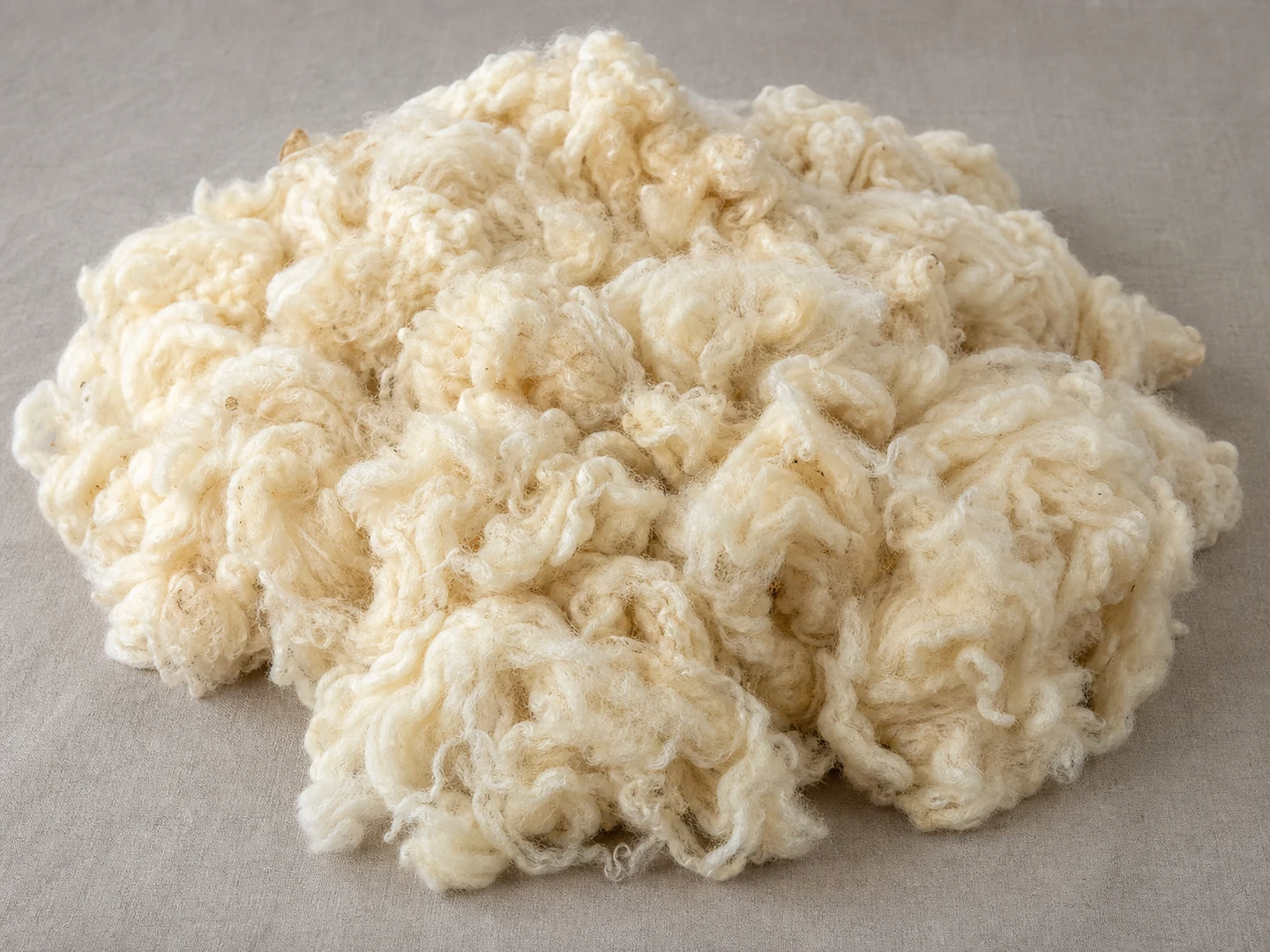
Material Overview
Wool is a protein natural fiber with natural crimp, elasticity and moisture-vapor absorption.
In a finished brush, Wool does not create a fixed stiffness by itself. Filament diameter, trim length, density, tuft layout, and installed contact determine working force, while grade and environment affect durability and recovery.
Material Properties
| Fiber diameter | 18–40 µm |
|---|---|
| Density | about 1.31 g/cm³ |
| Moisture regain | 14–18% |
| Use temperature | up to 100°C |
| Polishing behavior | soft with good compound retention |
Brush Applications
For Wool, directly related brush structures include Handheld Detail Brushes and Floor Scrubber Sweeper Brushes. Applications related to Wool include Wheel & Rim Cleaning, Tire Cleaning, Automotive Detail Cleaning, and Motorcycle Chain Cleaning.
Specification and Customization
Material form
Yarn / Pad / Felted Fill
Common forms
Wool yarn; wool mop; wool pad; felted wool; wool buffing media.
Grade
Polishing or cleaning wool grade
Reference standard
ISO 139; ISO 5079; ISO 20743
Limitations and Alternatives
Moisture uptake, natural variability, shedding and cleanability can limit wool in wet hygienic or particulate-controlled processes.
Frequently Asked Questions
What are the key properties of Wool brush material?
Wool is a protein natural fiber with natural crimp, elasticity and moisture-vapor absorption. Direct data: Fiber diameter: 18–40 µm; Density: about 1.31 g/cm³; Moisture regain: 14–18%; Use temperature: up to 100°C; Polishing behavior: soft with good compound retention.
Where is Wool used in cleaning brushes?
Final buffing, polishing-compound application and gentle finishing where a soft resilient face is useful.
How does filament geometry change Wool brush stiffness?
Wool changes brush stiffness through filament diameter, free trim, density, crimp, and contact. Use finer filament and longer trim for conformable contact; use coarser filament, shorter trim, or higher density for stronger displacement or cutting.
When should Wool be replaced by another material?
Compare Wool with Felt, cotton yarn, microfiber, sisal. Change material when wet stiffness, temperature, chemical resistance, conductivity, particle shedding, or surface marking becomes the limiting factor.
Continue Exploring
Recommended Reading & Related Brush Resources
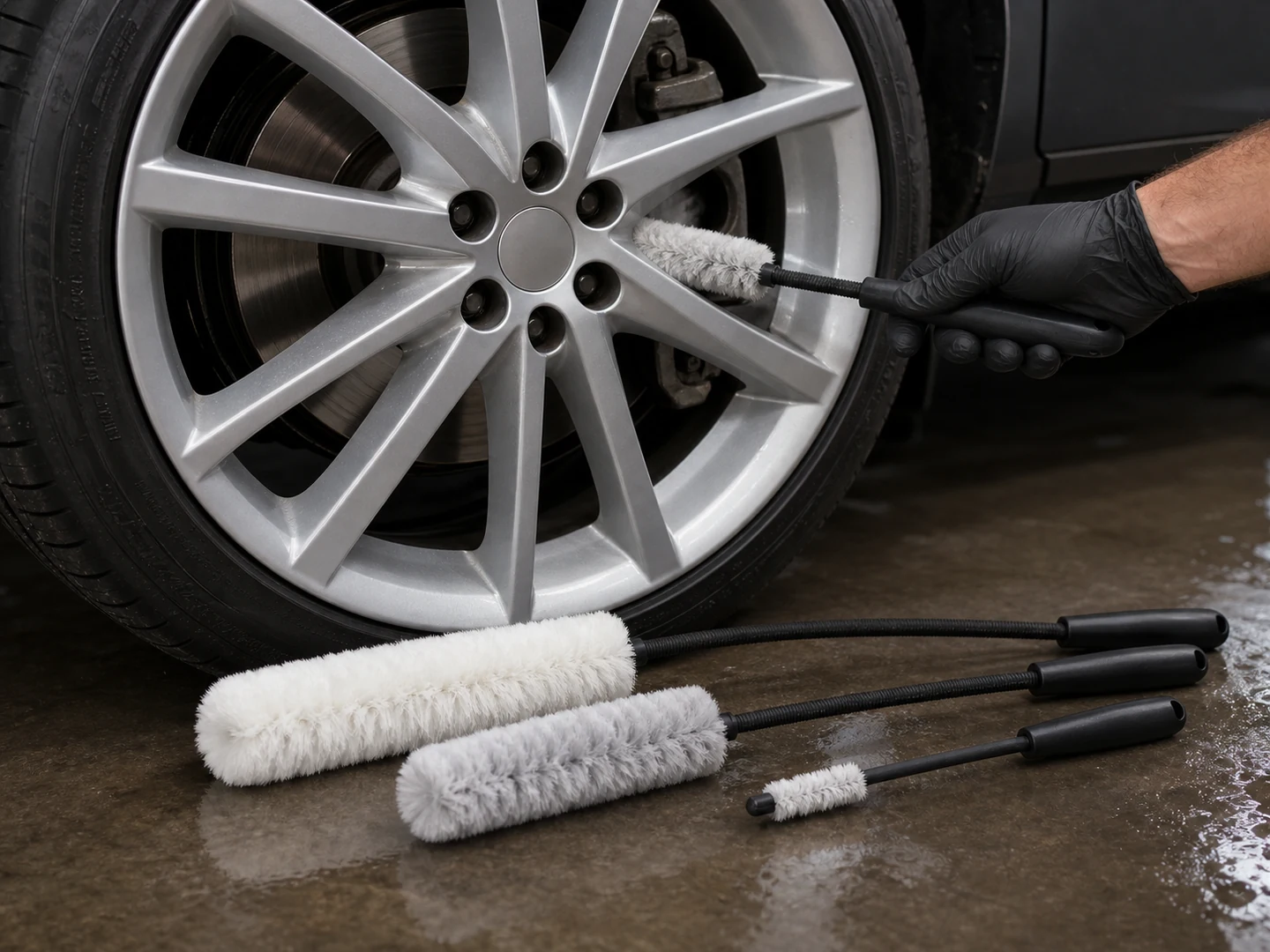
Synthetic Wool Wheel Cleaning Brush
Custom synthetic wool wheel cleaning brush for vehicle wheel, tire, chain, configured around rubber…
Review product specifications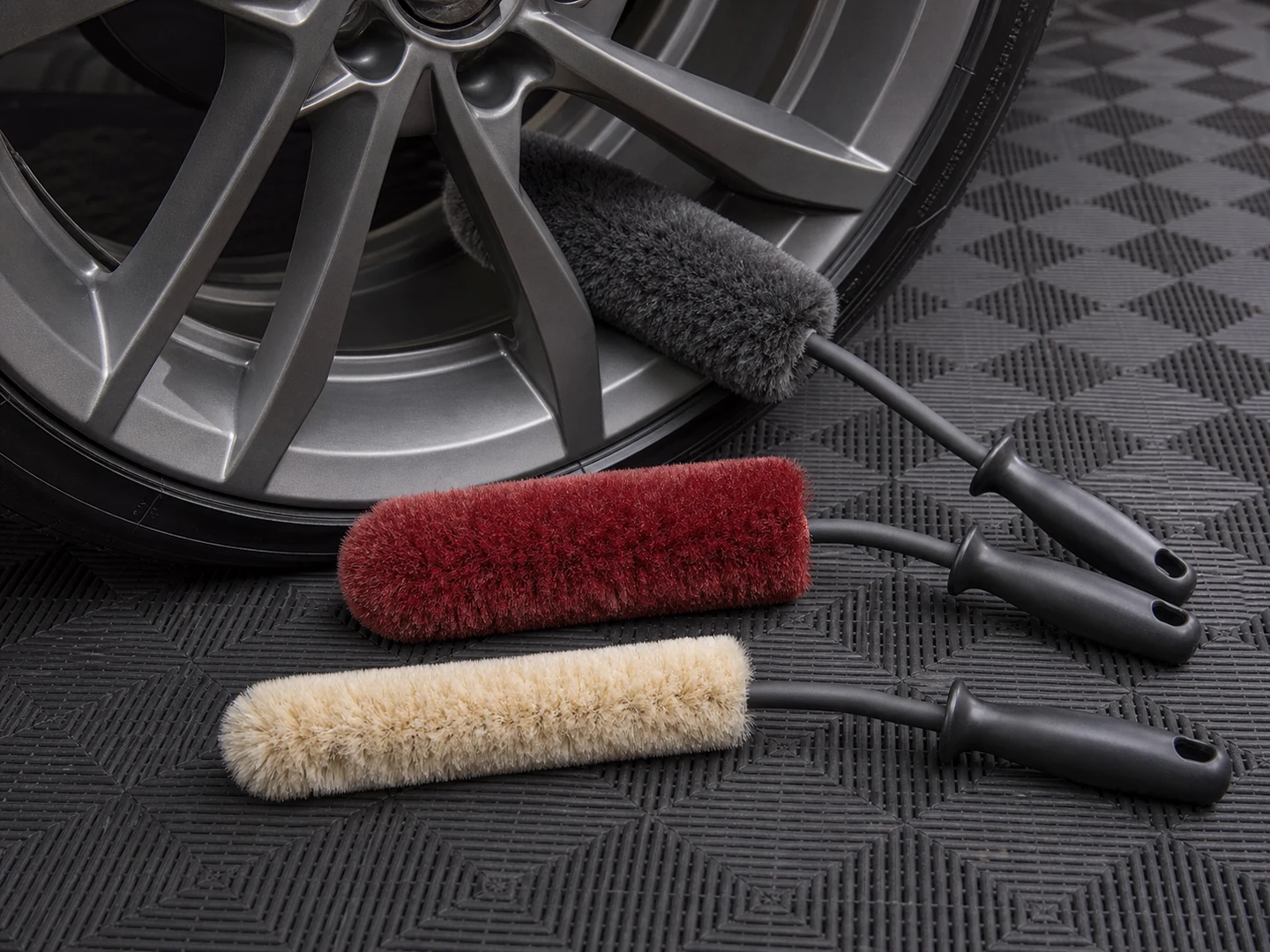
Wheel Woolie
Custom wheel woolie for vehicle wheel, tire, chain, configured around rubber tread, sidewalls, rims,…
Review product specifications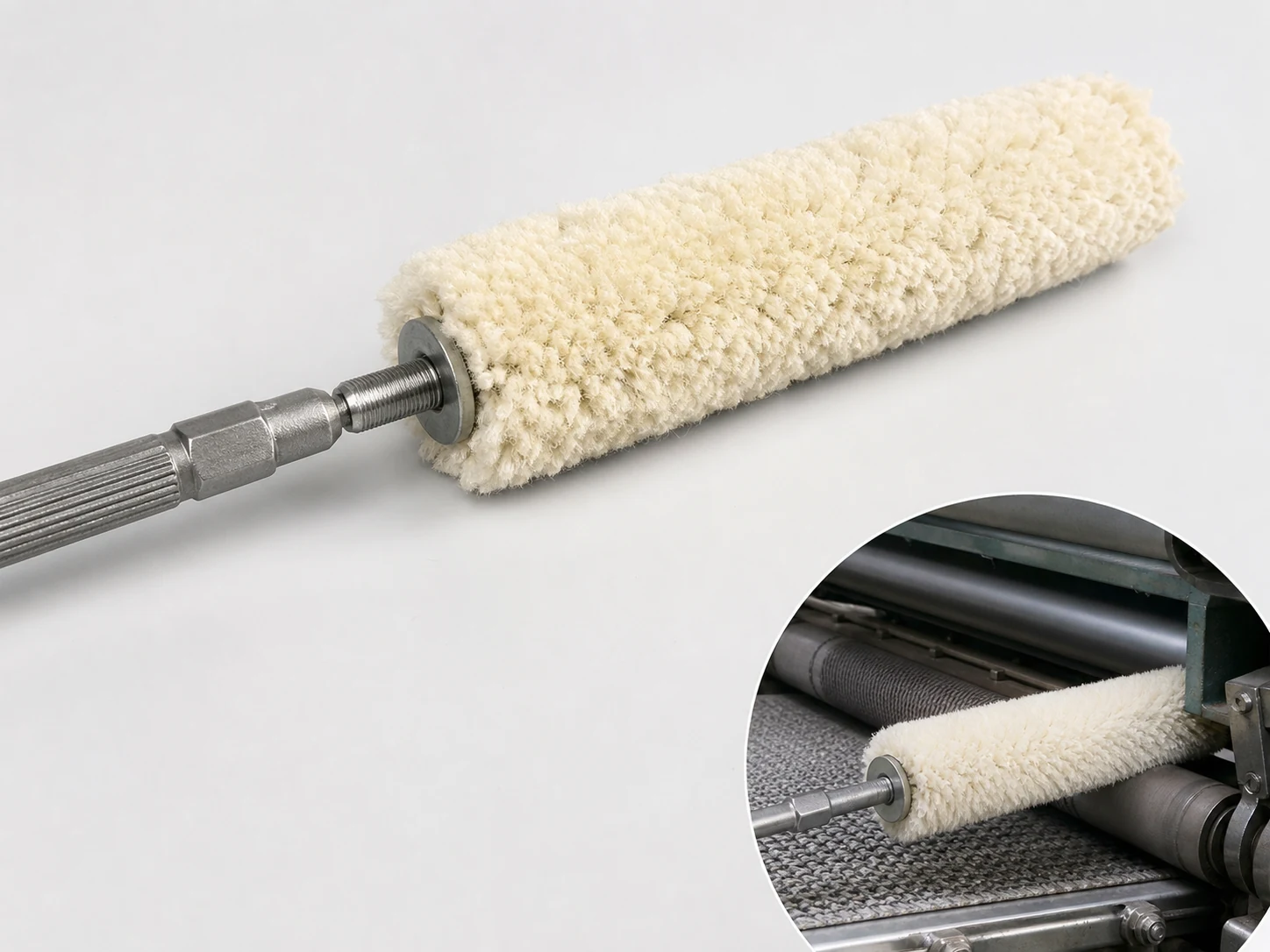
Wool Brush
Custom wool brush for material-specific custom brush construction, configured around the specified part surface,…
Review product specifications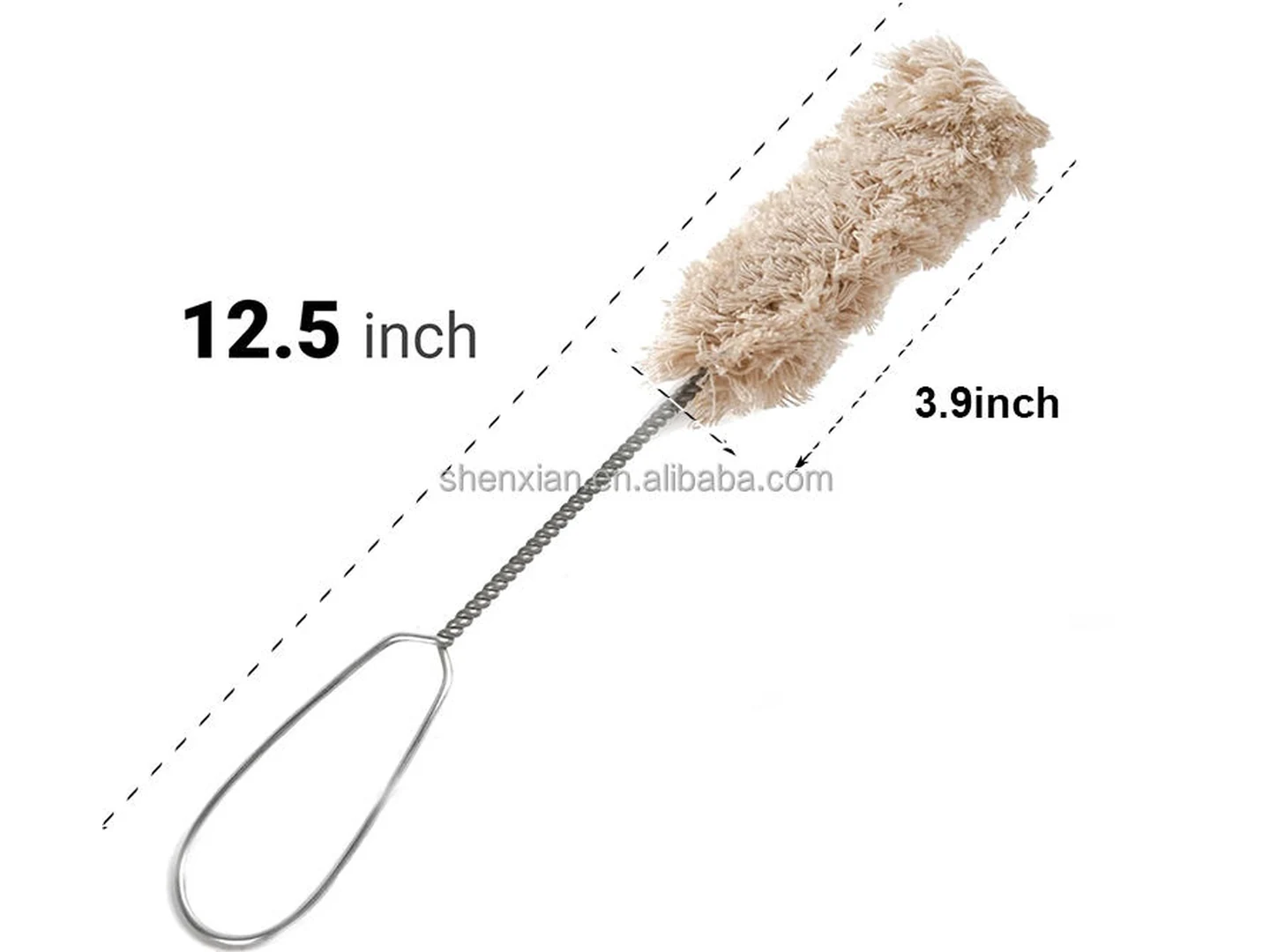
Wheel Rim Cleaning Brush
Custom wheel rim cleaning brush for vehicle wheel, tire, chain, configured around rubber tread,…
Review product specifications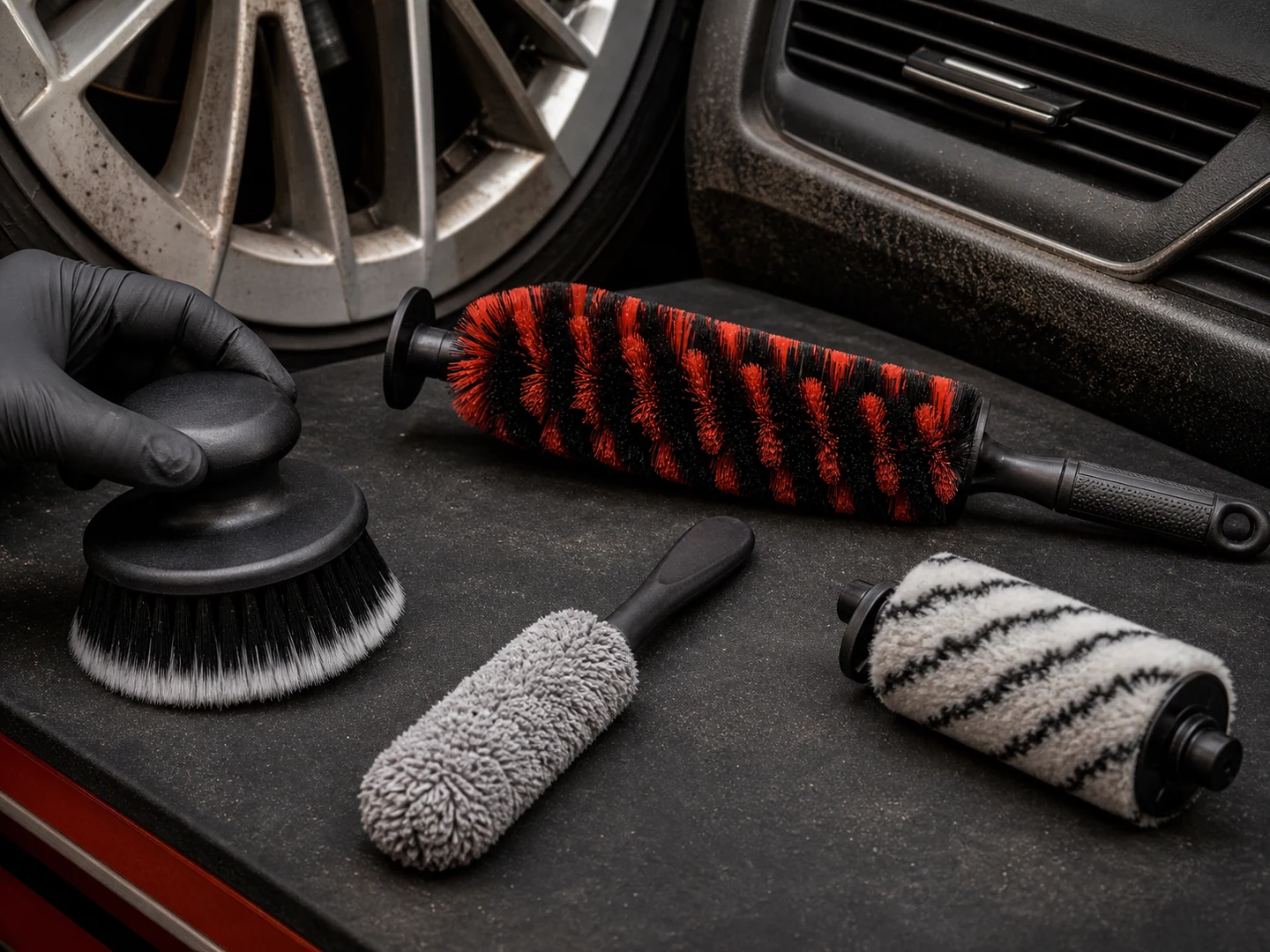
Custom Handheld Detail Brushes
Choose a handheld detail brush when the operator needs direct control in seams, recesses,…
Explore this brush type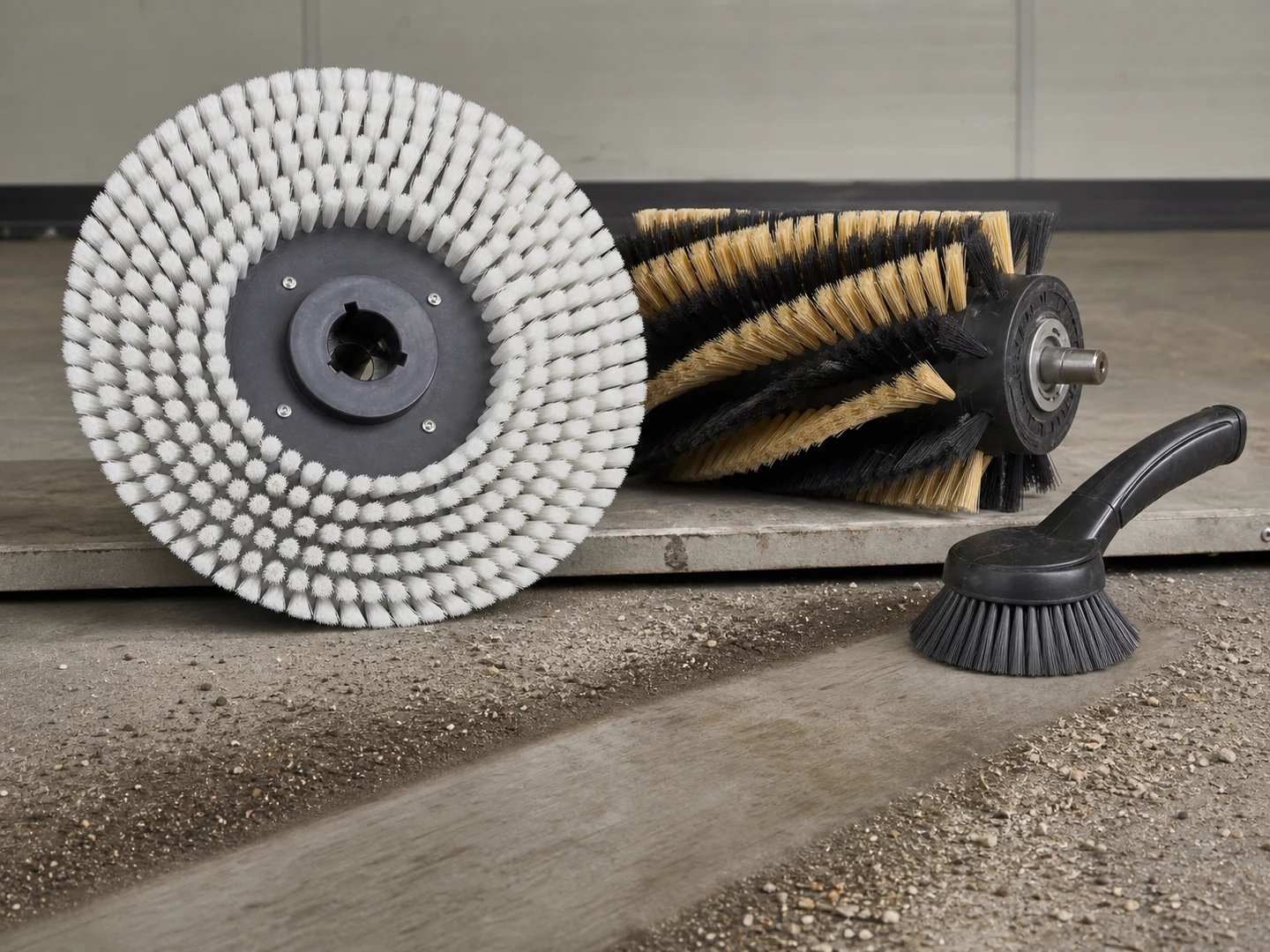
Custom Floor Scrubber Sweeper Brushes
Choose this brush type when a floor machine needs a disc, roller, main broom,…
Explore this brush type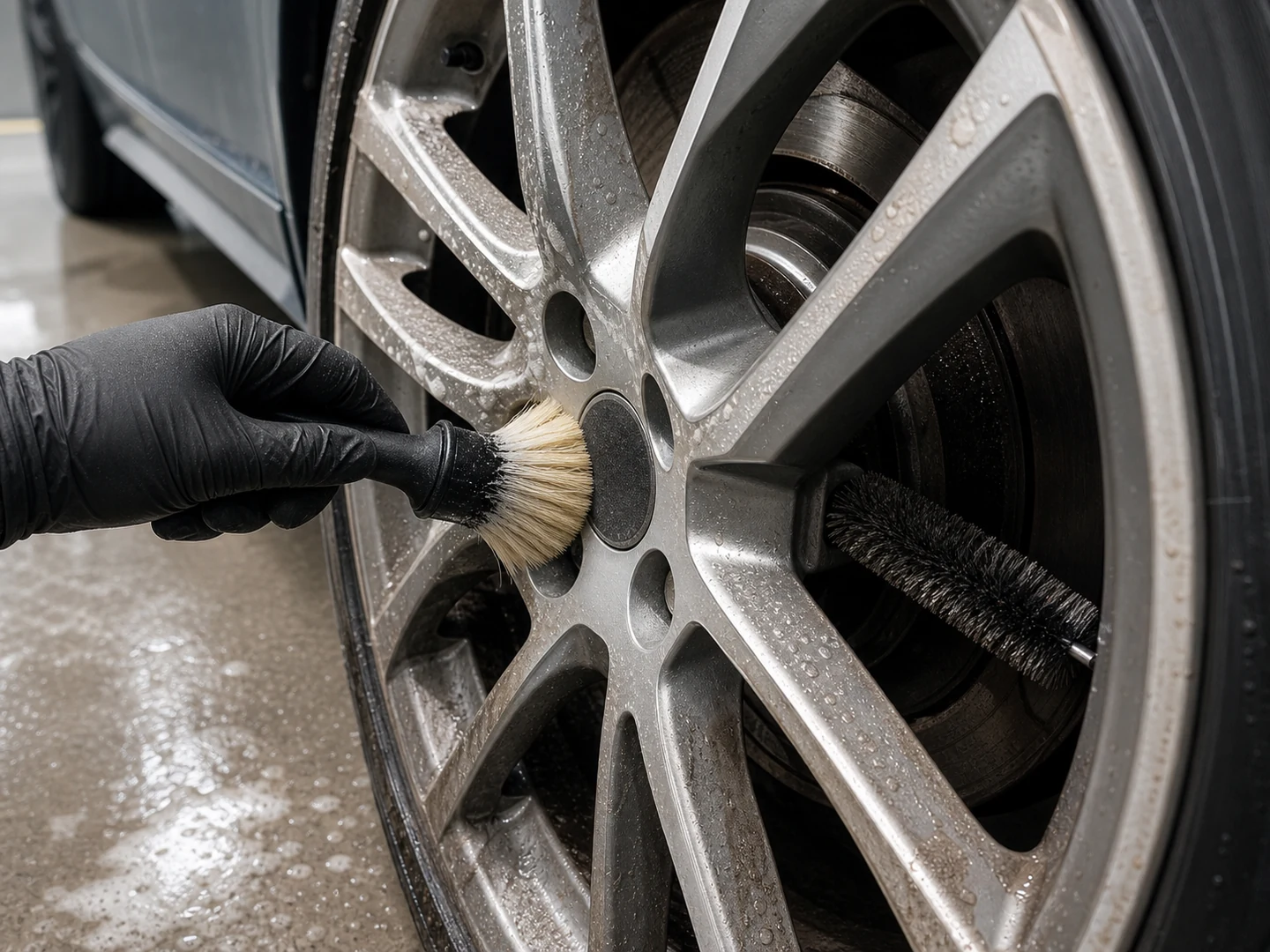
Wheel & Rim Cleaning
For Wheel & Rim Cleaning, the brush must reach the working area, disturb or…
Review application guidance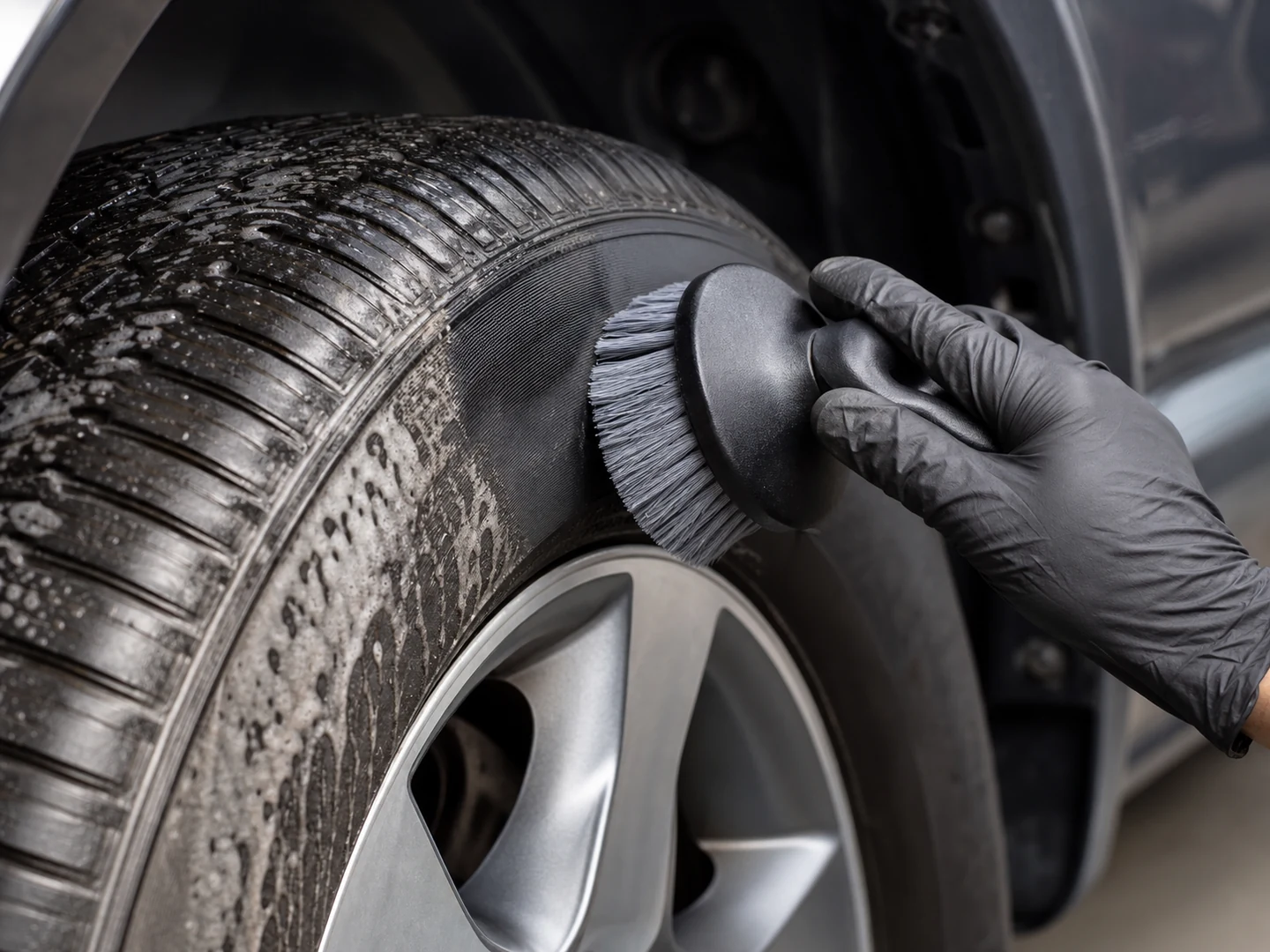
Tire Cleaning
For Tire Cleaning, the brush must reach the working area, disturb or collect silt…
Review application guidance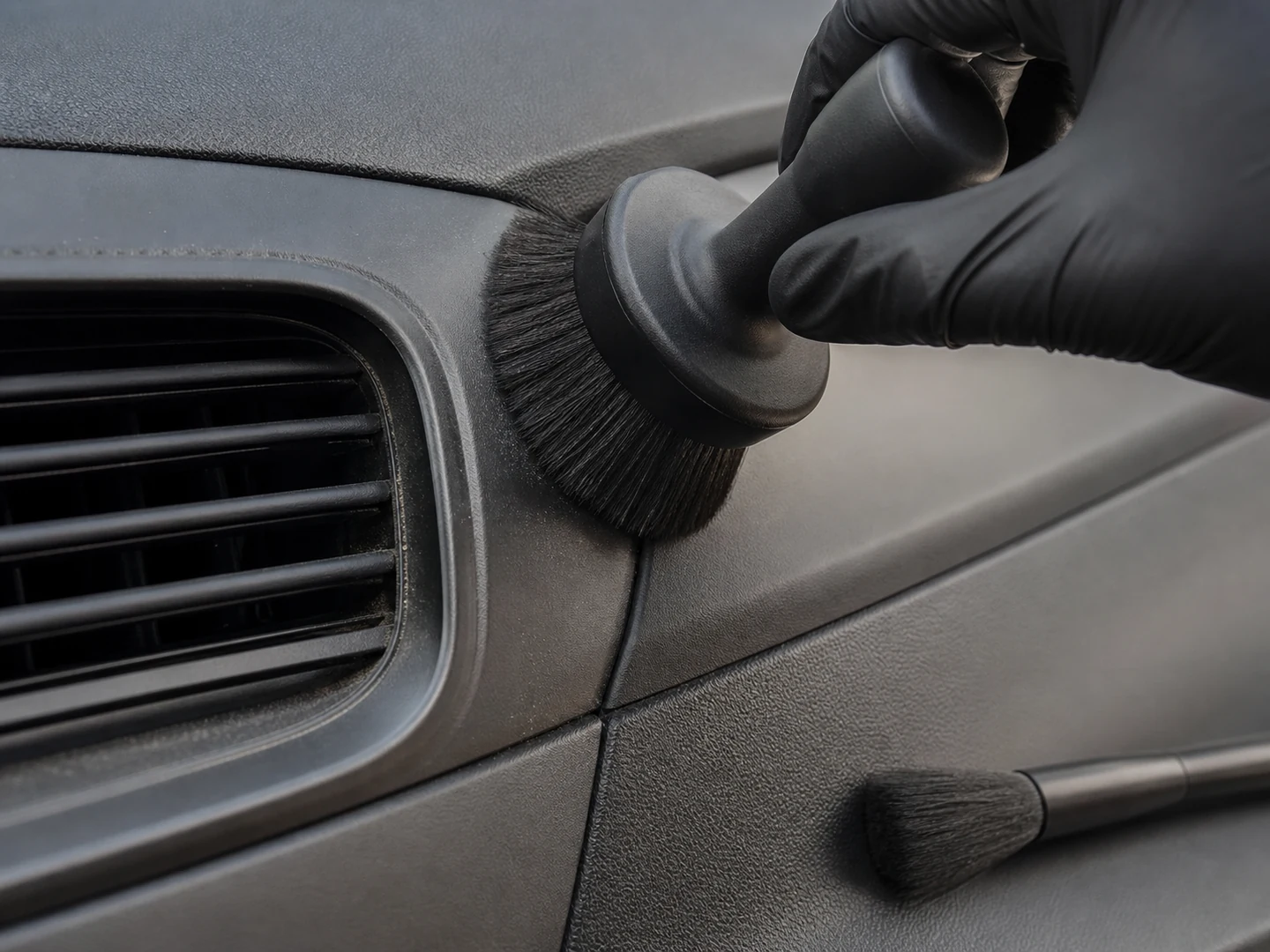
Automotive Detail Cleaning
For Automotive Detail Cleaning, the brush must reach the working area, disturb or collect…
Review application guidance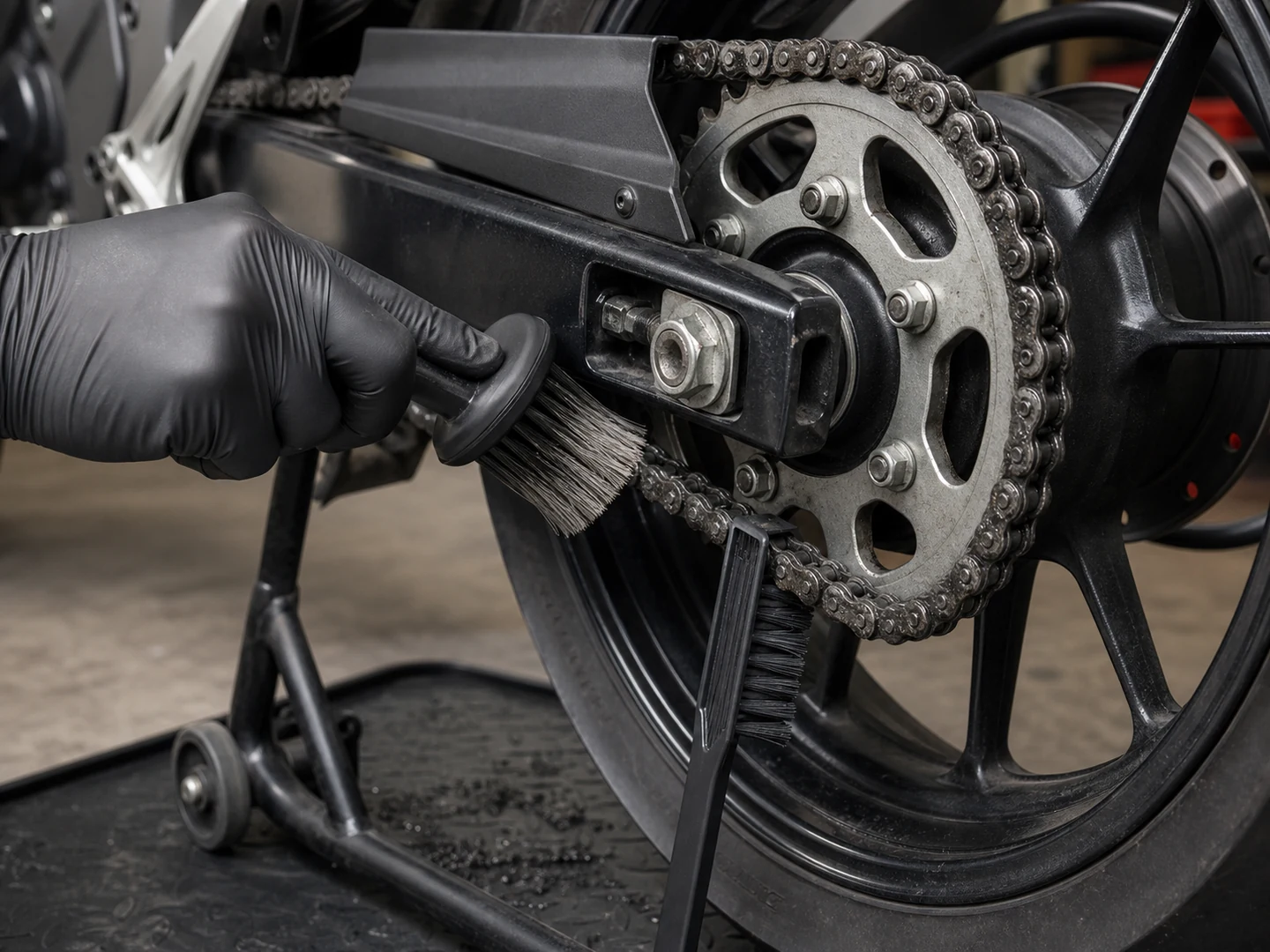
Motorcycle Chain Cleaning
For Motorcycle Chain Cleaning, the brush must reach the working area, disturb or collect…
Review application guidance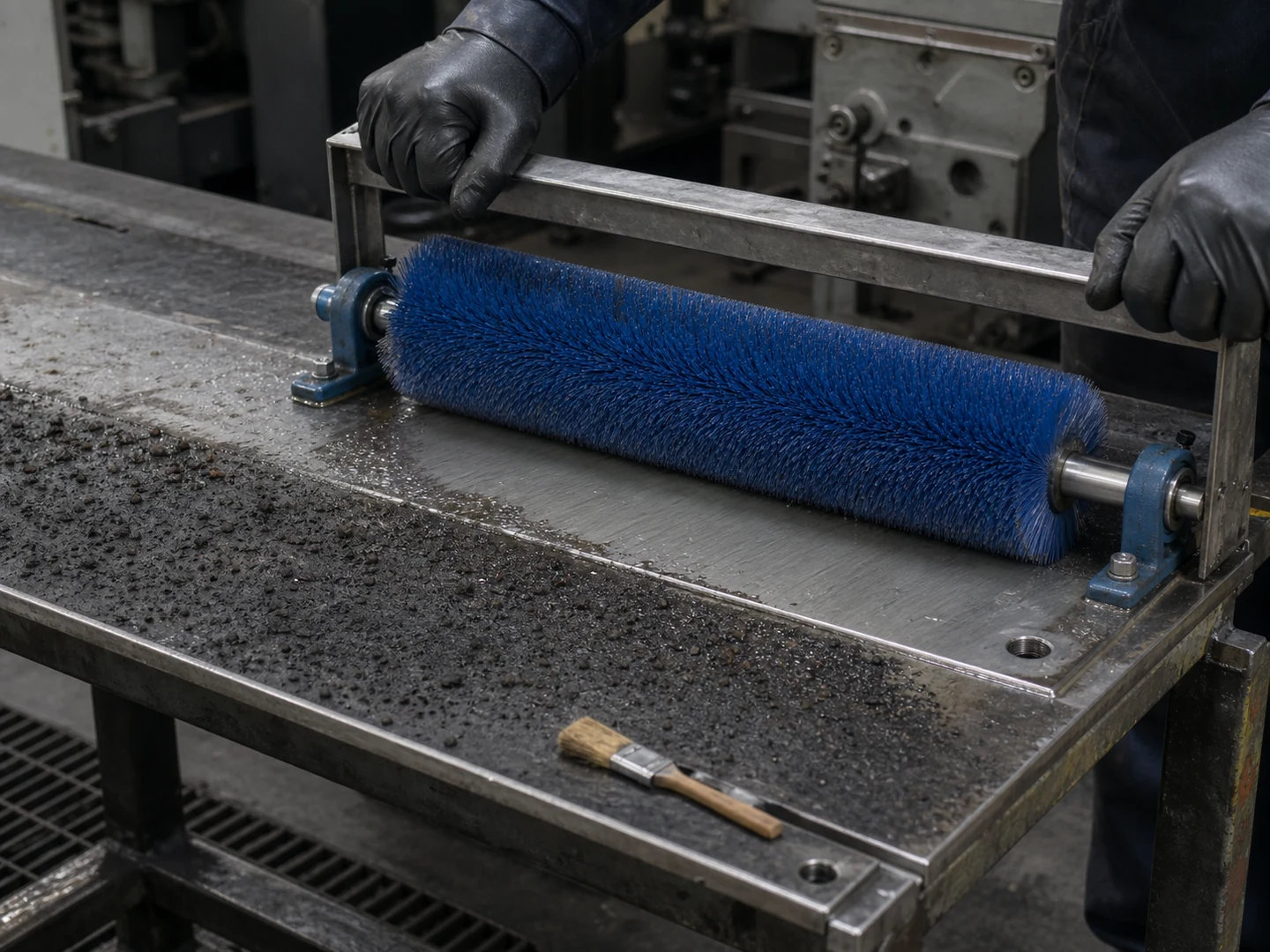
Industrial Machine Cleaning
For Industrial Machine Cleaning, the brush must reach the working area, disturb or collect…
Review application guidance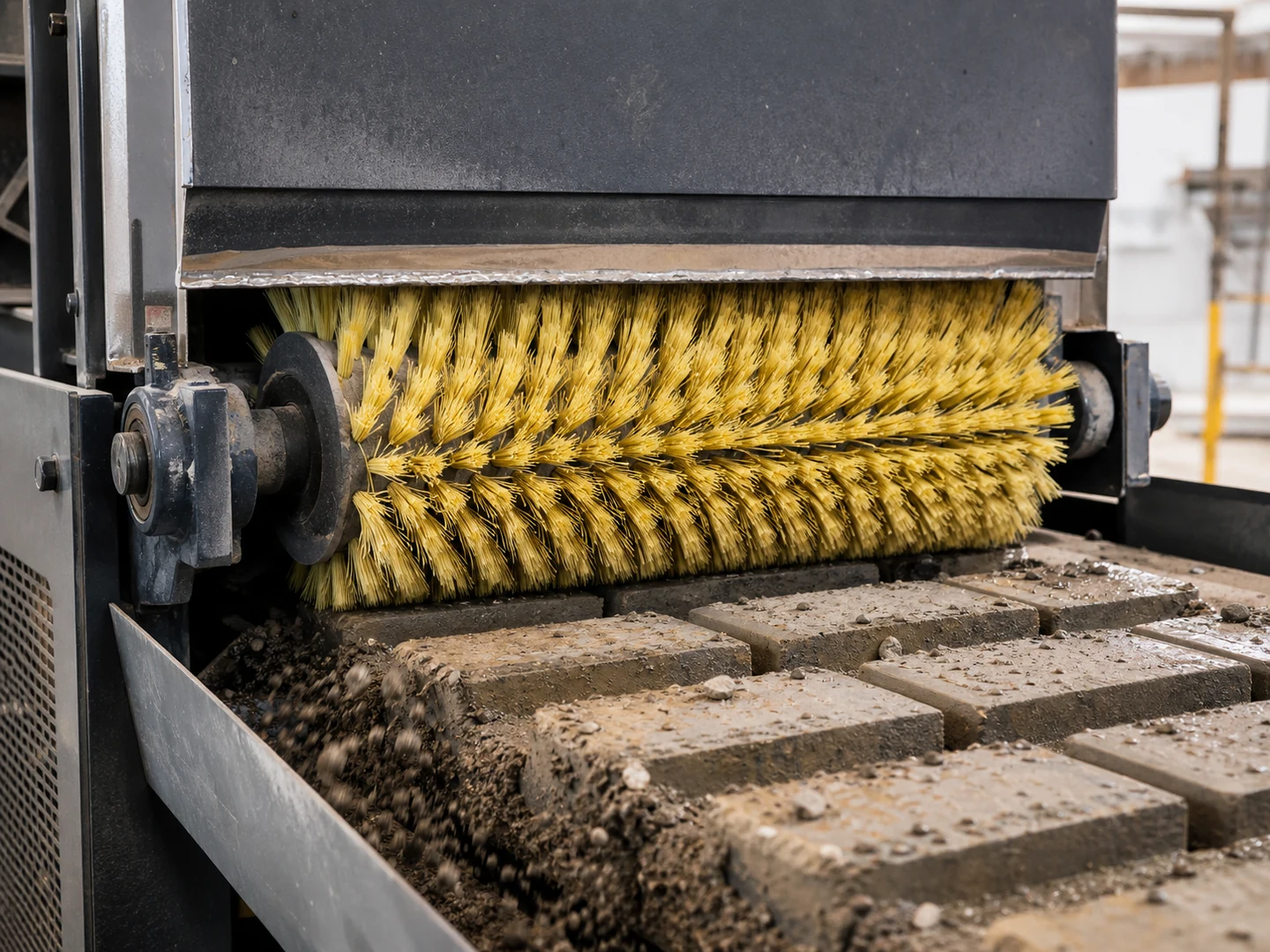
Brick, Tile & Building Material Machine Brush Use
For Brick, Tile & Building Material Machine Brush Use, the brush must reach the…
Review application guidanceCustom Manufacturing RFQ
Discuss This Material
Share the working surface, residue, dimensions, material direction, interface, quantity and drawing or sample photo.
Custom Brush RFQ
Request a Custom Cleaning Brush Quote
Upload a drawing, product photo, or sample photo and provide the core dimensions and cleaning conditions.