
Application
Dairy CIP Pipeline Cleaning
For Dairy CIP Pipeline Cleaning, the brush must reach the working area, disturb or collect milk fat/protein/milkstone/biofilm, and release it without creating unacceptable surface damage or process interference. Access space, brush movement, and cleaning method are the main factors in selecting the structure.
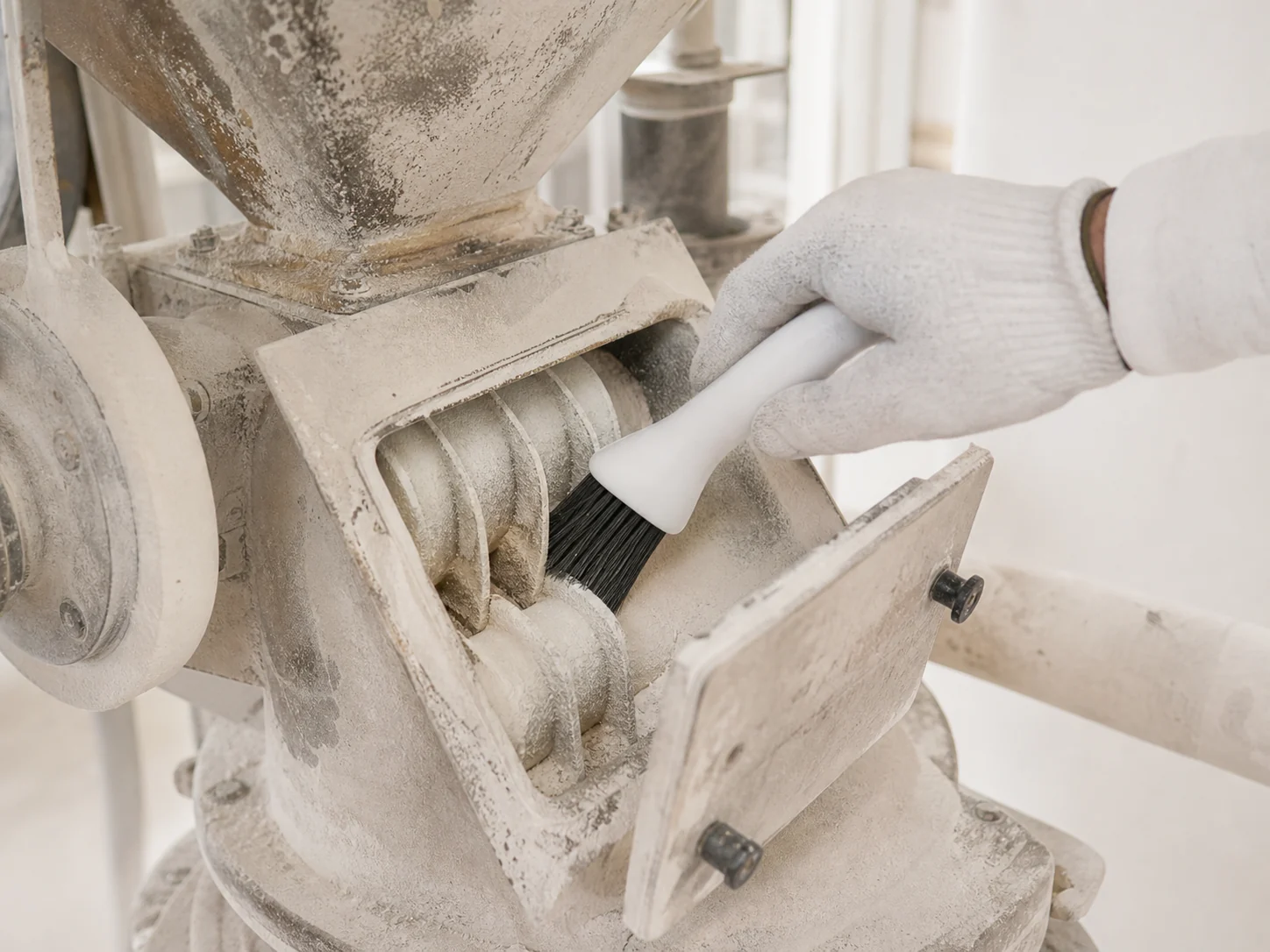
Application Overview
Dairy CIP Pipeline Cleaning connects contaminant type, required stiffness, temperature, chemical exposure, compliance and working environment to brush material and geometry.
The selection sequence for Dairy CIP Pipeline Cleaning starts with the access path and contact direction, then checks how the residue breaks free and leaves the work zone. The service environment is Wet Indoor Area / Hygienic Piping. The cleaning method is Wet Brushing / Soaking / Steam Cleaning. Confirm temperature (140°C), chemical exposure (Nitric Acid/Phosphoric Acid pH 1–3; Caustic Soda pH 11–14; Peracetic Acid), and documentation or compliance (3-A Sanitary Standards; EHEDG Hygienic-Design Principles; FDA 21 CFR; EU 10/2011) before finalizing the material and construction. The mapped product set uses manual motion, so machine speed is not a default selection input.
Common Challenges
Primary project question
Which brush material, geometry and cleaning method can remove Milk Fat/Protein/Milkstone/Biofilm under the stated temperature, chemical and environmental conditions?
Operating conditions
For Dairy CIP Pipeline Cleaning, confirm required contact level (Medium), maximum stated temperature (140°C), chemical exposure (Nitric Acid/Phosphoric Acid pH 1–3; Caustic Soda pH 11–14; Peracetic Acid), and documentation or compliance (3-A Sanitary Standards; EHEDG Hygienic-Design Principles; FDA 21 CFR; EU 10/2011).
Failure prevention
For Dairy CIP Pipeline Cleaning, verify access, installed engagement, contact direction, and the path for releasing milk fat/protein/milkstone/biofilm before increasing filament stiffness, density, or applied force. Choose another cleaning method when brush contact cannot reach the deposit or achieve the required result.
Selection and Project Inputs
For Dairy CIP Pipeline Cleaning, confirm the working area, residue, access opening or clearance, contact motion, acceptable surface condition, and the path for removing loosened material. Complete the table below with the dimensions and operating limits that apply to this application.
| Contaminant | Milk Fat/Protein/Milkstone/Biofilm |
|---|---|
| Required hardness | Medium |
| Maximum temperature | 140°C |
| Chemical exposure | Nitric Acid/Phosphoric Acid pH 1–3; Caustic Soda pH 11–14; Peracetic Acid |
| Cleaning method | Wet Brushing/Soaking/Steam Cleaning |
| Environment | Wet Indoor Area/Hygienic Piping |
Continue Exploring
Recommended Reading & Related Brush Resources
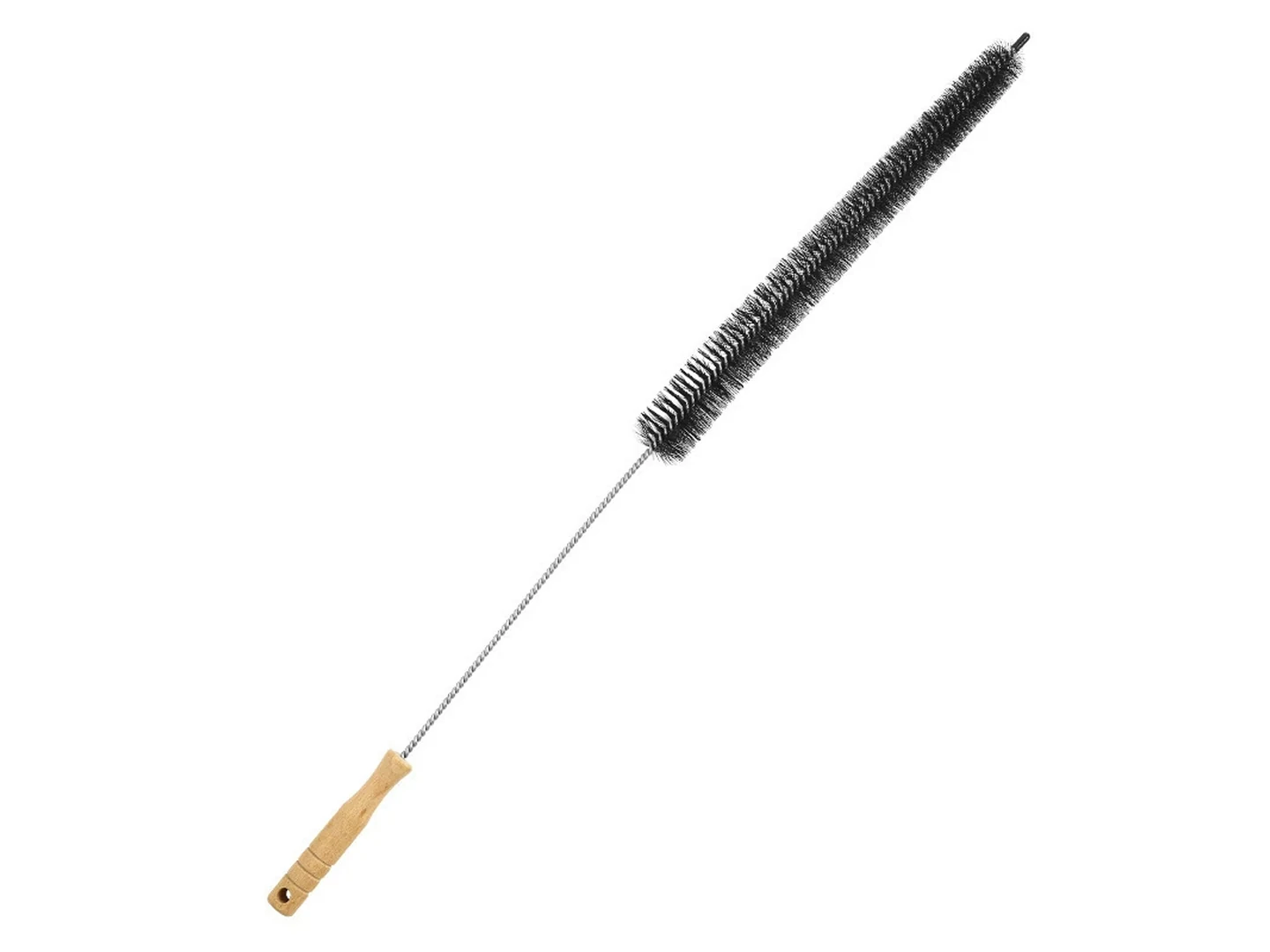
Dairy Equipment Cleaning Brush
Custom dairy equipment cleaning brush for food, beverage, produce, configured around food-contact surfaces, trays,…
Review product specifications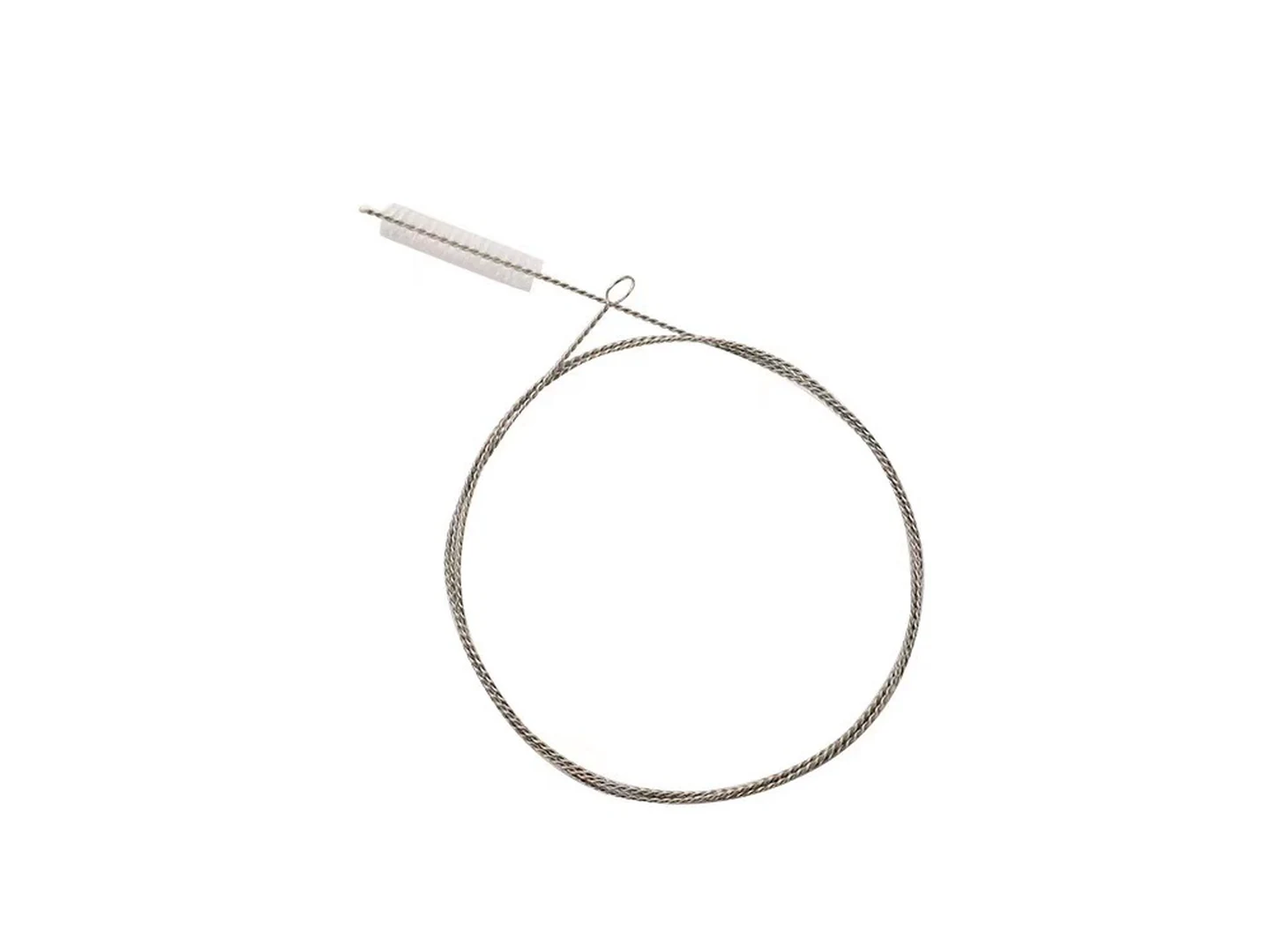
Pipe Cleaning Brush
Custom pipe cleaning brush for pipe cleaning, maintenance, configured around pipe contact surfaces, adjacent…
Review product specifications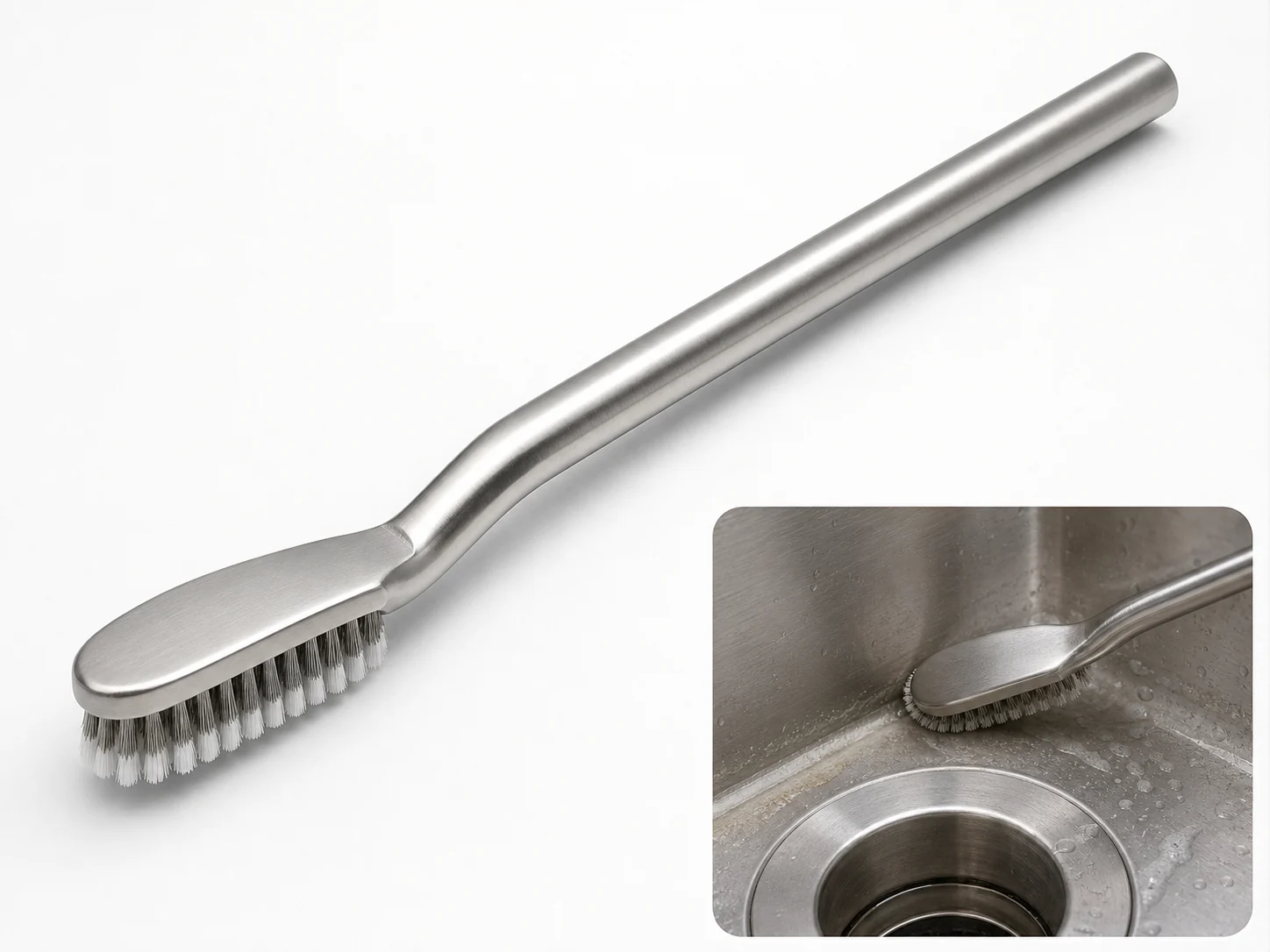
Stainless Steel Sanitary Brush
Custom stainless steel sanitary brush for localized household, equipment-detail cleaning, configured around corners, grout…
Review product specifications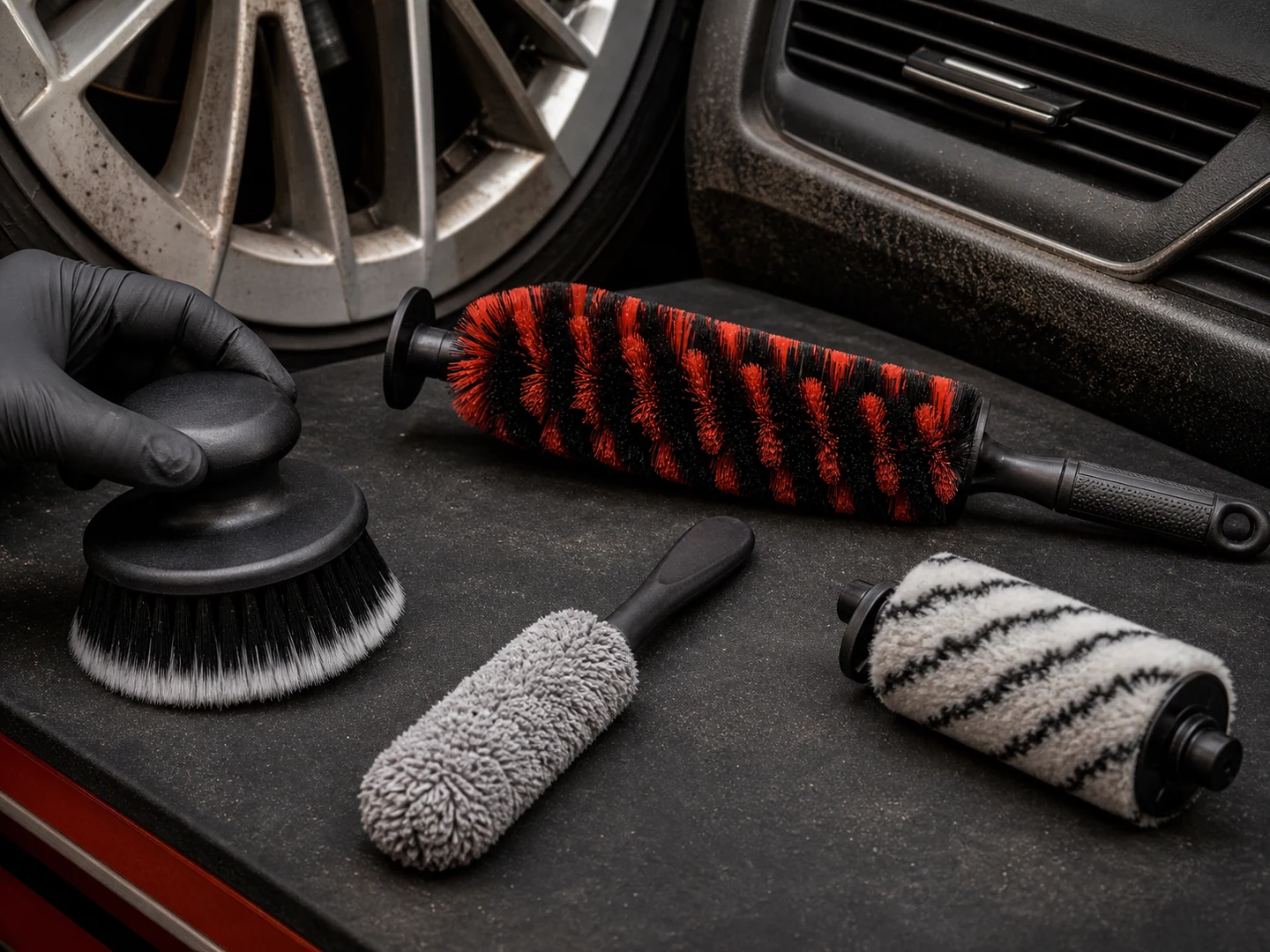
Custom Handheld Detail Brushes
Choose a handheld detail brush when the operator needs direct control in seams, recesses,…
Explore this brush type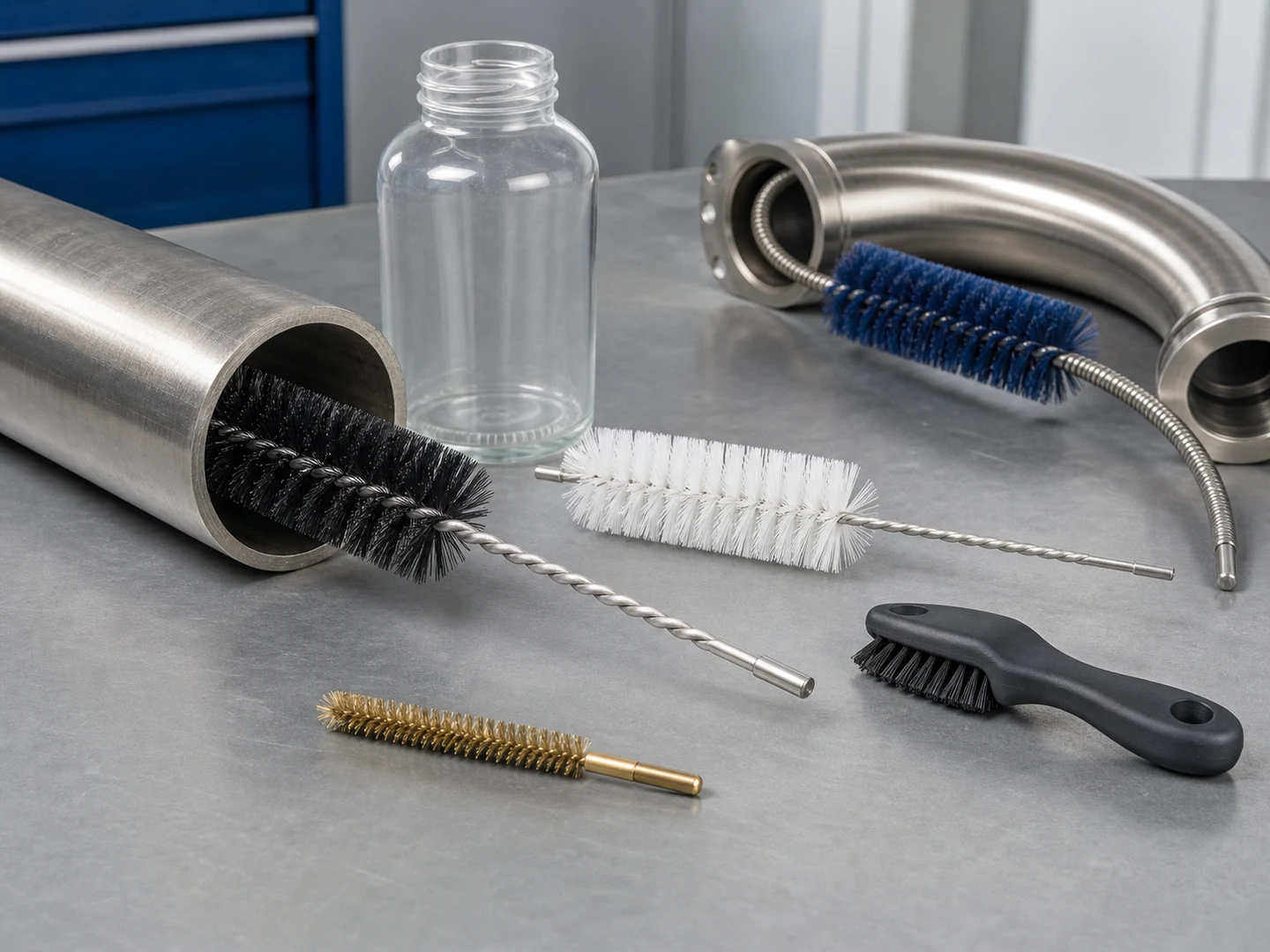
Custom Tube & Pipe Bore Brushes
Choose a tube, pipe, or bore brush when the working surface is inside a…
Explore this brush type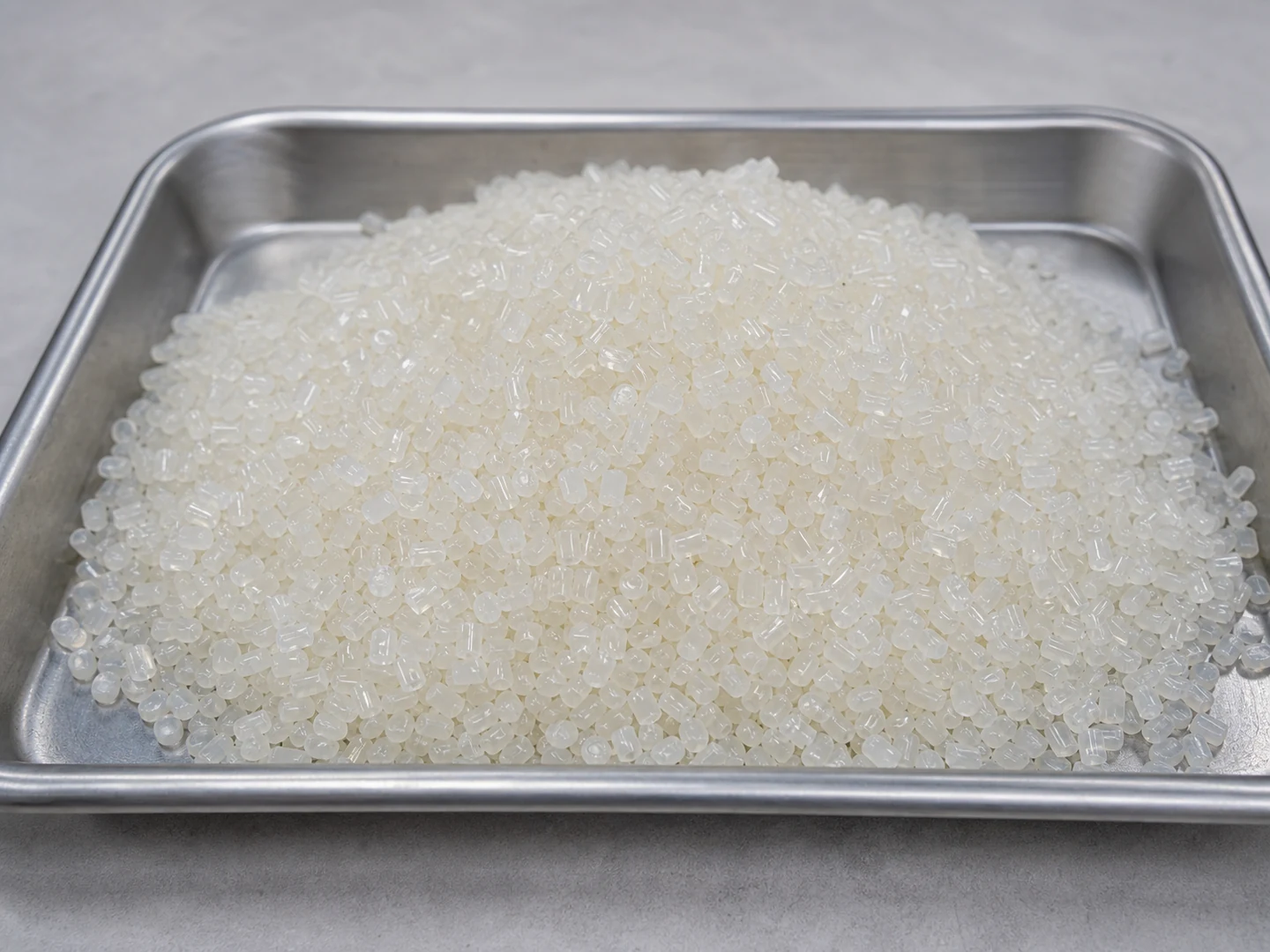
Nylon PA
Nylon PA is selected from its stiffness, recovery, wear, wet-service, chemical, and temperature behavior.
Compare material considerations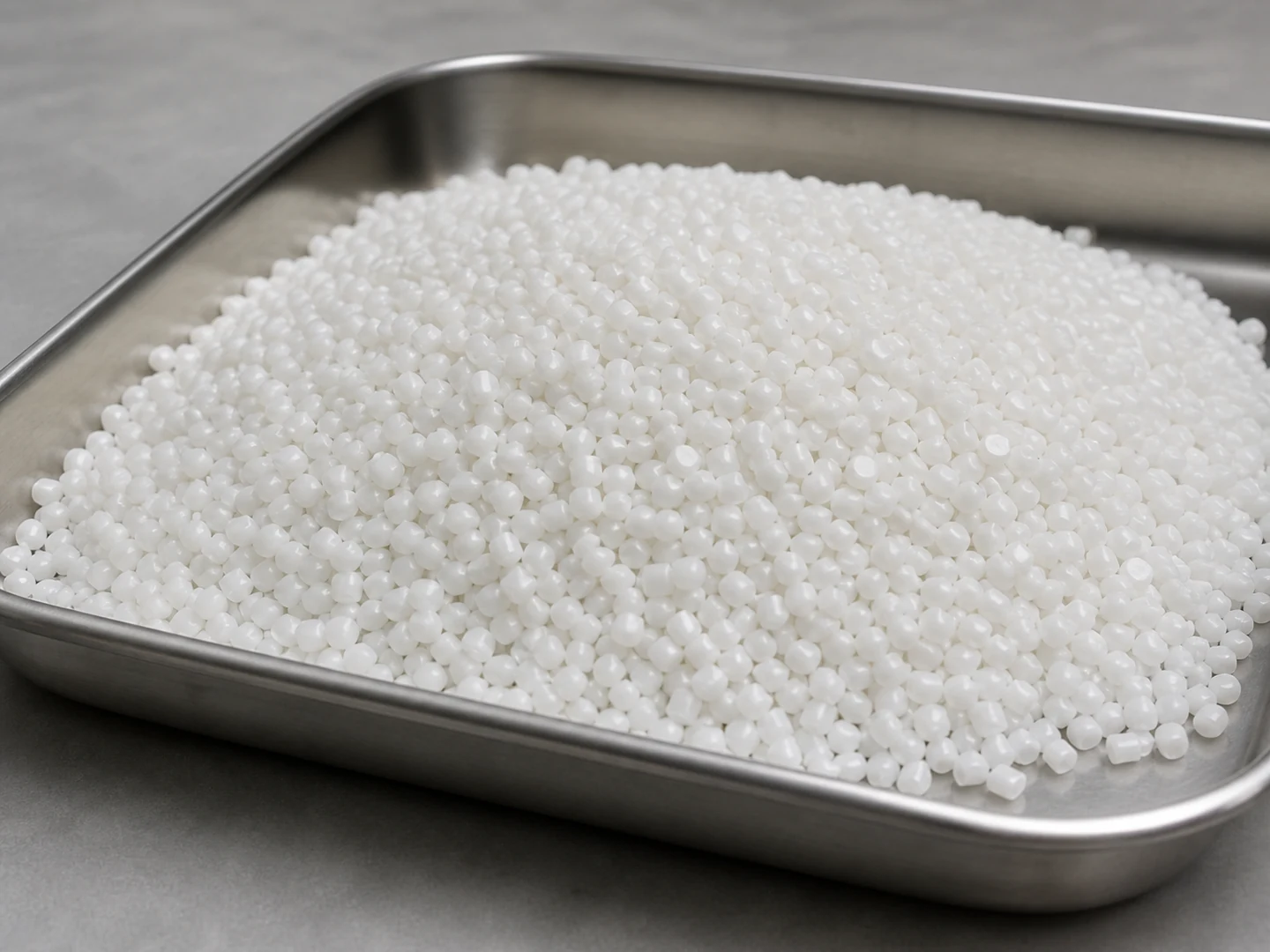
Polypropylene PP
Polypropylene PP is selected from its stiffness, recovery, wear, wet-service, chemical, and temperature behavior.
Compare material considerations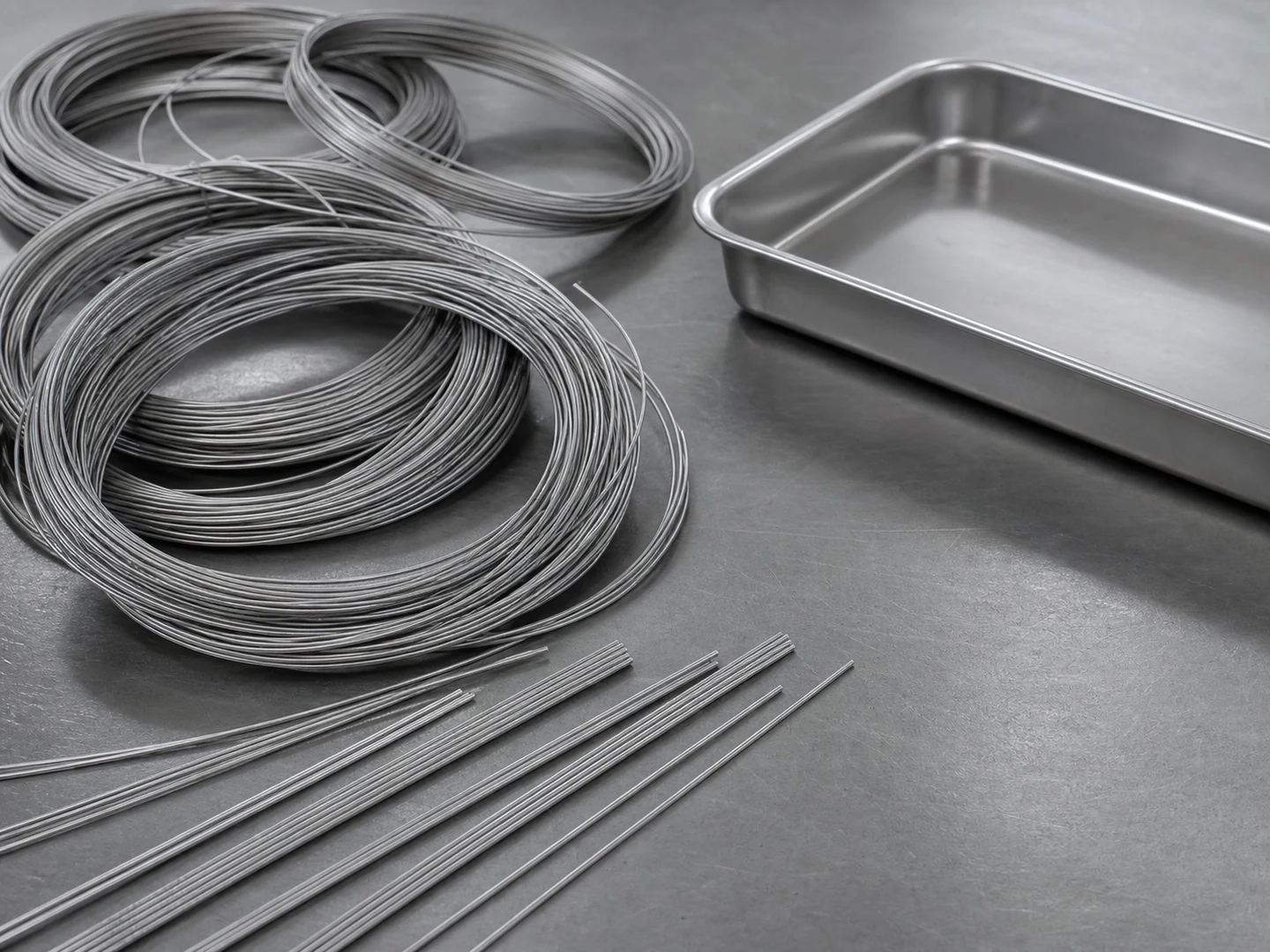
AISI 316 Stainless Steel Wire
AISI 316 Stainless Steel Wire is selected from its stiffness, recovery, wear, wet-service, chemical,…
Compare material considerations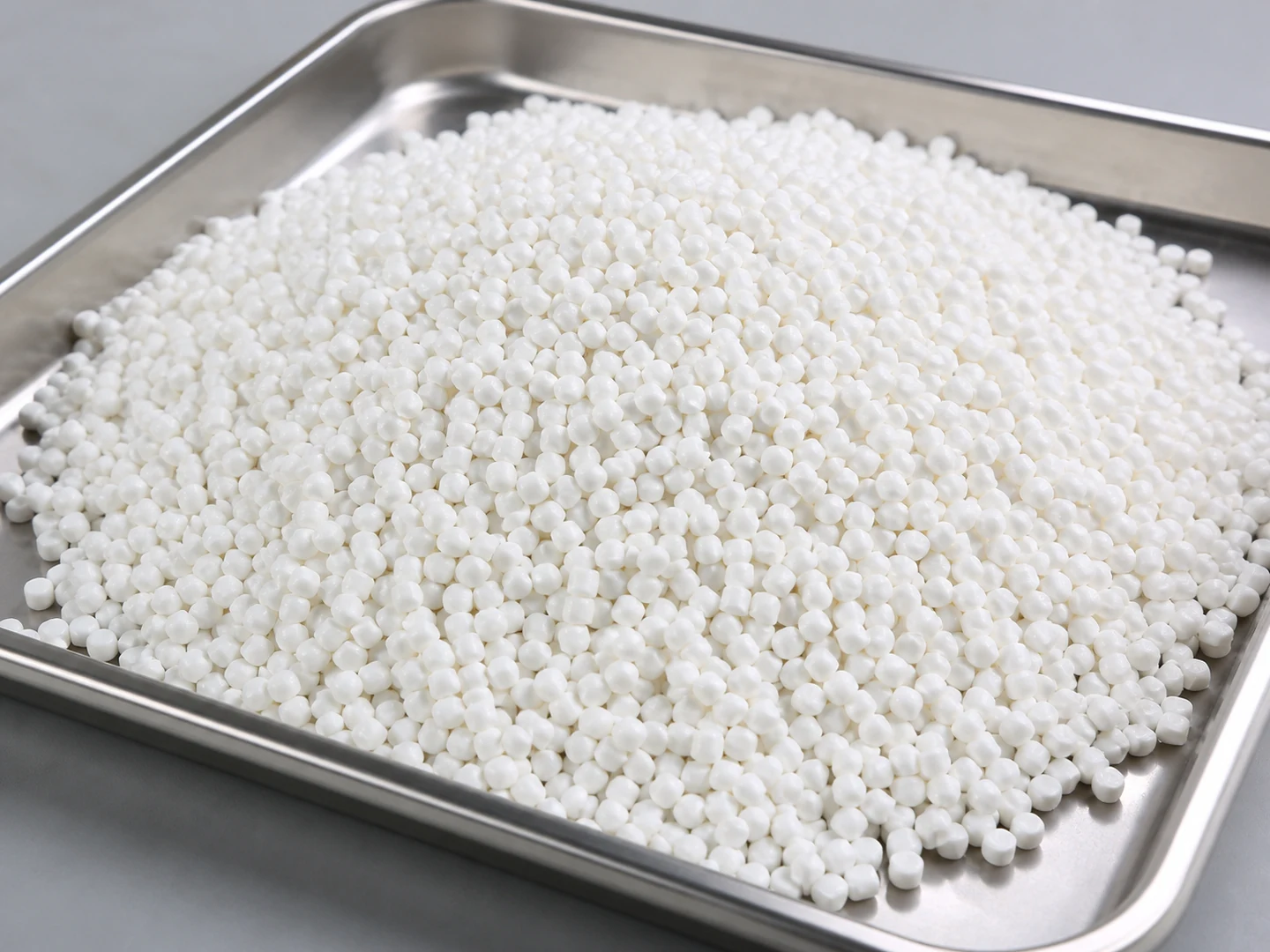
PBT
PBT is selected from its stiffness, recovery, wear, wet-service, chemical, and temperature behavior. Do…
Compare material considerationsCustom Manufacturing RFQ
Discuss This Application
Share the working surface, residue, dimensions, material direction, interface, quantity and drawing or sample photo.
Custom Brush RFQ
Request a Custom Cleaning Brush Quote
Upload a drawing, product photo, or sample photo and provide the core dimensions and cleaning conditions.