
Application
Pharmaceutical Reactor Residue Cleaning
For Pharmaceutical Reactor Residue Cleaning, the brush must reach the working area, disturb or collect powder/crystalline deposits/adhered pharmaceutical residue, and release it without creating unacceptable surface damage or process interference. The right structure is set by how the brush reaches the area, how it moves, and how the cleaning is performed.
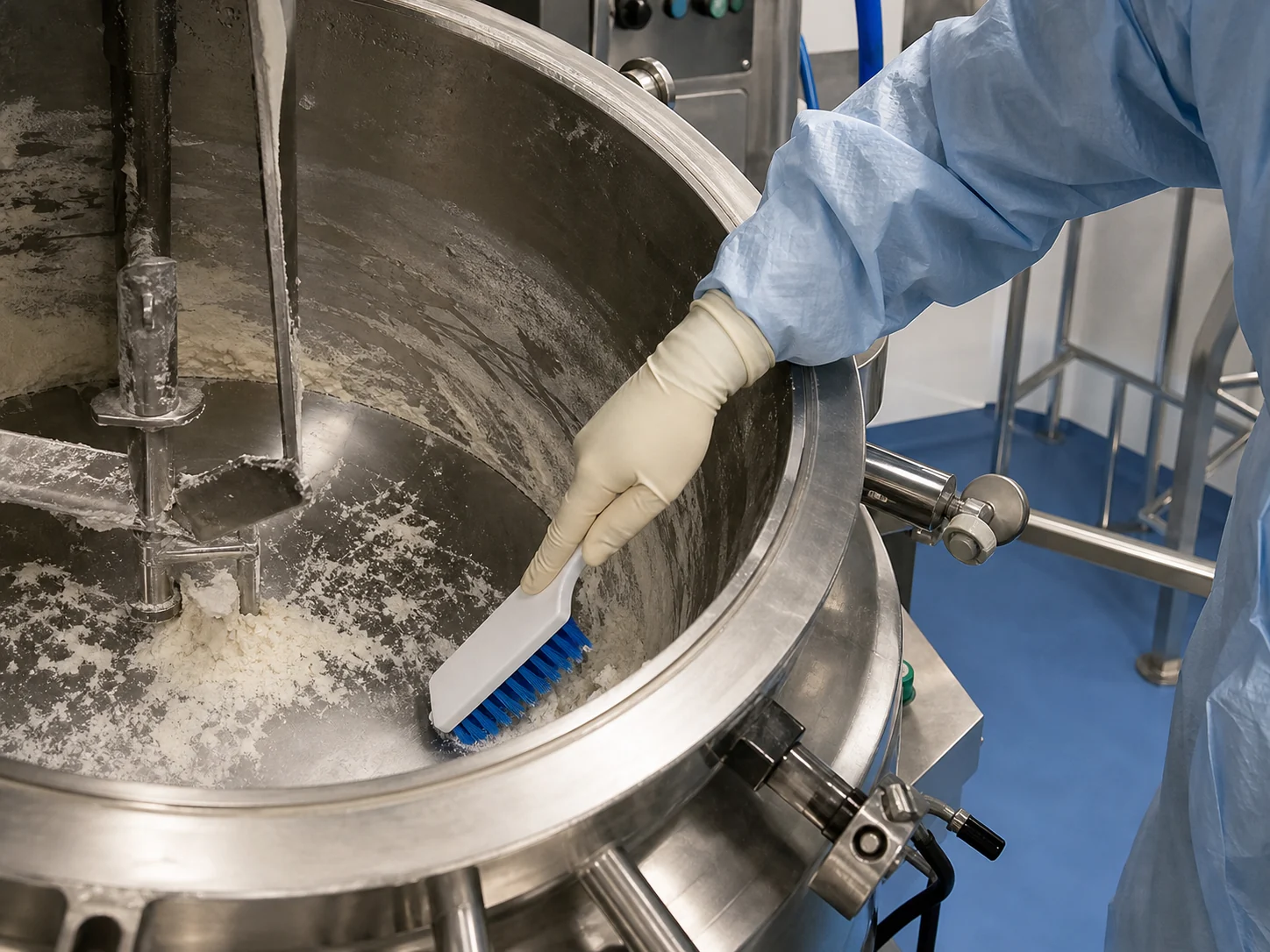
Application Overview
Pharmaceutical Reactor Residue Cleaning connects contaminant type, required stiffness, temperature, chemical exposure, compliance and working environment to brush material and geometry.
The selection sequence for Pharmaceutical Reactor Residue Cleaning starts with the access path and contact direction, then checks how the residue breaks free and leaves the work zone. The service environment is Cleanroom / Wet Indoor Area. The cleaning method is Wet Brushing / Soaking / Steam Cleaning. Confirm temperature (140°C), chemical exposure (WFI/Purified Water; Acid / Alkali Cleaning pH 2–12; Ethanol/Isopropyl Alcohol), and documentation or compliance (GMP; Material Traceability; USP Class VI / ISO 10993 Material Evaluation Where Required) before finalizing the material and construction. The mapped product set includes manual and powered motion; equipment inputs apply only to the branches that actually use a machine.
Common Challenges
Primary project question
Which brush material, geometry and cleaning method can remove Powder/Crystalline Deposits/Adhered Pharmaceutical Residue under the stated temperature, chemical and environmental conditions?
Operating conditions
For Pharmaceutical Reactor Residue Cleaning, confirm required contact level (Soft–Medium), maximum stated temperature (140°C), chemical exposure (WFI/Purified Water; Acid / Alkali Cleaning pH 2–12; Ethanol/Isopropyl Alcohol), and documentation or compliance (GMP; Material Traceability; USP Class VI / ISO 10993 Material Evaluation Where Required).
Failure prevention
For Pharmaceutical Reactor Residue Cleaning, verify access, installed engagement, contact direction, and the path for releasing powder/crystalline deposits/adhered pharmaceutical residue before increasing filament stiffness, density, or applied force. Change the cleaning process when the brush cannot contact the residue effectively or achieve the required finish.
Selection and Project Inputs
For Pharmaceutical Reactor Residue Cleaning, confirm the working area, residue, access opening or clearance, contact motion, acceptable surface condition, and the path for removing loosened material. Use the table below to capture the key dimensions and working limits.
| Contaminant | Powder/Crystalline Deposits/Adhered Pharmaceutical Residue |
|---|---|
| Required hardness | Soft–Medium |
| Maximum temperature | 140°C |
| Chemical exposure | WFI/Purified Water; Acid / Alkali Cleaning pH 2–12; Ethanol/Isopropyl Alcohol |
| Cleaning method | Wet Brushing/Soaking/Steam Cleaning |
| Environment | Cleanroom/Wet Indoor Area |
Continue Exploring
Recommended Reading & Related Brush Resources
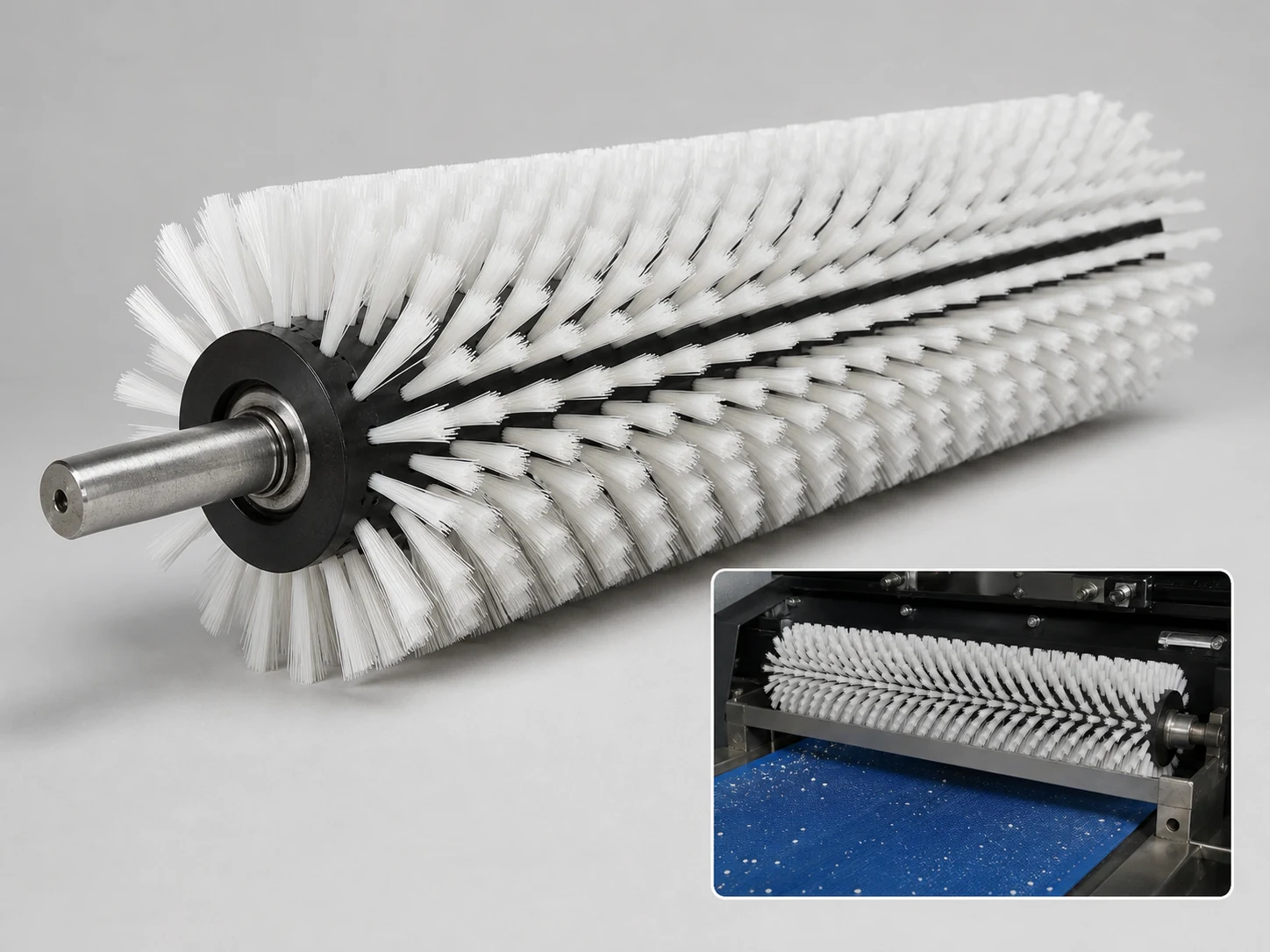
Brush Roller Pharmaceutical
Custom brush roller pharmaceutical for conveyor, production-line cleaning, configured around belts, rollers, chains, rails,…
Review product specifications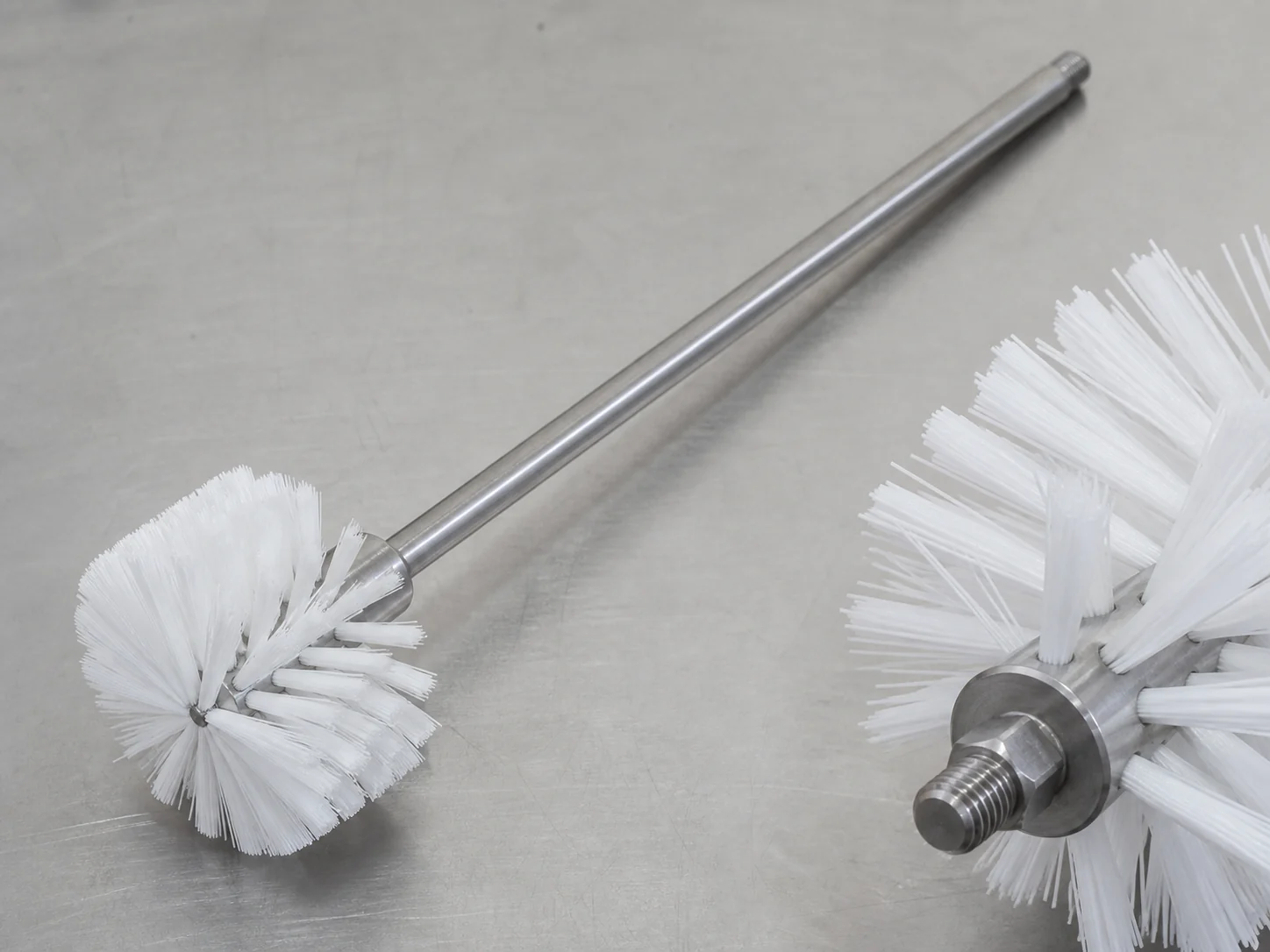
120mm PTFE Solvent Vessel Brush
Custom 120mm PTFE Solvent Vessel Brush using PTFE contact material, 120 mm head diameter,…
Review product specifications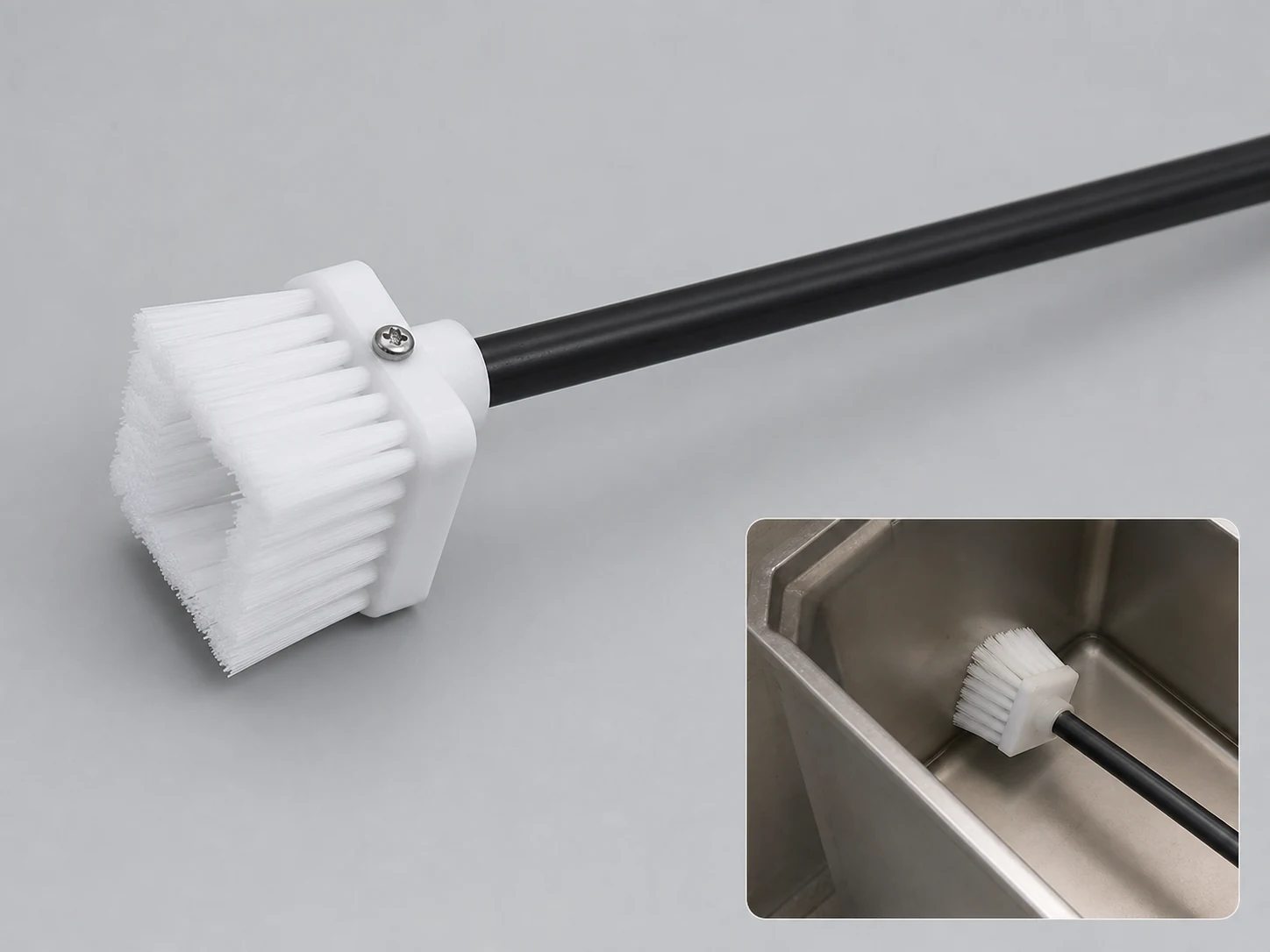
Square Tank Brush
Custom square tank brush for tank, vessel wall cleaning, configured around curved walls, welds,…
Review product specifications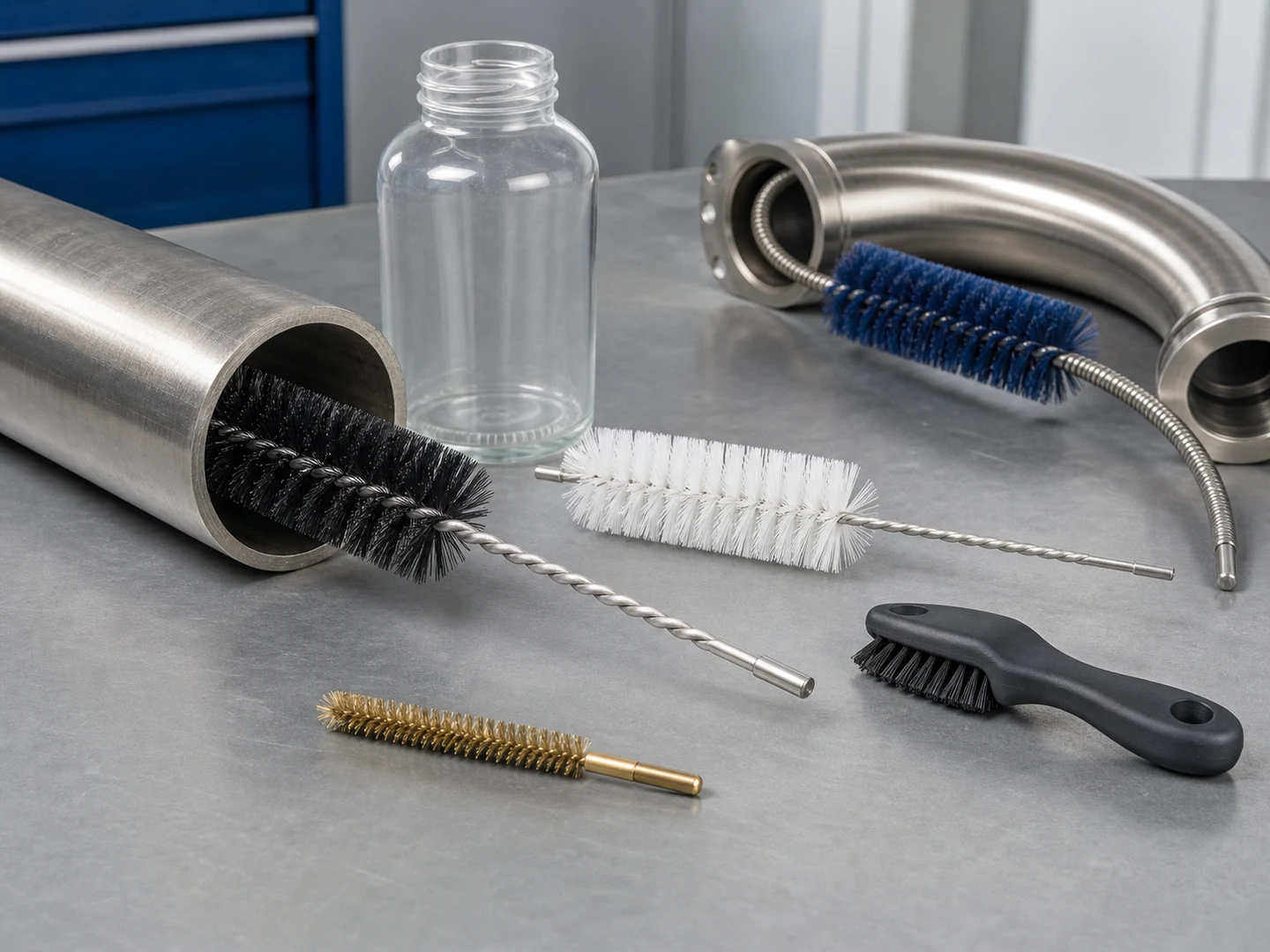
Custom Tube & Pipe Bore Brushes
Choose a tube, pipe, or bore brush when the working surface is inside a…
Explore this brush type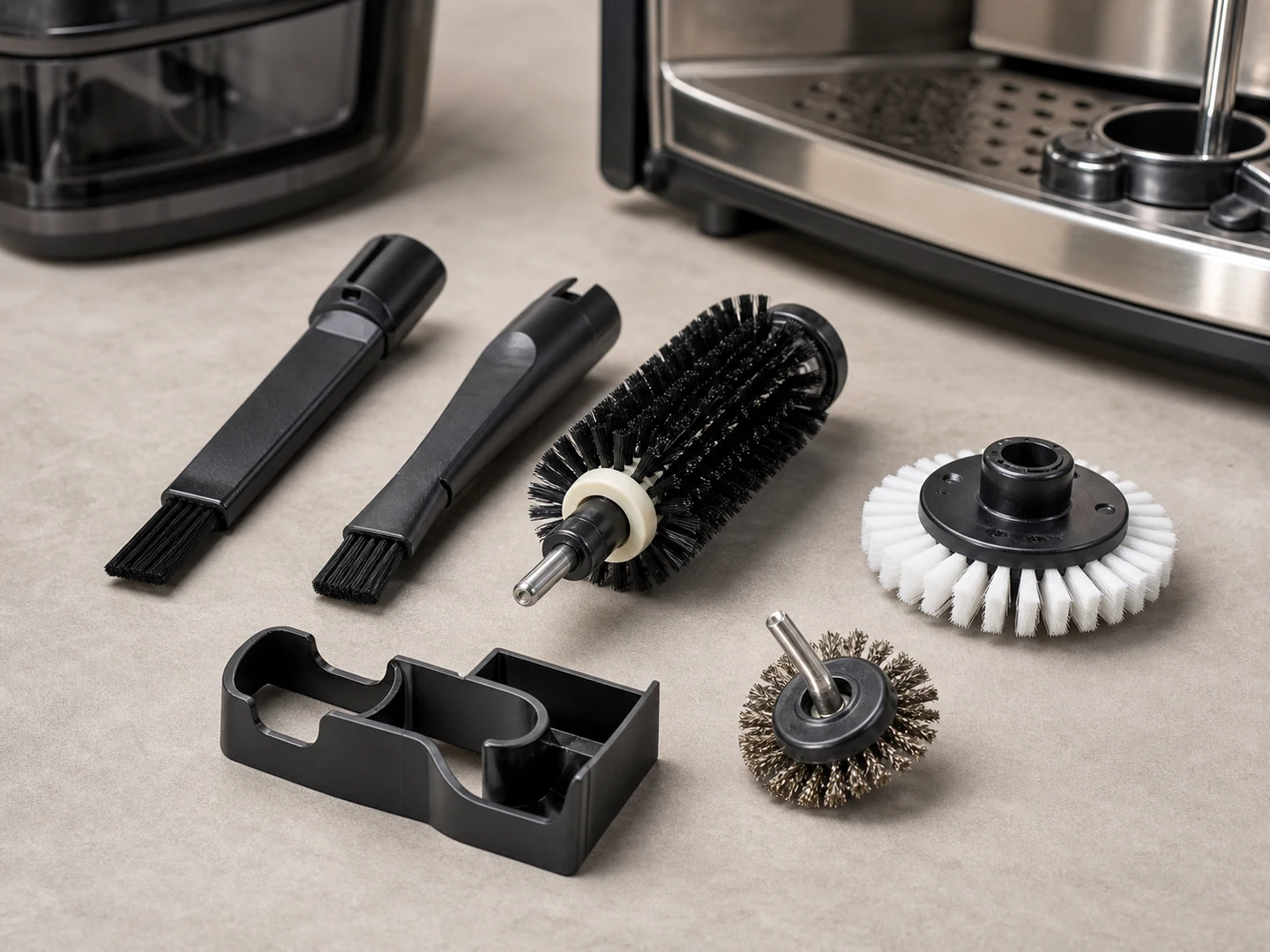
Custom Roller and Conveyor Brushes
Choose a roller or conveyor brush when a cylindrical brush must clean, wipe, guide,…
Explore this brush typeCustom Bottle & Container Brushes
Choose a bottle or container brush when the head must pass through an opening…
Explore this brush type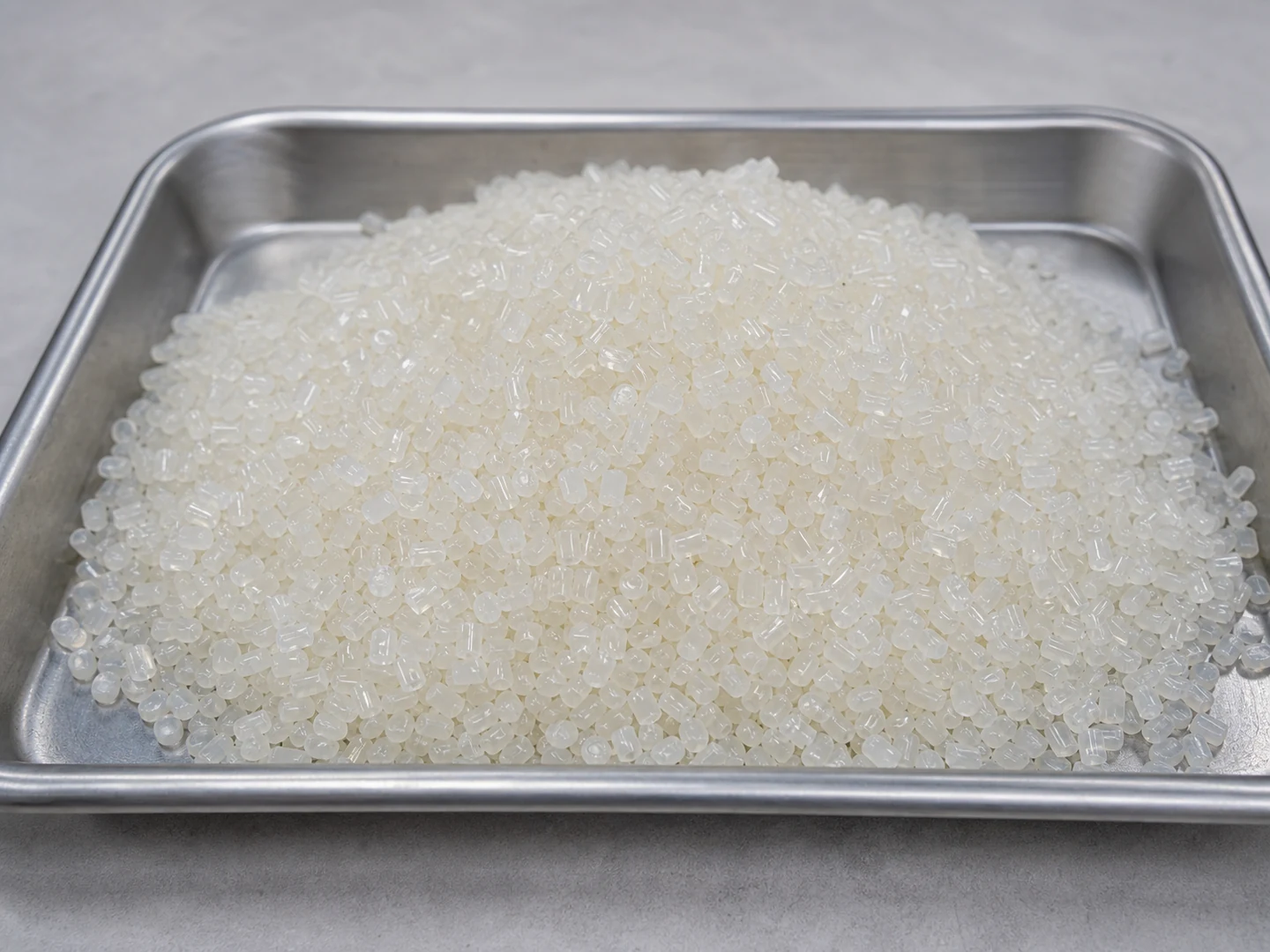
Nylon PA
Nylon PA is selected from its stiffness, recovery, wear, wet-service, chemical, and temperature behavior.
Compare material considerations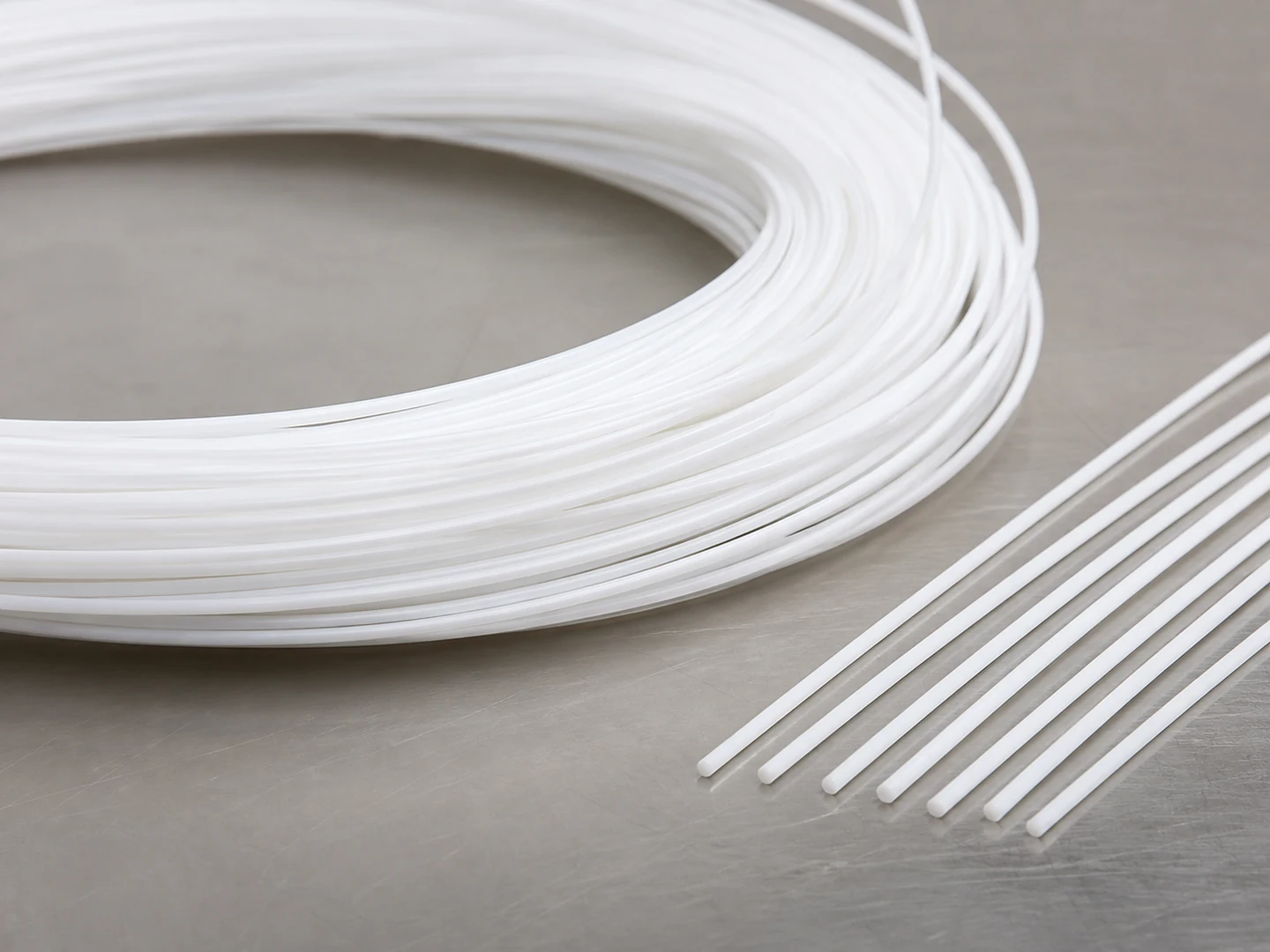
PTFE Filament
PTFE Filament is selected from its stiffness, recovery, wear, wet-service, chemical, and temperature behavior.
Compare material considerationsCustom Manufacturing RFQ
Discuss This Application
Share the working surface, residue, dimensions, material direction, interface, quantity and drawing or sample photo.
Custom Brush RFQ
Request a Custom Cleaning Brush Quote
Upload a drawing, product photo, or sample photo and provide the core dimensions and cleaning conditions.