What Is a Pipe Tube Brush?
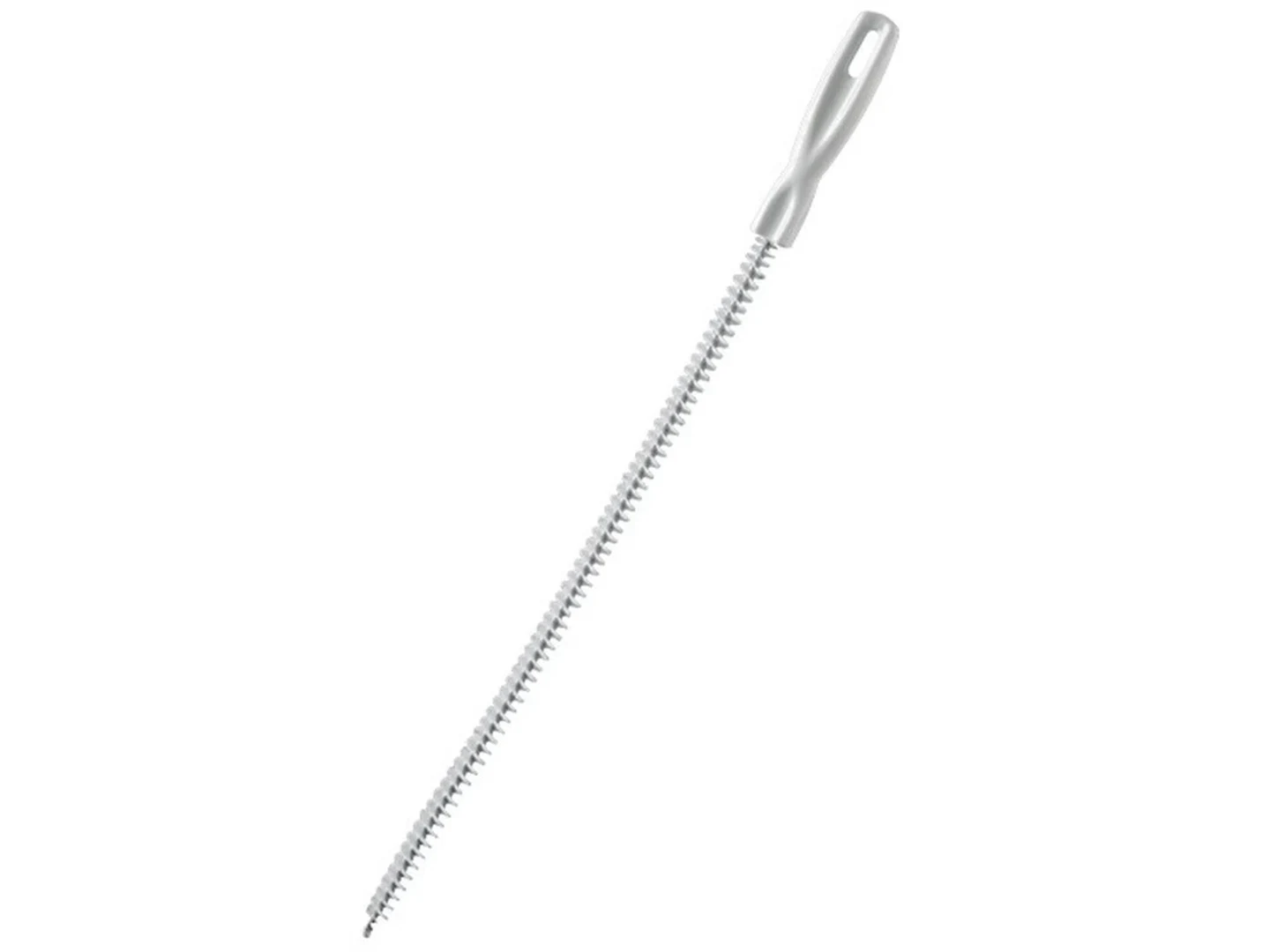
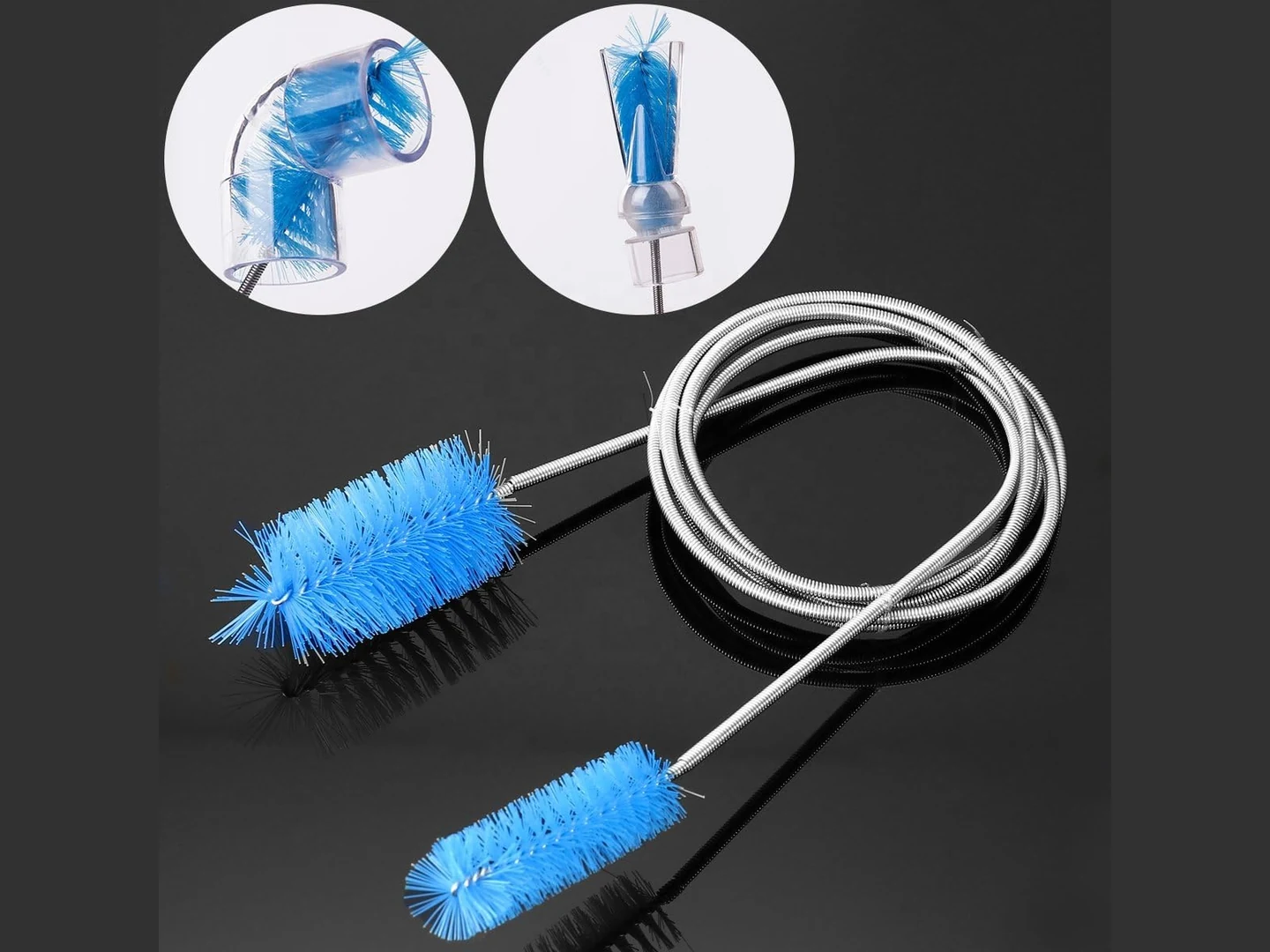
A pipe tube brush is a specialized cleaning tool with a flexible stem and bristles arranged radially to scrub the inner diameter of a tube. Unlike open‑surface brushes, its design allows it to conform to bends and navigate straight runs of tubing, dislodging residues that can harbor microorganisms. In food applications, the brush must be robust enough to clean thoroughly yet gentle enough to preserve the surface finish of process lines.
Common Brush Materials and When to Use Them
For food-service sanitation language, the FDA — Food Code is the reference point for food safety terminology rather than a brush manufacturer’s preference.
For the material or regulatory boundary in this section, the supporting reference is eCFR — 21 CFR 177.1500 Nylon Resins.
For the material or regulatory boundary in this section, the supporting reference is eCFR — 21 CFR 177.1520 Olefin Polymers.
For brush terminology and construction language, this section references American Brush Manufacturers Association — Brush Lingo.
For food and beverage tubing, bristle and core materials directly affect cleaning performance, chemical compatibility, and contamination risk. The following materials are often specified:
- Nylon (6/6 or 6/12): Good chemical resistance, moderate stiffness, used for general wet cleaning. Absorbs moisture, so not ideal for fully submerged or hot, humid environments if dimensional stability is critical.
- Polypropylene: Excellent resistance to many acids and alkalis, non‑absorbent, and stiffer than nylon. Suitable for aggressive cleaning agents and CIP (clean‑in‑place) pre‑rinse applications.
- PTFE (Teflon): Ultra‑low friction, chemically inert, high‑temperature resistance. Preferred for sticky residues where bristle release is critical, and for use with strong sanitizers.
- Stainless Steel (304/316): Aggressive cutting action, used only on robust metal tubing when heavy scale or carbonized deposits are present. Requires careful use to avoid surface scratching and metal contamination concerns.
- Abrasive Nylon: Incorporates silicon carbide or aluminum oxide grit for extra scouring power. Suitable for stubborn deposits on stainless steel tubing but may wear plastic tubing prematurely.
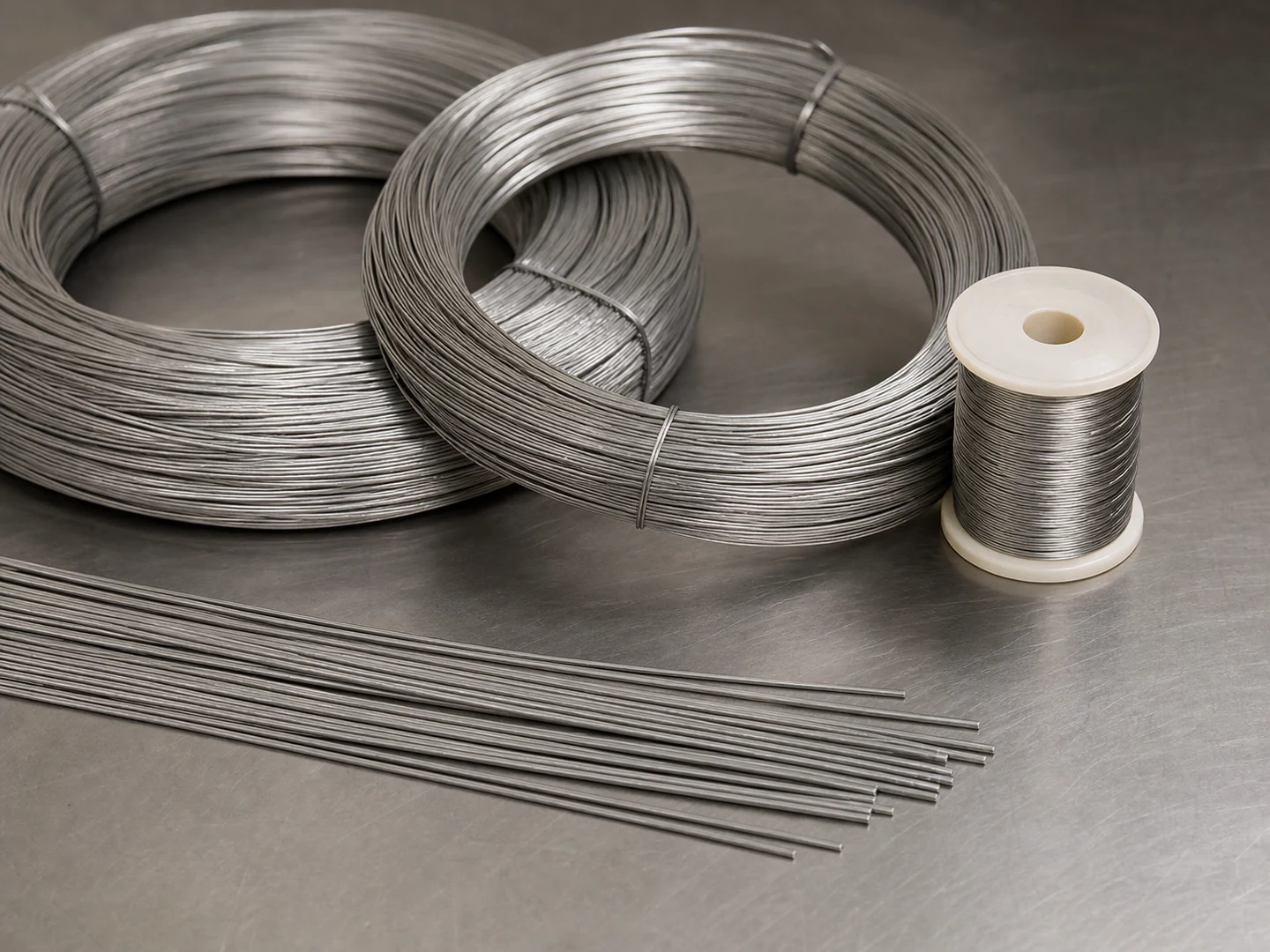
- Stem/Core Materials: Galvanized steel wire (economical, limited corrosion resistance), stainless steel wire (food‑grade wet environments), or plastic‑coated flexible shaft (for delicate surfaces and electrical isolation).
Comparing Key Brush Characteristics
| Feature | Options | When to Choose |
|---|---|---|
| Bristle Material | Nylon, Polypropylene, PTFE, Stainless Steel, Abrasive Nylon | Match residue type and surface sensitivity; PTFE for sticky/release, SS only for heavy deposits on metal. |
| Stem Material | Stainless steel wire, galvanized wire, plastic‑coated | Stainless for wet/hygienic; plastic‑coated to protect plastic tubing or prevent metal‑to‑metal contact. |
| Brush Diameter | Oversized by 0.5–2 mm vs. tube ID | Larger oversize for heavier residue; tighter tolerance for delicate or small‑diameter tubing. |
| Bristle Stiffness | Soft, Medium, Firm | Soft for light biofilms and sensitive surfaces; firm for baked‑on or dried product. |
| Mounting Type | Loop handle, straight wire handle, threaded stud, quick‑connect adapter | Manual cleaning vs. powered drill/drive; quick‑connect for automated stations. |
How Residue Type Guides Brush Selection
Not all residues behave the same way. Matching the brush to the soil is critical:
- Sticky sugar‑based syrups, honey, or concentrates: PTFE or polypropylene bristles resist buildup on the brush itself and can be rinsed clean. Soft to medium stiffness prevents surface marring.
- Protein‑based deposits (dairy, meat, egg): Nylon or polypropylene with medium stiffness. Bristle density should be high enough to scrub but allow debris to shed.
- Biofilms: Require a brush that can mechanically break the extracellular matrix. Medium‑firm nylon or abrasive nylon may be needed, but always verify compatibility with the tubing material.
- Mineral scale or carbonized soils: Aggressive abrasive nylon or stainless steel wire for stainless steel tubes only. Start with the least aggressive option and test.
Surface Sensitivity and Tubing Material Compatibility
Food‑grade tubing is often 304/316L stainless steel with a polished or electropolished interior surface. Any brush that scratches or roughens the surface creates micro‑crevices where bacteria can survive sanitization. For plastic tubing (PTFE, silicone, PVC), a brush that is too stiff or made of hard bristles can cause scoring or chemical absorption. Always:
- Specify non‑metallic bristles for plastic tubing.
- Specify passivated or electropolished stainless steel core/bristles if metal components are used in hygienic lines.
- Test on a scrap section or a non‑critical piece of tubing first.
Equipment Interface and Mounting Options
Cleaning can be manual, semi‑automatic, or integrated into an automated line. The brush mounting must match the operation:
- Manual cleaning: Loop or ring handles allow easy grip with gloved hands. Straight wire handles are simpler but may require a chuck for extension rods.
- Powered cleaning: A ¼ inch hex shank or threaded stud allows connection to a cordless drill. Keep RPM low to prevent heat buildup and bristle fling.
- In‑line automated systems: Brushes with quick‑connect ends fit into pneumatic or electric rotating drives. Dimensional consistency and balance become critical.
Wet Conditions, Chemicals, and Hygiene Standards
In food facilities, brushes often work in wet environments and may contact detergents, acids, alkaline cleaners, or sanitizers. Consider:
- Chemical compatibility: Polypropylene and PTFE offer broad resistance. Nylon can degrade in strong acids or oxidizing agents.
- Moisture absorption: Some nylon grades swell, changing scrub pressure. This may be an advantage for a snug fit, but too much swelling can cause jamming.
- Hygienic design: Look for crevice‑free construction where bristles are firmly anchored. Loose bristles are a foreign matter risk. Brushes used in direct food contact zones should be easily inspectable and often have a metal‑detectable stem or plastic handle.
- Temperature: CIP processes run at 140–180°F (60–82°C). Verify bristle and core materials maintain integrity at those temperatures.
Maintenance Frequency and Brush Durability
If a production line is cleaned daily, the brush undergoes frequent flexing and chemical exposure. Select a brush that balances cost‑per‑cycle with durability. For intermittent or seasonal cleaning, simpler galvanized core brushes may be acceptable. For high‑cycle operations, invest in stainless steel cores and dense, high‑grade bristle fill. Track brush wear and replace when bristles show permanent deformation, loss of diameter, or core wire fatigue.
Custom Sizing: When Standard Brushes Are Not Enough
Off‑the‑shelf brushes fit nominal tube sizes, but food plants often have unique fittings, tight bends, or proprietary equipment. Custom options include:
- Non‑standard diameters: A slightly larger or smaller overture to account for wear or specific buildup.
- Extra‑long brush length: To clean long straight runs without joining multiple brushes.
- Specialized tip shapes: A dome‑end or flag‑tip to clean valve seats or dead ends.
- Hybrid bristle arrangements: Softer outer bristles with a firmer inner scrub section.
Custom jobs typically require a dimensioned drawing or sample tube. Always request a drawing review before production to confirm fit and clearance.
Common Mistakes When Selecting a Pipe Tube Brush
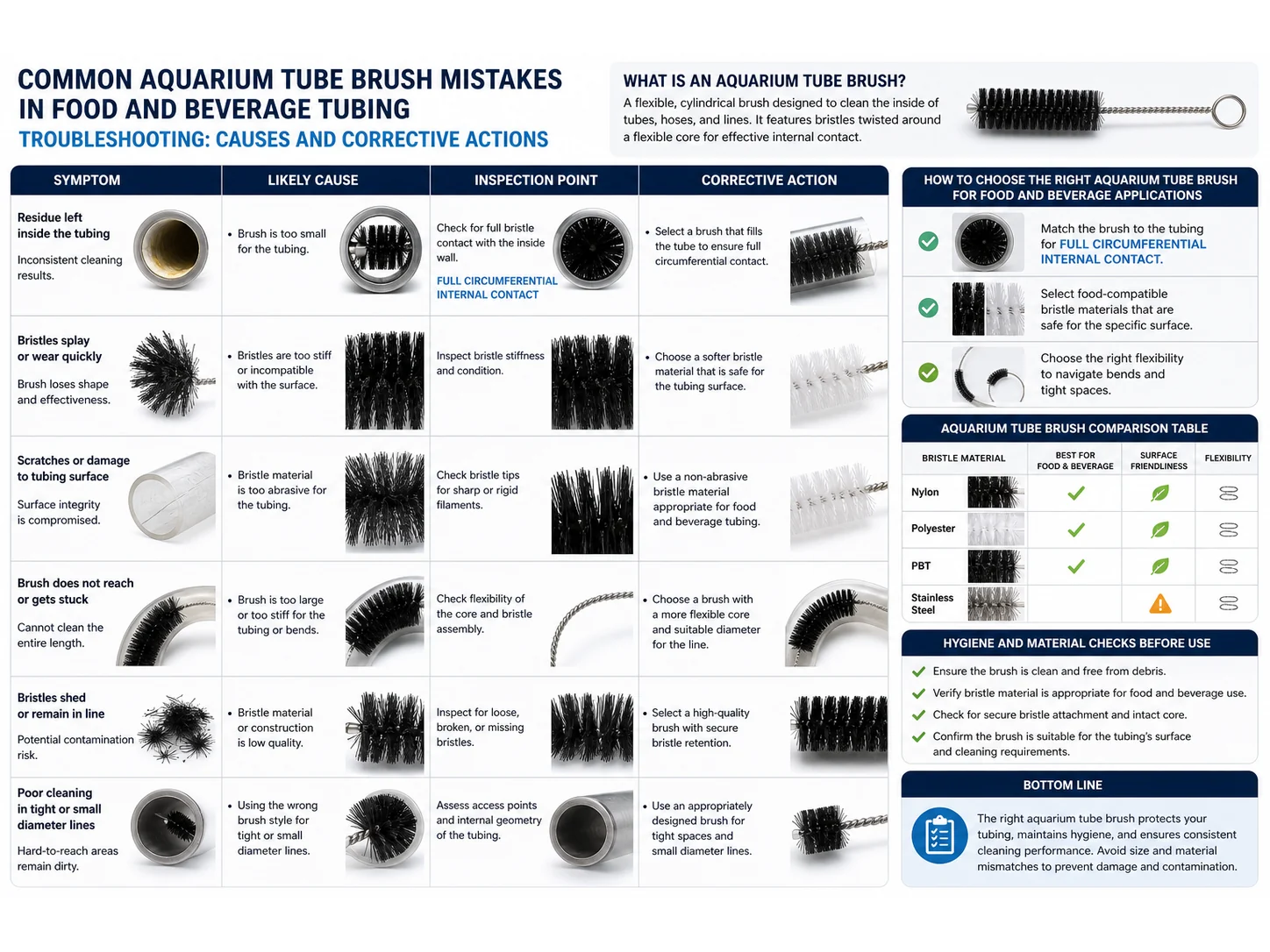
- Choosing by diameter alone: Ignoring bristle material, stiffness, and core flexibility can lead to poor cleaning or tubing damage.
- Using the same brush for different residues: A sugar‑line brush may not perform well on protein soils, and cross‑residue can cause contamination.
- Over‑sizing the brush: Too much oversize causes excessive friction, overheating, and possible core failure or stem breakage.
- Ignoring stem material in wet environments: Galvanized stems rust and contaminate the line; stainless or coated stems are essential.
- Not validating brush material compatibility with cleaning chemicals: Bristle degradation can release particles into the product stream.
- Assuming metal brushes are always better: Stainless steel bristles can work‑harden and break off, becoming a metal foreign matter hazard.
When a Pipe Tube Brush Alone Is Not Enough
A pipe tube brush is the first line of mechanical cleaning, but it has limits. If the tubing has sharp bends smaller than the brush’s minimum bend radius, it will not pass. Heavy scale may require chemical cleaning or hydro‑jetting before brushing. In fully automated CIP systems, brushes may not be practical and spray devices are used instead. For ultra‑hygienic applications such as aseptic processing, a brush may be too risky for direct product contact surfaces and a validated chemical cleaning protocol is required. When in doubt, consult with a cleaning equipment specialist and conduct a residue removal test on a real fouled tube before scaling up.
Final Takeaway: A Practical Pre‑Quote Checklist
Before requesting a quote or ordering a sample, gather the following information:
- Tube inner diameter, length, and material.
- Residue type and thickness (provide a photo if possible).
- Manual or powered cleaning? If powered, maximum RPM.
- Cleaning chemical(s) used and concentration.
- Frequency of cleaning and required brush service life.
- Any physical constraints: bends, fittings, valves, or line access points.
Having this data ready will help suppliers recommend the most appropriate brush and avoid costly trial and error.
Frequently Asked Questions
What is the ideal brush oversize for food tubing?
A typical oversize is 0.5–1 mm for plastic or polished stainless tubing, and up to 2 mm for heavy deposits on stainless steel. Always start with a smaller oversize and adjust based on trial.
Can I use a metal brush on plastic food tubing?
No. Metal bristles will scratch and score plastic, creating bacterial harborage sites. Use only non‑metallic bristles with plastic tubing.
How do I prevent bristle shedding in food lines?
Select brushes with a twisted‑wire core that crimps and anchors bristles tightly. Regularly inspect brushes for loose bristles and replace them at the first sign of wear. Some suppliers offer metal‑detectable or colored bristles to aid visual inspection.
What brush material is best for CIP pre‑cleaning?
Polypropylene or PTFE bristles with a stainless steel wire core work well because they resist chemicals and temperatures common in CIP systems. Avoid moisture‑absorbing materials that could swell or degrade.
How do I clean long straight runs without taking the pipe apart?
Use a brush with an extended stem or flexible shaft drive, or connect multiple brushes together with a threaded coupling. Ensure the combined length can navigate any access points.
Are there food‑grade certifications for pipe tube brushes?
Brushes themselves are not typically certified as a final product, but materials can comply with FDA 21 CFR for indirect food contact and EU 1935/2004. Ask suppliers for material compliance documentation, not just a “food‑grade” claim.
How often should I replace a pipe tube brush?
Replace when the bristle diameter undershoots your required oversize, bristles become permanently deformed, or you notice wire fatigue. For high‑cycle operations, track numbers of cleaning cycles and set a preventive replacement schedule.
What if the brush gets stuck inside the tube?
Never pull roughly with pliers, as this can snap the core and leave the brush lodged. Rotate gently while pulling, or back out slowly. If stuck, disassemble the nearest joint and push from the other end. Oversized brushes work best with a slight taper and should be tested on an accessible section first.