What Is a Tire Cleaning Swab Brush?
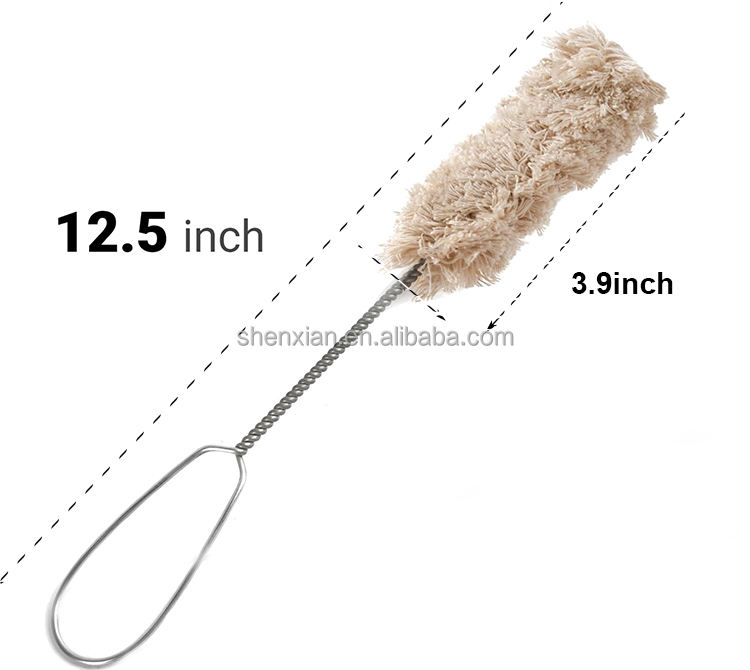
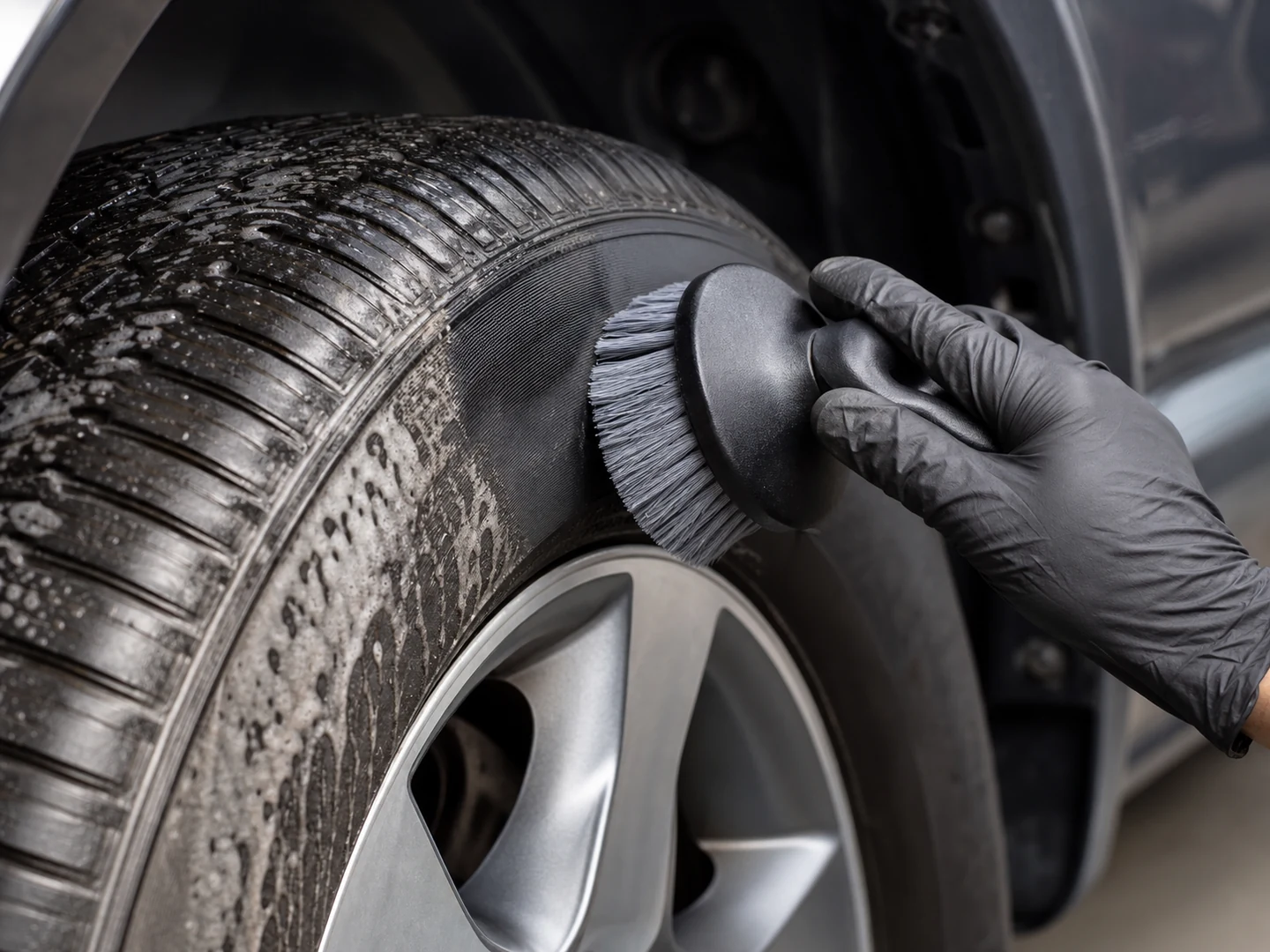
A tire cleaning swab brush typically consists of bristles arranged in a cylindrical or cup shape that rotates to remove contaminants such as mold release agents, dust, rubber particles, or oils from tire tread and sidewall surfaces. The brush is mounted in a fixed position along a conveyor line, and the tire rotates or passes by to achieve contact cleaning. Proper selection is critical to avoid surface damage while ensuring consistent cleanliness for subsequent processes like inspection, painting, or curing.
Common Brush Types and Bristle Materials
For tire, wheel, and vehicle-safety context, the relevant source is NHTSA — Tire Safety Ratings and Awareness.
For brush terminology and construction language, this section references American Brush Manufacturers Association — Brush Lingo.
For dimension and measurement language, NIST — Metric SI supports the use of consistent SI/metric specifications.
Swab brushes for tire cleaning are generally available as cup brushes, wheel brushes, or custom-molded cylindrical brushes. Bristle materials range from soft polypropylene for delicate uncured rubber to aggressive abrasive nylon or wire for cured tire surfaces. The right combination depends on the specific cleaning task, whether the operation is dry or wet, and the sensitivity of the tire surface.
Comparison of Bristle Materials for Tire Cleaning
| Bristle Material | Surface Sensitivity | Dry/Wet Operation | Temperature & Chemical Exposure | Typical Line Speed Suitability | Maintenance Notes |
|---|---|---|---|---|---|
| Polypropylene | Very low; safe for uncured rubber | Dry or wet | Resists most chemicals; max ~180°F (82°C) | Moderate | Least aggressive; good flex fatigue life |
| Nylon (standard) | Low to moderate | Wet preferred; dries quickly | Good chemical resistance; max ~250°F (121°C) | Moderate to high | Softens in water over time; monitor for set |
| Abrasive Nylon (silicon carbide or aluminum oxide impregnated) | Moderate to aggressive; for cured tires only | Dry recommended | Limited to ~180°F (82°C) to avoid resin breakdown | Low to moderate | Wears faster on rough surfaces; replace when grit is lost |
| Wire (carbon steel or stainless steel) | Aggressive; only for heavy residue on cured tires | Dry or wet | Stainless resists corrosion; high temperature tolerance | Low | Risk of scratching; monitor for broken wires |
Key Factors in Selecting a Tire Cleaning Swab Brush
When choosing a swab brush, consider the tire surface material (uncured vs. cured rubber), the type and tenacity of the contaminant, and any chemical or thermal exposure during cleaning. Brushes intended for washdown environments require corrosion-resistant components. Line speed dictates brush RPM and density to achieve adequate dwell time. Installation space and mounting method (shaft mount, hub mount, or custom arbor) must match existing machinery. Maintenance access and expected brush replacement frequency also affect total cost of ownership.
Pre-Order Checklist: What to Confirm Before Buying
- Exact brush dimensions: outer diameter, inner diameter, face width, trim length, and overall length.
- Mounting details: shaft size, keyway, set screw locations, or flange pattern.
- Operating environment: dry, wet, chemical, temperature range, and expected RPM.
- Target cleaning result: visual cleanliness level, residue thickness to be removed, and acceptable surface roughness change.
- Availability of a sample brush or dimensional drawing for reference.
- Expected brush life and replacement interval under normal use.
Common Mistakes When Choosing a Tire Cleaning Swab Brush
A frequent error is selecting bristles that are too stiff for uncured rubber, causing surface marks that compromise tire quality. Another is neglecting chemical compatibility—some nylon bristles degrade when exposed to strong solvents. Mismatching RPM or bristle density can lead to insufficient cleaning or excessive wear. Ignoring mounting constraints often results in costly modifications. Finally, assuming a single brush works for all tire sizes without verifying contact pressure distribution can lead to uneven cleaning.
When Brushing Alone Is Not Enough
Swab brushes are effective for loose particulate and light coatings, but they may not remove heavy, caked-on residues or contaminants embedded in crevices. In such cases, brushing should be integrated with vacuum extraction to capture airborne dust, an air knife to blow off loose particles, a scraper to handle thick debris, or Clean-in-Place (CIP) spray systems for washdown operations. For extremely fine cleaning requirements, ultrasonic cleaning stations may supplement mechanical brushing. Always evaluate the specific residue challenge before finalizing the cleaning method.
Final Takeaway
Choosing a tire cleaning swab brush requires balancing bristle aggressiveness with surface protection, matching the material to your operating environment, and confirming all dimensional and mounting details. Start by defining the cleaning objective and then use the comparison table and checklist above to narrow options. When in doubt, request a sample or consult with an application engineer to avoid costly mismatches.
Practical Use Note
In daily use, the practical test is simple: check whether the brush reaches the full contact area, removes the target residue, and leaves the surface in the required condition. Record what changes when surface finish, solvent exposure, access angle, scratch tolerance, and soil severity changes, because many brush failures are caused by the working condition shifting rather than by the brush body alone.
Frequently Asked Questions
What bristle material is safest for uncured rubber?
Soft polypropylene filaments are the safest choice for uncured rubber because they minimize the risk of surface marking while effectively removing light dust and powder.
Can a tire cleaning swab brush be used with water or solvents?
Yes, many swab brushes are designed for wet operation. Nylon and polypropylene are suitable for water and most mild chemicals; however, abrasive nylon and wire may have restrictions. Always verify chemical compatibility with the bristle material and any metallic core components.
How often should I replace the brush?
Replacement frequency depends on bristle material, line speed, and contaminant abrasiveness. Monitor for visible bristle wear, reduced cleaning effectiveness, or material setting (bristles no longer spring back). As a general guideline, nylons brushes may last a condition-based interval of continuous use in moderate conditions, while abrasive brushes wear faster.
What mounting types are common for these brushes?
Common mountings include straight bore with keyway, taper-lock hubs, and flanged connections for direct machine attachment. Always confirm the shaft diameter and keyway dimensions to ensure a secure fit.
How do I measure for a replacement brush?
Measure outer diameter, inner diameter, face width, and overall length. Note whether trim length (free bristle length) is critical for your application. A sample or drawing from the original manufacturer simplifies this process.
Can a single brush handle multiple tire sizes?
It can, but effectiveness depends on the brush diameter and the variation in tire profiles. Test different tire sizes to verify contact pressure across the cleaning zone; larger diameter brushes often provide better coverage across size ranges.
What should I do if the brush leaves streaks or scratches?
Streaks usually indicate uneven wear, misalignment, or bristles too stiff for the surface. Check brush alignment and mounting, and consider switching to a softer bristle material or adjusting operating RPM.