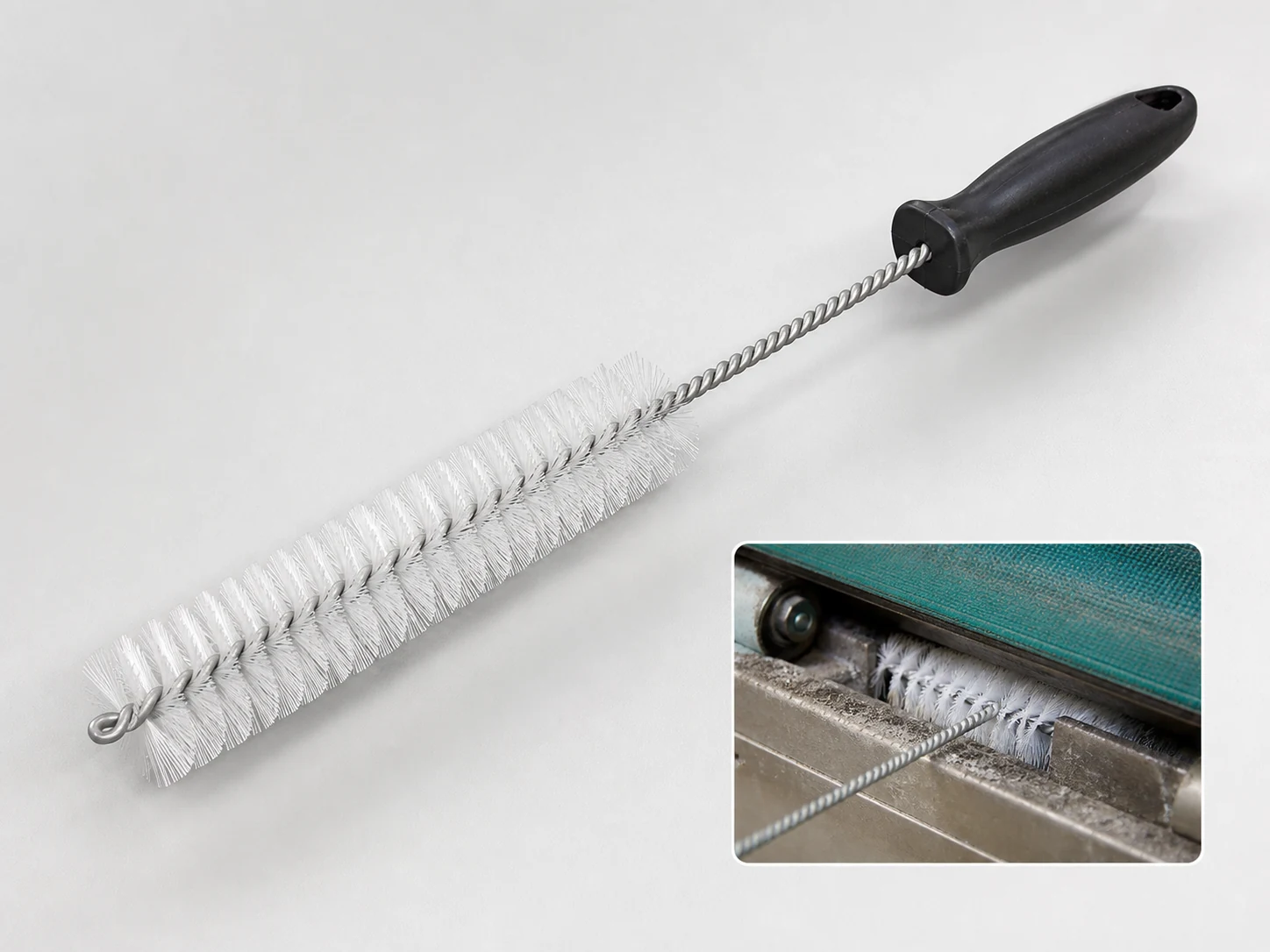
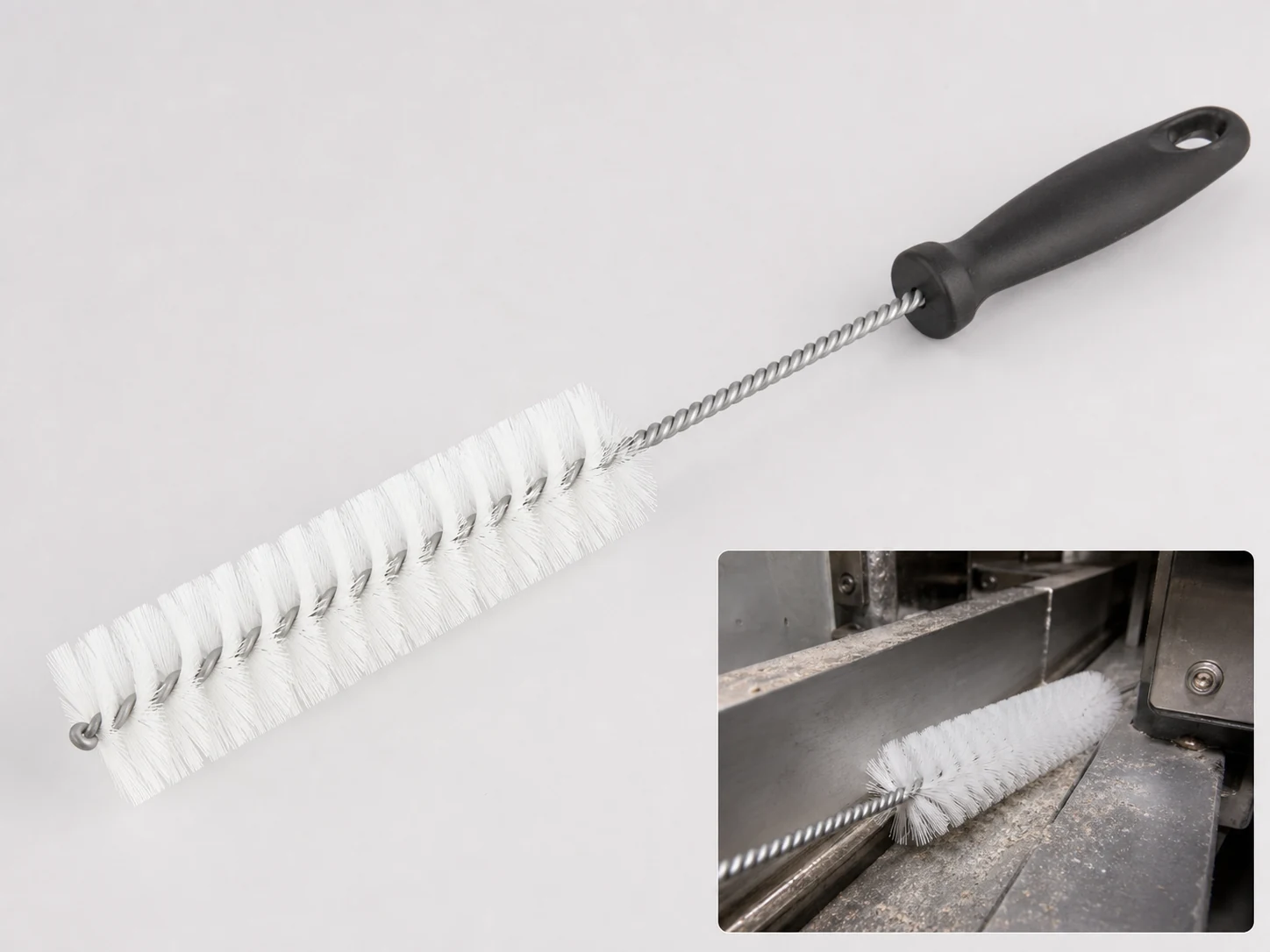
What Is a Surgical Instrument Nylon Brush?
A surgical instrument nylon brush is a specialized cleaning device composed of nylon bristles affixed to a flexible core, designed to safely and effectively remove organic debris, biofilm, and tissue residue from the internal channels of medical instruments—most commonly the biopsy channels of endoscopes. Unlike household or industrial brushes, these brushes use medical-grade nylon filaments that are biocompatible, non-abrasive, and resistant to the repeated chemical and thermal stresses of high-level disinfection and sterilization. The brush must be small enough to enter the channel without binding, yet stiff enough to dislodge adherent material without scratching delicate PTFE or other polymer linings.
Common Types and Material Options
For reusable medical-device cleaning claims, the practical boundary is the device maker’s validated instructions and the FDA — Reprocessing Medical Devices in Health Care Settings rather than a brush-only rule.
For healthcare cleaning language, this article keeps its claims within the general boundary of the CDC — Disinfection and Sterilization Guideline, which is written for disinfection and sterilization in healthcare facilities.
Where the article discusses healthcare settings rather than ordinary cleaning, the CDC — Core Infection Prevention and Control Practices is used as the general infection-control frame.
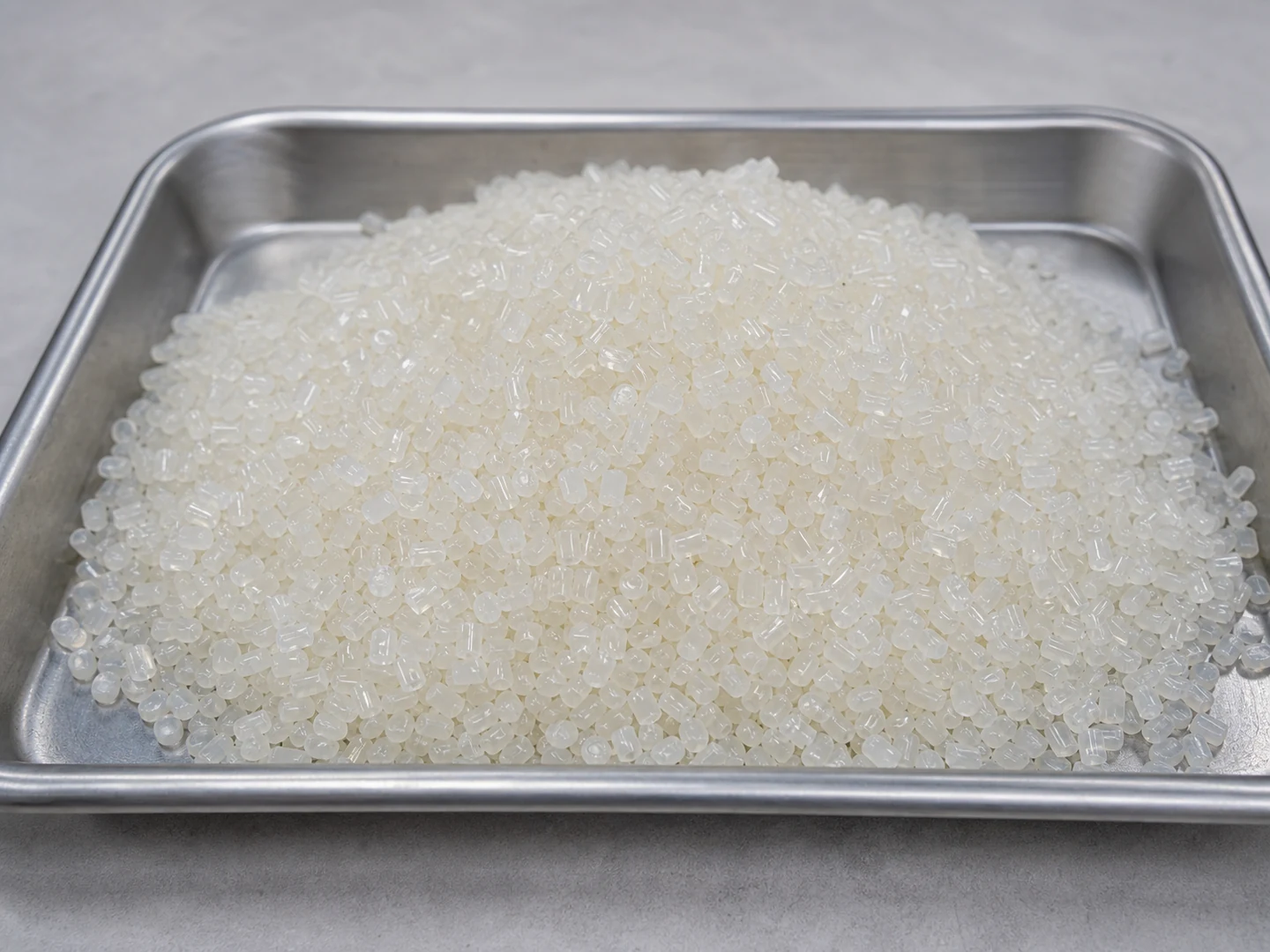
For material-selection language, this section is supported by British Plastics Federation — Thermoplastics.
For brush terminology and construction language, this section references American Brush Manufacturers Association — Brush Lingo.
Custom surgical instrument nylon brushes vary by filament type, core design, handle configuration, and bristle density. The table below outlines typical options buyers should compare when drafting specifications. These are general categories, not an exhaustive list of every variant.
| Feature | Option A | Option B | Option C | When to Consider |
|---|---|---|---|---|
| Bristle Material | Nylon 6 | Nylon 6.6 | Nylon 6.12 | Higher resilience (6) vs. better chemical/heat resistance (6.6, 6.12) |
| Core Type | Twisted stainless steel wire | Nylon monofilament | Flexible polymer (e.g., PTFE-coated) | Durability and torque vs. flexibility and material compatibility |
| Handle | Fixed loop | Detachable quick-connect | No handle (plain shaft end) | Manual cleaning vs. machine-powered attachments |
| Bristle Diameter | 0.06 mm | 0.08 mm | 0.10 mm | Gentle cleaning vs. stubborn residue removal |
| Overall Brush Outer Diameter | ~1.0 mm | ~2.0 mm | Custom (0.5–3.0 mm typical) | Matching specific endoscope channel IDs |
Checklist: What to Verify Before You Order
Use the following checklist to gather all necessary data points before contacting a supplier or preparing an RFQ. Each item directly affects performance and patient safety.
- Channel inner diameter (ID) and length. Measure both from the manufacturer’s IFU or by physical gauge. The brush outer diameter should be 0.2–0.5 mm smaller than the channel ID to prevent binding.
- Working length of the brush. Must reach the distal tip of the channel plus extra for manipulation; typically 10–20 cm longer than the channel length.
- Bristle area length and placement. Specify how much of the distal tip is covered with bristles (e.g., 30 mm from the tip).
- Type of residue. Is it primarily mucus, protein, coagulated blood, or tenacious biofilm? This determines bristle stiffness and density.
- Channel lining material. Common linings include PTFE, FEP, or unlined metal. Nylon is generally safe for PTFE, but overly stiff bristles can scratch delicate surfaces.
- Cleaning chemistry and temperature. Provide the detergents, enzymatic cleaners, and disinfectants used, as well as maximum processing temperature (e.g., 60°C for thermal disinfection). Nylon 6.6 typically resists better in alkaline/oxidizing environments.
- Sterilization method. Steam, EO, hydrogen peroxide plasma, or liquid chemical sterilants can degrade some nylon grades or core adhesives. Request material compatibility data.
- Single-use vs. reusable. Reusable brushes need to withstand repeated processing cycles without bristle loss, core corrosion, or handle degradation.
- Handle interface. If the brush will be used with an automated flushing pump or cleaning gun, confirm the connection type (luer lock, bayonet, push-fit).
- Tip design. Does the distal end need a soft rounded tip, a retrieval hook, or a smooth end to prevent channel trauma?
- Regulatory requirements. Identify any necessary biocompatibility documentation (e.g., ISO 10993) or material certifications, even if you do not require full regulatory clearance for the brush itself.
Common Mistakes When Ordering
Avoid these frequent missteps that compromise cleaning efficacy or device safety.
- Guessing the channel diameter. Using a nominal size (e.g., “2.8 mm”) without measuring the actual channel can lead to brushes that are too tight or too loose. Always measure or refer to the endoscope service manual.
- Ignoring bristle stiffness. Assuming “soft nylon” is always gentle enough. A stiff nylon monofilament with a large bristle diameter can still abrade PTFE linings. Request a bristle stiffness comparison or sample.
- Neglecting chemical compatibility. Nylon absorbs moisture and can swell or weaken in certain high-pH cleaners or oxidizing sterilants. Without specifying the chemistry, the brush may fail prematurely.
- Ordering “off-the-shelf” when custom is needed. Generic endoscope cleaning brushes rarely match non-standard working lengths, complex channel geometries, or unique hub fittings. Customization often costs less than a rejected batch.
- Overlooking core material impact. Twisted stainless steel cores are strong but can impinge on channel bends if not properly finished. Nylon monofilament cores are flexible but may lack torque for rotating brushes.
- Skipping insertion force testing. A brush that fits the diameter may still bind on tight bends. Prototype a short run to verify smooth passage through the entire channel path.
- Not documenting quality acceptance criteria. Without defined limits for bristle loss, core straightness, and handle pull-off force, incoming inspection becomes subjective.
When a Surgical Instrument Nylon Brush Is Not Enough
Nylon brushes are adequate for routine channel cleaning, but there are situations where they fall short or should be supplemented:
- Heavy calcifications or dried bone/tissue. Hard deposits may require a stiffer bristle material (e.g., brass) or a different cleaning method like ultrasonic pretreatment, provided the channel can tolerate it.
- Large-diameter channels (>5 mm). Nylon brushes scaled up to large diameters may lack sufficient rigidity; a brush with a twisted-wire core and larger bristles or a sponge brush might be more effective.
- Delicate or experimental coatings. If the channel has a sensitive antireflective, hydrophilic, or thrombogenic coating, even soft nylon can microscratch the surface. Request a sample brush and perform contact angle or surface roughness testing before full adoption.
- Validated cleaning with documented efficacy. Some reprocessing protocols require a brush with quantified protein removal or ATP reduction. If current nylon brush data is insufficient, you may need a supplier that can provide cleaning validation reports or move to a detergent-infused brush system.
- Non-channel instrument surfaces. For complex instrument tips, forceps jaws, or valve bodies, a dedicated instrument cleaning brush with a different shape (fan, tapered, or slit design) is required.
Final Takeaway: Prepare a Thorough RFQ
A custom surgical instrument nylon brush is a low-cost component that plays a high-risk role in infection prevention. The difference between a brush that cleans reliably and one that damages a $30,000 endoscope or leaves behind biofilm lies in the details of your specification. Before contacting suppliers, define your exact channel dimensions, residue profile, processing chemicals, and acceptable material grades, then request a controlled sample with a dimensional drawing. Validate that sample in your own workflow before committing to a production run. This turns a simple purchase into a verified assurance of cleanliness.
Frequently Asked Questions
What diameter surgical instrument nylon brush is appropriate for a 2.8 mm biopsy channel?
For a standard 2.8 mm ID channel, a brush with an outer diameter between 2.3 mm and 2.5 mm is typical. This provides enough clearance to avoid binding while still maintaining effective contact with the channel wall. Always verify the actual channel ID against the endoscope manufacturer’s specifications, as manufacturing tolerances can vary.
Can a nylon brush scratch the PTFE lining of a biopsy channel?
When properly specified, medical-grade nylon bristles with a soft-to-medium stiffness and a diameter of 0.06–0.08 mm are considered safe for PTFE-lined channels. However, high stiffness nylon, large bristle diameters, or worn brush cores can cause micro-scratches. If you are unsure, request a sample and inspect the channel with a borescope after repeated brushing.
What is the difference between a twisted-wire core and a nylon monofilament core?
A twisted stainless steel wire core provides strength, rotational torque, and kink resistance but can be less flexible in tight bends and may cause metal fatigue if bent sharply. A nylon monofilament core is highly flexible, inert, and will not damage channel linings, but it may not transmit rotational force as effectively. Some brushes use a hybrid core—a nylon filament over a thin wire—to balance both properties.
How do I specify the exact dimensions and bristle area on a custom brush?
Provide a simple technical drawing or a marked photograph showing: total length, working length (from hub to tip), bristle length (the portion of the tip covered with bristles), and brush outer diameter. Also indicate the handle type and any special tip configuration. This visual reference minimizes miscommunication with the supplier.
Are nylon brushes compatible with hydrogen peroxide plasma sterilization?
Most nylon grades (especially Nylon 6.6 and 6.12) are compatible with hydrogen peroxide gas plasma systems, but they can absorb peroxide and may require longer aeration. Repeated cycles can degrade some additives. Confirm with the brush supplier that the specific resin and any adhesives used are validated for your sterilization parameters.
Is a single-use nylon brush safer than a reusable one?
Single-use brushes eliminate the risk of cross-contamination from inadequate reprocessing and remove the burden of brush inspection. However, they generate more waste and recurring cost. Reusable brushes must withstand multiple sterilization cycles without losing bristles or corroding. The choice depends on your facility’s infection control policy, cost analysis, and environmental goals.
Can the same nylon brush be used for both cleaning and flushing the channel?
It is not recommended to use the same brush for mechanical cleaning and for scrubbing/flushing ports simultaneously because bristle shedding can contaminate clean areas. Use a separate, designated brush for each operation, or employ a flushing-only adapter after the brush pass.
Do nylon brushes need to be pre-wetted before use?
Pre-wetting nylon bristles with water or a cleaning solution can soften them slightly, reduce static, and improve debris pickup. However, many modern nylon brushes are effective when used dry. Follow the endoscope manufacturer’s reprocessing instructions, as some recommend a specific wetting agent for optimal cleaning.