
Material
Copper Wire
Copper Wire is selected from its stiffness, recovery, wear, wet-service, chemical, and temperature behavior. For brush stiffness, do not give only the material name. Filament diameter, free trim, density, grade, and service conditions must be specified together.
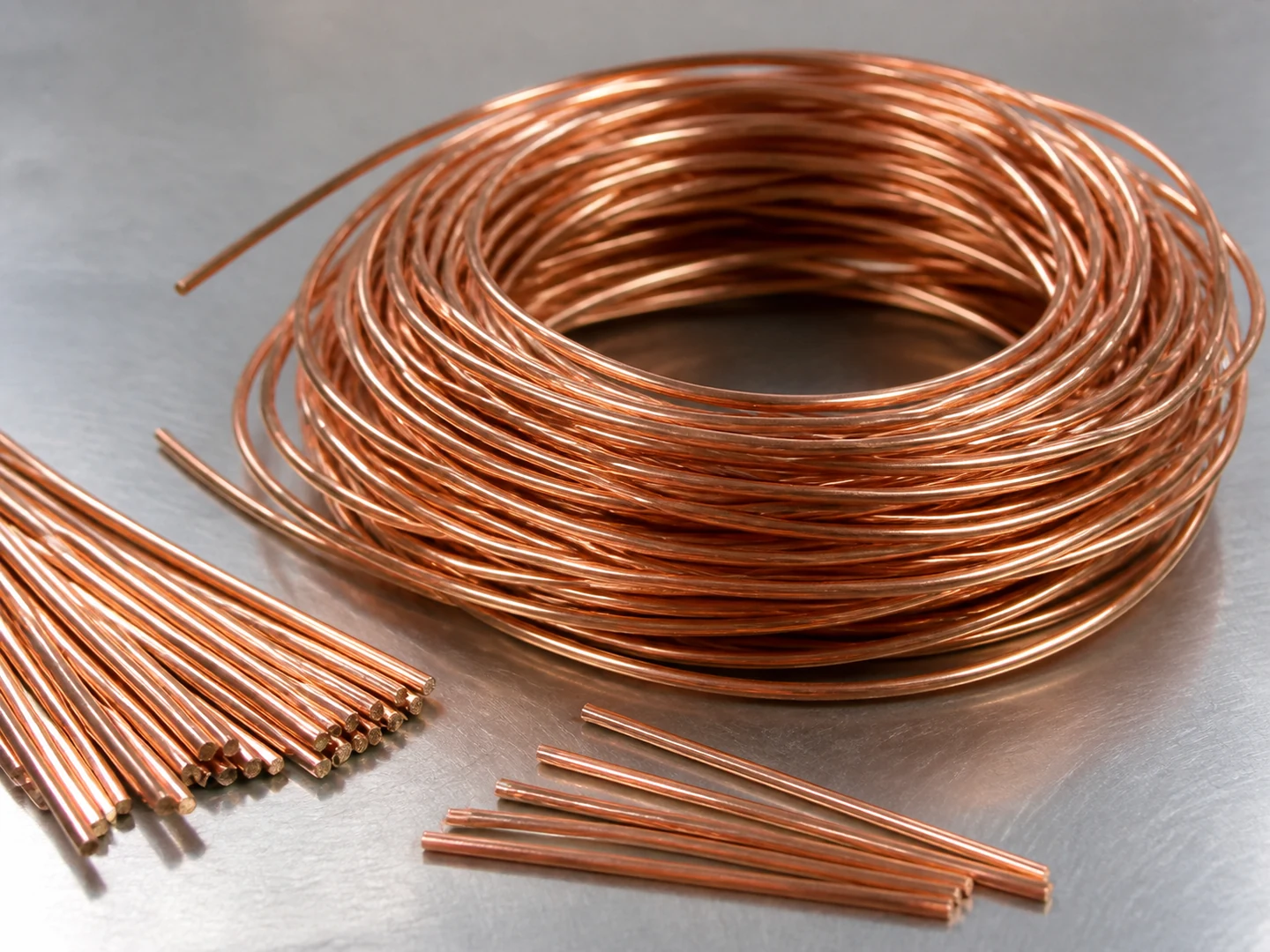
Material Overview
Copper wire is a non-ferrous metallic filament whose ductility and electrical conductivity are useful only when wear, transfer and surface marking are acceptable.
In a finished brush, Copper Wire does not create a fixed stiffness by itself. Brush force and recovery come from the complete filament geometry and contact setting, not just the polymer name. Service conditions must also be considered.
Material Properties
| Density | 8.96 g/cm³ |
|---|---|
| Wire diameter | 0.05–0.40 mm |
| Electrical conductivity | about 100% IACS for pure copper |
| Hardness | about HV 40–110 |
Brush Applications
For Copper Wire, directly related brush structures include Tube & Pipe Bore Brushes, Wheel Brushes, and Roller and Conveyor Brushes. Applications related to Copper Wire include Tube & Pipe Cleaning, Pipe Robot Brush Attachment Use, Hose Cleaning, and CPAP Hose Cleaning.
Specification and Customization
Material form
Wire
Common forms
Wire bristle.
Grade
Commercially pure copper wire grade
Reference standard
ISO 6892-1; ASTM E8/E8M; ASTM B117; IEC 61340-5-1:2024; IEC TS 61340-5-4:2021; ASTM D257
Limitations and Alternatives
Too soft for heavy scale removal and prone to wear or metal transfer; not suitable where copper contamination is unacceptable.
Frequently Asked Questions
What are the key properties of Copper Wire brush material?
Copper wire is a non-ferrous metallic filament whose ductility and electrical conductivity are useful only when wear, transfer and surface marking are acceptable. Direct data: Density: 8.96 g/cm³; Wire diameter: 0.05–0.40 mm; Electrical conductivity: about 100% IACS for pure copper; Brush operating range: -20–150°C; Hardness: about HV 40–110.
Where is Copper Wire used in cleaning brushes?
Soft conductive contact, light oxide removal and polishing where steel wire would be too aggressive.
How does filament geometry change Copper Wire brush stiffness?
Copper Wire changes brush stiffness through filament diameter, free trim, density, crimp, and contact. Use finer filament and longer trim for conformable contact; use coarser filament, shorter trim, or higher density for stronger displacement or cutting.
When should Copper Wire be replaced by another material?
Compare Copper Wire with Compare with brass for greater spring and wear, phosphor bronze for resilience and stainless steel for aggressive corrosion-resistant cutting. Change material when wet stiffness, temperature, chemical resistance, conductivity, particle shedding, or surface marking becomes the limiting factor.
Continue Exploring
Recommended Reading & Related Brush Resources
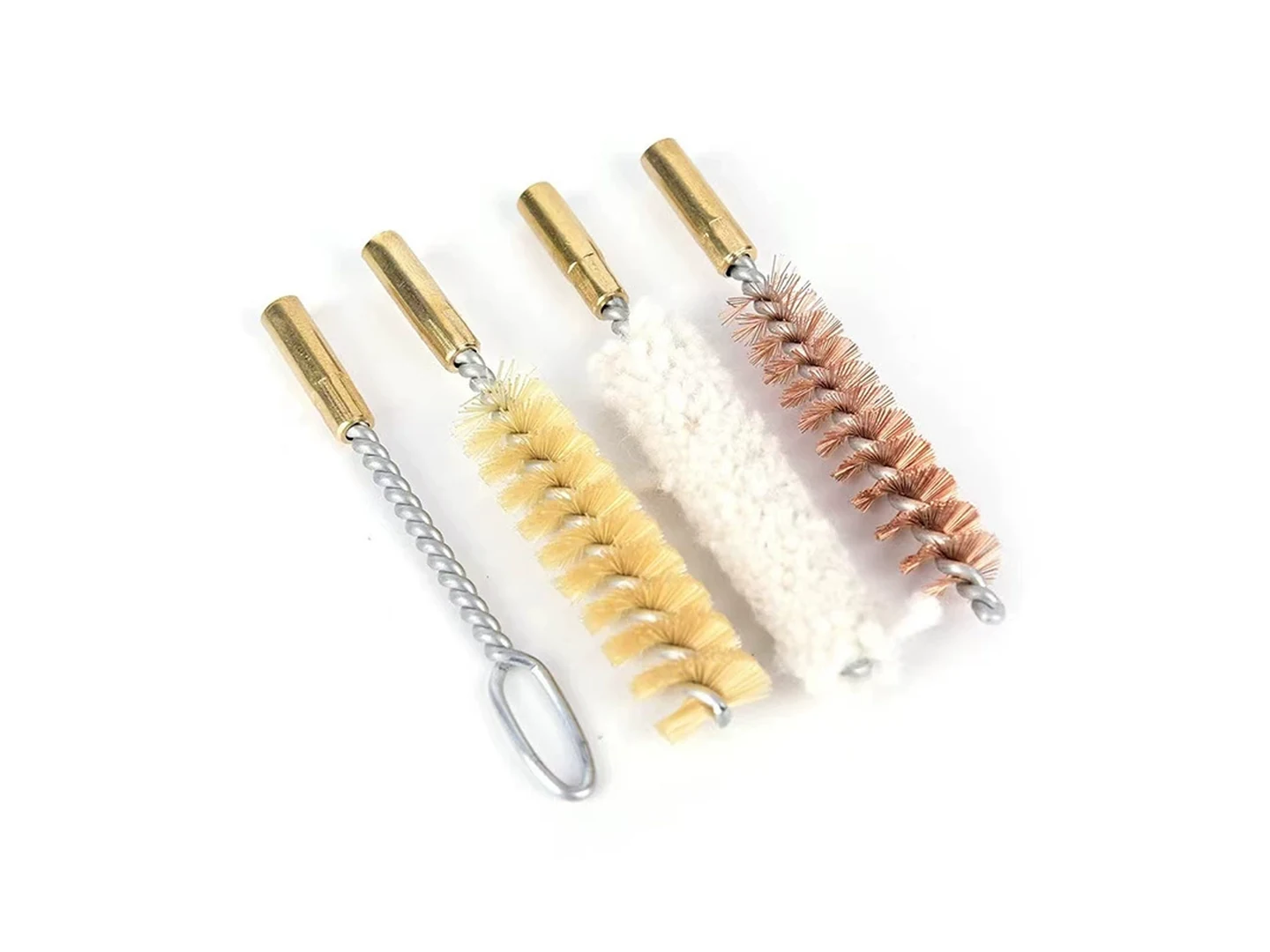
Beryllium Copper Brush
Custom beryllium copper brush for conductive, static-control, specialty-alloy brushing, configured around electrical contacts, sensitive…
Review product specifications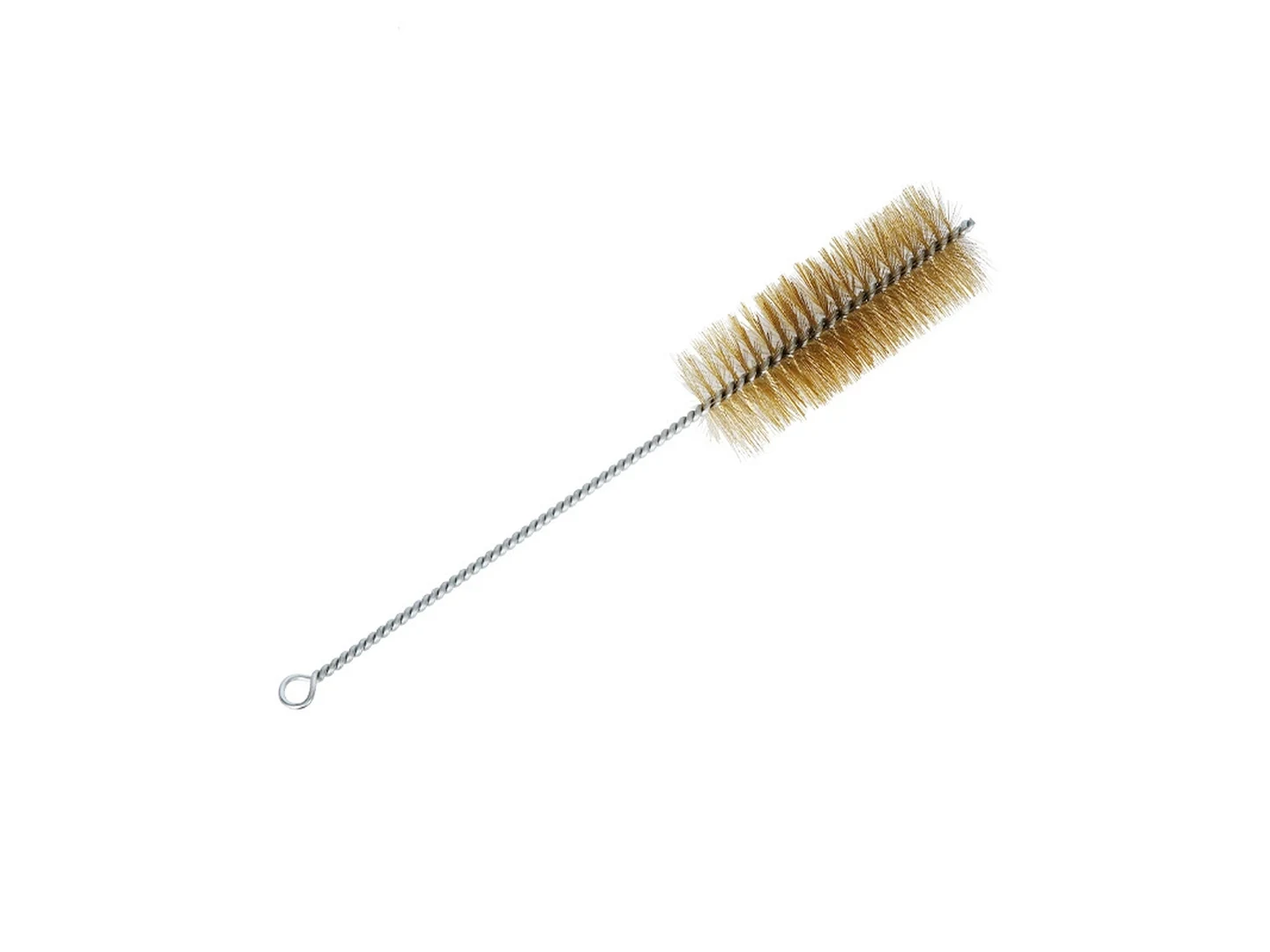
Copper Wire Tube Brush
Custom copper wire tube brush for bore, tube, port, configured around internal walls, threads,…
Review product specifications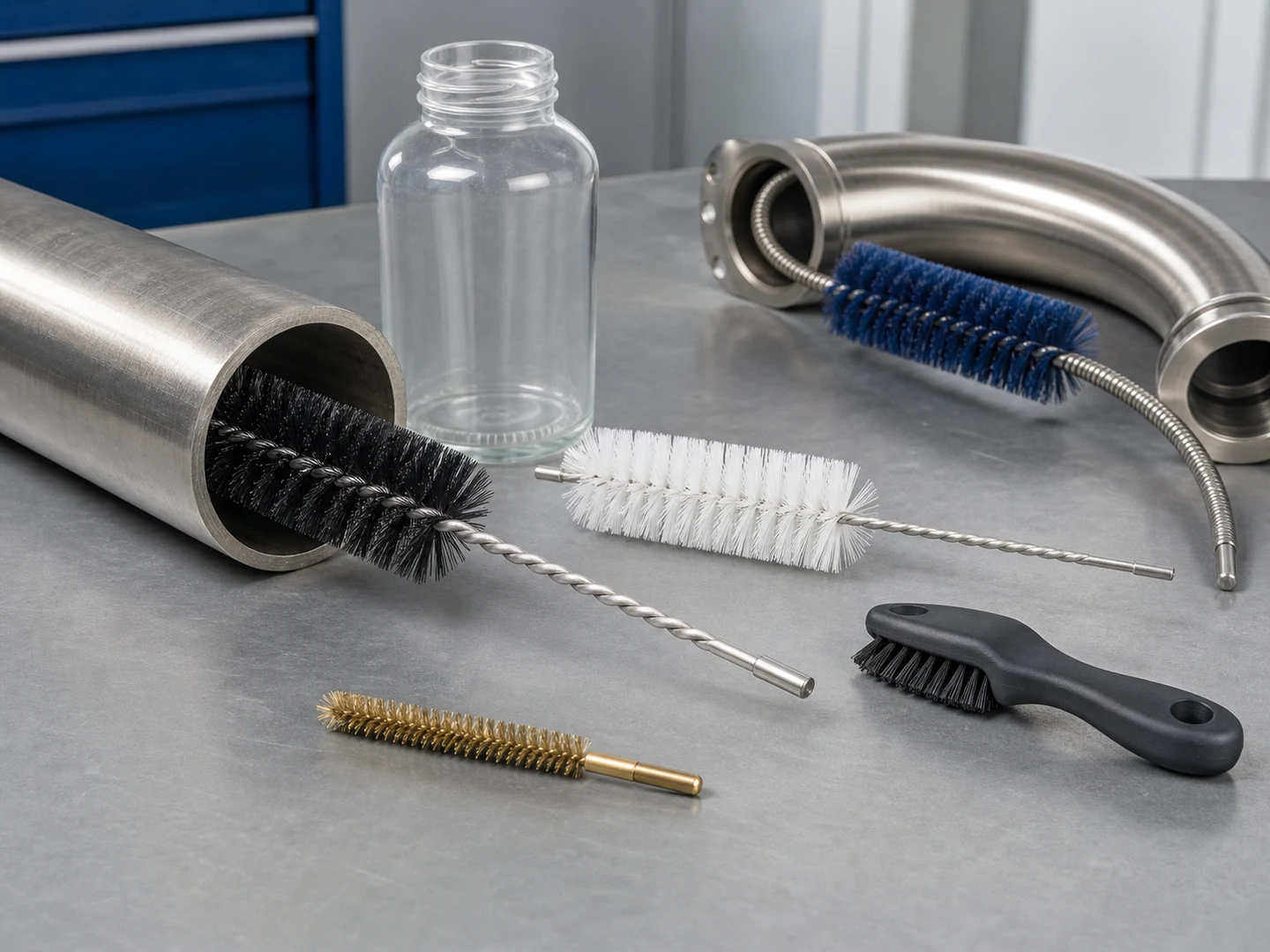
Custom Tube & Pipe Bore Brushes
Choose a tube, pipe, or bore brush when the working surface is inside a…
Explore this brush type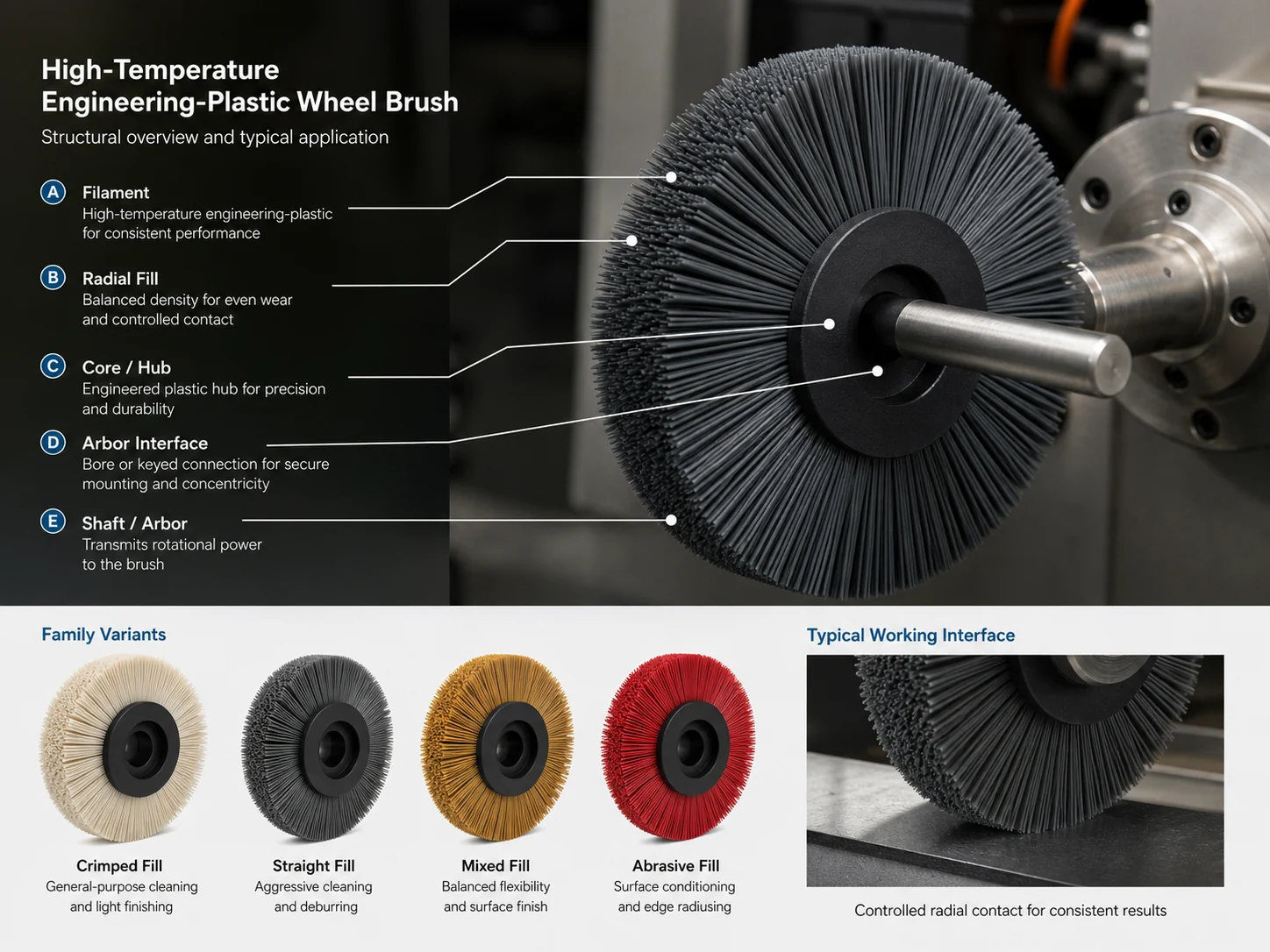
Custom Wheel Brushes
Choose a wheel brush when a rotating narrow face or edge must clean profiles,…
Explore this brush type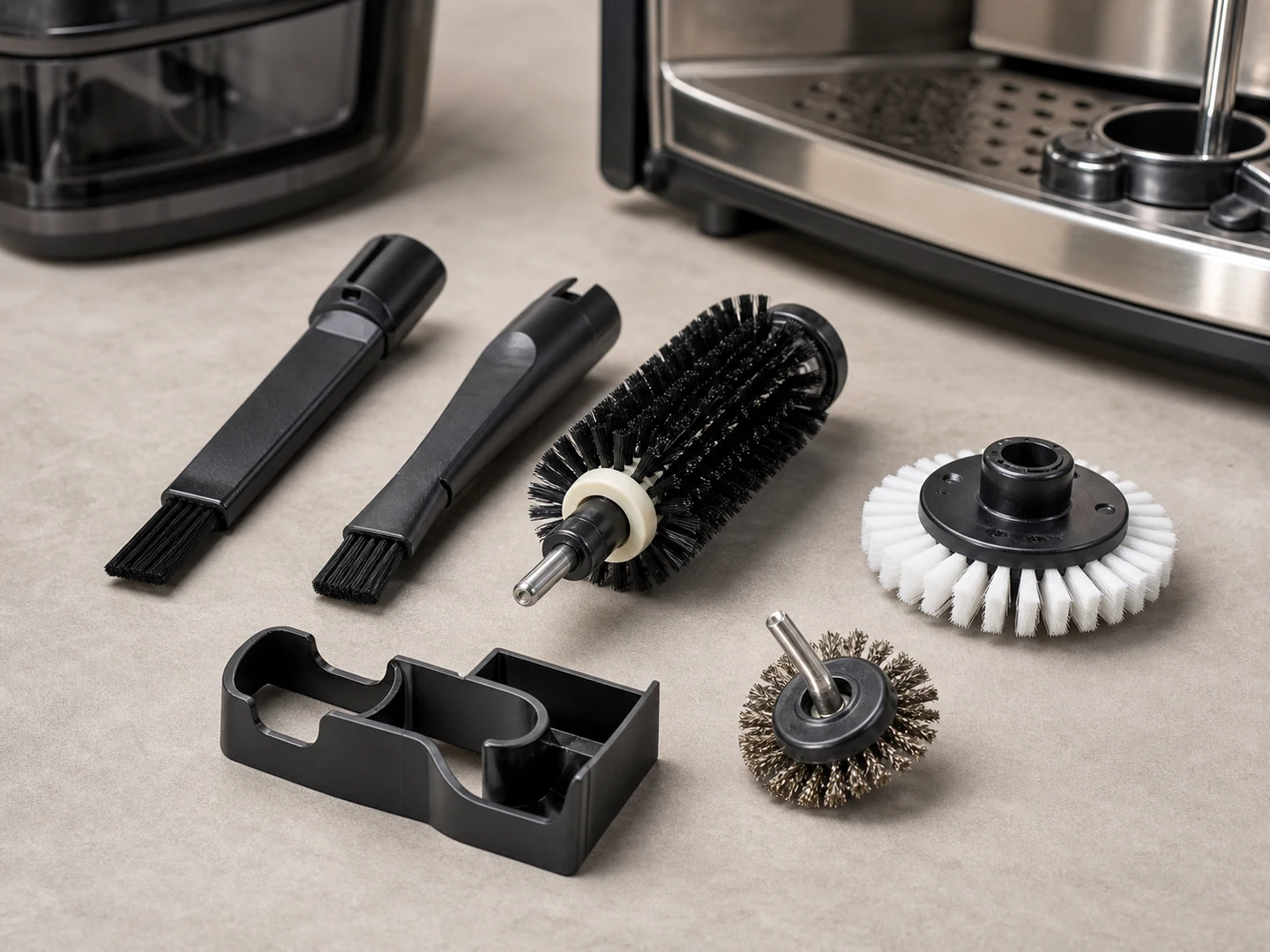
Custom Roller and Conveyor Brushes
Choose a roller or conveyor brush when a cylindrical brush must clean, wipe, guide,…
Explore this brush type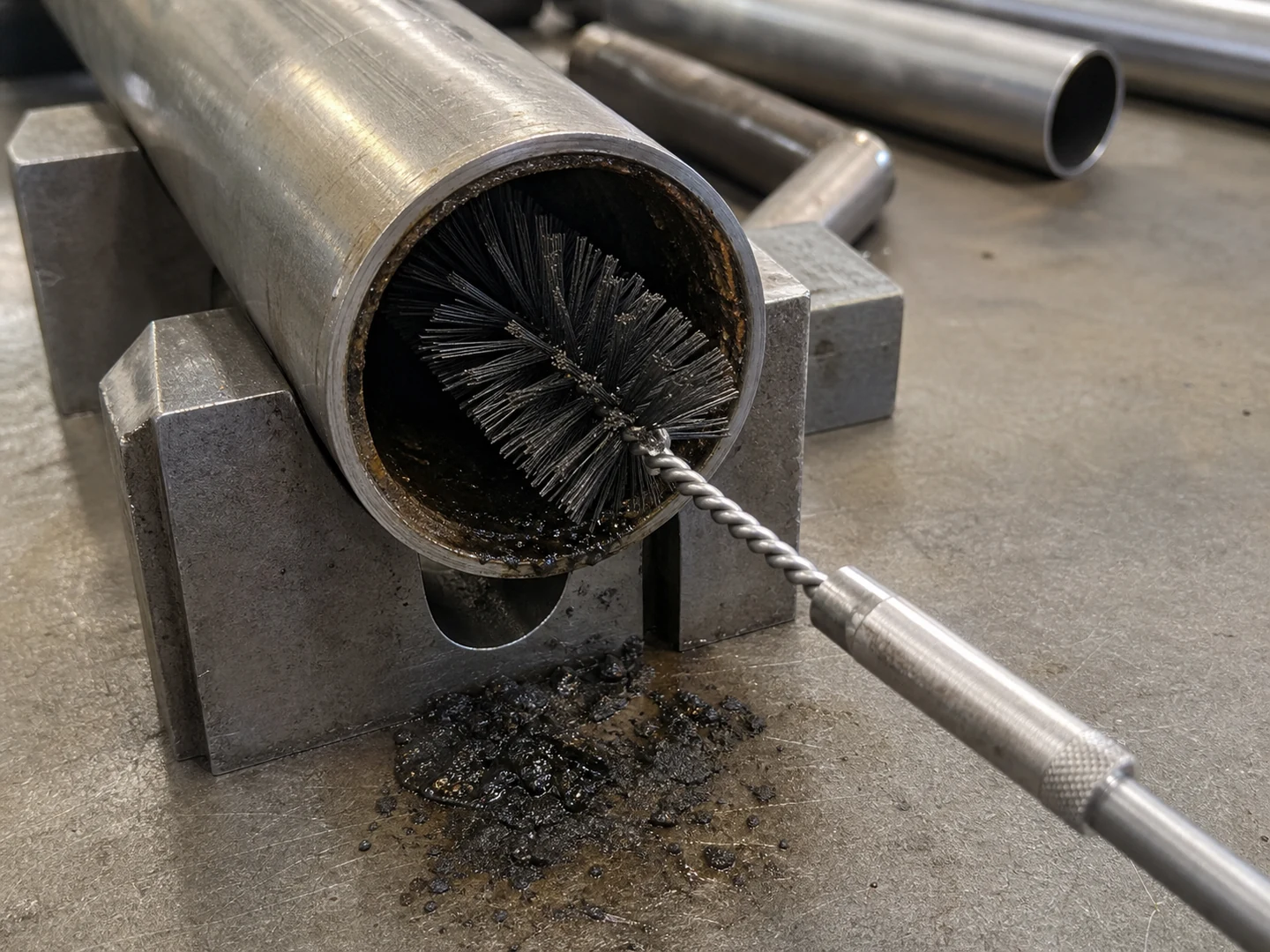
Tube & Pipe Cleaning
For Tube & Pipe Cleaning, the brush must reach the working area, disturb or…
Review application guidance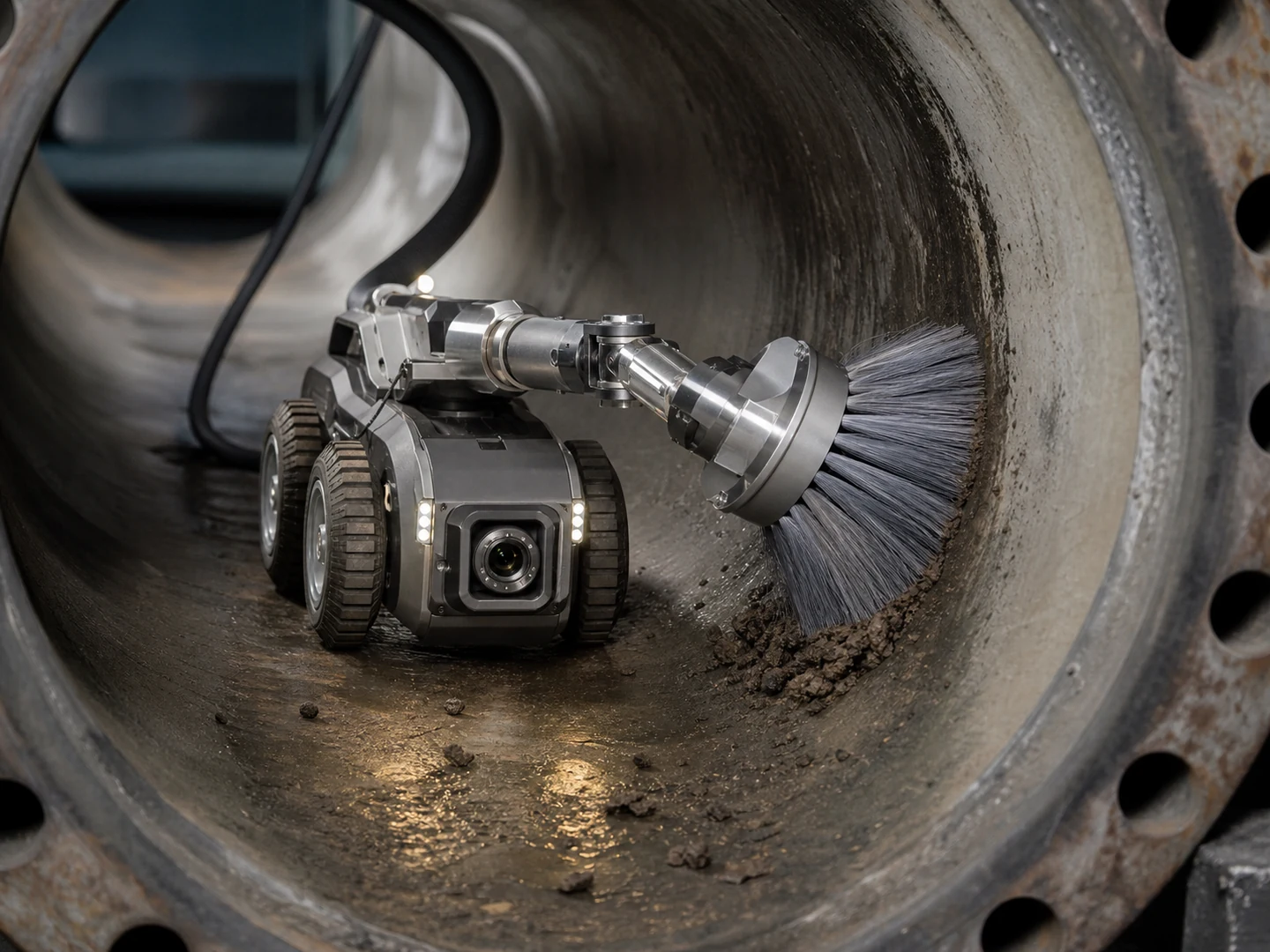
Pipe Robot Brush Attachment Use
For Pipe Robot Brush Attachment Use, the brush must reach the working area, disturb…
Review application guidance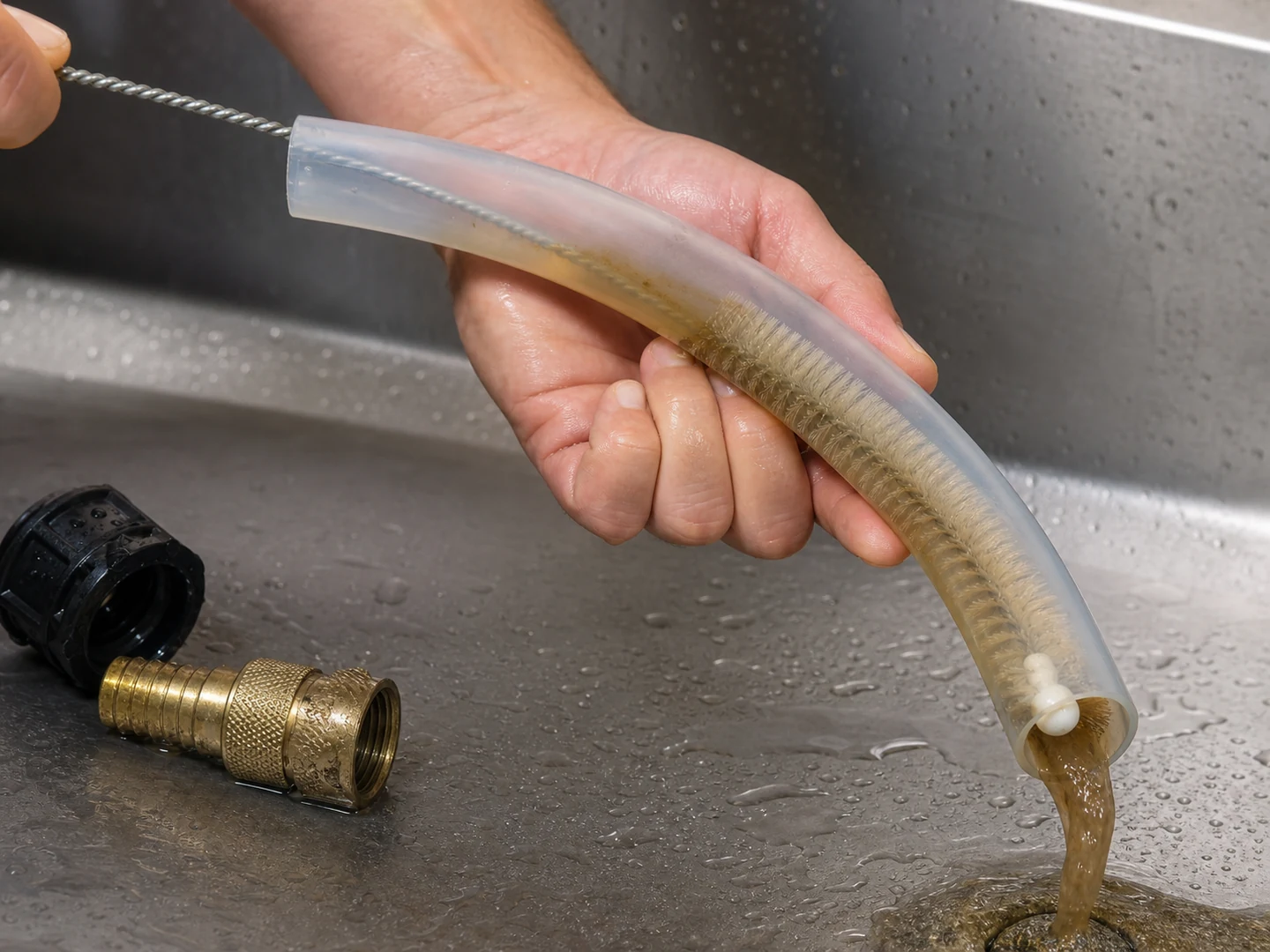
Hose Cleaning
For Hose Cleaning, the brush must reach the working area, disturb or collect oil…
Review application guidance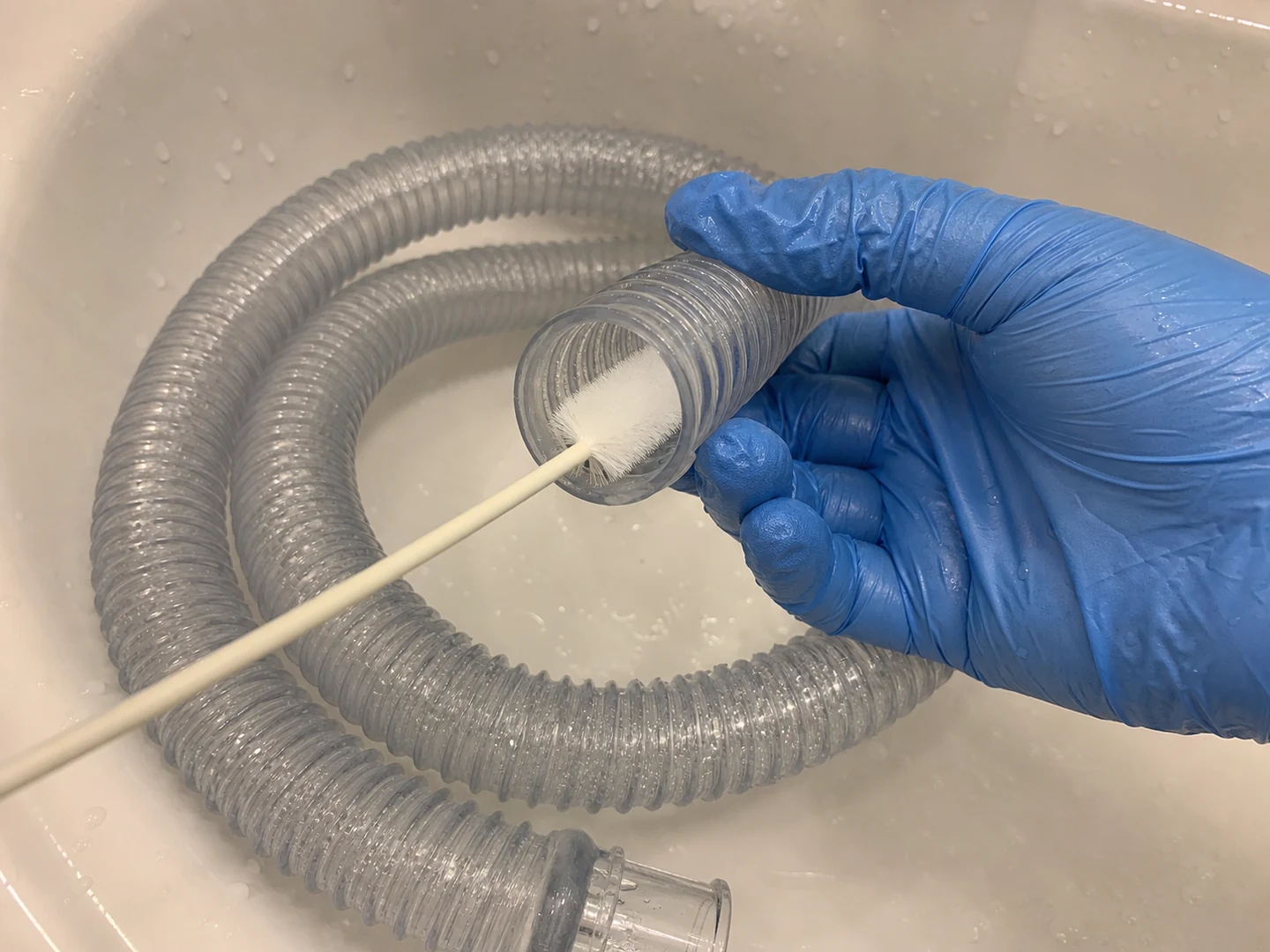
CPAP Hose Cleaning
For CPAP Hose Cleaning, the brush must reach the working area, disturb or collect…
Review application guidance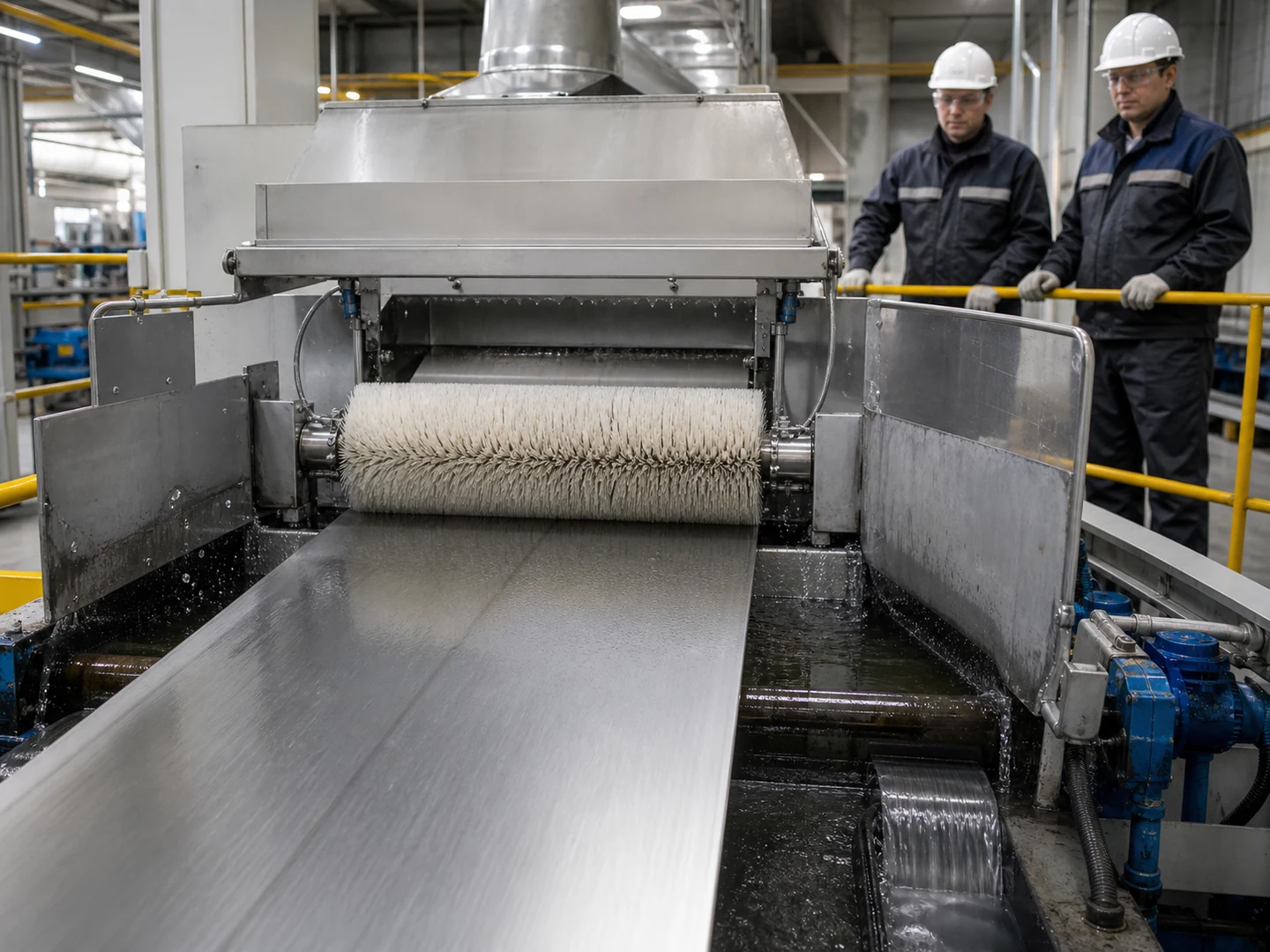
Metal Acid Pickling & Degreasing Line Brush Use
For Metal Acid Pickling & Degreasing Line Brush Use, the brush must reach the…
Review application guidance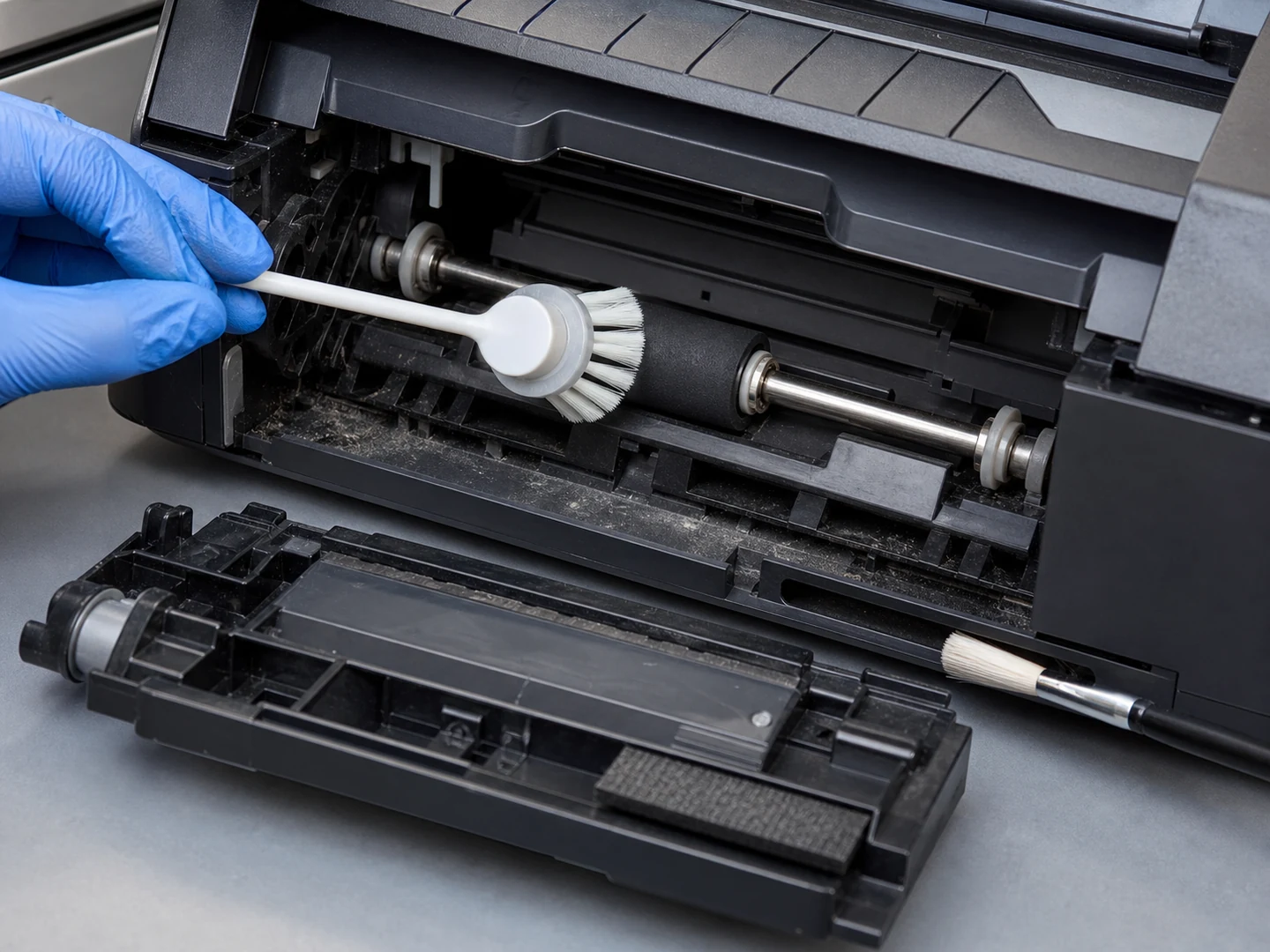
Printer & Scanner Cleaning
For Printer & Scanner Cleaning, the brush must reach the working area, disturb or…
Review application guidanceCustom Manufacturing RFQ
Discuss This Material
Share the working surface, residue, dimensions, material direction, interface, quantity and drawing or sample photo.
Custom Brush RFQ
Request a Custom Cleaning Brush Quote
Upload a drawing, product photo, or sample photo and provide the core dimensions and cleaning conditions.