
Material
PU Sponge
PU Sponge is selected from its stiffness, recovery, wear, wet-service, chemical, and temperature behavior. For a usable stiffness specification, provide the material, filament diameter, free trim, density, grade, and operating conditions.
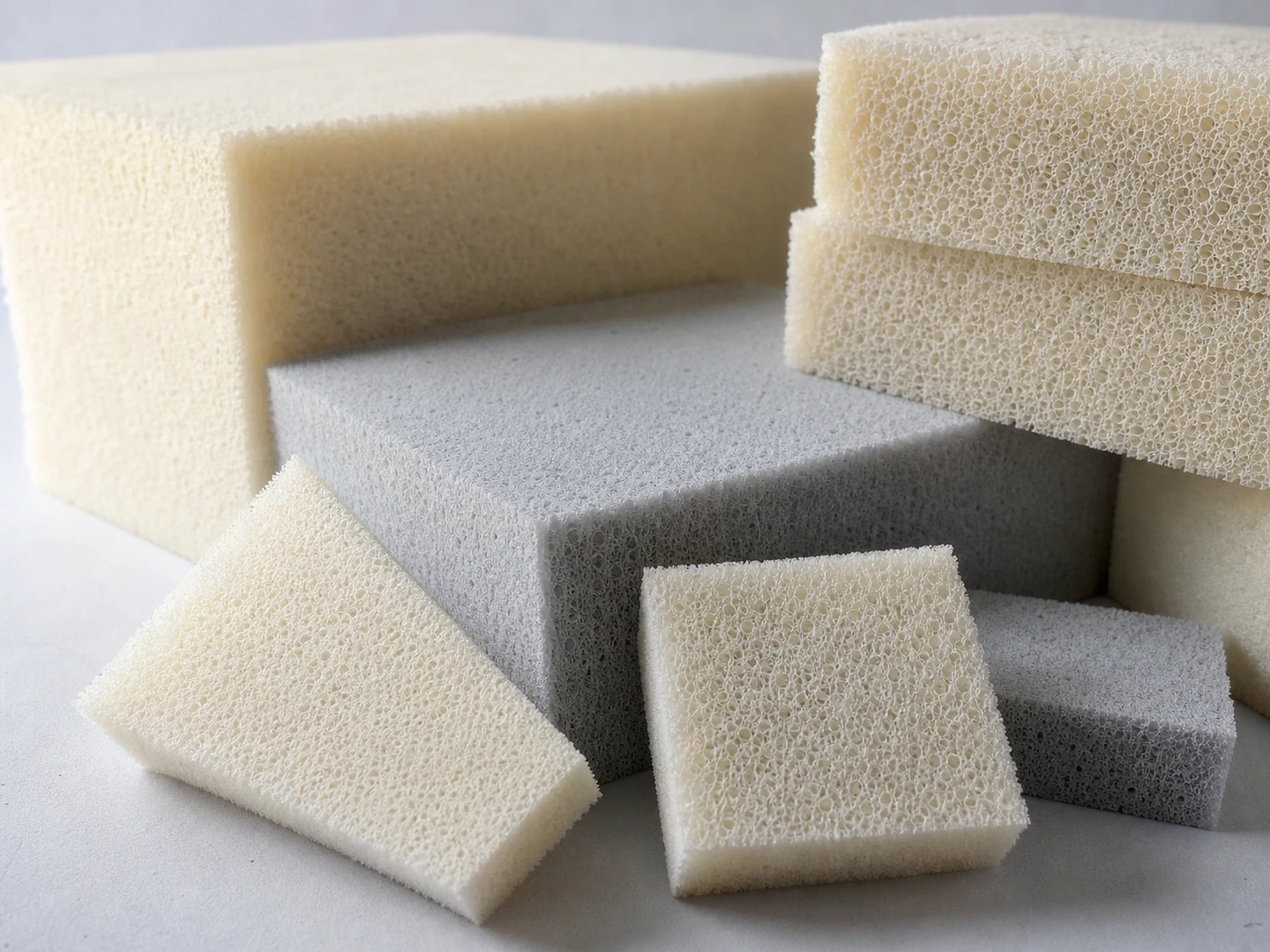
Material Overview
Polyurethane sponge is a cellular elastomeric material available in ether- and ester-based chemistries with different water, microbe and solvent responses.
In a finished brush, PU Sponge does not create a fixed stiffness by itself. Contact force and recovery depend on filament diameter, free trim, density, tuft pattern, and installed interference. Grade, moisture, temperature, and chemistry affect how that behavior changes in service.
Material Properties
| Density | 20–120 kg/m³ |
|---|---|
| Pore size | 100–1,000 µm |
| Hardness | 10–70 Shore 00 |
| Use temperature | -20–90°C |
| Water uptake | open-cell grades absorb freely |
Brush Applications
For PU Sponge, directly related brush structures include Handheld Detail Brushes, Roller and Conveyor Brushes, and Tube & Pipe Bore Brushes. Applications related to PU Sponge include Bottle & Container Cleaning, Cup & Mug Cleaning, Hydration Bag Cleaning, and Laboratory Tube Cleaning.
Specification and Customization
Material form
Porous Sponge / Roller
Common forms
Sponge head; foam roller.
Grade
Open-cell or reticulated sponge grade
Reference standard
ISO 527-1:2019; ASTM D638; ISO 62:2008; ASTM D570-22; ISO 868:2003; ASTM D2240-15(2021); ISO 4892-3:2024; ASTM G154-23; UL 94
Limitations and Alternatives
Not for strong solvents or abrasive surface finishing without grade data.
Frequently Asked Questions
What are the key properties of PU Sponge brush material?
Polyurethane sponge is a cellular elastomeric material available in ether- and ester-based chemistries with different water, microbe and solvent responses. Direct data: Density: 20–120 kg/m³; Pore size: 100–1,000 µm; Hardness: 10–70 Shore 00; Use temperature: -20–90°C; Water uptake: open-cell grades absorb freely.
Where is PU Sponge used in cleaning brushes?
Wiping, coating, liquid metering and drying rollers selected by pore size, density and wet recovery.
How does filament geometry change PU Sponge brush stiffness?
PU Sponge changes brush stiffness through filament diameter, free trim, density, crimp, and contact. Use finer filament and longer trim for conformable contact; use coarser filament, shorter trim, or higher density for stronger displacement or cutting.
When should PU Sponge be replaced by another material?
Compare PU Sponge with PVA, PVC sponge, PP sponge. Change material when wet stiffness, temperature, chemical resistance, conductivity, particle shedding, or surface marking becomes the limiting factor.
Continue Exploring
Recommended Reading & Related Brush Resources
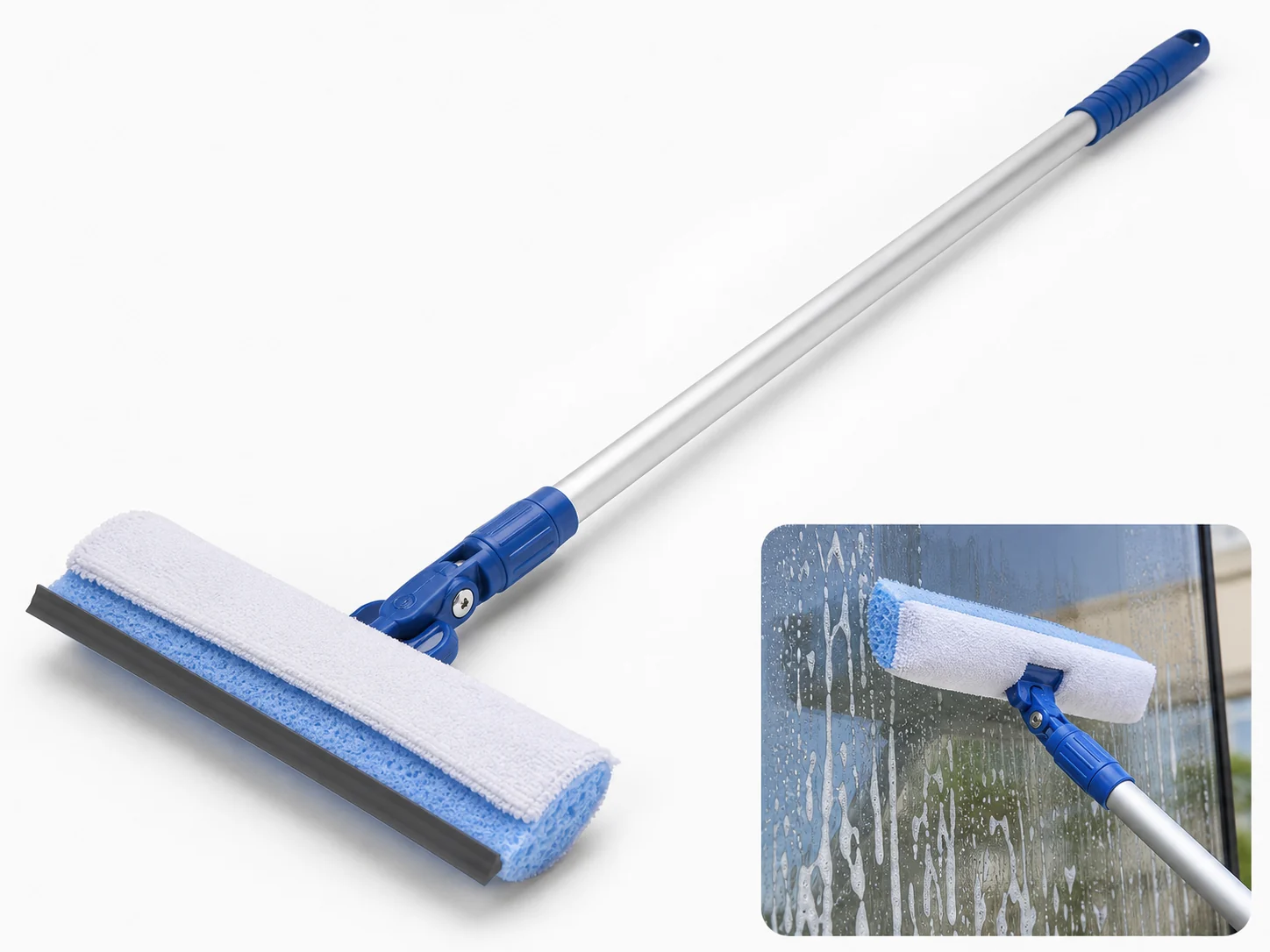
Sponge Window Brush
Custom sponge window brush for glass, coated-panel cleaning, configured around flat glass, coated sheets,…
Review product specifications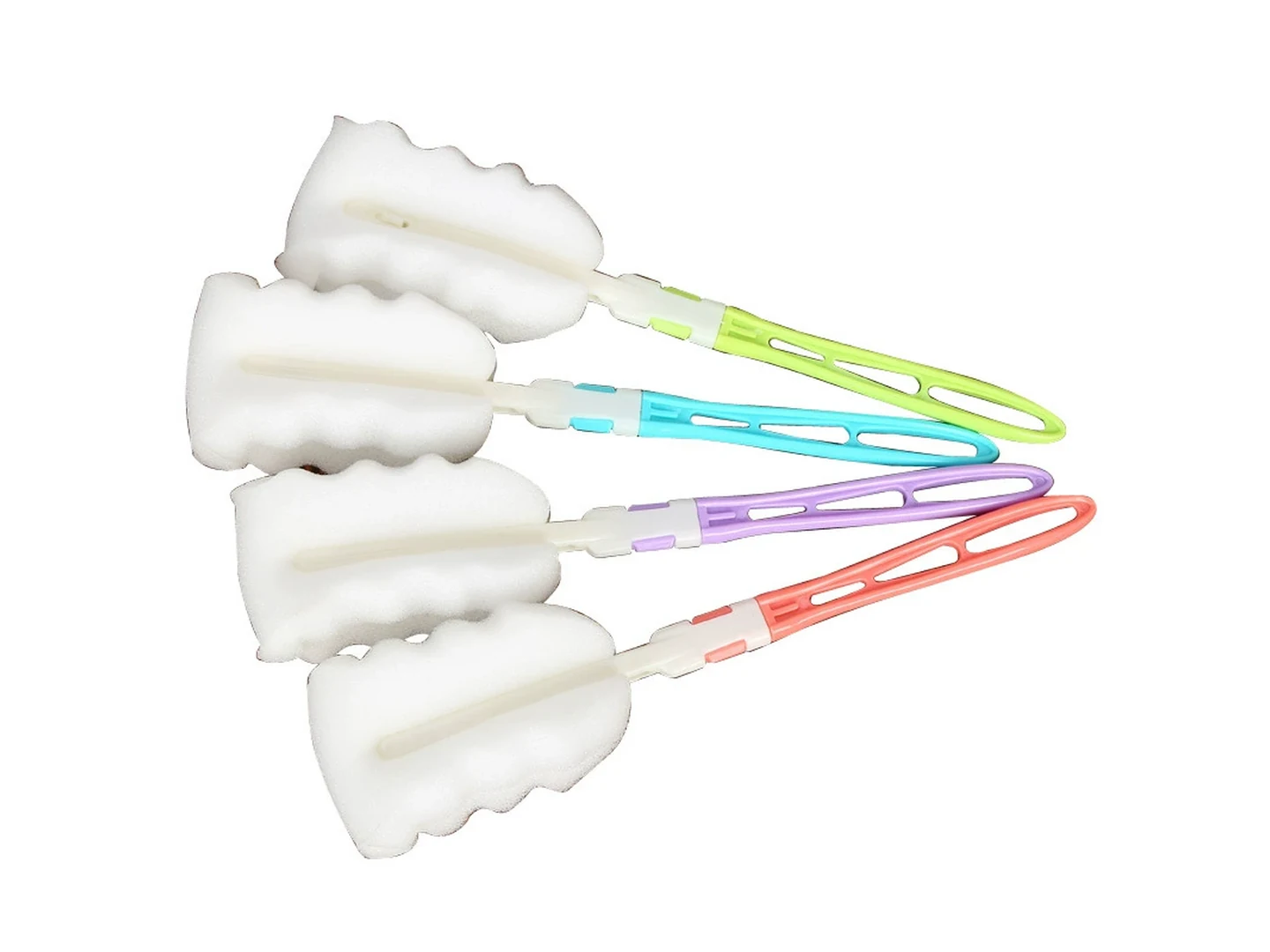
Baby Bottle Cleaning Brush Long Handle Nylon Bristle Sponge
Custom baby bottle cleaning brush long handle nylon bristle sponge for container interior, neck…
Review product specifications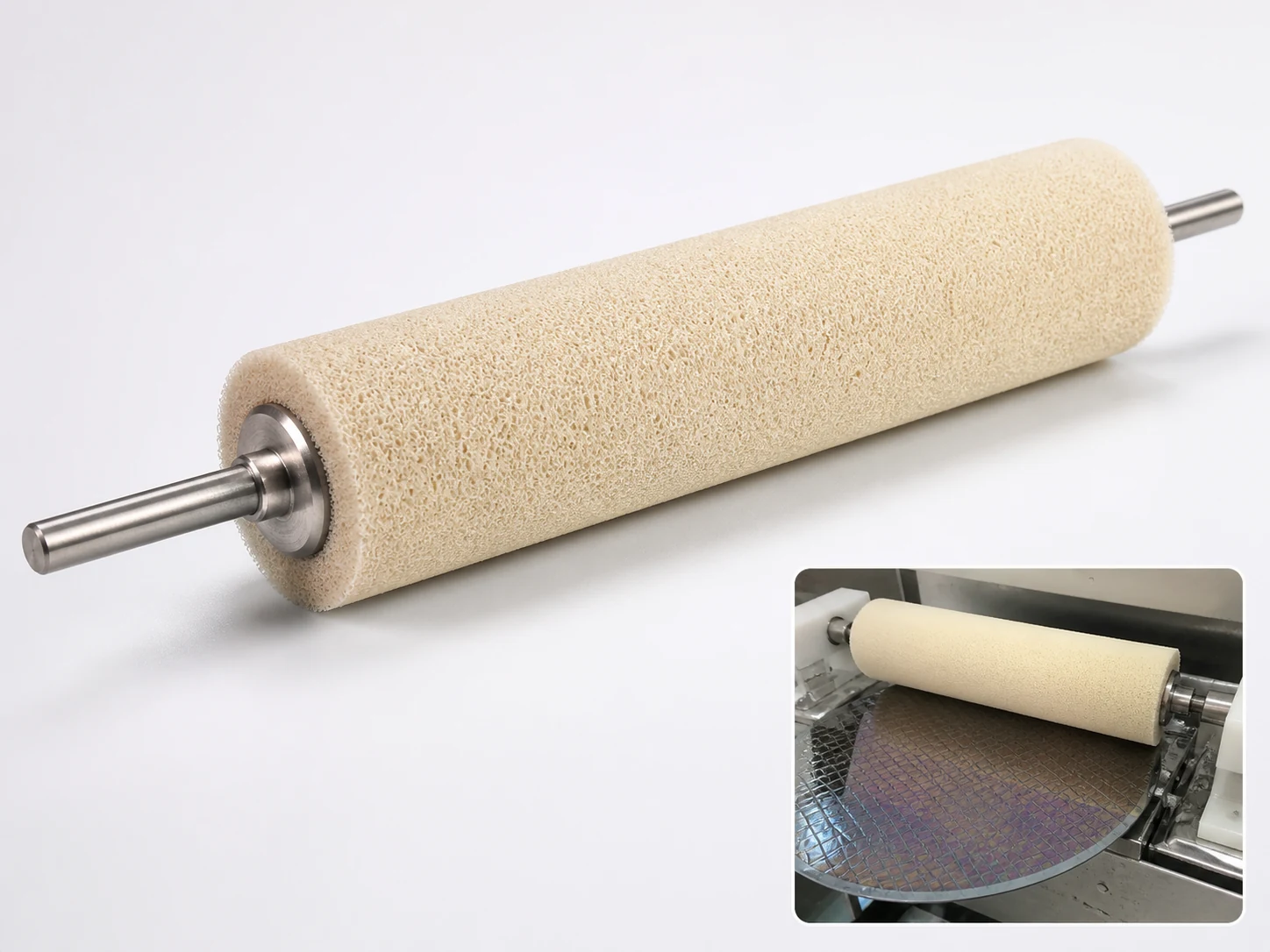
PVA Sponge Wafer
Custom pva sponge wafer for precision electronics, static-control cleaning, configured around contacts, slots, boards,…
Review product specifications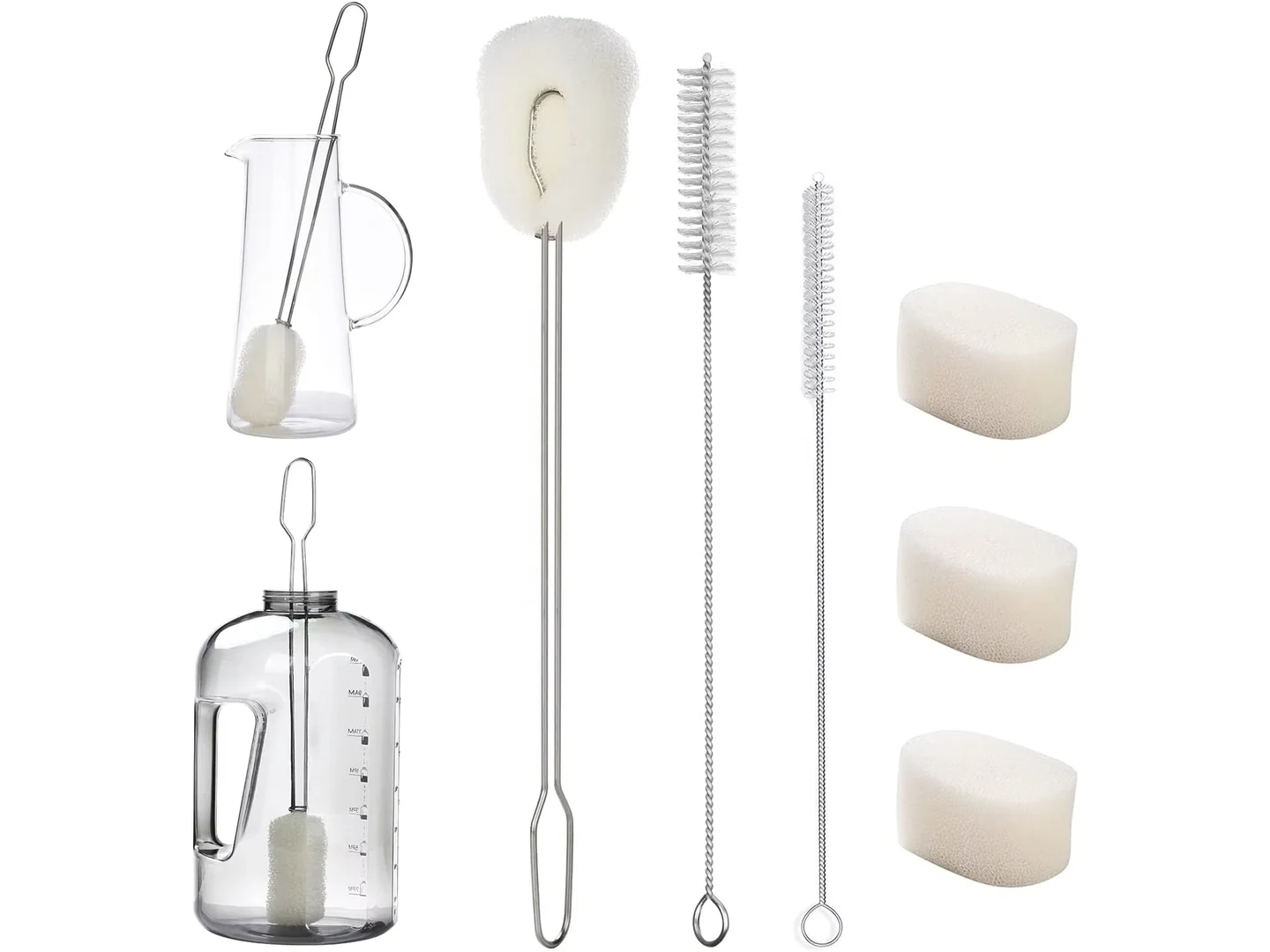
Sponge Bottle Brush
Custom sponge bottle brush for container interior, neck cleaning, configured around internal walls, shoulders,…
Review product specifications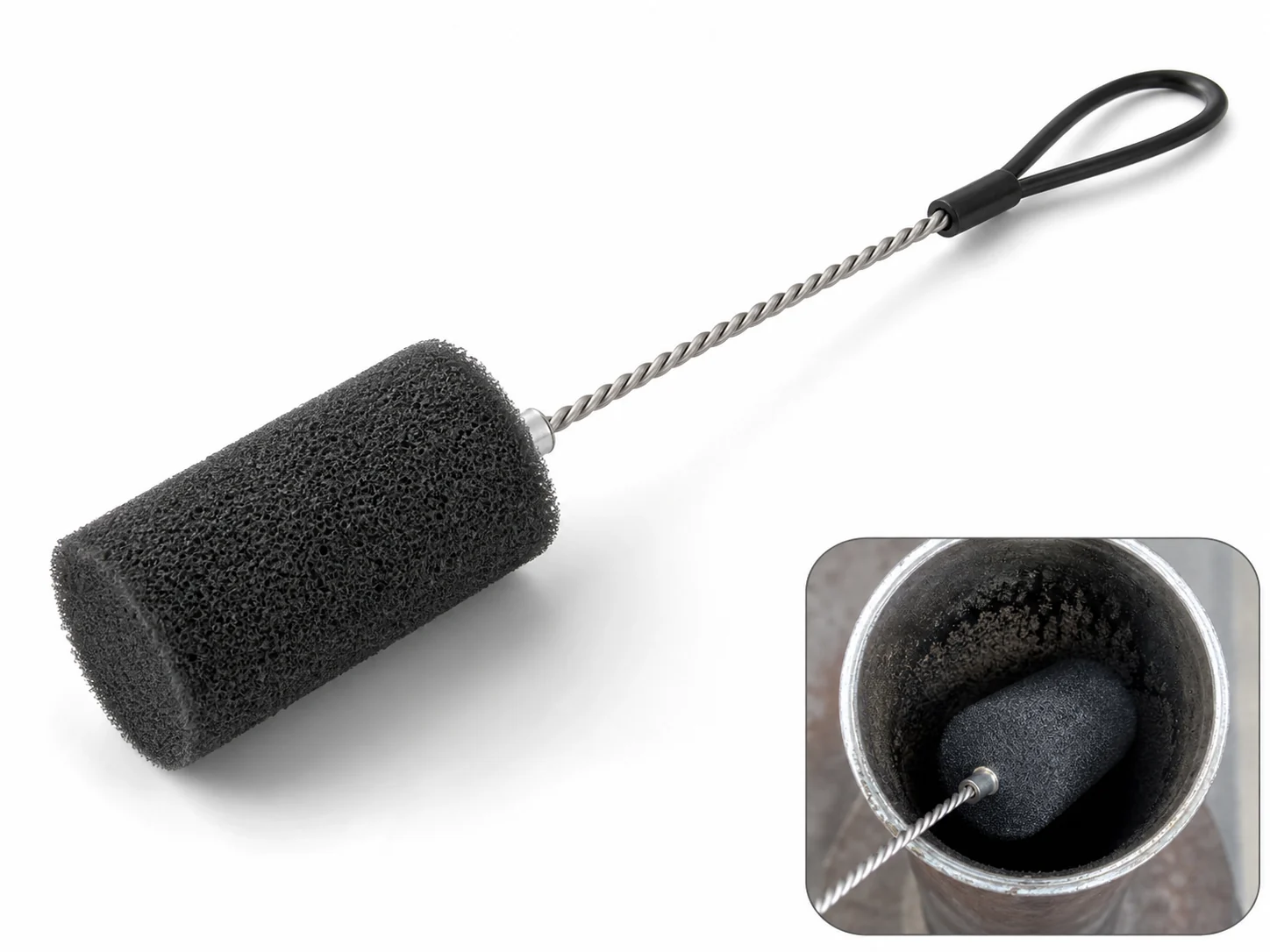
Sponge Chimney
Custom sponge chimney for duct, vent, chimney, configured around duct walls, dryer vents, flues,…
Review product specifications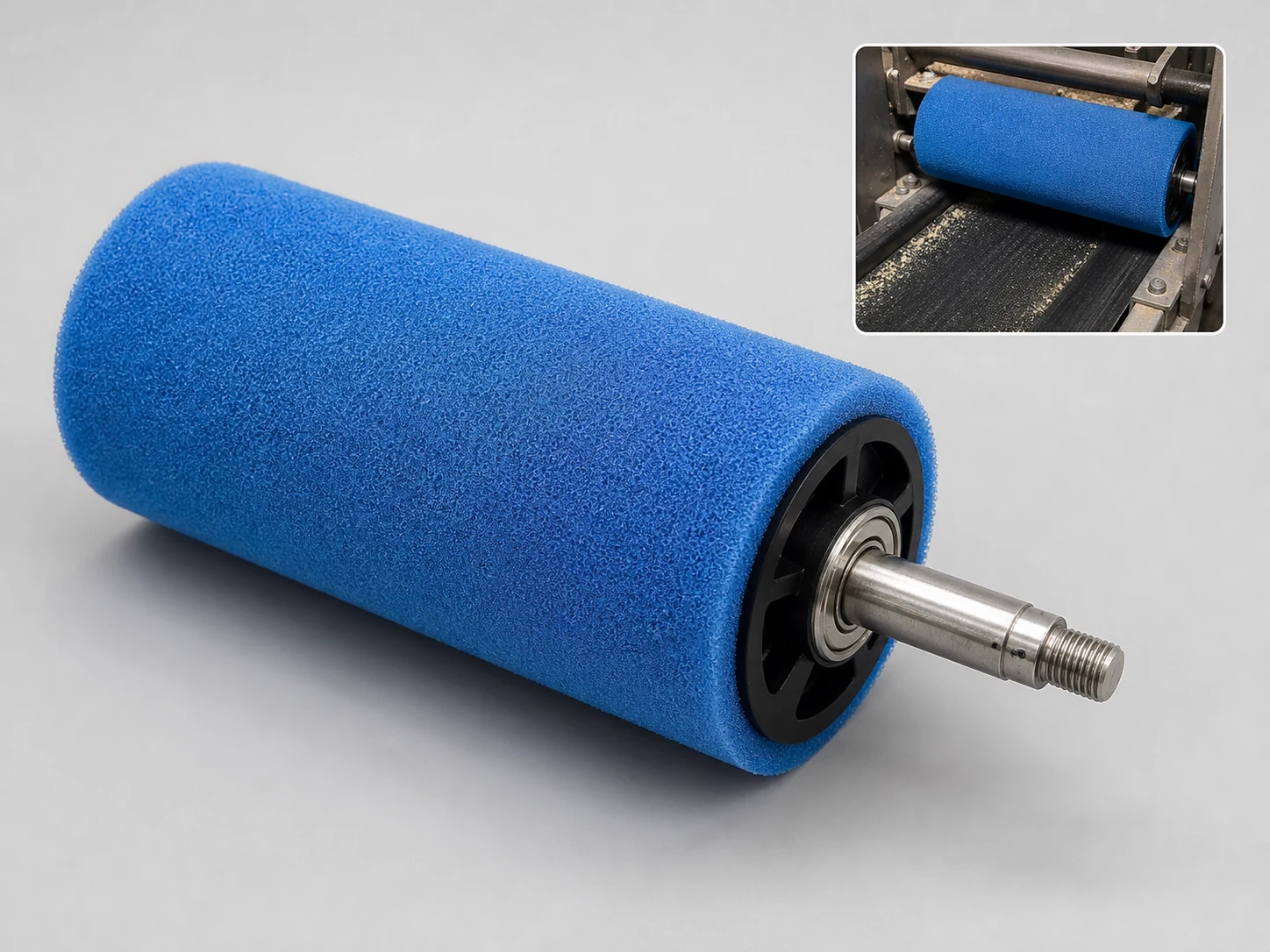
Sponge Cleaning Brush
Custom sponge cleaning brush for sponge cleaning, maintenance, configured around sponge contact surfaces, adjacent…
Review product specifications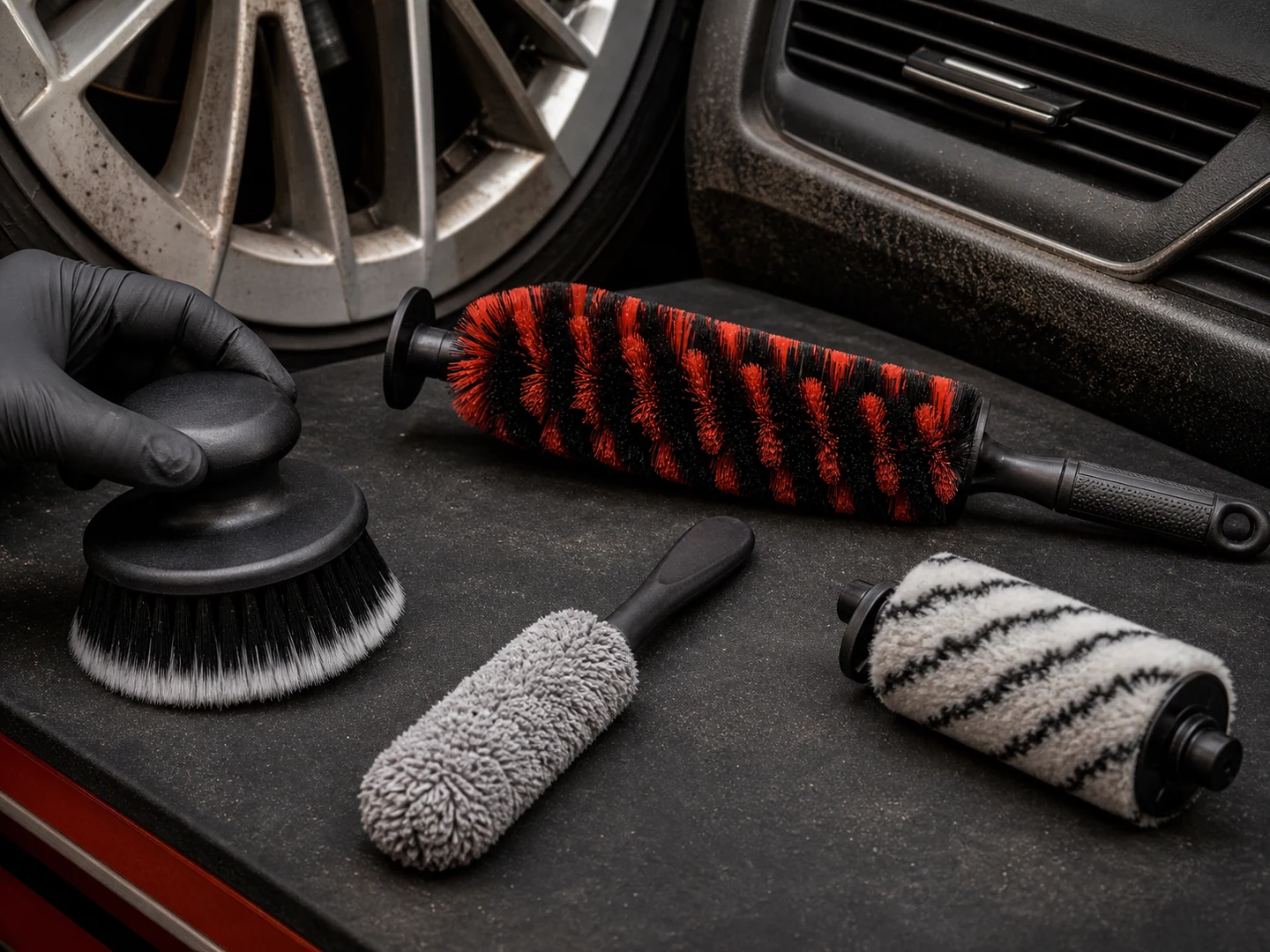
Custom Handheld Detail Brushes
Choose a handheld detail brush when the operator needs direct control in seams, recesses,…
Explore this brush type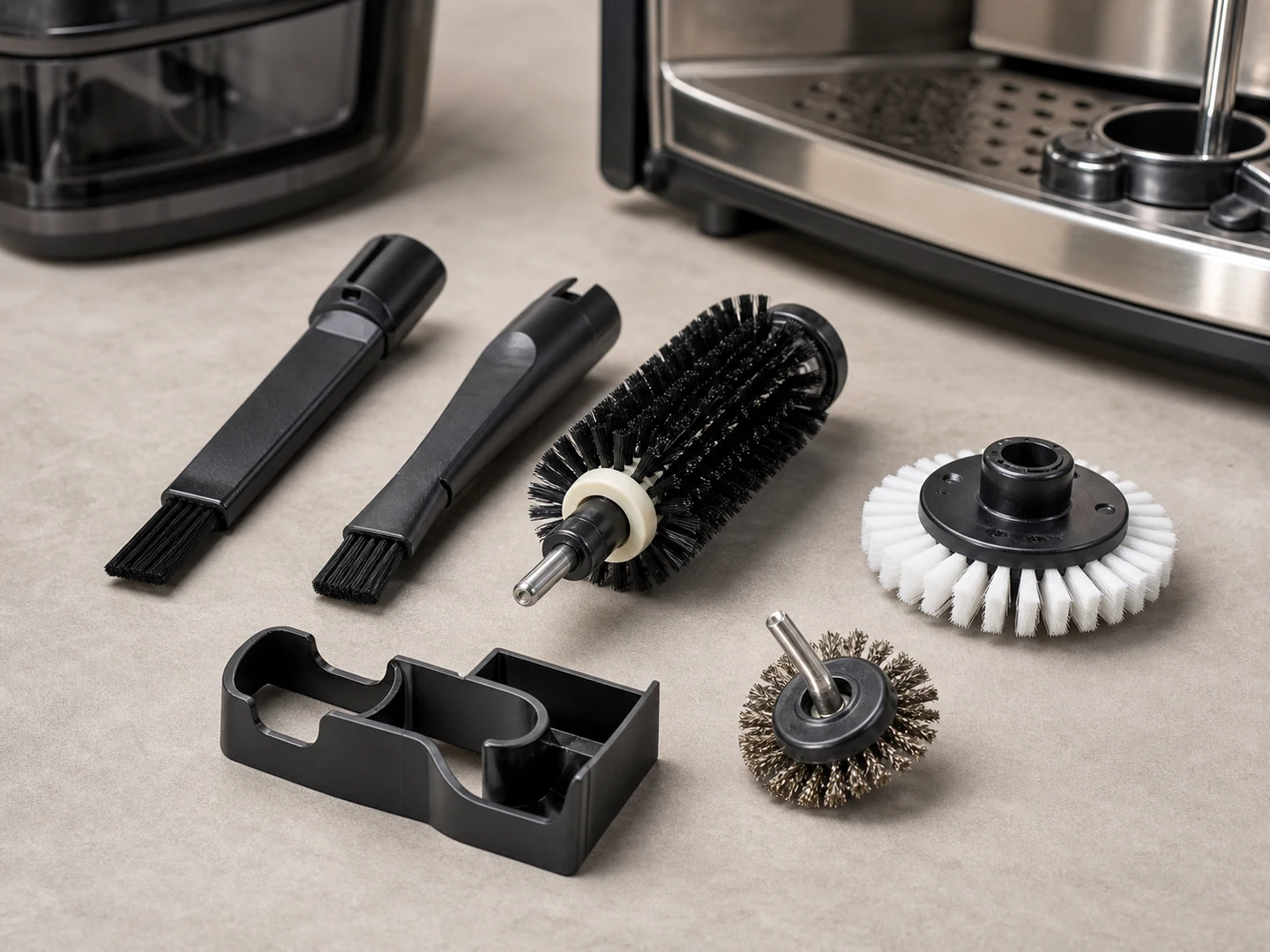
Custom Roller and Conveyor Brushes
Choose a roller or conveyor brush when a cylindrical brush must clean, wipe, guide,…
Explore this brush type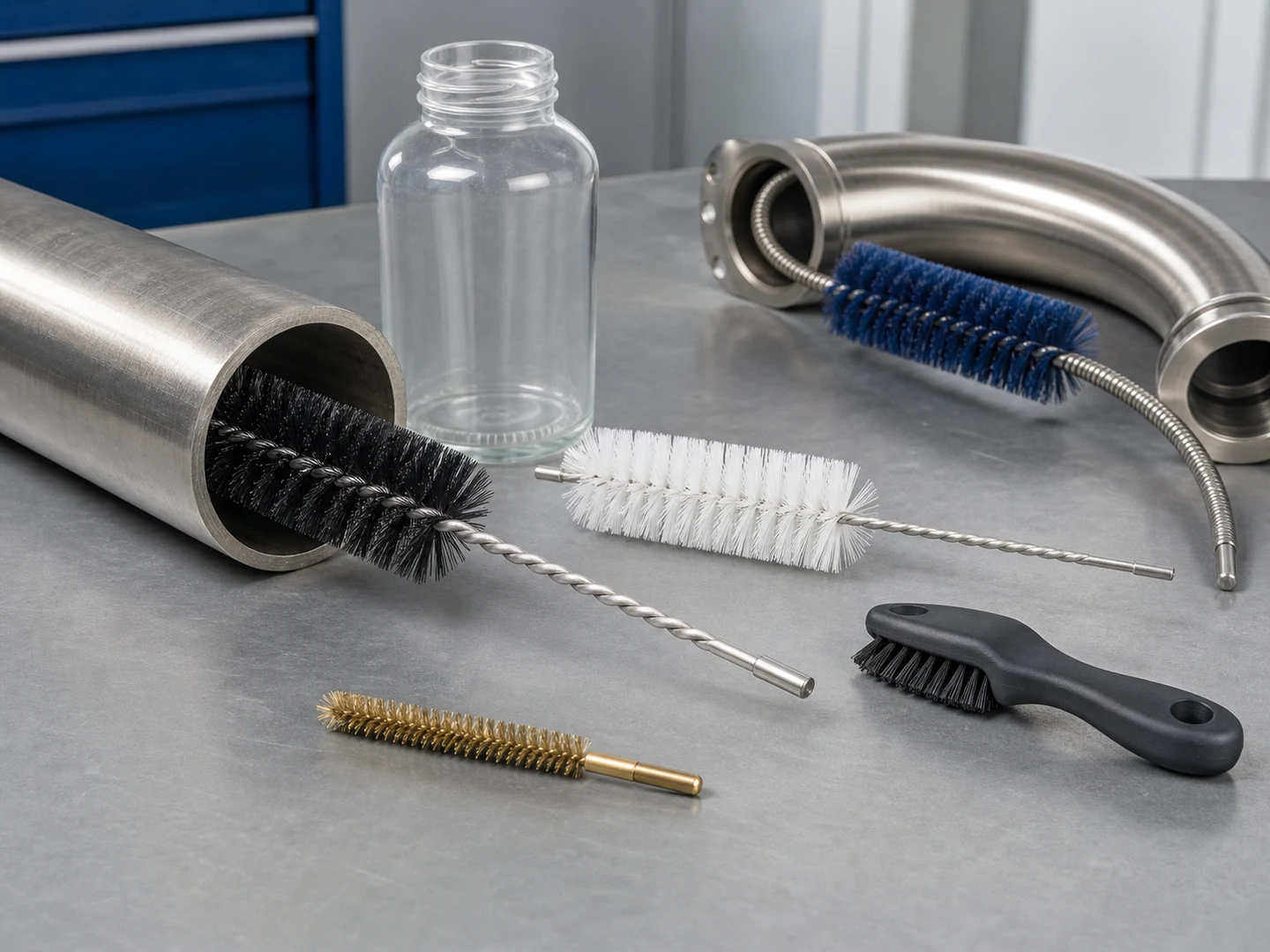
Custom Tube & Pipe Bore Brushes
Choose a tube, pipe, or bore brush when the working surface is inside a…
Explore this brush type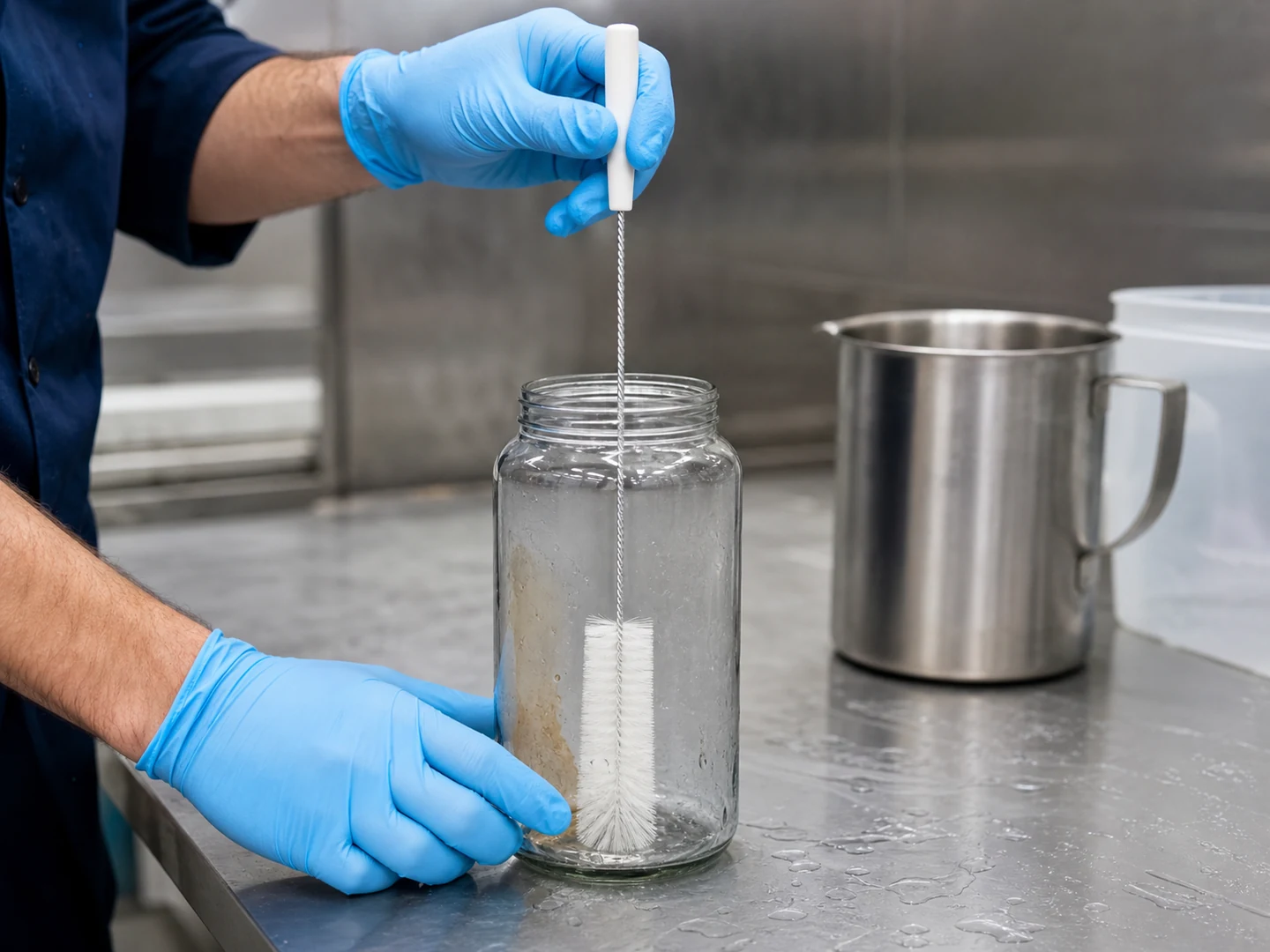
Bottle & Container Cleaning
For Bottle & Container Cleaning, the brush must reach the working area, disturb or…
Review application guidance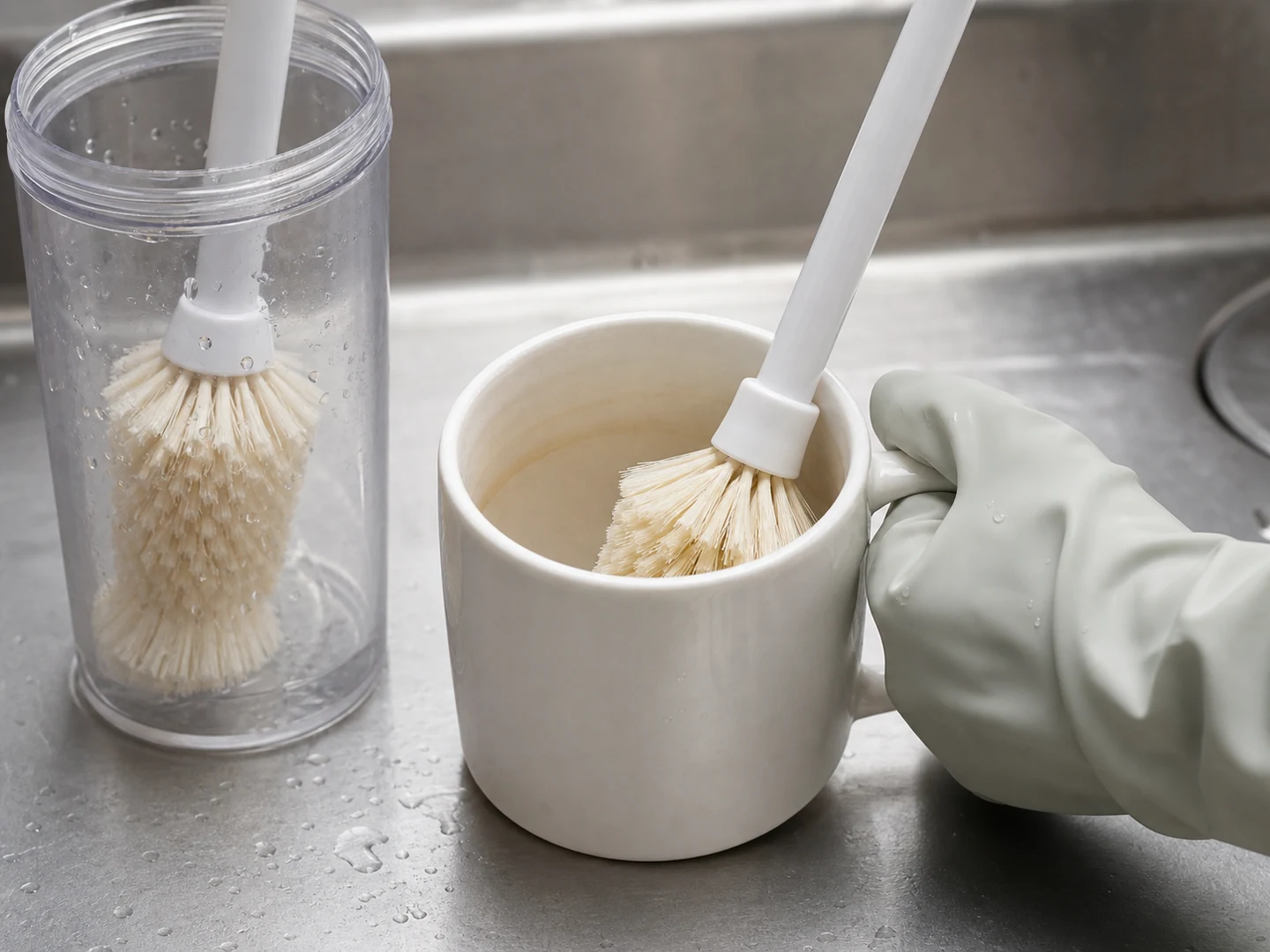
Cup & Mug Cleaning
For Cup & Mug Cleaning, the brush must reach the working area, disturb or…
Review application guidance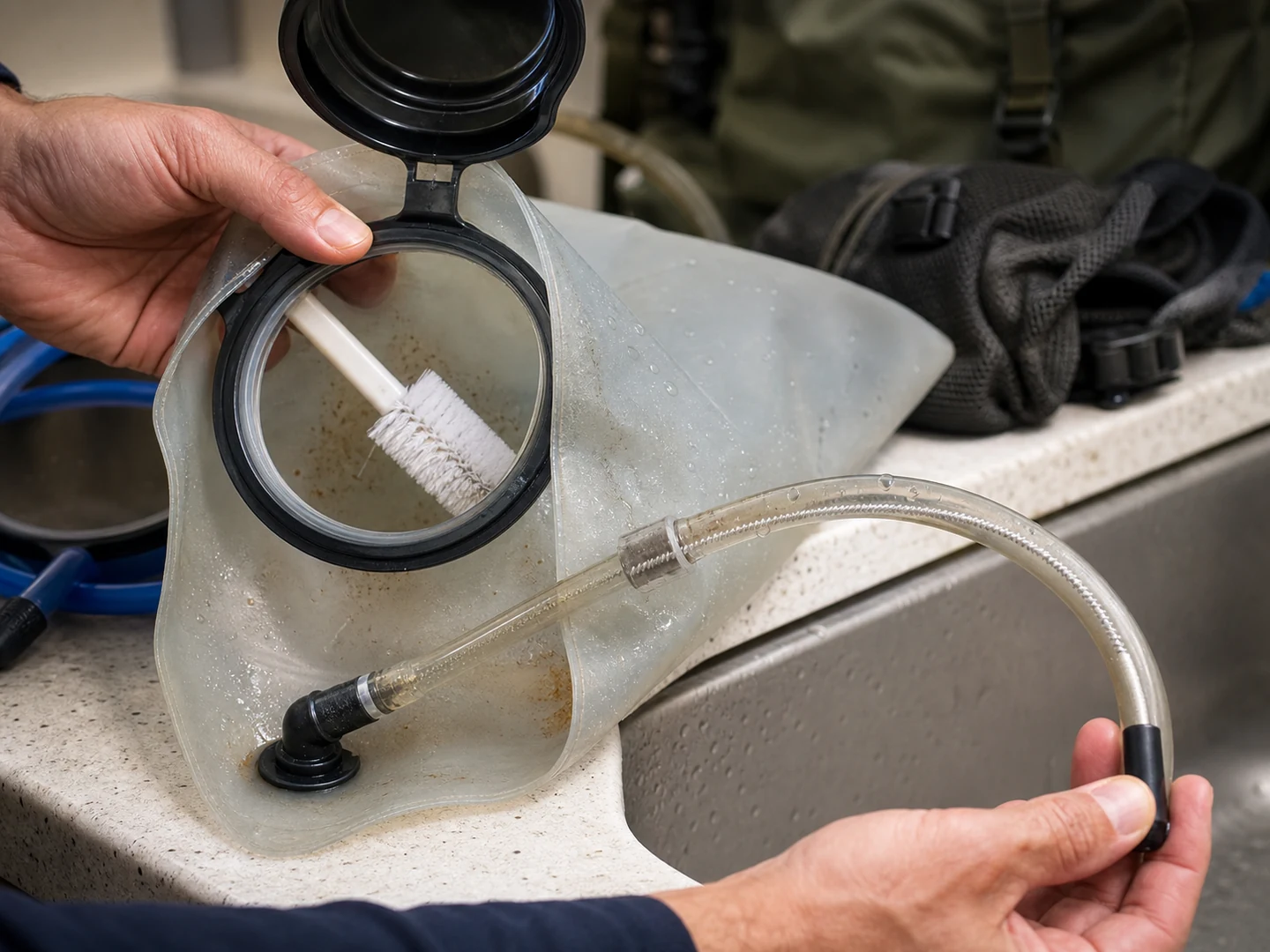
Hydration Bag Cleaning
For Hydration Bag Cleaning, the brush must reach the working area, disturb or collect…
Review application guidanceCustom Manufacturing RFQ
Discuss This Material
Share the working surface, residue, dimensions, material direction, interface, quantity and drawing or sample photo.
Custom Brush RFQ
Request a Custom Cleaning Brush Quote
Upload a drawing, product photo, or sample photo and provide the core dimensions and cleaning conditions.