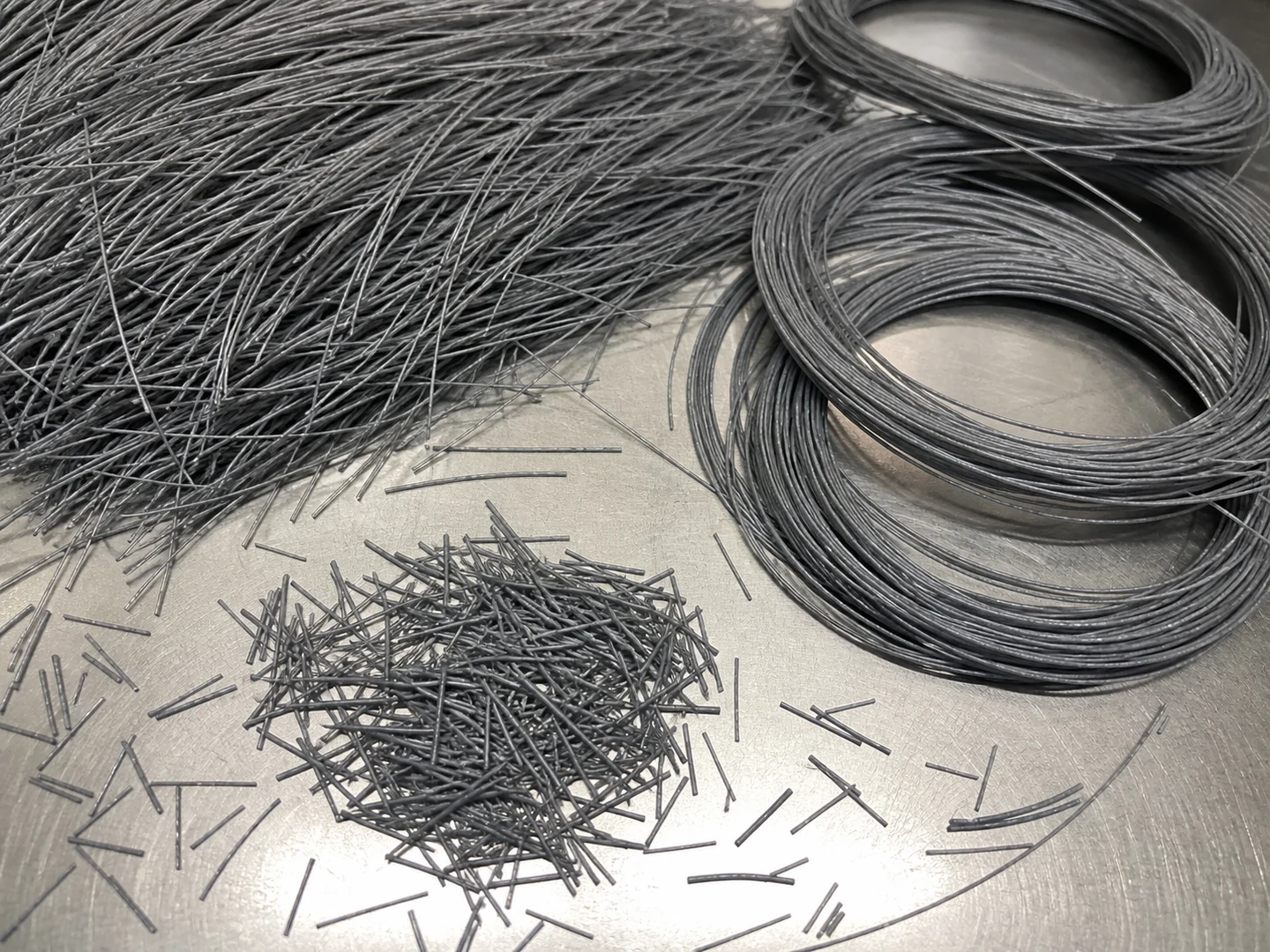
What Is an Acid Alkali Cleaning Brush Roller?
An acid alkali cleaning brush roller is a strip- or sheet-width rotating tool mounted on a shaft that applies uniform mechanical pressure to metal surfaces passing through a wet chemical bath. The brush filaments contact the surface to break loose oxides, scale particles, and process residues while the chemical solution dissolves or loosens the contamination. These brushed rollers are common in continuous surface treatment lines such as pickling, degreasing, pre-galvanizing, and pre-coating sections. Unlike a static brush head, the roller design provides full-width coverage and can be adjusted for rotational direction, speed, and pressure to suit production speed and surface sensitivity.
Why Oxide Removal Matters
For the safety point in this section, the relevant OSHA reference is OSHA — Hazard Communication.
For the safety point in this section, the relevant OSHA reference is OSHA — Chemical Hazards and Toxic Substances.
For material-selection language, this section is supported by World Stainless — Corrosion Resistance of Stainless Steels.
For brush terminology and construction language, this section references American Brush Manufacturers Association — Brush Lingo.
Oxide layers—whether from hot rolling, storage, or previous processing—create barriers that prevent coatings, platings, and paints from adhering properly. Incomplete oxide removal leads to coating voids, uneven surface texture, and premature corrosion. Chemical cleaning alone often leaves a thin smut or uneven attack; the mechanical action of a brush roller ensures uniform oxide breakout and surface activation. For critical applications like automotive panels, appliance steel, or tinplate, consistent oxide removal directly influences final product quality and warranty performance.
Common Brush Roller Configurations
Brush rollers for acid and alkali environments are available in several basic configurations, each influencing how the brush interacts with the strip and chemical bath:
- Solid core vs. open core: Solid cores provide dense filament packing and aggressive cleaning; open cores (tube-style) allow solution flow and reduce clogging.
- Mounting style: Keyed shaft, clamp-on, or quick-change end-discs affect changeover time and alignment precision.
- Diameter range: Outer diameters typically from 150 mm to 400 mm (6 in. to 16 in.), chosen based on line speed, wrap angle, and available space.
- Face length: Matched to strip width plus an edge margin; often custom-built to the exact line specification.
Material Comparison for Oxide Removal
| Filament Material | Acid Resistance | Alkali Resistance | Abrasiveness | Typical Oxide Application | Max. Continuous Temp. |
|---|---|---|---|---|---|
| Nylon 6/12 (standard) | Good to moderate | Excellent | Low | Light smut, post-pickling rinse | 80°C (176°F) |
| Abrasive Nylon (silicon carbide or alumina impregnated) | Good to moderate | Excellent | High | Heavy mill scale, stubborn oxides | 70°C (158°F) |
| Polypropylene | Excellent | Excellent | Low | Acid pickling baths, strong acids | 90°C (194°F) |
| Stainless Steel Wire (304 or 316) | Good (check alloy) | Excellent | Very high | Thick hot-roll scale, heavy deposits | 150°C (302°F) or higher |
| Natural Tampico (plant fiber) | Poor | Good | Low | Alkaline degreasing, light oxide on soft metals | 60°C (140°F) |
When selecting material, check the chemical compatibility chart provided by the filament manufacturer for your specific acid concentration, alkali pH, and operating temperature.
How to Choose the Right Brush Roller
Use the following decision factors to narrow your selection before contacting a brush supplier:
- Chemical exposure: Confirm the cleaning solution’s pH range, main chemical species (e.g., HCl, H₂SO₄, NaOH), and any additives. Choose a filament material that resists swelling, embrittlement, or chemical attack.
- Oxide type and thickness: Light smut may require only fine nylon; heavy hot-roll scale often needs abrasive nylon or stainless wire. Acknowledge the trade-off between cleaning speed and potential for micro-scratching.
- Surface sensitivity: Soft or polished metals (e.g., aluminum, bright stainless) need low-abrasive filaments. Hard carbon steels can tolerate aggressive brushes but still require controlled surface profile.
- Operating temperature: Heated tanks accelerate chemical cleaning but can soften or degrade some polymers. Match the filament temperature rating to the bath’s maximum continuous temperature.
- Filament diameter and density: Thicker filaments (e.g., 0.8–1.5 mm) provide stiffer scrubbing; high-density packing increases cleaning intensity but may trap debris. Open-core designs with less dense packing improve flushing but clean less aggressively.
- Core material: Common cores include polypropylene, PVC, or stainless steel. Ensure the core resists the chemical bath—a chemically resistant core prevents swelling, seize-up on the shaft, or contamination of the solution.
- Maintenance and changeover: Evaluate whether you need a quick-change design for frequent strip width changes or long production runs. Consider brush life, regrinding capability (if applicable), and spare part lead time.
Setup and Operating Conditions
Proper installation and operation directly affect brush roller life and cleaning quality:
- Alignment: The brush roller must be parallel to the strip/back-up roll and centered across the material width. Off-center or tilted brushes cause uneven wear and strip steering issues.
- Immersion depth: The brush must be sufficiently submerged so that filaments continuously carry solution into the contact zone. Inadequate immersion starves the brush of the chemical reaction’s benefits.
- Rotational speed and direction: Brushes can rotate co-current or counter-current to the strip movement. Counter-current generally gives more aggressive cleaning; co-current reduces risk of folding or damaging thin strip. Speed adjustments affect dwell time and scrubbing frequency.
- Pressure control: Adjust the nip pressure between brush and strip to control cleaning intensity. Overpressure accelerates filament wear and may scratch the surface; underpressure leaves oxide residues.
- Rinse/spray arrangements: High-pressure rinse nozzles or internal brush lubrication sprays help flush dislodged particles, prevent filament clogging, and cool the brush in high-temperature lines.
Common Mistakes When Selecting a Brush Roller
- Choosing filament material by cost drivers alone: Low-cost nylon may swell in strong acids, losing stiffness and requiring premature replacement. Verify chemical compatibility first, then compare cost-per-running-meter.
- Ignoring temperature limits: Running a brush above the filament’s rated temperature results in rapid softening, bending, or melting. Always check both the intermittent and continuous temperature thresholds.
- Mismatched core material: A standard steel shaft or core in acidic conditions can corrode and contaminate the bath. Use plastic or stainless cores rated for the chemical environment.
- Assuming one brush fits all strip widths: Standard off-the-shelf lengths rarely match uncommon strip sizes, leading to uncovered edges or excessive overhang. Verify face length tolerances and specify exact working width.
- Neglecting brush stiffness trials: Filament diameter, length, and density together determine stiffness. Running a sample strip under production-like conditions is the best way to confirm that the chosen stiffness removes oxide without surface defects.
- Overlooking maintenance access: If the brush roller is difficult to remove for inspection or replacement, production downtime increases. Evaluate mounting systems that allow for hot-swapping or quick roll-out.
When an Acid Alkali Cleaning Brush Roller Is Not Enough
Brush rolling alone cannot solve every oxide removal challenge. Recognize the limits:
- Exceptionally thick or hard scale: Heavy hot-roll mill scale exceeding 50 μm may require chemical pickling or shot blasting before a brush roller can finish the surface.
- Deep pitting or corroded surfaces: Pitted areas trap oxide and chemicals; brush rollers work on surface-contacting layers, not deep pits. These parts may need separate mechanical grinding.
- Complex product shapes: Brush rollers are designed for flat strip, sheet, or smoothly curved surfaces. Profiles, tubes, or irregular shapes need customized brush heads or alternative cleaning methods.
- Extremely aggressive chemicals: Some strong oxidizing acids (e.g., hot concentrated nitric) or hot caustic environments degrade most polymer filaments. In such cases, special chemically resistant alloys or ceramic filaments may be required, but those fall outside standard brush roller designs.
- Mirror-finish requirements: For products needing a near-defect-free finish, a brush roller alone may leave micro-scratches. Follow with a non-woven polishing stage or belt polishing.
If your process pushes any of these boundaries, arrange for sample testing with your brush supplier and request a detailed drawing that confirms chemical compatibility, core strength, and expected wear pattern.
Final Takeaway
Choosing an acid alkali cleaning brush roller for oxide removal is a balance between chemical resistance, mechanical aggressiveness, and line compatibility. Start by defining your oxide type and chemical bath profile, then select filament material and core design that survive the environment. Confirm diameter, face length, and mounting style for your line, and always validate with a trial run if you are processing sensitive strip or uncertain about surface finish. A well-selected brush roller reduces rework, extends bath life, and lowers total cost of operation.
Frequently Asked Questions
What is the difference between standard nylon and abrasive nylon for oxide removal?
Standard nylon filaments provide gentle scrubbing and are best for light smut or post-rinsing. Abrasive nylon filaments contain embedded silicon carbide or aluminum oxide grains, which cut through heavier scale and stubborn oxides faster. However, abrasive nylon may leave a slightly rougher surface finish and wears faster if used on very hard substrates.
Can the same brush roller be used in both acid and alkali tanks?
It depends on the filament material. Polypropylene and certain nylon grades resist both acids and alkalis, but you must verify the concentration and temperature limits for both baths. Switching the same brush between tanks risks cross-contamination and may reduce filament life if one solution is more aggressive. Often, dedicating separate brush sets to acid and alkali lines is safer.
How often should acid alkali cleaning brush rollers be replaced?
Replacement frequency depends on line speed, bath chemistry, pressure, and filament material. A typical continuous galvanizing line might replace abrasive nylon brush rollers every 2–4 weeks, while a milder alkaline degreasing line could last 3–6 months. Regular inspection of filament wear, tip shape, and core condition determines the actual replacement interval.
How do I determine the correct brush roller diameter for my line?
Measure the available space between the back-up roll and the tank structure. The brush roller outer diameter should allow an appropriate wrap angle (usually 15°–30°) against the strip without interfering with guides or edges. Line speed also matters: higher line speeds may benefit from larger diameters to maintain effective contact time. Consult your line design drawings or the original equipment supplier for recommended diameters.
Can a brush roller be custom sized for non-standard strip widths?
Yes, most industrial brush rollers are custom-made to the exact face length required, plus a small edge margin to account for strip wandering. Provide the minimum, maximum, and nominal strip widths, along with the roll face overall length tolerance. Custom sizing avoids ineffective edge cleaning and reduces unnecessary brush wear on unused sections.
What are signs that a brush roller is not removing oxide effectively?
Visible oxide streaks or ghost lines after cleaning, increased downstream coating defects, or a measurable decline in surface roughness uniformity indicate poor brush performance. If the brush filaments appear bent, matted, or shortened, they have lost backbone and need replacement. Regular surface inspection and profilometer checks help catch the problem early.
Does brush rotational direction really matter for oxide removal?
Yes. Counter-current rotation (brush surface moves opposite to strip travel) increases the relative speed at the contact point, which improves mechanical action on oxides. Co-current rotation is gentler and reduces the risk of thin strip lifting or folding. The choice depends on whether you prioritize aggressive cleaning (counter-current) or strip integrity (co-current), and can sometimes be optimized by adjusting speed independently.
What maintenance extends brush roller life in wet chemical lines?
For polymer brushes, rinse thoroughly after each shift or production run to remove acidic or alkaline residues that can degrade filaments over time. Inspect core seals to prevent bath liquid from entering the shaft connection and causing corrosion or seizure. Store spare brushes away from direct sunlight and high humidity to slow polymer aging. Rotate brush direction periodically to even out filament wear if the line allows.